
Finding budget-friendly healthy snacks for school kids can feel like a daunting task. Yet, with a little creativity and planning, we can provide our children with nutritious options that they’ll love and that won’t break the bank. For more ideas, check out Make These Quick DIY Healthy Snacks for Kids’ Lunchboxes.
Understanding Healthy Snacks for School Kids
What Constitutes a Healthy Snack?
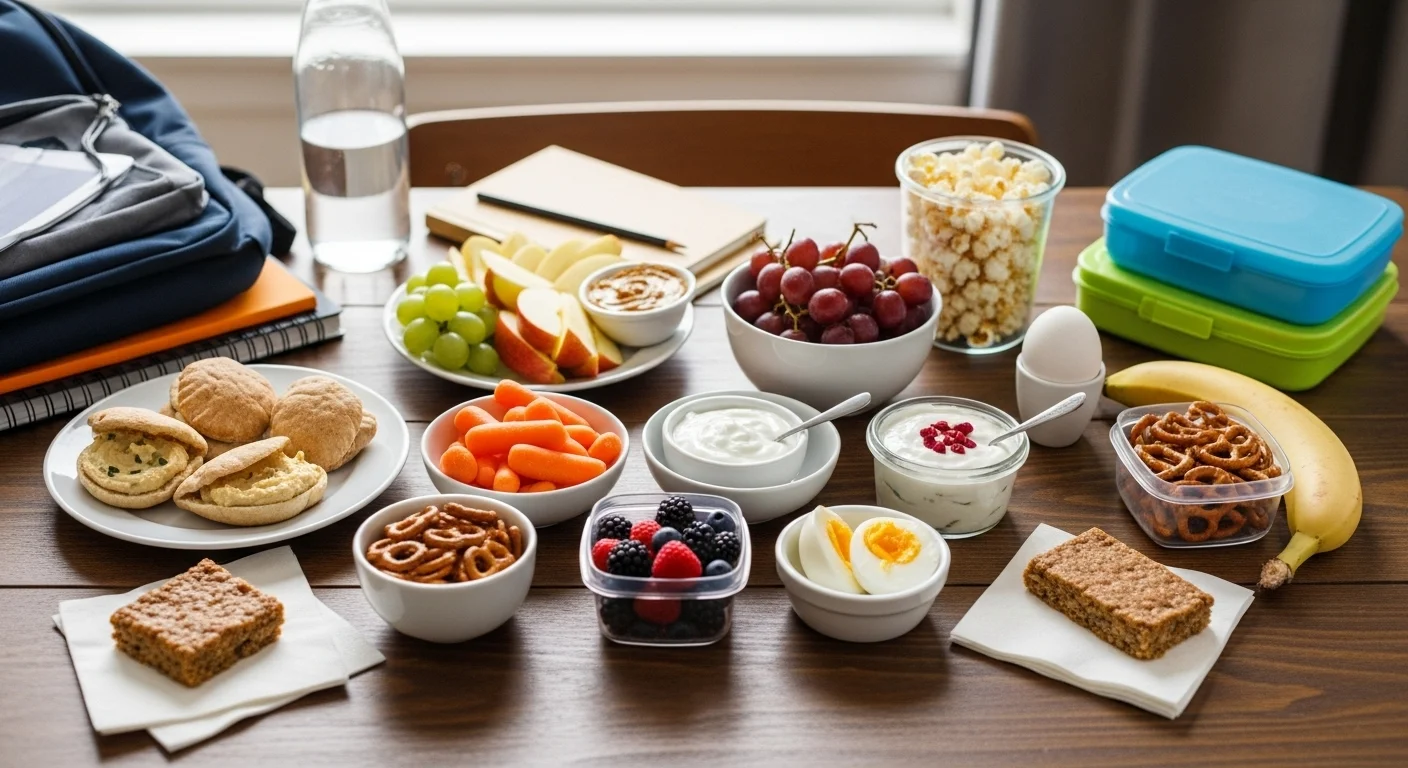
When it comes to healthy snacks for kids, I’ve learned that a few key components can make a big difference. A healthy snack should ideally be nutrient-dense, meaning it provides a good balance of vitamins, minerals, fiber, and protein without a lot of added sugars or unhealthy fats. I often look for snacks that are colorful, as this usually indicates they are rich in different nutrients. Fresh fruits and veggies, whole grains, lean proteins, and healthy fats are all excellent choices. For instance, a banana or an apple paired with a handful of nuts makes a delicious and filling snack.
Benefits of Healthy Snacking for Children
The benefits of healthy snacking extend far beyond just keeping hunger at bay. I’ve noticed that when my kids eat nutritious snacks, their energy levels are steadier throughout the day. They can focus better in school, and their moods are generally more stable. I believe that healthy snacks can help prevent those dreaded mid-morning slumps that leave kids feeling tired and distracted. Plus, introducing a variety of healthy snacks can encourage kids to develop a taste for different flavors and textures, which is important for their long-term eating habits.
Budget-Friendly Snack Ideas
1. Homemade Trail Mix
Creating your own trail mix is not only fun, but it’s also a fantastic way to ensure your kids get a variety of nutrients. I like to mix nuts, seeds, dried fruits, and a few dark chocolate chips for a sweet touch. This snack is great for portion control, as you can easily measure out small bags for your kids to take to school. Plus, making it at home is far cheaper than buying store-bought versions!
2. Fresh Fruit Kabobs
Fruit kabobs are a hit in our house! I simply cut up fruits like strawberries, grapes, and melons and let my kids assemble their own skewers. It’s a fun activity that also encourages them to eat more fruit. Plus, they’re visually appealing and easy to grab for a quick snack on busy mornings.
3. Yogurt Parfaits
Yogurt parfaits are another easy and nutritious snack. I layer yogurt with granola and fresh fruit in a cup. Not only do they look delicious, but they can also be made in advance and stored in the fridge. A little tip: I often buy large tubs of yogurt instead of single-serving cups to save money!
4. Veggie Sticks with Hummus
Veggie sticks with hummus have become a staple in our snack rotation. I like to prepare a mix of carrots, cucumbers, and bell peppers. Hummus is a great source of protein and flavor. I usually buy it in bulk or make my own, which is quite economical and easy. My kids love dipping their veggies, and it’s a great way to get them to eat more greens.
5. Whole Grain Popcorn
Popcorn is not just for movie nights! I pop my own popcorn using an air popper and season it with a little bit of salt or nutritional yeast. It’s a whole grain snack that’s high in fiber and low in calories. This is a fantastic option when my kids need something crunchy to munch on between meals.
6. Peanut Butter and Banana Wraps
Peanut butter and banana wraps are a favorite in our home. I spread peanut butter on a whole wheat tortilla, add a banana, roll it up, and slice it into bite-sized pieces. It’s satisfying and provides a good mix of carbs and protein. I remember when my kids first tried this, they couldn’t get enough!
7. Cheese and Whole Wheat Crackers
Cheese and whole wheat crackers are a classic snack that kids love. I often buy a block of cheese and slice it myself to save money. Pairing it with whole wheat crackers provides a good balance of protein and fiber. I find it’s an easy snack to pack in their lunches, too.
8. Hard-Boiled Eggs
Hard-boiled eggs are a protein-packed snack that’s super easy to prepare. I usually boil a batch at the beginning of the week, so they’re ready to go. My kids enjoy them with a sprinkle of salt or a dash of hot sauce. Having these on hand is a great way to ensure they get a wholesome snack when they’re hungry.
9. Oatmeal Energy Balls
I love making oatmeal energy balls for a quick snack. They’re made from oats, nut butter, honey, and whatever mix-ins I have on hand, like chocolate chips or dried fruit. These little bites are easy to make, and my kids love taking them to school. They’re filling and provide a good energy boost! For more ideas, see 10 DIY Healthy Snacks for Kids That They’ll Actually Love.
10. Frozen Yogurt Bark
Frozen yogurt bark is a fun and refreshing treat. I spread yogurt on a baking sheet, top it with fruits and nuts, and freeze it. Once it’s set, I break it into pieces. It’s a healthy alternative to ice cream, and my kids think it’s a special dessert. Plus, it’s very budget-friendly when using seasonal fruits!
How to Prepare These Snacks Efficiently
Meal Prepping for the Week
Meal prepping has become a game-changer for our family. I remember when I used to scramble every morning, trying to put together last-minute snacks for my kids. Now, I dedicate a little time each weekend to prepare snacks for the week ahead. This way, our mornings are much less hectic, and I can ensure my kids have healthy options at their fingertips.
One of my favorite strategies is to set aside a couple of hours on Sunday to prepare everything. I often wash and chop veggies for hummus, slice fruits for kabobs, and make a big batch of oatmeal energy balls. I store everything in clear containers in the fridge, making it easy for the kids to grab what they want. I’ve found that when snacks are prepped and ready to go, my kids are much more likely to choose them over less healthy options.
Involving Kids in Snack Preparation
Getting my kids involved in snack preparation has been a fantastic way to teach them about healthy eating while having fun together. I’ve discovered that when they help make the snacks, they are more excited to eat them. For example, when we make fruit kabobs, I let them choose which fruits to use and how to assemble them. Watching their creativity come alive is so rewarding!
Sometimes, we turn snack prep into a mini cooking class. I’ll explain the benefits of each ingredient, like how nuts are great for protein or how yogurt is full of calcium. I believe this not only makes them more informed about what they eat but also encourages them to try new foods. Plus, it’s a great bonding activity that makes healthy eating a family affair!
Cost-Effective Shopping Tips
Buying in Bulk
One of my best-kept secrets for saving money on healthy snacks is buying in bulk. I’ve noticed that items like nuts, seeds, and dried fruits are often much cheaper when purchased in larger quantities. I typically go to a bulk store once a month to stock up. This way, I can fill up reusable containers with just what we need, and it lasts a long time.
For example, I recently bought a large bag of rolled oats and made a big batch of oatmeal energy balls. Not only did it save us money, but it also meant I had a healthy snack ready whenever my kids needed it. I often share this tip with friends, and they’ve found it incredibly helpful too!
Using Coupons and Discounts
I’m a big fan of using coupons and keeping an eye out for discounts. I’ve become quite the detective when it comes to finding deals on healthy snacks. I usually check local grocery store apps or websites for weekly sales before making my shopping list. Sometimes, I even find coupons for items I already plan to buy, which is like finding extra money in my pocket!
Additionally, I follow my favorite brands on social media. They often share exclusive offers or promotions that can help save some cash. I’ve realized that a little planning can go a long way in making healthy snacking more affordable.
Store Brand vs. Name Brand Products
When it comes to store brands, I’ve found that they can often be just as good as name brands but at a fraction of the price. I remember being hesitant at first, but then I decided to give them a try. I was pleasantly surprised! For instance, I switched from a name-brand yogurt to the store brand, and honestly, I couldn’t taste the difference. This small change saved me a lot over time.
Now, I encourage my friends to explore store brands as well. It’s amazing how much you can save without compromising on quality. I always say, “Why pay more for the label when the product is the same?”
Nutritional Considerations
Balancing Macronutrients
In my quest to find healthy snacks, I’ve learned the importance of balancing macronutrients. I try to include a mix of carbohydrates, proteins, and fats in our snacks. For example, when we have whole grain crackers, I make sure to pair them with cheese or hummus for protein. This balance not only keeps my kids full longer but also helps them maintain their energy levels throughout the day.
When I prepare snacks, I aim for variety. I’ve noticed that including different macronutrients in each snack helps my kids stay satisfied and focused. It’s a simple concept, but it made a significant difference in our daily eating habits.
Portion Sizes for School Kids
Portion sizes can be tricky, especially with kids. I remember when I first started packing their snacks, I would often give too much or too little. Over time, I’ve learned that smaller portions are often better, especially for school snacks. I typically aim for about one serving of fruit, a handful of nuts, or a small container of yogurt. This way, they can enjoy their snacks without feeling overwhelmed.
Using small containers or bags helps control portions, and I find that my kids are more likely to eat everything if it’s not too much. I believe that teaching them about appropriate portion sizes now will set them up for healthier habits later in life.
Snack Storage and Transportation
Best Containers for School Lunches
Finding the right containers for packing snacks can be just as important as choosing the snacks themselves. I learned the hard way that a good container can make a big difference in keeping snacks fresh and appealing. Over the years, I’ve tried many different types, and I’ve found that small, compartmentalized containers work wonderfully for us. They allow me to mix and match snacks without them getting squished or soggy.
For instance, I often use bento-style boxes that have separate sections. This way, I can pack a variety of items like cheese cubes, sliced fruits, and whole grain crackers all in one container. My kids love having options, and I love that they can explore different tastes and textures throughout the day. I also recommend investing in some reusable silicone bags. They’re great for items like homemade trail mix or energy balls, and they help reduce waste, which is a win-win!
Keeping Snacks Fresh Throughout the Day
One challenge I faced was ensuring that my kids’ snacks stayed fresh until lunchtime. I quickly realized that using insulated lunch bags can make a world of difference. I often include a small ice pack to keep everything cool, especially for items like yogurt or cut fruits, which can spoil if left out too long. I learned that even a simple ice pack can keep yogurt parfaits or veggie sticks with hummus perfectly chilled until it’s snack time.
Another tip I’ve picked up is to include snacks that don’t require refrigeration, like whole grain popcorn or oatmeal energy balls, for days when I know they might not eat their lunch until later. I feel more at ease knowing that I’ve packed snacks that can withstand a few hours at room temperature without losing their flavor or texture. Packing snacks in this way has made my kids more excited about what they find in their lunchboxes, which is always a plus!
Addressing Common Concerns
Dealing with Allergies and Dietary Restrictions
As a parent, I understand the hustle of accommodating allergies and dietary restrictions. It’s something we’ve had to navigate in our family, and I’ve learned a lot along the way. I remember when one of my kids developed a nut allergy. It was initially overwhelming, but it pushed me to explore new snack options. I started focusing on seeds, like sunflower or pumpkin seeds, which are safe for nut-free environments and still pack a delightful crunch and flavor.
I also discovered that many stores offer allergen-free snacks. I keep an eye out for products that are labeled gluten-free or dairy-free, depending on what I need. I’ve found that educating my kids about their dietary restrictions has empowered them to make good choices when they’re at school or at friends’ houses. I encourage them to speak up if they’re unsure about a food item, and this has built their confidence in managing their own snack choices.
Ensuring Variety to Prevent Boredom
One of the biggest challenges we face is keeping snacks interesting. I’ve noticed that when my kids get into a routine, they can quickly tire of the same old snacks. To keep things fresh, I like to rotate our snack options weekly. I have a list of go-to snacks, and I switch them up each week to keep my kids excited about what they might find in their lunchboxes.
I also encourage my kids to suggest new snacks they’d like to try. Sometimes they surprise me with ideas I’d never thought of, like adding a twist to our standard yogurt parfait by layering it with granola and a new fruit. I’ve learned that involving them in the process not only prevents boredom but also helps them feel more invested in their food choices. It’s become a fun challenge for us to experiment with different combinations while still keeping everything healthy and budget-friendly. For more simple ideas, you can check out Simple DIY Healthy Snacks for Kids Under 5 Ingredients.
Final Thoughts
As I reflect on our journey toward healthier snacking, I feel a sense of accomplishment. It’s been rewarding to see my kids embrace nutritious options and develop a positive relationship with food. I believe that making healthy choices doesn’t have to be a chore; it can be an enjoyable part of our daily lives. With a little effort and creativity, I’ve learned that we can transform simple ingredients into delightful snacks that fuel our bodies and minds.
One of the biggest lessons I’ve learned is that healthy snacks can be both fun and satisfying. The joy in my kids’ eyes when they open their lunchboxes to find a colorful array of snacks is priceless. It reminds me that food is not just about sustenance; it’s also about connection and enjoyment. By involving my children in the preparation process and encouraging them to explore different flavors, I’ve seen their appetites for healthy foods grow. It’s a beautiful thing to witness!
Staying organized has played a crucial role in our success. Meal prepping has turned chaotic mornings into smooth sailing. When I dedicate a bit of time on weekends to prepare snacks, it feels like a weight lifted off my shoulders during the busy school week. Plus, knowing that my kids are munching on healthy snacks gives me peace of mind.
As we all navigate the challenges of raising healthy eaters, I encourage you to keep experimenting and adapting. What works for one family might not work for another, and that’s perfectly okay. Don’t hesitate to try new recipes or tweak existing ones to suit your tastes and dietary needs. The goal is to create a routine that is enjoyable and sustainable for everyone.
Finally, remember that you’re not alone in this journey. There are countless resources and communities out there, sharing ideas and support. Let’s celebrate the small victories and keep striving to make healthy snacking a fun and integral part of our kids’ lives. I’m excited to continue this adventure, and I hope you are too!
Frequently Asked Questions
What are some key components of a healthy snack for school kids?
A healthy snack should ideally be nutrient-dense, providing a good balance of vitamins, minerals, fiber, and protein without a lot of added sugars or unhealthy fats. Fresh fruits and veggies, whole grains, lean proteins, and healthy fats are all excellent choices.
How can healthy snacks benefit children’s energy and focus?
Healthy snacks help stabilize energy levels throughout the day, allowing kids to focus better in school and maintain a more stable mood. They can prevent mid-morning slumps that leave kids feeling tired and distracted.
What is a budget-friendly healthy snack idea for kids?
Homemade trail mix is a fantastic budget-friendly snack idea. It can be made by mixing nuts, seeds, dried fruits, and a few dark chocolate chips, ensuring kids get a variety of nutrients while being cost-effective.
How can meal prepping help in providing healthy snacks?
Meal prepping allows parents to prepare snacks in advance, making mornings less hectic and ensuring that healthy options are readily available for kids. It can involve washing and chopping veggies, slicing fruits, and preparing snacks like oatmeal energy balls for the week ahead.
What are some tips for involving kids in snack preparation?
Involving kids in snack preparation can make them more excited to eat healthy. Letting them choose fruits for kabobs or explaining the benefits of different ingredients turns snack prep into a fun activity and teaches them about healthy eating.
What are the benefits of buying in bulk for healthy snacks?
Buying in bulk can save money on healthy snacks, as items like nuts, seeds, and dried fruits are often cheaper when purchased in larger quantities. This also allows for longer-lasting supplies of healthy ingredients.
How can parents accommodate allergies in snack choices?
Parents can accommodate allergies by exploring new snack options, focusing on safe alternatives like seeds for nut-free environments, and keeping an eye out for allergen-free snacks labeled gluten-free or dairy-free.
What are some effective ways to keep snacks fresh for school?
Using insulated lunch bags with ice packs can keep snacks fresh until lunchtime. Including snacks that don’t require refrigeration, such as whole grain popcorn or oatmeal energy balls, can also ensure they remain tasty and safe to eat.
How can parents ensure variety in their kids’ snacks?
To prevent boredom, parents can rotate snack options weekly and encourage kids to suggest new snacks they’d like to try. This keeps snacks interesting and helps kids feel invested in their food choices.
What is the importance of balancing macronutrients in snacks?
Balancing macronutrients in snacks helps kids stay full longer and maintain steady energy levels. Incorporating a mix of carbohydrates, proteins, and fats in each snack is crucial for their overall nutrition and satisfaction.