
Backpacking adventures are all about making memories while immersing ourselves in nature. But, finding budget-friendly lunchbox ideas can make our trips even more enjoyable and less stressful!
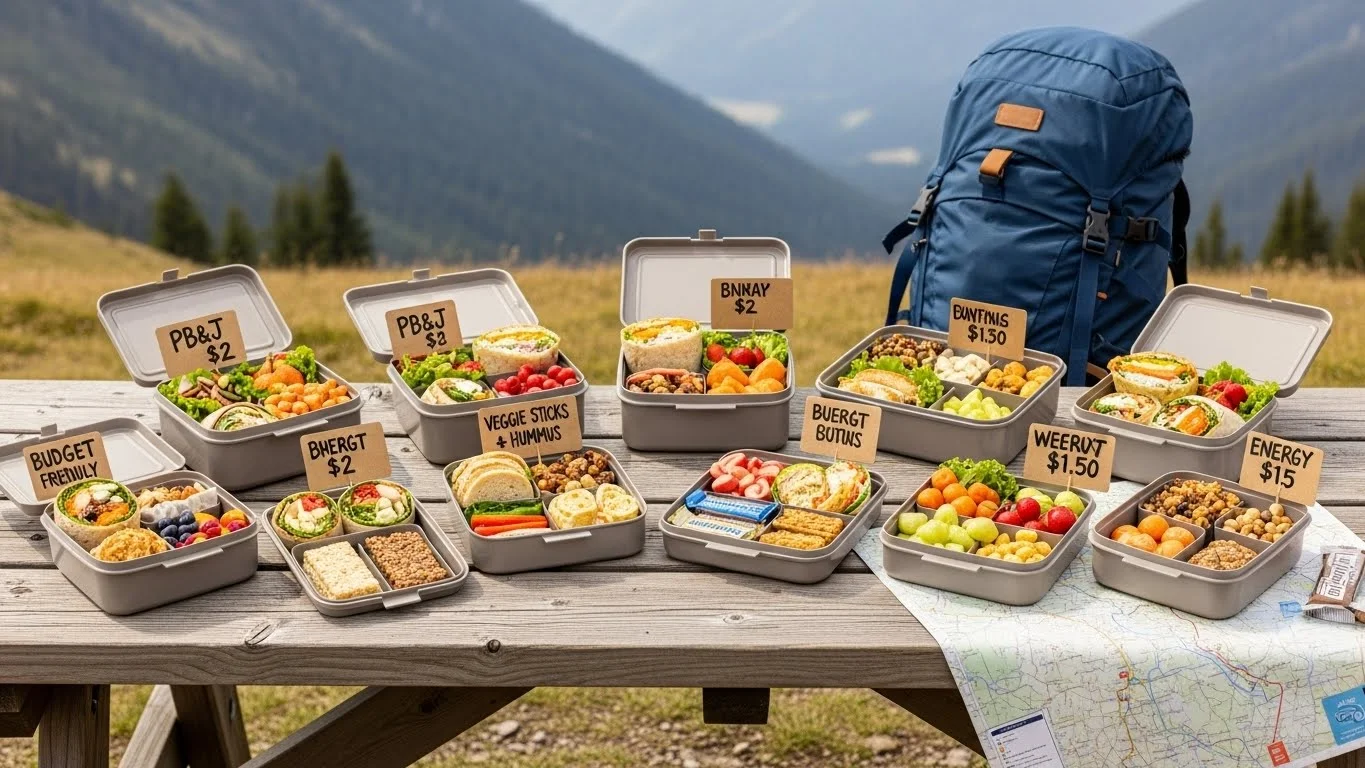
Why Choose Budget-Friendly Lunchbox Ideas for Backpacking?
When I think about my backpacking trips, the meals I pack often shape my experience. Budget-friendly lunchbox ideas not only help me save money but also ensure I have nutritious options to keep my energy up on the trail. The last thing I want is to feel sluggish while hiking up a mountain or exploring a new trail. Packing my own lunches gives me control over what I eat, which is a game-changer for my outdoor adventures.
The Importance of Nutrition on the Trail
I’ve learned that nutrition is key when hiking. I remember my first big backpacking trip, where I skimped on meals to save money. By the end of the day, I felt drained and cranky. A well-balanced diet is essential for maintaining energy levels, supporting muscle function, and keeping my spirits high. Protein sources like nuts or hard-boiled eggs help me feel full longer, while healthy carbs give me that necessary boost. I try to pack meals that include a variety of nutrients, ensuring I’m well-fueled for the adventure ahead.
Cost-Effectiveness of Packing Your Own Lunch
One of the best parts about packing my own lunch is how much money I save. Restaurants and convenience stores near trails often charge a premium for meals. I’ve found that by investing a bit of time in meal prep, I can enjoy delicious, healthy meals without breaking the bank. Buying ingredients in bulk not only helps me save money but also allows me to experiment with different recipes. Plus, there’s something satisfying about knowing I’ve crafted my meals myself, tailored just for my adventure.
Essential Components of a Backpacking Lunchbox
When packing my lunchbox for a backpacking trip, I focus on a few essential components that keep me satisfied and energized. I make sure to include protein, healthy carbohydrates, fresh fruits and vegetables, and some fun snacks. Each of these components plays a crucial role in my overall energy and mood while on the trail.
Protein Sources
Protein is my go-to for staying full and energized on long hikes. I often include options like hard-boiled eggs, jerky, or even nut butter. I also love packing legumes like chickpeas or black beans, which I can toss into salads or wraps. These protein sources are not only filling but also easy to pack. Just remember to keep them in airtight containers to maintain freshness!
Healthy Carbohydrates
Carbs are essential for providing the energy I need on the trail. I usually choose whole grains like quinoa or brown rice, or even whole-grain wraps. Pasta salads are also a favorite of mine, as they’re easy to prepare and can be made in advance. These options help keep my energy levels stable throughout the day and prevent that dreaded mid-hike slump.
Fresh Fruits and Vegetables
Incorporating fresh fruits and veggies is a must for me. They add important vitamins and minerals that keep my body functioning well. I often pack items like carrots, cherry tomatoes, bell peppers, or apples, which are portable and easy to eat on the go. I remember one trip where I packed some avocado; it was a delicious addition to my sandwiches, and I felt great knowing I was fueling my body with quality nutrients.
Snacks and Treats
What’s a backpacking adventure without some snacks? I always include a few treats to keep my spirits high and reward myself after a challenging hike. I love making my own trail mix with nuts, dried fruits, and a sprinkle of dark chocolate. Energy balls made from oats, peanut butter, and honey are another favorite. They’re super easy to make and provide a quick pick-me-up when I need it most! Check out these budget-friendly snack ideas for kids that can also be great for adults on the trail!
In my experience, packing a well-rounded lunchbox for backpacking not only enhances my adventure but also keeps my budget in check. By carefully choosing each component, I ensure that I have the energy and nutrients I need to enjoy every moment in the great outdoors. As we dive deeper into specific lunchbox ideas, I can already feel the excitement for my next adventure bubbling up! Stay tuned for some tasty and budget-friendly meal inspiration.
10 Budget-Friendly Lunchbox Ideas
As I’ve experimented with different meals for my backpacking trips, I’ve discovered some truly delicious and budget-friendly lunchbox ideas that I can’t wait to share. Each of these options is not only easy to prepare and pack but also provides the nutrients and energy we need on the trail. Here are ten of my go-to lunchbox ideas that I think you’ll love!
1. DIY Trail Mix
Trail mix is a classic for a reason! I love creating my own mix tailored to my preferences. I usually combine almonds, walnuts, and cashews for healthy fats, add some dried cranberries or raisins for a hint of sweetness, and throw in a few dark chocolate chips for a treat. Packing my trail mix in a resealable bag or small container makes it easy to grab on the go, and it keeps me energized between meals.
2. Hummus and Veggie Wraps
This idea has become a favorite of mine. I spread hummus on a whole-grain wrap and layer it with fresh veggies like spinach, cucumber, and bell peppers. It’s filling, refreshing, and so easy to make ahead of time! I often cut them into smaller pieces, making it even easier to eat while on the trail. Plus, hummus is rich in protein, which keeps me satisfied.
3. Quinoa Salad Jars
Quinoa salad jars are perfect for making ahead of time. I cook a batch of quinoa, let it cool, and then layer it in a mason jar with my favorite veggies, like cherry tomatoes, cucumbers, and avocados. A drizzle of lemon juice and olive oil ties everything together. I love how colorful and nutritious these jars are! They’re easy to transport, and when I’m ready to eat, I just shake the jar, and it’s ready to go.
4. Peanut Butter and Banana Sandwiches
There’s something comforting about a classic peanut butter and banana sandwich. I spread peanut butter on whole-grain bread and add banana slices. It’s a great source of energy and keeps me full during those long hikes. I often wrap it in foil, which helps keep it fresh and makes for an easy cleanup.
5. Chickpea Salad
Chickpea salad is another dish I love to prepare. I mix canned chickpeas with diced cucumbers, cherry tomatoes, red onion, and a simple dressing of olive oil, lemon juice, salt, and pepper. It’s refreshing and packed with protein. I can eat it on its own or throw it into a wrap for a heartier meal. Plus, it’s super easy to make in bulk and lasts for several days!
6. Hard-Boiled Eggs with Whole Wheat Crackers
Hard-boiled eggs are a fantastic protein source and perfect for backpacking. I usually boil a batch the night before and pack them with whole wheat crackers. It’s a simple, no-fuss meal that fills me up without weighing me down. I also like to sprinkle a little salt and pepper on the eggs for flavor.
7. Rice and Bean Burritos
Rice and bean burritos are filling and can be made with whatever ingredients I have on hand. I typically cook some brown rice, mix in black beans, add salsa, and wrap it all up in a tortilla. These burritos are easy to pack and can be enjoyed cold or warmed up. They’re perfect for a hearty lunch on the trail!
8. Pasta Salad with Seasonal Vegetables
I love making pasta salad because it’s so versatile. I cook whole-grain pasta and toss it with seasonal veggies like zucchini, bell peppers, and cherry tomatoes. A light vinaigrette adds flavor, and it’s easy to prepare in advance. This salad stays fresh in a container, and I can enjoy it throughout the day or even as a side dish during dinner.
9. Cheese and Cold Cuts Platter
Sometimes I keep it simple with a cheese and cold cuts platter. I pack slices of cheese, turkey or ham, and some whole grain crackers. It’s a great way to mix flavors and textures, plus it requires no cooking! I often throw in some sliced apples or grapes to add a touch of sweetness.
10. Fruit and Nut Energy Balls
These little bites are the perfect energy boost! I combine oats, nut butter, honey, and my favorite mix-ins like chia seeds, dried fruit, or dark chocolate chips. After rolling them into balls, I store them in a container. They’re perfect for a quick snack on the trail and a great way to satisfy my sweet tooth without relying on processed snacks. Make these quick DIY healthy snacks for your lunchboxes to enjoy on your outdoor adventures!
These lunchbox ideas have transformed my backpacking meals into something I genuinely look forward to. Each option is budget-friendly, easy to prepare, and packed with the nutrients I need for an enjoyable outdoor experience. I can’t wait to see how these meals enhance your next adventure!
How to Prepare and Pack Your Lunchbox
Preparing and packing my lunchbox for a backpacking trip is an art I’ve honed over many adventures. I want my meals to be delicious and nutritious, but I also want them to be easy to transport. Here are some of my favorite strategies for making this process smooth and stress-free.
Choosing the Right Containers
Choosing the right containers can make all the difference when it comes to keeping my food fresh and intact. I’ve tried various types, but I’ve found that using sturdy, airtight containers is essential. Glass containers with silicone lids are my go-to because they are durable and don’t retain odors. They also help keep my salads crisp and my wraps from getting soggy. For items like trail mix or energy balls, I prefer resealable bags or small reusable containers. They’re lightweight and take up less space in my pack, which is a huge plus when I’m trying to keep my load manageable.
Meal Prepping Tips for Backpackers
Meal prepping has become a key part of my backpacking routine. I usually dedicate a few hours the day before my trip to get everything ready. I chop veggies, cook grains, and portion out snacks. I’ve learned that if I don’t prep in advance, I tend to grab whatever is easiest, which isn’t always the healthiest option. One of my favorite meal prep tips is to use mason jars for salads. I layer my ingredients starting with the dressing at the bottom, followed by heavier items like beans and grains, and lighter greens at the top. This keeps everything fresh until I’m ready to eat. When lunchtime comes, I just shake it up, and I have a fantastic, ready-to-go meal!
Keeping Food Fresh on the Trail
Keeping my food fresh during the hike is crucial, especially when I’m packing items like hummus or salads. I invest in a good-quality insulated lunch bag that keeps my food cool for hours. I also pack ice packs or freeze items like fruits or yogurt the night before. They act as extra insulation and help maintain the right temperature. For example, I’ll freeze my peanut butter and banana sandwiches, which keeps them fresh until lunchtime! I remember one trip where I didn’t keep my food cool, and by midday, my hummus had turned warm and unappetizing. Lesson learned! Now, I take extra measures to ensure everything stays as fresh as possible.
Cost-Saving Tips for Backpacking Lunches
As much as I love packing my lunch, I also want to keep costs down. Here are some cost-saving tips I’ve picked up along the way that have helped me stay within my budget.
Buying in Bulk
Buying in bulk has been a game changer for me. I often visit my local bulk food store to pick up items like nuts, grains, and dried fruits. Not only do I save money, but I also reduce packaging waste. I like to fill reusable containers with my favorite mix of trail mix ingredients or grains for salads. This way, I can create several meals without spending a fortune. Plus, it’s fun to experiment with different combinations without the pressure of buying an entire package of something I may only use once.
Utilizing Seasonal Produce
Eating seasonally is not only better for the environment but also for my wallet. I love visiting local farmers’ markets to find fresh fruits and vegetables at a fraction of the cost. Plus, seasonal produce tends to taste better! For instance, during the summer, I load up on tomatoes, cucumbers, and bell peppers, which are perfect for salads and wraps. In the fall, I focus on hearty veggies like squash and apples, which add wonderful flavor and nutrition to my meals. I always feel great knowing that I’m supporting local farmers while saving money!
Making Use of Leftovers
Leftovers are a treasure trove for my backpacking meals. If I make a big batch of quinoa salad or rice and beans for dinner, I’ll set aside some to take on my hike the next day. It not only saves me time but also cuts down on food waste. I’ve discovered that many meals taste even better the next day, as the flavors have time to meld together. I remember a time when I packed leftover stir-fry for lunch, and it was such a hit! I felt proud to have created a delicious meal from what would have been wasted food.
By following these tips, I’ve been able to enjoy exciting, nutritious meals while keeping my backpacking trips affordable. Cooking and prepping meals for the trail doesn’t have to be a chore; with the right strategies, it can be an enjoyable part of the adventure. I’m already looking forward to my next trip and the delicious meals I’ll bring along!
Additional Resources for Backpacking Meals
Recommended Cookbooks
Over the years, I’ve collected a few cookbooks that have really inspired my backpacking meal planning. One of my favorites is “The Ultimate Guide to Camping and Backpacking Recipes” by John and Ellen Huber. This book is packed with ideas specifically tailored for outdoor cooking, and I love how it emphasizes using simple, accessible ingredients. Another gem is “The Complete Cookbook for Backpackers” by Karen Berger. It not only offers recipes but also provides tips on how to efficiently pack and prepare meals in the great outdoors. I often find myself flipping through these pages when I need a little inspiration before a trip!
Websites and Blogs for Backpacking Recipes
In addition to cookbooks, I’ve discovered several websites and blogs that are gold mines for backpacking recipes. One of my go-to sites is “Trail Recipes” where I can find countless meal ideas that are specific to the types of trips I like to take. The blog “Outdoor Herbivore” is another fantastic resource, focusing on plant-based meals that are not only nutritious but also lightweight. Their recipes are easy to follow, and I appreciate how they often provide tips for meal prepping and packing. I also love browsing Pinterest for visual inspiration; it’s amazing how many creative ideas I can find there!
Nutrition Apps for Meal Planning
With all the meal planning I do, having the right apps on my phone has been a game changer. I use “MyFitnessPal” to help me track my nutritional intake, which is especially useful when I’m trying to ensure I’m getting enough protein and calories on my hikes. Another app I like is “Eat This Much,” which generates meal plans based on my dietary preferences and calorie goals. This makes it easy to plan meals that fit my budget and nutritional needs. I love how technology can simplify meal planning, allowing me to focus more on enjoying my time outdoors!
Final Thoughts
As I reflect on my backpacking adventures, I realize that the meals I pack play a significant role in the overall experience. Budget-friendly lunchbox ideas not only keep my wallet happy but also fuel my body with the nutrients I need to conquer the trails. Each trip is a chance for me to experiment with new recipes and discover what works best for my energy levels and taste buds. With the strategies, tips, and resources I’ve shared, I hope you feel inspired to create your own delicious and nutritious meals for your next adventure. Remember, the essence of backpacking is about enjoying the journey, and with the right food, we can make those journeys even more fulfilling. Here’s to many more exciting trails and tasty lunches ahead!
Frequently Asked Questions
Why should I choose budget-friendly lunchbox ideas for backpacking?
Budget-friendly lunchbox ideas help save money while ensuring you have nutritious options to maintain energy levels on the trail. Packing your own lunches gives you control over what you eat, enhancing your outdoor experience.
What are the essential components of a backpacking lunchbox?
The essential components of a backpacking lunchbox include protein sources, healthy carbohydrates, fresh fruits and vegetables, and snacks. Each plays a vital role in maintaining energy and mood while hiking.
What are some good protein sources for backpacking?
Good protein sources for backpacking include hard-boiled eggs, jerky, nut butter, legumes like chickpeas or black beans, and nuts. These options are filling and easy to pack.
How can I keep my food fresh while hiking?
To keep food fresh during hikes, invest in a good-quality insulated lunch bag, use ice packs, or freeze items like fruits or yogurt the night before. This helps maintain the right temperature for perishable items.
What are some budget-friendly lunchbox ideas for backpacking?
Some budget-friendly lunchbox ideas include DIY trail mix, hummus and veggie wraps, quinoa salad jars, peanut butter and banana sandwiches, chickpea salad, hard-boiled eggs with whole wheat crackers, rice and bean burritos, pasta salad with seasonal vegetables, cheese and cold cuts platter, and fruit and nut energy balls.
What are the benefits of meal prepping for backpacking trips?
Meal prepping helps save time, ensures healthier meal choices, and reduces food waste. It allows you to have everything ready in advance, making your backpacking experience smoother and more enjoyable.
How can I save money while packing lunches for backpacking?
You can save money by buying ingredients in bulk, utilizing seasonal produce, and making use of leftovers from previous meals. These strategies help keep costs down while ensuring you have nutritious meals.
What are some snacks I can pack for a backpacking trip?
Some great snacks for backpacking include homemade trail mix, energy balls made from oats and nut butter, and fresh fruits like apples or bananas. These provide quick energy boosts and keep your spirits high during hikes.
What are some recommended resources for backpacking meals?
Recommended resources include cookbooks like “The Ultimate Guide to Camping and Backpacking Recipes” and “The Complete Cookbook for Backpackers,” as well as websites like “Trail Recipes” and “Outdoor Herbivore” for meal ideas and tips.
How can I choose the right containers for packing my lunchbox?
Choose sturdy, airtight containers such as glass containers with silicone lids for salads and wraps. For snacks like trail mix or energy balls, use resealable bags or small reusable containers to save space and keep food fresh.