
Finding healthy snacks that kids truly enjoy can feel like a daunting task. But with a little creativity and some fun ideas, we can make snacks healthy and delicious! Read Interesting article: Easy DIY Healthy Snacks for Toddlers While Traveling
Understanding Kids’ Snack Preferences
Why Healthy Snacks Matter
As parents, guardians, or caregivers, we want the best for our kids, especially regarding their nutrition. I’ve often found myself worrying about what my children are munching on after school or during playtime. Healthy snacks are crucial because they help fuel their growing bodies and minds. They provide essential nutrients that keep energy levels up and support their overall health. I’ve noticed that when my kids eat well-balanced snacks, they’re more focused and energetic, which is a win-win for everyone.
In my experience, opting for nutritious snacks over processed ones can also help in establishing lifelong healthy eating habits. When kids learn to enjoy nutritious foods early on, it becomes a part of their lifestyle. I feel that this is something we should all strive for, and it can start with our snack choices. Read Interesting article: Easy Nutritious Snacks for Kids That Won’t Break the Bank
Common Flavor Preferences in Children
Kids can be notoriously picky eaters, but I’ve learned a few tricks to navigate their taste buds. Most children seem to gravitate toward sweet, salty, and mildly flavored foods. I remember when I first introduced my kids to various fruits; their eyes lit up at the sight of strawberries and bananas, and I could almost hear them saying, “Yum!”
Sweetness, in moderation, can be a great way to entice them to try new things. I’ve often blended fruits into smoothies to create a sweet treat with hidden nutrients. Saltiness is another flavor they enjoy, so healthy snacks that include a bit of crunch, such as whole grain crackers or popcorn, can be a hit. Understanding these preferences has helped me create snacks that they look forward to munching on.
Texture and Presentation
Texture plays a significant role in how kids perceive their food. I’ve noticed that many kids prefer crunchy snacks over mushy ones. This observation led me to experiment with vegetables and fruits that provide a satisfying crunch. Carrot sticks, apple slices, and bell pepper strips have become staples in our household, often served with a dip to make them more appealing.
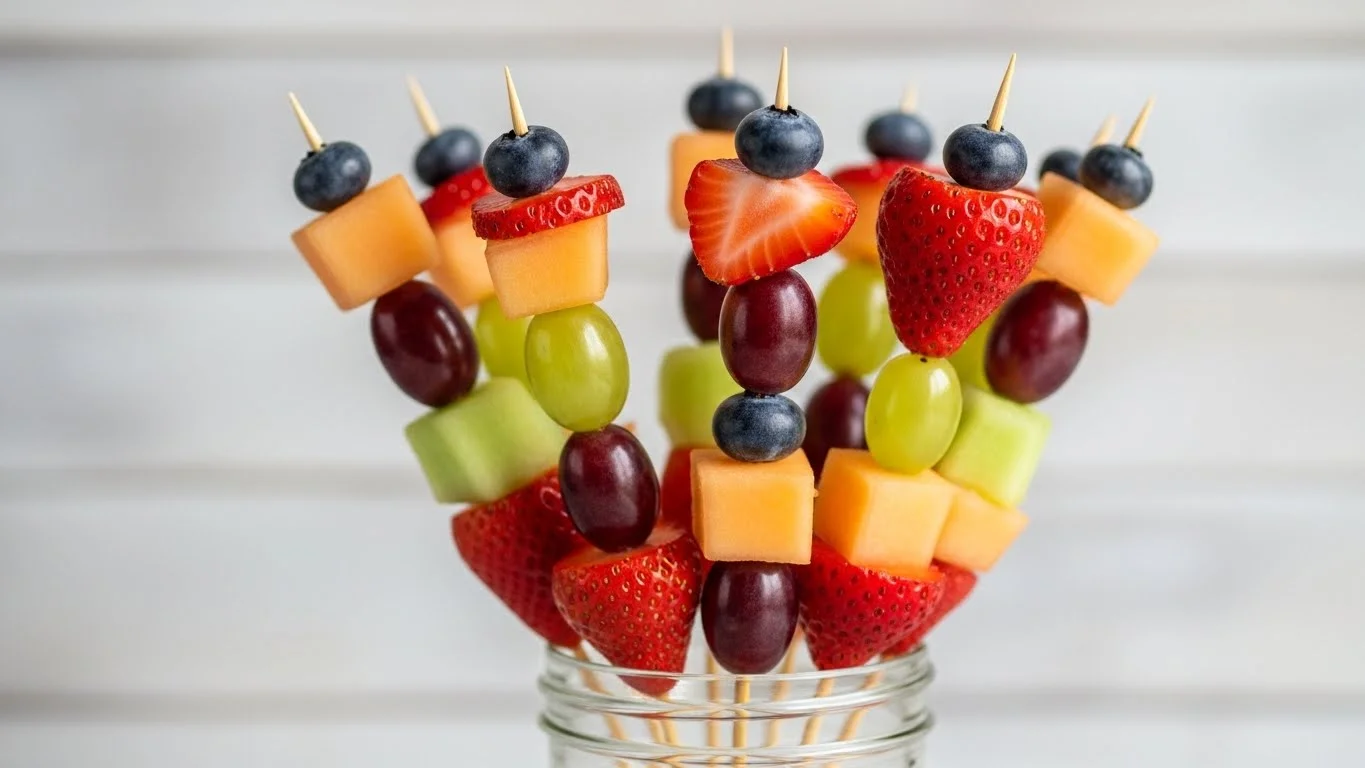
Presentation is equally important. I remember one day, I decided to make fruit skewers for my kids. I arranged colorful pieces of pineapple, melon, and grapes on a stick, and they couldn’t resist reaching for them. The vibrant colors and fun shapes made the healthy snack much more inviting. I recommend taking some time to make snacks visually appealing; it can truly make a difference in whether kids are excited to eat them or not.
Top 10 DIY Healthy Snacks
1. Fruit and Yogurt Parfait
This snack is a delightful treat that kids can help create! Layer yogurt with their favorite fruits and a sprinkle of granola. It’s refreshing, nutritious, and oh so delicious. I often let my kids pick their favorite fruits, making it their creation!
2. Veggie Sticks with Hummus
Hummus is a fantastic dip that pairs well with crunchy veggies like carrots, cucumbers, and bell peppers. I love how my kids dive into a colorful platter of veggie sticks when hummus is involved. It’s a healthy way to get those nutrients in!
3. Homemade Granola Bars
Making granola bars at home is a fun activity. We mix oats, honey, nut butter, and add-ins like chocolate chips or dried fruit. My kids love to help stir the ingredients, and I feel great knowing exactly what’s in them.
4. Apple Nachos with Nut Butter
Slice up some apples and drizzle with almond or peanut butter. Top with granola or mini chocolate chips for a sweet twist. I remember my kids’ faces lighting up when I first served this; it felt like dessert!
5. Mini Pita Pizzas
Using whole grain pita bread, let your kids spread tomato sauce and top with cheese and their favorite veggies. Bake until crispy, and you’ve got mini pizzas that are both fun and healthy. It’s a great way to use up leftover veggies, too.
6. Energy Bites with Oats and Seeds
These little bites are packed with nutrition. I combine oats, honey, nut butter, and seeds, then roll them into balls. My kids love popping these into their mouths for a quick energy boost!
7. Frozen Banana Bites
Slice bananas and dip them in yogurt, then freeze them for a cool treat. My kids always enjoy these, especially on hot days. It’s a simple yet refreshing snack that feels like a dessert.
8. Cheese and Whole Grain Crackers
Pairing cheese with whole grain crackers creates a snack that’s both satisfying and nutritious. I often cut cheese into fun shapes to make it more appealing. It’s a quick and easy option that my kids never refuse.
9. Smoothie Popsicles
Blend fruits with yogurt or juice, pour into molds, and freeze for a fun snack. My kids love the excitement of eating popsicles, and I love that they’re getting their vitamins in a tasty way!
10. DIY Trail Mix
Let your kids mix their favorite nuts, seeds, and dried fruits to create a custom trail mix. This is a great snack for on-the-go or post-playtime. I love that they take ownership of their creation and enjoy the flavors they picked.
Ingredients to Keep on Hand
Fruits: Fresh and Dried Options
When it comes to healthy snacking, I’ve found that having a variety of fruits on hand makes all the difference. Fresh fruits are always a great choice, and my kids absolutely love them. I like to stock up on apples, bananas, berries, and oranges because they’re easy to grab and eat. I remember one time, I bought a big basket of strawberries, and they disappeared in no time! They’re not just delicious; they’re packed with vitamins and antioxidants, which makes me feel good about their snacking choices.
Dried fruits are another fantastic option. I keep raisins, apricots, and apple chips in the pantry. They’re sweet, portable, and perfect for a quick energy boost when we’re on the go. Just be mindful of portions, as dried fruits can be calorie-dense. I sometimes mix them into trail mixes or sprinkle them on top of yogurt to add a touch of sweetness that my kids adore. Read Interesting article: Healthy and Affordable Snacks for Active Kids
Vegetables: Crunchy and Colorful Choices
Stocking up on a variety of vegetables has transformed my approach to snacking. I usually keep carrots, cucumbers, bell peppers, and cherry tomatoes in the fridge. These crunchy options are not only healthy but also fun to eat! I often slice them up and place them in a colorful bowl on the counter, making it easy for my kids to grab as they pass by. I’ve seen how the vibrant colors entice them to munch on veggies more often.
One of my favorite tricks is to experiment with different dips. I’ve noticed that when I pair veggies with a tasty dip like ranch or tzatziki, my kids are much more willing to try them. It’s amazing how a little creativity can make even the most mundane vegetables exciting!
Healthy Fats: Nut Butters and Avocados
Healthy fats are essential for kids’ growth and development, so I always have nut butters and avocados available. Peanut butter and almond butter are favorites in our house. I love spreading them on whole grain bread or using them as a dip for apple slices. The creamy texture and rich flavor make it a snack that feels indulgent but is packed with nutrients.
Avocados are another fantastic option, and they’re so versatile! I often mash them up to spread on toast or slice them to add to salads. My kids enjoy them sliced with a sprinkle of salt, and I feel good knowing they’re getting healthy fats and fiber. Plus, avocados are a great source of vitamins that support their overall health.
Whole Grains: Best Options for Kids
Whole grains are a staple in our household, and I believe they’re key to maintaining energy levels throughout the day. I always keep whole grain bread, oats, and brown rice on hand. Oatmeal is a breakfast favorite, but it also makes for a great snack when topped with fruits or nuts. I remember one morning when I prepared oatmeal for breakfast, and my kids asked for seconds because I let them load it up with their favorite toppings.
Whole grain crackers and popcorn are also great for snacking. I often pack these in lunchboxes or set them out for after-school snacks. It’s all about finding those whole-grain options that my kids enjoy. I’ve discovered that when we incorporate whole grains, they feel fuller and more satisfied, which keeps them from reaching for less healthy snacks.
Natural Sweeteners: Honey and Maple Syrup
While I try to limit added sugars, I’ve found that natural sweeteners like honey and maple syrup can be a great way to add a touch of sweetness to snacks without the guilt. I like to use honey in homemade granola bars or drizzle a little over yogurt and fruit. It adds just the right amount of sweetness, and I feel good knowing it’s more natural than refined sugars.
Maple syrup is another favorite in our kitchen. I use it in recipes for pancakes or to sweeten smoothies. I remember a Saturday morning when we made pancakes together, and my kids loved pouring maple syrup on top. It felt like a treat, but it was still a healthier option compared to store-bought syrups.
Having a well-stocked pantry with these ingredients not only makes it easier to whip up healthy snacks but also empowers my kids to make better choices. When they see a variety of colorful fruits and crunchy veggies, they’re more likely to reach for those instead of processed snacks. It’s all about planning ahead and making healthy options readily available. In my experience, creating an environment filled with nutritious ingredients makes snacking fun and enjoyable for everyone!
Tips for Making Snacks Kid-Friendly
Involving Kids in the Preparation
I’ve found that one of the best ways to get kids excited about healthy snacks is to involve them in the preparation process. When my children help make their own snacks, they are much more likely to try new things and enjoy what they create. I remember one afternoon when we decided to make homemade fruit smoothies together. I set out various fruits, yogurt, and a blender, and let them pick what they wanted to include. Watching them experiment with different combinations was a joy, and they were thrilled to taste something they made themselves!
Involving kids in the kitchen doesn’t have to be complicated. Simple tasks like washing fruits, measuring ingredients, or even stirring can make them feel like they’re a part of the whole process. I’ve noticed that the more ownership they feel over their snacks, the more adventurous they become with their eating. Plus, it’s a great opportunity to teach them about healthy ingredients and nutrition in a fun way!
Making Snacks Visually Appealing
Presentation can play a huge role in how children perceive food. I’ve learned that colorful, fun presentations can turn even the simplest snacks into exciting meals. For instance, when I cut fruits into interesting shapes using cookie cutters, my kids are much more eager to try them. I remember making star-shaped watermelon slices one summer day, and they enjoyed the fun shapes so much that they asked for seconds!
Another idea is to create a snack “rainbow.” I love arranging a platter with various fruits and vegetables in a colorful pattern. This not only looks beautiful but also encourages kids to eat a variety of foods. When they see a vibrant array of colors, it sparks their curiosity, and they’re more likely to dive in. Making snacks visually appealing can be a game changer in how kids approach their meals!
Balancing Nutrition and Taste
Finding that sweet spot between nutrition and taste is essential. I’ve learned that it’s possible to create snacks that are both healthy and delicious. For instance, when making energy bites, I like to include ingredients that pack a nutritional punch, such as oats, nut butter, and honey, while also adding a small amount of chocolate chips for sweetness. This way, I can ensure my kids are getting healthy ingredients without sacrificing flavor.
Experimenting is key! I’ve found that mixing in different spices or flavorings can make a world of difference. For instance, adding cinnamon to yogurt or blending it into smoothies can elevate the taste without adding extra sugar. My kids love this little twist, and they often ask for those “special” flavors. It’s a win-win when I can sneak in some nutrition while still catering to their taste buds!
How to Store and Serve DIY Snacks
Best Storage Practices
Storing homemade snacks properly is crucial to keeping them fresh and ready for quick access. I’ve discovered that using airtight containers is the way to go. For items like granola bars or energy bites, I like to wrap them individually or store them in a container with parchment paper between layers. This keeps them from sticking together and makes it easy for my kids to grab one when they’re hungry.
For fruits and veggies, I usually prep them ahead of time. I wash and cut up carrots, cucumbers, and bell peppers and store them in clear containers in the fridge. Having them washed and ready to go means my kids can easily reach for them without any extra effort. I’ve noticed that when healthy options are readily available, my kids are less likely to choose junk food!
Portion Control and Serving Suggestions
Portion control is something I keep in mind, especially with snacks. I like to use small bowls or snack bags to serve portions. This not only helps manage what they eat but also teaches them about moderation. For example, I often create snack bags with a mix of nuts and dried fruits, which my kids can grab before heading out to play or while watching a movie. It’s a simple method that encourages mindful eating.
Serving suggestions can also make a big difference. I often pair snacks with fun dipping sauces. For example, I’ll set out a small bowl of yogurt to dip fruit or nut butter for apple slices. Making snacks interactive adds an element of fun and encourages my kids to try different combinations. I’ve seen how a little creativity in serving can make even the healthiest snacks seem exciting!
Addressing Common Concerns
Allergies and Dietary Restrictions
As a parent, I’ve always been aware of the importance of being mindful of allergies and dietary restrictions when preparing snacks. It’s something I take seriously because I want to ensure all kids can enjoy healthy treats without any worries. I remember a playdate where one of my child’s friends had a nut allergy, and I had to think creatively about what to offer. It turned out to be a great opportunity to explore new options!
When it comes to snacks, I often opt for allergen-friendly ingredients. For instance, instead of nut butter, I might use sunflower seed butter, which is just as tasty and safe for those with nut allergies. I also make sure to check labels carefully, especially with packaged snacks, to avoid cross-contamination. Being open to various dietary needs has enriched our snack time experiences, allowing us to explore diverse flavors and ingredients.
Balancing Treats with Healthy Options
Finding a balance between healthy snacks and occasional treats can sometimes feel like walking a tightrope. I’ve learned that it’s all about moderation. I believe that treats have their place in our lives and that it’s perfectly okay to enjoy them from time to time. I remember when my kids offered to help bake cookies for a family gathering. It was a fun experience, and we used whole grain flour, oats, and even added some dark chocolate chips for a healthier twist.
Instead of completely cutting out sweet snacks, I aim to provide healthier alternatives that satisfy their cravings. For instance, I might bake fruit muffins using whole wheat flour and natural sweeteners like honey or maple syrup. This way, my kids can enjoy treats while still getting some nutritional value. I feel that teaching them to enjoy treats mindfully is an important life skill.
Encouraging Healthy Eating Habits
Encouraging healthy eating habits is something I actively work on in our household. It’s not just about what snacks we have available; it’s also about how we approach food as a family. I’ve found that leading by example is essential. When my kids see me choosing fruits and veggies for my snacks, they are more likely to follow suit. I often share my excitement about trying new foods and flavors, which helps them stay open-minded.
One technique I’ve found effective is to create a “snack of the week” tradition. Each week, we pick a new fruit, vegetable, or healthy recipe to try together. This has turned into a fun family activity, and I’ve seen my kids become more adventurous in their food choices. They love being part of the process and discovering new favorites along the way!
Final Thoughts
Finding healthy snacks that kids love doesn’t have to be overwhelming. With a little creativity, planning, and involvement from our children, we can make snacking both nutritious and enjoyable. I’ve found that by keeping a well-stocked pantry, presenting foods in fun ways, and being mindful of dietary restrictions, snack time can become a delightful experience for everyone involved. Embracing this journey together not only fosters healthier habits but also creates lasting memories in the kitchen. Let’s keep exploring new snack ideas and enjoy the process of nourishing our kids with wholesome foods!
Frequently Asked Questions
Why are healthy snacks important for kids?
Healthy snacks are crucial as they help fuel growing bodies and minds, providing essential nutrients that keep energy levels up and support overall health. Well-balanced snacks contribute to better focus and energy in children.
What are some common flavor preferences in children?
Children often gravitate toward sweet, salty, and mildly flavored foods. Sweetness in moderation can entice them to try nutritious options, while salty snacks with a crunch, like whole grain crackers or popcorn, can also be appealing.
How can texture influence kids’ snack choices?
Texture significantly impacts how kids perceive their food. Many kids prefer crunchy snacks over mushy ones. Offering crunchy vegetables and fruits, such as carrot sticks and apple slices, can make snacks more appealing.
What are some DIY healthy snack ideas for kids?
Some DIY healthy snack ideas include fruit and yogurt parfaits, veggie sticks with hummus, homemade granola bars, apple nachos with nut butter, mini pita pizzas, energy bites, frozen banana bites, cheese and whole grain crackers, smoothie popsicles, and DIY trail mix.
What fruits should I keep on hand for healthy snacking?
It’s beneficial to have a variety of fresh fruits like apples, bananas, berries, and oranges, as well as dried fruits such as raisins, apricots, and apple chips, for quick and nutritious snacking options.
How can I make snacks visually appealing for kids?
Making snacks visually appealing can involve using colorful presentations, such as arranging fruits and vegetables in a rainbow pattern or cutting them into fun shapes with cookie cutters, which can spark kids’ curiosity and encourage them to try new foods.
What are some tips for involving kids in snack preparation?
Involving kids in snack preparation can include simple tasks like washing fruits, measuring ingredients, or stirring. When children help make their own snacks, they are more likely to try new things and enjoy what they create.
How can I store homemade snacks to keep them fresh?
Storing homemade snacks properly involves using airtight containers, wrapping items like granola bars individually, and prepping fruits and veggies ahead of time to ensure they are readily accessible for snacking.
What should I consider regarding allergies when preparing snacks?
It’s important to be mindful of allergies and dietary restrictions when preparing snacks. Opting for allergen-friendly ingredients, such as sunflower seed butter instead of nut butter, and checking labels for cross-contamination are essential practices.
How can I balance treats with healthy snacks for my kids?
Balancing treats with healthy snacks involves moderation. Providing healthier alternatives, like baked fruit muffins using whole wheat flour and natural sweeteners, allows kids to enjoy treats while still getting some nutritional value.