
Fostering a love for reading in children can be one of the most rewarding experiences for both kids and parents. Here are ten fun ways to inspire a lifelong passion for books!
Understanding the Importance of Reading in Child Development
As a parent, I can’t emphasize enough how crucial reading is in a child’s development. It goes beyond just recognizing words; it shapes their thinking, emotions, and interactions with the world. I remember when my kids first started to show interest in books, and I realized how many layers there are to this simple act. Here’s what I’ve learned about the importance of reading in child development.
Cognitive Benefits of Reading
Reading is like a workout for the brain. When kids dive into a story, they are engaging in critical thinking and comprehension. I noticed that as my children read more, they began to ask questions and make connections between the stories and their own lives. It’s amazing how a simple picture book can lead to deep conversations about feelings, choices, and even moral dilemmas.
Research supports this. Children who read regularly often perform better academically. They develop better attention spans, memory skills, and the ability to analyze information. I remember the first time my daughter brought home a chapter book from school. We sat together, and she was so engaged in the story that she didn’t even notice the time passing. It was a beautiful moment that highlighted the cognitive benefits of reading.
Emotional and Social Skills Development
Reading also plays a significant role in emotional and social development. Through stories, kids encounter various characters and situations, helping them understand empathy and different perspectives. I often find myself discussing characters’ feelings with my kids. “Why do you think she felt that way?” I’ll ask. These conversations create a safe space for them to express their emotions and learn about others.
Moreover, reading can help kids with social interactions. They learn about friendships, conflict resolution, and cultural differences, which are essential for building social skills. I’ve seen this firsthand when my son started relating to characters in his favorite books, which prompted him to talk more about his own friendships and experiences.
Building Vocabulary and Language Skills
One of the most apparent benefits of reading is vocabulary growth. Every book opens up a new world of words. I’ve seen my children pick up new phrases and expressions that they would later incorporate into their conversations. It’s like watching a blossoming flower! There were times I was so impressed by their use of complex words that I had to remind myself they learned them from books.
Reading also enhances language skills. As kids encounter different writing styles and genres, they become more adept at expressing their thoughts. I often challenge my kids to describe their favorite scenes or characters, encouraging them to use descriptive language. It’s not just about reading; it’s about engaging with the text and using it to enhance communication skills.
In our experience, the key is to make reading an integral part of daily life. I remember creating little reading goals for my kids and celebrating when they hit milestones. It felt rewarding not just for them but for us as a family. The bond we built through reading was invaluable, and it genuinely set the stage for a love of books that I hope lasts a lifetime.
Incorporating reading into daily life is one of the most effective ways to instill this love. It’s not just about finding time to read; it’s about creating an environment where reading is cherished. When kids see their parents reading, it sets a powerful example. I always try to let my kids see me with a book in hand, whether I’m reading for pleasure or learning something new. They tend to mimic what they see, and I believe this modeling helps them appreciate the value of reading.
Creating a Reading-Friendly Environment
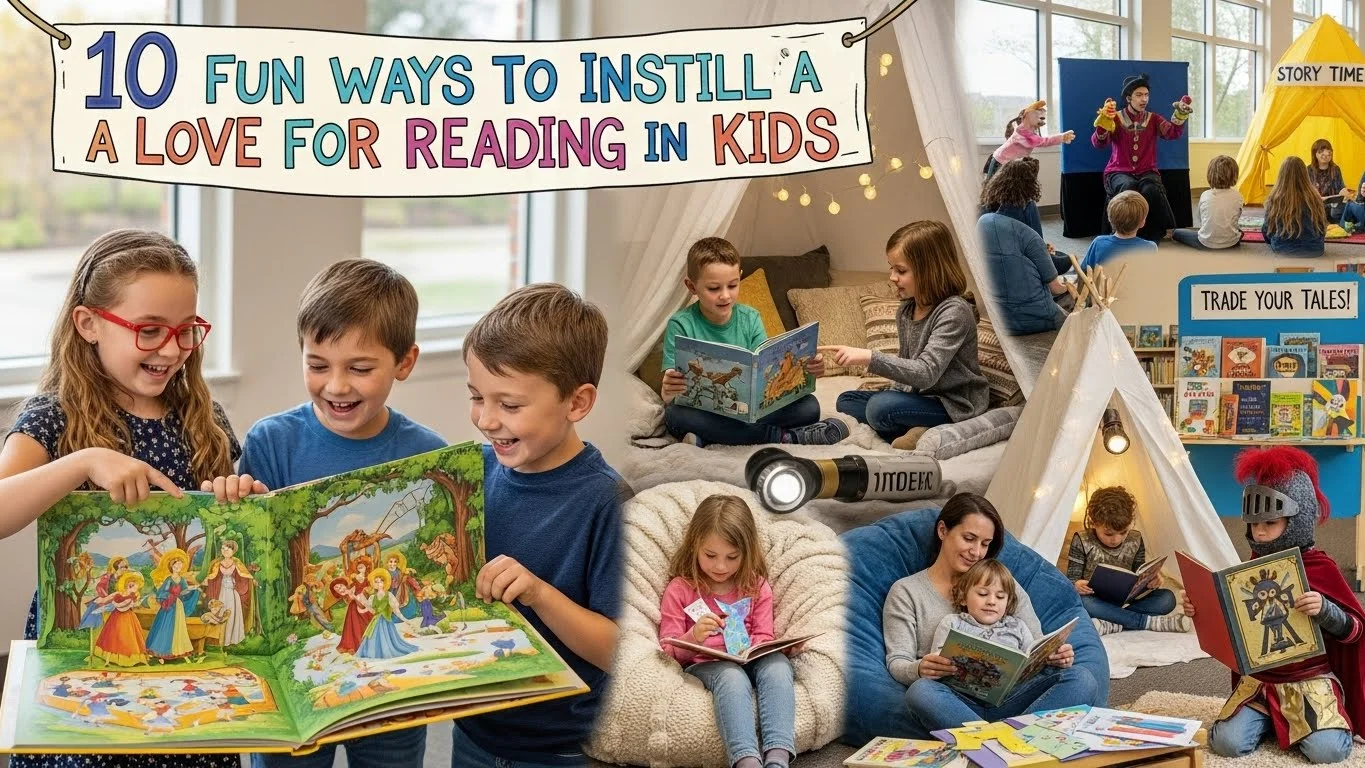
Creating a reading-friendly environment can truly transform the way children perceive books. I’ve found that when reading spaces are inviting and special, my kids are more likely to dive into their favorite stories. It’s about more than just having books around; it’s about making reading a cherished part of our home life.
Designing a Cozy Reading Nook
One of the first things I did was design a cozy reading nook in our home. We turned a corner of the living room into a little sanctuary filled with pillows, a soft blanket, and good lighting. I remember inviting my kids to help pick out the decor and even let them choose the colors for the walls. It became a project we did together, and now that spot is a go-to place for them to grab a book and settle in.
We added a small bookshelf filled with their favorite titles, making it easy for them to access their books. When they see their beloved stories within arm’s reach, it feels inviting. I also try to keep the atmosphere calm, often playing soft background music or nature sounds. It’s amazing how a comfortable environment can encourage kids to dive into reading. I believe that when children feel comfortable and safe, they are more likely to want to explore the pages of a book.
Choosing the Right Books for Different Ages
Choosing the right books is key to fostering that love for reading. I’ve discovered, through trial and error, that books should match my kids’ interests and reading levels. For my younger child, picture books with vibrant illustrations and engaging stories were a hit. I loved watching their eyes light up as we flipped through the colorful pages together. But as they grew, I noticed a shift in their preferences toward chapter books and more complex narratives.
To keep things exciting, I regularly rotate the books in their reading nook. I’ll introduce new titles, often asking for their input, and we explore different genres together. I remember a time when my son was skeptical about fantasy books, but after I read a few chapters of a popular series aloud, he couldn’t wait to find out what happened next. I’ve learned that being flexible and open to their evolving tastes can make a significant difference in their reading journey.
Read Interesting article: Family Adventures: Fun Reading Activities While Traveling
Incorporating Technology: E-Readers and Audiobooks
In our family, we’ve also embraced technology to enhance our reading experience. E-readers and audiobooks have become fantastic tools for us. I was hesitant at first, thinking nothing could replace the feel of a physical book. But once I downloaded an audiobook for a road trip, everything changed. Listening to stories together kept the kids entertained and sparked some great conversations along the way.
Using e-readers has been another game changer. My kids love the convenience of having multiple books at their fingertips, and the interactive features—like highlighting passages or looking up definitions—have really engaged them. It’s like having a library in their backpack. I find that blending technology with traditional reading has opened new avenues for enjoyment and learning. Plus, it’s a great way to get them excited about reading when they might otherwise choose a screen.
Overall, creating a reading-friendly environment has been a rewarding journey. Each small change we’ve made—from designing a cozy nook to selecting diverse books and using technology—has cultivated a space where reading is not just encouraged, but celebrated. I think every family can find unique ways to foster this love for books, and it starts with making reading a joyful and integral part of our lives.
Engaging Reading Activities
Storytime Sessions: Making It Interactive
One of my favorite ways to engage my kids with reading is through interactive storytime sessions. This isn’t just about reading aloud; it’s about making the experience lively and memorable. I remember the first time I decided to act out a story instead of just reading it. We picked a fun book with lots of characters and plot twists. I encouraged my kids to join me, and before I knew it, we were all taking turns acting out different parts. It turned our living room into a mini theater, and the laughter and excitement were infectious!
To make it even more interactive, I often ask questions as we read. “What do you think will happen next?” or “How would you feel if you were in that situation?” This not only keeps their attention but helps them think critically about the story. I’ve noticed that this approach allows them to connect more deeply with the characters and themes, making the reading experience richer and more enjoyable.
Reading Challenges and Reward Systems
To keep things exciting, I introduced reading challenges in our home. I remember the first time we set a family reading goal. We decided to read a certain number of books in a month. We created colorful charts and stickers to track our progress, which turned out to be a fantastic motivator. My kids loved seeing their names on the chart, and it encouraged them to pick up books more frequently.
To make it even more fun, we established a reward system. For every milestone reached, there would be a small reward, like a trip to the local bookstore or a movie night featuring a film adaptation of a book we read. Celebrating these achievements together made reading feel like an adventure rather than a chore. I believe that positive reinforcement is key to fostering a love for reading, and seeing my kids proud of their accomplishments brought me immense joy.
Book Clubs for Kids: Fostering Discussion
Book clubs can be such a fantastic way to engage children with reading. I started a small book club with my kids and a few of their friends, and it quickly became a highlight of our month. Each session, we would pick a book to read together, and then we would gather for snacks and discuss what we thought about it.
During these meetings, I encourage them to share their opinions and ask questions. I’ve found that this not only deepens their understanding of the story but also helps them develop social skills. They learn to listen, articulate their thoughts, and even debate ideas respectfully. The energy in the room is always buzzing, and I love how the discussions often lead to more profound conversations about life lessons and morals.
One of my favorite moments was when we read a book about friendship. The kids shared their own experiences and even brainstormed ways to be better friends. Watching them connect literature to their lives filled me with pride. It’s heartwarming to see that they are not only reading but also learning valuable lessons along the way.
Utilizing Creative Approaches to Reading
Incorporating Arts and Crafts with Stories
Art has always been a big part of my family’s life, so it felt natural to blend it with reading. After we finish a book, I often set up arts and crafts activities related to the story. For instance, after reading a book about animals, we’d create animal masks or dioramas that depict scenes from the story. It’s amazing to see their creativity flourish as they express their understanding of the characters and plot through art.
This hands-on approach not only reinforces what they read but also allows them to create something tangible. I’ve noticed that my kids become more invested in the stories when they can visualize and embody the characters. Plus, it’s a fantastic way to encourage imaginative thinking and fine motor skills!
Role-Playing Favorite Characters
Role-playing is another fun activity that sparks my kids’ love for reading. After we finish a book, we often pick a favorite character and act out scenes. I remember one time we read a whimsical tale about a brave knight. My son couldn’t wait to don a makeshift cape and sword and take on the role of the knight himself. My daughter, on the other hand, became the dragon and added her own twist to the story. The laughter was endless as we improvised new scenarios!
This activity helps bring the stories to life in a way that reading alone cannot. It fosters creativity and allows my kids to explore different perspectives. They learn about character motivation and plot development, and it’s a joy to see them so engaged in the process.
Writing and Illustrating Their Own Stories
Encouraging my kids to write and illustrate their own stories has been a wonderful journey. I often set aside time for them to create their own books. They can choose the characters, settings, and plots, which gives them complete ownership of their stories. I remember the excitement on their faces when they realized they could be the authors of their own adventures!
After they finish writing, we spend time illustrating their tales. It’s fascinating to see how their minds work and the unique stories they come up with. I find that this activity not only reinforces their reading skills but also boosts their confidence in writing and storytelling. I believe it’s important for kids to see themselves as creators, and this has been a fantastic way to nurture their creativity.
Connecting Reading with Daily Life
Visiting Libraries and Bookstores
One of the most delightful ways I’ve found to connect reading with daily life is by visiting libraries and bookstores. There’s something magical about stepping into a library; the smell of books and the quiet anticipation of discovering a new story always energizes me. I remember taking my kids to our local library for the first time. Their eyes widened as they realized the vast world of stories available to them. It was like opening the door to a treasure chest!
During our visits, I encourage my kids to explore different sections. We sometimes have little contests to see who can find the most interesting book or discover the most unusual title. The excitement of choosing their own books empowers them and gives them a sense of ownership over their reading journey. Additionally, many libraries offer story hours and reading programs, which have been wonderful opportunities for my kids to meet other young readers and engage with books in a fun way.
Integrating Reading into Family Activities
I’ve found that integrating reading into our family activities makes it feel even more special. For instance, during family game nights, we often play board games that have a storytelling element or a trivia component based on books we’ve read. I remember one evening when we played a game that required us to guess book titles based on clues. The laughter and friendly competition brought us closer together while reinforcing our love for stories.
Cooking is another family activity that lends itself beautifully to reading. I often involve my kids in the kitchen by choosing recipes from cookbooks related to stories we’ve read. For example, after reading a book about a certain culture, we’d pick a recipe from that culture’s cuisine. This not only made the reading more relevant but also provided us with delicious meals to enjoy together. It became a wonderful way to explore literature and life at the same time!
Read Interesting article: Engaging Reading Activities for Young Backpackers
Exploring Themes: Food, Travel, and Nature
Exploring different themes through literature has also enriched our reading experience. I believe that connecting books to real-life experiences can deepen my kids’ understanding and appreciation of what they read. For example, whenever we plan a trip, I’ll gather books about our destination, whether it’s a fictional story or a travel guide. I remember our family trip to the beach; we read books where the beach played a significant role, which made our visit even more exciting. We could relate to the settings and characters, and it felt like we had a deeper connection to our adventures.
Similarly, when we go for nature walks, I often bring along books about animals or plants we might encounter. It’s fascinating to watch my kids’ eyes light up when they spot a bird or a flower they recognized from a book. By integrating reading with these themes, I help them see the world through the lens of stories, enhancing both their knowledge and imagination.
Choosing the Right Books
Popular Children’s Book Series
Choosing the right books can significantly impact a child’s reading journey. I’ve found that popular children’s book series often capture my kids’ imaginations and keep them coming back for more. Series like “Harry Potter,” “The Magic Tree House,” and “Diary of a Wimpy Kid” have been favorites in our home. They provide continuity and character development that encourages my kids to invest emotionally in the stories. I love how they eagerly anticipate the next installment, discussing theories and plot twists with each other!
Books That Promote Diversity and Inclusion
It’s important for me to introduce my children to books that promote diversity and inclusion. I’ve sought out stories that represent different cultures, backgrounds, and experiences. Exploring these narratives has opened up discussions about empathy and understanding. I remember reading a book about a child from a different country, and it sparked questions from my kids about how different life can be for others. This not only enriched their reading but also nurtured their global awareness.
Timeless Classics Every Child Should Read
In addition to contemporary favorites, I believe every child should experience timeless classics. Books like “Charlotte’s Web,” “The Secret Garden,” and “The Little Prince” have valuable lessons and beautiful storytelling. Sharing these classics with my kids has been a joyful experience, allowing us to connect over themes of friendship, resilience, and adventure. I cherish the moments we discuss the morals and lessons learned from these stories, knowing they’ll carry those insights with them for a lifetime.
Incorporating Multimedia Resources
Using Educational Apps to Enhance Reading
In today’s digital age, I’ve found that incorporating multimedia resources can enhance the reading experience. There are numerous educational apps designed to make reading interactive and fun. My kids love apps that turn reading into a game, where they can earn rewards for completing books or answering questions about the stories. It’s great to see them engaged and excited about reading in a new way, and I appreciate how these tools can complement traditional books.
Watching Adaptations of Books
Watching film adaptations of books we’ve read can also create a deeper connection. After finishing a book, we often watch the movie together. I remember how much fun it was to compare the book with the movie afterward. Discussing what was similar and what differed sparked interesting conversations and helped my kids think critically about storytelling choices.
Listening to Book-Related Podcasts
Book-related podcasts have become another favorite in our family. We listen to podcasts that discuss children’s literature, author interviews, and even storytelling sessions. This has not only broadened my kids’ exposure to different books but also sparked their imagination. They often share what they learned and suggest new titles to explore based on podcast recommendations.
Encouraging Family Reading Time
Setting a Regular Reading Routine
Establishing a regular reading routine has been one of the best decisions for our family. I set aside a specific time each day, usually before bed, where we all settle down with our books. This routine creates a cozy atmosphere and reinforces the idea that reading is a cherished part of our day. I’ve noticed that on nights when we read together, my kids seem more relaxed and ready to wind down.
Reading as a Family Bonding Activity
Reading together has become a significant bonding activity for us. I love the moments when we share stories aloud, taking turns reading chapters or discussing plot points. It feels like we are on this literary journey together, and the laughter and gasps of excitement make it all the more enjoyable. I’ve often said that reading is not just about the stories; it’s about the connections we build while experiencing them together.
Sharing and Discussing Books Together
Finally, I encourage open discussions about the books we read. After finishing a story, I ask my kids what they liked or didn’t like and what they would do differently if they were the author. These conversations often lead to deeper insights and help my children articulate their thoughts. It’s fulfilling to see them engage critically with literature and express their ideas confidently.
Leveraging Community Resources
Participating in Local Reading Programs
Leveraging community resources like local reading programs has been a fantastic way to enrich our reading journey. I often look for events at libraries or community centers, such as reading challenges or author visits. My kids have enjoyed meeting local authors and hearing them speak about their writing process. It inspires them to envision themselves as authors, too!
Engaging with Authors and Illustrators
Engaging with authors and illustrators has created a special connection for my kids. We’ve attended book signings and workshops, where they’ve had the chance to ask questions and learn about the creative process. It’s amazing to see their excitement when they realize that their favorite stories come from real people with real experiences.
Joining Online Reading Communities
Online reading communities have also been a great resource. We’ve joined forums and social media groups dedicated to children’s literature, where we can share recommendations and participate in discussions. It’s wonderful to connect with other parents and kids who share our passion for reading, and it often leads to discovering new authors and series to explore.
Monitoring Progress and Encouraging Growth
Tracking Reading Habits and Preferences
Tracking my kids’ reading habits has helped us celebrate their growth and interests. I keep a simple chart where we note the books they’ve read, their preferences, and any new favorites. This visual representation not only motivates them to keep reading but also allows us to reflect on their journey and see how far they’ve come.
Setting Goals and Celebrating Milestones
Setting reading goals has been a fun way to encourage growth. We often establish monthly or seasonal goals, and when they achieve them, we celebrate with a small family outing or a special treat. These celebrations reinforce the idea that reading is something to be proud of, and it creates a positive association with their accomplishments.
Encouraging Critical Thinking and Discussion
Finally, I emphasize the importance of critical thinking and discussion. I encourage my kids to think deeply about what they read and share their thoughts in a respectful way. We often discuss characters’ motivations, the consequences of their actions, and the overall themes of the stories. This practice has not only enhanced their comprehension skills but also fostered their ability to engage in meaningful conversations.
Final Thoughts
Fostering a love for reading in children is truly a rewarding journey that can shape their lives in countless positive ways. By creating an environment that celebrates reading, engaging in fun activities, and connecting literature with daily life, we can inspire our children to become lifelong readers. Each small step we take—whether it’s visiting a library, discussing stories, or embracing creativity—adds to the rich tapestry of their reading experiences. I believe that as parents, we have the power to ignite a passion for reading that lasts a lifetime, and that is a gift I cherish deeply.
Read Interesting article: 10 DIY Healthy Snacks for Kids That They’ll Actually Love
Frequently Asked Questions
Why is reading important in child development?
Reading is crucial in child development as it shapes their thinking, emotions, and interactions with the world. It helps children engage in critical thinking, comprehension, and enhances their academic performance, attention spans, and memory skills.
How does reading contribute to emotional and social skills development?
Reading helps children understand empathy and different perspectives through various characters and situations. It promotes discussions about feelings and social interactions, aiding them in developing friendships, conflict resolution skills, and cultural awareness.
What are the cognitive benefits of reading for children?
Cognitive benefits of reading include improved critical thinking, comprehension, and the ability to analyze information. Regular reading helps children ask questions and make connections between stories and their own lives, enhancing their overall cognitive skills.
How can parents create a reading-friendly environment at home?
Parents can create a reading-friendly environment by designing cozy reading nooks, keeping a variety of books accessible, and making reading a cherished part of family life. This includes modeling reading behavior and ensuring the atmosphere is inviting.
What types of books should parents choose for their children?
Parents should choose books that match their children’s interests and reading levels. Popular series, books promoting diversity, and timeless classics are excellent choices. Rotating books and exploring different genres can also keep reading exciting.
What role does technology play in modern reading experiences?
Technology, such as e-readers and audiobooks, enhances the reading experience by providing convenience and interactive features. They can engage children in new ways, making reading more accessible and exciting while complementing traditional books.
How can parents encourage a love for reading through activities?
Parents can encourage a love for reading by engaging children in interactive storytime sessions, setting reading challenges with rewards, and creating book clubs that foster discussion. Creative activities like arts and crafts related to stories can also enhance engagement.
What are some effective ways to integrate reading into family activities?
Integrating reading into family activities can include visiting libraries and bookstores, playing reading-related games, and cooking recipes from books. These experiences connect literature to real-life situations, making reading more relevant and enjoyable.
How can parents monitor their children’s reading progress?
Parents can track their children’s reading habits by keeping charts of the books read and noting preferences. Setting goals and celebrating milestones can motivate children and create a positive association with their reading accomplishments.
What are some strategies for fostering critical thinking about books?
To foster critical thinking, parents can encourage open discussions about the books read, asking questions about characters’ motivations and themes. This helps children articulate their thoughts and engage in meaningful conversations about what they read.