
Finding healthy snacks for kids that are also budget-friendly can feel like a challenge. But it doesn’t have to be! I’ve explored tasty options that will keep our little ones nourished without emptying our wallets. For more ideas, check out Easy Nutritious Snacks for Kids That Won’t Break the Bank.
Understanding Nutritious Snacks for Kids
The Importance of Nutrition in Child Development
As a parent, I’ve always been reminded of how crucial nutrition is in our kids’ lives. The right snacks can support their growth, energy levels, and overall health. I remember a time when I noticed a significant difference in my child’s focus and mood after switching to healthier snacks. Nutrition plays a vital role in brain development and cognitive function, which is especially important for kids who are constantly learning and exploring. With the right nourishment, they not only grow physically but also develop better emotional and cognitive skills. I believe that a balanced diet sets the foundation for lifelong healthy eating habits.
How Snacks Fit into a Child’s Daily Diet
Snacks are more than just tasty treats; they serve a purpose in a child’s daily diet. I’ve learned that kids often need additional fuel between meals, especially if they’re active. Snacks can bridge the gap between breakfast and lunch, or lunch and dinner, providing essential nutrients. I’ve found that incorporating a mix of healthy snacks throughout the day helps my kids stay energized and focused on their activities. Plus, it’s an opportunity to introduce a variety of foods and flavors. I love the idea of using snacks as a way to sneak in extra fruits and veggies into their diet, which can be a fun challenge!
Budget-Friendly Nutritious Snack Options
What Makes a Snack Nutritious?
When I think about nutritious snacks, several factors come to mind. A great snack should be rich in vitamins, minerals, and other essential nutrients. I usually look for options that include a good balance of protein, healthy fats, and fiber. For example, snacks like yogurt and fruit are not only delicious but also provide probiotics and essential vitamins. I’ve found that a nutritious snack doesn’t need to be complicated; it can be something simple yet packed with goodness. Choosing whole, minimally processed ingredients is key, and it often turns out to be the most affordable option too!
Top Affordable Ingredients for Healthy Snacks
Over time, I’ve discovered that some ingredients are not only nutritious but also wallet-friendly. Here’s my go-to list of affordable ingredients that I love to use for healthy snacks:
- Oats: Perfect for making energy bites, cookies, or adding to smoothies.
- Peanut Butter: A great source of protein and healthy fats, delicious on whole-grain bread or with fruits.
- Yogurt: Rich in calcium and probiotics; I often use it as a base for parfaits.
- Fruits: Fresh, frozen, or even dried, fruits are versatile and can satisfy any sweet tooth.
- Vegetables: Carrots, cucumbers, and bell peppers are budget-friendly and great with dips.
- Nuts and Seeds: A handful can provide a nutritious boost, though I keep an eye on portion sizes due to costs.
- Whole-Grain Crackers: A satisfying base for cheese or dips.
By planning ahead and using these ingredients, I’ve been able to create numerous healthy snacks without breaking the bank. It’s all about being resourceful and thinking outside the box! For more tips on meal planning, see Effortless Meal Planning for Busy Families with School Kids.
10 Nutritious Snacks for Kids
1. Homemade Trail Mix
Trail mix has always been one of my favorite snacks to whip up. It’s incredibly easy to customize based on what we have at home. I usually combine oats, nuts, seeds, and a handful of dried fruits like raisins or cranberries. Sometimes, I even throw in a few dark chocolate chips for a little sweetness. This mix keeps well in a jar, and my kids love it because they can have a little bit of everything. It’s a great snack for road trips or after school when they need a quick energy boost!
2. Yogurt Parfaits
I remember the first time I made yogurt parfaits for my kids; their eyes lit up with excitement. I layer yogurt with fresh fruits and a sprinkle of whole-grain granola. Not only does it look appealing, but it also provides protein, vitamins, and healthy carbs. I often let my kids choose their favorite fruits to make it even more fun. Plus, it’s a delightful way to start the day or enjoy as an afternoon snack!
3. Fruit and Nut Bars
Making fruit and nut bars at home has been a game-changer for us. I combine dates, nuts, and seeds in my food processor and press the mixture into a pan. After chilling it, I cut them into bars, and they make for a great grab-and-go snack. I love that I can control the ingredients and avoid any added sugars or preservatives. My kids enjoy these bars after sports practice; they give them just the right amount of energy without the sugar crash!
4. Veggie Sticks with Hummus
Veggie sticks with hummus have become a staple in our snack routine. I chop up carrots, cucumbers, and bell peppers and serve them with a homemade or store-bought hummus. Hummus is packed with protein and fiber, and my kids are more likely to munch on the veggies when they have something to dip them in. I think it’s a fun way to get them to try new vegetables, too!
5. Whole-Grain Popcorn
Who doesn’t love popcorn? I find it’s such a versatile snack. We make our popcorn at home using an air popper, and then I let my kids add their favorite seasonings. Sometimes we go for a sprinkle of nutritional yeast for a cheesy flavor, or we might add a little cinnamon and a touch of honey for sweetness. It’s a crunchy snack that satisfies and is so much healthier than store-bought options!
6. Banana Oatmeal Cookies
These cookies are a hit in our house! I mash ripe bananas and mix them with oats and a few chocolate chips or nuts. Then, I bake them until they’re golden brown. They’re soft, chewy, and a great way to use up overripe bananas. I love that I can pack them in my kids’ lunchboxes, and they think they’re getting a treat while I know they’re enjoying something nutritious.
7. Cheese and Whole-Grain Crackers
Cheese and whole-grain crackers are a classic snack that never disappoints. I often buy cheese in bulk and cut it into fun shapes using cookie cutters. Pairing it with whole-grain crackers provides a nice balance of protein and fiber. It’s an easy snack that my kids can put together themselves, which I think helps them feel more involved in their food choices.
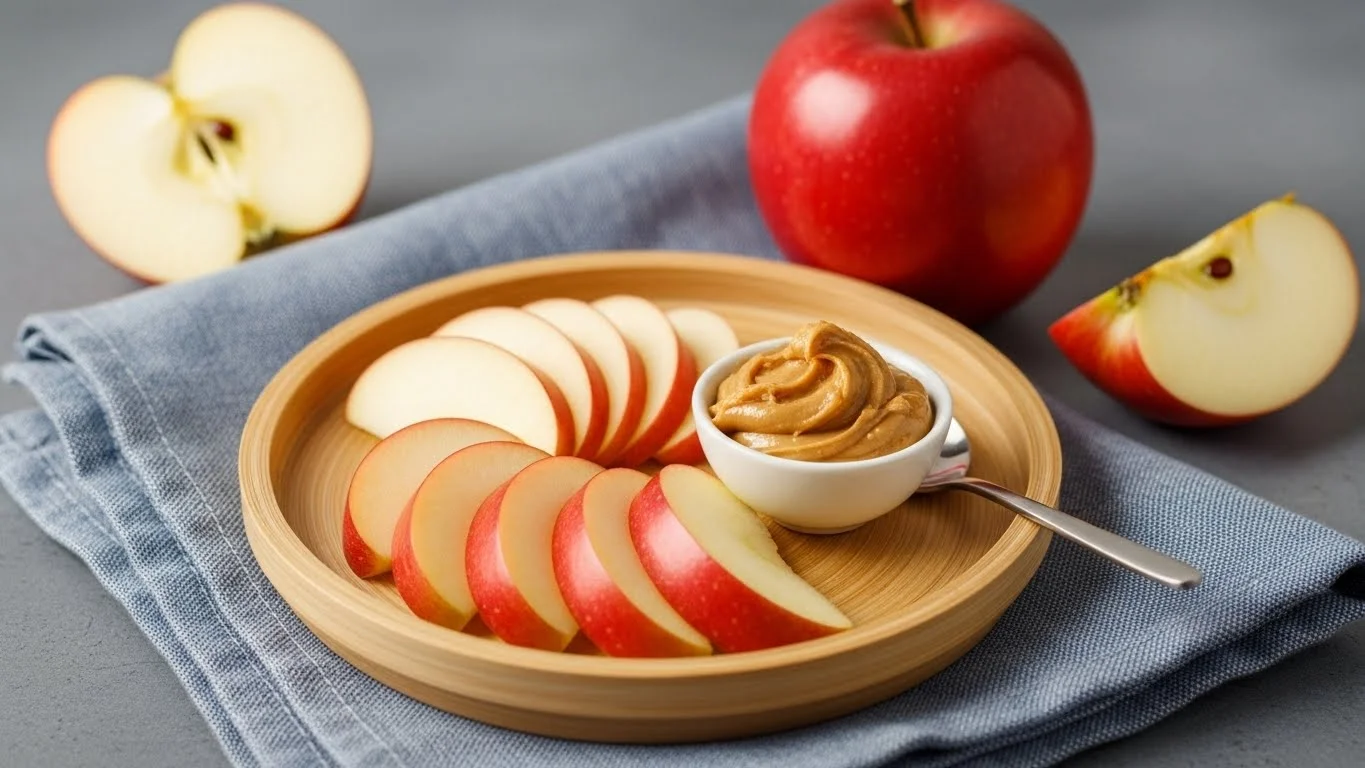
8. Peanut Butter and Apple Slices
I can’t stress enough how much my kids love this combination! Slicing up apples and spreading peanut butter on top makes for a crunchy, creamy, and satisfying snack. I sometimes sprinkle a bit of cinnamon on the peanut butter for an extra flavor boost. It’s packed with nutrients, and I love that it keeps their energy steady.
9. Hard-Boiled Eggs
Hard-boiled eggs are a fantastic source of protein, and they’re so easy to prepare. I usually make a batch at the beginning of the week, and they serve as a quick snack or a part of lunch. My kids enjoy them plain or with a sprinkle of salt and pepper. It’s a simple snack that keeps them full and satisfied between meals.
10. Smoothies with Spinach and Fruits
We make smoothies a few times a week, and it’s a great way to sneak in some veggies. I blend spinach with a variety of fruits like bananas, berries, and mangoes, adding yogurt for creaminess. My kids love the bright colors and fruity flavors, and I love that they’re getting their greens without even realizing it. It’s a win-win!
Tips for Preparing Nutritious Snacks on a Budget
Shopping for Affordable Ingredients
When it comes to shopping for healthy snacks, I’ve learned that being strategic can save a lot of money. I always start with a list based on what I need for the week, focusing on seasonal fruits and vegetables since they tend to be cheaper and fresher. I find that shopping at local farmers’ markets or discount grocery stores can also lead to great deals. Another tip I’ve adopted is buying in bulk. Ingredients like oats, nuts, and seeds can often be found at a lower price per unit when purchased in larger quantities. This not only helps with the budget but also ensures I have plenty of healthy options on hand. I’ve also found that opting for store brands instead of name brands can lead to significant savings without compromising quality.
Meal Prepping for Weekly Snacks
Meal prepping has been a game-changer for our family. On Sundays, I dedicate some time to preparing snacks for the week ahead. It’s become a lovely routine, and I often involve my kids in the process. We make batches of energy bites, cut up veggie sticks, and portion out nuts into small bags. I also prepare yogurt parfaits in jars that we can grab on busy mornings. This way, healthy snacks are ready to go, and there’s no last-minute temptation to reach for sugary options. I’ve noticed that having these snacks prepped not only helps us eat healthier but also saves time during the week when things can get hectic.
Involving Kids in Snack Preparation
One of the joys of making nutritious snacks has been involving my kids in the kitchen. When they help prepare their snacks, they’re more excited to eat what they’ve made. I often let them choose a snack they’d like to try, and we brainstorm healthy ingredients together. Whether it’s mixing up a batch of trail mix or creating their own yogurt parfaits, I find that this involvement fosters a sense of ownership over their food choices. It also opens up conversations about nutrition and the benefits of various foods, making it a fun and educational experience. I believe that when kids feel involved, they’re more likely to choose healthier options willingly!
Addressing Common Concerns
Dealing with Picky Eaters
Ah, picky eaters! I think every parent has faced this challenge at some point. I’ve gone through phases where my kids would turn their noses up at anything green. What I’ve found helpful is to keep offering a variety of options without pressure. I try to present fruits and vegetables in different ways—like making smoothies or veggie sticks with fun dips. I’ve also learned to be patient and persistent. Sometimes it takes multiple exposures to a new food before they’re willing to try it. I remember the first time I introduced hummus; at first, they were hesitant, but after a few tries, it became a favorite! I also encourage them to help me choose snacks at the grocery store, which gives them a sense of control and may increase their willingness to try new foods.
Allergies and Dietary Restrictions
As a parent, I know how important it is to be mindful of allergies and dietary restrictions. I’ve had to navigate food allergies in our household, which has prompted me to get creative with our snack options. It’s vital to read labels and be aware of hidden allergens in packaged snacks. I’ve found that making snacks from scratch allows me to control the ingredients while ensuring they’re safe for everyone. For example, when making energy bars or cookies, I can substitute allergens with safe alternatives, like using sunflower seed butter instead of peanut butter. I also love exploring new recipes that cater to various dietary needs so that no one feels left out during snack time.
Portion Sizes for Different Ages
Knowing the appropriate portion sizes for kids of different ages can sometimes feel daunting. Through my experience, I’ve found that younger kids need smaller portions, while older kids, especially those who are active, may require a bit more. I usually start with smaller servings and let my kids ask for more if they’re still hungry. It’s essential to listen to their cues and help them understand their own hunger levels. I’ve noticed that teaching my kids about portion sizes not only helps them make healthier choices but also instills a sense of responsibility regarding their eating habits. I often remind them that it’s okay to ask for seconds if they’re still hungry after finishing their first serving!
Final Thoughts
As I reflect on my journey of finding nutritious snacks for my kids, I feel a sense of accomplishment. It’s incredible how small changes in our snack choices can lead to healthier habits and happier kids. I’ve learned that healthy snacking doesn’t have to be expensive or complicated. With a little creativity and planning, we can provide our children with the nourishment they need to thrive.
Budget-friendly snacks can be both nutritious and delicious, and I truly believe that involving our kids in the process makes it even more rewarding. Whether it’s meal prepping together or experimenting with new recipes, these moments foster a greater appreciation for food and nutrition. I’ve seen how my kids have become more adventurous with their choices, and it brings me joy to see them excited about eating healthy.
While challenges, like picky eating or dietary restrictions, can arise, I’ve learned to approach them with patience and positivity. Every child is different, and finding what works for our family has been part of the adventure. I think it’s important to keep an open dialogue about food, encouraging our kids to express their preferences while also introducing them to new flavors and textures.
In the end, making healthy snacks easy and affordable is about balance. It’s about understanding our kids’ needs and preferences while providing them with options that support their growth and development. I hope that by sharing my experiences, you feel inspired to embark on your own journey of healthy snacking with your little ones. Let’s continue to discover new ways to make nutritious choices that everyone in the family can enjoy!
Frequently Asked Questions
Why is nutrition important in child development?
Nutrition plays a vital role in brain development and cognitive function, which is crucial for kids who are learning and exploring. The right snacks can support their growth, energy levels, and overall health, setting a foundation for lifelong healthy eating habits.
How can snacks fit into a child’s daily diet?
Snacks serve a purpose in a child’s daily diet by providing additional fuel between meals, especially if they’re active. Incorporating healthy snacks helps kids stay energized and focused while introducing them to a variety of foods and flavors.
What makes a snack nutritious?
A nutritious snack should be rich in vitamins, minerals, and other essential nutrients, with a good balance of protein, healthy fats, and fiber. Whole, minimally processed ingredients are key to creating nutritious snacks.
What are some affordable ingredients for healthy snacks?
Some budget-friendly ingredients include oats, peanut butter, yogurt, fruits, vegetables, nuts and seeds, and whole-grain crackers. These ingredients can be used to create a variety of healthy snacks without breaking the bank.
What is a simple recipe for homemade trail mix?
Homemade trail mix can be made by combining oats, nuts, seeds, and a handful of dried fruits like raisins or cranberries. You can also add a few dark chocolate chips for sweetness, making it a customizable and energizing snack.
How can I get my kids to eat more vegetables?
One effective way to encourage kids to eat more vegetables is by offering veggie sticks with hummus. This fun dipping method can make them more likely to try different vegetables.
What are some tips for preparing nutritious snacks on a budget?
To prepare nutritious snacks on a budget, focus on shopping for seasonal fruits and vegetables, buy in bulk, and opt for store brands. Meal prepping snacks for the week can also save time and encourage healthy eating.
How can I involve my kids in snack preparation?
Involving kids in snack preparation can foster excitement about healthy eating. Let them choose snacks they’d like to try and brainstorm healthy ingredients together, making it a fun and educational experience.
What should I do if my child is a picky eater?
For picky eaters, it’s helpful to offer a variety of options without pressure and present fruits and vegetables in different ways. Patience and persistence are key, as it may take multiple exposures to a new food before they are willing to try it.
How can I address allergies and dietary restrictions in snacks?
To address allergies and dietary restrictions, it’s important to read labels and be aware of hidden allergens. Making snacks from scratch allows control over ingredients, ensuring they are safe for everyone.