
Backpacking as a family can be an incredible adventure, even on a budget. With the right tips, uninvolved parents can create lasting memories without breaking the bank. Let’s dive into the world of budget backpacking!
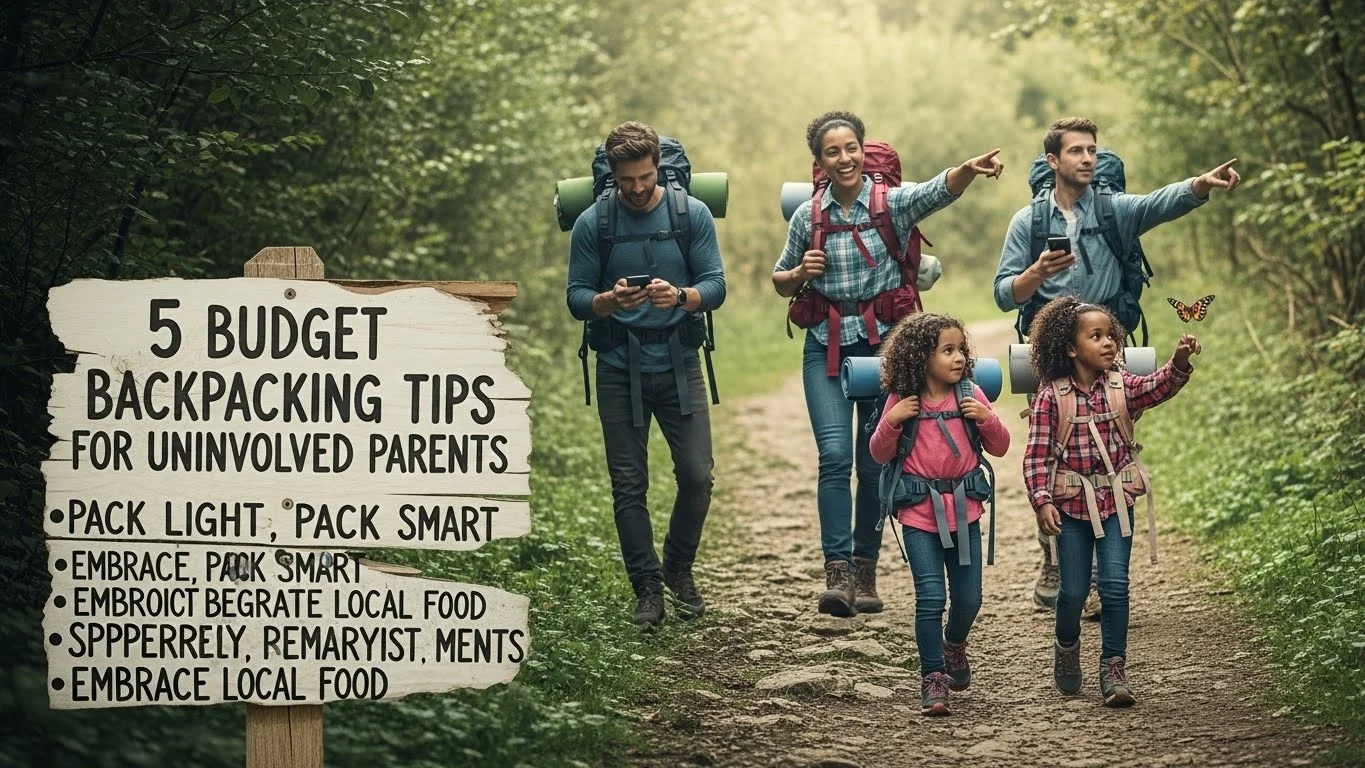
Understanding Budget Backpacking
What is Budget Backpacking?
Budget backpacking is all about traveling light and smart, maximizing experiences while minimizing costs. I remember my first backpacking trip; it was a mix of excitement and nerves. With just a backpack filled with essentials, I set out to explore new places without the financial stress. The beauty of budget backpacking lies in its simplicity—using public transport, staying in hostels, and enjoying free attractions. This travel style allows us to connect more deeply with our surroundings and embrace the journey more than the destination. Read Interesting article: Unlock Language Skills While Traveling: Budget Backpacking Tips
Why Choose Backpacking as a Family?
Backpacking with kids might sound daunting, but I’ve found it to be a rewarding experience. For my family, it was a way to unplug from our daily routines and bond over new experiences. I believe that backpacking encourages resilience and adaptability, qualities that our children need in today’s fast-paced world. Moreover, it teaches them about different cultures, helping to pave the way for open-mindedness and empathy. I’ve noticed that my children gain confidence and independence when they navigate new environments, which is invaluable for their growth.
Benefits of Budget Travel for Parents
One of the primary benefits of budget travel is the opportunity to prioritize experiences over things. Instead of spending money on fancy hotels or dining out at upscale restaurants, we focus on creating memories. I’ve found that this kind of travel fosters creativity; whether it’s cooking meals together in a shared kitchen or exploring local markets, it becomes a shared adventure. Plus, budget backpacking often brings families closer together, as we rely on each other and work as a team. Budget travel also instills financial responsibility in my children, teaching them the value of a dollar and the importance of planning. Read Interesting article: Budget Backpacking Tips for Kids with Special Social Needs
Tip 1: Research Affordable Destinations
Popular Budget-Friendly Backpacking Locations
When planning our trips, I always start with research to identify affordable destinations. Some places seem to scream budget travel, like Southeast Asia, Eastern Europe, and Central America. I remember our trip to Thailand, where we found lush landscapes and rich culture at a fraction of the cost of other destinations. I suggest looking for places where the local currency is weaker compared to your own; this can stretch your travel budget significantly. Visiting less touristy areas can also result in lower costs and a more authentic experience.
How to Find Off-Peak Travel Times
Traveling during off-peak seasons can lead to substantial savings. I’ve learned to check local calendars for festivals or holidays, as these can dramatically affect prices and crowds. For example, visiting Europe in the spring or fall can yield lower accommodation rates and fewer tourists. I’ve found that flexible travel dates can save us a lot, allowing us to take advantage of cheaper flights and accommodations. Websites that track flight and hotel prices can be lifesavers in this regard; they help us pinpoint the best times to travel.
Consideration of Local Culture and Safety
While budget is important, I’ve always believed that safety shouldn’t be compromised. Before choosing a destination, I look into the local culture and safety standards. Some areas are known for being family-friendly, while others may not be suitable for kids. I remember once planning a trip to a beautiful destination, only to find out it wasn’t safe for children. Researching online reviews and local travel advisories has become a part of my routine. I also talk to other traveling families to gather their insights, ensuring we choose a destination that aligns with our family values and safety needs.
Tip 2: Plan a Flexible Itinerary
Creating a Balance Between Structure and Spontaneity
When we hit the road, I’ve learned that having a flexible itinerary can be a game-changer. While it’s tempting to jam-pack our days with activities, I find that leaving room for spontaneity allows us to explore new opportunities that we might not have considered. For example, on our trip to Costa Rica, we had a plan to visit several national parks, but we stumbled upon a local festival in a small town that completely changed our plans. We spent an unforgettable day dancing with locals and trying traditional foods. I think the best memories often come from these unexpected moments.
One way I strike this balance is by setting a few key activities we want to do each day, while keeping the rest open. This gives us a structure to work around but allows us the freedom to change plans based on our energy or interests. I also encourage my kids to express what they’d like to do, which makes them feel more involved and excited about our journey. This way, our trip feels less like a checklist and more like a shared adventure.
Key Activities to Include for Kids
When planning our itinerary, I always include activities that pique my children’s interests. For instance, if we’re in a place known for its wildlife, we prioritize a visit to a local zoo or a wildlife sanctuary. I remember when we visited South Africa, and one of the highlights for my kids was going on a safari. They were so enthralled by spotting elephants and lions that it became a cherished memory for us all. I recommend looking for hands-on experiences, like cooking classes or workshops, where they can learn something new and engage with the local culture. Read Interesting article: Hands-On STEM: Budget Backpacking Tips for Family Travelers
Additionally, I try to incorporate some downtime into our schedule. Whether it’s a few hours at the beach or a leisurely stroll through a local market, these moments allow us to recharge and soak in our surroundings. I’ve found that too much activity leads to exhaustion, especially for the kids, so a rhythm of excitement and relaxation works wonders for our family dynamics.
Understanding Transportation Options
Transportation can significantly impact our budget, so I always investigate our options before heading out. Whether it’s public buses, trains, or even renting bikes, I look for the most cost-effective and family-friendly choices. For instance, during our trip to Europe, we discovered that using regional trains to hop between cities was not only cheaper than flying but also a fun experience. I remember my kids eagerly watching the changing landscapes from the windows, making the journey part of our adventure.
In addition to public transport, I’ve learned that walking can often be a great way to explore a new place. It keeps costs down and lets us discover hidden gems that we might miss from a bus or car. I always pack comfortable shoes for everyone, and we make it a point to explore on foot as much as possible. We also use navigation apps to help us find the best walking routes and local attractions, which adds a sense of exploration to our travels.
Tip 3: Choose Budget Accommodations Wisely
Hostels vs. Hotels: Pros and Cons
When it comes to accommodations, I’ve realized that hostels can be a fantastic budget option for families. While some may worry about sharing communal spaces, many modern hostels offer family rooms and amenities that cater to our needs. I remember staying in a hostel in Barcelona, and it turned out to be a perfect base for our family. The communal kitchen allowed us to prepare meals, and the social atmosphere helped my kids make friends from around the world.
On the other hand, hotels can sometimes provide more comfort and privacy, especially if we prefer a quieter setting after a busy day. I’ve found that if we shop around and book in advance, we can often find competitive rates. It’s all about weighing the pros and cons based on our specific needs for each trip. I recommend looking for reviews that mention family-friendliness and amenities, like laundry facilities or breakfast included, which can save us both time and money.
Camping and Alternative Lodging Options
Camping has also been a wonderful option for us when we want to immerse ourselves in nature. I still remember our camping trip to Yellowstone National Park, where we set up our tent surrounded by breathtaking views. Not only is camping cost-effective, but it also allows us to bond as a family while cooking over a campfire and sharing stories under the stars. I think it’s a great way to disconnect from technology and connect with each other and the great outdoors.
In addition to camping, we’ve also explored alternative lodging options, such as house swapping or vacation rentals. Platforms like Airbnb offer unique accommodations that can fit a family’s needs and often come with kitchens, which help us save on meals. I’ve found that sometimes staying a bit outside the main tourist areas can land us in charming neighborhoods and lead to more authentic experiences.
How to Use Apps for Finding Deals
With the rise of technology, I’ve discovered a world of apps that make finding budget accommodations easier than ever. Websites like Hostelworld, Booking.com, and Airbnb allow us to compare prices and read reviews in real-time. I remember using an app to find a last-minute deal on a family room in a hotel that turned out to be just a short walk from the beach. The convenience of booking on the go has saved us money and time, which is essential when traveling with kids.
Additionally, I keep an eye out for flash sales and discounts, which can be a great way to snag a deal. Some apps even offer price alerts, so we can get notified when prices drop. I’ve found that being open to different types of accommodations and utilizing technology has truly improved our travel experiences, allowing us to focus on making memories rather than stressing over costs.
Tip 4: Save on Food Expenses
Cooking Your Own Meals: Tips and Tricks
One of the biggest expenses while traveling can be food, but I’ve found that cooking our own meals can make a huge difference in our budget. When we choose accommodations with kitchen facilities, it opens up a world of possibilities for family cooking sessions. I remember our trip to Italy, where we rented an apartment with a kitchen and took a stroll to the local market. It was such an enjoyable experience picking out fresh ingredients, and it felt great to create our own Italian feast together!
To keep it simple, I recommend planning a few easy meals that require minimal ingredients. Pasta dishes, stir-fries, and salads are not only easy to prepare but can also be made with local produce. I also suggest bringing along a few staple items like spices, oils, or sauces that can enhance the flavor of our meals without taking up too much space in our backpacks. Cooking together not only saves money but also allows for family bonding time as we try new recipes and share cooking tips.
Finding Affordable Local Restaurants
While cooking at home is great, I also love exploring local eateries. I’ve found that asking locals for recommendations often leads us to hidden gems that are both delicious and affordable. On one of our trips to Mexico, we discovered a small taco stand that served the best tacos I’ve ever had, at a price that was hard to beat. It turned out to be a family-run business, and we felt good supporting the locals while enjoying authentic cuisine.
To make sure we’re getting the best deals, I keep an eye out for menus posted outside restaurants before we commit to eating there. I’ve learned that lunchtime often offers cheaper options, so we tend to have our main meal in the afternoon and a lighter dinner. Street food can also be an adventure; it’s usually budget-friendly and gives us a taste of the local culture. Just make sure to check for cleanliness to ensure a safe eating experience!
Pack Snacks and Easy Meals for Travel Days
Travel days can be unpredictable, and I’ve learned the hard way that having snacks and easy meals on hand can save us both time and money. I always pack a variety of snacks like granola bars, nuts, and dried fruit, which are great for keeping our energy up during long journeys. One of my favorite travel snacks is trail mix, and I love customizing it with our favorite ingredients.
For longer travel days, I suggest packing quick meals like sandwiches or wraps. I remember one time when we had a long bus ride in South America, and I had prepared some sandwiches in advance. It made a huge difference to have a meal ready instead of relying on expensive bus food. We even found a local grocery store along the way to grab fresh fruit, which made for a refreshing snack during the trip.
By planning our meals ahead of time and being mindful of our eating habits, I’ve found that we can enjoy delicious food without overspending. Plus, it allows us to experiment with local flavors and ingredients when we can!
Tip 5: Engage Kids in the Travel Experience
Involving Children in Planning Activities
I firmly believe that involving my kids in the travel planning process enhances their excitement and investment in the trip. When we start discussing potential destinations, I ask for their input on activities they might enjoy. I remember when we were planning our trip to Japan; my daughter was fascinated by the idea of visiting a real-life ninja village. Including her in the decision-making process turned out to make that trip even more special.
We often sit down together and look up different attractions, local customs, and even food options that interest them. This involvement also helps them learn about geography and cultures, turning our travel planning into an educational experience. I’ve noticed that when they have a say in what we do, they’re more excited and engaged during the trip, leading to a more fulfilling experience for all of us.
Fun Travel Games and Activities
To keep our family entertained, I’ve found that travel games can be a great way to bond during long journeys. We love playing classic games like “I Spy” or the license plate game, which can spark friendly competition and laughter. I also enjoy bringing along a travel journal for each of my kids, where they can write about their daily adventures, draw pictures, or collect mementos like ticket stubs.
Technology can also play a role in keeping them engaged. I allow my kids to download educational apps related to the places we’re visiting. For example, before our trip to Washington, D.C., they explored apps that taught them about the history of the monuments we would see. This not only kept them occupied but also made them feel like active participants in our travel experience.
Encouraging Cultural Learning Through Exploration
One of the most rewarding aspects of travel is learning about different cultures, and I always strive to make this a priority for my kids. I encourage them to ask questions, interact with locals, and immerse themselves in the culture. For instance, during our visit to Thailand, we participated in a local cooking class, which allowed us to learn about traditional dishes and cooking methods firsthand.
Additionally, I believe visiting museums, historical sites, or local markets can provide valuable insights into a destination’s culture. I try to frame these visits as exciting scavenger hunts where they have to find specific artifacts or ask questions from local vendors. This approach makes cultural learning engaging and fun, turning our travels into enriching experiences that they’ll remember for years to come.
By involving my kids in our travel experience and encouraging their curiosity, I’ve noticed that they grow more open-minded and appreciative of the world around them. This not only enhances our family trips but also fosters a lifelong love for travel and exploration.
Frequently Asked Questions
What is budget backpacking?
Budget backpacking is about traveling light and smart, maximizing experiences while minimizing costs. It involves using public transport, staying in hostels, and enjoying free attractions, allowing for a deeper connection with surroundings.
Why should families consider backpacking?
Backpacking as a family encourages resilience and adaptability in children, teaches them about different cultures, and helps them gain confidence and independence while creating lasting memories together.
What are some popular budget-friendly backpacking locations?
Some affordable destinations include Southeast Asia, Eastern Europe, and Central America. Traveling to places where the local currency is weaker than your own can significantly stretch your travel budget.
How can families find off-peak travel times?
Families can save money by traveling during off-peak seasons, checking local calendars for festivals, and being flexible with travel dates to take advantage of cheaper flights and accommodations.
What should families consider regarding local culture and safety when traveling?
It’s important to research local culture and safety standards before choosing a destination. Some areas may be more family-friendly than others, so checking online reviews and travel advisories is essential.
How can families create a flexible itinerary while traveling?
Creating a balance between structure and spontaneity allows families to explore new opportunities. Setting a few key activities each day while keeping the rest open can lead to unexpected adventures and memories.
What are some budget accommodation options for families?
Families can consider hostels, camping, or alternative lodging options like house swapping or vacation rentals. Hostels often provide family rooms and kitchens, while camping immerses families in nature.
How can families save on food expenses while traveling?
Cooking meals in accommodations with kitchen facilities can save money. Families can also find affordable local restaurants and pack snacks for travel days to avoid expensive food options on the go.
How can parents involve their children in the travel experience?
Involving children in the planning process, engaging them with travel games, and encouraging cultural learning through exploration can enhance their excitement and investment in the trip.
What are some fun travel activities for kids during long journeys?
Travel games like “I Spy,” having kids keep travel journals, and allowing them to download educational apps related to the destination can keep them entertained and engaged during long journeys.