
Balanced nutrition is crucial for school children, influencing their growth, learning, and overall well-being. Let’s dive into what balanced nutrition means and why it’s essential for our kids. Understanding their essential nutritional needs can make a significant difference.
Understanding Balanced Nutrition
What is Balanced Nutrition?
Balanced nutrition is all about providing our bodies with the right amounts of nutrients we need to function properly. It means eating a variety of foods in the right proportions to support growth, energy, and health. For school-aged children, this balance is particularly important as they are in a critical stage of development. I remember when my kids were younger; I often found myself wondering if they were getting everything they needed. I learned that a balanced diet includes carbohydrates, proteins, fats, vitamins, and minerals, all working together to fuel their bodies and minds.
The Importance of Nutrition for School Children
Nutrition plays an essential role in the physical and mental development of school children. Our kids need the right nutrients to support their growth and to help them focus and learn effectively. I’ve noticed that when my children eat well, they are more energetic and attentive in school. On the flip side, when their diets are lacking, they tend to be more fatigued and struggle with concentration. Studies show that proper nutrition can boost academic performance, enhance mood, and improve behavior, which is why I believe it’s crucial to prioritize balanced meals. For more insights, check out mastering food labels to help guide their choices.
Key Nutrients for School-Aged Children
Carbohydrates: The Energy Source
Carbohydrates are our body’s primary energy source, especially important for active school children. I’ve seen first-hand how a good breakfast, like oatmeal or whole-grain toast, sets the tone for the day. The right carbs help kids power through their lessons and playtime. It’s best to choose complex carbohydrates, such as whole grains, fruits, and vegetables, which provide sustained energy and essential fiber. I’ve made it a habit to include whole grain options in our meals, which has made a noticeable difference in my children’s energy levels.
Proteins: Building Blocks for Growth
Proteins are vital for growth, muscle development, and repair. They are the building blocks of our bodies, and I always try to ensure my kids get enough protein in their diets. Things like lean meats, eggs, beans, and nuts are excellent sources. I remember when my son started sports; I realized how crucial protein was for his recovery and overall strength. We often enjoy meals that incorporate various proteins, like grilled chicken salads or bean tacos, making them tasty and nutritious.
Fats: Essential for Brain Development
I used to think all fats were bad, but I’ve learned that healthy fats are crucial, especially for brain development in children. Foods like avocados, nuts, seeds, and fish provide essential fatty acids that help with cognitive function. I’ve noticed that including a little healthy fat in my kids’ meals, like adding avocado to their sandwiches or tossing some nuts into their yogurt, not only makes the meals more satisfying but also supports their brain health.
Vitamins and Minerals: Micronutrients that Matter
Micronutrients are often overlooked, but they play a significant role in maintaining good health. Vitamins and minerals like calcium, iron, and vitamins A, C, and D are critical for growth and development. For example, calcium is essential for strong bones, which is something I focus on since my kids are constantly growing. I encourage them to drink milk and eat yogurt, which I believe helps build a solid foundation for their skeletal health. I learned that including a variety of fruits and vegetables, which are rich in these micronutrients, is not only beneficial but also colorful and fun for kids!
In my quest to ensure my children eat a balanced diet, I found that educating them about these nutrients has made a difference. They are more willing to try new foods when they understand how those foods help their bodies. It’s a journey, but seeing my kids make healthier choices has been rewarding for both them and me. Balancing their nutrition is a daily effort, but one that pays off in their energy levels, mood, and overall health.
Food Groups Essential for Balanced Nutrition
Fruits and Vegetables: Colors on the Plate
When I think about balanced nutrition, fruits and vegetables are the first things that come to mind. They add color, flavor, and a wealth of nutrients to our plates. I remember when my kids were little; I used to tell them that eating a rainbow was the best way to ensure they were getting all the vitamins they needed. Dark leafy greens, bright berries, and vibrant orange carrots all have unique benefits. For example, leafy greens are packed with iron and calcium, while colorful fruits are loaded with antioxidants that help fight off illness. I often involve my children in grocery shopping, allowing them to pick out their favorite fruits and veggies. This makes them more excited to eat what they’ve chosen, creating a fun experience around healthy eating.
Whole Grains: Healthy Carbohydrate Choices
Whole grains are a staple in our household. While I used to think that all breads and pastas were the same, I quickly learned that whole grains are far superior to their refined counterparts. They provide more fiber, which aids digestion and keeps our kids feeling full longer. I often opt for whole grain bread for sandwiches and brown rice instead of white rice. I’ve noticed that my kids have more sustained energy throughout the day when we stick to whole grain options. Plus, there are so many delicious ways to incorporate whole grains into meals, from oatmeal at breakfast to whole grain pasta with veggies for dinner!
Dairy Products: Importance of Calcium
Calcium is crucial, especially for growing kids. I’ve always emphasized the importance of dairy products for strong bones. Milk, cheese, and yogurt are excellent sources of calcium and other essential nutrients. I remember when my daughter was hesitant to drink milk; I started mixing it into smoothies with fruits, and she loved it! Yogurt has also been a favorite in our house, especially when we add some honey or fresh fruit. I appreciate that these dairy options not only support bone health but also contribute to our kids’ overall nutrition in a delicious way.
Lean Proteins: Meat, Fish, and Plant-Based Options
For us, incorporating lean proteins into our meals is essential. I’ve found that chicken, turkey, and fish are fantastic options, but I also love to include plant-based proteins like beans, lentils, and tofu. These proteins help with muscle growth and repair, which is particularly important for active children. I remember the first time I tried making lentil soup; my kids were surprised at how tasty it was! Now, we regularly enjoy things like black bean tacos and chickpea salads. It’s amazing how versatile protein sources can be, and involving my kids in cooking has made them more open to trying new things.
Creating a Balanced Meal Plan
Understanding Portion Sizes for Children
Understanding portion sizes is something I’ve had to learn over time. It can be tricky, especially when kids are growing and their appetites vary from day to day. I found that using my hand as a guide helps: a fist-sized portion for grains, a palm-sized portion for proteins, and plenty of colorful vegetables. This simple method allows me to serve balanced meals without overwhelming them. I’ve also noticed that when I let my kids serve themselves, they’re more mindful of what they eat and less likely to waste food.
Sample Meal Plans for Different Age Groups
Creating a meal plan that fits the needs of different age groups has been an adventure. For my younger kids, I focus on simple, fun meals that are easy to prepare. For breakfast, I might offer a smoothie bowl topped with fruit and nuts, while lunch could be whole grain sandwiches with turkey and veggies. For dinner, I love making a stir-fry with colorful veggies and chicken served over brown rice. As my kids have grown, I’ve adapted their meals to include more complex flavors and options, such as quinoa salads and veggie-packed pasta dishes. Each age brings new tastes and preferences, and I strive to keep things exciting!
Healthy Snack Ideas for School
Snacks can be a great way to ensure kids are getting the nutrients they need throughout the day. I often prepare healthy snacks that are easy to grab and go. Some of our favorites include apple slices with almond butter, yogurt with granola, and trail mix with nuts and dried fruit. I remember packing snacks for my kids’ school lunches; it was essential for me to include items that would fuel their energy without causing a sugar crash. I’ve found that when they have healthy snacks, they feel more focused in class and ready to participate. For tips on how to read food labels, check out this guide.
Hydration and Its Role in Nutrition
Importance of Water for School Children
Staying hydrated is just as important as eating well. I’ve come to realize that water is vital for maintaining energy and concentration levels, especially for school-aged children. I always encourage my kids to drink water throughout the day, and I’ve found that keeping a water bottle handy helps them remember. Sometimes, we even add slices of fruits like lemon or cucumber for a refreshing twist. It’s a small change, but I’ve noticed it makes drinking water more appealing to them!
Healthy Beverage Choices
While water is my go-to, I also recognize that there are other healthy beverage options. I try to limit sugary drinks in our home, opting instead for options like herbal teas or homemade smoothies. I recall a time when my kids were obsessed with juice; I learned that diluting juice with water not only makes it healthier but also teaches moderation. We’ve made it a family tradition to enjoy smoothies on weekends, blending fruits, spinach, and yogurt for a delicious treat that everyone loves.
Addressing Common Nutritional Challenges
Picky Eating: Tips for Parents
Picky eating can feel like a rite of passage for many parents, and I know I’ve faced my fair share of mealtime battles at home. It can be frustrating when your children refuse to eat anything that isn’t a familiar favorite. I found that one way to tackle picky eating is by introducing new foods gradually. Instead of overwhelming them with a completely different meal, I started incorporating small amounts of new ingredients into their favorite dishes. For instance, mixing spinach into a familiar pasta sauce or adding different vegetables into a stir-fry has made a noticeable difference. I also discovered that involving my kids in the cooking process makes them more curious about what they’re eating. When they help choose and prepare a meal, they seem more willing to give it a try!</p>
Managing Food Allergies and Intolerances
Food allergies and intolerances can complicate the journey toward balanced nutrition. I remember when one of my children developed a dairy intolerance. It was challenging at first, but I learned to adapt our meals without sacrificing nutrition. I started exploring alternative dairy products, like almond milk and coconut yogurt, which allowed us to continue enjoying familiar flavors. It’s also important to read labels carefully and be aware of cross-contamination in processed foods. I found that educating my kids about their allergies helped them make better choices when we’re out or at school. They learned to ask questions and understand the importance of avoiding certain foods, which empowered them and eased my worries a bit.</p>
Balancing Nutrition with Busy Schedules
Let’s be honest: life can get hectic, especially when juggling work, school, and extracurricular activities. I’ve often found myself scrambling to prepare meals during a busy week, which can lead to less-than-ideal food choices. To combat this, I’ve discovered the value of meal prepping. On weekends, I set aside some time to prepare snacks and meals for the week ahead. I chop vegetables, cook grains, and portion out snacks, making it easier to grab something healthy during the week. I’ve even made a habit of keeping healthy, ready-to-eat items on hand, like hummus and cut veggies or yogurt cups, which saves us from reaching for less nutritious options when we’re rushed. It’s a small effort that has made a big difference in our daily routines!</p>
Encouraging Healthy Eating Habits
Involving Children in Meal Preparation
One of the best ways I’ve found to encourage healthy eating habits is by involving my kids in meal preparation. I remember the first time I let them help with dinner; it was a game changer! They were so excited to chop vegetables and stir sauces that they were much more willing to eat what we made together. I’ve learned that giving them age-appropriate tasks, like washing veggies or setting the table, fosters a sense of ownership over their meals. Plus, it opens up opportunities to talk about nutrition and the benefits of various foods. When they feel like they’ve played a part in the process, they’re often more curious about trying new things.</p>
Setting a Positive Example as Parents
As parents, we are our children’s first teachers, and I believe setting a positive example when it comes to eating habits is crucial. I’ve made it a point to show my kids that I enjoy eating a variety of healthy foods myself. Sharing my excitement about trying new recipes or talking about how certain foods make me feel energizes our meals and creates a supportive environment for them. I think it’s important to celebrate healthy eating, not just at the dinner table but also during conversations. When we talk about the benefits of nutrition—like how it helps us feel good and stay active—it reinforces the idea that healthy eating is a family value.</p>
Creating a Healthy Eating Environment at Home
Creating an environment that promotes healthy eating has been a priority in our household. I’ve learned that having healthy snacks readily available makes a significant difference in what my kids choose to eat. Instead of keeping sugary treats in plain sight, I fill our pantry and fridge with fruits, nuts, and whole-grain options. I also keep meals relaxed and enjoyable by turning off distractions like the TV during dinner. This encourages us to connect over our food and engage in conversations about our day. I’ve noticed that when we make mealtime a family affair, my kids are more inclined to eat healthily and appreciate the food on their plates. It’s all about making nutrition a natural part of our lives rather than a chore!</p>
The Role of Schools in Promoting Nutrition
Nutrition Education in the Classroom
Schools play a vital role in shaping our children’s understanding of nutrition. I remember when my children had a nutrition lesson in their health class. They learned about food groups, balanced meals, and the importance of making healthy choices. It was heartwarming to see their excitement when they came home to share what they learned. I believe integrating nutrition education into the curriculum helps kids understand not just what to eat, but why it’s essential. It empowers them to make informed decisions about their meals. I think we should advocate for more schools to incorporate such programs, as it lays a solid foundation for lifelong healthy habits.
Healthy School Lunch Programs
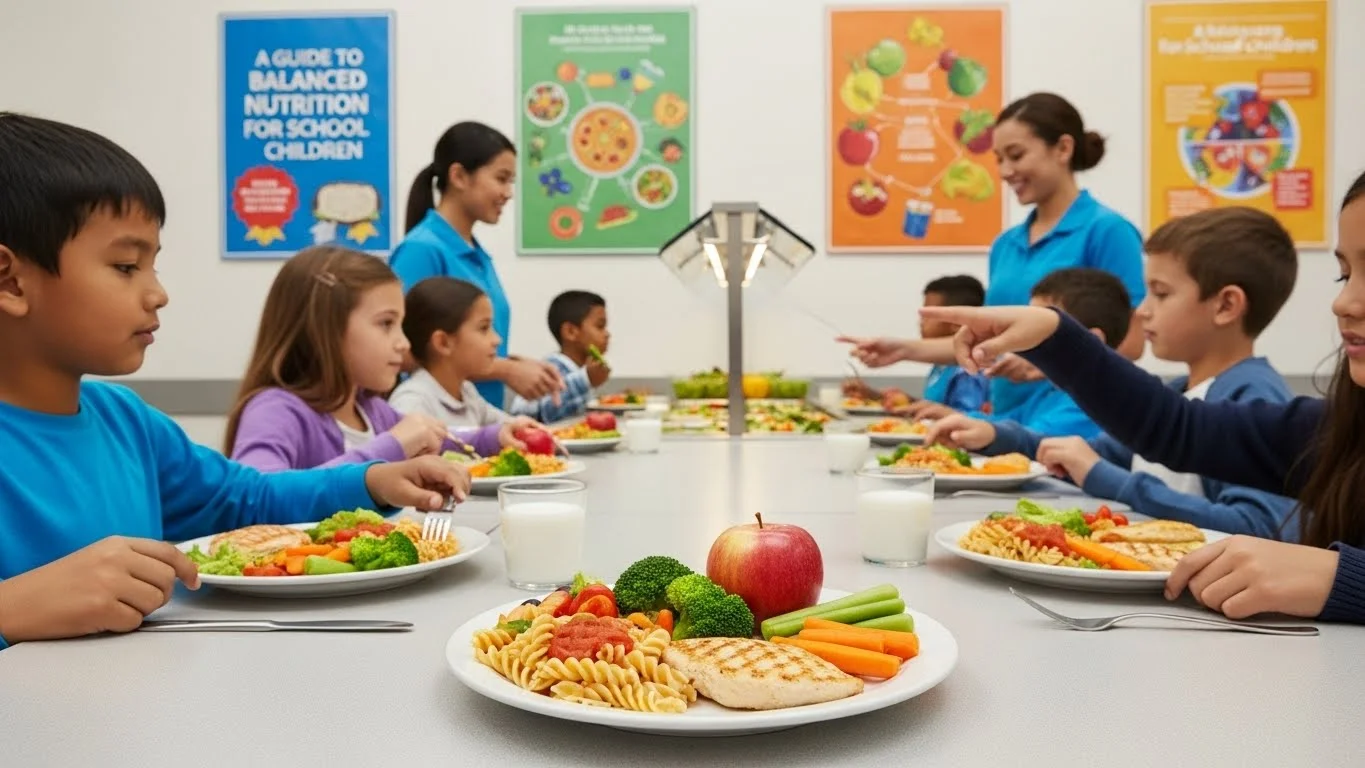
When it comes to school lunches, I feel it’s crucial that our kids have access to nutritious options. I’ve seen the impact of healthy school lunch programs firsthand. Schools that offer fresh fruits, vegetables, whole grains, and lean proteins create an environment that supports balanced nutrition. I remember attending a school lunch tasting event where parents could try the meals being served. It was reassuring to see that healthy options were not only available but also delicious! I believe that when schools invest in quality meal programs, they contribute significantly to the well-being of their students. Plus, it alleviates some of the pressure on us parents to pack lunches every day.
Collaborating with Parents for Better Nutrition
Collaboration between schools and parents can enhance children’s nutrition. I’ve participated in parent-teacher meetings where we discussed ways to support healthy eating. It’s a great opportunity for parents to share ideas and resources while forming a community focused on nutrition. I believe schools can also encourage parents to get involved by providing workshops or resources for healthy meal planning and preparation. When we work together, we create a supportive network that fosters good habits both at school and at home. I know that when my kids see us all united in promoting healthy eating, it reinforces the importance of nutrition in their lives.
Resources for Further Learning
Books and Guides on Children’s Nutrition
For parents looking to deepen their understanding of children’s nutrition, I recommend exploring books that focus on balanced diets and healthy eating habits. Some of my favorites include “The Family Table” by Jazz Smollett-Warwell and “How to Raise Healthy and Happy Children” by Judith S. Beck. These resources have not only provided me with valuable tips but have also inspired me to try new recipes that my kids enjoy. I think having a few reliable books on hand can make the journey of feeding our children healthier meals much easier and more enjoyable.
Websites and Online Resources
There are numerous websites dedicated to children’s nutrition that I’ve found helpful. Websites like the USDA’s ChooseMyPlate.gov provide guidelines and tips for healthy eating. I also enjoy checking out the American Academy of Pediatrics (AAP) website for articles and resources related to children’s health and nutrition. These platforms offer valuable insights and can help us stay informed about the latest in nutrition science, making it easier to support our kids’ dietary needs.
Consulting with Nutritionists and Dieticians
Sometimes, I’ve felt it was beneficial to seek professional advice regarding my children’s nutrition. Consulting with a pediatric nutritionist or dietician can provide personalized guidance tailored to your family’s needs. I remember when I had a session with a nutritionist who helped me understand how to cater to my children’s specific dietary requirements while still keeping meals enjoyable. It was a worthwhile investment that made a difference in our approach to nutrition.
Final Thoughts
Navigating the world of nutrition can feel overwhelming, but it’s a journey I believe is worth taking. As parents, we play a vital role in shaping our children’s eating habits and attitudes towards food. By understanding balanced nutrition, involving our kids in meal preparation, and collaborating with schools, we can create a supportive environment that encourages healthy eating. It’s not just about what they eat; it’s about instilling a lifelong appreciation for nutritious food. I’ve seen the benefits firsthand, and I know that with a little effort and creativity, we can empower our children to make better choices for their health and happiness.
Frequently Asked Questions
What is balanced nutrition?
Balanced nutrition refers to providing our bodies with the right amounts of nutrients needed to function properly, which includes a variety of foods in the right proportions to support growth, energy, and health, particularly for school-aged children.
Why is nutrition important for school children?
Nutrition is essential for the physical and mental development of school children, as it supports their growth and helps them focus and learn effectively. Proper nutrition can boost academic performance, enhance mood, and improve behavior.
What are the key nutrients for school-aged children?
The key nutrients for school-aged children include carbohydrates (for energy), proteins (for growth and muscle development), healthy fats (for brain development), and vitamins and minerals (micronutrients that support overall health).
How can parents encourage their children to eat a variety of fruits and vegetables?
Parents can encourage their children to eat a variety of fruits and vegetables by involving them in grocery shopping, allowing them to pick out their favorites, and emphasizing the colorful benefits of eating a rainbow of produce.
What are healthy snack ideas for school children?
Healthy snack ideas for school children include apple slices with almond butter, yogurt with granola, and trail mix with nuts and dried fruit, which help maintain energy levels without causing sugar crashes.
How can parents manage picky eating?
To manage picky eating, parents can introduce new foods gradually by incorporating small amounts of new ingredients into favorite dishes and involving children in the cooking process, which can increase their willingness to try new foods.
What is the role of hydration in children’s nutrition?
Hydration is crucial for maintaining energy and concentration levels in school-aged children. Encouraging regular water intake and making it appealing by adding fruit slices can enhance their hydration habits.
How can schools promote better nutrition among children?
Schools can promote better nutrition by integrating nutrition education into the curriculum, providing healthy school lunch programs, and collaborating with parents to support healthy eating habits.
What resources are available for learning more about children’s nutrition?
Parents can explore books on children’s nutrition, visit websites like ChooseMyPlate.gov and the American Academy of Pediatrics for guidance, or consult with pediatric nutritionists or dieticians for personalized advice.
How can parents create a healthy eating environment at home?
Parents can create a healthy eating environment by keeping healthy snacks readily available, involving children in meal preparation, and making mealtimes enjoyable and engaging without distractions.