
Every parent hopes to never face an emergency, but being prepared can make all the difference. Understanding CPR for children is crucial for keeping our little ones safe, and it empowers us to act swiftly in critical moments. Read Interesting article: Essential CPR Techniques Every Parent Should Know
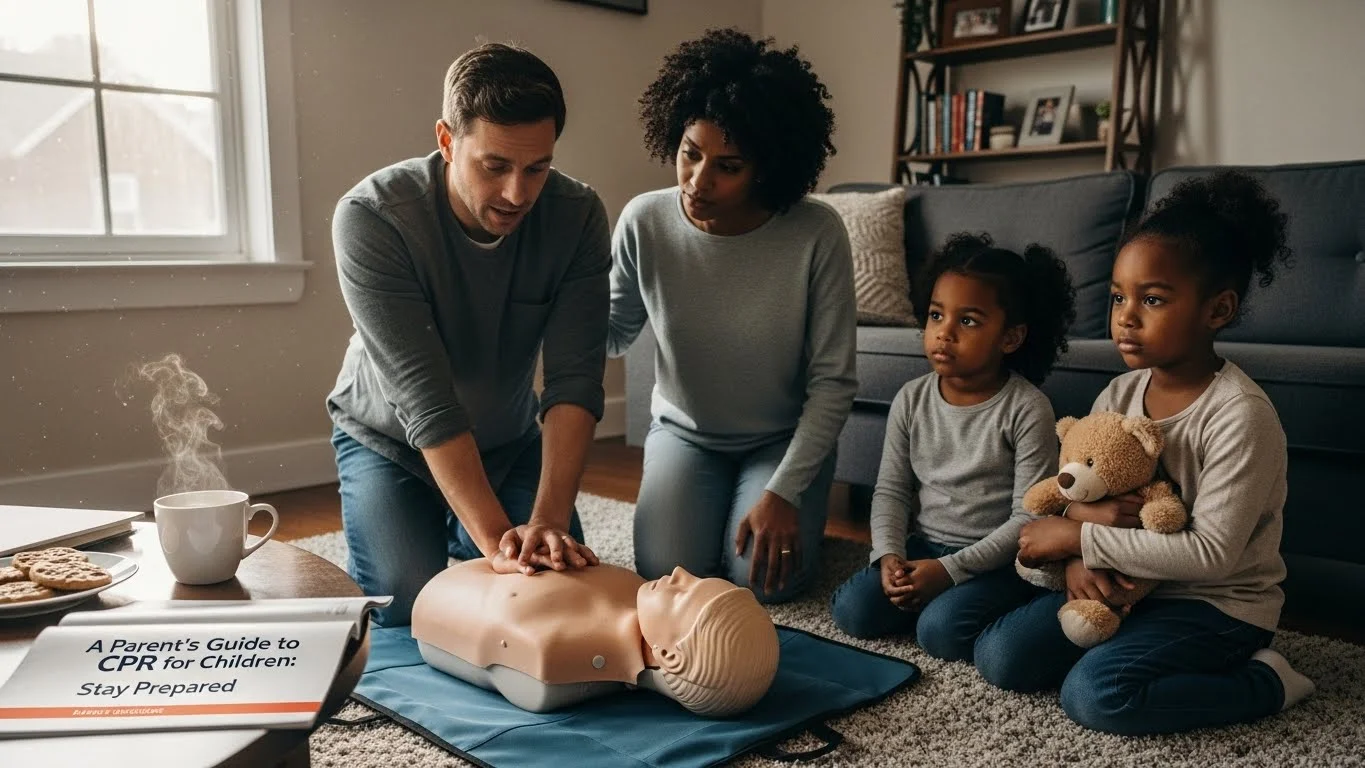
Understanding CPR: The Basics
What is CPR?
Cardiopulmonary resuscitation, or CPR, is a life-saving technique used in emergencies when someone’s breathing or heartbeat has stopped. I remember the first time I learned about CPR; it was a revelation to me that I could have the skills to help save a life. CPR combines chest compressions and rescue breaths to keep oxygenated blood flowing to the brain and other vital organs until professional help arrives. It’s like being given a second chance to make a difference in a scary situation.
Why CPR is Crucial for Children?
When it comes to our children, the stakes feel even higher. In my experience, knowing CPR for kids can transform panic into action. Children are more vulnerable than adults, and their small bodies can react differently in emergencies. For instance, cardiac arrest can happen due to various reasons such as drowning, choking, or severe allergic reactions. By knowing CPR, we can provide immediate care and increase the chances of a positive outcome. I’ve read statistics showing that immediate CPR can double or even triple a child’s chance of survival. That’s a powerful motivator for me to stay informed and prepared. Read Interesting article: Quick First Aid Tips for Kids: A Parent’s Guide
Common Causes of Cardiac Arrest in Children
Understanding what leads to cardiac arrest in children can help us remain vigilant. In my research, I discovered that some of the most common causes include:
- Sudden cardiac arrest due to congenital heart defects
- Respiratory issues like asthma attacks or severe pneumonia
- Accidents such as drowning, which often occur unexpectedly
- Choking on food or small objects, a frequent concern for young children
- Severe allergic reactions (anaphylaxis) that can lead to obstructed airways
Each of these scenarios reminded me of the importance of being observant and proactive. I recall a family gathering where a little cousin choked on a piece of candy. Thankfully, I had learned what to do, and my quick action not only relieved the situation but also reinforced the importance of knowing CPR and first aid.
Recognizing Emergencies: When to Administer CPR
Signs of Cardiac Arrest in Children
Recognizing when to act can be challenging, especially in high-stress situations. I often think about the signs that indicate a child might need CPR. If a child is unresponsive, not breathing, or their skin turns blue or pale, these are critical indicators that something is wrong. I’ve learned that keeping a calm demeanor can help me think clearly, allowing for quicker responses during emergencies.
Identifying Choking and Its Risks
Choking is a significant risk for children, especially toddlers who are naturally curious and love exploring everything by putting it in their mouths. I’ve found that knowing how to identify choking is just as vital as knowing CPR itself. Signs of choking include difficulty breathing, coughing, or a child clutching their throat. I remember a moment when my own child was quietly playing and suddenly started to cough violently. It’s terrifying to witness, but knowing what to do next is essential. In those moments, I felt empowered by my training.
When to Call for Emergency Help
Even with CPR knowledge, there are times when we need to call for help. If a child is unresponsive and you’ve started CPR, calling 911 as soon as possible is crucial. I learned that if someone else is with you, it’s best for one person to call for help while the other begins CPR. This teamwork can make a significant difference. I remember going through a practice scenario in a CPR class, which helped reinforce how to balance calling for help while also providing immediate assistance.
CPR Techniques for Children
Age-Specific CPR Guidelines
One thing I’ve learned is that CPR techniques vary by age. For infants, the technique is different from that of older children. It’s important to remember that our approach must adapt to their developmental stages. I’ve often referred back to my training materials to refresh myself on the specifics, ensuring I’m prepared for any situation.
Steps for Performing CPR on Infants
When performing CPR on an infant, the steps are delicate and precise. I recall practicing these steps with a CPR dummy, which helped me feel more confident. The basic steps include:
- Check for responsiveness by tapping the baby’s foot and shouting.
- If unresponsive and not breathing, call for help.
- Provide 30 gentle chest compressions using two fingers in the center of the chest.
- Give 2 rescue breaths, ensuring a proper seal over the mouth and nose.
It’s vital to keep your breaths gentle, as infants’ lungs are tiny. I found it helpful to visualize how gentle I needed to be in those moments.
Steps for Performing CPR on Toddlers and Older Children
For toddlers and older children, the techniques shift slightly, but the principles remain the same. I’ve practiced these steps too, understanding how to adapt my strength and technique based on the child’s size:
- Ensure the child is unresponsive and not breathing.
- Call 911.
- Perform 30 chest compressions with one hand for older children or two hands for larger kids.
- Deliver 2 rescue breaths, tilting the head back slightly to open the airway.
Practicing these steps has helped me feel more equipped to handle emergencies when they arise. Each time I review them, I remember the importance of staying calm and focused.
Using CPR with an AED (Automated External Defibrillator)
In my experience, knowing how to use an AED alongside CPR is incredibly beneficial. AEDs are designed to be user-friendly, with clear instructions. I remember the first time I saw one in a public space; it gave me a sense of reassurance. If a child is in cardiac arrest, an AED can analyze their heart rhythm and deliver a shock if necessary. It’s a powerful tool that can save lives when used correctly along with CPR. I encourage everyone to familiarize themselves with the AED locations in their community for added preparedness.
Choking Relief Techniques
Heimlich Maneuver for Different Ages
When it comes to choking, knowing how to perform the Heimlich maneuver can be life-saving. I remember the first time I learned about this technique; it felt empowering to know I could potentially save a life with a few simple steps. The method varies depending on the age of the child, and understanding these variations can make all the difference.
For older children and adults, here’s what I’ve learned:
- Stand behind the person and place your arms around their waist.
- Make a fist with one hand and place the thumb side against the middle of their abdomen, just above the navel.
- Grab your fist with the other hand and give quick, inward and upward thrusts until the object is expelled or the person becomes unresponsive.
For younger children and toddlers, the steps differ slightly. I practiced these steps in my CPR training, and it made me realize how crucial it is to adjust our approach:
- Position yourself behind the child.
- For children over one year old, use the same technique as for adults. But for infants, you need to be more cautious; hold them face down on your forearm, supporting their head.
- Use the heel of your hand to give five firm back blows between the shoulder blades, then flip them over and perform five chest thrusts.
These techniques not only give me peace of mind but also help me feel prepared for any choking emergencies that might arise. Read Interesting article: Backpacking with Kids: First Aid for Common Injuries
How to Help an Infant Who is Choking
Helping an infant who is choking is especially delicate. I often think about how tiny and fragile they are, and it’s essential to approach this situation with care. Here’s how I learned to assist an infant:
- Start by placing the infant face down on your forearm, ensuring their head is lower than their chest.
- Using the heel of your hand, give five firm back blows between the shoulder blades.
- If the object is not expelled, turn the infant over while still supporting their head and give five chest thrusts using two fingers in the center of their chest.
In my experience, practicing these techniques multiple times has made me feel more comfortable and confident. I can still recall the training session where we used a baby mannequin to simulate these actions; it felt like a safe environment to make mistakes and learn. Knowing that I can help in such a critical moment brings a sense of reassurance.
Signs a Child is Choking
Being able to recognize the signs of choking is just as important as knowing how to respond. I remember a moment when my friend’s child was playing and suddenly became quiet. I felt a wave of panic wash over me, but I quickly focused on what to look for. Typical signs that indicate a child might be choking include:
- Inability to breathe or speak
- Clutching the throat or making frantic gestures
- Gasping, wheezing, or making high-pitched sounds
- Skin turning blue or pale, especially around the lips
- Loss of consciousness
Recognizing these signs quickly can be the difference between life and death. When I see a child in distress, I remind myself to stay calm and assess the situation. I’ve learned that in emergencies, every second counts, and knowing what to look for helps me act swiftly.
Important CPR Training Resources
Finding CPR Certification Courses
When I decided to learn CPR, I found that there are plenty of resources available, but choosing the right course can be overwhelming. I started by checking local hospitals and community centers, which often offer CPR classes. I remember feeling excited when I found a course that fit my schedule. It not only equipped me with skills but also connected me with other parents who were equally motivated to learn.
Another option is to look for certified organizations that provide CPR training, such as the American Heart Association or the Red Cross. These organizations are well-respected and offer comprehensive training tailored for different age groups. I highly recommend checking their websites for upcoming classes; you might be surprised at how accessible they are!
Online vs. In-Person Training Options
In my quest for knowledge, I discovered that there are both online and in-person training options available. I initially thought online courses would be more convenient, but I quickly realized that hands-on practice is invaluable. While online courses are great for theory and knowledge, nothing beats the experience of practicing CPR on a mannequin under the guidance of an instructor.
However, if you have a busy schedule or cannot attend in-person classes, online training can still be a valuable option. Some courses offer a hybrid approach, combining online learning with a brief hands-on session, which I found to be the best of both worlds. Just be sure to choose a reputable course that includes practical exercises!
Recommended Organizations for CPR Training
There are several organizations I found particularly helpful in my CPR training journey. The American Heart Association offers various courses tailored for all levels, including family and friends CPR. Their materials are easy to understand and follow, making it approachable for everyone.
The Red Cross also provides excellent training resources, with a strong focus on real-world applications. I appreciated their emphasis on hands-on practice, which helped me feel more confident in my skills. Additionally, local hospitals and community colleges often have CPR training programs that can be both affordable and convenient.
Whichever route you choose, I believe the most important thing is to get trained. Knowing how to perform CPR and respond to emergencies is not just a skill; it’s a gift we give ourselves and our loved ones.
Staying Prepared: First Aid Kits and Emergency Plans
Essential Items for a Child-Specific First Aid Kit
When I think about being prepared for emergencies, having a well-stocked first aid kit is at the top of my list. I remember the first time I put one together for my family; it felt like a small but significant step toward being proactive. A child-specific first aid kit should cater to the unique needs of little ones. Here are some essential items I’ve found to be crucial:
- Adhesive bandages: I always keep various sizes handy for cuts and scrapes; kids often get minor injuries while playing.
- Antiseptic wipes: These are great for cleaning wounds before applying a bandage.
- Gauze pads and adhesive tape: For larger wounds, these are essential to control bleeding.
- Children’s pain reliever: I make sure I have age-appropriate medications like acetaminophen or ibuprofen on hand.
- Thermometer: A digital thermometer helps me keep track of a child’s fever quickly.
- Cold packs: They’re great for reducing swelling after bumps or bruises.
- Scissors and tweezers: I never thought about how useful these would be until I needed to remove splinters or cut tape.
- Emergency contact information: I keep a list of important phone numbers, including my pediatrician and poison control, in the kit.
Assembling this kit made me feel more empowered as a parent. I even involve my children in the process, teaching them the importance of each item. It’s a good way for them to learn about safety while knowing that we’re prepared for minor emergencies.
Creating an Emergency Action Plan
Along with having a first aid kit, I’ve realized that having an emergency action plan is just as important. I remember sitting down with my family to discuss what we would do in various emergency situations; it felt good to make a plan together. Here are some steps I recommend when creating your own action plan:
- Identify emergency contacts: Make sure everyone knows who to contact in case of an emergency, including neighbors or nearby relatives.
- Discuss various scenarios: Talk about different emergencies, like severe allergic reactions or choking, and how to respond to each.
- Designate a meeting point: It’s essential to have a safe place where everyone can go if we ever need to evacuate our home.
- Practice communication: Teach your kids how to call 911 and what information they need to provide.
- Review the plan regularly: I make it a point to revisit our emergency plan every few months to ensure everyone remembers it.
This planning not only prepares us for the unexpected but also reassures me that my kids know what to do if something goes wrong. I feel it fosters a sense of security in them, knowing that they have a plan in place.
Practicing Emergency Drills with Your Children
One of the best ways I’ve found to prepare my kids is by practicing emergency drills. Initially, I was a bit apprehensive about how they would react, but I quickly learned that it can be fun and educational. We’ve practiced everything from fire drills to what to do in case of choking. Here’s how I go about it:
- Make it a game: I turn drills into a fun activity. For example, during a fire drill, we pretend to be firefighters, ensuring that they know how to exit the house safely.
- Role-playing: I encourage my kids to take turns being the “helper” and the “child in distress” during choking scenarios. This way, they grasp the seriousness of the situation while learning to respond.
- Use real-life examples: I share stories (age-appropriate, of course) about emergencies I’ve faced or heard about. It helps them understand the relevance of these drills.
- Reward participation: After practicing, I like to reward their effort with a small treat or a sticker. It reinforces their learning and makes them eager for the next drill.
Practicing these drills has made me feel more confident that my kids will know what to do in a crisis. Plus, it creates an open line of communication where we can discuss fears and concerns about emergencies. I believe this is vital in helping them feel safe and empowered.
Frequently Asked Questions
What is CPR?
Cardiopulmonary resuscitation, or CPR, is a life-saving technique used in emergencies when someone’s breathing or heartbeat has stopped. It combines chest compressions and rescue breaths to keep oxygenated blood flowing to the brain and other vital organs until professional help arrives.
Why is CPR crucial for children?
Knowing CPR for children can transform panic into action, as children are more vulnerable than adults. Immediate CPR can double or even triple a child’s chance of survival, making it a powerful motivator for parents to stay informed and prepared.
What are common causes of cardiac arrest in children?
Common causes of cardiac arrest in children include sudden cardiac arrest due to congenital heart defects, respiratory issues like asthma attacks, accidents such as drowning, choking on food or small objects, and severe allergic reactions (anaphylaxis).
What signs indicate a child might need CPR?
Signs of a child needing CPR include being unresponsive, not breathing, or having skin that turns blue or pale.
When should you call for emergency help while administering CPR?
If a child is unresponsive and you’ve started CPR, it is crucial to call 911 as soon as possible. Ideally, if someone else is with you, one person should call for help while the other begins CPR.
What are the steps for performing CPR on infants?
To perform CPR on an infant, check for responsiveness by tapping the baby’s foot. If unresponsive and not breathing, call for help, then provide 30 gentle chest compressions using two fingers and give 2 rescue breaths, ensuring a proper seal over the mouth and nose.
How do CPR techniques differ for toddlers and older children?
For toddlers and older children, ensure the child is unresponsive and not breathing, call 911, perform 30 chest compressions with one hand for older children or two hands for larger kids, and deliver 2 rescue breaths while tilting the head back slightly to open the airway.
What is the Heimlich maneuver and how does it vary by age?
The Heimlich maneuver is a technique used to relieve choking and varies by age. For older children and adults, it involves making a fist and providing quick, inward and upward thrusts. For younger children and toddlers, specific techniques like back blows and chest thrusts are used instead.
What essential items should be included in a child-specific first aid kit?
A child-specific first aid kit should include adhesive bandages, antiseptic wipes, gauze pads and adhesive tape, children’s pain relievers, a thermometer, cold packs, scissors, tweezers, and emergency contact information.
How can I effectively practice emergency drills with my children?
Effective ways to practice emergency drills include making it a game, role-playing, using real-life examples, and rewarding participation with small treats or stickers to reinforce learning and encourage eagerness.