
As a new parent, the thrill of bringing home your newborn is often mixed with a whirlwind of emotions and questions about safety. Understanding newborn first aid can empower you to handle emergencies with confidence. Read Interesting article: Essential First Aid Tips for Newborns Every Parent Should Know
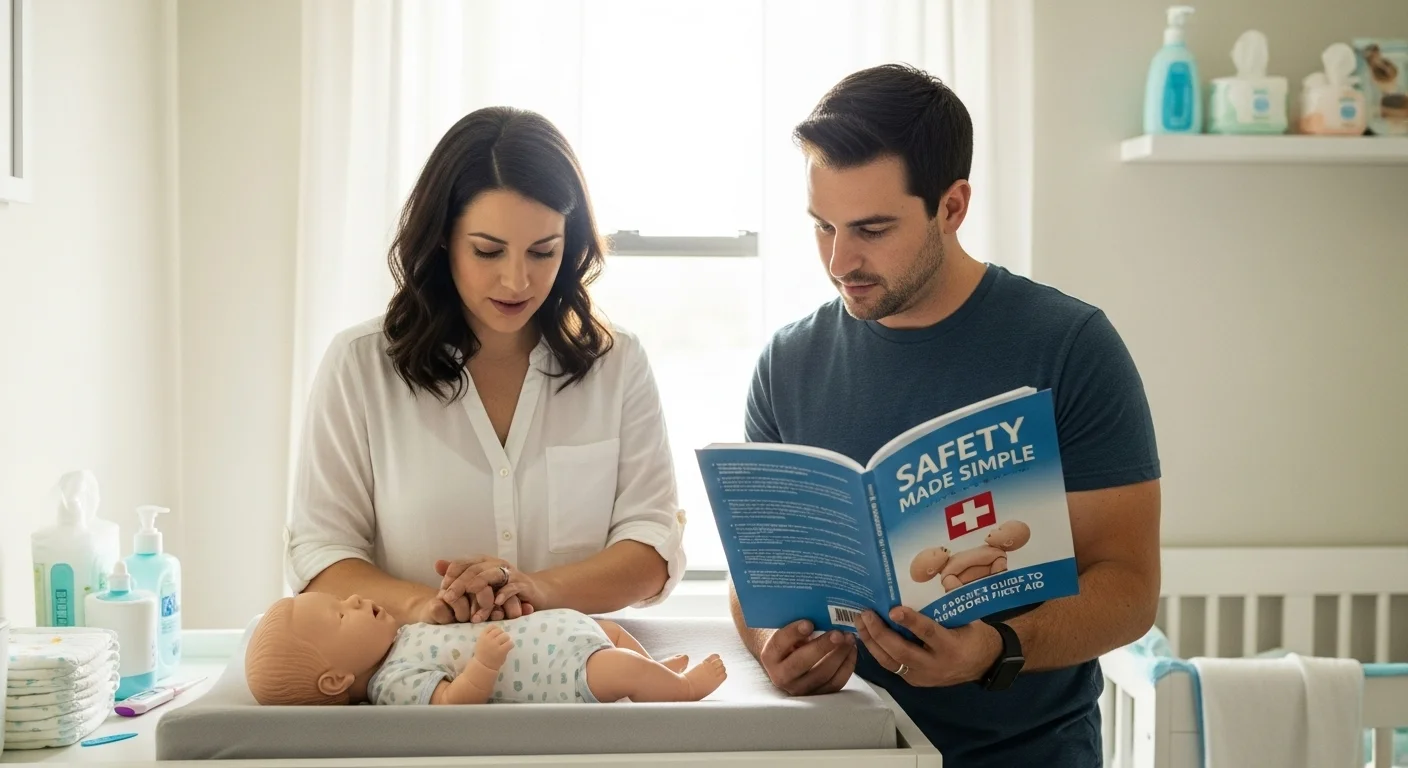
Understanding Newborn First Aid
What is Newborn First Aid?
Newborn first aid refers to the basic and crucial skills that every parent should know to respond effectively to emergencies involving their baby. It encompasses everything from recognizing signs of distress to administering lifesaving techniques. I remember when I first held my newborn; I felt an overwhelming sense of responsibility. Knowing how to act in emergencies eased some of that anxiety. Newborns are exceptionally delicate, and having a grasp of first aid can make all the difference in a critical situation.
Importance of First Aid for Newborns
Being prepared can help you respond quickly and effectively when a crisis arises. In my experience, the unpredictability of newborns can be both miraculous and frightening. They can have sudden changes in breathing, unusual crying, or even fever. Knowing what to do in these moments is not just about being cautious; it’s about being proactive. Each second counts, especially in emergencies like choking or a breathing issue. Having basic knowledge of first aid for newborns ensures that you can act promptly and keep your baby safe while waiting for professional help. Additionally, understanding your newborn’s vaccination schedule is part of being proactive in their health. Read Interesting article: Your Newborn’s Vaccination Schedule: What Parents Must Know
Common Emergencies Involving Newborns
Throughout my journey as a parent, I’ve come to realize that some situations are more common than others. Here are a few emergencies that every parent should be aware of:
- Choking: Newborns are curious and often put things in their mouths. Choking can happen quickly, and knowing how to respond is vital.
- Breathing difficulties: Whether due to a cold or an allergic reaction, newborns can struggle to breathe. Recognizing this early can save lives.
- High fevers: A fever in a newborn can indicate something serious. It’s crucial to know when to take action.
- Injuries: Even minor falls or bumps can be concerning for newborns. Understanding how to assess and treat injuries is important.
Having a grasp of these common emergencies has made me feel more prepared. Each time I learned something new, I found myself feeling more in control and capable of protecting my little one.
Essential First Aid Skills Every Parent Should Know
CPR for Newborns
Cardiopulmonary resuscitation (CPR) is a lifesaving technique that can be critical in emergencies. For newborns, the approach differs from adults. I remember attending a CPR class specifically for infants, and it was incredibly enlightening. The method involves gentle chest compressions and rescue breaths, tailored to fit the tiny body of a newborn. It’s essential to learn the correct technique because improper execution can cause harm.
The American Heart Association recommends that parents take a certified CPR course. I can’t stress enough how much this training has helped me feel ready to face any potential emergencies. If you decide to take a class, be sure to practice regularly to build your confidence.
Choking Relief Techniques
Choking can happen silently and without warning, which is incredibly scary for new parents. In my experience, learning how to perform back blows and chest thrusts on a newborn was a game-changer. If you see your baby struggling to breathe or turning blue, knowing how to respond quickly is crucial.
For a choking newborn, turn them over onto your forearm, supporting their head. With the heel of your hand, you can deliver gentle back blows between the shoulder blades. If that doesn’t work, flip them onto their back and perform chest thrusts. I practiced this over and over in my mind, and it became muscle memory for me. Having these skills can be the difference between fear and action.
How to Stop Bleeding
Minor cuts and scrapes are inevitable as your baby starts to explore the world. However, knowing how to stop bleeding is an essential skill I learned. The first step is to apply gentle pressure to the wound with a clean cloth. In case of a more serious injury, it’s vital to keep the pressure constant and seek medical help if the bleeding doesn’t stop.
During our early days, I had a moment when my baby scraped their knee. While it was just a small cut, I could feel my heart racing. I used the tips I learned in a first aid class and managed to control the bleeding quickly. It was a small victory, but it reassured me that I was capable of handling emergencies.
Recognizing and Responding to Fever
Fever can be one of the scariest experiences for new parents. I remember the first time my newborn ran a fever. My heart sank as I didn’t know what to expect. A fever in newborns can indicate an infection, and it’s crucial to take it seriously. The general guideline is that if your baby is under three months old and has a fever of 100.4°F or higher, you should contact a pediatrician immediately.
In our case, I learned to keep track of my baby’s temperature using a rectal thermometer, as it provides the most accurate reading for infants. Knowing how to manage a fever with cool baths, light clothing, and plenty of fluids also makes the situation less daunting. It’s all about feeling equipped to handle whatever comes your way. Additionally, being aware of the vaccination timeline can help you stay informed about your baby’s health. Read Interesting article: Vaccination Timeline for Newborns: Protect Your Baby Early
First Aid Kit Essentials for Newborns
Basic Supplies for a Newborn First Aid Kit
As I began to grasp the importance of first aid, I quickly realized that having a well-stocked first aid kit at home was just as crucial as knowing the skills. I took the time to gather essential supplies that would help me tackle emergencies effectively. Here’s what I recommend including in your newborn first aid kit:
- Gauze pads: These are great for covering cuts and scrapes. I always keep a variety of sizes handy.
- Adhesive bandages: For minor injuries, these can help protect the skin while it heals.
- Antiseptic wipes: Keeping the area clean is vital, and these wipes make it easy to sanitize wounds.
- Thermometer: A digital thermometer is a must-have for monitoring your baby’s temperature accurately.
- Tweezers: They come in handy for removing splinters or small objects.
- Scissors: A small pair can be useful for cutting tape or gauze.
- Cold pack: This is essential for reducing swelling from bumps or bruises.
- Instant ice packs: These can be a lifesaver for any swelling or pain relief.
- Saline drops: Useful for clearing nasal congestion in newborns.
Having these supplies organized and easily accessible has given me peace of mind. I’ve learned that you never know when an emergency might arise, and being prepared can help us stay calm in those situations.
Medications Safe for Newborns
While I always prefer to consult with our pediatrician before giving any medications, I found it helpful to have a few items on hand that are generally considered safe for newborns. However, it’s crucial to remember that not all medications are suitable for babies. Here are some common ones that I learned about:
- Infant acetaminophen: This can help reduce fever and relieve pain. I made sure to check the dosage based on my baby’s weight before using it.
- Saline solution: This can be used for nasal congestion and is safe for newborns.
- Gas relief drops: If my baby seemed uncomfortable due to gas, I found these drops helpful.
Before adding anything to our first aid kit, I always consulted our pediatrician to ensure it was safe and appropriate for my baby’s age. Having medications in the kit made me feel more prepared, but I learned that it’s just as important to know how to use them correctly.
When to Upgrade Your First Aid Kit
As my baby grew, I discovered that our first aid needs evolved. I found it necessary to periodically review our kit and make upgrades based on our experiences and changing needs. Here are some signs that it might be time to refresh or upgrade your first aid kit:
- Expired supplies: I realized the importance of checking expiration dates regularly. It’s essential to replace any expired items to ensure they’re effective when needed.
- New milestones: As babies grow, they become more mobile. I noticed that as my little one started crawling and exploring, I needed to add more supplies for scrapes and bumps.
- Changing seasons: Different seasons can bring new challenges. For example, during allergy season, having extra saline drops and allergy-friendly medications became essential for us.
Regularly reviewing our first aid kit has helped me feel more equipped to handle whatever comes our way. It’s all about adapting and ensuring that we have the right tools at our fingertips.
Common Health Concerns and How to Address Them
Dealing with Diaper Rashes
One of the most common issues I faced as a new parent was diaper rash. I remember the first time I noticed it on my baby’s bottom; it broke my heart. Diaper rash can be uncomfortable, and it’s something many newborns experience. Keeping the area clean and dry was my first step. I learned to change diapers frequently and let my baby have some diaper-free time to air out their skin.
In my case, using a barrier cream helped protect the skin and speed up healing. I experimented with different brands to find one that worked best for my baby, and I found that zinc oxide-based creams were particularly effective. If the rash seemed severe or didn’t improve, I learned to consult our pediatrician for further advice.
Identifying and Managing Jaundice
Jaundice is another condition that can affect newborns, and I was caught off guard when I first noticed a yellowish tint to my baby’s skin. I learned that jaundice occurs when there’s too much bilirubin in the blood, which can happen in newborns, especially within the first week of life. Recognizing this was crucial because, in some cases, it can indicate a need for medical intervention.
To manage jaundice, I was advised to ensure my baby was well-hydrated, either through breastfeeding or formula feeding. I also discovered that sunlight exposure can help reduce bilirubin levels, so I would occasionally let my baby bask in the morning sun (while being careful not to overdo it). However, I made sure to monitor the condition closely and reached out to our pediatrician when needed.
Understanding Newborn Allergies
As my baby grew, I became aware that allergies could be a concern. I remember when my little one developed a reaction after trying a new formula. It can be difficult to determine whether a baby is having an allergic reaction or simply adjusting to something new. I learned to look for signs such as hives, rashes, or gastrointestinal issues.
If I suspected an allergy, I would eliminate the suspected allergen and consult with our pediatrician. They provided valuable insights on how to manage potential allergies and suggested keeping a food diary if we introduced new foods as we began solid feeding. Understanding allergies helped me feel more in control and proactive in caring for my baby’s health.
Safety Tips for Newborn Care
Creating a Safe Sleeping Environment
One of the first things I learned as a new parent was the importance of creating a safe sleeping environment for my baby. It felt overwhelming at times, but I wanted to ensure that my little one was as safe as possible. The American Academy of Pediatrics (AAP) recommends placing your baby on their back to sleep, in a crib or bassinet that meets safety standards. I remember being anxious about the risk of sudden infant death syndrome (SIDS), so I made sure to follow all the guidelines.
We also opted for a firm mattress with a fitted sheet—no pillows, blankets, or stuffed animals in the crib. I noticed that many well-meaning friends and family would offer cute blankets or toys, but I had to politely decline. Keeping the sleep area clutter-free gave me peace of mind, and knowing that my baby was sleeping safely was so important to me.
Baby-Proofing Your Home
As my baby grew, I quickly realized that baby-proofing our home was essential. I remember the first time my little one started to crawl; it was both exciting and terrifying! I knew I had to act fast to make our environment safer. I went from room to room, looking for potential hazards. I secured heavy furniture to the walls to prevent tipping, used outlet covers, and made sure that any toxic substances were out of reach.
In the kitchen, I installed cabinet locks and moved any sharp objects and cleaners to higher shelves. I was surprised at how many everyday items could pose a risk! It was a lot of work, but I felt a sense of relief knowing I was taking steps to protect my baby as they explored their world. I recommend making baby-proofing a family activity; it can be a fun way to get everyone involved in keeping the little one safe.
Safe Feeding Practices
Feeding time was another area where I focused on safety. I learned that it’s important to always supervise my baby during feedings, especially as we started introducing solids. I remember the first time we tried pureed peas; I was so excited but also nervous about potential choking hazards. I made sure to sit with my baby during every meal and keep an eye on them as they tried to navigate new textures.
When it came to bottle-feeding, I kept a close watch for any signs of discomfort or choking. It’s easy to get distracted, but I found that staying present during feeding times helped me bond with my baby and ensured they were safe. We also established a routine that included burping breaks to avoid any gas discomfort. I recommend keeping a small blanket or burp cloth nearby to make things easier and cleaner during these moments.
When to Seek Professional Help
Signs of Serious Illness in Newborns
As I became more familiar with my baby’s rhythms and routines, I learned to recognize signs of serious illness. It’s so common for new parents to worry, but there are some key indicators that something might be wrong. For instance, if my baby had a persistent high fever, was excessively lethargic, or showed unusual irritability, I knew it was time to consult our pediatrician.
I learned that other warning signs could include difficulty breathing, a rash that wasn’t fading, or feeding difficulties. These moments can be filled with panic, but having a checklist of symptoms helped me stay calm and focused. I always reminded myself that it’s better to err on the side of caution. It’s a good idea to keep your pediatrician’s contact information handy, so it’s easy to reach out when needed.
Emergency Situations Requiring Immediate Attention
There were times when I faced situations that felt like pure panic. I learned that certain emergencies require immediate attention, such as uncontrolled bleeding, seizures, or if my baby was unresponsive. In those moments, I felt grateful for the first aid training I had received. I remember hearing about a family whose baby had a serious allergic reaction, and it just reinforced how crucial it is to act quickly in emergencies.
Having a plan in place was vital. I made sure to familiarize myself with the location of the nearest hospital and emergency contacts. In my experience, knowing that I had a plan provided some comfort during those stressful moments. I recommend discussing emergency procedures with your partner or anyone who cares for your baby. It’s all about making sure everyone is on the same page.
When to Contact Your Pediatrician
There were countless times I found myself unsure whether to call our pediatrician. I learned to trust my instincts. If something felt off, I wouldn’t hesitate to reach out. I remember one instance when my baby seemed unusually fussy and refused to eat. After a quick call to the pediatrician’s office, I felt reassured knowing what steps to take next.
I found it helpful to keep track of my baby’s symptoms, including when they started and any changes. This made it easier for the pediatrician to assess the situation. Keeping a log became part of our routine, and it helped me feel more organized. It’s okay to ask questions and seek advice; our pediatrician was always there to offer support and guidance.
Resources for Further Learning
Online Courses for Newborn First Aid
As a new parent, I was eager to learn as much as possible, and I discovered that there are many online courses available that focus on newborn first aid. These courses often include videos and interactive content, making it easy to grasp the necessary skills. I enrolled in a few that were specifically tailored to parents and caregivers, and I found them to be incredibly informative. They covered everything from CPR to recognizing signs of distress. I recommend checking out websites like the American Red Cross or local community centers offering classes.
Books and Guides on Baby Health
Reading books and guides about baby health was another way I expanded my knowledge. There are so many resources out there, and I found several that resonated with me. Some of my favorites included comprehensive guides on newborn care and first aid. These books often include illustrations and step-by-step instructions that made it easy to follow along. I believe having a go-to resource nearby can be a lifesaver, especially during those late-night panic moments.
Support Groups and Communities for Parents
Lastly, I discovered the immense value of connecting with other parents. Joining support groups and online communities provided me with a network of people who understood what I was going through. We shared experiences, tips, and resources, and it felt comforting to know I wasn’t alone. I found Facebook groups and local meetups to be particularly helpful. It’s amazing how sharing stories and advice with others can boost your confidence and make parenting feel a little less daunting.
Frequently Asked Questions
What is newborn first aid?
Newborn first aid refers to the basic and crucial skills that every parent should know to respond effectively to emergencies involving their baby. It includes recognizing signs of distress and administering lifesaving techniques.
Why is first aid important for newborns?
Being prepared helps parents respond quickly and effectively during a crisis, as newborns can have sudden changes in breathing, unusual crying, or fever. Knowing what to do in these moments is crucial for keeping the baby safe while waiting for professional help.
What are some common emergencies involving newborns?
Common emergencies include choking, breathing difficulties, high fevers, and injuries. Understanding how to handle these situations is vital for every parent.
What essential first aid skills should every parent know?
Parents should know CPR for newborns, choking relief techniques, how to stop bleeding, and how to recognize and respond to fever in their infant.
What supplies should be included in a newborn first aid kit?
A well-stocked newborn first aid kit should include gauze pads, adhesive bandages, antiseptic wipes, a thermometer, tweezers, scissors, a cold pack, instant ice packs, and saline drops.
What medications are generally safe for newborns?
Infant acetaminophen, saline solution, and gas relief drops are some medications that are generally considered safe for newborns, but parents should always consult with a pediatrician before administering any medication.
When should I upgrade my first aid kit?
It’s time to upgrade your first aid kit when supplies are expired, when your baby reaches new milestones and becomes more mobile, or when the changing seasons bring new health challenges.
How can I identify signs of serious illness in newborns?
Signs of serious illness include persistent high fever, excessive lethargy, unusual irritability, difficulty breathing, a rash that doesn’t fade, or feeding difficulties. If any of these symptoms arise, it’s important to consult a pediatrician.
When should I seek professional help for my newborn?
Immediate attention is required for emergencies like uncontrolled bleeding, seizures, or if your baby is unresponsive. It’s essential to familiarize yourself with emergency procedures and have a plan in place.
What resources are available for learning about newborn first aid?
Online courses for newborn first aid, books and guides on baby health, and joining support groups or communities for parents are great resources for learning more about caring for newborns and handling emergencies.