
Adventure play is not just about fun; it’s a magical way to boost your toddler’s language growth. Let’s explore how diving into adventure play can open up new worlds for your child’s communication skills! Read Interesting article: Backpacking with Toddlers: Fun Play to Enhance Language Skills
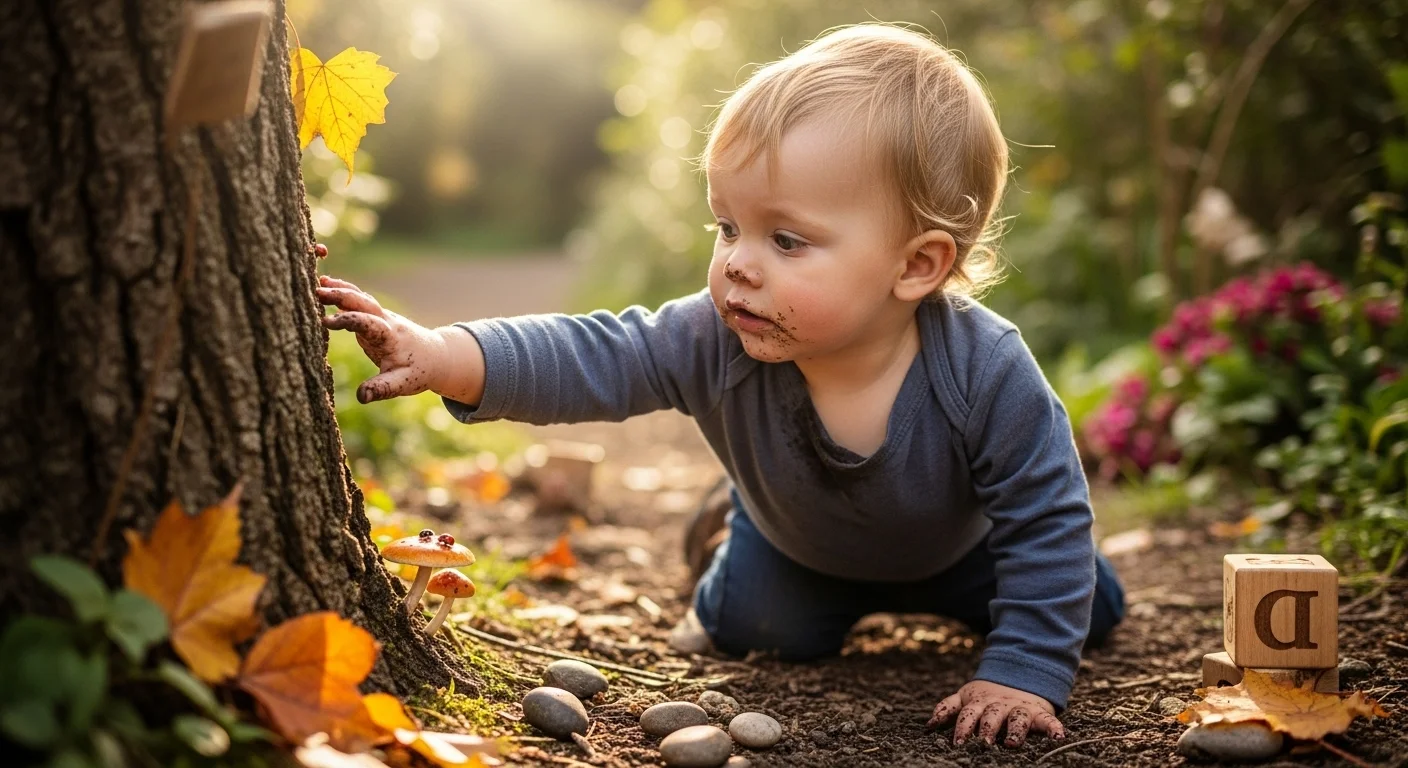
Understanding Adventure Play
Definition of Adventure Play
Adventure play refers to activities that encourage exploration, risk-taking, and creativity in a safe environment. It goes beyond just playing with toys or engaging in structured games. Instead, adventure play invites children to interact with their surroundings, take on challenges, and use their imagination to create their own narratives. I’ve seen firsthand how my little one transforms a simple cardboard box into a spaceship, a fort, or even a treasure chest, all through the power of imaginative play. It’s all about giving our children the space to explore and express themselves freely.
Importance of Play in Early Childhood Development
When I think about my experiences as a parent, I realize just how crucial play is in a child’s early years. It’s not just about entertainment; play is fundamental for cognitive, social, and emotional development. Through play, toddlers learn problem-solving skills, develop motor skills, and gain confidence. I remember when my child faced a challenge while climbing at the playground—watching them decide to try again after a fall showed me the resilience they are building. Play is a natural way for children to make sense of the world around them.
Types of Adventure Play
There are various types of adventure play, and each type offers unique benefits. I’ve tried several different forms with my child, and here are some I found particularly engaging:
- Outdoor Adventure Play: This involves activities like climbing, jumping, and exploring nature. Parks and playgrounds are fantastic venues for this type of play.
- Imaginative Play: This can take place anywhere and involves role-playing scenarios, like playing house, acting as superheroes, or even pretending to be animals. It allows kids to step into different characters and express themselves.
- Creative Arts Play: Activities like painting, crafting, or building with blocks stimulate creativity and provide opportunities for interaction and storytelling.
Each type allows children to use their imaginations and develop different skills. I love watching my toddler’s eyes light up when they create something new or tackle a physical challenge, and it reminds me of the joy of discovery.
The Connection Between Adventure Play and Language Development
How Play Stimulates Language Skills
One of the most fascinating aspects of adventure play is its impact on language development. When my child engages in imaginative play, I notice how they experiment with new words and phrases. For example, when they’re pretending to be a pirate, they often come up with funny pirate lingo—“Ahoy, matey!” or “Let’s find the treasure!” This playful use of language not only enhances vocabulary but also promotes understanding and usage. I believe that the freedom to play allows toddlers to express themselves without fear of judgment, which is essential for language growth. Read Interesting article: Playful Learning: Boost Toddler Language Skills on a Budget
Role of Imagination in Language Growth
Imagination plays a pivotal role in language development. As my toddler creates stories or scenarios during play, I’ve observed how their vocabulary expands. They often mimic what they hear, whether it’s from a storybook or a conversation. This mimicry is a powerful tool; it helps them grasp new concepts and encourages them to try out different sentence structures. I’ve seen how the more they engage in imaginative play, the more fluent they become in their language. It’s like unlocking a door to a world of words!
Social Interaction and Communication Skills
Adventure play is also a wonderful way for toddlers to develop social skills. When my child plays with friends, they learn to negotiate roles, share ideas, and communicate effectively. For instance, during a group playtime, I observed how they took turns being the leader in their game, which fostered collaboration. These interactions are crucial; as they communicate their thoughts and feelings, they practice the art of conversation. I’ve realized that playdates are not just fun; they’re an essential part of learning how to engage with others.
Key Elements of Adventure Play for Toddlers
Physical Environment: Safe Spaces
Creating a safe space for adventure play is fundamental. I remember when I first set up our backyard for my toddler’s playtime. I wanted it to be a little haven where they could explore without me constantly worrying about their safety. I made sure to remove any sharp objects or dangerous items, and I added soft mats under play equipment. This way, when they would climb or tumble, I didn’t have to rush over in a panic. It’s essential to let them feel secure while they push their boundaries. A safe environment encourages them to take those brave leaps into adventure, fostering a sense of independence and confidence. I’ve seen how much my child thrives when they know they can explore freely without the risk of injury.
Materials and Resources for Adventure Play
The right materials can ignite creativity in adventure play. I’ve stocked up on a variety of items that can be used in multiple ways. For instance, we have colorful blocks, fabric scraps, and even some old kitchen utensils. These materials allow my child to build, create, and engage in imaginative play. I remember one afternoon when my little one turned a blanket into a makeshift cave, using cushions as boulders. They invited me in as the brave explorer, and we created a whole story around what treasures we might find. I believe that having an array of resources encourages kids to think outside the box and invent their own narratives. Plus, it’s a great way to recycle and use items that might otherwise end up in the trash!
Types of Activities to Encourage Language Use
Adventure play is a fantastic opportunity to weave language into activities naturally. I’ve noticed that certain games can really boost my child’s vocabulary and communication skills. For example, we love to play “Simon Says,” which not only gets them moving but also helps them learn action words and follow instructions. Another favorite is storytelling during playtime. I often suggest that we create a story together while building with blocks or drawing. This encourages my child to express their thoughts and feelings verbally, enhancing their language skills dramatically. I believe that the more we integrate language into play, the more they absorb and use it creatively in their everyday life. Read Interesting article: Simple Ways to Support Your Toddler’s Language Development
Practical Tips for Parents and Caregivers
Creating an Adventure Play Space at Home
Setting up an adventure play space at home doesn’t have to be complicated or expensive. I started with a corner of our living room where we could spread out a big blanket and add some cushions. It became our cozy reading nook and a launchpad for imaginative journeys. I also recommend using furniture creatively; a chair can become a ship, and a table can be a fort! The goal is to create an area where kids can safely play and explore with minimal adult intervention. I often step back and let my child take the lead, which fosters their autonomy and decision-making skills.
Incorporating Language-Rich Activities
Incorporating language-rich activities into your toddler’s play can be as simple as narrating what you’re doing together. When we bake, I describe each step and ingredient, turning it into a fun language lesson. Singing songs with repetitive phrases is another great way to enhance vocabulary without it feeling like a chore. I remember singing silly songs with my child and watching them pick up on new words and phrases so quickly. These moments weave language into our daily lives, making learning feel effortless and joyous.
Encouraging Storytelling and Role Play
Storytelling is one of my favorite ways to connect with my child during play. I often set aside time for us to share stories, using props or toys to illustrate our tales. Whether they’re creating a story about dinosaurs or superheroes, I encourage them to use their imagination and express themselves fully. I’ve found that even simple prompts, like “What happens next?” can stimulate their thinking and expand their vocabulary. Role-playing different scenarios, like going to the doctor or pretending to cook, not only builds language skills but also gives my child a way to process their experiences in a safe and fun setting.
Examples of Adventure Play Activities
Outdoor Exploration: Nature Walks
One of my favorite activities to engage in with my toddler is nature walks. There’s something magical about being outside, surrounded by trees, flowers, and the sounds of birds. I remember the first time we went on a nature walk together; my little one was fascinated by everything we encountered. We picked up different leaves, examined rocks, and even chased butterflies! I encouraged them to describe what they saw, touch, and smell, which not only sparked curiosity but also enriched their vocabulary. I’d ask questions like, “What color is that leaf?” or “How does the bark feel?” Seeing my child connect with nature this way has been rewarding, and it naturally invites conversations that enhance their language skills while exploring the great outdoors.
Creative Arts and Crafts Projects
Art has always been a big part of our playtime. I’ve found that creative arts and crafts projects are not only fun but also an excellent way to promote language development. We often gather materials like paper, glue, crayons, and natural objects from our walks to create masterpieces. During our craft sessions, I encourage my toddler to express their ideas verbally. For instance, while they’re drawing or building, I ask them to tell me about their artwork: “What are you making?” or “What colors will you use?” This simple practice helps them articulate their thoughts and feelings while expanding their vocabulary. I can’t tell you how many times I’ve been amazed at their imaginative responses, and it’s such a joy to see their creativity shine through.
Imaginative Play Scenarios
Imaginative play is a treasure trove for language growth, and I love to dive into different scenarios with my child. One afternoon, we decided to turn our living room into a bustling marketplace. We gathered all sorts of toys and set up stalls, pretending to sell fruits, vegetables, and flowers. As we played, I prompted my child to use descriptive language: “Can you tell me about the best fruit in our market?” or “How does this flower smell?” This not only encouraged them to think critically but also allowed them to practice conversation skills in a fun context. There’s something incredibly rewarding about watching them take the lead in these imaginative scenarios, crafting stories and interactions that are entirely their own.
Monitoring Language Growth Through Adventure Play
Signs of Language Development in Toddlers
As a parent, it’s essential to stay attuned to the signs of language development in our toddlers. I’ve learned to recognize certain milestones that indicate my child is progressing well. For instance, I noticed that when my toddler began to combine words into short phrases, like “more juice” or “big truck,” it was a clear sign of their growing vocabulary. Another sign is their willingness to express themselves during play; whether they’re narrating a story or describing their actions, it shows they are becoming more comfortable with language. I often celebrate these small victories with my child, reinforcing their efforts and boosting their confidence.
Using Play to Assess Language Skills
Adventure play can also be a useful tool for assessing language skills. I’ve found that during playtime, I can observe how my child communicates with peers or even with me. For example, when they actively engage in role-play, I pay attention to their sentence structure and vocabulary choices. If they’re playing “doctor” and narrating the process, it gives me insight into their understanding of language. I often ask open-ended questions to gauge their reasoning and language comprehension. I find that playful conversations help me assess their progress without putting them under pressure, creating a relaxed atmosphere conducive to learning.
When to Seek Professional Help
While most toddlers experience typical language development, there can be instances when we may want to seek professional help. I’ve learned that if my child consistently struggles to form sentences or has difficulty understanding simple instructions, it might be time to consult a speech-language pathologist. Additionally, if their play seems overly limited or they show a lack of interest in communicating with others, it’s essential to monitor these behaviors closely. I believe that early intervention can make a significant difference in supporting language growth. It’s always better to err on the side of caution and seek guidance when needed.
Resources for Further Exploration
Books on Adventure Play and Language Development
There are so many wonderful books out there that delve into adventure play and its impact on language development! I’ve found that reading about these topics not only enhances my understanding but also gives me fresh ideas for engaging my child. Some favorites include “The Power of Play” by David Elkind, which discusses the importance of play in childhood, and “The Art of Roughhousing” by Lawrence Cohen, which emphasizes the joy and benefits of physical play. These resources have inspired me to create richer play experiences for my toddler and to appreciate the deep connection between play and language.
Websites and Online Communities
Connecting with other parents and caregivers can provide invaluable insights. I love exploring websites like Zero to Three and the American Speech-Language-Hearing Association (ASHA), which offer a wealth of information on child development and language skills. Social media groups and online forums dedicated to parenting often share tips and experiences that can inspire us to create adventure play in our homes. I’ve even joined a local parenting group where we exchange ideas and organize playdates, which have been fantastic opportunities for our children to engage in adventure play together.
Workshops and Classes for Parents
Lastly, participating in workshops and classes can be a game-changer for our parenting journey. I remember attending a local class focused on play-based learning, where I learned practical strategies to incorporate language into playtime. These classes allow us to connect with experts and other parents who share similar goals. I highly recommend looking for community programs or online courses that emphasize adventure play and language development; it’s a great investment in our children’s future!
Final Thoughts
Reflecting on my journey through adventure play with my toddler, I can’t help but feel a deep sense of gratitude. Engaging in play that encourages exploration and creativity has not only been a source of joy but has also opened up avenues for language growth that I never anticipated. I’ve seen how adventure play cultivates a love for learning and language in my little one, and it’s heartwarming to witness their development firsthand.
For me, the beauty of adventure play lies in its simplicity. It doesn’t require fancy toys or elaborate setups; all it takes is a little imagination and a willingness to explore. Whether we’re turning our living room into a bustling market or embarking on a nature walk, I’ve learned that the magic happens in those shared moments of discovery. I remember one day, we were outside on a particularly windy afternoon, and my toddler became fascinated with the leaves swirling around us. We ended up creating a “wind poem,” describing the colors and shapes of the leaves. It was a spontaneous moment that turned into a delightful language exercise, and it reminded me how play can seamlessly integrate learning into everyday experiences.
As parents and caregivers, we have a unique opportunity to nurture our children’s language skills through adventure play. It’s about creating an environment where they feel safe to explore, express, and experiment with words. I’ve made it a point to celebrate each little milestone in my child’s language development, whether it’s learning a new word or telling a story. These celebrations reinforce their confidence and encourage them to continue using their voices.
Moreover, connecting with other parents has enriched our experience. Sharing ideas, stories, and play strategies has not only broadened my understanding but has fostered a supportive community. I highly recommend reaching out to local groups or online forums where we can exchange experiences and resources. Together, we can create a vibrant network that promotes adventure play and language development for our children.
In conclusion, adventure play is a powerful tool that extends far beyond mere amusement. It’s a nurturing ground for language skills, creativity, and overall development. By immersing ourselves in this world of play, we not only enrich our children’s lives but also deepen our bond with them. I look forward to continuing this adventure with my toddler, discovering new ways to play and learn together. Here’s to many more imaginative journeys ahead!
Frequently Asked Questions
What is adventure play?
Adventure play refers to activities that encourage exploration, risk-taking, and creativity in a safe environment. It invites children to interact with their surroundings, take on challenges, and use their imagination to create their own narratives.
Why is play important for early childhood development?
Play is fundamental for cognitive, social, and emotional development. Through play, toddlers learn problem-solving skills, develop motor skills, and gain confidence, which helps them make sense of the world around them.
What are some types of adventure play?
There are various types of adventure play including outdoor adventure play (climbing and exploring nature), imaginative play (role-playing scenarios), and creative arts play (painting and crafting). Each type offers unique benefits and encourages creativity.
How does adventure play stimulate language skills?
Adventure play impacts language development as children experiment with new words and phrases during imaginative scenarios. This playful use of language enhances vocabulary and promotes understanding, allowing toddlers to express themselves freely.
What role does imagination play in language growth?
Imagination plays a pivotal role in language development by allowing toddlers to create stories or scenarios that expand their vocabulary. Mimicking what they hear helps them grasp new concepts and encourages exploration of different sentence structures.
How does adventure play help develop social skills?
Adventure play allows toddlers to develop social skills by learning to negotiate roles, share ideas, and communicate effectively with peers. These interactions are crucial for practicing the art of conversation and fostering collaboration.
What are key elements for creating a safe adventure play space?
Creating a safe space for adventure play involves removing sharp objects or dangerous items and adding soft mats under play equipment. A secure environment encourages children to explore freely, fostering independence and confidence.
What types of activities can encourage language use during play?
Activities like playing “Simon Says” and storytelling can boost vocabulary and communication skills. Incorporating language-rich activities naturally during playtime enhances a child’s ability to express thoughts and feelings verbally.
When should parents consider seeking professional help for language development?
Parents may want to seek professional help if their child consistently struggles to form sentences or has difficulty understanding simple instructions. Monitoring behaviors like limited play or lack of interest in communication is also important.
What resources are available for exploring adventure play and language development?
Resources include books on adventure play and language development, websites like Zero to Three and ASHA, as well as workshops and classes focused on play-based learning. These can provide valuable insights and practical strategies for parents.