
Play-based learning adventures can be both fun and affordable. From nature trails to interactive museums, there are countless options for families seeking enriching experiences without breaking the bank. Read Interesting article: Top Play-Based Learning Activities for Budget Travel Families
Understanding Play-Based Learning
What is Play-Based Learning?
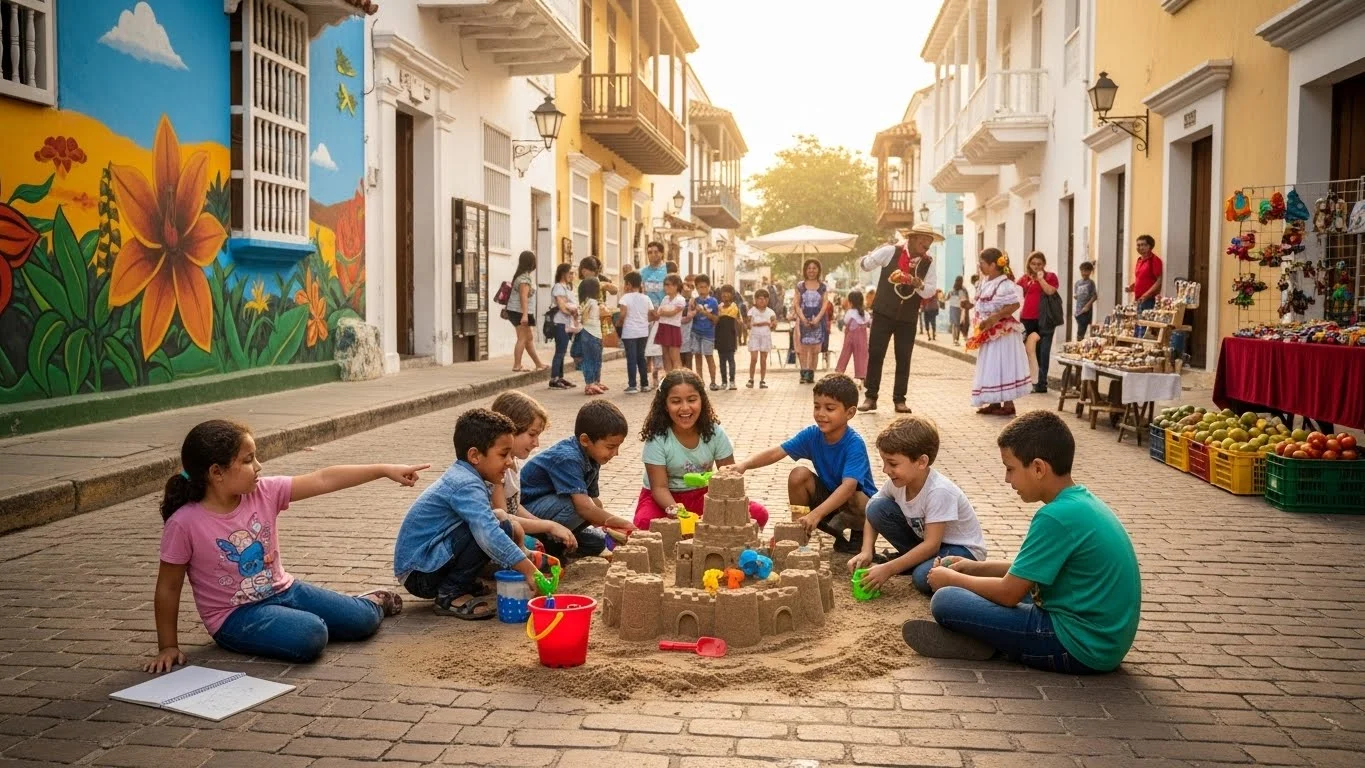
Play-based learning is an approach that encourages children to learn through play. I’ve seen firsthand how engaging in simple activities can lead to profound learning moments. When kids play, they explore, experiment, and discover new ideas in a way that feels natural to them. This method shifts the focus from traditional teaching methods to a more hands-on approach, where children can express themselves and learn at their own pace. I remember watching my niece build with blocks, and it was fascinating to see her problem-solving skills emerge as she figured out how to balance her creations. That’s the magic of play-based learning!
Benefits of Play-Based Learning for Children
The benefits of play-based learning are numerous and impactful. One of the biggest advantages is that it nurtures creativity. Kids can think outside the box and engage their imaginations. I recall a trip to a local park where my son teamed up with other kids to create a makeshift spaceship out of cardboard. Not only were they having fun, but they were also learning teamwork and communication skills. Additionally, play-based learning promotes social skills as children interact, negotiate, and resolve conflicts. These experiences shape their emotional intelligence and help them navigate relationships as they grow.
Another crucial benefit is cognitive development. Engaging in play stimulates brain growth. For instance, when children play games that involve counting or sorting, they are practicing math skills without even realizing it! From my perspective, this type of learning is not only effective but also enjoyable, which makes kids more likely to retain what they’ve learned. I believe that fostering a love for learning in such a playful way sets the foundation for lifelong curiosity.
Key Principles of Play-Based Learning
Several key principles guide play-based learning, making it effective and enjoyable. Firstly, it’s child-centered. The activities are built around the interests and needs of the child. This means that if a child loves animals, they might engage in role-playing or storytelling centered around a pet or a zoo. I’ve noticed that when kids are interested in what they’re learning about, they become more engaged and enthusiastic. It’s like a light bulb goes off, and suddenly, they’re eager to explore more!
Secondly, play-based learning emphasizes experiential learning. This means that children learn by doing. I remember taking a trip to a science museum where my kids could touch, feel, and manipulate various exhibits. The hands-on experience made the science concepts memorable and relatable. Lastly, it’s important to note that play-based learning allows for flexibility. The same activity can be adapted for different age groups or skill levels. I’ve seen younger children and older siblings play together, each finding their own way to engage with the same materials, which fosters a sense of inclusion and cooperation.
Overall, embracing play-based learning is a wonderful way to support a child’s development while also making learning fun. Whether it’s through creative play, outdoor adventures, or interactive experiences, the opportunities for growth are boundless. As we dive deeper into the realm of affordable destinations for play-based learning adventures, I’m excited to share how we can make these enriching experiences accessible for everyone. Read Interesting article: Montessori-Inspired Adventures: Budget Travel for Families
Affordable Destinations for Play-Based Learning
National Parks
Exploring Nature in National Parks
Visiting national parks is one of my favorite ways to combine play and learning for my kids. The vast landscapes provide an incredible backdrop for exploration. Each visit feels like an adventure waiting to unfold. I remember taking my children to Yellowstone National Park, where they were mesmerized by the geysers and wildlife. Watching a bison roam freely was like stepping into a nature documentary for them! This kind of immersive experience encourages curiosity about the environment and the creatures living in it. The best part? National parks often have free admission days or low-cost entry fees, making it an affordable option for families.
Interactive Programs for Kids
Many national parks offer interactive educational programs designed specifically for children. For instance, at Yellowstone, we participated in a Junior Ranger Program. My kids received activity books to fill out as they explored, and at the end, they proudly earned badges. It was a wonderful way to engage them in learning about conservation and local ecosystems while ensuring they were having a blast. I highly recommend looking into similar programs at your nearest national park – they often include guided hikes, wildlife talks, and hands-on activities that make learning feel like a game.
Children’s Museums
Top Children’s Museums Across the U.S.
Children’s museums are treasure troves of play-based learning opportunities. I’ve visited several across the country, and each one has its unique charm. One of my favorites is the Boston Children’s Museum. It’s filled with interactive exhibits that allow children to climb, create, and explore. I remember watching my kids fully immersed in a water play area, where they could experiment with currents and buoyancy while having the time of their lives. Other notable mentions include the Children’s Museum of Indianapolis and the Please Touch Museum in Philadelphia, both of which spark creativity and curiosity in young minds.
Affordable Admission Options
Many children’s museums understand that families come in all shapes and sizes, and they offer several ways to make admission more affordable. I often check for discounted family passes or special event days that provide reduced entry fees. Some museums even have free admission days each month. Additionally, becoming a member can save us money in the long run, especially if we plan on visiting multiple times throughout the year. I’ve found that membership often includes perks like free parking and access to exclusive events, making it a win-win for families seeking budget-friendly options.
Community Playgrounds and Parks
Best Family-Friendly Parks
Community parks are sometimes overlooked, but they can offer fantastic experiences for kids without costing a dime. I’ve discovered some amazing parks in my area that have unique play structures, splash pads, and interactive installations. One of our favorites has an adventure course that challenges kids to climb and navigate through various obstacles. It’s a great way for them to develop physical skills and confidence while engaging in play with peers. I encourage fellow parents to explore local parks; you might be surprised at the hidden gems waiting for you!
Unique Playground Features
When looking for a community park, I always keep an eye out for unique features that enhance play-based learning. Some parks have sensory gardens, musical instruments, or art installations that encourage creativity and exploration. For example, I recently visited a park that had a mini farm setup with animals for kids to interact with. This not only provided fun but also offered educational insights into animal care and responsibility. Many parks also organize seasonal events, such as outdoor movie nights or community picnics, that allow families to gather and enjoy enriching experiences together.
Farm Experiences
Hands-On Learning on Farms
Farm experiences offer a wonderful opportunity for kids to learn about where their food comes from while engaging in fun, hands-on activities. I took my children to a local farm last summer, and they were thrilled to pick their own strawberries. It was not just about gathering fruit; it turned into a lesson on agriculture and the importance of supporting local farms. It was heartwarming to see them excited about eating what they had picked themselves. Many farms offer educational tours and workshops for families, which can be both affordable and enriching.
Farmers’ Markets and Workshops
Farmers’ markets are another fantastic way to support local agriculture while teaching kids about healthy eating. We often visit our local market on weekends, where my kids have fun talking to farmers and learning about different fruits and vegetables. Some markets even host workshops where kids can learn to cook or craft using fresh produce. Participating in these activities has sparked my children’s interest in trying new foods and understanding nutrition. It’s fascinating to see how a simple visit to a farm or market can turn into a rich learning experience that blends play with education. Read Interesting article: Top Tips for Communicating with Toddlers During Travel Adventures
Top Play-Based Learning Activities
Outdoor Adventures
Nature Scavenger Hunts
One of the most enjoyable outdoor activities I’ve experienced with my kids is a nature scavenger hunt. It’s a simple concept, but it can lead to hours of fun and learning. I remember taking a group of kids to a nearby park, and I created a list of items for them to find, such as different types of leaves, rocks, or even specific flowers. As they raced around, searching for each item, I noticed how engaged they were with their surroundings. It was a fantastic way to encourage observation skills and foster a deeper appreciation for nature.
To make it even more fun, we included challenges like “find something that starts with the letter B” or “spot an animal.” Watching their creativity spark as they strategized how to find each item was truly rewarding. Plus, it’s a great opportunity for physical activity, which is essential for kids’ health. I highly recommend giving it a try; you can personalize the scavenger hunt to suit the ages and interests of the children involved!
Animal Encounters
Kids and animals have a special bond, and arranging animal encounters can be a thrilling educational experience. I once took my children to a local farm that offered a petting zoo. They were ecstatic to feed goats, pet rabbits, and even get up close with a pony. This experience not only provided them with joy but also taught them about animal care and behavior.
Many places, including wildlife sanctuaries and aquariums, offer interactive animal experiences, where kids can learn about different species and their habitats. I recall my kids being fascinated as they learned how to properly handle small animals and what their diets consisted of. It’s incredible how these hands-on experiences can spark a lifelong interest in biology and ecology.
Creative Arts and Crafts
DIY Projects for Kids
Creative arts and crafts are excellent avenues for play-based learning. I love setting up DIY projects at home, where my kids can get their hands dirty and let their imaginations run wild. One of our favorite projects was creating our own bird feeders using pine cones, peanut butter, and birdseed. Not only did it result in a fun and messy crafting session, but it also connected them to nature, as they could watch the birds come to visit afterward.
These DIY projects can be tailored to the seasons or holidays, allowing kids to express their creativity while developing fine motor skills. I’ve found that when children are involved in crafting, they learn to follow instructions and engage in problem-solving. Plus, it’s a great way to bond as a family. I encourage other parents to gather materials and get crafting—there’s no limit to the fun you can have!
Art Classes and Workshops
Enrolling kids in art classes or workshops can be another enriching experience. I enrolled my daughter in a local pottery class, and it turned out to be one of the best decisions. Not only did she learn about different techniques, but she also discovered the joy of creating something from scratch. I remember the pride she felt when she brought home her first mug. It was not just a piece of pottery; it was a testament to her effort and creativity.
Many art studios and community centers offer affordable classes for children, focusing on various mediums like painting, sculpting, or even digital arts. These classes often emphasize play-based learning, allowing kids to explore their artistic side in a supportive environment. I’ve seen how these experiences can boost self-esteem and encourage kids to express themselves. Who knows? You might discover a budding artist in your family!
Interactive Learning Experiences
Science Experiments
Bringing science to life through interactive experiments can be a fantastic way to engage kids in learning. I’ve enjoyed conducting simple experiments at home, like creating a volcano using baking soda and vinegar. The excitement on my kids’ faces as they watched the “lava” bubble was priceless. These hands-on activities not only teach scientific concepts but also encourage critical thinking and inquiry.
There are countless resources available online that provide ideas for fun, safe experiments that can be done with everyday materials. I often find myself looking for experiments that align with what my kids are learning in school, reinforcing their knowledge in a playful way. Plus, it often leads to fascinating discussions about why things happen the way they do, sparking their curiosity further.
Cooking Classes for Kids
Cooking is another fun and educational activity that can be a play-based learning experience. I remember taking my kids to a cooking class where they learned how to make their own pizzas. Not only did they have a blast kneading the dough and picking toppings, but they also learned about measurements, nutrition, and the importance of teamwork in the kitchen. Watching them create something delicious from scratch was incredibly rewarding.
Many community centers and local chefs offer cooking classes specifically designed for children, often focusing on healthy eating and fun recipes. I encourage parents to seek out these opportunities. Cooking together at home can also be a great bonding activity, and it’s a wonderful way to teach kids valuable life skills. Plus, who doesn’t love a tasty treat at the end of it?
Planning Your Play-Based Learning Trip
When to Visit: Seasonal Considerations
Timing is everything when planning a play-based learning adventure. I’ve learned from experience that each season brings its unique set of opportunities. For instance, spring is perfect for outdoor activities, as flowers bloom and animals awaken. I remember visiting a botanical garden with my kids during this time; they were fascinated by the different colors and smells of the flowers while learning about plant life. Summer, on the other hand, is ideal for water-based adventures. We’ve spent countless days at lakes and beaches, combining play with lessons about ecosystems and water safety.
Fall offers a magical backdrop with changing leaves, making it an excellent time for nature walks and harvest-related activities. We once went apple picking, and it turned into an engaging lesson on where food comes from and the importance of agriculture. Winter can be the most challenging but also incredibly rewarding. Places that offer snow activities, like skiing or visiting a winter festival, can be both fun and educational. Whatever season it may be, there’s always a way to integrate play-based learning into the experience!
Budgeting for Your Adventure
Budgeting for a play-based learning adventure can feel overwhelming, but it doesn’t have to be. I always start by determining how much I can comfortably spend. It helps to outline what activities and experiences are most important to my family. I find that setting priorities makes it easier to allocate funds effectively. For example, if visiting a children’s museum is a top priority, I might budget a bit less for dining out.
Accommodation Options
When it comes to accommodation, I usually opt for family-friendly hotels or vacation rentals that offer kitchen facilities. Cooking some of our meals can save money while providing a fun bonding experience. We’ve found that booking accommodations through platforms that offer discounts or last-minute deals can also help keep costs down. Plus, staying somewhere centrally located can reduce transportation costs, allowing us to walk to many attractions.
Transportation Tips
Transportation can sometimes be the biggest expense when planning a trip. In my experience, driving is often the most budget-friendly option, especially if you have a larger family. Packing snacks and drinks can help avoid high costs at rest stops. If flying is necessary, I always keep an eye out for deals and book flights well in advance. Upon reaching our destination, I’ve found that public transportation or rideshare services can be more economical than renting a car. Plus, it allows us to experience the local culture more intimately.
Safety Tips for Traveling with Children
Safety is always at the forefront of my mind when traveling with kids. One of the best practices I’ve adopted is to create a family plan that includes emergency contacts and meeting points in case anyone gets separated. I also make sure to pack a first-aid kit with essentials, as well as any medications my children might need. Teaching my kids about safety, such as staying close in crowded places and recognizing landmarks, helps empower them during our adventures. Lastly, I always keep an eye on the weather and prepare for any changes, ensuring we have appropriate clothing and gear. It’s all about creating a safe space for exploration and fun!
Resources for Play-Based Learning
Books and Guides for Parents
There are so many wonderful resources available to help parents navigate play-based learning. I love picking up books that provide insights into child development and creative activities. One of my favorites is “The Playful Parent” by Julia Deans, which offers practical ideas for incorporating play into everyday life. I’ve also found guides specific to local parks and attractions helpful, as they often include tips on maximizing the experience with kids.
Online Communities and Forums
Connecting with other parents through online communities has been a game-changer for me. Platforms like Facebook have groups focused on play-based learning where parents share resources, advice, and personal experiences. I’ve discovered hidden gems in my area through these connections, as well as unique activities that I might not have considered otherwise. Participating in these forums has enriched my understanding of play-based learning and offered fresh ideas for adventures.
Apps and Tools for Learning on the Go
In today’s digital age, there are plenty of apps that can enhance play-based learning. I’ve used several educational apps that make learning fun and interactive for my kids. Apps that focus on storytelling, science experiments, or even virtual field trips can turn downtime into enriching experiences. I always look for apps that promote creativity and critical thinking, as these skills are essential for a child’s growth. It’s amazing how technology can complement the fun of play-based learning!
Final Thoughts
Embarking on play-based learning adventures has not only enriched my children’s education but also strengthened our family bond. Each experience, whether it’s exploring a national park or getting creative at home, has taught us valuable lessons about the world around us. I truly believe that play is a powerful tool for learning, and with a little planning, these adventures can be both enjoyable and affordable. I hope our journey inspires you to seek out your own play-based learning experiences. Let’s continue to embrace the joy of learning through play and create lasting memories together!
Frequently Asked Questions
What is play-based learning?
Play-based learning is an approach that encourages children to learn through play. It allows children to explore, experiment, and discover new ideas naturally, shifting the focus from traditional teaching methods to a more hands-on approach where they express themselves and learn at their own pace.
What are the benefits of play-based learning for children?
The benefits of play-based learning include nurturing creativity, promoting social skills, and supporting cognitive development. Children learn to think outside the box, engage in teamwork, and practice essential skills like counting and sorting, all while having fun.
What are the key principles of play-based learning?
Key principles of play-based learning include being child-centered, emphasizing experiential learning, and allowing for flexibility. Activities are designed around a child’s interests and needs, involve hands-on experiences, and can be adapted for different age groups or skill levels.
What are some affordable destinations for play-based learning?
Affordable destinations for play-based learning include national parks, children’s museums, community playgrounds, and farms. These locations often offer free or low-cost activities that engage children in learning through play.
How can families participate in interactive programs at national parks?
Families can participate in interactive educational programs at national parks, such as the Junior Ranger Program, which includes activity books and hands-on activities related to conservation and local ecosystems.
What should families look for in children’s museums?
Families should look for children’s museums with interactive exhibits that allow children to climb, create, and explore. Many museums also offer discounts on admission or special event days to make visits more affordable.
How can community parks enhance play-based learning?
Community parks can enhance play-based learning through unique features like sensory gardens, musical instruments, and art installations. These elements encourage creativity and exploration, providing enriching experiences without a cost.
What types of activities can be done on farms for play-based learning?
Activities on farms that promote play-based learning include hands-on experiences like picking fruits, educational tours, and workshops that teach kids about agriculture and healthy eating.
What are some creative arts and crafts ideas for play-based learning at home?
Creative arts and crafts ideas for play-based learning at home include DIY projects like making bird feeders using pine cones and birdseed, or enrolling children in art classes to explore various mediums like painting and sculpting.
How can parents budget for a play-based learning adventure?
Parents can budget for a play-based learning adventure by determining how much they can spend, prioritizing activities, opting for family-friendly accommodations, and exploring transportation options to keep costs down.