
As a new parent, I quickly learned that feeding my little one is one of the most important tasks—and the most overwhelming! With so many choices out there, I found it essential to focus on affordable feeding essentials that made my life easier and kept my baby happy. For some great recommendations, check out Top 10 Budget-Friendly Feeding Supplies for Newborns.
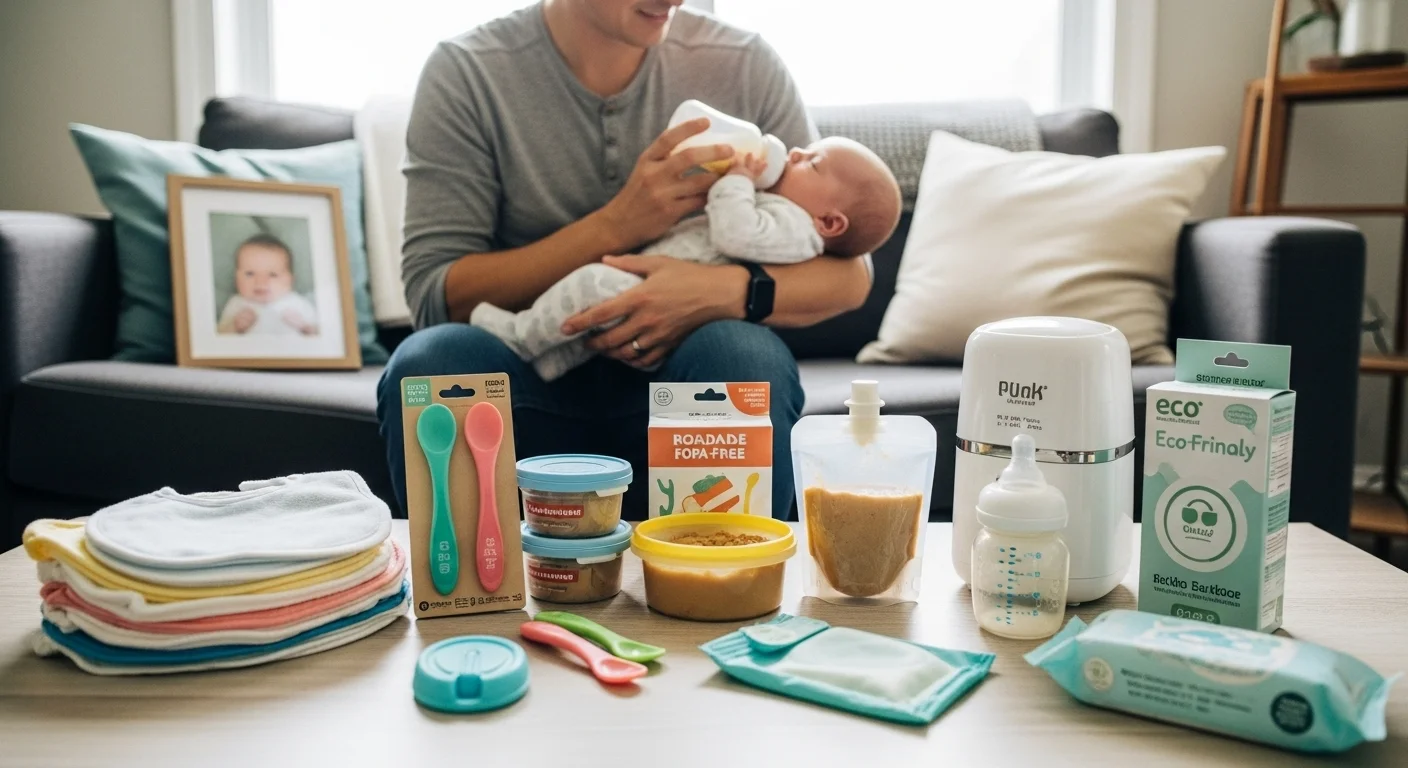
Understanding the Basics of Baby Feeding
When I first became a parent, I was amazed by the vast world of baby feeding. It can feel like navigating a maze at times! I realized that understanding the basics was crucial for me to make informed choices. Let’s explore the two main types of feeding and when to introduce solids.
Types of Feeding: Breastfeeding vs. Formula Feeding
One of the first decisions I faced was whether to breastfeed or use formula. Both options have their pros and cons, and I found myself weighing them carefully. Breastfeeding was my first choice because of the numerous health benefits for both baby and me. It’s free, convenient, and helps to establish a bond with my baby. However, I also recognized that it’s not always easy. I faced challenges like latching issues and the fear of not producing enough milk.
On the other hand, formula feeding provides an alternative that many parents lean towards for various reasons, such as return-to-work schedules or medical conditions. I learned that formula can offer a solid nutritional foundation for my baby, and it allows other caregivers to step in with feeding as well. Ultimately, I believe that whether you choose breastfeeding, formula, or a combination of both, what matters most is ensuring your baby is fed and thriving.
When to Start Introducing Solids
As my baby grew, I eagerly anticipated the time to introduce solids. I remember that moment vividly. Around six months, my pediatrician recommended starting solids, and I was both excited and nervous. I learned that every baby is different, and some may be ready earlier or later than others. Watching for signs like sitting up unassisted, showing interest in what we were eating, and reaching for food were all indicators that my little one was ready to explore new flavors.
I started with simple purees, like sweet potatoes and carrots, which were easy to make and fun to introduce. I also discovered that the journey of introducing solids can be a messy but delightful adventure. It was amazing to see my baby’s reactions to different tastes and textures. I believe the key is to stay patient and let your baby take the lead in this exciting new phase. For tips on traveling with solids, check out Feeding on the Road: Introducing Solids for Traveling Families.
Essential Feeding Gear for New Parents
Once I had a grasp on the feeding basics, I realized I needed some essential gear to make the process smoother. I found that having the right tools not only helped with feeding but also created a more enjoyable experience for both my baby and me.
Bottles: Choosing the Right Type
The first item on my list was bottles. I experimented with various types to find what worked best for my baby. I discovered that some babies prefer narrow bottles, while others like wider ones. It’s amazing how picky they can be! I also learned about different nipple shapes and flow rates, which can make all the difference in how well my baby drank. I recommend trying a few different styles to see what your baby prefers, as this can save you a lot of frustration.
Breast Pumps: Manual vs. Electric
If you decide to breastfeed, a breast pump can be a lifesaver. I went for an electric pump for its efficiency, especially when I needed to pump quickly. However, I found that a manual pump is great for occasional use or travel. What worked best for me was having both types on hand. This way, I was prepared for any situation, from late-night sessions to daytime outings.
High Chairs: Safety and Comfort Features
Choosing a high chair was another important step. I wanted something that was not only safe but also comfortable for my baby. I remember feeling overwhelmed by the options available. I eventually opted for a high chair that was adjustable and easy to clean. Being able to convert it as my baby grew was a bonus. I learned that safety features, like a five-point harness and a sturdy base, were essential to ensure peace of mind during mealtime.
Feeding Bibs: Different Styles and Uses
Feeding bibs became my best friends! With all the mess that comes with feeding, I quickly realized that having a variety of bibs was a game-changer. I found silicone bibs to be fantastic for easy cleanup, while cloth bibs were soft and comfortable. I loved having a few different styles on hand for different occasions, especially during those messy self-feeding sessions. The right bib can save your outfit and your baby’s clothes from major stains!
As I navigated this journey, I found that the right feeding essentials not only made the process easier but also more enjoyable. I encourage new parents to take the time to explore and invest in what works best for them and their little ones.
Affordable Baby Feeding Accessories
As I settled into the routine of feeding my baby, I quickly realized that having the right accessories could make a world of difference. It wasn’t just about the main gear; little items often came to the rescue when it came to ease and efficiency. I sought out affordable baby feeding accessories that wouldn’t break the bank but still delivered quality and functionality. For those looking for budget-friendly formula feeding tips, I recommend checking out Budget-Friendly Formula Feeding Tips for Traveling Parents.
Silicone Feeders: Benefits and Uses
One of my favorite discoveries was silicone feeders. These nifty little gadgets are great for introducing new foods to babies. I remember the first time I used one; I simply put some frozen fruit or veggies inside and let my baby gnaw on it. Not only did it help with teething, but it also allowed my little one to explore flavors without the risk of choking. I loved how easy they were to clean—just toss them in the dishwasher! Plus, they’re lightweight, making them perfect for on-the-go snacks. I found that having a couple of these in my feeding arsenal made outings much less stressful.
Burp Cloths: Materials and Sizes
Burp cloths became another essential accessory in my daily feeding routine. I learned that not all burp cloths are created equal! I experimented with different materials, finding that cotton was soft and absorbent, while muslin was lightweight and breathable. I quickly stocked up on various sizes, too. Some larger cloths could cover my shoulder, while smaller ones were perfect for quick cleanups. I’d often have one tucked into my diaper bag for outings. Trust me, you can never have too many burp cloths on hand, especially during those early months when spit-up seemed to be a daily occurrence!
Feeding Spoon Sets: Eco-Friendly Options
When it came to spoons, I wanted something that was both functional and environmentally friendly. I stumbled upon a set of bamboo feeding spoons that I absolutely loved. They felt gentle against my baby’s gums and were easy for my baby to grasp. I appreciated that they were sustainable, which aligned with my values as a parent. Plus, they were colorful and fun, making mealtime a bit more exciting! I recommend investing in a few different types, including some with softer edges for the earlier stages of feeding and others that are more robust as your baby grows.
Storage Bags for Breast Milk: Cost-Effective Solutions
As I continued my breastfeeding journey, I quickly discovered the importance of proper storage for breast milk. I found some affordable storage bags that were not only leak-proof but also pre-sterilized, which gave me peace of mind. I remember the first time I pumped and stored milk; it felt like a mini victory! These bags were easy to label with dates, helping me keep track of my supply. I also learned that using a marker to note the amount stored was super helpful for later feedings. These bags made it easy to keep my milk organized in the freezer, and I loved how they took up minimal space.
Investing in these affordable feeding accessories transformed my feeding routine. They helped me feel prepared and made feeding a more enjoyable experience for both my baby and me.
Budget-Friendly Feeding Solutions
Feeding a baby can be quite the financial commitment, but I discovered many budget-friendly solutions that helped me stretch my dollar while ensuring my little one was well-fed. It was all about getting creative and resourceful!
DIY Baby Food: Simple Recipes for New Parents
One of the best decisions I made was to start making my own baby food. I was surprised at how easy and cost-effective it was! I remember whipping up sweet potato puree in just a few minutes. I simply peeled, chopped, and steamed the potatoes, then blended them until smooth. It felt great knowing exactly what my baby was eating, without any preservatives or additives. Plus, I could make larger batches and freeze them in ice cube trays for later use. This way, I always had a variety of flavors ready to go without breaking the bank.
Using Leftovers: Creative Ways to Feed Your Baby
Another game-changer for me was using leftovers from our family meals. I began to think creatively about how I could repurpose what we had for my baby’s meals. For example, if we had roasted vegetables, I’d mash them up for my little one. I found that items like soft cooked pasta or scrambled eggs could easily be transformed into baby-friendly meals. This not only cut down on food waste but also saved me time and money. It felt good to share our family meals with my baby and introduce them to the flavors we loved.
Second-Hand Gear: What to Look For and Avoid
Finally, I explored the world of second-hand baby gear. I was amazed at the treasures I found! Buying gently used feeding accessories not only helped my wallet but also allowed me to try out different items without the hefty price tag. I made sure to check for safety recalls and clean everything thoroughly before use. I found great deals on high chairs and bibs at local thrift stores and online marketplaces. Just make sure to inspect items carefully, especially for any wear and tear that could affect safety.
By being resourceful and open to different solutions, I found that feeding my baby didn’t have to be overly expensive. These budget-friendly options helped make feeding a less daunting task while keeping my baby happy and nourished.
Feeding Safety Tips for New Parents
As I navigated the world of baby feeding, I quickly realized that safety was a top priority. With so much information out there, I found it crucial to familiarize myself with key safety tips to ensure my baby’s feeding experience was as safe as possible. From proper bottle feeding practices to recognizing food allergies, these tips helped me feel more confident as a new parent.
Safe Bottle Feeding Practices
When it came to bottle feeding, I wanted to make sure I was doing it right. I learned that the temperature of the milk is important; it should be warm but not hot. I would often test it on my wrist to ensure it was just right. Also, I found that using a bottle warmer made this process simpler and more consistent. It was comforting to know that the milk was being warmed evenly and safely.
I also discovered that I should never prop a bottle for my baby. I remember feeling tempted during particularly busy moments, but I learned that this could pose a choking hazard and increase the risk of ear infections. Instead, I made it a point to sit down with my baby during feeding times, making it a bonding experience. Holding my little one close while they fed not only felt safe but also reinforced our connection.
Another important aspect I focused on was keeping everything clean. I made it a habit to sterilize bottles and nipples before their first use and regularly cleaned them with hot, soapy water. I learned that the dishwasher can be a handy tool for this, too! Ensuring that feeding gear was sanitized gave me peace of mind, especially during those early months when my baby’s immune system was still developing.
Hygiene Tips for Homemade Baby Food
Making homemade baby food was one of my favorite parts of feeding my little one, but I also wanted to ensure I was following proper hygiene practices. I realized that cleanliness in the kitchen was essential. I would always wash my hands before preparing any food and made sure to clean all surfaces thoroughly. Investing in a good set of cutting boards—one for fruits and veggies and another for anything else—helped keep things organized and safe.
I remember the first time I made a batch of carrot puree. After cooking the carrots, I made sure to let them cool down completely before blending. I also learned to store the purees in clean containers and label them with dates to track freshness. Freezing them in ice cube trays was a great way to keep portions manageable, and it also ensured that I had ready-to-go meals on hand.
Another tip that worked wonders for me was to always taste-test the food myself before feeding it to my baby. It might sound silly, but it gave me confidence in the flavors and textures I was introducing. Plus, it helped me ensure that everything was safe and palatable!
Recognizing Allergies and Intolerances
As my baby started trying new foods, I knew that I needed to be vigilant about allergies and intolerances. I had read about the importance of introducing new foods one at a time and waiting a few days before adding another to monitor for any adverse reactions. This approach worked well for me, allowing me to observe how my baby responded to different flavors and textures.
When we first introduced common allergenic foods, like peanuts and eggs, I made sure to consult our pediatrician for guidance. It was helpful to have a plan in place. I remember introducing peanut butter in a thin layer on toast, and I kept an eye on my baby for any signs of a reaction, like rash or upset tummy. Luckily, everything went smoothly, and I felt relieved knowing I was taking precautions.
Being aware of the signs of allergies became essential as I went forward. I learned to look out for symptoms like hives, swelling, or digestive issues. One of the best resources I found was connecting with other parents in my community, sharing our experiences and tips about feeding challenges. It felt comforting to have a support system in place, especially when navigating these concerns as a new parent.
Overall, these safety tips not only gave me confidence but also reassured me that I was doing my best to keep my baby healthy and happy during feeding times. They are small yet significant practices that can make a big difference in the feeding journey.
Frequently Asked Questions
What are the two main types of baby feeding?
The two main types of baby feeding are breastfeeding and formula feeding. Each has its pros and cons, and the choice depends on individual circumstances and preferences.
When should I start introducing solids to my baby?
Most pediatricians recommend starting solids around six months of age, but it’s important to watch for signs of readiness, such as sitting up unassisted and showing interest in food.
What are some essential feeding gear for new parents?
Essential feeding gear includes bottles, breast pumps (both manual and electric), high chairs, and various types of feeding bibs to manage mess during meals.
What are silicone feeders and how can they be beneficial?
Silicone feeders are tools used to introduce new foods to babies safely. They allow babies to explore flavors without the risk of choking and are easy to clean.
How can I make baby food at home?
Making baby food at home is simple; you can steam and blend fruits or vegetables to create purees. Larger batches can be frozen in ice cube trays for later use.
What are some budget-friendly solutions for feeding a baby?
Budget-friendly solutions include making DIY baby food, using family meal leftovers, and purchasing second-hand baby gear.
What safety practices should I follow when bottle feeding?
When bottle feeding, ensure the milk is warm but not hot, never prop the bottle, and maintain cleanliness by sterilizing bottles and nipples regularly.
How can I ensure hygiene when preparing homemade baby food?
To ensure hygiene, wash your hands and all surfaces before preparing food, use separate cutting boards for fruits and veggies, and label containers with dates for tracking freshness.
What should I do if my baby shows signs of food allergies?
Introduce new foods one at a time and consult your pediatrician for guidance, especially with common allergenic foods. Monitor for any adverse reactions after introducing new foods.
Why is it important to connect with other parents regarding feeding challenges?
Connecting with other parents can provide support, shared experiences, and tips for navigating feeding challenges, which can be comforting during the journey of new parenthood.