
Embarking on an affordable Montessori travel adventure can be both exciting and enriching. By following budget backpacking tips, you can create transformative experiences for yourself and your family without breaking the bank.
Understanding Montessori Travel Principles
What is Montessori Travel?
Montessori travel is all about embracing the principles of Montessori education while exploring the world. It encourages hands-on experience, exploration, and learning through discovery. Imagine wandering through ancient ruins, touching the smooth stones, or feeling the cool breeze of a mountain peak. This approach to travel promotes not just sightseeing but deep, meaningful learning experiences that engage both adults and children alike. I remember my own travels where I sought to incorporate these principles, and it truly changed how I viewed each destination.
Key Principles of Montessori Education
At the heart of Montessori education are principles that emphasize independence, respect for a child’s natural development, and a love for learning. Here are a few core concepts:
- Child-Centered Learning: The focus is on the child’s needs and interests, allowing them to explore at their own pace.
- Hands-On Activities: Learning through doing is key. This can translate to travel experiences, like making local crafts or cooking traditional meals.
- Community and Environment: Understanding and respecting the local culture and environment is essential. This means engaging with local communities and learning about their ways of life.
In my travels, I found that these principles not only enriched our experiences but also made them more memorable for my children. We weren’t just tourists; we were active participants in the world around us. Read Interesting article: Explore and Learn: Affordable Toddler Activities Abroad
How Montessori Philosophy Influences Travel
Montessori philosophy encourages exploration and curiosity. During our travels, I noticed how our approach shifted from just visiting landmarks to seeking experiences that fostered learning and connection. For example, instead of simply taking photos at famous sites, we engaged with local artisans, participated in cultural festivals, and explored nature trails. Each experience was an opportunity to learn something new, whether it was about history, geography, or the importance of community.
When planning a trip, I always keep these principles in mind. It helps shape our itinerary and ensures that we’re not just checking boxes but creating meaningful memories. I believe that travel should be about understanding and appreciating the world, not just seeing it from a distance.
Planning Your Affordable Montessori Trip
Setting a Budget for Your Trip
One of the first steps in planning an affordable Montessori trip is setting a budget. I find that having a clear budget not only helps manage expenses but also allows for a more stress-free travel experience. Start by listing all potential costs, including flights, accommodation, food, activities, and transportation. Then, prioritize what’s most important to you and your family. For instance, I often allocate more towards experiences over luxury accommodations. This way, we can immerse ourselves in local culture without overspending.
Choosing Montessori-Friendly Destinations
When selecting destinations, I look for places that offer rich educational opportunities. Some of my favorite spots include cities with historical significance, stunning natural landscapes, or vibrant cultures. It’s also helpful to consider areas with Montessori schools or programs, as they often have workshops or community events that families can participate in. For example, while traveling through Italy, we stumbled upon a local Montessori school that hosted a weekend workshop on traditional crafts. It was an unexpected highlight!
Researching Local Montessori Schools and Programs
Before heading to a new destination, I always research local Montessori schools and programs. Many schools welcome visitors and offer workshops or tours that can enhance your travel experience. This not only provides hands-on learning for my kids but also gives us a chance to connect with local families. I remember a trip to Japan where we visited a Montessori school, and my children had the chance to interact with local students. It was a beautiful exchange of culture and ideas. Read Interesting article: Safe and Effective Cardio Exercises for Pregnant Women
Finding Budget Accommodation
Finding affordable accommodation can be a game changer for budget travelers. I’ve explored various options, and each has its benefits. Here are a few suggestions that have worked well for us:
Hostels and Guesthouses
Hostels and guesthouses can be a great way to save money while meeting other travelers. Many hostels offer family rooms, which can be a cozy and affordable option. Plus, they often have communal kitchens where you can prepare your meals. I remember staying in a lovely guesthouse in Thailand, where we had some of the best conversations with fellow travelers over breakfast.
Homestays and Couchsurfing
Homestays and Couchsurfing not only save money but also provide a unique glimpse into local life. Staying with a family can enhance your immersive experience and make travel feel more meaningful. I’ve had some of my most memorable travel experiences through homestays, sharing meals and stories with my hosts.
Family-Friendly Budget Hotels
Lastly, don’t overlook family-friendly budget hotels. Many chains offer comfortable accommodations at reasonable prices and include complimentary breakfast, which can really help cut down on daily expenses. I typically look for hotels that provide amenities like kitchenettes, which allow us to prepare simple meals and save money.
Transportation Tips for Budget Backpacking
Affordable Flight Options
Finding affordable flights can sometimes feel like a treasure hunt, but I’ve learned a few tricks along the way that help. When searching for flights, I typically use comparison websites to find the best deals. Being flexible with travel dates is key; I often browse flights on different days of the week and even consider flying during off-peak seasons. I remember scoring a fantastic deal on tickets to Europe by flying mid-week instead of on a weekend. Plus, subscribing to airlines’ newsletters can alert you to flash sales and special promotions that you might otherwise miss.
Using Public Transportation
Once I arrive at my destination, I always opt for public transportation when possible. It’s a great way to save money and experience the local culture. Buses, trams, and trains often take you to places that aren’t on the usual tourist paths. I recall riding the subway in Paris with my children, where we not only saved money but also enjoyed the hustle and bustle of the city. It was an adventure in itself! Many cities offer travel passes that allow unlimited travel for a set timeframe, so I make sure to check those out as well.
Renting Bicycles or Walking
Whenever I can, I love to rent bicycles or just explore on foot. Not only is it budget-friendly, but it also lets me soak in the sights and sounds of a new place. I remember pedaling through the charming streets of Amsterdam with my family, stopping at local parks and cafes along the way. It was a fantastic way to bond and get some exercise! Walking is another great option—there’s something special about wandering through a city and discovering hidden gems that you might miss while zooming by in a car.
Car Rentals: When to Consider and How to Save
While I try to rely on public transport, there are times when renting a car makes sense, especially if I’m heading to more remote areas or traveling with a larger group. To save money, I always compare prices across different rental agencies and look for discount codes online. I’ve also found that booking in advance usually results in better rates. If you’re planning to explore rural areas, consider carpooling with fellow travelers or using ride-sharing apps, which can be a fun and affordable way to get around. On one trip, we shared a ride with another family, which made for a delightful day of sightseeing and new friendships!
Montessori Activities and Experiences on a Budget
Exploring Nature and Outdoor Learning
Naturally, one of my favorite aspects of Montessori travel is incorporating outdoor learning into our adventures. Nature is the best classroom! I often seek out national parks or nature reserves where we can hike, observe wildlife, and engage with the environment. I remember hiking in the Canadian Rockies, where my kids learned about different ecosystems and even identified local plants. It was fascinating to watch them connect with nature, and all it cost was the price of parking. I always pack a field guide or use a plant identification app to enhance our learning experience.
Visiting Museums and Cultural Centers
Museums and cultural centers can be fantastic resources for educational experiences, and many offer free or discounted entry on certain days. I always check their websites before visiting to see if there are any special programs or exhibits geared toward families. A few years ago, we visited a science museum that had an interactive exhibit for kids, which turned into a memorable hands-on learning experience. It was a joy to see my children engaged and excited about science, and we spent hours exploring!
Participating in Local Community Events
Connecting with local communities is another enriching experience. I often search for community events, festivals, or markets happening during our travels. These gatherings offer a chance to learn about local traditions, crafts, and food. I can still picture the vibrant street festival we stumbled upon in Mexico, where my kids joined a dance workshop and made their own maracas. They not only had fun but also gained a deeper appreciation for the local culture. Plus, they often come at little to no cost!
Finding Free or Low-Cost Educational Workshops
Lastly, I keep an eye out for free or low-cost workshops. Many cities have cultural organizations or community centers that host sessions on traditional crafts, cooking classes, or language lessons. On a recent trip to Greece, we found a local pottery workshop that provided a fantastic hands-on learning experience for my children. They got to create their own pieces, and it was a joy to see their creativity shine. I believe these activities not only teach skills but also create lasting memories that my kids will cherish for years to come. Read Interesting article: Top 10 Items to Pack for a Smooth Labor Experience
Food and Dining on a Budget
Local Markets and Grocery Shopping
One of the joys of traveling is discovering new flavors and cuisines. I’ve found that shopping at local markets not only saves money but also enhances the travel experience. There’s something magical about strolling through vibrant stalls filled with fresh produce, spices, and local delicacies. On a recent trip to Mexico, we visited a bustling market where vendors showcased colorful fruits and handmade tortillas. We picked up fresh ingredients to prepare our own meals, which turned into both a fun family activity and a delicious dining experience. I love involving my kids in the shopping process, letting them choose fruits or snacks that intrigue them. It’s a great way to teach them about local foods while keeping our budget in check.
Affordable Family-Friendly Restaurants
When dining out, I always look for family-friendly restaurants that offer good value for money. Typically, I prefer places where the locals eat, as they often have affordable prices and authentic dishes. In Italy, we discovered a small trattoria that served mouthwatering pasta at a fraction of the cost of touristy spots. It was cozy, and the owner even shared stories about the dishes. I recommend asking locals for recommendations or checking community boards for popular eateries. My kids enjoyed trying different dishes, and it was heartwarming to see them expand their palates.
Cooking in Hostels or Rentals
One of my favorite budget-friendly strategies is cooking our own meals. Many hostels and vacation rentals come equipped with kitchens, allowing us to prepare meals as a family. Cooking together has always been a bonding experience for us. I remember staying at a lovely Airbnb in Spain, where we made a simple paella with fresh seafood from the local market. Not only did we save money, but we also felt a sense of accomplishment and connection to the local culture. I recommend planning a few meals ahead of time and incorporating traditional dishes into your cooking. This turns the kitchen into an extension of our travel experience.
Exploring Street Food Options
Street food is often a highlight of my culinary adventures! I love how it reflects the local culture and can be incredibly affordable. From savory tacos in Mexico to crispy crepes in France, street vendors offer delicious, quick bites that are easy on the wallet. During our travels, I always encourage my kids to try something new from the street stalls. I remember the excitement on their faces when they tasted fresh mango with chili powder in Thailand. It’s an experience that goes beyond just eating—it’s about diving into the local way of life. Just remember to choose vendors who have a steady flow of customers; it’s usually a good sign that the food is fresh and safe to eat!
Safety and Health Considerations
Travel Insurance: Why It’s Important
Travel insurance may seem like an extra expense, but I’ve learned that it’s a crucial part of any trip. I always make sure to get coverage that includes medical expenses, trip cancellations, and lost belongings. It gives me peace of mind, especially when traveling with my children. A few years ago, I had to cancel a trip due to unforeseen circumstances, and having insurance saved us from losing money on non-refundable tickets. I recommend researching different policies and finding one that fits your needs. It’s one of those things you hope you won’t need, but it’s reassuring to have it just in case.
Staying Safe in New Environments
Safety should always be a priority, especially when traveling with kids. I make it a point to research the areas we’ll be visiting and understand any safety concerns. For instance, in bustling cities, I teach my children to stay close and watch for their surroundings. We often establish meeting points in case anyone gets separated. I also carry a basic first-aid kit, which has come in handy more than once. I believe that being prepared helps us feel more relaxed and allows us to enjoy our adventures without unnecessary worries.
Health Tips for Traveling with Children
Traveling with children requires some extra planning when it comes to health. I always ensure everyone is up to date on vaccinations before our trips. It’s also wise to carry any necessary medications, as finding specific items abroad can be tricky. I remember during a trip to Southeast Asia, one of my kids came down with a mild fever. Having a thermometer and basic fever reducer made it easier to manage until we could find a local pharmacy. Additionally, I emphasize the importance of hydration, especially in hotter climates. We always carry reusable water bottles and make sure to drink plenty of fluids. These small steps help keep everyone healthy and happy during our travels.
Montessori Travel Checklist
Essential Packing List for Budget Travelers
Having a well-thought-out packing list is essential for any budget traveler. I’ve learned the hard way that overpacking can lead to unnecessary stress and expenses. I typically start with the essentials: clothes that can be layered, comfortable shoes, and toiletries. I also make sure to pack a small backpack for day trips, which is perfect for carrying snacks, water bottles, and any learning materials we might need. My kids also love having a travel journal to document their experiences, which has helped them engage more deeply with each destination. I believe packing light not only saves money on baggage fees but also makes our travels easier.
Travel Gear for Montessori Activities
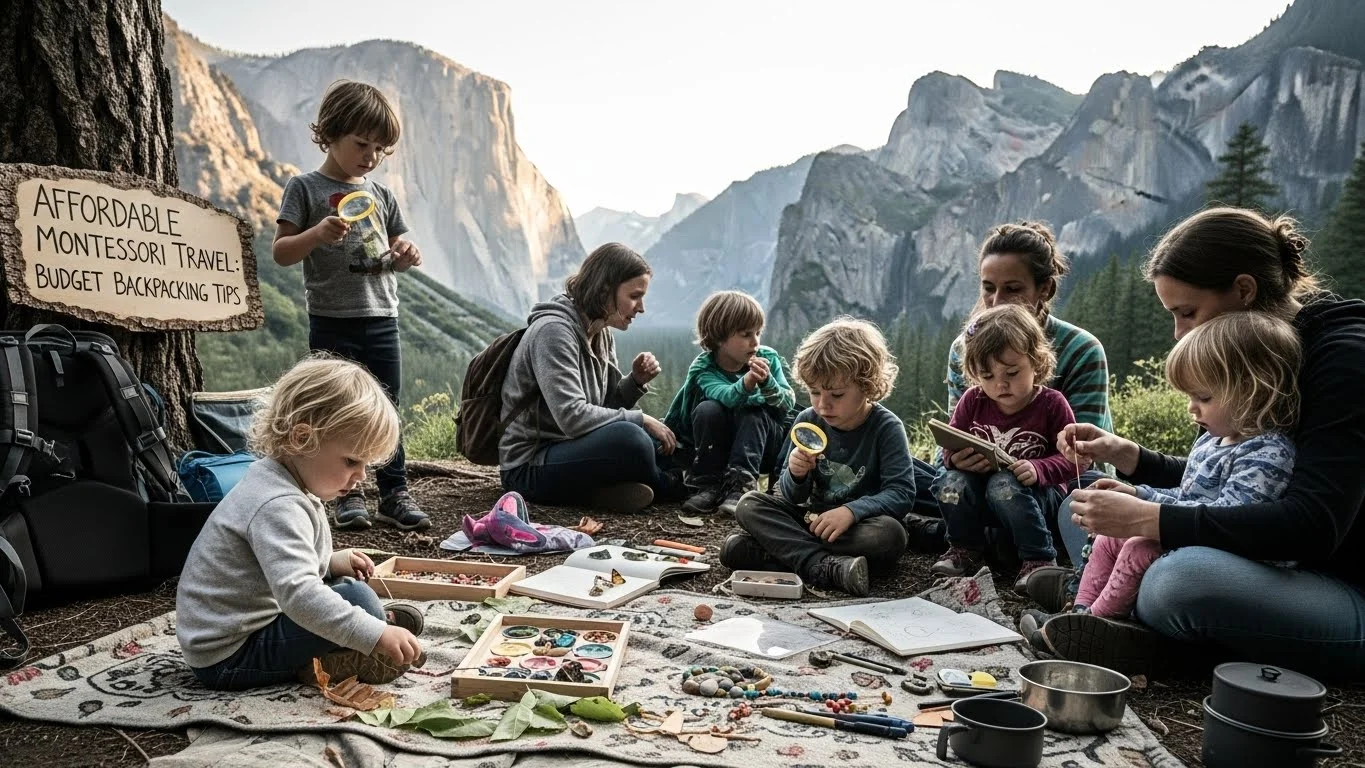
Incorporating Montessori principles into our travels means bringing along a few key items. I always pack educational materials that can spark curiosity, like nature guides, sketchbooks, or simple art supplies. For instance, on our hiking adventures, I bring along a field guide for identifying plants and animals, which makes our nature walks more educational. I also love bringing along travel-friendly games that encourage teamwork and problem-solving. These activities allow us to make the most of our downtime and create fun learning moments no matter where we are.
Documents and Essentials for Stress-Free Travel
Being organized with documents is essential for stress-free travel, especially when crossing borders. I always keep our passports, travel insurance details, and any necessary visas in a safe but accessible place. It’s also helpful to have digital copies stored on my phone or in the cloud, just in case. I prepare a travel itinerary that includes important addresses, contact numbers, and emergency information, which has proven invaluable during unexpected situations. Taking the time to gather these essentials ensures we’re ready for anything that comes our way!
Frequently Asked Questions
What is Montessori Travel?
Montessori travel is about embracing the principles of Montessori education while exploring the world. It promotes hands-on experience, exploration, and learning through discovery, fostering meaningful experiences for both adults and children.
How can I set a budget for my Montessori trip?
To set a budget for your trip, start by listing all potential costs including flights, accommodation, food, activities, and transportation. Prioritize what’s most important to your family to ensure a more stress-free travel experience.
What are some Montessori-friendly destinations to consider?
Look for destinations that offer rich educational opportunities such as cities with historical significance, stunning natural landscapes, or vibrant cultures. Areas with Montessori schools or programs that host workshops or community events are also ideal.
How can I find budget accommodation while traveling?
Consider staying in hostels, guesthouses, homestays, or family-friendly budget hotels. These options can save money and provide unique experiences, such as communal kitchens or interactions with local families.
What transportation options are best for budget backpacking?
Opt for public transportation to save money and experience local culture. Renting bicycles or walking are also budget-friendly choices that allow for exploration. Renting a car can be considered for remote areas, but comparing prices and booking in advance is key to saving money.
What types of Montessori activities can I do on a budget?
Incorporate outdoor learning by exploring national parks, visit museums offering free or discounted entry, participate in local community events, and seek out free or low-cost educational workshops during your travels.
How can I save money on food while traveling?
Shop at local markets for fresh ingredients, choose family-friendly restaurants where locals eat, cook meals in hostels or vacation rentals, and explore street food options for affordable and authentic dining experiences.
Why is travel insurance important?
Travel insurance is crucial as it provides coverage for medical expenses, trip cancellations, and lost belongings, offering peace of mind, especially when traveling with children.
What health considerations should I keep in mind when traveling with children?
Ensure that everyone is up to date on vaccinations, carry necessary medications, and emphasize hydration. Having basic health supplies can help manage minor health issues while traveling.
What should be included in a Montessori travel checklist?
A Montessori travel checklist should include essential clothing, comfortable shoes, educational materials for learning, and organized documents such as passports and travel insurance details to ensure a stress-free trip.