
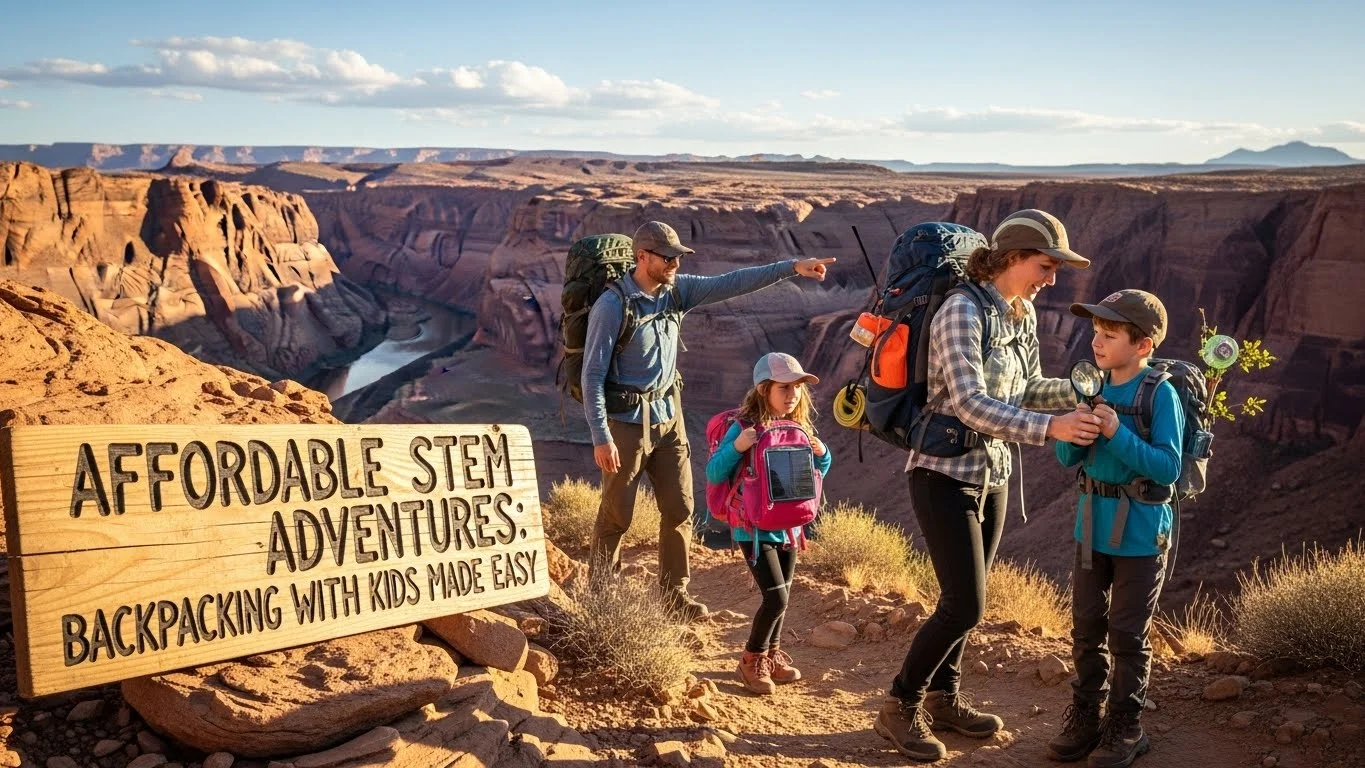
Have you ever thought about combining the thrill of backpacking with the excitement of STEM learning for your kids? Picture this: exploring the great outdoors while sparking curiosity and creativity in your little adventurers. Let’s dive into how to make this journey affordable and unforgettable!
Understanding STEM Adventures for Kids
What is STEM Education?
STEM stands for Science, Technology, Engineering, and Mathematics. It’s a teaching approach that encourages kids to explore and engage with these subjects in a hands-on, practical manner. I remember the first time I introduced my kids to a STEM project; their faces lit up with excitement as they discovered how things worked. Whether it’s building a bridge with sticks or experimenting with simple machines, STEM education promotes critical thinking and problem-solving skills, setting a foundation for lifelong learning. Check out these fun STEM activities for young explorers on a budget!
The Importance of STEM Learning in Early Childhood
In my experience, early childhood is a crucial time for nurturing curiosity and creativity. Kids are naturally inquisitive, and integrating STEM learning into their play can enhance their understanding of the world around them. Research shows that when children engage in STEM activities, they develop essential skills such as collaboration, communication, and analytical thinking. I’ve seen my children become more confident and innovative thinkers when they have opportunities to experiment and explore. Whether it’s through nature walks or simple science experiments at home, these experiences foster a love for learning that lasts a lifetime.
Planning Your Backpacking Trip
Choosing the Right Destination for STEM Activities
Choosing a destination that offers rich STEM experiences can transform your backpacking trip into an educational adventure. I’ve found that national parks, science museums, and outdoor learning centers often provide programs that are both fun and informative. When selecting a location, consider what STEM themes your kids are interested in. Do they love animals? A trip to a national park with wildlife will spark their curiosity. Are they fascinated by geology? Visit a park known for its unique rock formations. The key is to align your destination with your children’s interests, making the experience engaging and memorable. Explore budget backpacking with STEM through hands-on activities!
Factors to Consider: Safety, Accessibility, and Education
While planning, safety should always be a top priority. I’ve learned the hard way that some remote areas can be challenging to navigate, especially with kids in tow. Check for trails that are family-friendly and maintain good accessibility. It’s also essential to consider educational value—look for parks or centers that offer guided tours or interactive exhibits. For example, when we visited a local science center, the interactive displays kept my kids engaged for hours. Balancing safety, accessibility, and educational opportunities can lead to a more enjoyable experience for the whole family.
Budget-Friendly Tips for Planning
Backpacking doesn’t have to break the bank! I’ve found several ways to keep costs down while exploring with my family. First, consider traveling during the off-peak season. Not only will you avoid crowds, but you may also find discounts on accommodations and park fees. Camping is another fantastic way to save money; it allows for a more immersive experience in nature and can be much cheaper than hotel stays. Additionally, look for local free events or educational programs at parks and museums. I’ve discovered that many places offer free admission days, so it’s worth checking their schedules before planning your trip.
One of my favorite budget-friendly tips is to involve the kids in planning the trip. We make a fun game out of researching destinations and activities. This not only helps them feel more invested in the adventure, but it also teaches them valuable skills like budgeting and decision-making. As we sit down together with a map and a notebook, I can see their excitement grow as they pick out places they want to explore. It’s a fantastic way to combine family bonding with learning.
Best Affordable Destinations for STEM Adventure Backpacking
National Parks with Educational Programs
When it comes to finding the perfect mix of adventure and education, national parks are some of my favorite places to explore. They not only offer stunning landscapes but also provide educational programs that can ignite a passion for learning in my kids. I’ve had some of my best family experiences in these natural classrooms.
Yosemite National Park
I remember my visit to Yosemite National Park vividly. The towering granite cliffs and beautiful waterfalls were breathtaking, but what I loved most were the ranger-led programs. The park offers a variety of educational activities, including nature walks and interactive talks about the local ecosystem. My kids were fascinated by the geology of the area and learned about how the park was formed. It’s amazing how much they absorbed just by being there, exploring, and asking questions. Plus, the Junior Ranger program is a fantastic way for kids to earn badges while learning about the environment, making the experience even more rewarding.
Grand Canyon National Park
The Grand Canyon is another gem that I highly recommend. The sheer size and beauty of the canyon are mind-blowing, but what really stands out to me is the educational opportunities available. We participated in a geology talk and a fun activity where my kids got to identify different rock types. The park also has various trails that are suitable for families, allowing us to explore while learning about the unique flora and fauna in the area. The kids loved the interactive exhibits at the visitor center that helped them connect the dots between what they saw and the science behind it.
Science and Technology Museums
In addition to national parks, science and technology museums are excellent destinations for combining backpacking adventures with STEM learning. I’ve found these places to be treasure troves of hands-on exhibits that challenge and inspire young minds. Check out some assistive tech tools for budget backpacking adventures!
Exploratorium (San Francisco)
The Exploratorium in San Francisco is a must-visit for families. It’s not just a museum; it’s an interactive experience. When we went, my kids were drawn to the various science experiments, and we spent hours exploring everything from physics to biology. The outdoor exhibits, with views of the Bay, made for a perfect combination of learning and enjoying nature. I appreciated how the museum encourages kids to ask questions and think critically, which aligns perfectly with our goal of fostering a love for STEM.
Boston Museum of Science
Another fantastic spot is the Boston Museum of Science. We took a trip there last summer, and it turned out to be one of the highlights of our year. There are tons of interactive exhibits, and the live demonstrations were particularly engaging. My kids loved participating in experiments and learning about the principles of engineering and technology. The museum also offers IMAX films that can transport you to different worlds, reinforcing the STEM themes we were exploring. The combination of fun and education made for a great family outing.
Outdoor Learning Experiences
Outdoor learning experiences can also be incredibly enriching. I’ve found that engaging with nature adds a whole new layer to our STEM adventures.
Nature Trails and Guided Hikes
Nature trails often offer guided hikes that focus on local ecosystems or wildlife. These hikes can be both educational and immersive. When we ventured out to a nearby nature reserve, we joined a guided hike that focused on birdwatching and plant identification. My kids were excited to spot different species and learn about their habitats. I’ve noticed that being outdoors enhances their curiosity and eagerness to learn. They often come home with questions and ideas about what they’ve seen, which opens up even more discussions about science and nature.
STEM Camps and Workshops
Camps and workshops can be fantastic opportunities for hands-on learning. We participated in a local STEM camp one summer, and it was an eye-opener. The kids took part in various activities, from building simple machines to engaging in environmental science projects. They learned to work together as a team and tackled challenges creatively. The camp not only reinforced their STEM skills but also allowed them to bond with other kids who share similar interests. I believe these experiences help cultivate a sense of community and teamwork, which is invaluable in today’s world.
Essential Gear for Backpacking with Kids
Choosing the Right Backpack
When it comes to backpacking with kids, one of the most important pieces of gear is definitely the backpack. I’ve learned that selecting the right one can make a world of difference in our hiking experience. For my children, I look for backpacks that are not only comfortable but also lightweight. It’s crucial to check for adjustable straps so they can grow with my kids, and pockets for easy access to water bottles and snacks. I remember the first time we hit the trail with backpacks that were too heavy; my kids were quickly bogged down and lost their enthusiasm. Now, we choose packs that are appropriate for their size and weight, which keeps them energized and excited about our adventures.
Essential Clothing and Footwear
Choosing the right clothing and footwear for backpacking is another key aspect of ensuring a successful outing. I always prioritize moisture-wicking fabrics and dress my kids in layers. This way, they can be comfortable in changing weather conditions. I’ve found that having a breathable base layer, an insulating middle layer, and a waterproof outer layer works wonders in keeping them warm and dry. Footwear is equally important; sturdy hiking boots or shoes that provide good ankle support and traction are essential. I remember one hike where my son wore sneakers instead of proper hiking shoes, and it didn’t take long for him to start complaining about sore feet. Investing in quality footwear has made hiking much more enjoyable for all of us.
STEM Kits and Educational Supplies to Bring
Packing a few STEM kits and educational supplies can turn any hike into a rich learning experience. I’ve found that bringing simple tools like magnifying glasses, field guides, and binoculars can spark a deeper interest in nature for my kids. On our hikes, we love to observe insects, birds, and plants, which leads to discussions about their habitats and roles in the ecosystem. I also pack a small notebook and colored pencils for them to sketch their favorite sights. There’s something magical about getting them to stop and pay attention to the details of the world around them. It’s like they become little scientists, documenting their findings and observations, which makes our outdoor adventures even more meaningful.
Engaging Kids in STEM Activities on the Trail
Fun STEM Challenges to Try While Hiking
Creating fun STEM challenges on the trail can keep my kids engaged and excited about learning. I often set up little scavenger hunts where they have to find specific plants, rocks, or even animal tracks. Not only does this encourage them to observe their surroundings closely, but it also gets them thinking critically about what they see. I also love to challenge them with simple engineering tasks, like building a small bridge with sticks they find along the way. It’s amazing to see how creatively they think in these situations. The pride they feel when they complete a challenge is incredibly rewarding, and it reinforces the idea that learning can happen anywhere, even in the great outdoors!
Nature-Based Learning Activities
Nature-based learning activities are a fantastic way to incorporate STEM concepts into our hikes. One of our favorite activities is conducting simple experiments with the natural environment. For example, we’ve tried to measure the height of a tree using shadows, which ties into both math and science. It’s a fun way to apply their knowledge in real-life situations. I also love teaching them about the water cycle by having them collect rainwater in a container and observing evaporation during our hikes. Engaging them in these activities allows them to see how STEM principles play a role in nature, which I believe helps them develop a deeper appreciation for the environment.
Using Technology to Enhance Learning
While I cherish the unplugged experience of backpacking, I also see the benefits of using technology to enhance our learning adventures. There are many great apps available that offer interactive maps, plant identification, and bird calls. I often download a few educational apps before our trip, so my kids can use their devices to learn more about what they’re seeing. For instance, we’ve used apps to identify constellations at night, which sparked an interest in astronomy. I think finding the right balance between technology and nature is essential; it can serve as a tool for enhancing our understanding of the great outdoors while still encouraging curiosity and exploration.
Safety Tips for Backpacking with Kids
Health and First Aid Considerations
When we head out for a backpacking trip, safety is always at the forefront of my mind, especially when it comes to health and first aid. I’ve learned the importance of packing a well-stocked first aid kit tailored for our family’s needs. This includes band-aids, antiseptic wipes, pain relievers, and any necessary medications my kids might need. I remember one hike where my daughter tripped and scraped her knee. Having our kit handy made it easy to clean the wound and keep her spirits up. We also make it a point to carry enough water and snacks to keep everyone hydrated and energized throughout the day. It’s amazing how a little preparation can go a long way in ensuring a safe and enjoyable experience in the great outdoors.
Teaching Kids About Safety in the Outdoors
I believe that teaching my kids about outdoor safety is just as important as any STEM lesson. Before each trip, we have discussions about staying on trails, the importance of not wandering off, and what to do if they encounter wildlife. I often use real-life examples to emphasize why these rules matter. During one of our hikes, we spotted a deer, and I explained the importance of observing wildlife from a distance. This not only keeps them safe but also helps them appreciate nature more. I’ve noticed that when they understand the reasons behind safety rules, they’re more likely to follow them.
Emergency Preparedness and Communication
Having a plan for emergencies is essential for us. I always ensure that my kids know the basics of what to do if they get lost or if there’s an emergency. We establish a meeting point before we start our hike, and I make sure they know how to use a whistle or call for help if necessary. This past summer, we practiced using our phones to communicate in case of separation—something I feel is crucial in today’s tech-savvy world. I also encourage them to carry a small map of the area we’re exploring, which helps them feel more empowered and engaged in navigating the outdoors.
Budgeting for Your STEM Adventure
Estimating Costs: Transportation, Accommodation, and Activities
Budgeting for a family backpacking trip can sometimes feel overwhelming, but I’ve learned to break it down into manageable parts. Estimating costs starts with transportation, whether we’re driving or flying to our destination. I usually check for the best routes and consider any tolls or parking fees. Next, accommodation can vary widely—from campsites to family-friendly lodges. I often opt for campsites, as they’re not only affordable but also allow us to immerse ourselves in nature. Lastly, I include costs for activities. For instance, if we plan to visit a museum or a national park with entrance fees, I make sure to factor those into our budget. This way, we can enjoy our adventure without the stress of unexpected expenses.
Finding Discounts and Deals for Families
I’ve discovered that there are plenty of discounts and deals available for families that can significantly reduce our costs. Many national parks offer free admission days or family passes that can save us money. Additionally, I keep an eye out for local deals on attractions or activities. Websites like Groupon or local tourism boards often have fantastic offers. Last summer, we saved a lot by purchasing a family package for a nature workshop, which added extra value to our trip. It’s always worth doing a little research beforehand to find these hidden gems!
Tips for Saving Money on Food and Supplies
Food expenses can add up quickly when we’re on the road, so I’ve found a few tricks to save money in this area. I like to prepare meals at home before we head out, packing easy-to-eat snacks and sandwiches. For our backpacking meals, I often bring along pre-packaged dehydrated meals that are lightweight and easy to prepare. This not only saves money but also keeps our meals interesting. I also encourage my kids to help plan our meals. It’s a great way to involve them in the process and teach them about nutrition and budgeting. Plus, they always get excited about the food they helped pick out!
Creating Lasting Memories Through STEM Adventures
Documenting the Journey: Journals and Photography
One of the highlights of our trips is documenting our journey. I always pack a journal for my kids where they can write about their experiences, draw pictures, and reflect on what they’ve learned. This practice has turned into a wonderful keepsake from each adventure. Alongside their journals, I love capturing moments through photography. My kids enjoy taking pictures of interesting plants, animals, and landscapes. When we look back at these photos together, it sparks conversations about our adventures and the lessons learned. I believe that these documented memories can help solidify their understanding of the STEM concepts we explored while hiking.
Incorporating Family Discussions about STEM Learning
After we return from our trips, we often have family discussions about what we experienced. I encourage my kids to share their favorite moments and what they learned about nature and STEM. Sometimes we’ll even sit down and watch a related documentary or read a book that ties into our adventures. These discussions help reinforce their learning and allow us to connect as a family. I’ve seen my children grow more eager to explore and understand the world around them through these conversations, and it’s a joy to witness their curiosity develop.
Reflecting on Experiences: What Kids Learned
Reflecting on our outdoor experiences is essential in reinforcing the knowledge they gained. After each trip, I ask my kids to share what they learned about science, technology, engineering, and math during our adventures. I’ve noticed that this reflection not only solidifies their learning but also fosters a sense of accomplishment. They’re proud to share their newfound knowledge, and it creates an opportunity for us to explore even more topics together. I believe that these reflections can inspire them to pursue their interests further, leading to a lifelong love for STEM.
Final Thoughts
Combining backpacking with STEM learning has enriched our family adventures in ways I never imagined. Each trip is not just about exploring new places; it’s about nurturing curiosity, creativity, and problem-solving skills in my kids. From planning and budgeting to engaging in hands-on activities, every aspect of our journey reinforces the importance of STEM. I encourage fellow parents to take that leap and embark on their own STEM adventures. There’s a whole world of learning waiting outside our doors, and together, we can create lasting memories while sparking a lifelong love for exploration and discovery.
Frequently Asked Questions
What does STEM stand for and why is it important for kids?
STEM stands for Science, Technology, Engineering, and Mathematics. It is important for kids as it encourages them to explore and engage with these subjects in a hands-on, practical manner, promoting critical thinking and problem-solving skills.
How can backpacking enhance STEM learning for children?
Backpacking allows children to explore the great outdoors while engaging in STEM activities. This combination fosters curiosity, creativity, and a love for learning, as kids can observe nature and participate in educational programs offered at various destinations.
What factors should parents consider when planning a STEM-focused backpacking trip?
Parents should consider safety, accessibility, and educational value when planning. It’s important to choose family-friendly trails, check for guided tours or interactive exhibits, and ensure that the destination aligns with the kids’ STEM interests.
What are some budget-friendly tips for planning a STEM adventure?
Traveling during the off-peak season, camping instead of staying in hotels, looking for free events or educational programs, and involving kids in planning can help keep costs down while enhancing the overall experience.
What types of destinations are recommended for STEM adventures?
National parks with educational programs, science and technology museums, and outdoor learning experiences such as nature trails and guided hikes are all excellent destinations for STEM adventures.
What essential gear should be considered for backpacking with kids?
Essential gear includes a comfortable and lightweight backpack, moisture-wicking clothing in layers, sturdy footwear, and STEM kits like magnifying glasses and field guides to enhance the learning experience during hikes.
How can parents engage kids in STEM activities while hiking?
Parents can create fun STEM challenges like scavenger hunts, simple engineering tasks, and nature-based learning activities that encourage observation and critical thinking about their surroundings.
What health and safety tips are important when backpacking with kids?
Parents should pack a well-stocked first aid kit, ensure kids stay hydrated and energized, teach them about outdoor safety rules, and establish a plan for emergencies, including meeting points and communication methods.
How can families document their STEM adventures?
Families can document their journeys through journals where kids write about their experiences and draw pictures, as well as taking photographs of interesting sights, which can spark further discussions about what they learned.
What benefits come from reflecting on STEM learning experiences after a trip?
Reflecting on experiences reinforces the knowledge gained, fosters a sense of accomplishment, and encourages further exploration of STEM topics, ultimately nurturing a lifelong love for learning in children.