
Supporting special needs students is not just a responsibility; it’s a rewarding journey that enriches our classrooms and communities. Here are affordable tips to make a meaningful impact in their education. Read Interesting article: Exploring the World: Travel Tips for Special Needs Education
Understanding Special Needs Education
Definition of Special Needs
When I think about special needs education, I picture a diverse range of learning abilities and challenges that students experience. Special needs can refer to various conditions, including physical disabilities, learning disabilities, emotional disturbances, and developmental delays. It’s essential to recognize that each student is unique, and their needs can vary widely. As I’ve learned, understanding these nuances is crucial for providing effective support.
Common Types of Special Needs
Throughout my journey in education, I’ve encountered numerous types of special needs. Here are some of the most common:
- Learning Disabilities: Conditions like dyslexia or dyscalculia can affect how students process information and learn.
- Autism Spectrum Disorder (ASD): Students with ASD may face challenges in communication and social interactions.
- Attention Deficit Hyperactivity Disorder (ADHD): This affects a student’s ability to focus and control impulses.
- Emotional Disturbances: Issues like anxiety and depression can significantly impact learning and behavior.
- Physical Disabilities: These can range from mobility issues to chronic health conditions, affecting how students participate in school activities.
Each category requires tailored strategies to meet individual needs, which I found is best accomplished through collaboration among educators, parents, and specialists.
The Importance of Support in Education
From my experience, the importance of support in education cannot be overstated. Special needs students often face additional barriers in learning. Without the proper support, they may struggle to thrive academically and socially. I found that when we provide the right environment and resources, students are more likely to reach their full potential. It’s about leveling the playing field, allowing every student the chance to succeed and feel included.
Support can come in many forms—adaptations in teaching methods, access to specialized resources, or simply a compassionate and understanding approach. I remember a student who had difficulty reading. With the right tools, like audiobooks and patient guidance, I saw a remarkable improvement in both his confidence and skills. This experience reinforced my belief that every child deserves support tailored to their unique needs. Read Interesting article: How Assistive Technology Enhances Travel for Special Needs
Affordable Strategies for Supporting Special Needs Students
Creating an Inclusive Classroom Environment
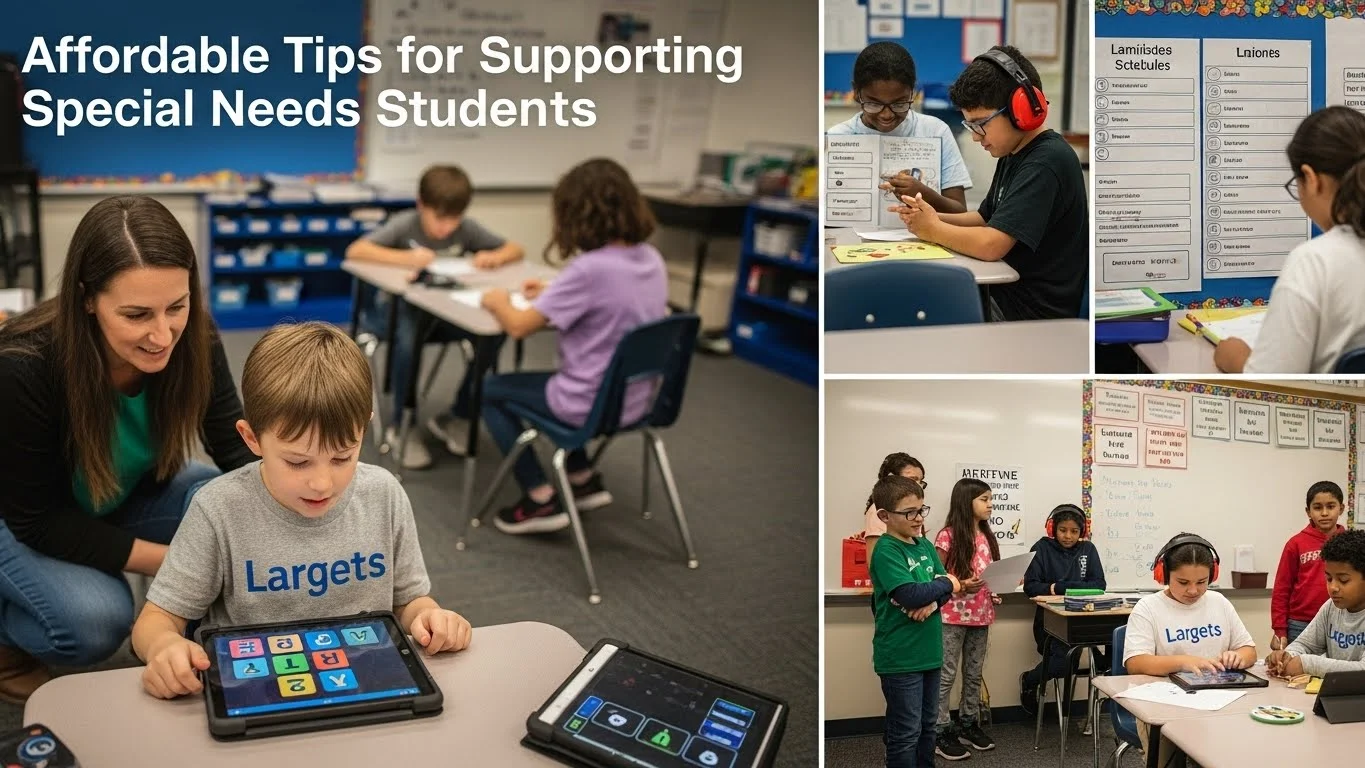
One of the first things I learned about supporting special needs students is the importance of an inclusive environment. It’s about creating a space where every child feels safe, valued, and respected. I’ve found that simple adjustments can make a big difference. For instance, rearranging furniture for better accessibility or using calming colors can help students feel more comfortable. In my class, I also made it a point to celebrate diversity. We shared stories that highlighted different abilities, which fostered understanding and empathy among students.
Utilizing Free Educational Resources
There’s a wealth of free resources out there, and I’ve discovered many that can be incredibly useful for supporting special needs students. Websites like Khan Academy or Google for Education offer engaging materials that cater to various learning styles. I often recommend these platforms to my colleagues and students’ families. They provide interactive lessons that can be customized to each student’s pace, which is vital for those who need extra time to grasp concepts.
Additionally, local libraries often have resources specifically for special needs education, such as books, videos, and workshops. I remember attending a workshop at my local library, which opened my eyes to new strategies I could implement in my classroom.
Implementing Peer Support Programs
Peer support can be a game-changer. I’ve seen how powerful it is when students work together. It not only helps special needs students feel included but also fosters empathy and leadership skills in their peers. In one of my classes, we started a buddy system where students partnered up for various activities. This way, everyone had a chance to learn from one another, and I noticed a significant boost in confidence and teamwork. It’s also a great way to break down social barriers and build friendships.
Leveraging Community Resources
Community resources can provide invaluable support for special needs students. I’ve worked with local organizations that offer workshops, mentorship programs, or even volunteer services. For example, partnering with local nonprofits can bring in trained volunteers who can assist in the classroom or organize events focused on inclusion. I remember collaborating with a nearby community center that provided sports activities tailored for children with disabilities. This not only allowed students to develop physical skills but also made them feel part of something bigger.
In my opinion, it’s essential to actively seek out these resources. Often, they are more affordable and accessible than we realize, and they can significantly enhance the educational experience for special needs students. Read Interesting article: Backpacking on a Budget: A Guide for Special Needs Families
Effective Teaching Techniques for Special Needs Students
Individualized Education Plans (IEPs)
One of the most vital tools in supporting special needs students is the Individualized Education Plan, or IEP. I remember the first time I was involved in creating an IEP for a student—it felt like unwrapping a gift that would ultimately shape their learning journey. An IEP is tailored to meet the specific needs of each student, outlining goals, accommodations, and the type of support they require. I’ve learned that collaborating with parents, specialists, and the students themselves is key to developing a plan that truly reflects their needs and aspirations.
In my experience, regular reviews of the IEP can make a significant difference. We would meet every few months to assess progress and adjust goals as needed. This not only kept everyone on the same page but also empowered the student to take ownership of their learning. It’s a dynamic process that fosters growth and adaptation, which is essential for success.
Differentiated Instruction Methods
Differentiated instruction is another approach that I’ve found incredibly effective. It’s about recognizing that each student learns differently and adjusting our teaching strategies accordingly. I recall a lesson where I had students working on a science project. Some thrived with hands-on activities, while others preferred written reports or visual presentations. By offering various options, I noticed how engaged everyone was, and it allowed each student to shine in their unique way.
Incorporating different teaching styles—like visual, auditory, and kinesthetic—can be a game-changer. For instance, I often use storytelling, videos, and group activities to cater to diverse learning preferences. It’s not just about delivering the curriculum; it’s about making it accessible and enjoyable for everyone. I believe that when students are excited about learning, they are more likely to absorb and retain information.
Visual Aids and Assistive Technology
The power of visual aids cannot be underestimated. During my time as an educator, I’ve seen how charts, diagrams, and graphic organizers help clarify complex concepts. For students with learning disabilities, these tools can make a world of difference. I remember one student who struggled with math concepts. By using visual aids, like number lines and color-coded worksheets, I witnessed a transformation in their understanding and confidence.
In recent years, assistive technology has also opened up new doors for special needs education. Tools like speech-to-text software, audiobooks, and apps specifically designed for learning challenges have become invaluable. I’ve encouraged my students to explore these technologies, and I often see them become more independent in their learning. There’s something incredibly rewarding about watching a student use technology to overcome barriers they once faced.
Fostering Social Skills and Emotional Support
Building a Supportive Classroom Community
Creating a supportive classroom community is essential for the emotional well-being of special needs students. I’ve always strived to foster an environment where students feel they belong. I remember implementing morning meetings where we would take time to share feelings and discuss our day. This simple practice helped build trust and understanding among students, allowing them to express themselves freely.
Encouraging teamwork is also important. I often pair students with different abilities for group projects, which not only promotes collaboration but also helps students learn from one another. I’ve seen friendships blossom in these settings, and it’s heartwarming to witness moments of kindness and support. I believe that when we create a safe space for students, they can thrive both academically and emotionally.
Encouraging Positive Peer Interactions
Promoting positive peer interactions can significantly impact the social skills of special needs students. I’ve noticed that when peers are encouraged to engage with one another, it breaks down barriers and fosters acceptance. I recall organizing activities that required cooperation, like team-building exercises and group games. These moments were not just fun; they provided opportunities for students to practice social skills in a natural setting.
In my classroom, I also emphasized the importance of empathy and respect. We would often have discussions about the challenges some students face and how we could support one another. I think these conversations are crucial in helping students understand each other better and develop friendships that extend beyond the classroom.
Implementing Social Skills Training
Social skills training can be incredibly beneficial for special needs students. I remember attending a workshop on this topic and was inspired to incorporate some of the strategies into my teaching. We focused on everyday skills—like making eye contact, taking turns, and starting conversations. I found role-playing to be an effective method. By simulating social scenarios, students could practice in a safe environment without the fear of judgment.
Additionally, I’ve discovered that incorporating social stories can help students understand and navigate social situations. These stories provide relatable examples and can be a comforting resource for students when they face new experiences. I believe that with the right support and practice, every student has the potential to develop meaningful social connections.
Engaging Parents and Caregivers
Communicating Effectively with Families
One of the most rewarding aspects of supporting special needs students has been witnessing the strong partnership that can develop between educators and families. I’ve learned that effective communication with parents and caregivers is essential. It’s not just about scheduling meetings or sending home newsletters; it’s about building trust and understanding. I remember when I first started reaching out to families, I made it a point to ask open-ended questions about their child’s needs and experiences. This approach helped me gain insights that I could never have discovered on my own.
Regular check-ins, whether through phone calls, emails, or even informal chats during pick-up and drop-off, can make a huge difference. I’ve found that when parents feel heard and valued, they are more likely to engage in their child’s education. Sharing both successes and challenges can foster a collaborative spirit that benefits everyone involved. I think it’s also essential to be clear and transparent about what’s happening in the classroom, so families feel empowered to support their child at home.
Encouraging Home Support and Involvement
Encouraging parents to be involved in their child’s education can lead to remarkable outcomes. I’ve often suggested simple activities that families can do at home to reinforce what we’re learning in the classroom. For example, I create worksheets or projects that families can work on together. I remember one time when I sent home a math scavenger hunt. The students had to find items around the house that represented different numbers, and it turned into a family bonding experience. Parents shared how much fun they had, which in turn encouraged their children to take the learning more seriously.
Additionally, hosting family workshops can provide parents with the tools they need to support their child’s learning effectively. I organized a few evenings where parents could learn about strategies like differentiated instruction or assistive technology. Seeing their enthusiasm was uplifting, and it reaffirmed my belief that when families understand the methods we use in class, they can reinforce those strategies at home, creating a seamless learning experience.
Providing Resources for Caregivers
Supporting special needs students extends beyond the classroom; it’s crucial to provide resources for caregivers as well. I’ve noticed that many parents feel overwhelmed or isolated. One of the many ways I’ve tried to help is by compiling a list of resources, both online and local, that can assist families in navigating the special education landscape. I remember finding a fantastic local support group that met monthly. I encouraged parents to attend, and it was heartwarming to see them connect and share their experiences.
In addition to support groups, I recommend websites, books, and even podcasts that focus on special needs education and parenting. Sharing these resources not only empowers families but also fosters a sense of community. I believe that when caregivers feel supported, they are better equipped to advocate for their children and help them thrive.
Utilizing Technology to Enhance Learning
Affordable Educational Apps and Software
In today’s world, technology plays a significant role in education, especially for special needs students. I’ve explored various educational apps and software that can cater to diverse learning styles. For example, I found that many students respond positively to interactive apps that turn learning into a game. Programs like ABCmouse or Starfall provide engaging content that keeps students motivated. I remember introducing a reading app that allowed students to hear stories read aloud while following along. The excitement was palpable, and I noticed an increase in their willingness to read independently.
What I appreciate most about these resources is their affordability. Many apps offer free versions or trial periods, making them accessible for families on a budget. I often encourage parents to explore these options and see what resonates with their child. It’s a wonderful way to blend technology with learning and can lead to significant improvements in skills and confidence.
Online Support Communities and Forums
In my experience, online support communities can be a lifeline for both educators and families. They provide a space to share experiences, ask questions, and exchange advice. I remember joining a few forums focused on special needs education. The insights I gained from fellow educators and parents were invaluable. Hearing about their successes and challenges helped me adjust my own strategies in the classroom.
Encouraging parents to participate in these communities can also be beneficial. They can connect with others facing similar challenges, find resources, and share tips. I think it’s important for families to know they’re not alone in this journey. These online spaces can foster a sense of belonging and support that is often crucial for emotional well-being.
Using Video and Multimedia Learning Tools
Utilizing video and multimedia tools can make learning more dynamic and engaging for special needs students. I’ve found that incorporating videos into lessons can help clarify complex topics and appeal to visual learners. For instance, when teaching about ecosystems, I would show short documentary clips that captured the essence of each habitat. The students were not only captivated but also retained information better than when we used traditional methods.
Moreover, platforms like YouTube offer countless educational videos that can cater to various subjects. I often recommend these resources to families, encouraging them to watch educational content together. This not only reinforces learning but also provides an opportunity for discussions at home. I’ve seen how these multimedia tools can spark curiosity and excitement, making learning feel less like a chore and more like an adventure.
Frequently Asked Questions
What is special needs education?
Special needs education refers to the diverse range of learning abilities and challenges that students experience, including conditions such as physical disabilities, learning disabilities, emotional disturbances, and developmental delays. Each student is unique, and their needs can vary widely.
What are some common types of special needs?
Common types of special needs include learning disabilities (like dyslexia or dyscalculia), Autism Spectrum Disorder (ASD), Attention Deficit Hyperactivity Disorder (ADHD), emotional disturbances (such as anxiety and depression), and physical disabilities (ranging from mobility issues to chronic health conditions).
Why is support important in special needs education?
Support is crucial as special needs students often face additional barriers in learning. Proper support helps them thrive academically and socially, allowing them to reach their full potential and feel included in the classroom environment.
How can educators create an inclusive classroom environment?
Educators can create an inclusive environment by making simple adjustments, such as rearranging furniture for accessibility and using calming colors. Celebrating diversity through storytelling can also foster understanding and empathy among students.
What role do peer support programs play in special needs education?
Peer support programs can help special needs students feel included and foster empathy and leadership skills in their peers. For example, a buddy system can encourage teamwork and confidence building among students.
What is an Individualized Education Plan (IEP)?
An Individualized Education Plan (IEP) is a tailored document that outlines the specific needs, goals, accommodations, and support required for each special needs student. Collaboration with parents, specialists, and the students themselves is essential for its effectiveness.
What is differentiated instruction, and how is it used in special needs education?
Differentiated instruction is an approach that recognizes each student learns differently and adjusts teaching strategies accordingly. By offering various options for assignments and incorporating different teaching styles, educators can engage all students and cater to their unique learning preferences.
How can technology enhance learning for special needs students?
Technology can enhance learning through educational apps and software that cater to diverse learning styles. Interactive apps can motivate students, while tools like speech-to-text software and audiobooks provide additional support for those facing learning challenges.
What strategies can educators use to engage parents and caregivers?
Educators can engage parents by communicating effectively, encouraging home support and involvement, and providing resources. Regular check-ins, family workshops, and sharing useful resources can foster a collaborative environment that supports the student’s education.
What are some effective techniques for fostering social skills in special needs students?
Effective techniques include implementing social skills training through role-playing and using social stories to help students navigate social situations. Encouraging positive peer interactions and building a supportive classroom community are also crucial for developing social skills.