
Understanding the bond between parent and child is essential for healthy development. Exploring attachment styles can help us strengthen this vital connection and create nurturing environments for our kids.
Understanding Attachment Styles
What are Attachment Styles?
Attachment styles are patterns of behavior that develop in relationships, particularly between caregivers and children. I remember when I first learned about these styles; it was like a light bulb went off. They represent how we connect and interact with others, especially in emotionally significant relationships. In the context of parenting, attachment styles can significantly influence how a parent and child relate to each other, shaping the child’s emotional and social development.
There are four primary attachment styles: secure, anxious, avoidant, and disorganized. Each style develops from the interactions a child has with their caregivers. I’ve found that understanding these styles can empower us as parents, helping us to navigate our relationships with our children more effectively.
The Importance of Attachment in Parenting
The bond we form with our children is crucial for their emotional health. When I think back on my parenting journey, I realize that those early moments of connection set the stage for everything that followed. A secure attachment provides a foundation of trust and safety, allowing children to explore the world with confidence. In contrast, insecure attachments can lead to difficulties in relationships, anxiety, and other emotional challenges as they grow.
As parents, we play a pivotal role in shaping our child’s attachment style. The way we respond to their needs—both physical and emotional—affects how they see themselves and the world around them. I’ve noticed that when we create a secure environment, not only do our children thrive, but we also experience more joy and fulfillment in our parenting.
Historical Overview of Attachment Theory
Attachment theory was first introduced by British psychologist John Bowlby in the mid-20th century. He believed that the bond between a child and their primary caregiver is fundamental to the child’s development. I remember reading about Bowlby’s research and feeling a sense of validation; it resonated with my experiences as a parent. His work emphasized that children are biologically programmed to form attachments as a means of survival.
Mary Ainsworth later expanded on Bowlby’s ideas through her “Strange Situation” study, which identified different attachment styles based on how children responded to separations and reunions with their caregivers. This research provided a framework that many of us parents can relate to. It’s fascinating to see how decades of research have illuminated the importance of attachment in our lives, shaping modern parenting practices.
Attachment theory has evolved over the years, and it continues to inform how we understand parent-child relationships today. By reflecting on these historical insights, I feel more equipped to foster healthy attachments with my children and to understand the dynamics at play in our interactions.
The Four Primary Attachment Styles
Secure Attachment
Secure attachment is often seen as the gold standard in parent-child relationships. I remember reading about how children with a secure attachment style feel safe and supported, which allows them to explore their environment confidently. They know that their caregivers are there for them, providing comfort and reassurance when needed. This style often develops when parents are responsive to their child’s needs, consistently providing love and support. I can see this in my own children; when they feel secure, they engage more openly with their surroundings and with others.
Kids with a secure attachment are usually better at forming healthy relationships as they grow older. They tend to communicate their feelings effectively, showing empathy and understanding toward others. I’ve seen this firsthand when my children interact with their peers; they navigate conflicts with a level of maturity that I truly admire. It’s like this secure base allows them to venture out into the world while knowing they can return to a place of safety and love. Read Interesting article: Understanding Attachment Styles: A Guide for New Parents
Anxious Attachment
Anxious attachment can be a bit more complex. Children with this style often display clinginess and a strong need for reassurance. I know this from my experience with a close friend’s child, who would become visibly upset when separated from their parent. It’s as if they constantly worry that their caregiver might abandon them. This attachment style usually develops when caregivers are inconsistent in their responses—sometimes nurturing, other times distant. I’ve come to realize that this inconsistency can create a sense of uncertainty in a child’s mind.
Kids with anxious attachment may often test boundaries or seek attention in various ways, sometimes resulting in tantrums or heightened anxiety. I found it important to approach these behaviors with patience and understanding. When we show them that they can rely on us consistently, we help ease their fears. In my case, I noticed that simply being present and calm during moments of anxiety made a significant difference in my friend’s child, creating a sense of security over time.
Avoidant Attachment
Avoidant attachment is another style that can be challenging to navigate. Children with this attachment style tend to distance themselves emotionally from their caregivers. I’ve observed kids who seem independent and self-sufficient, but beneath that surface, they may struggle with a fear of intimacy. This attachment style often develops when caregivers are emotionally unavailable or dismissive of their child’s needs. I know from experience that these children may learn early on that it’s safer to rely on themselves rather than seeking comfort from others.
Kids with avoidant attachment may not express their feelings openly, which can make it hard for parents to connect with them. I recall a time when I tried to engage with a child who displayed this style; they seemed uninterested and unresponsive when I asked about their day. It was a stark reminder that sometimes, just offering space and allowing them to come to us at their own pace can be the best approach. Through understanding, we can help them break down those walls and foster a more open relationship.
Disorganized Attachment
Disorganized attachment is often the most concerning of the four styles. This attachment style is characterized by a lack of clear attachment behavior, often resulting from inconsistent or frightening responses from caregivers. I’ve seen this in children who seem confused or apprehensive about their relationships. They might approach a caregiver for comfort but then pull away, reflecting inner turmoil. I learned that this style can stem from trauma or neglect, making it crucial to address it thoughtfully.
Children with disorganized attachment may struggle with understanding their emotions and may exhibit anxiety, fear, or aggression. I’ve found that patience and consistency are key when working with kids who show signs of disorganized attachment. Creating a safe environment where they can express themselves without judgment can significantly aid in their healing process. I remember when I volunteered at a local community center; seeing these kids slowly open up and trust others was a powerful reminder of how vital it is to foster security and stability. Read Interesting article: Understanding Newborn Communication: Key Developmental Tips
Recognizing Your Child’s Attachment Style
Signs of Secure Attachment
Recognizing secure attachment in children is often straightforward. They typically display confidence in exploring their surroundings while also seeking comfort from their caregivers when needed. I noticed that my kids would venture off to play but would glance back to check in with me, illustrating that they felt safe. Securely attached children usually show happiness and excitement during reunions and are generally more resilient in handling stress.
Indicators of Anxious Attachment
When it comes to anxious attachment, there are some clear signs to look for. Children may exhibit clinginess, constantly seeking reassurance or approval. I remember a friend’s child who would cry when their parent left the room, needing constant affirmations of love and safety. These kids might also have difficulty exploring new environments due to their underlying anxiety about separation. Understanding these signs can help us address their needs more effectively.
Behaviors Associated with Avoidant Attachment
Identifying avoidant attachment can be more subtle. These children might seem indifferent to their caregivers, avoiding eye contact or physical affection. I’ve seen kids who, during playdates, preferred to isolate themselves rather than engage with others. They might appear self-sufficient but are often masking deeper emotional struggles. Recognizing these behaviors is the first step toward creating a more connected relationship.
Understanding Disorganized Attachment Symptoms
Disorganized attachment can be complex, as children may display a mix of behaviors associated with both anxious and avoidant styles. They might seem confused or anxious when interacting with caregivers. I’ve encountered children who would approach affectionately but then pull away suddenly, displaying erratic behavior. Being aware of these symptoms is crucial in nurturing an environment that fosters healing and stability for these children.
Impacts of Attachment Styles on Parenting
How Secure Attachment Enhances Parenting
When I reflect on my experiences as a parent, I can’t help but recognize the profound effects that secure attachment has had on my parenting style. Children who develop a secure attachment often foster an environment that allows parents to feel more confident and relaxed. I’ve noticed that when my kids feel safe and nurtured, they’re more likely to communicate openly with me. This open line of communication not only helps them express their feelings but also strengthens our bond.
Securely attached children tend to be more adaptable and resilient, which can ease the pressures of parenting. For instance, during stressful situations, I find that my children are more capable of self-soothing and handling their emotions. This has allowed me to approach parenting with a sense of calmness. I’ve learned that the foundation of trust we build early on often translates into a more enjoyable and fulfilling parenting experience for both of us.
Challenges of Anxious Attachment in Parenting
On the other hand, navigating parenting with a child who has an anxious attachment style can be quite challenging. I’ve experienced moments of frustration and helplessness when trying to reassure my child, who continually seeks validation and affection. It’s like a cycle; their anxiety can sometimes amplify my own, especially when I feel overwhelmed.
Children with anxious attachment often struggle with separation, which can make everyday activities like school drop-offs a battleground of emotions. I found that patience is key. I’ve had to learn to provide reassurance while also encouraging independence. It’s been a balancing act, but I believe that understanding their needs can help reduce my own anxiety as a parent. Recognizing that their clinginess stems from a need for security rather than defiance has made a world of difference.
Implications of Avoidant Attachment on Parent-Child Interaction
Having a child with an avoidant attachment style presents its unique challenges. I remember feeling a sense of disconnect with a child I knew who seemed emotionally distant. It can be tough because these children often prefer to keep their feelings bottled up, making it hard for parents to connect. I’ve learned that they might require more time and space before they are comfortable opening up.
In my experience, the key to reaching children with avoidant attachment is to create a safe space for them to express themselves without pressure. I’ve found that small gestures, like inviting them to share their thoughts during relaxed moments, can encourage them to engage. It’s essential to remember that while they may not outwardly show it, they need love and support just as much as any other child.
Addressing Disorganized Attachment in Parenting Approaches
Disorganized attachment can be particularly daunting. When I’ve encountered children showing signs of this attachment style, it often feels like a delicate dance. They can be unpredictable in their behaviors, which can leave parents feeling confused and helpless. I’ve witnessed these children struggle with emotional regulation, often swinging between seeking comfort and pulling away.
Understanding that disorganized attachment often stems from past trauma or inconsistent caregiving has been crucial for me. Creating a structured and predictable environment can be immensely beneficial. When I volunteered with children who displayed these behaviors, I learned that consistency in responses helps create a sense of security. I’ve also found that seeking professional guidance can be crucial for both the child and the parent, providing tools to navigate the complexities of this attachment style.
Strengthening Your Parenting Bond
Building a Secure Attachment with Your Child
As I’ve journeyed through parenting, I’ve discovered that building a secure attachment with my children involves being responsive to their needs. Simple acts, like being physically present during tough moments, can make a significant difference. I remember times when I dropped everything to comfort one of my kids after a tough day; those moments forged a deeper bond between us. Consistency is also vital; I strive to be a reliable source of love and support, and I’ve seen how my efforts pay off in their confidence and behavior.
Strategies for Parents with Anxious Children
For parents like me who have anxious children, I’ve found that fostering a sense of safety is essential. Establishing routines can provide the predictability they crave. I’ve also learned that allowing them to express their fears without judgment can ease their anxiety. I try to validate their feelings and reassure them that it’s okay to feel scared at times. I often remind myself that patience and gentle encouragement can go a long way in helping them feel secure enough to explore their world.
Approaches for Engaging Avoidant Children
When it comes to engaging avoidant children, I’ve learned the importance of respect for their space. Pressuring them to share their feelings can often backfire. Instead, I focus on creating opportunities for connection during relaxed moments, like while doing a shared activity. I’ve found that when they feel less pressure, they tend to open up more naturally. It’s all about being there for them and letting them dictate the pace of our interactions.
Nurturing Disorganized Attachment: Steps to Take
Nurturing a child with disorganized attachment requires a thoughtful approach. I’ve learned that providing a stable and predictable environment is crucial for helping them feel safe. Establishing routines can help ground them. I also emphasize the importance of emotional support, recognizing that these children often struggle to express their needs. Working alongside professionals can provide additional strategies tailored to their specific experiences, fostering healing and creating a more secure base for their growth.
Tools and Resources for Parents
Books on Attachment Theory
As I’ve delved deeper into the world of attachment theory, I’ve discovered several books that have been incredibly enlightening. One of my favorites is “The Attachment Parenting Book” by Dr. William Sears and Martha Sears. It not only explores attachment styles but also provides practical tips for fostering a secure bond with your child. Another book that struck a chord with me is “Attached” by Amir Levine and Rachel Heller, which breaks down attachment styles in a relatable way. I found the insights in these books to be invaluable, and I keep them on my shelf for reference.
Additionally, “Hold On to Your Kids” by Dr. Gordon Neufeld and Dr. Gabor Maté emphasizes the importance of attachment in child development and offers strategies for maintaining close relationships with our children as they grow. These resources have helped me reflect on my parenting journey and understand my children’s needs better. I recommend checking them out if you’re looking to deepen your understanding of attachment theory.
Workshops and Support Groups
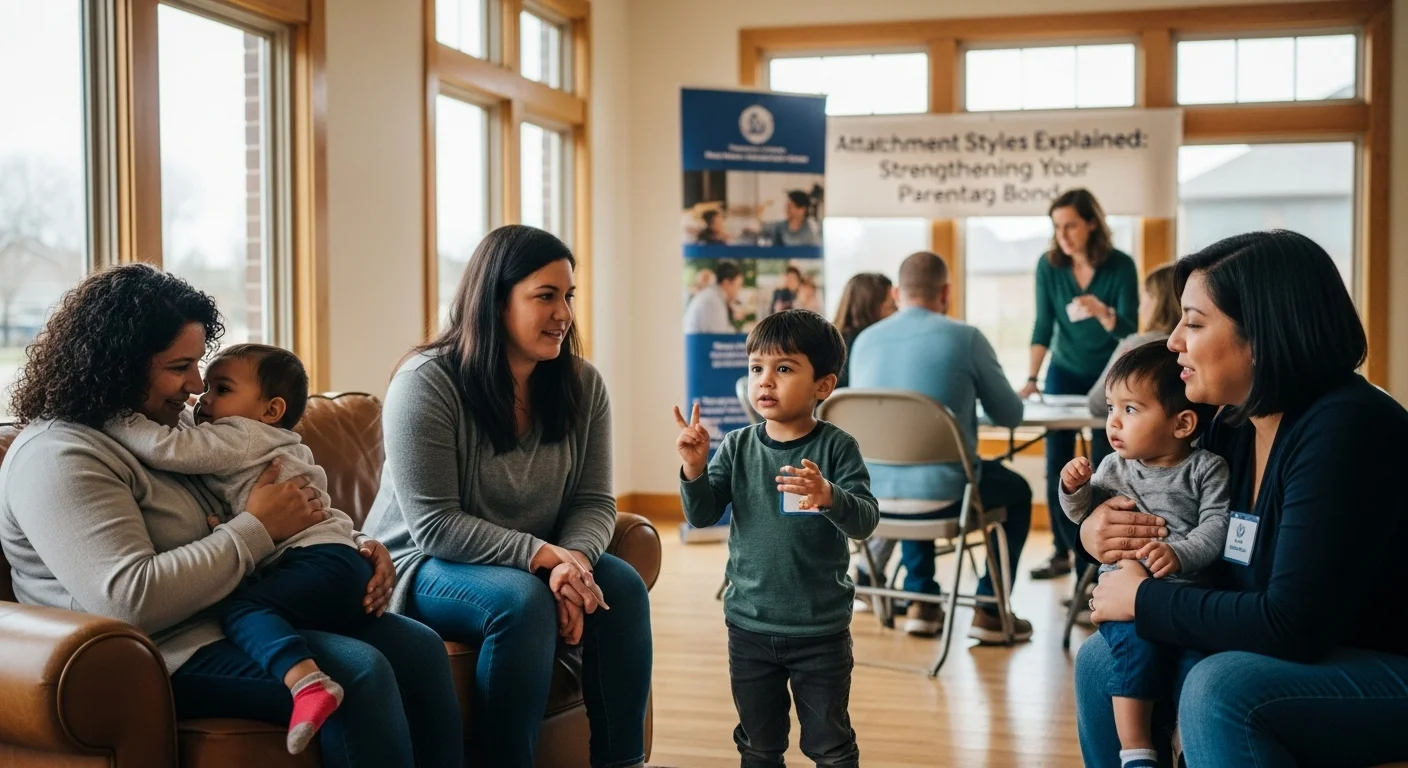
Participating in workshops and support groups has been a game-changer for me. Connecting with other parents who are on similar journeys has provided a sense of community and understanding. I remember attending a local workshop focused on attachment styles, where we discussed our experiences and learned strategies to strengthen our parent-child relationships. The insights shared by experts and fellow parents were incredibly helpful.
Online platforms also offer various webinars and virtual support groups that can fit into busy schedules. I’ve found that these gatherings offer not just valuable information but also an opportunity to share our challenges and successes. It’s reassuring to know we’re not alone in this parenting adventure, and I encourage others to seek out similar resources in their communities.
Therapy Options for Parents and Children
Sometimes, the challenges we face as parents can feel overwhelming, especially when navigating different attachment styles. I’ve learned that seeking professional help can be a beneficial step. Therapy can provide a safe space for both parents and children to explore their feelings and improve their relationships. I’ve found family therapy to be particularly helpful in addressing attachment issues while fostering communication and understanding among family members.
Working with a therapist experienced in attachment theory can equip us with practical tools to create healthier relationships. I’ve seen firsthand how therapy can help children develop emotional regulation and resilience. If you’re feeling stuck, I suggest considering this option. It’s a proactive way to ensure we’re nurturing secure attachments and supporting our children’s emotional well-being.
FAQs About Attachment Styles and Parenting
How can I identify my own attachment style?
Identifying your own attachment style can be a revealing experience. Reflecting on your childhood relationships with caregivers can provide clues. Consider how you respond to emotional closeness and intimacy in current relationships. There are also quizzes available online that can help you pinpoint your attachment style. Personally, I found these self-reflective exercises helpful in understanding my patterns and improving my relationships with my kids.
Is it possible to change my attachment style?
Yes, I believe it is possible to change your attachment style. Awareness is the first step toward making changes. By recognizing our patterns, we can work on developing healthier relationships. Therapy, healthy relationships, and intentional parenting can all contribute to this shift. I’ve seen how actively working on these aspects has transformed my interactions with my children and others around me.
What are the long-term effects of attachment styles?
The long-term effects of attachment styles can be significant. Securely attached individuals often enjoy healthier relationships and better emotional regulation, while those with insecure attachment styles may struggle with trust and emotional intimacy. I’ve noticed how my attachment style influences my parenting and how it’s reflected in my children’s behavior. Understanding these effects can empower us to make positive changes for ourselves and our kids.
How can I help my child develop a secure attachment?
Helping your child develop a secure attachment involves being consistently responsive to their needs. I’ve learned the importance of being emotionally available, showing affection, and creating a safe environment for them to express their feelings. Establishing routines and being present during times of stress can also foster security. It’s a journey, but I find that the more we invest in building this bond, the more rewarding our relationships become.
Final Thoughts
Reflecting on my journey through understanding attachment styles has been enlightening and transformative. I’ve realized that the bonds we create with our children shape their emotional and social development. By fostering secure attachments, we not only nurture their growth but also enrich our own parenting experiences. It’s a continuous process filled with learning, patience, and love. I hope that by sharing my experiences, you feel encouraged and empowered to strengthen your connection with your children, navigating the beautiful complexities of parenting together.
Frequently Asked Questions
What are attachment styles?
Attachment styles are patterns of behavior that develop in relationships, particularly between caregivers and children. They represent how individuals connect and interact with others, especially in emotionally significant relationships.
What are the four primary attachment styles?
The four primary attachment styles are secure, anxious, avoidant, and disorganized. Each style develops from the interactions a child has with their caregivers and significantly influences their emotional and social development.
How does a secure attachment benefit children?
A secure attachment provides a foundation of trust and safety, allowing children to explore the world with confidence. They tend to communicate their feelings effectively and are better at forming healthy relationships as they grow older.
What are signs of anxious attachment in children?
Children with anxious attachment may exhibit clinginess, a strong need for reassurance, and difficulty exploring new environments due to anxiety about separation. They often seek constant affirmations of love and safety.
How can parents identify avoidant attachment in their child?
Identifying avoidant attachment can be subtle, as these children might seem indifferent to their caregivers, avoiding eye contact or physical affection. They may prefer to isolate themselves during social interactions.
What symptoms are associated with disorganized attachment?
Children with disorganized attachment may show a mix of behaviors associated with both anxious and avoidant styles, such as confusion or erratic behavior. They might seek comfort from caregivers but then pull away, reflecting inner turmoil.
What strategies can parents use to build a secure attachment with their child?
Parents can build a secure attachment by being responsive to their child’s needs, being physically present during tough moments, and providing consistent love and support. Establishing routines can also foster a sense of security.
How does anxious attachment affect parenting?
Parenting a child with anxious attachment can be challenging, as these children often struggle with separation and seek constant reassurance. Patience and understanding are key to helping them feel secure while encouraging their independence.
What is the importance of attachment theory in parenting?
Attachment theory emphasizes the significance of the bond between a caregiver and child for healthy development. It informs modern parenting practices and helps parents understand the dynamics of their relationships with their children.
How can therapy help in addressing attachment issues?
Therapy can provide a safe space for both parents and children to explore their feelings and improve relationships. It equips families with practical tools to navigate attachment issues, fostering communication and emotional regulation.