
Injuries can put a damper on any outdoor adventure, especially when you’re backpacking. Understanding how to deal with sports injuries can help us stay safe and keep the fun alive on our journeys. For insights on safety gear, check out Protecting Young Athletes: Best Safety Gear for Sports.
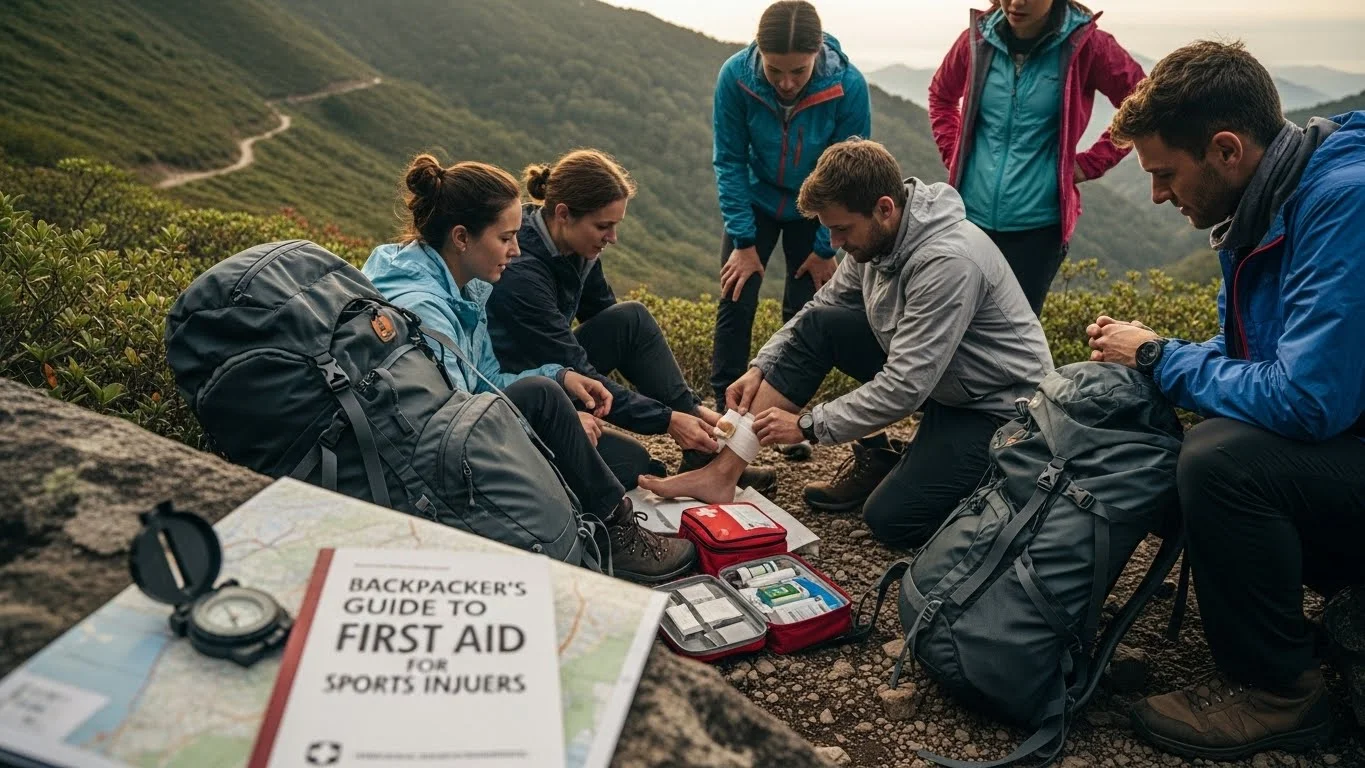
Understanding Sports Injuries
When I first started backpacking, I didn’t think much about sports injuries. I was more focused on the breathtaking views and the thrill of the trails. However, a few slips and falls taught me the importance of understanding sports injuries. I realized that knowing what to look out for and how to respond could make a significant difference in our adventures.
Common Types of Sports Injuries
As I explored various trails, I learned that sports injuries can generally be categorized into a few common types. These include:
- Sprains: These occur when ligaments are stretched or torn. I remember twisting my ankle during a steep descent, and it was a painful reminder of how easily a sprain can happen.
- Strains: Strains affect muscles or tendons, which can lead to stiffness and pain. I felt this after a long hike when my calves were sore from overexertion.
- Fractures: A fracture is a break in the bone. Fortunately, I haven’t experienced this personally, but I’ve seen others needing help after a nasty fall.
- Dislocations: This happens when a bone is forced out of its joint. I learned how crucial it is to recognize this, as dislocations can be quite serious.
- Contusions: These are bruises resulting from direct impact. I often get these after stumbling against a rock or tree, and while they can be painful, they usually heal on their own.
Symptoms and Signs of Injuries
Recognizing the symptoms of injuries is vital. After my experiences on the trail, I learned to watch out for:
- Pain in the affected area, which can range from mild to severe.
- Swelling or bruising, indicating inflammation or bleeding beneath the skin.
- Difficulty moving the affected part, which can signal a more serious injury like a fracture or dislocation.
- Warmth or redness around the injury, suggesting an inflammatory response.
Being aware of these signs has helped me gauge when to take a break or seek help. I remember hiking with a friend who had a sprained ankle, and recognizing the symptoms allowed us to handle it quickly before it worsened.
Risk Factors for Sports Injuries
Over time, I discovered that several risk factors can increase the likelihood of experiencing a sports injury. Some of these include:
- Lack of Conditioning: If we don’t prepare our bodies with proper training, we are more susceptible to injuries. I’ve learned the hard way that jumping into a challenging hike without adequate prep can lead to strains and sprains.
- Improper Technique: Whether it’s running or climbing, using the wrong technique can lead to injuries. I once saw someone trip because they weren’t paying attention to their foot placement while hiking.
- Inadequate Warm-Up: Skipping warm-ups is a recipe for disaster. I’ve made this mistake before, and my muscles certainly let me know it afterward!
- Overexertion: Pushing too hard can lead to fatigue and increase the risk of accidents. I remember a time when I ignored my body’s signals and ended up with sore muscles for days.
By understanding these risk factors, I’ve been able to adjust my approach to backpacking and take precautions to reduce my chances of injury. It’s all about listening to our bodies and being mindful of how we treat them on the trail.
Having shared my personal experiences and insights, I hope this information helps you navigate the potential pitfalls of sports injuries while backpacking. Being informed is the first step in ensuring our adventures remain enjoyable and safe.
Essential First Aid Supplies for Backpackers
When I’m packing for a backpacking trip, one of the things I never overlook is my first aid kit. I’ve learned the hard way that being prepared can save a lot of pain and hassle on the trail. Having the right supplies can make a huge difference if something goes wrong. This isn’t just about carrying band-aids; it’s about being equipped to handle various injuries we might encounter while enjoying the great outdoors.
Basic First Aid Kit Components
Over the years, I’ve crafted a first aid kit that I feel covers all the bases. Here’s what I include:
- Adhesive Bandages: I always keep various sizes of band-aids for small cuts and scrapes. They’re simple but effective.
- Gauze Pads and Tape: For larger wounds, I carry sterile gauze pads and medical tape. I remember when a friend got a deep cut, and having these on hand helped us stop the bleeding quickly.
- Antiseptic Wipes: Keeping our wounds clean is essential, so I always pack antiseptic wipes or spray to disinfect cuts.
- Elastic Bandage: This is great for wrapping sprains or strains. I’ve used it multiple times after twisting my ankle during a hike.
- Scissors and Tweezers: A good pair of scissors can help cut tape or gauze, while tweezers are handy for removing splinters or ticks.
- Pain Relievers: I carry a small supply of ibuprofen or acetaminophen. They’ve come in handy after long hikes when muscle soreness kicks in.
- Instant Cold Packs: These are lifesavers for reducing swelling. I remember a time when one of my friends rolled their ankle, and applying a cold pack immediately helped.
- First Aid Manual: While I’ve learned a lot, having a manual can be a lifesaver in emergencies, especially if I’m unsure how to treat a particular injury.
Recommended Brands and Products
When it comes to choosing products, I’ve found that certain brands consistently provide quality. My go-to brands include:
- Adventure Medical Kits: They offer a variety of pre-packaged first aid kits that are perfect for backpacking. I’ve used their kits and appreciate how comprehensive they are.
- Band-Aid: You can’t go wrong with the classic. They have a range of sizes and types, including waterproof options, which are a must for outdoor activities.
- Therm-a-Rest: Their instant cold packs are easy to carry and activate, which is crucial when you need quick relief.
- Benadryl: I always pack antihistamines just in case of allergic reactions. I’ve had friends who needed it after coming into contact with certain plants.
How to Pack Your First Aid Kit Efficiently
Efficient packing is just as important as choosing the right supplies. I’ve learned a few tricks to keep my first aid kit organized:
- Use a waterproof bag: I prefer a durable, waterproof bag to protect the contents from moisture. This has saved my supplies more than once during unexpected rain showers.
- Group similar items: I separate items into small zip-lock bags (e.g., one for bandages, one for medications). This way, I can easily find what I need without rummaging through everything.
- Keep it lightweight: I try to be mindful of the weight of my first aid kit. Only include what I think I will realistically need. I’ve seen too many backpackers overpack and regret it later.
- Check and restock regularly: After each trip, I go through my kit to replace any used items. This habit ensures that I’m always prepared for the next adventure.
By taking the time to assemble a well-thought-out first aid kit and packing it efficiently, I feel more confident in my ability to handle any injuries while out on the trails. It’s become a vital part of my backpacking gear, and I encourage everyone to invest in their own first aid preparedness. You never know when it might come in handy!
Immediate Response to Common Sports Injuries
When we’re out on the trails enjoying nature, the last thing we want is for an injury to interrupt our adventure. However, accidents happen, and knowing how to respond quickly can make all the difference. I’ve faced my share of mishaps, and I’ve learned that a few simple steps can help manage injuries until we can get proper care if needed.
Sprains and Strains
Sprains and strains are among the most common injuries we encounter while backpacking. I remember the time I twisted my ankle during a hike. It hurt, and I was worried about how it would affect the rest of our trip. Fortunately, I had learned about the R.I.C.E. method, which proved to be a lifesaver.
R.I.C.E. Method (Rest, Ice, Compression, Elevation)
- Rest: The first step is to stop any activity. I learned that pushing through the pain can make things worse. Taking a break allows my body to start healing.
- Ice: Applying ice to the injured area can reduce swelling and numb the pain. I often carry a small ice pack in my first aid kit. If I don’t have that, I’ve even used a bag of frozen veggies from my cooler in a pinch!
- Compression: Wrapping the injured area with an elastic bandage can help control swelling. I’ve found that it provides necessary support, especially if I need to move around a bit.
- Elevation: Keeping the injured limb elevated helps reduce swelling. I often prop my foot up on my backpack while resting. It’s a simple step, but it really makes a difference.
By following the R.I.C.E. method, I’ve managed to reduce recovery time and get back on the trail more quickly than I expected.
Fractures and Breaks
Fractures can be more serious than sprains or strains. While I haven’t personally had a fracture, I’ve witnessed friends suffer from them. Recognizing the signs early can lead to better care.
Identifying Fractures and Initial Care
- Signs of a fracture: Look for severe pain, swelling, deformity, or inability to use the affected area. If someone’s arm looks bent in a way it shouldn’t, it’s a red flag!
- Initial care: If I suspect a fracture, I make sure the person doesn’t move the injured area. It’s important to keep it as still as possible until professional help arrives. I’ve seen friends splint an injured arm using a rolled-up magazine to stabilize it on the way to a medical facility.
- Seeking help: If I suspect a fracture, I prioritize getting to a hospital or clinic as quickly as possible. I’ve learned that timely treatment can prevent complications.
It’s scary to think an injury can lead to something as serious as a fracture, but knowing what to do can ease that fear.
Dislocations
Dislocations can be particularly daunting. I remember a hiking trip where one of my companions fell and dislocated their shoulder. It was a reminder of how quickly things can go wrong.
How to Recognize and Respond
- Recognition: Signs of a dislocation include visible deformity, intense pain, and swelling. If I notice a joint that looks out of place, it’s crucial to take action.
- Immediate response: I avoid trying to pop the joint back in place myself. Instead, I keep the person still and calm. It’s important to reassure them while waiting for professional help.
- Support: Using a makeshift sling can help if the injury involves an arm. I’ve fashioned slings from a bandana or a piece of clothing to provide support until we can get proper care.
Dislocations can be scary, but staying calm and knowing how to provide support can make a tough situation a bit more manageable.
Contusions and Bruises
Contusions, or bruises, are common and usually not serious. However, they can still be painful. I’ve had my fair share of bumps and bruises from hiking, especially when I’m not paying attention to my surroundings.
Signs and Treatment Strategies
- Signs: A visible bruise accompanied by tenderness and swelling is a clear indicator. It’s usually not serious, but I still take note of it.
- Treatment: For minor bruises, I recommend the R.I.C.E. method again. Resting, icing, and elevating the area can help ease the discomfort.
- Monitor: I keep an eye on the bruise over the next few days. If it doesn’t improve or if I notice increased pain, I consider seeking medical advice.
Understanding how to respond to these common injuries has made a big difference in my backpacking experiences. It gives me peace of mind knowing that I can handle emergencies effectively and keep the adventure alive.
Preventative Measures for Backpackers
Preventing injuries is just as important as knowing how to respond when they happen. From my personal experience, I’ve found that taking certain precautions can significantly reduce the risk of injuries while backpacking. Here are some strategies that have worked for me:
Warm-Up and Stretching Techniques
Before hitting the trails, I make it a point to warm up my muscles. I used to skip this step, thinking I was wasting time, but I learned the hard way how essential it is. Now, I spend about 10-15 minutes stretching and warming up my body. Simple stretches for my legs, hips, and back can go a long way in preparing me for the hike ahead.
I’ve found that dynamic stretches—like leg swings and arm circles—really help get my blood flowing. I also prioritize static stretches afterward to cool down. This routine helps me to stay limber, reducing the risk of strains and sprains during hikes.
Choosing the Right Gear and Equipment
Investing in the right gear has been a game changer for my backpacking trips. I remember when I first started, I didn’t pay much attention to my footwear, and I ended up with blisters and sore feet after just a day on the trail. Now, I make sure to choose well-fitted, comfortable hiking boots or shoes that provide good support.
Additionally, I’ve learned to pay attention to other equipment as well. A well-fitted backpack that distributes weight properly helps prevent back and shoulder pain. I also consider weather conditions when selecting my gear, like lightweight clothing for hot days and waterproof options for rain. Proper gear not only enhances comfort; it can also prevent potential injuries. For more information on preventing injuries, read Understanding Childhood Sports Injuries: Prevention and Care.
Staying Hydrated and Healthy
Hydration is crucial when we’re out in the sun, hiking for hours. I always carry enough water and often remind myself to sip regularly. Dehydration can lead to fatigue, which increases the risk of accidents. On one trip, I didn’t drink enough water and ended up feeling dizzy and weak, which was a scary experience. Now, I pay close attention to my hydration levels and even set reminders if needed.
Eating well is also part of the equation. I try to pack nutritious snacks like nuts, granola bars, and dried fruits to keep my energy levels up. A balanced diet not only fuels my adventures but also helps maintain my overall health, making me less prone to injuries.
Advanced First Aid Techniques for Sports Injuries
Even with all the prevention strategies, injuries can still occur, and knowing advanced first aid techniques can be incredibly beneficial. I’ve gathered some insights that have helped me feel more prepared on the trail.
Using Athletic Tape and Braces
Athletic tape has become one of my best friends while backpacking. It’s versatile and can provide support to joints that feel a bit unstable. I’ve used it for my knees and ankles, especially on longer hikes where I know I might push my limits. I’ve learned that a little extra support can help prevent injuries before they happen.
Braces are another option I consider for added support. If I feel a previous injury acting up, I won’t hesitate to wear a brace to safeguard against further issues. It’s like giving myself a safety net while out enjoying nature.
Dealing with Cuts and Lacerations
Cuts and lacerations can happen unexpectedly, so knowing how to handle them is key. I remember one hike where a thorn from a bush caused a nasty scratch on my arm. I quickly cleaned the area with antiseptic wipes from my first aid kit, applied gauze, and wrapped it securely. It’s crucial to keep the wound clean and monitor it for signs of infection, which I’ve learned can happen even from minor injuries.
When to Seek Professional Medical Help
While I strive to manage injuries myself, I’ve learned the importance of recognizing when it’s time to seek professional help. If an injury is severe or doesn’t improve after a few days, it’s better to consult a medical professional. I’ve had moments where I thought I could tough it out, only to later realize that proper medical attention was necessary to avoid complications.
Final Thoughts
Backpacking is one of my favorite ways to connect with nature, and knowing how to handle sports injuries has made my adventures so much more enjoyable. With the right knowledge, preparation, and a well-packed first aid kit, we can navigate the ups and downs of the trails with confidence. Remember, it’s not just about avoiding injuries; it’s about embracing the journey while being prepared for whatever comes our way. So gear up, stay safe, and enjoy every moment spent outdoors! For parents, a great resource is Childhood Sports Safety: Injury Prevention Strategies for Parents.
Frequently Asked Questions
What are the common types of sports injuries encountered while backpacking?
The common types of sports injuries include sprains, strains, fractures, dislocations, and contusions. Each type has its own implications and requires different responses.
What does the R.I.C.E. method stand for in the context of treating sprains and strains?
The R.I.C.E. method stands for Rest, Ice, Compression, and Elevation. It is a recommended approach for managing sprains and strains effectively.
What are some symptoms that indicate a sports injury?
Symptoms of a sports injury can include pain in the affected area, swelling or bruising, difficulty moving the affected part, and warmth or redness around the injury.
What is the importance of proper conditioning before hiking?
Proper conditioning is crucial because it prepares the body for physical activity, reducing the susceptibility to injuries like strains and sprains that can occur from overexertion.
What basic components should be included in a first aid kit for backpacking?
A basic first aid kit for backpacking should include adhesive bandages, gauze pads and tape, antiseptic wipes, an elastic bandage, scissors and tweezers, pain relievers, instant cold packs, and a first aid manual.
How can one efficiently pack a first aid kit for backpacking?
To pack a first aid kit efficiently, use a waterproof bag, group similar items into zip-lock bags, keep the kit lightweight, and check and restock it regularly after each trip.
What should you do if you suspect someone has a fracture?
If you suspect someone has a fracture, keep the injured area still and avoid moving it. Seek professional help as quickly as possible to prevent complications.
What role does hydration play in preventing injuries while hiking?
Hydration is crucial because it helps maintain energy levels and prevents fatigue, which can increase the risk of accidents and injuries while hiking.
When is it necessary to seek professional medical help for an injury?
It is necessary to seek professional medical help if an injury is severe, doesn’t improve after a few days, or if you notice signs of infection or complications.
What preventative measures can backpackers take to reduce the risk of injuries?
Backpackers can reduce the risk of injuries by warming up and stretching before hikes, choosing appropriate gear, staying hydrated, and maintaining a balanced diet for overall health.