
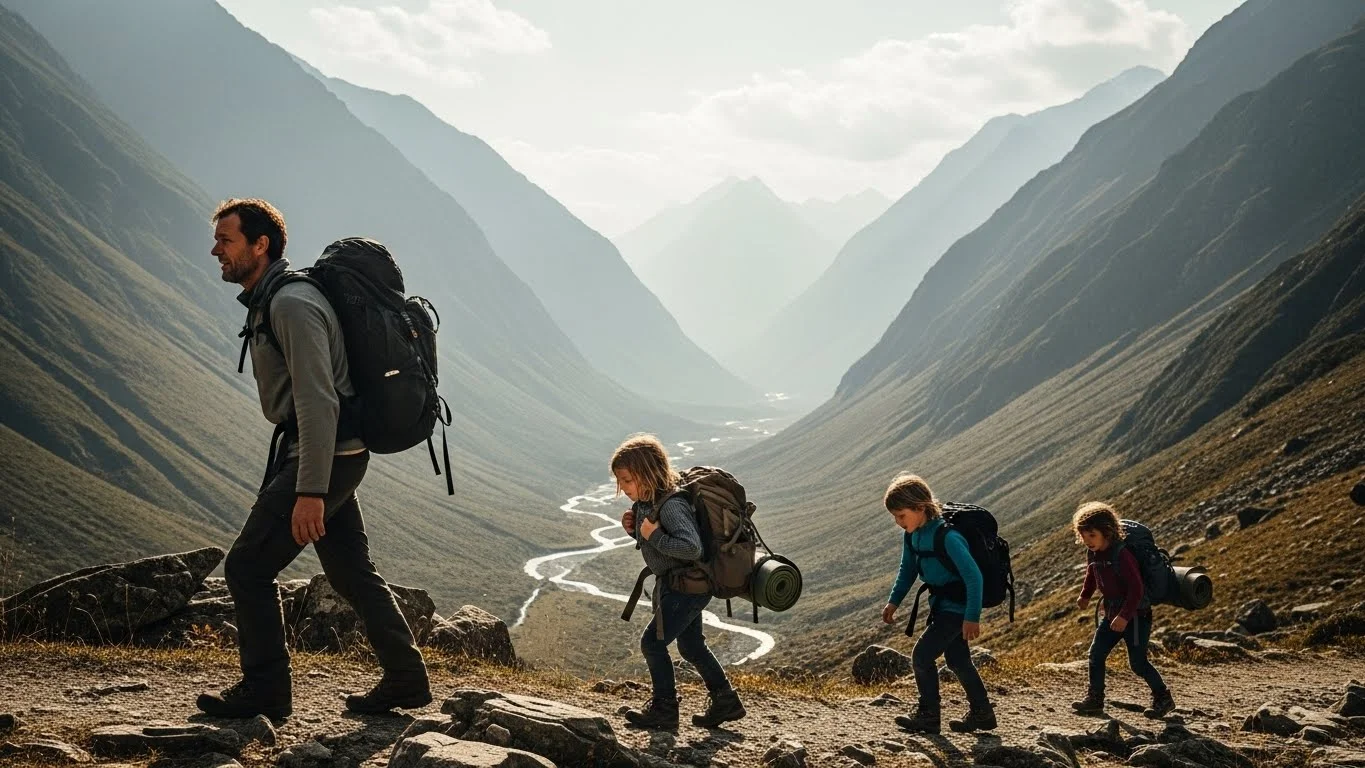
Backpacking can be a transformative experience, especially for families navigating the waters of uninvolved parenting. As we hit the trails, we discover not just nature, but deeper connections with our children and ourselves.
Understanding Uninvolved Parenting
Definition and Characteristics of Uninvolved Parenting
Uninvolved parenting, often referred to as neglectful parenting, is a style that lacks both responsiveness and demandingness. I remember reading about it and thinking about how some parents seem to be physically present but emotionally distant. It’s like being in a room full of people where no one is really talking to each other. This parenting style often manifests in a few key characteristics. Parents may provide basic needs but offer little emotional support or guidance. I’ve seen it in families where kids seem to be raising themselves, managing their own schedules, and finding their own ways to cope with life’s challenges.
One of the most significant traits of uninvolved parenting is the lack of communication. I’ve noticed that many children in these environments don’t feel comfortable expressing their thoughts or feelings. They might not know how to articulate what they need, leading to feelings of isolation. Another common characteristic is the absence of set rules or expectations. This can create confusion for children who thrive on structure. From my experience, children in these situations often end up feeling lost and unsure of themselves.
Impact of Uninvolved Parenting on Children
The effects of uninvolved parenting can be quite profound. I’ve seen firsthand how children raised in such environments often struggle with self-esteem and emotional regulation. They may have trouble forming healthy relationships because they haven’t learned how to communicate effectively or trust others. It’s heartbreaking, really. Many of these kids grow up feeling like they have to fend for themselves, which can lead to a host of issues later in life.
Academically, children from uninvolved homes tend to perform poorly in school. They lack motivation and support, which makes it difficult for them to thrive in a structured learning environment. I remember speaking with a teacher who shared her experience with a group of students who came from uninvolved backgrounds. The kids often showed up unprepared and disengaged, which only reinforced their struggles. This lack of engagement can create a cycle that’s hard to break.
Emotionally, these children might develop anxiety or depression. I think about how important it is for kids to feel secure and supported. Without that foundation, they may turn to unhealthy coping mechanisms as they grow older, leading to challenges in their personal and professional lives. I’ve encountered individuals who, despite their talents, have faced obstacles stemming from their childhood experiences, often tracing them back to a lack of parental involvement.
Benefits of Backpacking for Families
Fostering Connection Through Shared Experiences
Backpacking is one of the best ways I’ve found to foster connection within a family. There’s something magical about being out in nature, away from screens and daily distractions. I remember taking my children on a weekend backpacking trip, and it was like a breath of fresh air for our relationships. We shared stories around the campfire, laughed over silly mishaps, and even tackled the challenges of the trail together. It’s during these moments that I saw my kids open up, share their thoughts, and connect with me in ways that felt so much deeper than our typical routine.
Being in the great outdoors encourages conversations that might not happen in the hustle and bustle of everyday life. I’ve learned that when we’re faced with the challenges of the trail—whether it’s setting up a tent in the rain or navigating a tricky path—there’s an opportunity to work together. These shared experiences create lasting memories and strengthen familial bonds. I believe that every family should consider getting outside together. It could be the push needed to create a more connected and involved family dynamic.
Encouraging Independence and Resilience
Backpacking also teaches kids valuable life skills that promote independence and resilience. I’ve noticed that when children are given the responsibility of carrying their gear or helping to map out the trail, they begin to develop a sense of self-reliance. It’s empowering to watch them realize that they can navigate challenges on their own. I think back to a hike we took where my youngest had to climb over a rocky section of the trail. With a little encouragement, he made it through and felt a surge of pride. That moment was more than just about the hike; it was a life lesson about perseverance and believing in oneself.
Moreover, facing the unknown aspects of backpacking—like sudden weather changes or encountering wildlife—helps build resilience. I’ve seen my kids learn to bounce back from disappointments, whether it was a canceled camping trip due to rain or a tough day on the trail. These experiences can teach them about adaptability and problem-solving. It’s like nature’s classroom, and every hike is a new lesson. For me, knowing that I’m helping my children cultivate these skills feels like a step toward becoming a more involved parent.
Planning Your Backpacking Adventure
Choosing the Right Destination
When it comes to planning a backpacking trip, I’ve learned that selecting the right destination is crucial. It can make or break the entire experience for the family. I remember our first trip, where we had high hopes of exploring a popular national park. However, we quickly found out that the trails were too challenging for our kids, which led to frustration instead of fun. That’s when I realized how important it is to choose a location suited to our family’s abilities and interests.
As I plan our trips now, I consider factors like the age of my children, their physical fitness levels, and what kind of experience we want to have. A gentle, scenic trail with beautiful views can be just as rewarding as a more strenuous hike. I often look for family-friendly trails that offer shorter distances and manageable elevation gains. Websites and apps dedicated to hiking can be incredibly helpful, providing details about trail conditions and recommendations based on family needs. For me, it’s essential to strike a balance between challenge and enjoyment, ensuring everyone feels engaged without feeling overwhelmed.
Essential Gear for Family Backpacking
Having the right gear can significantly enhance our backpacking experience. I remember our early trips where we learned the hard way about packing. We carried too much, and I could feel the weight of our decisions—not just literally but also in terms of comfort and enjoyment. Over time, I’ve streamlined what we bring, focusing on essentials that make our time in the wilderness enjoyable and safe.
First off, a good backpack is key. I recommend investing in comfortable, adjustable packs for both adults and kids, as they will carry their own gear. I’ve found that letting the kids choose some of their own items gives them a sense of ownership and responsibility. Sleeping bags and tents are also vital; we look for lightweight options that are easy to set up. I usually go for a tent that fits our whole family, ensuring we can snuggle in together at night, under a blanket of stars.
In terms of cooking gear, I prefer compact stoves and lightweight cookware so we can whip up simple meals without too much hassle. Plus, having a first aid kit is non-negotiable. It’s comforting to know that we’re prepared for minor scrapes and bruises. Essential First Aid Tips for Backpacking Adventures have been invaluable in ensuring we’re ready for any situation. Through our experiences, I’ve learned that the right gear not only boosts our comfort but also enhances our overall enjoyment of the adventure.
Budgeting for Your Trip
As much as I love the idea of getting out into nature, I also know that budgeting for a backpacking trip can be a daunting task. I’ve faced the reality of balancing my desire for adventure with the family budget. One thing I discovered that works for us is setting a budget ahead of time. I take into account travel costs, gear, food, and any fees for campsites or park entrances.
To save some money, we often opt for lesser-known trails, which can be just as beautiful and far less crowded. I’ve found that state parks often offer great hiking experiences at a fraction of the cost of national parks. We also explore options like car camping or staying in cabins for our base camp, which can help reduce the need for extensive gear. Involving the kids in budgeting adds to our experience; they learn about financial responsibility while understanding the value of planning for our adventures.
Lastly, I always keep an eye out for sales or discounts on gear and food supplies. I’ve learned to stock up on non-perishable food items and snacks when they’re on sale, which can make a significant difference when we’re preparing for a trip. It’s all part of the adventure, planning and saving for the memories we’ll create together.
Backpacking Routes for Families
Top Family-Friendly Trails
When it comes to choosing the right trails for our family backpacking trips, I’ve discovered that some routes are simply more accommodating for kids than others. I remember our first family-friendly trail was at a local state park. It was a short loop that offered plenty of opportunities to stop and explore. The kids were enchanted by the little streams and picturesque views, and because the hike was manageable, we all had a great time together. It showed me just how important it is to select trails that keep everyone engaged without overwhelming them.
One of my favorite family-friendly trails is the [Trail Name]. It’s known for its gentle incline and breathtaking scenery. As we hike, we often come across interesting wildlife, which keeps the kids on their toes. Another great option is [Trail Name], where the path is lined with wildflowers in the spring. I’ve noticed that trails with unique features, like waterfalls or intriguing rock formations, can really capture the kids’ interest and make the experience memorable.
While planning, I also look for trails that have facilities like restrooms or picnic areas. Having a place to take a break makes it easier for the kids to recharge, and I’ve found that a quick snack break can lift everyone’s spirits. Websites like AllTrails or local hiking blogs often provide reviews and insights that help me narrow down the best family-oriented options, so I always make sure to check those out before we head out.
Safety Considerations for Family Backpacking
Safety is a huge priority for me when I’m planning our backpacking adventures. I’ve learned that being prepared can make all the difference in ensuring our trips are fun and worry-free. One of the first things I do is check the weather forecast. I remember a time when we didn’t pay attention to the changing weather, and we ended up facing unexpected rain. It turned a fun day into a damp experience, so now I always double-check the conditions ahead of time.
In terms of gear, I make sure everyone has appropriate footwear. I can’t stress enough how important it is to have good hiking boots that fit well; blisters can ruin a trip. I also emphasize the importance of wearing layers since temperatures can fluctuate throughout the day. Packing enough water and snacks is another crucial safety measure. I’ve found that staying hydrated keeps our energy levels up and helps maintain a positive mood throughout the hike.
I also take the time to discuss trail safety with my kids before we set out. We talk about staying on marked paths, what to do if we encounter wildlife, and the importance of keeping a safe distance from any animals we might see. I want them to feel empowered and knowledgeable about their surroundings. It’s all about creating a safe environment where they can explore while knowing they have the skills to stay safe.
Activities to Engage Children While Backpacking
Interactive Games and Challenges
One of the things I love about backpacking is the chance to make the journey as engaging as possible for my kids. I’ve found that incorporating games can transform a simple hike into an adventure. For example, we often play “I Spy” with the different plants, animals, and geographical features around us. It’s a fun way to keep everyone involved, and I love hearing their guesses as we move along the trail.
Another favorite is the “Trail Challenge,” where each person has to find something unique, like a specific type of leaf or an interesting rock. When we reach our destination, we share what we’ve found. This not only encourages observation but also sparks curiosity about the environment. I remember one trip when my daughter was determined to find the biggest pinecone, and her enthusiasm made the hike so much more enjoyable for all of us.
Nature Scavenger Hunts
Nature scavenger hunts are another engaging activity I recommend for families. Before we hit the trail, I create a simple checklist of items to find, like certain birds, types of flowers, or even specific insects. The kids get excited about the hunt, and it keeps their minds active while we walk. I’ve noticed that it encourages them to look closely at their surroundings and appreciate the beauty of nature in ways they might not usually do.
In some cases, I’ve even let the kids take turns leading the adventure. They get to pick the path and find items on the scavenger hunt list. This responsibility not only boosts their confidence but also gives them a sense of ownership over the hike. It’s amazing to see how much more invested they become when they feel like they have a role in the journey. These activities add layers of fun to our backpacking trips, making each outing a unique experience filled with laughter and learning.
Building a Stronger Bond Through Adventures
Communication Strategies During the Trip
One of the most surprising things I found during our backpacking trips was how much easier it became to communicate. I remember a time when my son had a little meltdown on the trail. He was tired, and I could see he was struggling. Instead of getting frustrated, I knelt down beside him, and we talked about what was bothering him. It was in that moment, surrounded by the beauty of nature, that we were able to have an honest conversation about his feelings. I realized how much the relaxed environment contributed to our openness.
During our hikes, I’ve learned to ask open-ended questions that invite my children to share their thoughts. Instead of simply asking if they’re having fun, I’ll ask them what their favorite part of the hike has been so far or what they’re looking forward to seeing next. I noticed that this not only encourages them to express themselves but also deepens our connection as we share our perspectives on the adventure. Sometimes, I even share my own thoughts and feelings about the hike, which helps model the kind of communication that builds trust and understanding in our family.
Reflecting on Experiences Together
After each trip, I make it a point to sit down with my kids and talk about our experiences. We might gather around our kitchen table or cozy up on the couch, and I’ll encourage them to share their favorite moments or any challenges they faced. I’ve found that reflecting together allows us to process the trip and understand its impact on our relationships. It’s also a great opportunity for them to articulate their feelings and for me to listen and validate their emotions.
We often look at photos from the trip and reminisce. I’ll ask questions like, “What was the most exciting part of the hike for you?” or “Did anything surprise you?” These conversations have been instrumental in reinforcing the lessons learned during our time in nature while also celebrating the memories we created together. I believe that reflecting on our experiences helps solidify our bond and encourages us to keep exploring together.
Overcoming Challenges of Uninvolved Parenting
Recognizing Signs of Uninvolved Parenting
As I’ve explored the connection between backpacking and parenting, I’ve come to realize the importance of recognizing the signs of uninvolved parenting. Sometimes, it’s easy to overlook our behavior in the hustle and bustle of daily life. I’ve had moments where I’ve been preoccupied with work or personal stress, and I noticed my kids were becoming more withdrawn. It was a wake-up call for me. Understanding these signs can help us pivot towards being more engaged and present.
For instance, I’ve seen children become more isolated or disengaged when parents aren’t actively participating in their lives. If I start to notice my children spending more time on screens or avoiding conversation, it’s a clear indicator that I need to step up my involvement. It’s essential to reflect on how our actions—whether consciously or not—affect our children’s emotional well-being and sense of connection.
Strategies to Become More Involved During Your Trip
Implementing strategies to become more involved during our backpacking trips has been transformative. One approach I’ve adopted is to create collaborative goals for our adventures. Before we set out, I’ll discuss with my kids what they hope to achieve on the trip—whether it’s reaching a certain viewpoint or learning about different plants along the way. By including them in the planning process, I’ve noticed they become more invested in the experience.
Additionally, I make it a point to engage in hands-on activities during our trips. Whether it’s cooking meals together or setting up our campsite, I involve my kids in every step. This not only keeps them engaged but also builds their skills and confidence. I’ve seen how these shared tasks cultivate a sense of teamwork and cooperation, which are vital for a healthy family dynamic. It’s rewarding to witness the joy in my children when they realize they can contribute meaningfully to our adventures.
Post-Trip Reflection and Growth
Discussing Lessons Learned from the Adventure
After each backpacking journey, I find it incredibly valuable to discuss the lessons we’ve learned. I’ve adopted a tradition where we each share one thing we learned during the trip, whether it’s about nature, teamwork, or even ourselves. This practice reinforces the idea that every adventure is an opportunity for growth. I remember a recent trip where my daughter said she learned the importance of patience while waiting for the right moment to take a picture. It sparked a wonderful conversation about how patience applies in various aspects of life.
Maintaining Connection After the Trip
Once we’re back from our adventures, I work to maintain that connection by planning regular family outings. I’ve discovered that it’s crucial to carry the spirit of our backpacking experiences into our everyday lives. Whether it’s a short hike after school or a weekend picnic at a local park, these activities help keep our bond strong. I also encourage my kids to bring their friends along, allowing them to share the joy of nature and connection with others. It’s
Frequently Asked Questions
What is uninvolved parenting?
Uninvolved parenting, also known as neglectful parenting, is a style that lacks both responsiveness and demandingness. It often features parents who are physically present but emotionally distant, providing basic needs without emotional support or guidance.
What are the characteristics of uninvolved parenting?
Characteristics of uninvolved parenting include a lack of communication, absence of set rules or expectations, and children often feeling isolated and unsure of themselves. Parents may provide for basic needs but fail to engage emotionally or provide guidance.
How does uninvolved parenting impact a child’s development?
Children raised in uninvolved environments often struggle with self-esteem, emotional regulation, and forming healthy relationships. They may also perform poorly academically and develop anxiety or depression due to a lack of parental support.
How can backpacking benefit families?
Backpacking fosters connection within families by providing shared experiences in nature. It encourages conversations and teamwork, helping family members bond more deeply than in everyday life.
What life skills can children learn from backpacking?
Backpacking teaches children valuable life skills such as independence, resilience, and problem-solving. Responsibilities like carrying gear and navigating trails help them develop self-reliance and adaptability.
What should families consider when planning a backpacking trip?
Families should choose a destination suitable for their children’s age and fitness levels, consider scenic and manageable trails, and ensure that the chosen route provides engaging experiences without overwhelming challenges.
What gear is essential for family backpacking?
Essential gear for family backpacking includes comfortable backpacks, lightweight sleeping bags, tents that fit the family, compact cooking gear, and a first aid kit. Proper footwear and clothing layers are also crucial for safety and comfort. Additionally, families should consider Top 5 Emergency Kits for Family Backpacking Adventures to ensure they are well-prepared.
How can families budget for a backpacking trip?
Families can budget by setting a clear budget ahead of time, considering travel costs, gear, food, and campsite fees. They can save money by choosing lesser-known trails, exploring state parks, and involving children in budgeting discussions.
What activities can engage children while backpacking?
Interactive games like “I Spy” and “Trail Challenge,” as well as nature scavenger hunts, can engage children during hikes. These activities encourage observation, curiosity, and a sense of ownership over the journey.
How can parents overcome uninvolved parenting during trips?
Parents can overcome uninvolved parenting by recognizing signs of disengagement and implementing strategies to be more involved, such as setting collaborative goals, engaging in hands-on activities, and reflecting on lessons learned after the trip.