
Backpacking is more than just hitting the trails; it’s also a fantastic opportunity to enhance your reading skills. Combining adventure with literature can lead to unforgettable experiences and personal growth. Read Interesting article: Top Assistive Tech Tools for Budget Backpacking Adventures
Understanding the Connection Between Backpacking and Reading Skills
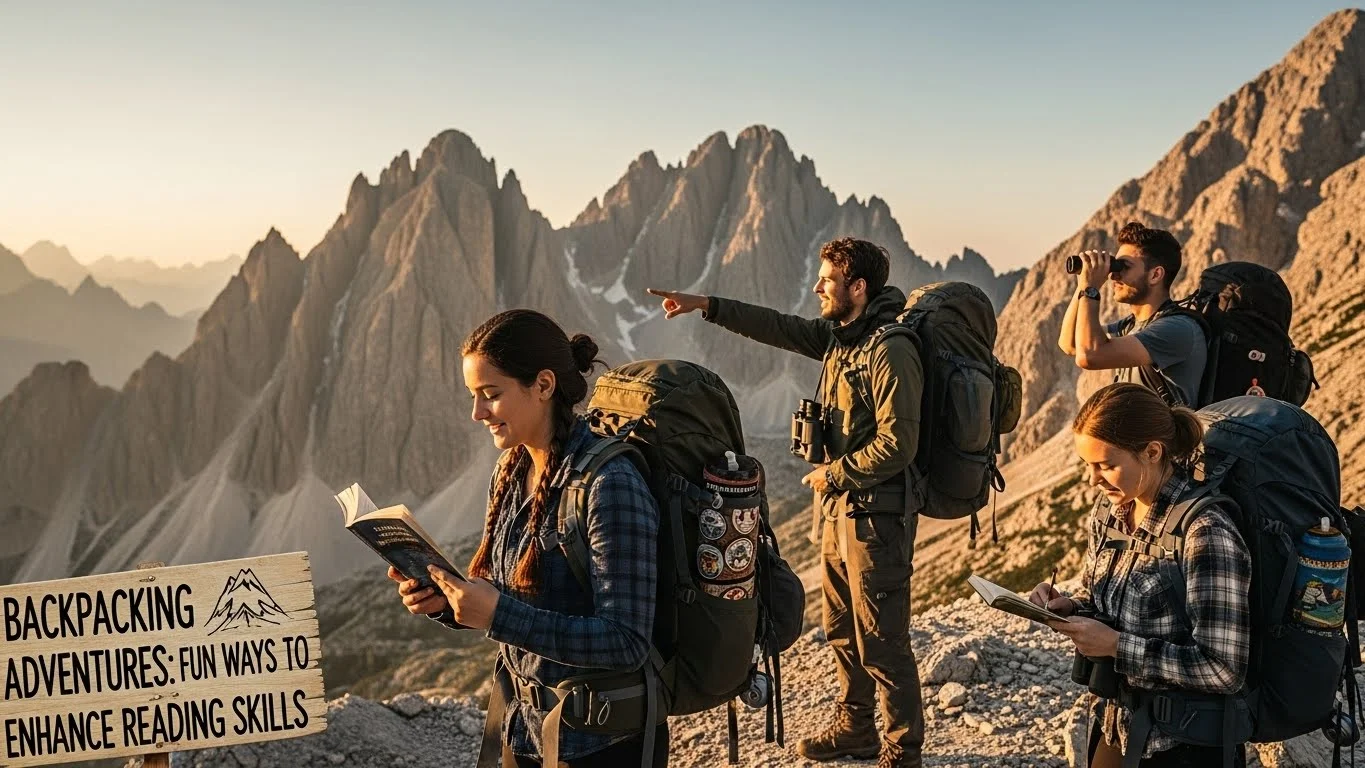
When I think about the times I’ve spent backpacking, I can’t help but recall how those moments often included a good book. There’s something magical about being surrounded by nature with a story in hand. It’s like the world around you fades away, and the pages come alive. Reading while backpacking not only fills those quiet moments but also nurtures our minds in ways we might not even realize. I’ve found that there’s a deep connection between exploring the great outdoors and enhancing our reading skills. Let’s dive into how these two love affairs can intertwine beautifully.
The Benefits of Reading While Traveling
Reading while traveling—especially during a backpacking adventure—offers numerous benefits. For starters, it creates a perfect balance between physical activity and mental engagement. When I’m hiking during the day, I often find that my mind craves some downtime. That’s when I pick up a book. Engaging with the text helps me unwind, allowing my brain to process the day’s experiences. Reading stimulates our imagination, which can lead us to think more deeply about what we see. I’ve noticed that after reading a captivating story, I often reflect on it while hiking, enhancing my overall experience. The beauty of nature becomes intertwined with the themes and emotions of the book.
Moreover, reading boosts vocabulary and comprehension skills. When I read on the trail, I often come across new words or phrases that I might have otherwise missed in everyday life. It’s as if the serene environment allows the words to sink in more deeply. I believe that reading amidst stunning landscapes challenges us to think critically about the stories we encounter, encouraging us to analyze characters, settings, and themes more thoroughly.
How Backpacking Encourages a Love for Reading
Backpacking can awaken a profound love for reading, especially when you couple it with the right environment and mindset. I remember a trip to the mountains where I decided to take along a book that had been on my shelf for ages. The moment I settled into my campsite, surrounded by towering evergreens and the sound of a nearby stream, I felt compelled to open it. That magical connection between nature and story ignited a passion within me that I didn’t know I had. I think that when we step away from our daily distractions, like our phones and the hustle of city life, we can truly appreciate the beauty of a good book.
Additionally, the simplicity of a backpacking trip encourages us to focus on the essentials. When we can only carry a limited number of items, we often prioritize what truly matters. I’ve learned that a good book can be just as essential as my water supply or camping gear. It becomes a vital companion, enriching the journey and fostering moments of reflection at the end of a long day. The isolation of the outdoors gives us the chance to truly immerse ourselves in the stories we read, making them resonate even more.
Sometimes, I find that the books I choose to read while backpacking are influenced by the landscapes I’m traversing. For instance, reading about a mystical forest adventure while hiking in an actual forest creates a unique synergy. The descriptions in the book suddenly feel more vivid, and I often find myself relating to the characters in ways I wouldn’t have otherwise. This connection not only enhances my reading experience but also deepens my appreciation for the environment around me. I’ve realized that each backpacking trip can transform my reading list into an adventure of its own.
Books have the remarkable ability to transport us to different worlds, and when we’re physically on an adventure, that effect multiplies. I often think about how my reading habits have evolved through my travels. Each book not only enhances my journey but also shapes my understanding of the places I visit. I’ve come to cherish the moments spent reading in the great outdoors, as it has turned into a ritual that rejuvenates my spirit and enriches my mind.
Choosing the Right Books for Your Backpacking Trip
Genres that Inspire Adventure and Exploration
When it comes to selecting the perfect book for a backpacking trip, I’ve discovered that certain genres really enhance the experience. Adventure novels, travel literature, and nature writing are my go-to choices. There’s something about reading stories filled with exploration and discovery that complements the thrill of being outdoors. I remember reading “Into the Wild” by Jon Krakauer one summer while hiking in the mountains. The themes of adventure and self-discovery echoed my own experiences, making every turn of the trail feel like a page turned in my life.
Additionally, I’ve found that books featuring strong, adventurous characters can be incredibly inspiring. They push me to tackle challenges on the trail and remind me of my own capabilities. Whether it’s a gripping survival story or a tale of courage, these narratives fuel my motivation and resonate with the spirit of backpacking. I often pick up books that transport me to different parts of the world, allowing my imagination to wander as much as my feet do. When I finished a novel set in the lush jungles of South America, I felt as though I had explored those dense forests myself, and it made my hikes feel richer and more significant.
Travel Guides vs. Fiction: What to Pack
Deciding between travel guides and fiction can be a bit of a dilemma. I’ve learned that both have their own charm. Travel guides are great for practical information about the area I’m exploring. They often provide insights about local culture, history, and must-see spots. But I must admit, fiction is what truly enriches my backpacking experience. It allows me to escape into different worlds while simultaneously connecting with the environment around me. I often pack a mix of both; I’ll have a guidebook tucked away for reference, but I make sure to have a gripping novel in my hands for those moments of relaxation. Read Interesting article: 10 Budget-Friendly Lunchbox Ideas for Backpacking Adventures
In some cases, I’ve even chosen to read books that are set in the locations I’m visiting. For instance, while trekking through the coastal paths of California, I found reading John Steinbeck’s “Cannery Row” to be a delightful experience. The book provided a unique lens through which to appreciate the landscapes around me. It’s amazing how literature can deepen our understanding of a place, and I’ve come to cherish the ways it enhances my travels.
Portable Reading Options: E-Readers and Audiobooks
When I first started backpacking, I used to carry heavy paperbacks, which sometimes became a burden. But then I discovered the convenience of e-readers. They’ve completely transformed how I approach reading on the trail. With an e-reader, I can carry multiple books without the added weight, and adjusting the font size can be a lifesaver during those fading moments of daylight.
Audiobooks are another fantastic option, especially when I’m navigating tricky trails or feeling too tired to hold a book. Listening to a thrilling story while walking allows me to immerse myself in the narrative without sacrificing the beauty of nature around me. I remember one trip where I listened to an audiobook of “Wild” by Cheryl Strayed while hiking through a national park. The combination of her journey and my own made for a truly powerful experience. I felt empowered and motivated, often finding parallels between her struggles and my own as I tackled steep climbs and long stretches of solitude.
Ultimately, the choice between e-readers, audiobooks, and traditional books comes down to personal preference and the type of trip I’m embarking on. I value the flexibility of having options, and I appreciate how each format can enhance my reading experience in different ways. Read Interesting article: Top Dairy-Free Snacks for Budget Backpacking Adventures
Creating a Reading Routine on the Trail
Setting Aside Time for Reading Each Day
Establishing a reading routine while backpacking has become something I genuinely look forward to. I’ve found that setting aside specific times for reading helps me create a balance between hiking and unwinding. After a long day on the trails, there’s nothing quite like settling down by the campfire with a book in one hand and a warm drink in the other. I typically reserve the last hour of daylight for reading, allowing me to absorb the day’s experiences while getting lost in a story.
Sometimes, I’ll even set a small goal for my reading, like finishing a chapter or a certain number of pages before sleeping. This not only keeps me engaged with the book but also gives me a sense of accomplishment at the end of the day. I’ve noticed that this routine deepens my enjoyment of both the hike and the book, creating a satisfying rhythm that enhances my overall experience.
Finding the Perfect Reading Spot
Finding the right reading spot can make all the difference. I remember one evening after a long hike, I stumbled upon a secluded area near a bubbling creek, surrounded by wildflowers and singing birds. It was the perfect setting to crack open my book. I’ve learned to keep an eye out for cozy nooks or scenic viewpoints where I can settle down. A comfortable spot with a stunning view adds a whole new layer to my reading experience. I’ve often found that the beauty of my surroundings complements the narrative, making each word more vibrant and alive.
Incorporating Reading into Campfire Evenings
Campfire evenings are a highlight of any backpacking trip, and I love incorporating reading into that time. As the sun sets and the stars begin to twinkle, I’ll often gather around the fire with friends, sharing stories and laughter. Then, I’ll pull out my book and read a few passages aloud. It’s a wonderful way to engage everyone and create a shared experience. I’ve noticed that reading together can spark discussions, leading to deeper conversations about the themes and ideas presented in the story.
Reading by the fire not only enriches the experience but also creates a comforting atmosphere. The crackling of the flames and the gentle rustle of leaves create a backdrop that enhances the narrative. I find that these moments are special—they allow us to bond over literature while basking in the warmth of the fire and the joy of being in nature.
Engaging with Local Culture Through Literature
Reading Local Authors and Their Works
One of the most rewarding aspects of backpacking is the chance to immerse myself in local culture and history. I’ve found that reading works by local authors adds a whole new layer of understanding to my travels. For instance, during a trip to the Pacific Northwest, I picked up a collection of short stories by a local writer. The way they captured the essence of the region—the misty forests, the rugged coastline, and the vibrant communities—made me see the landscapes around me in a completely different light. It felt like I was walking through the very pages of the book.
I believe that local literature can provide insights into the struggles, joys, and values of the people who inhabit the places we visit. When I read about the traditions and folklore of a region, I feel more connected to it. I remember reading a novel set in the deserts of Arizona, where the author beautifully depicted Native American culture. This enriched my experience as I explored those very landscapes, leading me to appreciate the history and stories of the land I was traversing.
Books that Reflect the History and Culture of Your Destination
Another way to engage with the local culture is by selecting books that reflect the history and heritage of my destination. I often seek out historical fiction or non-fiction that dives into significant events or cultural movements of the area I’m exploring. For example, while backpacking through New England, I read a historical novel set during the American Revolution. The author’s vivid descriptions of the struggles and triumphs of the time helped me connect with the trails and towns I visited.
The beauty of this approach is that it turns my hikes into a living history lesson. I remember standing at a battlefield site after reading about the events that took place there. It was as if the words I had absorbed came to life before my eyes. This connection not only deepens my understanding of the location but also helps me appreciate the journey of those who came before me.
Reading as a Way to Connect with Fellow Travelers
Reading often serves as a bridge to connect with other travelers I meet on the trail. I’ve had countless conversations sparked by a book cover or a passage I was engrossed in at a campsite. There’s something special about sharing thoughts on a story that resonates with both of us. I recall one evening when I was reading a book about mountaineering while camping in the Rockies. A fellow hiker stopped by, saw my book, and we ended up chatting for hours about our favorite outdoor stories.
These connections not only enrich my experience but also create lasting friendships. I’ve learned that books can be great conversation starters and can lead to deeper discussions about our journeys and adventures. Whether it’s exchanging recommendations or simply sharing insights about a character’s journey, reading becomes a shared experience that bonds us together.
Fun Activities to Enhance Reading Skills While Backpacking
Book Clubs on the Go: Starting a Traveling Book Club
One of my favorite ways to enhance my reading experience while backpacking is by starting a traveling book club with fellow adventurers. I’ve found that discussing a book at the end of the day can lead to engaging conversations and a deeper understanding of the themes we’ve encountered. It’s a wonderful way to foster camaraderie among hiking companions. We often choose a book that resonates with our journey, whether it’s a tale of adventure or a story rooted in the region we’re exploring.
Typically, we set aside some time each evening to discuss what we’ve read. I find that these discussions not only enhance our understanding of the book but also create a sense of community. Everyone brings their unique perspective, and it often leads to fascinating exchanges about life, nature, and the challenges we face on the trail. I recommend giving it a try if you’re traveling with friends or even meeting new people along the way!
Journaling Your Reading Experiences
Another activity I enjoy is journaling about my reading experiences during my trips. I’ve found that reflecting on the stories I’ve read while surrounded by nature helps solidify my understanding and keeps the memories alive long after the journey is over. I like to jot down my thoughts on how the book relates to my hiking experiences, the emotions I felt, and any insights that struck me while reading.
Sometimes, I’ll even sketch a scene or write a few lines of poetry inspired by the book and the landscapes I’m exploring. This creative outlet not only enhances my reading skills but also encourages me to think critically about the narratives. Plus, it’s a fun way to capture my adventure, and looking back at my journal brings a wave of nostalgia.
Creative Writing Prompts Inspired by Your Journey
Incorporating creative writing prompts into my backpacking trips has become a delightful way to engage my imagination. I often set aside a few moments each day to write about the sights, sounds, and feelings I encounter on the trail. For instance, if I’m hiking through a dense forest, I might write a short story about a character who discovers a hidden path or encounters a mystical creature. This not only enhances my creativity but also deepens my connection to the environment.
Writing about my experiences helps me process the journey and connects me more profoundly with the places I visit. I’ve found that these writing sessions often lead to unique stories that can inspire my future reading choices. The act of creating characters and settings based on real-life experiences adds an enriching layer to my adventures. So, I encourage you to grab a notebook and let your imagination flow as you explore the world around you!
Frequently Asked Questions
What is the connection between backpacking and reading skills?
Backpacking provides an opportunity to enhance reading skills by creating a serene environment that fosters focus and imagination. The combination of nature and literature helps deepen our understanding of both the stories we read and the landscapes we explore.
What are the benefits of reading while traveling?
Reading while traveling, especially during backpacking adventures, creates a balance between physical activity and mental engagement. It helps unwind the mind, boosts vocabulary and comprehension skills, and enhances the overall hiking experience by intertwining the themes of the book with the beauty of nature.
How can backpacking encourage a love for reading?
Backpacking encourages a love for reading by providing the right environment to appreciate literature, free from daily distractions. The simplicity of carrying only essential items makes a good book feel vital, enriching the journey and allowing for deeper immersion in the stories.
What types of books are best suited for backpacking trips?
Adventure novels, travel literature, and nature writing are ideal for backpacking trips. These genres enhance the outdoor experience by complementing the thrill of exploration and often resonate with the challenges faced on the trail.
Should I pack travel guides or fiction for my backpacking trip?
Both travel guides and fiction have their own charm. Travel guides provide practical information about the area, while fiction enriches the experience by allowing for escapism and connecting with the environment. A mix of both is often a great choice.
What are the advantages of using e-readers or audiobooks while backpacking?
E-readers allow the carrying of multiple books without the added weight of physical copies, and they offer adjustable font sizes for ease of reading. Audiobooks provide a hands-free way to enjoy stories while hiking, enhancing the experience without sacrificing the beauty of nature.
How can I establish a reading routine while backpacking?
Setting aside specific times for reading, such as the last hour of daylight after a long day of hiking, helps create a satisfying rhythm between hiking and unwinding. Setting small reading goals can also enhance engagement with the book.
What role does local literature play in backpacking experiences?
Reading works by local authors enriches the backpacking experience by providing insights into the culture and history of the area. This connection deepens appreciation for the landscapes and stories of the region visited.
How can I connect with fellow travelers through reading?
Reading can serve as a conversation starter among fellow travelers. Sharing thoughts about a book can lead to engaging discussions, deeper connections, and even lasting friendships formed on the trail.
What activities can enhance reading skills while backpacking?
Activities such as starting a traveling book club, journaling about reading experiences, and incorporating creative writing prompts can enhance reading skills and deepen the connection with both literature and the environment.