
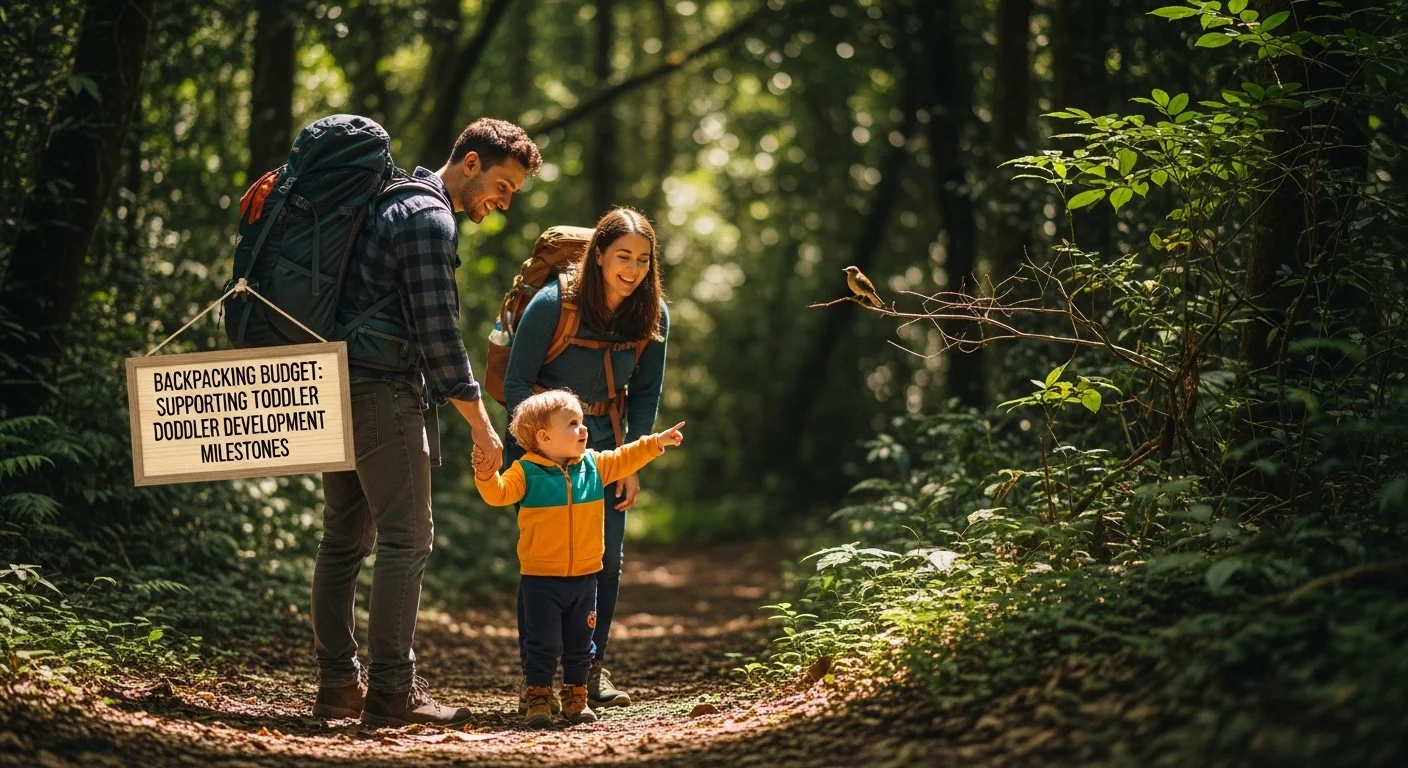
Backpacking with toddlers can be a thrilling adventure, weaving together exploration and growth. Understanding how this journey supports developmental milestones can transform a simple trip into a rich experience for both parents and children. Read Interesting article: Top Tips for Backpacking with Toddlers: Milestone Guide
Understanding Toddler Development Milestones
As a parent, I’ve often found myself marveling at how quickly my child grows and changes. Each stage of development comes with its own set of milestones that signify growth in various areas. I learned that these milestones can be categorized into four main domains: physical, cognitive, social and emotional, and language development. Understanding these areas has helped me better support my little one as they navigate their early years.
Physical Development
Physical development is all about how your toddler grows and learns to control their body. I remember the excitement I felt when my child took their first steps, and I quickly realized that this phase is more than just walking. It includes a range of skills from developing fine motor skills, like grasping small objects, to gross motor skills, like running and jumping. Engaging in activities such as climbing in the park or walking on various terrains during our backpacking trips has significantly contributed to my toddler’s physical strength and coordination.
Cognitive Development
Next comes cognitive development, which refers to how your child thinks, learns, and explores the world around them. I noticed that as we explored new places while backpacking, my toddler began to show curiosity about their surroundings. They started asking questions, wanting to know the names of plants and animals we encountered. This inquisitiveness is a crucial sign of cognitive growth. I believe that exposing them to varied environments can stimulate their brain and nurture problem-solving skills. Each new trail or campsite provides an opportunity for learning, from identifying shapes and colors to understanding basic concepts of nature.
Social and Emotional Development
Social and emotional development is another critical area. It’s the foundation for how my child interacts with others and understands their feelings. While backpacking, my toddler has met other kids, played together, and learned to share toys. I’ve seen firsthand how these experiences foster empathy and cooperation. When they play with other children, I notice their ability to express themselves improves, and they become more comfortable in social settings. It’s heartwarming to see them form bonds with new friends, even if it’s just for a day.
Language Development
Language development is the final piece of the milestone puzzle. I remember the joy I felt when my child began to string together simple sentences. This development is closely tied to social interactions. During our trips, we often sing songs, tell stories around the campfire, or play games that involve naming objects. These activities have enriched their vocabulary and encouraged expressive language. The more we talk about our experiences, the more I see my toddler’s confidence in using words grow. I believe that every new word they learn opens up a whole new world for them. For more insights, check out Tracking Your Toddler’s Language Development Milestones Easily.
Each of these developmental milestones is interconnected, and I’ve learned that traveling, especially through backpacking, can offer a unique setting to nurture these skills. It’s not just about exploring the great outdoors; it’s about creating experiences that contribute to my child’s growth in meaningful ways. As I think back on our trips, I can’t help but feel grateful for the memories we’ve created and the lessons we’ve learned together. Every hike, every campsite, and every new friend has played a role in supporting my toddler’s development, and I know this journey will continue to shape them as they grow. I believe that by understanding these milestones, we can better plan our adventures to ensure they are not only enjoyable but also enriching for our little explorers.
Benefits of Backpacking for Toddlers
Backpacking with toddlers offers a unique blend of experiences that contribute positively to their growth. I’ve realized that every trip we take has its own set of benefits that enrich our family life. It’s not just about the beautiful landscapes; it’s about all the little moments that help my toddler learn and grow in ways I never expected.
Exposure to New Environments
One of the most significant benefits of backpacking is exposing my toddler to new environments. I remember our first trip to a national park, where everything was exciting and different. The towering trees, the sounds of rustling leaves, and the sight of wildlife captivated my child’s attention. This exposure is crucial for their development. I’ve noticed how varied experiences help broaden their understanding of the world. Each new environment sparks curiosity, and my toddler becomes eager to learn about different plants, animals, and landscapes. We often spend time talking about what we see, making connections to what they already know. It feels like our little adventures are opening doors to a broader horizon.
Enhancing Motor Skills Through Exploration
Exploration is at the heart of backpacking, and it does wonders for my toddler’s motor skills. Each time we hit the trail, I watch as they navigate rocks, climb over logs, and balance on narrow paths. I can almost see their confidence growing with every step they take. I remember the first time my child jumped off a small rock; the sense of achievement in their eyes was priceless. These activities naturally strengthen their gross motor skills, and I’ve come to understand that physical challenges in a safe environment are essential for fostering their coordination and strength. It’s amazing how something as simple as hiking can contribute to their overall physical development.
Social Interaction with Diverse Groups
Another wonderful aspect of backpacking is the social interaction it encourages. We’ve met families from all walks of life on the trails, and I love watching my toddler engage with other children. They learn to share space, toys, and even stories. I can recall a moment when my child teamed up with a new friend to build a small fort out of twigs and leaves. Their laughter echoed through the woods, and it was a beautiful reminder of how play fosters connections. These social interactions build important skills like teamwork and empathy. I believe that the more they engage with diverse groups, the more adaptable and understanding they become.
Cognitive Stimulation from Nature and Culture
Nature is a fantastic teacher, and I’ve seen how backpacking stimulates my toddler’s cognitive development. As we venture through different trails, I take the opportunity to point out various plants, insects, and animals, sparking questions and discussions. I remember when we spotted a deer on one of our hikes; my child was full of questions about where it lived and what it ate. This kind of engagement stimulates their curiosity and encourages them to think critically about the world around them. Additionally, I try to incorporate cultural elements into our trips. Visiting historic sites or learning about the local culture adds another layer of cognitive stimulation. It’s essential to expose our children to different ways of thinking and living, and I feel backpacking provides a great platform for that.
Overall, the benefits of backpacking with toddlers are profound. It’s more than just a family outing; it’s a chance for my child to explore, learn, and grow. Engaging with new environments, enhancing motor skills, socializing, and experiencing cognitive challenges all contribute to their development in meaningful ways. These adventures have not only enriched my toddler’s life but have also brought our family closer together. I can’t wait to see what lessons and experiences await us on our next journey!
Creating a Backpacking Budget for Families
Planning a backpacking trip with toddlers can be exhilarating, but it can also be overwhelming, especially when it comes to budgeting. I’ve found that having a clear financial plan not only eases my stress but also helps ensure that we can enjoy our adventures without breaking the bank. Here’s how I approach creating a backpacking budget that works for my family.
Assessing Overall Family Travel Costs
The first step I take is to assess the overall travel costs for our trip. I start by making a list of all the potential expenses we might incur. This can include transportation, accommodation, food, activities, and any gear we might need to rent or buy. I’ve discovered that keeping a detailed list helps me see where we can save or splurge. For instance, while planning our last trip, I realized we could save on accommodation by camping instead of staying at hotels. It’s a fun experience for us, and it fits our budget perfectly!
Accommodation Options for Families with Toddlers
When it comes to accommodation, I tend to explore a few different options. Camping is usually my go-to choice since it allows us to be closer to nature and is often more affordable. I love the idea of pitching a tent and spending the night under the stars. However, I know camping might not be for everyone. For families who prefer a bit more comfort, I recommend looking at family-friendly lodges or cabins. Sometimes, sharing a space with other families can also help reduce costs. Websites often offer deals for family rooms, which brings down the price significantly.
Transportation Costs: Budget-Friendly Options
Transportation is another key factor in our backpacking budget. I’ve learned that choosing the right mode of transport can make a huge difference. When possible, we opt for road trips since they allow us to pack more gear and snacks for the toddlers. Plus, I enjoy the flexibility of stopping whenever we want. If we need to fly, I always look for deals online and book in advance. I remember how thrilled I was when I found cheap flights that let us stick to our budget while visiting a beautiful destination. Using public transportation like trains or buses can also be a fun adventure for my toddler!
Food and Nutrition on a Budget
Food is another essential part of our travel budget. I’ve realized that packing meals and snacks not only saves us money but also ensures that my toddler has healthy options. I love preparing simple, nutritious snacks like fruits, nuts, and granola bars before we hit the trail. For meals, we often cook at our campsite using a portable stove or grill. It’s become a fun family activity, and my toddler enjoys helping me prepare our meals. We even have our special camping recipes that we look forward to each trip, which adds an element of excitement to our meals!
Emergency Fund for Unexpected Expenses
Lastly, I always set aside an emergency fund for unexpected expenses. With toddlers, you never know when you might need a little extra cash – whether it’s for a new pair of shoes because of an unexpected growth spurt or a minor medical expense. I usually budget for a small cushion, which gives me peace of mind. I’ve learned that being prepared for the unexpected allows us to focus more on the fun aspects of our trip rather than worrying about finances.
Creating a backpacking budget for my family has been a rewarding process. I feel empowered knowing that we can enjoy our adventures without financial stress. Each trip we take not only strengthens our family bond but also teaches my toddler valuable lessons about planning and prioritizing. With a little careful planning, I know we can embark on many more exciting journeys together!
Choosing Toddler-Friendly Destinations
Finding the right destinations for backpacking with toddlers is crucial for ensuring everyone has a good time. I’ve learned that choosing toddler-friendly places makes a world of difference in our adventures. It allows us to enjoy our time together without unnecessary stress. Here are some thoughts on selecting the best spots for our little explorers.
Nature Parks and Kid-Friendly Trails
Nature parks are often at the top of my list when planning our trips. They tend to have well-marked trails that are manageable for toddlers, which is a huge plus. I remember visiting one park where the paths were wide and surrounded by beautiful scenery. We could take our time, and I felt safe letting my toddler explore a little. I always look for trails that offer short loops, so if my child gets tired, we can easily turn back. Many parks also have educational signs along the trails, which sparked curiosity and led to great discussions about the plants and animals we saw.
Cultural Sites That Cater to Families
Exploring cultural sites has been another rewarding experience for us. Museums with interactive exhibits are particularly engaging for toddlers. I recall visiting a children’s museum where my toddler could touch and play with everything instead of just looking. It was a delight to see them actively participating and learning through play. I recommend checking out local festivals or events that focus on family-friendly activities. These experiences can enhance our understanding of the culture while allowing us to bond as a family.
Destinations with Childcare Facilities
Sometimes, having access to childcare facilities can be a game-changer, especially if I want to plan a more adult-focused activity while still keeping my toddler entertained. I’ve found that many family-friendly resorts or campgrounds offer kids’ clubs or supervised play areas. This way, I can enjoy a hike or a relaxing moment while knowing my child is safe and having fun. It’s nice to take a break and recharge, knowing they’re in good hands.
Weather Considerations and Safety
Weather plays a big role in our travel plans, especially when it comes to toddlers. I always check the forecast before we head out and plan accordingly. If we’re going somewhere hot, I make sure to pack plenty of water, sunscreen, and hats. On the flip side, if we’re expecting rain, I bring waterproof gear and plan indoor activities as backups. I’ve learned that being prepared for various weather conditions not only keeps my toddler comfortable but also minimizes stress for me. Safety is always my priority, and I make sure to choose destinations with low-risk activities suitable for young children.
Planning Activities that Support Developmental Milestones
Once we reach our destination, planning activities that support my toddler’s developmental milestones is key. I love incorporating fun and educational experiences into our trips, which ultimately enhances our adventures.
Outdoor Activities for Physical Growth
Engaging in outdoor activities is one of the best ways to support my toddler’s physical growth. Simple things like running through open fields, climbing small hills, or playing tag can strengthen their muscles and improve coordination. I remember one trip where we spent hours playing in a creek, splashing and climbing over rocks. It was a joy to see my child developing their balance and strength while having so much fun.
Interactive Learning Experiences
I also believe in the power of interactive learning experiences. During our hikes, I often bring along a small nature journal where my toddler can draw or color what they see. This not only fosters their creativity but also enhances their observational skills. I remember one hike where we spotted different animal tracks. We took a moment to sketch them, and it turned into an exciting discussion about the animals that might have made them. These moments blend learning with play, making the experience memorable.
Creative Play Opportunities
Creativity is a beautiful part of childhood, and I always strive to include opportunities for my toddler to engage in imaginative play. Whether it’s building a fort with sticks or pretending to be animals in the woods, I encourage their creativity during our adventures. On one trip, we created a “treasure hunt” with rocks painted to look like gems. It was a delightful way to combine play with exploration and creativity.
Social Activities with Other Children
Lastly, I look for social activities that allow my toddler to interact with other children. This could be as simple as playing games at a campsite or joining a family-friendly group activity. I’ve seen how these interactions help my child build friendships and learn valuable social skills. One of my favorite moments was when my toddler teamed up with another child for a scavenger hunt. Their laughter and teamwork were heartwarming and reminded me of the importance of social connections. For more information on language development, see Unlocking Language: Key Milestones in Toddler Speech Development.
Final Thoughts
Backpacking with toddlers is an enriching experience that offers numerous opportunities for growth and bonding. I’ve found that careful planning, coupled with a focus on developmental milestones, can turn a simple trip into a memorable adventure. By choosing the right destinations, planning supportive activities, and creating a budget that works for our family, we can enjoy the beauty of nature while nurturing our little ones’ growth. I look forward to many more adventures, knowing that each journey contributes to my child’s development and our family’s connection.
Frequently Asked Questions
“`htmlWhat are the four main domains of toddler development milestones?
The four main domains of toddler development milestones are physical development, cognitive development, social and emotional development, and language development.
How does backpacking contribute to a toddler’s physical development?
Backpacking contributes to a toddler’s physical development by engaging them in activities that develop fine and gross motor skills. Activities such as climbing, walking on various terrains, and navigating trails help strengthen their physical coordination and strength.
In what ways does backpacking enhance cognitive development in toddlers?
Backpacking enhances cognitive development by exposing toddlers to new environments, sparking curiosity, and encouraging them to ask questions about their surroundings. It stimulates their learning and problem-solving skills through exploration and engagement with nature.
How does social and emotional development manifest during backpacking trips?
Social and emotional development is fostered during backpacking trips as toddlers interact with other children, learn to share, and develop empathy through play. These experiences help improve their ability to express themselves and form friendships.
What role does language development play in the backpacking experience?
Language development is supported during backpacking through storytelling, singing, and interactive games that encourage toddlers to use new vocabulary. Engaging in conversations about their experiences boosts their confidence in language use.
What are some benefits of exposing toddlers to new environments while backpacking?
Exposing toddlers to new environments while backpacking broadens their understanding of the world, sparks curiosity, and encourages them to learn about different plants, animals, and landscapes. This exposure enhances their cognitive development.
How can parents budget for a backpacking trip with toddlers?
Parents can budget for a backpacking trip by assessing overall travel costs, exploring accommodation options, considering transportation expenses, planning food and nutrition, and setting aside an emergency fund for unexpected expenses.
What types of accommodation are recommended for families with toddlers?
Recommended accommodation types for families with toddlers include camping for a closer-to-nature experience, family-friendly lodges, or cabins. Sharing spaces with other families can also help reduce costs.
What activities can support a toddler’s developmental milestones during backpacking trips?
Activities that support a toddler’s developmental milestones during backpacking trips include outdoor play for physical growth, interactive learning experiences like nature journaling, opportunities for creative play, and social activities with other children.
Why is careful planning important for backpacking with toddlers?
Careful planning is important for backpacking with toddlers because it helps ensure a stress-free experience, allows for the selection of toddler-friendly destinations, and enables parents to incorporate activities that nurture their child’s growth while creating lasting memories.
“`