
Backpacking can be an incredible journey not just through nature, but also through emotional development. It offers young children a chance to learn, grow, and explore their feelings in meaningful ways. For families looking to enhance their adventures, Budget Backpacking with Kids: Fun Play Learning Ideas can provide fantastic strategies.
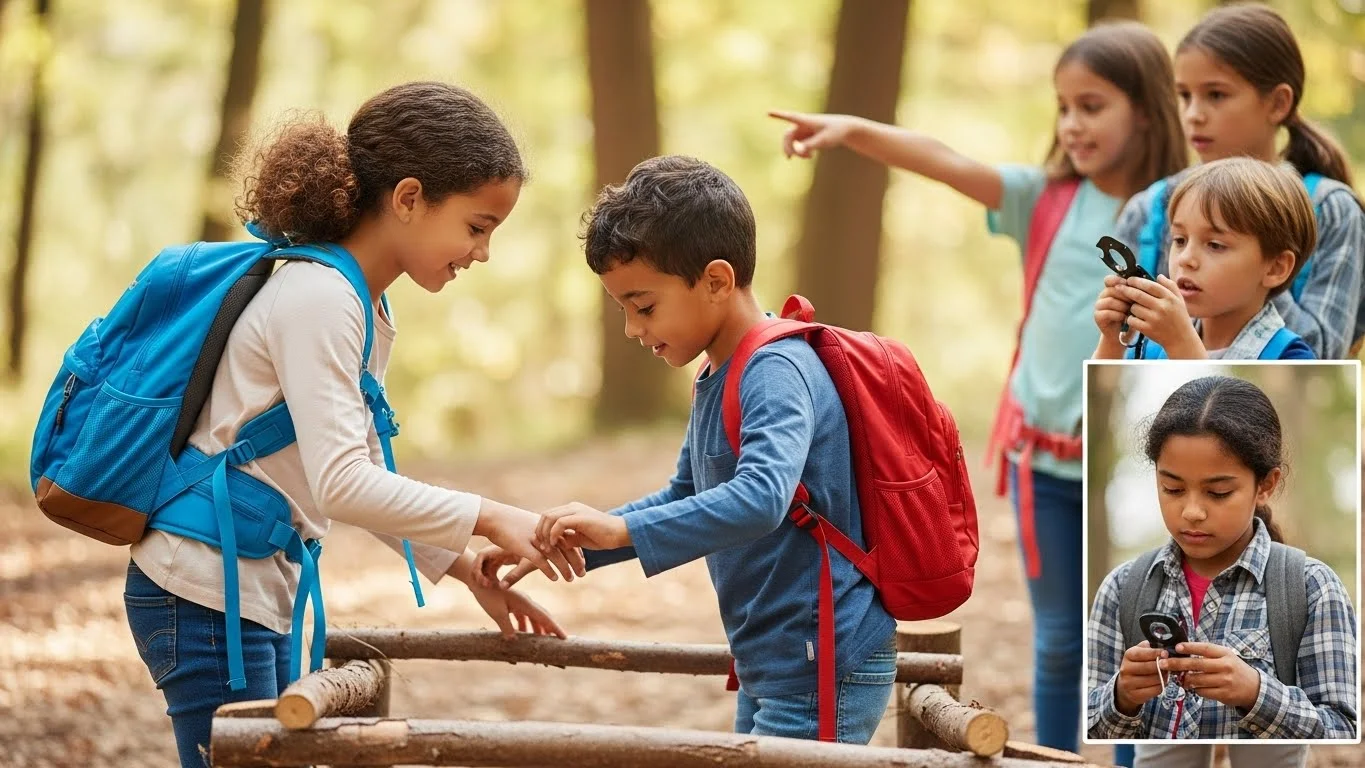
Understanding Emotional Growth in Early Childhood
When I think back to my childhood, I remember how pivotal those early years were for shaping my emotional landscape. Emotional growth in early childhood is a fundamental part of child development, laying the groundwork for future relationships and emotional resilience. I’ve seen firsthand how children learn to express their feelings, understand empathy, and develop self-regulation skills during these formative years.
The Importance of Emotional Development
Emotional development isn’t just about feeling happy or sad; it’s about understanding and managing emotions. In my experience, children who develop strong emotional skills are better equipped to handle life’s challenges. They learn how to navigate friendships, cope with disappointment, and express themselves clearly. This emotional toolkit is vital as they transition into adulthood. I believe that fostering emotional growth can lead to more compassionate, understanding, and resilient individuals.
Key Emotional Skills in Early Childhood
As I’ve learned, there are several key emotional skills that emerge during early childhood. These include self-awareness, self-regulation, empathy, and social skills. I remember seeing my younger siblings grapple with their emotions, sometimes struggling to articulate what they felt. This struggle is normal and part of their learning process. For instance, when they experienced anger or frustration, it was a chance for them to learn about those feelings and how to express them appropriately. Creating a safe environment where they could share their feelings was essential, and I found that encouraging conversations around emotions helped them develop these skills.
Another important aspect is empathy—the ability to understand and share the feelings of others. I often noticed that children who spent time in nature, playing and interacting with peers, developed a deeper sense of empathy. They learned to recognize emotions in others, which is crucial for building relationships. I believe that this ability to connect emotionally with others has a lasting impact throughout life. It helps children grow into adults who are sensitive and understanding.
Backpacking as a Tool for Emotional Growth
When we think about ways to foster emotional development, backpacking might not be the first activity that comes to mind. However, I’ve found that it can be an incredible tool for emotional growth. It allows children to step away from their everyday routines, immerse themselves in nature, and engage in experiences that promote emotional learning. Additionally, 10 Budget-Friendly Lunchbox Ideas for Backpacking Adventures can make meal planning easier during these trips.
What is Backpacking for Kids?
Backpacking, in this context, refers to taking children on short hiking trips where they carry their gear and explore the wonders of nature. I remember my first backpacking trip as a child; the excitement of carrying my little backpack filled with snacks and supplies was exhilarating. It’s about adventure and discovery, but it also provides opportunities for kids to learn about responsibility and teamwork. Each time I ventured into the woods, I felt a sense of freedom that was both thrilling and empowering.
Benefits of Outdoor Experiences
The outdoors is a fantastic classroom. There’s something about being surrounded by trees, mountains, and rivers that encourages kids to connect with their feelings. I’ve seen how nature can teach patience and resilience. When kids face challenges—like climbing a steep hill or navigating a tricky trail—they learn to problem-solve and push through discomfort. These experiences are invaluable for emotional growth. They teach kids that it’s okay to feel frustrated or tired and that perseverance is a key part of achieving their goals. I believe these lessons stick with them long after the trip is over.
Moreover, outdoor experiences foster a sense of awe and wonder. I can still recall the feeling of standing at the edge of a beautiful vista, taking in the vastness of the world. Moments like these can inspire gratitude and appreciation for nature, helping children develop a deeper emotional connection to their surroundings and the people they share those experiences with. They learn to value not just the destination, but the journey itself.
Planning Your Backpacking Adventure
Planning a backpacking adventure with kids might seem daunting at first, but it’s truly one of the most rewarding experiences you can share. I remember the thrill of preparation—picking out gear, mapping out trails, and getting everyone excited about the journey ahead. There’s a unique bonding experience that happens when we prepare together, and it sets the stage for everything that follows. For families looking for more inspiration, Top Creative Play Ideas for Budget Backpacking Families can be a great resource.
Choosing the Right Location
Choosing the right location for your backpacking trip is key to ensuring a positive experience. I recommend starting with accessible trails that aren’t too far from home. This makes it easier for young children, and if anyone starts to feel overwhelmed, you have the option to cut the trip short without too much hassle. I’ve found that national parks or local nature reserves often have beginner-friendly trails that are rich in natural beauty.
Look for places that offer a variety of sights, like lakes, streams, or interesting rock formations. I remember one trip to a nearby national park where we stumbled upon a sparkling lake surrounded by lush greenery. The joy on my siblings’ faces was unforgettable, and it made the entire adventure worthwhile. Plus, having a beautiful backdrop keeps kids engaged and motivated to continue hiking.
Age-Appropriate Trails and Campsites
Not all trails are created equal when it comes to young backpackers. I learned the hard way that some paths are better suited for children than others. Always check the trail’s difficulty level and make sure it aligns with your kids’ abilities. Generally, aim for shorter hikes with gradual elevation gains. I’ve seen kids flourish when they can successfully complete a trail without feeling overexerted.
Campsites should also be chosen with care. Look for places that are safe and have facilities, like restrooms or picnic tables. I remember camping in a spot that was near a creek. It provided endless entertainment as my siblings splashed in the water and built small dams with rocks. The site felt like a little paradise, allowing us to connect with nature while also ensuring we had comfort during our stay.
Essential Gear for Young Backpackers
Having the right gear can make or break your backpacking experience. I learned this early on after a trip where I didn’t pack enough warm layers, resulting in a chilly night under the stars. For young backpackers, I recommend starting with a good-quality backpack that’s comfortable and appropriately sized for their height. It should be lightweight and easy for them to manage.
Other essentials include a water bottle to keep them hydrated, snacks to maintain their energy, and weather-appropriate clothing. I always found that the right shoes made a world of difference—comfortable hiking shoes can prevent blisters and make walking much more enjoyable. Don’t forget to pack a first-aid kit, just in case! I felt a lot better knowing we were prepared for minor bumps and scrapes.
In my experience, children also appreciate having their own gear, like a small flashlight or a personal journal. It gives them a sense of responsibility and ownership during the trip. I remember how proud my younger siblings were to carry their own little packs filled with their favorite snacks and small toys. It felt empowering for them to be part of the expedition in a meaningful way.
Activities to Encourage Emotional Growth While Backpacking
Nature Exploration and Discovery
One of my favorite parts of backpacking with kids is the opportunity for exploration. Nature is full of wonders waiting to be discovered. I always tried to incorporate activities that encouraged curiosity, like scavenger hunts where we looked for specific leaves, rocks, and signs of wildlife. These activities not only kept them engaged, but they also fostered a sense of wonder and appreciation for the natural world.
Take time to stop and explore the small things. I remember one hike where we found a ladybug crawling on a leaf. We spent a good while just watching it, and I could see how fascinated my siblings were. It turned into a lesson about insects, and together we learned about their important role in our ecosystem. These moments of discovery often turned into valuable teaching opportunities that enhanced their emotional and intellectual growth.
Team-Building Activities
Backpacking is an excellent chance to teach kids about teamwork. I’ve found that planning challenges, like finding the best place to set up camp or cooking meals together, creates a fun environment where everyone has a role to play. It’s an adventure that requires cooperation, and it helps develop communication skills. I remember a night when we all worked together to set up our tents. There were a few giggles and a lot of learning, but in the end, we felt accomplished as a team.
Encouraging kids to share responsibilities, whether it’s navigating with a map or cooking dinner, builds their confidence and strengthens the bond among family members. It’s heartwarming to witness their pride when they contribute to the success of the trip. I truly believe that these shared experiences are what create lasting memories.
Mindfulness and Reflection Techniques
Backpacking also offers a unique setting for practicing mindfulness. I often found moments of stillness where we could pause, listen to the sounds of nature, and reflect on our experiences. I would gather the kids for short meditation sessions, encouraging them to take deep breaths and appreciate their surroundings. It taught them to slow down and be present, which is a valuable skill in our fast-paced world.
At the end of each day, we would sit around the campfire and share our favorite moments. This practice of reflection allowed us to connect emotionally and recognize our feelings about the day’s adventures. I encouraged them to express what they loved, what challenged them, and what they learned. These discussions often led to deeper conversations about emotions and personal experiences, which felt incredibly rewarding.
Safety Considerations for Backpacking with Young Children
When it comes to backpacking with kids, safety is always my top priority. I’ve experienced firsthand how a little preparation can go a long way in ensuring everyone has a fun and safe adventure. It’s vital to keep in mind that children may not always recognize dangers in nature, so being proactive is key.
Assessing Risks and Preparing for Emergencies
Before heading out, I always take the time to assess potential risks of the trail and the environment. It’s essential to consider factors like weather conditions, wildlife presence, and trail difficulty. I remember one trip where we encountered a sudden rainstorm. Thankfully, we had packed rain gear and made a quick decision to seek shelter under a sturdy tree while waiting for the downpour to pass. That experience taught us the importance of being prepared for unexpected circumstances.
In my opinion, carrying a basic first-aid kit is non-negotiable. I keep band-aids, antiseptic wipes, and other essentials handy. On one occasion, my younger sibling tripped and scraped their knee, and having the supplies on hand not only provided immediate care but also reassured them. It’s moments like these that remind me of the importance of being equipped for minor emergencies.
For longer trips, I recommend establishing a plan for emergencies. Discuss with the kids what to do if someone gets lost or injured. I’ve found that creating a “buddy system” helps them feel more secure as they look out for each other. These discussions can be enlightening, as they encourage kids to think critically about safety and responsibility in nature.
Guidelines for Keeping Children Safe in Nature
To keep our adventures enjoyable while ensuring safety, I’ve developed a few guidelines that I always share with the kids. First and foremost, I emphasize the importance of staying on marked trails. I explain to them that venturing off the path can lead to dangerous situations, such as getting lost or encountering wildlife unexpectedly. Keeping them close and reminding them of this rule helps maintain a sense of security.
Another essential aspect is discussing wildlife safety. I remember a hike where we spotted a deer, and I took that moment to explain how to observe animals from a distance and not to approach them. We talked about respecting their space and the importance of not feeding wild animals, which can disrupt their natural behavior. I think these lessons foster a sense of respect for nature while keeping everyone safe.
Hydration is critical, especially during physical activities. I always encourage the kids to drink water regularly, even if they don’t feel thirsty. During one hike, I noticed that my younger sibling was starting to tire out, and a quick water break revitalized their energy. I also teach them to recognize signs of dehydration, such as feeling dizzy or excessively tired, so they can advocate for themselves.
Lastly, I believe it’s vital to dress appropriately for the weather, which includes layering clothing. On chilly mornings, I’ve learned that it’s better to start with more layers and remove them as the day warms up. I often remind the kids that it’s easier to remove a layer than to wish they had brought an extra jacket.
Engaging with Nature: Emotional Benefits
As I’ve experienced, engaging with nature not only fosters emotional growth, but it also creates lasting memories. The emotional benefits of spending time outdoors are profound, especially for children. I believe that facing challenges in nature can build resilience in ways that structured environments often cannot.
Building Resilience through Outdoor Challenges
Throughout our backpacking adventures, I’ve noticed that overcoming outdoor challenges can empower kids. When we encounter a steep trail, for example, I encourage them to focus on one step at a time. I share stories of my own challenges while hiking, which helps them understand that it’s okay to struggle and that perseverance pays off. I feel that this approach teaches them that effort and determination lead to rewards, both emotionally and physically.
I remember a specific hike where we faced a particularly tough hill. Halfway up, my siblings started to feel discouraged, but I reminded them how far we had come and the view that awaited us at the top. Once we reached the summit and took in the breathtaking landscape, their sense of accomplishment was palpable. It’s moments like these that reinforce their belief in their abilities and resilience.
Developing Empathy through Wildlife Interaction
Another emotional benefit of engaging with nature is the opportunity to foster empathy through wildlife interaction. I’ve found that children who observe animals in their natural habitats often develop a deeper understanding of the interconnectedness of life. During one trip, we spent time watching a family of ducks paddle in a serene pond. I took that chance to discuss how different animals have unique roles in the ecosystem, and the kids were captivated.
These moments of connection often lead to discussions about caring for wildlife and protecting their habitats. I believe that instilling empathy towards animals fosters a sense of responsibility in children. They begin to understand the impact of their actions on the world around them, which is crucial for their emotional and moral development.
Frequently Asked Questions
What is the significance of emotional development in early childhood?
Emotional development is fundamental in early childhood as it lays the groundwork for future relationships and emotional resilience. It helps children learn to express their feelings, understand empathy, and develop self-regulation skills.
How does backpacking contribute to emotional growth in children?
Backpacking allows children to immerse themselves in nature and engage in experiences that promote emotional learning, helping them step away from daily routines and fostering skills like responsibility and teamwork.
What are some key emotional skills that develop during early childhood?
Key emotional skills that emerge during early childhood include self-awareness, self-regulation, empathy, and social skills, which are essential for navigating relationships and life’s challenges.
What should be considered when planning a backpacking trip with kids?
When planning a backpacking trip, it’s important to choose accessible trails suitable for children, consider their abilities, and ensure the location offers a variety of sights to keep them engaged.
What essential gear should young backpackers have?
Young backpackers should have a comfortable, appropriately sized backpack, a water bottle, snacks, weather-appropriate clothing, and a first-aid kit. Having their own gear, like a small flashlight or journal, can also empower them during the trip.
How can activities during backpacking foster emotional growth?
Activities like nature exploration, scavenger hunts, team-building challenges, and mindfulness practices encourage curiosity, cooperation, and reflection, enhancing children’s emotional and intellectual growth.
What safety considerations should be taken when backpacking with young children?
Safety considerations include assessing potential risks of the trail, preparing for emergencies, teaching children to stay on marked trails, understanding wildlife safety, and ensuring proper hydration and appropriate clothing for the weather.
How do outdoor challenges help build resilience in children?
Outdoor challenges teach children to focus on one step at a time and reinforce their belief in their abilities. Overcoming these challenges empowers them and instills a sense of accomplishment.
What role does empathy play in a child’s emotional development while interacting with nature?
Observing animals in their natural habitats fosters empathy by helping children understand the interconnectedness of life. This experience encourages discussions about wildlife care and responsibility, crucial for their emotional and moral development.
What are the emotional benefits of spending time outdoors?
Spending time outdoors fosters emotional growth, creates lasting memories, and helps children build resilience through overcoming challenges, while also developing a deeper emotional connection to their surroundings.