
Backpacking with family can be an incredible adventure, but it doesn’t have to break the bank. With thoughtful meal planning, we can enjoy delicious, budget-friendly meals on the go! Read Interesting article: Smart Family Meal Planning: Budget-Friendly Tips for Travel
Understanding Budget Backpacking with Family
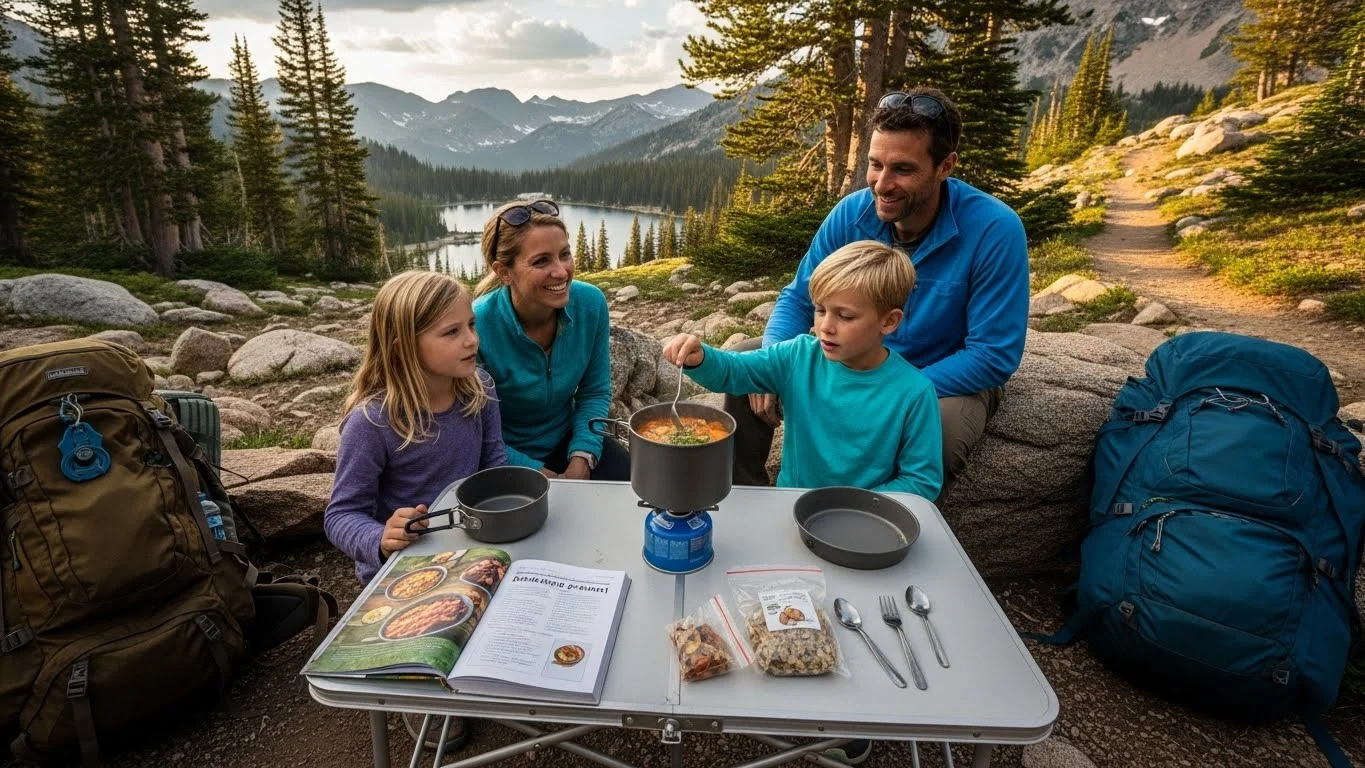
When I first thought about backpacking with my family, I felt a mix of excitement and apprehension. How would we manage food while keeping our budget tight? After some trips and lots of trial and error, I learned that understanding the ins and outs of budget backpacking is key to making family trips enjoyable and stress-free. We discovered that meal planning is crucial not just for convenience but also for maintaining our energy throughout the journey.
The Importance of Meal Planning
Meal planning is more than just a way to save money; it’s about creating a well-structured plan that keeps us nourished while we explore. I remember our first family backpacking trip, where we grabbed random snacks, thinking we could wing it. We soon found ourselves eating overpriced convenience store food and feeling sluggish on the trails. It was a lesson learned! Now, I always sit down with my family before a trip to map out our meals, ensuring we have nutritious options that everyone enjoys.
Benefits of Backpacking as a Family
Backpacking as a family brings us closer together. I cherish the moments we spend hiking, cooking, and sharing stories around the campfire. It’s a unique way to bond, away from screens and distractions. Plus, involving everyone in the meal planning process gives each family member a sense of ownership and excitement about the trip. We talk about favorite meals and try to incorporate everyone’s preferences, making meal times a highlight of our adventures. Read Interesting article: Smart Meal Planning for School-Aged Kids on a Budget
Essential Meal Planning Tips for Backpacking
As we prepare for our next adventure, here are some essential meal planning tips I’ve gathered over the years that have made our backpacking trips smoother and more enjoyable.
Creating a Meal Plan
First, I gather my family to brainstorm meal ideas. We typically plan for breakfast, lunch, dinner, and snacks, aiming for easy-to-make meals that require minimal cooking. I always take into account our destination and any restrictions we might face, like limited water access. I find it helpful to make a chart or a checklist, detailing each meal and the ingredients needed. This way, we can visualize our meals for the trip, making adjustments as necessary.
Involving Kids in Meal Preparation
Involving kids in meal preparation not only teaches them valuable cooking skills, but it also makes them more invested in the trip. I’ve found that when my kids help choose recipes and prepare meals, they’re more likely to eat what we’ve packed. We let them pick a few fun snacks or a special dessert to keep things exciting. Sometimes, we even have a “family cook-off” before the trip, where everyone makes their favorite dish. It’s a fun way to bond and adds a personal touch to our meal plan.
Choosing Budget-Friendly Ingredients
When it comes to ingredients, I always focus on budget-friendly options that are also nutritious. We often stock up on staples like rice, pasta, and canned beans, which are filling and inexpensive. Fresh fruits and vegetables are great, but I also like to include some dried fruits and nuts for easy snacking and added energy. I keep an eye out for sales or bulk purchases, as they can make a significant difference in our grocery bill. I’ve learned that planning meals around seasonal produce can also help us save money while enjoying fresh flavors!
I’ve also discovered that meals don’t have to be complicated to be delicious. One of our favorite go-to meals is a one-pot pasta dish. It’s simple: just pasta, a can of tomatoes, some veggies, and spices—all cooked in one pot. It’s budget-friendly, minimizes cleanup, and everyone loves it!
On our last trip, we tried a new recipe for breakfast burritos. We prepped everything at home—the eggs, veggies, and tortillas—then simply warmed them up on our portable stove. It was a hit! Having meals like this makes mornings so much easier and gives us the energy we need for a full day of hiking.
Meal planning for a backpacking trip has transformed our family adventures. It’s not just about saving money; it’s about creating memorable moments together over good food. As we continue to explore, I’m excited to see what new meals and experiences await us on the trails! Read Interesting article: Delicious Toddler Meals: Planning on a Budget While Traveling
Best Budget-Friendly Meal Options
Finding the right meals for backpacking can feel daunting at first, but I’ve discovered that there are countless delicious options that won’t break the bank. Each meal can be a new adventure, and the key is to keep it simple, nutritious, and, most importantly, enjoyable for my family. Here are some of our favorite budget-friendly meal options that have become staples on our trips.
Breakfast Ideas
Breakfast sets the tone for our day, and I’ve learned that having a hearty meal in the morning helps everyone feel energized for our hikes. One of my go-to breakfast ideas is oatmeal. We pack quick oats and mix in dried fruits, nuts, or even a sprinkle of cinnamon. Just add hot water, and voila! Another favorite is granola with powdered milk. It’s lightweight, easy to carry, and my kids love the crunchy texture. Sometimes, we throw in a banana or some berries for an extra boost of flavor.
A fun twist we’ve enjoyed is pancake mix, which we can prepare easily at the campsite. I mix the dry ingredients at home, and then all we need to do is add water. Flip them on a small camping stove, and we have pancakes that feel like a treat! On our last trip, we even made a pancake breakfast with chocolate chips, which was a huge hit with the kids.
Lunch Options
Lunch on the trail can be quick and satisfying if we plan it right. I often prepare wraps using tortillas, which are lighter than bread and can hold a variety of fillings. We like to use hummus, veggies, and sliced turkey or cheese. It’s a fresh and filling option that doesn’t require cooking, and each family member can customize their wrap to their liking.
Another lunch favorite is pasta salad. I cook the pasta ahead of time, then toss it with some olive oil, diced veggies, and a sprinkle of cheese. It holds up well in a cooler and makes for a refreshing meal when we stop for a break. Plus, the kids enjoy picking out their favorite veggies to add!
Dinner Recipes
Dinner is where I like to get a bit creative while still keeping things simple. One of our family’s beloved meals is a stir-fry. I prep the vegetables at home and season them with soy sauce and spices. Once we reach our campsite, it’s just a matter of heating everything in a pan. We pair it with rice or noodles. It’s quick, easy, and everyone loves the combination of flavors!
Another staple is the classic chili. I prepare a batch at home, using canned beans and tomatoes, which makes it quick to throw together. We usually heat it over the campfire or stove, and it’s perfect for those chilly nights. Plus, it’s filling and packed with protein, so it gives us the energy we need for another day of exploring.
Snacks on the Go
Snacks are crucial for keeping our energy up while hiking, so I always pack a variety. Trail mix is a must-have. I let my kids help create their own mix with nuts, seeds, dried fruits, and a few chocolate chips for a sweet touch. It’s easy to pack, and everyone loves it!
We also bring along granola bars and fruit leathers, which are great for quick energy boosts. On particularly long hikes, I like to pack some cheese sticks or jerky for protein. These snacks keep well and prevent us from getting too hungry before mealtime.
Sometimes, we even make our own energy balls—a mix of oats, nut butter, honey, and a few chocolate chips—rolled into bite-sized balls. They’re a hit with the kids and provide a nice pick-me-up when we need it most.
Meal planning for our backpacking trips has transformed the way we experience the great outdoors. With a little creativity and collaboration, we can enjoy amazing, budget-friendly meals that fuel our adventures and create unforgettable memories together. I’m always excited to see which new meals we’ll come up with on our next journey!
Essential Cooking Gear for Backpacking
Having the right cooking gear can make all the difference in our backpacking experience. I’ve learned that packing lightweight and efficient equipment is vital for enjoying delicious meals without the extra hassle. Here are some essential cooking tools that have served us well on our family trips.
Essential Cooking Gear for Backpacking
Having the right cooking gear can make all the difference in our backpacking experience. I’ve learned that packing lightweight and efficient equipment is vital for enjoying delicious meals without the extra hassle. Here are some essential cooking tools that have served us well on our family trips.
Lightweight Cooking Equipment
When it comes to cooking while backpacking, lightweight equipment is a game-changer. I remember our first few trips, where I packed a bulky pot and heavy pans, thinking they would be necessary for decent meals. But those items added unwanted weight to our packs, making hikes more challenging. Now, I opt for titanium or aluminum cookware, which is both lightweight and durable. A small pot or a multi-functional cooking pan is usually all we need. I also carry a compact camping stove, which heats up quickly and is easy to use. It’s all about making cooking enjoyable without the burden of heavy gear.
Another essential item is a good set of utensils. I found that a simple spork (a combination of spoon and fork) works wonders, and it saves space. We also bring along a lightweight cutting board and a small knife. These tools make meal prep a breeze and keep things organized.
Portable Cooking Appliances
While we often stick to basic cooking gear, I’ve discovered a few portable appliances that enhance our meals. One of my favorites is a small, portable electric kettle. It’s perfect for quickly boiling water for our morning oatmeal or making instant coffee. It’s amazing how a hot cup of coffee can elevate the mood while camping!
If we’re staying in one place for a longer period, I sometimes bring along a compact grill. It’s perfect for cooking up fresh vegetables or grilling meats. Cooking over an open flame is always a favorite activity for the kids, and it adds a fun element to our meals. I think it’s important to have versatile appliances that can serve multiple purposes, so we can make the most of our time outdoors.
Storage Solutions for Ingredients
Keeping food fresh and organized is crucial when we’re out in the wilderness. I’ve learned that investing in good storage solutions makes a big difference. I typically use resealable bags or lightweight containers for ingredients. They are perfect for keeping our snacks and dried goods safe from moisture and critters!
For perishables, I rely on a soft-sided cooler or an insulated bag. It keeps items like cheese, yogurt, or fresh vegetables cool for days, which is particularly useful on longer trips. I make sure to pack ice packs to maintain temperature, and the cooler is also great for stashing drinks. It’s important to keep everything organized to minimize waste and ensure we have what we need when hunger strikes.
Another handy trick I’ve learned is to pre-portion meals before we go. For instance, I pack individual servings of trail mix or snacks in smaller bags. It saves time while we’re on the trail and makes it easier for my kids to grab what they want without digging through all our supplies. This way, everyone can snack at their own pace without the chaos of rummaging through bags!
Grocery Shopping Tips on a Budget
Grocery shopping while on a budget can be tricky, especially when we’re trying to stick to a meal plan. Over the years, I’ve developed some strategies that help us save money while ensuring we have all the ingredients we need.
Finding Local Markets
One of my favorite parts of any trip is exploring local markets. Not only can we find fresh produce at a lower price, but I also feel connected to the area we’re visiting. Farmers’ markets are often brimming with local fruits and vegetables, which makes for great additions to our meals. Plus, chatting with local vendors can lead to discovering unique ingredients or cooking tips that I wouldn’t find elsewhere. I always make it a point to stop by a market or two, even if it means adjusting our meal plan a bit!
Understanding Local Pricing
Before heading out, I take some time to check grocery prices in the area we’ll be visiting. I’ve learned that prices can vary widely depending on the region. In more remote locations, I might expect to pay a premium for certain items, while in urban areas, bulk items may be more affordable. Taking a look at local grocery store flyers or websites can give me a better idea of what to expect and help us budget accordingly.
Buying in Bulk vs. Individual Portions
Buying in bulk can be a fantastic way to save money, especially for staples like rice, pasta, and grains. I often stock up on these items at wholesale stores before we leave. However, I’ve also learned that for perishables, buying individual portions is often better to avoid waste. I try to strike a balance between bulk purchases for long-lasting items and smaller quantities of items we might not use as much. This way, we stay within our budget while enjoying fresh, delicious meals during our adventure.
Food Safety Tips While Backpacking
Food safety is crucial when we’re out in the wilderness. I’ve learned that taking a few extra precautions can prevent foodborne illnesses and keep our family healthy during our adventures. Here are some practical tips I’ve picked up over the years to ensure our meals are safe and enjoyable.
Safe Food Storage Practices
Keeping food safe starts with proper storage. I always pack perishable items in a cooler or insulated bag, especially if we’re camping for multiple days. Using ice packs helps maintain a safe temperature, preventing spoilage. I’ve found that packing food in resealable bags or lightweight containers not only keeps items organized but also helps keep them fresh. When we’re at the campsite, I make sure to store food away from our sleeping area and hang it safely from a tree branch if possible, to avoid attracting wildlife.
Cooking and Reheating Guidelines
Cooking food thoroughly is essential for safety. I remember the first time I made chili while camping; I was so eager to eat that I didn’t let it simmer long enough. Thankfully, we didn’t have any issues, but it taught me to be more cautious. I ensure that meats are cooked to their proper internal temperatures and that leftovers are eaten or reheated within a certain timeframe to prevent bacteria growth. Using a portable thermometer has been a great investment, allowing me to check food temperatures with confidence.
Dealing with Allergies and Dietary Restrictions
With our family’s diverse dietary needs, it’s important to plan meals that everyone can enjoy safely. I’ve learned to be mindful of allergies, especially when preparing meals. We always discuss any food sensitivities or preferences before planning our meals. When we’re on the trail, I make sure to keep allergen-free options separately and label everything clearly. Having designated items for each person’s dietary needs makes everyone feel included and reduces any risk of accidental cross-contamination.
Sample Meal Plans for Various Destinations
Creating versatile meal plans can help streamline our backpacking experience, and I’ve enjoyed tailoring them based on our destination. Here are some ideas that have worked well for us, depending on where we find ourselves exploring.
Meal Plans for National Parks
When we visit national parks, I like to focus on lightweight, high-energy meals. For breakfast, we might have oatmeal with dried fruits. Lunch could be wraps filled with hummus and fresh veggies, while dinner might feature a hearty quinoa stir-fry with vegetables we prep at home. Snacks like trail mix and fruit leather keep us energized between hikes!
Urban Backpacking Meal Plans
If we’re in an urban setting, I often take advantage of local grocery stores. Breakfast could consist of yogurt with granola, while lunch might be a simple sandwich with deli meat and fresh produce. For dinner, we might explore local cuisine, purchasing fresh ingredients to cook up something new and exciting. Urban hikes often mean we can easily access fresh food, so I keep things light and flexible!
International Travel Meal Plans
When traveling abroad, I love incorporating local flavors into our meal plans. I typically select a base ingredient, like rice or pasta, and add local vegetables and spices. Breakfast can be something as simple as fruit and pastries from a local bakery. For lunch, sandwiches with regional cheeses and meats are a hit, while dinner might involve a cooked dish inspired by the local cuisine. It’s a delightful way to experience the culture while keeping our meals practical and budget-friendly!
Resources for Family Meal Planning
Finding helpful resources for meal planning can make all the difference in our backpacking adventures. I’ve come across some fantastic tools and communities that support our quest for delicious and easy meals on the go.
Websites and Apps for Meal Planning
There are several websites and apps that I find incredibly useful for meal planning. They often have customizable templates for packing lists and meal suggestions tailored specifically for camping and backpacking. I use them to streamline our planning process and ensure we don’t forget anything important!
Cookbooks for Backpackers
Cookbooks specifically for backpackers have also been a great source of inspiration. They often feature simple, nutritious recipes that require minimal equipment. I love flipping through these books with my family, discovering new ideas and flavors that we can try on our next trip.
Online Communities and Forums
Joining online communities and forums has connected me with fellow outdoor enthusiasts. Sharing tips, recipes, and experiences within these groups has enriched our backpacking adventures. I often find new meal ideas, cooking tips, and even support for managing dietary restrictions from others who share similar challenges.
Final Thoughts
Backpacking with my family has been an enriching experience, and meal planning plays a significant role in making our trips enjoyable and successful. By focusing on budget-friendly meals, embracing safety, and utilizing helpful resources, we’ve created wonderful memories together. I’m always excited to see what new culinary adventures await us on the trails, and I hope these tips inspire your own family backpacking journeys!
Frequently Asked Questions
What is the importance of meal planning for family backpacking trips?
Meal planning is crucial for budget backpacking as it helps maintain energy and ensures that families have nutritious options while exploring. It prevents the need for overpriced convenience store food and allows families to enjoy well-structured meals together.
How can involving kids in meal preparation benefit the family?
Involving kids in meal preparation teaches them valuable cooking skills and increases their investment in the trip. When kids help choose recipes and prepare meals, they are more likely to eat what has been packed, making meal times more enjoyable.
What are some budget-friendly meal options for breakfast while backpacking?
Some budget-friendly breakfast options include oatmeal with dried fruits, granola with powdered milk, and pancakes made from pre-mixed dry ingredients. These meals are lightweight, easy to prepare, and provide energy for hiking.
What are some quick lunch ideas for family backpacking trips?
Quick lunch ideas include wraps made with tortillas filled with hummus and veggies or sliced turkey, and pasta salad prepared in advance with olive oil and diced vegetables. These options are fresh, filling, and customizable for each family member.
What dinner recipes are recommended for backpacking?
Recommended dinner recipes include stir-fry with prepped vegetables and rice or noodles, and chili made from canned beans and tomatoes. Both meals are simple to prepare, filling, and suitable for camping conditions.
What snacks should be packed for energy during hikes?
Snacks such as trail mix, granola bars, fruit leathers, cheese sticks, and jerky are great for maintaining energy while hiking. Homemade energy balls made from oats, nut butter, and honey are also a hit with kids.
What essential cooking gear is recommended for backpacking?
Essential cooking gear includes lightweight cooking equipment like titanium or aluminum cookware, a compact camping stove, a spork, a cutting board, and a small knife. These items make meal preparation efficient and enjoyable.
How can families ensure food safety while backpacking?
To ensure food safety, families should store perishable items in a cooler, cook food thoroughly, and be mindful of food allergies. Using resealable bags for organization and keeping food away from sleeping areas can help prevent spoilage and wildlife attraction.
What grocery shopping tips can help save money while backpacking?
Shopping tips include exploring local markets for fresh produce, checking grocery prices in the area beforehand, and balancing bulk purchases with individual portions to avoid waste. This strategy helps families stay within budget while enjoying fresh meals.
How can families create versatile meal plans for different backpacking destinations?
Families can create versatile meal plans by tailoring meals based on their destination. For national parks, focus on lightweight, high-energy meals; for urban settings, utilize local grocery stores; and when traveling abroad, incorporate local flavors into meal plans.