
Backpacking with toddlers can be a thrilling adventure, but it also comes with its fair share of challenges, especially when tantrums strike. Let’s dive into how we can handle these moments effectively. Read Interesting article: Traveling with Toddlers: Taming Tantrums on the Go
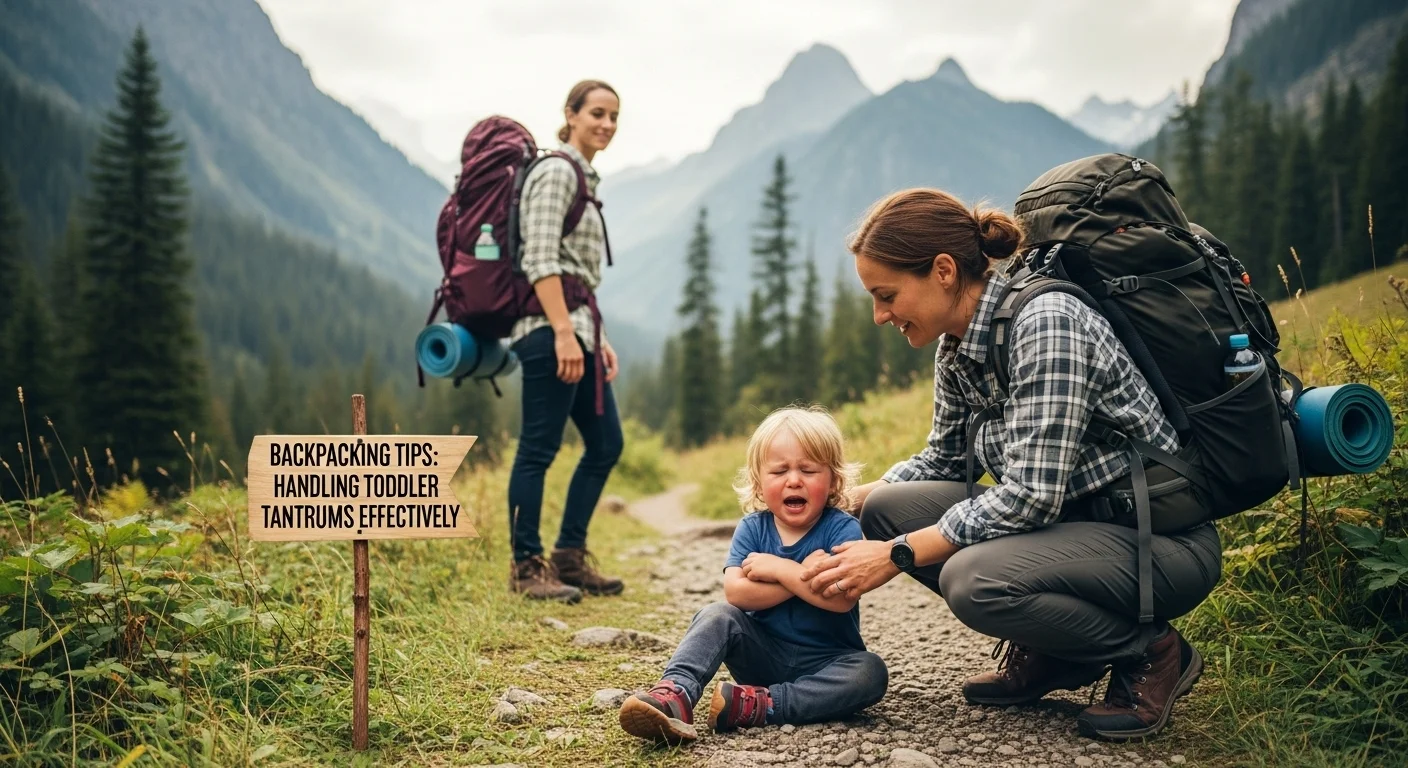
Understanding Toddler Tantrums in Backpacking Context
As a parent who’s navigated the ups and downs of traveling with a toddler, I’ve seen firsthand how the excitement of a new destination can quickly turn into chaos when a tantrum erupts. It’s important to understand that tantrums are a normal part of toddler development, and recognizing their triggers can help us better manage these moments on the road.
Common Triggers for Tantrums While Traveling
I’ve found that certain situations seem to ignite tantrums more than others. For instance, unfamiliar environments can be overwhelming for little ones. Imagine a toddler in a bustling airport or an overcrowded train station—those bright lights and loud sounds can easily lead to sensory overload. Hunger is another significant trigger. I remember one trip when my toddler lost it because we’d been delayed and missed snack time. Keeping snacks handy can be a game-changer. Then there’s tiredness; if our little ones don’t get their naps, we’re asking for trouble. I try to keep an eye on their routines and ensure we have downtime to recharge. Read Interesting article: Backpacking with Toddlers: Encourage Independence on the Go
Age-Related Tantrum Patterns
It’s fascinating to note how tantrums can evolve as toddlers grow. When my child was younger, most of their tantrums were about frustration—like when they couldn’t articulate what they wanted. As they grew, I noticed that they became more about asserting independence. For example, my toddler would sometimes throw a fit if I tried to help them put on their shoes, insisting, “I do it!” Recognizing these age-related patterns has allowed me to adjust my responses. I learned that giving them a little space to express their needs could often defuse a potential meltdown.
Preparation Before the Trip
Preparing for a backpacking trip with a toddler is crucial for a smoother experience. It’s not just about packing bags; it’s about setting the stage for our adventure.
Choosing the Right Destination for Families
When planning our trips, I’ve realized that choosing the right destination can make a world of difference. Some places are more family-friendly than others, with amenities like parks, kid zones, and attractions designed for younger audiences. I remember our first backpacking trip to a national park. While the scenery was breathtaking, there weren’t enough child-friendly activities. We ended up cutting our trip short due to my toddler’s restlessness. I now prioritize destinations that cater to families, which makes everything more enjoyable for all of us.
Setting Realistic Expectations
Before we set out, I always remind myself to keep expectations in check. Traveling with a toddler means things might not go as planned, and that’s okay! I’ve learned to embrace flexibility. For instance, if we intended to hike a specific trail but my toddler wasn’t feeling it, we could always pivot to something easier or even just enjoy a picnic instead. It’s about making memories, not ticking off boxes on a to-do list.
Packing Essentials for Comfort and Distraction
Packing strategically can also help mitigate tantrums. I always bring along a few comfort items for my toddler, like their favorite blanket or a beloved stuffed animal. These familiar objects can provide a sense of security in new places. I also pack a variety of distractions: toys, coloring books, or even downloaded shows on a tablet. I remember one trip where my toddler was getting restless during a long bus ride. I pulled out a surprise toy I had saved, and it was like magic! Their mood instantly lifted, and we were able to enjoy the rest of our journey.
In my experience, the key to handling toddler tantrums while backpacking is all in the preparation. If we take the time to understand the potential triggers, choose our destinations wisely, set realistic expectations, and pack thoughtfully, we can create a more enjoyable travel experience for ourselves and our little ones. It’s all about turning challenges into cherished memories, one backpacking trip at a time.
Strategies for Managing Tantrums During Travel
Even with the best preparations, tantrums can still happen. I’ve learned that having strategies in place for managing these meltdowns during travel can make a significant difference. It’s all about being aware, adaptable, and ready to intervene when needed.
Recognizing Early Signs of a Tantrum
One of the most important lessons I’ve learned is to recognize the early signs of a tantrum. I’ve noticed that my toddler often starts to show subtle cues before they reach the point of no return. It might be a furrowed brow, a sudden silence, or a little whine that indicates they’re feeling overwhelmed. By paying attention to these signs, I can intervene before things spiral out of control. I try to address their needs promptly—whether it’s taking a break, offering a snack, or simply shifting their focus to something more enjoyable. It’s like being a detective, looking for clues!
Effective Distraction Techniques
Distraction has become one of my go-to techniques for managing tantrums. I discovered early on that redirecting my toddler’s attention can often help diffuse a potential meltdown. For instance, if we’re waiting in a long line or sitting in a crowded space, I might pull out a small toy or start a game. I remember a particularly long wait at a theme park where my toddler started to fuss. I quickly whipped out a colorful puzzle and engaged them in putting it together. The fussing faded, and before I knew it, we were both laughing and having fun instead! Having a few go-to distractions ready to use has really helped during those moments.
Using Positive Reinforcement
Positive reinforcement has also been a powerful tool in our backpacking adventures. I emphasize the importance of praising my toddler for good behavior, especially when they handle a challenging situation well. For example, if they manage to stay calm during a long bus ride, I’ll celebrate that by saying, “Wow, you did such a great job waiting patiently! Let’s have a little treat.” This not only makes them feel good about their behavior but also encourages them to repeat it in the future. I think it’s essential to focus on the positives rather than just reacting to the negatives, and I’ve seen how this can foster a more enjoyable atmosphere while traveling.
Implementing Routine and Structure
While flexibility is key when traveling with toddlers, I’ve found that maintaining some structure can be incredibly beneficial. I try to incorporate elements of their regular routine into our travel schedule. For instance, I aim to keep meal times and nap times consistent, even if we’re on the go. I remember one trip where I let my toddler skip their usual nap time because we had a packed agenda. What followed was a disaster of epic proportions! Since then, I’ve made it a priority to build in rest periods to our day. We’ve learned that a little structure can go a long way in preventing tantrums and keeping everyone happy.
In my experience, having these strategies in place transforms our travel experiences. By recognizing early signs, using distractions, applying positive reinforcement, and maintaining some routine, I feel more equipped to handle tantrums when they arise. It’s a journey, and I’m constantly learning, but these techniques have made our backpacking trips much more enjoyable for my toddler and me.
Dealing with Tantrums in Different Travel Scenarios
Every travel scenario presents its own set of challenges, especially when it comes to managing toddler tantrums. I’ve learned that how we deal with these moments can really depend on where we are and what we’re doing. Let’s explore some specific situations and strategies that have worked for us.
On the Road: Car and Bus Travel
Traveling by car or bus can be a mixed bag. I’ve had journeys where my toddler happily sang songs or gazed out the window, and other times, where I thought a meltdown was inevitable. One key strategy I’ve found is to keep the journey interesting. I make sure to have a range of activities ready, like audiobooks or interactive games. I remember one trip where we played “I Spy” for hours, turning what could have been a stressful drive into a fun bonding experience. Frequent stops also help; letting my toddler stretch their legs and burn some energy can be a lifesaver. I try to plan breaks at parks or playgrounds if possible, which gives them a chance to release some of that pent-up energy.
At Airports and Train Stations
Airports and train stations can feel chaotic, and I’ve seen firsthand how that chaos can trigger tantrums. When we travel through these places, I try to familiarize my toddler with what to expect. We often talk about the different stages of our journey, from check-in to boarding. I also pack a small “travel kit” with snacks, a favorite toy, and a tablet loaded with shows or games. I once had a scare when we were stuck at the airport for hours due to a delay. I quickly set up a mini scavenger hunt, asking my toddler to find different items around the terminal. It kept them engaged and distracted from the frustration of waiting.
While Hiking or Exploring
Hiking or exploring can be a wonderful experience, but it poses unique challenges. I’ve learned that when we’re out on the trail, the combination of excitement and exhaustion can lead to unexpected tantrums. I always make it a point to choose trails that are suitable for toddlers, both in terms of length and difficulty. On one hike, I failed to consider that my toddler might get tired. We ended up stopping frequently, and I used those moments to turn it into a fun experience—by looking for interesting rocks or leaves, making it feel more like an adventure than a chore. I also pack a small backpack for my toddler with their own snacks, a water bottle, and a few light toys. Giving them a sense of responsibility can help them feel more engaged and less prone to tantrums.
In Accommodations: Hotels vs. Camping
The environment we stay in can significantly influence how our toddlers behave. Hotels often provide more amenities, which can be helpful, but I’ve found that camping can also offer a unique and enjoyable experience. In hotels, I make sure to set up a little area that feels familiar—setting up their blanket or stuffed animal can help them feel more at home. I also try to keep to their routine as much as possible, even if we’re in a new place. When we camp, I’ve found that involving my toddler in the setup process, such as pitching the tent or gathering firewood, can make them feel more invested in the experience. However, I also know that the unpredictability of camping can lead to tantrums, especially when they’re tired or hungry. I always have a plan for quick snacks and a comfy place for them to rest when needed.
In my experience, addressing tantrums in different travel scenarios involves a mix of planning, flexibility, and creativity. Whether we’re on the road, at the airport, hiking, or staying in various accommodations, adapting our approach has made all the difference. By keeping our little ones engaged and maintaining a sense of structure, we can turn potential tantrum-triggering situations into opportunities for fun and connection as a family.
Post-Tantrum Strategies for Recovery
Even after the storm of a tantrum has passed, I’ve learned that it’s essential to have a plan for recovery. These moments can be tough, both for us and our little ones, and how we navigate the aftermath can set the tone for the rest of our trip.
Calming Techniques for Toddlers
After a tantrum, I’ve found that calming my toddler is crucial. I often use deep breathing exercises, encouraging them to take slow, deep breaths with me. It’s amazing how just a few deep breaths can help to ground us both. I also try to find a quiet spot away from the chaos, whether it’s a cozy corner in a café or a peaceful area of the park. Sometimes, just sitting together and holding them close can work wonders. I remember one particularly challenging day when a tantrum left my toddler and me feeling frazzled. We found a quiet bench, and I wrapped my arms around them, whispering calming words until they settled down. It helped us reconnect and move on from the moment.
Encouraging Communication and Expression
Once things have calmed down, I think it’s important to encourage my toddler to express how they felt. I often say things like, “I noticed you were really upset earlier. Can you tell me what made you feel that way?” This has opened up conversations where my toddler shares their feelings, whether it be frustration, tiredness, or confusion. I find that validating their emotions helps them understand that it’s okay to feel upset sometimes. It also teaches them how to articulate their feelings, which can be a valuable tool for the future.
Reflecting on the Experience as a Family
After a tantrum, we often take a moment to reflect together as a family. I ask my toddler what they liked about our trip so far and what they didn’t like. I share my own feelings too, saying things like, “I felt a bit overwhelmed when we were waiting in line, but I loved our hike yesterday!” This mutual sharing helps build empathy and connection. Plus, it allows us to learn from the experience together. I remember a trip where we faced several challenges, but discussing them afterward made us grow closer and more resilient as a family.
Resources and Tools for Parents
As parents, we’re not alone in this journey. I’ve found a treasure trove of resources that can help us navigate the challenges of traveling with toddlers. Read Interesting article: Toddler Discipline Made Easy: Travel Tips for Parents
Books and Guides on Parenting While Traveling
There are several fantastic books out there that provide insights and strategies for traveling with kids. I remember picking up “How to Travel with Your Toddler” and finding it filled with practical advice and heartwarming stories. These books often offer tips tailored to different age groups and travel scenarios, which can make planning a trip less daunting.
Apps for Family Travel Planning
In this digital age, I’ve discovered a number of apps that can make travel planning easier. From itinerary planners to packing checklists, having the right tools can save us time and stress. One app I love is “Roadtrippers,” which helps us find interesting stops along our route. I can easily add in kid-friendly attractions, ensuring our journey is packed with fun!
Support Groups and Online Communities
Finally, connecting with other parents can be incredibly valuable. Online forums and social media groups focused on family travel allow us to share experiences, tips, and stories. I’ve gained so much wisdom from others who’ve faced similar challenges. There’s comfort in knowing that we’re all in this together, learning as we go.
Expert Tips from Experienced Backpacking Parents
Learning from those who’ve walked the path before us can be enlightening. I’ve gathered some expert tips that resonate with my experiences and can help us navigate our adventures more smoothly.
Real-Life Stories and Lessons Learned
Hearing real-life stories from other parents is both inspiring and informative. I remember reading about a family who turned a meltdown into a learning moment by using it to talk about feelings afterward. Their ability to reflect on the situation made me realize how important it is to approach these moments with compassion and understanding.
Advice from Child Psychologists and Pediatricians
Consulting experts can also provide valuable insights. I’ve come across articles written by child psychologists that emphasize the importance of understanding a toddler’s developmental stage and how it relates to behavior during travel. Their advice often aligns with what I’ve experienced, reinforcing that we’re on the right track. Simple techniques like maintaining routines and offering choices can empower our toddlers, helping them feel more in control.
Final Thoughts
Traveling with toddlers is undoubtedly a journey filled with ups and downs. While tantrums are a part of the package, I believe they can also lead to beautiful moments of connection and growth. By preparing adequately, applying effective strategies, and learning from our experiences, we can turn challenges into cherished family memories. Embracing the unpredictability of these adventures is what makes them worthwhile. So, let’s pack our bags, tie our shoelaces, and step into the wild unknown together—tantrums and all!
Frequently Asked Questions
What are common triggers for toddler tantrums while traveling?
Common triggers for toddler tantrums while traveling include unfamiliar environments, hunger, and tiredness. Situations like busy airports or crowded train stations can lead to sensory overload, while missing snack times or skipping naps can also cause meltdowns.
How can parents prepare for a backpacking trip with toddlers?
Parents can prepare for a backpacking trip with toddlers by choosing family-friendly destinations, setting realistic expectations, and packing essential comfort items and distractions. This preparation can help create a smoother travel experience.
What strategies can be used to manage tantrums during travel?
Strategies to manage tantrums during travel include recognizing early signs of a tantrum, using effective distraction techniques, applying positive reinforcement, and maintaining some routine and structure while on the go.
How can parents recognize early signs of a tantrum in toddlers?
Parents can recognize early signs of a tantrum by looking for subtle cues such as a furrowed brow, sudden silence, or whines, which may indicate that the toddler is feeling overwhelmed.
What are some effective distraction techniques for toddlers during travel?
Effective distraction techniques for toddlers during travel include engaging them with toys, games, or activities, such as puzzles or “I Spy,” to redirect their attention and help diffuse potential meltdowns.
How important is positive reinforcement when traveling with toddlers?
Positive reinforcement is important when traveling with toddlers as it encourages good behavior. Praising them for managing challenging situations can help them feel good about their actions and promote calmness in future scenarios.
What should parents consider when choosing travel accommodations?
Parents should consider the environment of their travel accommodations, such as whether to stay in hotels or camp. It’s important to create a familiar space for toddlers and maintain their routine, even in new settings.
How can parents help toddlers calm down after a tantrum?
Parents can help toddlers calm down after a tantrum by using calming techniques such as deep breathing exercises, finding a quiet spot to regroup, and holding them close to reconnect emotionally.
What resources are available for parents traveling with toddlers?
Resources available for parents traveling with toddlers include books and guides on parenting while traveling, family travel planning apps, and online communities for sharing experiences and tips with other parents.
What expert tips can help parents navigate traveling with toddlers?
Expert tips for parents include understanding a toddler’s developmental stage, maintaining routines, offering choices to empower toddlers, and reflecting on experiences to learn from challenges faced during travel.