
Backpacking with a toddler can be one of the most rewarding yet challenging experiences for parents. Understanding and managing their emotions while on the trail is key to making the adventure enjoyable for everyone. For more guidance, check out Navigating Toddler Emotions: Backpacking Regulation Tips.
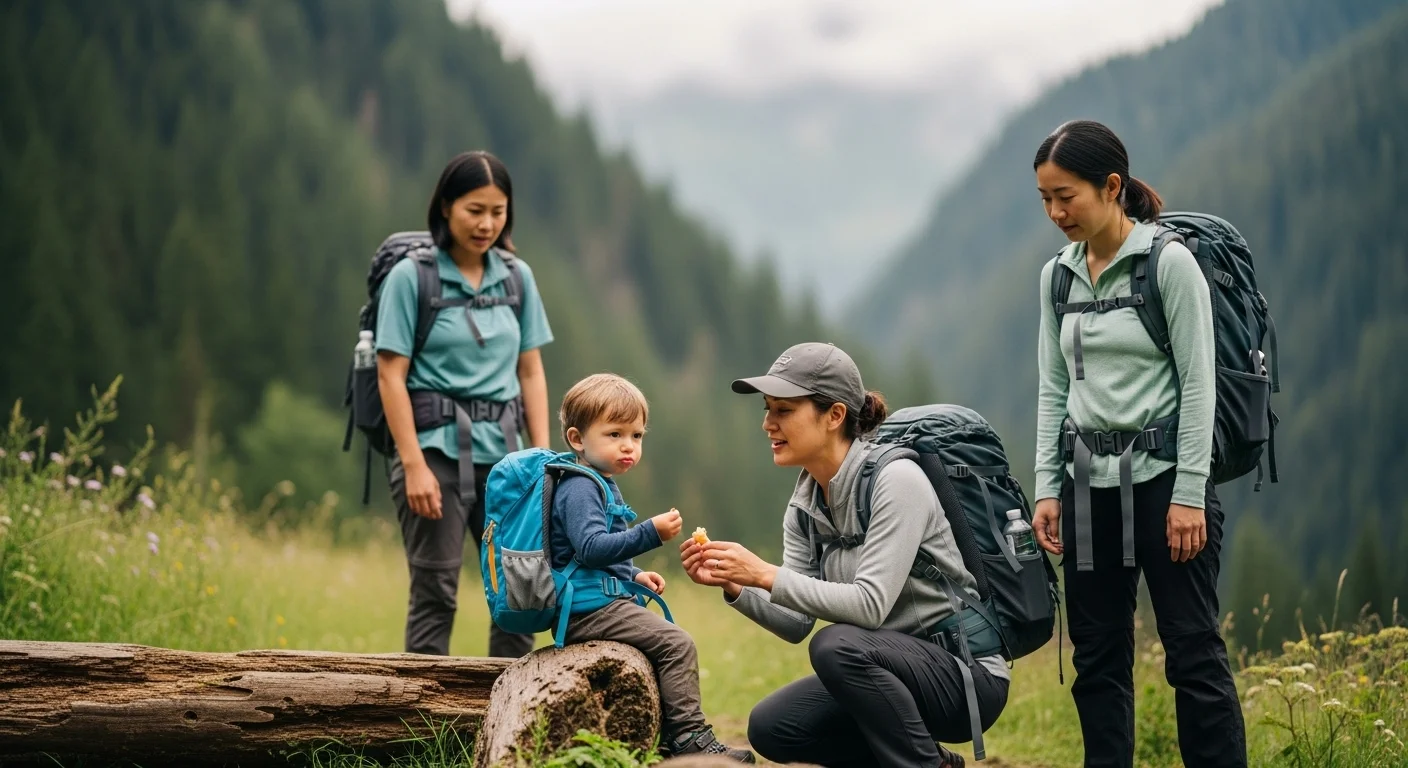
Understanding Toddler Emotions in a Backpacking Context
The Emotional Landscape of Toddlers
As a parent, I’ve often found myself marveling at the emotional world of my toddler. Their feelings can shift in an instant, and I’ve learned that understanding this emotional landscape is crucial, especially during activities like backpacking. Toddlers are experiencing a whirlwind of emotions, from joy and excitement to frustration and fear. This can be particularly pronounced when they’re away from their familiar environment, like home or a favorite park. I remember one hike where my little one was in absolute bliss, running around and exploring. But just moments later, when they tripped and fell, their world came crashing down. I quickly realized how sensitive they are to changes in their surroundings and how those changes can spark intense feelings.
Common Emotional Triggers While Traveling
Traveling with a toddler introduces new stimuli that can trigger a range of emotions. From the excitement of seeing new sights to the fear of unfamiliar sounds or even just being tired, toddlers can easily become overwhelmed. I’ve noticed that long stretches of walking can lead to both exhaustion and frustration. Hunger is another major emotional trigger; it’s fascinating to see how a simple snack can turn a frown into a smile. Additionally, the unpredictability of travel—like weather changes or delays—can heighten their anxiety. Each of these triggers reminds me to be patient and prepared, ensuring we have breaks and snacks at the ready. For more tips on managing these emotions, refer to Effective Emotional Regulation Tips for Toddlers on the Go.
Preparing for the Journey: Emotional Readiness
Choosing the Right Destination for Your Family
When planning our backpacking trips, I’ve learned that choosing the right destination can make a huge difference in how my toddler manages their emotions. Not all trails are created equal, and some are more family-friendly than others. I prefer locations that offer gentle terrains and shorter distances—this way, my little one can explore without feeling overwhelmed. I usually look for places that have interesting sights or sounds, like waterfalls or wildlife, to keep them engaged. I’ve found that even a simple day hike to a nearby nature reserve can spark joy and wonder in my child.
Setting Realistic Expectations
Setting realistic expectations is another vital part of our travel prep. I remember when we first started backpacking as a family; I had this idea that we could cover miles in a day like I used to do in my twenties. But I quickly realized that toddlers have their own pace. They need frequent stops and may want to explore everything from rocks to leaves. Now, I aim for shorter hikes with plenty of breaks. I’ve learned that it’s not about how far we go but about the experiences we share along the way. I often remind myself to embrace the journey and let curiosity lead the way.
Involving Your Toddler in Planning
Involving my toddler in the planning process has been a game-changer. I often ask them what they would like to see or do during our trip. This simple act not only makes them feel included but also gives them a sense of control over the adventure. We often look at pictures of the places we plan to visit, which helps them visualize the trip. I remember planning a trip to a park with a big playground, and just the thought of it filled them with excitement. When they feel part of the decision-making, they’re generally more enthusiastic and less prone to meltdowns.
Packing Essentials for Emotional Comfort
Favorite Toys and Comfort Items
Packing the right comfort items is essential for emotional stability on the road. I always make sure to include a few of my toddler’s favorite toys or comfort items. For my little one, it’s a small stuffed animal that they can cuddle during rest stops or when they feel overwhelmed. I’ve noticed that having these familiar items can help ground them in unfamiliar environments. It’s amazing how something as simple as a favorite blanket can make all the difference in helping them feel secure and calm.
Snack Options That Help Regulate Mood
Snacks play a huge role in managing emotions. I’ve found that keeping nutritious and fun snacks handy can help regulate my toddler’s mood. I usually pack a mix of fruits, nuts, and some of their favorite treats. I remember one trip where I packed apple slices and peanut butter; the joy on my toddler’s face when they had a snack break was priceless! It’s all about keeping their energy levels stable and their spirits high. I also learned to avoid sugary snacks that lead to energy crashes—those can turn a happy camper into a cranky one!
Emergency Emotional Support Items
Sometimes, despite our best efforts, emotions can run high. Having emergency emotional support items can be a lifesaver. I keep a small bag with calming items like a stress ball, coloring supplies, or even a simple storybook that can provide a distraction. When my toddler seems overwhelmed, I pull out these items to help them refocus and calm down. I’ve learned that being prepared for these moments can turn a potential meltdown into a peaceful break. It’s all about creating a toolkit that we can rely on when things get tough.
Creating a Calm Environment While Backpacking
Choosing Accommodations that Suit Families
When we travel, the place we stay can significantly impact how my toddler feels. I’ve learned that selecting family-friendly accommodations plays a big role in our overall experience. We often look for places that provide easy access to nature but also have a cozy atmosphere. For example, cabins or lodges with a little outdoor space can be a perfect retreat after a long day on the trail. I remember one trip where we stayed in a cabin by a lake, and it felt so peaceful. My little one could play outside while I prepared dinner, all while being surrounded by the beauty of nature. Having a comfortable, familiar space to retreat to helps my toddler relax and recharge, making it easier to manage their emotions throughout the trip.
Establishing a Routine on the Road
Another lesson I’ve learned is the importance of establishing a routine, even while we’re on the road. Toddlers thrive on predictability, so I try to keep meal times and bedtime relatively consistent. For instance, if we’re usually at the dinner table by 6:00 PM at home, I aim to stick to that schedule as closely as possible while traveling. I remember one particularly hectic day when we lost track of time, and dinner ended up being two hours late. My toddler was a bundle of frustration by the time we sat down to eat. Since then, I’ve made it a priority to maintain a routine. This familiarity helps them feel more secure and less anxious about the changes that travel brings.
Finding Quiet Spaces for Downtime
I’ve also discovered the importance of downtime during our travels. When we’re on the go, it’s easy to get caught up in the excitement of exploration. However, I’ve learned that my toddler needs time to unwind and process all the new experiences. I often look for quiet spaces where we can take breaks, whether it’s finding a shady spot under a tree or settling down near a stream. I remember one hike where we stumbled upon a serene little clearing. We took a moment to sit together, listen to the sounds of nature, and watch the clouds drift by. That simple break not only recharged my toddler but also gave us a chance to bond in a peaceful moment away from the hustle and bustle.
Strategies for Managing Emotions During Travel
Recognizing Signs of Overwhelm
As a parent, I’ve learned to be attentive to the signs that my toddler is becoming overwhelmed. It could be a sudden change in behavior, like increased clinginess or irritability. I’ve noticed that when they start to whine or refuse to walk, it’s often a signal that they need a break. By recognizing these signs early, I can intervene before a full-blown meltdown happens. For me, it’s all about being observant and responsive. I remember one trip when my toddler was playing happily, but then without warning, they just sat down and refused to move. I took a moment to assess the situation and decided it was time for a snack and a short rest. That simple act of slowing down made all the difference.
Techniques for Distraction and Comfort
When emotions start to run high, I often turn to distraction as a tool. I’ve found that engaging my toddler in conversation or games can easily shift their focus from whatever is bothering them. Simple activities like singing songs or telling silly stories can lift their spirits. I remember one hike where my little one was getting cranky, so I started a scavenger hunt for different colored leaves. Their mood transformed instantly as they focused on finding reds and yellows instead of feeling frustrated. We both ended up laughing and enjoying the moment. I’ve learned that even a little creativity can go a long way in managing emotions on the trail.
Using Breathing Exercises and Mindfulness
Incorporating breathing exercises has been a surprising but effective strategy for us. Even at a young age, toddlers can grasp the concept of taking deep breaths. I sometimes demonstrate this by taking a deep breath and saying, “Let’s blow the clouds away!” My toddler giggles and tries to mimic me. It’s a fun way to introduce them to the idea of mindfulness. I’ve noticed that just a few deep breaths can help calm their racing thoughts and emotions. Additionally, we sometimes take a moment to be present in nature, listening to the sounds around us or feeling the textures of the leaves. This encourages them to connect with their surroundings and find peace in the moment.
Engaging Activities to Foster Emotional Resilience
Games and Activities During Transit
Traveling from point A to point B can often feel long and tedious, especially for toddlers. To keep things lively, I’ve created a list of games and activities we can do during car rides or while waiting. We play classic games like “I Spy” or create a travel bingo with items we might see along the way. I remember one road trip where we spotted so many different animals that we almost forgot we were traveling! These games not only entertain but also help my toddler engage their curiosity and imagination, making the journey just as enjoyable as the destination.
Storytelling as a Tool for Emotional Expression
Storytelling has become an essential part of our travel routine. I often make up stories that incorporate elements of our journey or characters my toddler loves. Sometimes, we even create a collaborative story where they can add their own ideas. This not only fosters their creativity but also gives them a safe space to express their feelings. I remember once turning a challenging moment into a story about a brave little explorer overcoming obstacles. My toddler was enthralled and found comfort in seeing their experience reflected in a fun narrative.
Nature Exploration and Emotional Connection
Finally, I’ve discovered that nature exploration itself fosters emotional resilience. Being outdoors allows my toddler to connect with their feelings in a natural setting. Whether it’s collecting interesting rocks or observing animals, these experiences encourage them to appreciate the world around them. I often use these moments to talk about what they see and how it makes them feel. It’s incredible to watch them grow more confident as they engage with nature, and I believe it contributes to their overall emotional strength. For tips on enhancing social skills through play, check out How to Plan Memorable Playdates that Boost Social Skills.
Handling Meltdowns: Practical Tips
Staying Calm as a Parent
One of the most challenging aspects of traveling with a toddler is managing meltdowns. As a parent, I’ve found that my own emotional state greatly influences how my child reacts to stress. When my toddler begins to cry or throw a tantrum, I have to remind myself to stay calm. I’ve learned that if I start to feel flustered, it can escalate their emotions. I often take a deep breath and try to lower my voice, speaking softly to soothe them. I’ve found that saying things like, “I’m here, and we’re going to get through this together,” can provide both of us with a little reassurance during those tough moments. It’s a reminder that as parents, we set the emotional tone for our little ones, and maintaining our composure is key.
Effective Communication with Your Toddler
Effective communication is another tool I’ve relied on to handle meltdowns. During our trips, I try to talk with my toddler about their feelings even before a meltdown occurs. I use simple language and ask questions like, “Are you feeling tired?” or “Do you need a snack?” This not only validates their emotions but also helps them articulate what they’re experiencing. I remember a time when my toddler was getting fussy, and instead of ignoring it, I asked them to tell me what was bothering them. They said they were tired and wanted to sit down. By acknowledging their feelings, we found a simple solution together. It’s amazing how just talking about what’s going on can help diffuse a potential meltdown.
When to Take a Break: Recognizing Limits
Recognizing when to take a break is crucial, especially during longer trips. I’ve learned through experience that pushing my toddler past their limits can lead to frustration for both of us. Whenever I notice signs of fatigue or irritability—like them becoming quiet or increasingly whiny—I know it’s time to pause. I remember one hiking trip where we had planned to tackle a longer route, but halfway through, my little one started to drag their feet and complain. Instead of insisting we continue, I chose to find a nice spot to rest, have a snack, and just relax for a bit. That break not only rejuvenated my toddler but also gave me time to recharge, too. It’s about striking a balance between adventure and self-care.
Post-Trip Reflection: Learning and Growth
Discussing the Journey and Emotions Experienced
After our trips, I’ve found it incredibly beneficial to sit down with my toddler and talk about our experiences. This reflection helps both of us process what we went through emotionally. I often ask questions like, “What was your favorite part?” or “How did you feel when we saw that big waterfall?” This not only encourages them to express their emotions but also creates a space for them to share any challenges they faced. I remember one trip where my toddler was scared of the dark while camping. Discussing it afterward made them feel heard and understood. Reflecting on our journey helps solidify those memories and gives us both a chance to grow from the experience.
Encouraging Emotional Expression After Travel
Encouraging emotional expression after travel is something I make a priority. I’ve noticed that sometimes, feelings linger even after we return home. To help my toddler express those emotions, I introduce activities like drawing or journaling about our trip. We might sit down and create a scrapbook where they can add stickers or drawings related to our adventures. This creative outlet allows them to process their feelings in a fun way. I remember one time we made a collage of their favorite moments, and it was a joy to see how they articulated their happiness and fears through art. It’s a beautiful way to encourage emotional growth and understanding.
Building Emotional Resilience for Future Adventures
Building emotional resilience is an ongoing journey for my toddler and me. I believe that each travel experience is an opportunity for growth. By discussing our challenges and triumphs, we develop coping strategies together. I often remind my little one that it’s okay to feel overwhelmed sometimes, and that all feelings are valid. I’ve started to instill the idea that every adventure, whether good or bad, teaches us something valuable. This mindset helps frame our experiences positively. I know that as we continue to travel and face new challenges, we’ll both be better equipped emotionally for future adventures. It’s all about creating a supportive environment where my toddler feels safe to express their feelings and learn from every journey we take together.
Frequently Asked Questions
What are common emotional triggers for toddlers while backpacking?
Common emotional triggers for toddlers while backpacking include excitement from new sights, fear of unfamiliar sounds, tiredness from long stretches of walking, and hunger. Each of these can lead to feelings of overwhelm, so it’s important to be patient and prepared with breaks and snacks.
How can parents prepare their toddlers emotionally for a backpacking trip?
Parents can prepare their toddlers emotionally by choosing family-friendly destinations, setting realistic expectations for the hike, and involving the toddler in planning the trip. This involvement can help the child feel included and more enthusiastic about the adventure.
What items should parents pack for their toddler’s emotional comfort during backpacking?
Parents should pack favorite toys and comfort items, nutritious snacks to regulate mood, and emergency emotional support items like stress balls or storybooks. These items help provide security and comfort in unfamiliar environments.
Why is it important to establish a routine while traveling with toddlers?
Establishing a routine while traveling is important because toddlers thrive on predictability. Keeping meal times and bedtime consistent helps them feel secure and less anxious about the changes that travel brings.
What strategies can parents use to manage toddler emotions while on the trail?
Parents can manage toddler emotions by recognizing signs of overwhelm, using distraction techniques like games and storytelling, and incorporating breathing exercises to help calm their child. These strategies can help refocus and soothe an upset toddler.
How can storytelling help toddlers express their emotions during travel?
Storytelling allows toddlers to articulate their feelings and experiences in a safe way. By creating stories that reflect their journey or involve their favorite characters, children can process their emotions and feel a sense of connection to their experiences.
What should parents do when their toddler shows signs of needing a break?
When a toddler shows signs of needing a break, such as fatigue or irritability, parents should find a spot to pause, have a snack, and relax. This can help rejuvenate both the toddler and the parent, making the experience more enjoyable.
How can parents encourage emotional expression after a trip?
Parents can encourage emotional expression after a trip by discussing the experiences and feelings encountered during the journey. Activities like drawing, journaling, or creating a scrapbook can help toddlers articulate their emotions and process their experiences.
What role does nature play in fostering emotional resilience in toddlers?
Nature plays a significant role in fostering emotional resilience as it allows toddlers to connect with their feelings in a natural setting. Exploring outdoors encourages children to engage with their surroundings, helping them grow more confident and emotionally aware.
How can parents maintain their composure during toddler meltdowns?
Parents can maintain their composure during toddler meltdowns by staying calm, taking deep breaths, and speaking softly to reassure the child. Effective communication about feelings can help diffuse the situation and provide comfort to both parent and child.