
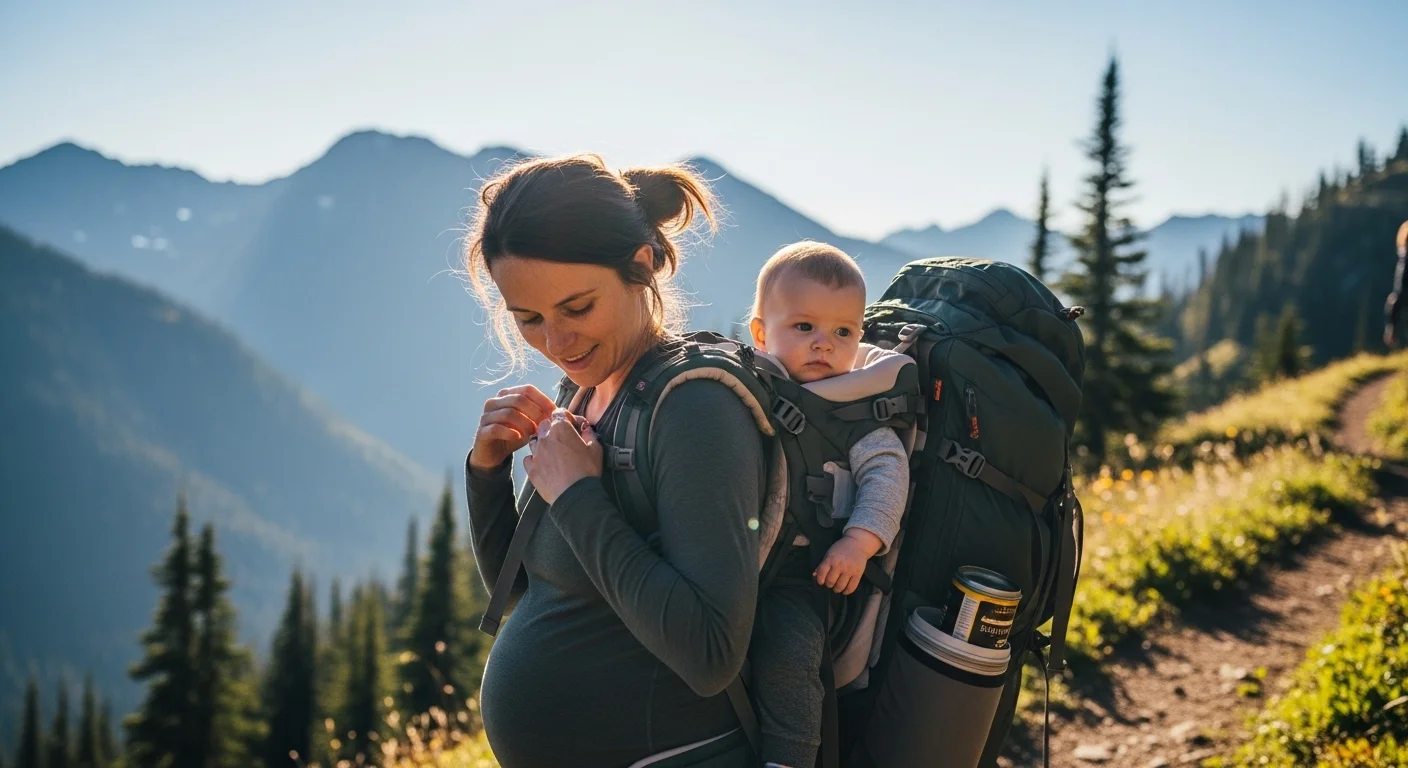
Backpacking with a baby on the way is an adventure filled with excitement and challenges. Understanding nutritional needs during pregnancy is crucial for both the mother and the developing baby, especially when exploring the great outdoors. Read Interesting article: Essential Nutrition Tips for a Healthy Pregnancy Journey
Understanding Nutritional Needs During Pregnancy
Pregnancy is a beautiful journey, but it also comes with its own set of nutritional requirements that are essential for the health and development of the baby. I remember when I first learned about these needs; it felt overwhelming but also fascinating. Knowing what to eat and how to nourish ourselves can make a huge difference in our overall well-being during this time. Let’s break down what every expecting mother needs to consider.
Key Nutrients for Expecting Mothers
During pregnancy, our bodies require a variety of nutrients to support the baby’s growth and our own health. Here are some of the key nutrients that should be on our radar:
- Folic Acid: This vitamin is crucial in preventing neural tube defects in the developing baby. I started taking a prenatal vitamin with folic acid as soon as I found out I was pregnant.
- Iron: An essential mineral that helps prevent anemia, which can be common during pregnancy. I found that incorporating iron-rich foods like spinach and lentils was a game-changer for my energy levels.
- Calcium: Important for the development of the baby’s bones and teeth. I learned that dairy products, as well as fortified plant-based alternatives, can help meet these needs.
- DHA: An omega-3 fatty acid that supports brain development. I started adding more fish to my diet, particularly salmon, which is a great source.
Understanding these nutrients made it easier for me to plan meals that were balanced and nourishing. I realized that focusing on a variety of foods can help meet these requirements effectively. Busting Common Pregnancy Myths: What You Really Need to Know can shed more light on this topic.
Daily Caloric Intake Recommendations
Another important aspect of nutrition during pregnancy is the daily caloric intake. I remember hearing the old saying, “You’re eating for two,” and while it’s not entirely accurate, there is some truth to it. The calorie needs increase as the pregnancy progresses. Generally, an additional 300 calories per day is recommended during the second trimester, and around 450 calories during the third trimester.
Tracking my caloric intake wasn’t something I enjoyed, but I found that focusing on nutrient-dense foods made it easier. Instead of just counting calories, I aimed for foods that were rich in the vitamins and minerals I needed, which also kept me feeling satisfied.
The Importance of Hydration
Staying hydrated is crucial during pregnancy, and I quickly learned that drinking enough water was just as important as what I ate. Dehydration can lead to complications, and it can also affect energy levels. I made it a habit to carry a water bottle wherever I went, especially on hikes.
If you’re heading out for a backpacking trip, consider packing electrolyte-rich drinks or coconut water, particularly if you’re sweating a lot. I found that adding a slice of lemon or lime to my water made it more refreshing, encouraging me to drink more.
When I was pregnant, I made a point to have a water bottle within reach at all times, and it really helped me stay on track. Understanding how hydration impacts overall health made me more conscious of my drinking habits.
All in all, keeping these nutritional needs in mind not only helped me feel my best during pregnancy but also prepared me for those adventures ahead. I gained confidence knowing I was nourishing my body and my baby. As I reflected on how to maintain this balance while backpacking, I knew the next steps would be figuring out the best foods to pack and how to plan meals on the go. The journey was only just beginning, and I was excited to explore it fully prepared.
Essential Foods for Pregnant Backpackers
As I embarked on my journey of backpacking while pregnant, it became clear that choosing the right foods was essential. I wanted to make sure I was getting everything I needed while still enjoying the freedom of the outdoors. I discovered that focusing on specific food groups made planning easier and more enjoyable. Here are the essentials I found invaluable during my backpacking adventures.
Whole Grains and Their Benefits
Whole grains are a fantastic source of energy, which is something we all need, especially when hiking. I learned that foods like brown rice, quinoa, and whole wheat bread not only provide carbohydrates for sustained energy but also offer essential nutrients like fiber and B vitamins. Fiber helped keep my digestion on track, which can sometimes be a challenge during pregnancy. I often packed whole grain wraps filled with various fillings for quick meals on the trail. They were easy to eat and provided a great mix of nutrients.
Fruits and Vegetables: A Vital Source of Vitamins
Fruits and vegetables are my go-to for vitamins and minerals. Their bright colors often reflect their nutrient density, so I always tried to pack a range of them. Apples, bananas, and oranges travel well and require no refrigeration, making them perfect for hikes. I also loved bringing along baby carrots and cherry tomatoes for a crunchy, refreshing snack. I remember that one day on the trail, I munched on a handful of trail mix with nuts and dried fruits, and it felt so energizing!
In terms of veggies, I discovered that packing pre-washed and cut options, like bell peppers and cucumber slices, made them easy to grab on the go. The vitamins from these foods were vital for both my health and the baby’s development. Plus, they helped satisfy my hunger without weighing me down.
Protein Sources: Meat, Fish, and Plant-Based Options
Getting enough protein was another priority for me, as it’s essential for the growth of the baby. I made sure to include a variety of protein sources in my backpack. For me, lean meats and fish were some of the best options. I often grilled chicken or turkey before a trip and vacuum-sealed portions to keep them fresh. I also found canned tuna handy for its convenience and omega-3 fatty acids, which are crucial for brain development.
On days when I wanted to keep things light, I turned to plant-based proteins like beans, lentils, and chickpeas. Packing some hummus with whole grain crackers was a hit! I remember feeling great knowing I was fueling my body with healthy options that would support my little one.
Dairy and Alternatives for Calcium
Calcium intake is essential during pregnancy for the development of the baby’s bones and teeth. I made sure to incorporate dairy products whenever I could. I found that string cheese or yogurt cups were easy to pack and made for great snacks. For those times I wanted something different, I tried plant-based alternatives like almond or soy milk, which are often fortified with calcium. I remember enjoying a smoothie made with yogurt and frozen fruits that I blended ahead of time and stored in a thermos for a refreshing treat on the trail.
Healthy Fats: Nuts, Seeds, and Oils
Healthy fats were a vital part of my diet, too. Nuts and seeds provided a great source of energy and were easy to carry. I often packed a mix of almonds, walnuts, and pumpkin seeds for snacking. I loved knowing that these snacks were not only delicious but also packed with nutrients like omega-3 fatty acids and vitamin E. I also found that adding a drizzle of olive oil to salads or grain bowls boosted my calorie intake in a healthy way while adding flavor.
When choosing foods for backpacking, I learned that it was essential to strike a balance. I wanted to pack items that not only met my nutritional needs but also were convenient and satisfying. With the right foods in hand, I felt empowered and ready to explore the great outdoors, knowing I was taking care of both myself and my growing baby.
Planning Balanced Meals While Backpacking
As I dived deeper into backpacking while pregnant, I realized that planning balanced meals was key to keeping my energy levels up and ensuring I got the nutrition I needed. I embraced meal prepping, especially for multi-day trips, which helped me stay organized and focused on my adventure rather than worrying about food.
Planning Balanced Meals While Backpacking
Meal Prepping for Multi-Day Trips
Meal prepping became my best friend as I planned for multi-day backpacking trips. I wanted to ensure that I had nutritious meals ready to go without the stress of cooking in the wild. I remember spending a Sunday afternoon preparing meals that would keep well and provide me with the energy I needed. I focused on meals that were not only balanced but also easy to pack and reheat.
One of my go-to meals was a quinoa salad loaded with veggies and chickpeas. Quinoa is packed with protein, and it holds up well over a few days. I would mix it with diced bell peppers, cucumbers, and a light lemon vinaigrette. Portioning it into reusable containers made it easy to grab and go when we were out on the trail.
I also pre-cooked some whole grain pasta with roasted vegetables and a bit of olive oil. This dish traveled well, and the flavors deepened after a day or two, making it even more enjoyable. On the trail, I could simply heat it up over a camp stove, and it felt like a gourmet meal after a long day of hiking.
For breakfast, I often prepared overnight oats. Mixing rolled oats with almond milk, chia seeds, and a bit of honey, I’d let them sit in the fridge overnight. In the morning, I’d add some nuts or dried fruits right before heading out. This quick and filling breakfast never failed to start my day on a positive note.
Snack Ideas for Energy on the Go
Snacks were crucial for keeping my energy levels up throughout the day. I found that having a variety of snacks on hand made it easier to refuel during breaks. Trail mix quickly became my favorite choice. I mixed nuts, seeds, and dried fruits in a resealable bag for easy access. I often tossed in some dark chocolate chips as a little treat, which was a delightful boost during tough hikes.
Granola bars were another staple in my backpack. I loved making my own to ensure they were packed with wholesome ingredients. Oats, honey, and a mix of nuts and seeds made for a chewy and satisfying snack. I remember one hike where I shared a homemade granola bar with my partner, and it instantly lifted our spirits.
Fruit was also a great option. Bananas and apples traveled well, and they provided quick energy. I also liked bringing along energy balls made from dates, nuts, and cocoa powder. They were easy to make and kept me feeling full between meals, plus they were a tasty little indulgence.
Portable Foods: What to Pack
When it came to portability, I learned that some foods are just better suited for backpacking. Items that are lightweight, non-perishable, and easy to prepare were my top picks. One of the best discoveries for me was freeze-dried meals. They are incredibly convenient—just add hot water, and they’re ready in minutes!
I also packed instant oatmeal packets for breakfast on the go. They were light, required minimal preparation, and I could customize them with nuts or dried fruits for added nutrition. Whole grain wraps filled with nut butter and banana slices made for a great lunch option too. They were easy to assemble and didn’t require any refrigeration, which was a huge plus.
For protein, I relied on jerky. I preferred turkey or salmon jerky because they offered a leaner alternative to traditional beef jerky. It was a great way to sneak in some protein while on the trail. I’d often pair it with whole grain crackers for a more complete snack.
Cooking Tips for Campfire or Portable Stoves
Cooking while backpacking added a fun challenge to our outdoor adventures. I quickly learned a few tips that made the experience enjoyable. For one, I discovered that planning simple meals was the way to go. I often used one-pot recipes that minimized cleanup and allowed for easy cooking.
Using a portable camp stove, I could boil water for pasta or soup quickly. I remember one night making a simple vegetable stir-fry with pre-chopped veggies and tofu. It was a highlight of the trip, not only for its simplicity but also for the delicious flavors that filled the air around our campfire.
I also invested in a lightweight pot and a spatula, which made cooking over a campfire much more manageable. I experimented with foil packets, wrapping pre-seasoned fish and vegetables in foil and placing them on the grill over the fire. The result was a flavorful and healthy meal that required very little effort.
Most importantly, I made sure to bring along a sturdy cutting board and a knife for easy prep. Being organized in the kitchen, even if it was outdoors, made the whole experience smoother. Embracing the cooking process and trying new meals added to the overall joy of backpacking while pregnant, and I loved every moment of it.
Addressing Common Nutritional Concerns
Managing Food Cravings and Aversions
During my pregnancy, I experienced cravings that felt almost overwhelming at times. One day, I simply couldn’t get enough of pickles, while the next, I would be repulsed by the thought of certain foods. I learned that these cravings and aversions are completely normal and can be influenced by hormonal changes. It’s essential to listen to our bodies and find a balance that works for us.
When I craved something less nutritious, like chips, I tried to find healthier alternatives to satisfy that urge. For instance, I would reach for air-popped popcorn or baked chickpeas, which provided that satisfying crunch without compromising my nutrition. I also discovered that keeping a variety of healthy snacks on hand helped me navigate those cravings without feeling guilty. Remembering that it’s okay to indulge occasionally eased my mind and made me feel more at ease with my choices.
Dealing with Morning Sickness While Traveling
Morning sickness is an experience that many expecting mothers face, and it can be particularly challenging when traveling or backpacking. I remember one trip when I woke up feeling nauseous and anxious about how to handle it on the trail. I found that sticking to bland, easy-to-digest foods like crackers or toast helped ease my stomach. It was a simple yet effective strategy that worked for me.
Carrying ginger candies or tea with me also proved beneficial. Ginger is known to help alleviate nausea, and I found it comforting to have something to sip on during hikes. If you’re planning a trip and are worried about morning sickness, packing small snacks and staying hydrated can make all the difference. It’s all about being prepared and giving ourselves grace during those tough moments.
Food Safety Tips for Pregnant Travelers
Food safety became a significant concern for me while backpacking, especially since I wanted to protect both my health and my baby’s. I made it a point to plan meals that were safe and easy to prepare. For instance, I opted for foods that could withstand different temperatures without spoiling, like nut butter, dried fruits, and vacuum-sealed items. These choices also kept my meals varied and enjoyable.
When preparing food outdoors, I made sure to wash my hands frequently and keep my cooking area clean. I also learned to be cautious about consuming food from questionable sources, especially when venturing into remote areas. Trusting my instincts and being mindful of food hygiene helped me enjoy my adventures without unnecessary worries.
Supplements and Vitamins for Pregnant Backpackers
When to Consider Prenatal Vitamins
Taking prenatal vitamins was a vital part of my pregnancy journey. I started as soon as I found out I was expecting, as they contain essential nutrients that support both my health and my baby’s development. I spoke with my healthcare provider about which vitamins would be best for me, and I learned that consistency is key. Even while backpacking, I made it a point to pack my vitamins in a separate pouch to ensure I didn’t forget them.
Important Supplements: Folic Acid, Iron, and DHA
Folic acid, iron, and DHA were some of the crucial supplements I focused on. I found that a prenatal vitamin containing these nutrients simplified my routine. Folic acid is vital in the early stages of development, and iron helped me manage my energy levels, especially during those long hikes. DHA, which supports brain development, became a part of my daily regimen, and I appreciated knowing that I was nurturing my little one even while I was out adventuring.
Staying Healthy While Backpacking
Recognizing Signs of Nutritional Deficiency
While backpacking, it was essential to be aware of how I was feeling physically. I learned to recognize signs of nutritional deficiency, like fatigue or dizziness, which could indicate that I wasn’t getting enough of the nutrients my body needed. Keeping a journal helped me track my meals and how I felt on the trail, which allowed me to adjust my food choices accordingly.
Maintaining Physical Activity Safely
Staying active during pregnancy is important, but I also learned to listen to my body. I tailored my hiking routes to match my energy levels and took breaks whenever I felt it necessary. I found that gentle stretches and staying hydrated made a significant difference in how I felt during and after our hikes. It was all about finding a safe balance and enjoying the journey without pushing my limits too hard.
Rest and Recovery: Importance for Expecting Mothers
Resting was just as important as staying active. After long days on the trail, I made sure to prioritize rest and recovery. I found that setting up camp early and allowing myself some downtime helped recharge my energy for the next day’s adventures. Listening to my body was vital, and I learned that it’s perfectly okay to take a break, especially during pregnancy.
Resources and Support for Pregnant Travelers
Consulting Healthcare Professionals Before Traveling
Before embarking on my backpacking adventures, consulting with my healthcare provider became a priority. They offered valuable insights and reassurance about what activities were safe for me during pregnancy. I believe that having that support made my experiences more enjoyable and less stressful.
Online Communities and Forums for Pregnant Backpackers
Finding a community of like-minded pregnant travelers was a game-changer for me. I joined online forums and social media groups where I could share experiences, ask questions, and get advice from others who understood the unique challenges of backpacking while expecting. These connections not only provided support but also enriched my journey with shared stories and tips.
Books and Guides on Pregnancy Nutrition
I discovered that reading books and guides on pregnancy nutrition expanded my knowledge and helped me feel more confident about my choices. I enjoyed learning about meal planning, healthy snacks, and the importance of various nutrients. Having this knowledge in my back pocket made every backpacking trip feel like a well-informed adventure. Top 5 Pregnancy Myths Debunked for Expecting Parents is a great resource for further reading.
Final Thoughts
Backpacking while pregnant has been one of the most rewarding experiences of my life. I learned to embrace the journey, adapt to new challenges, and prioritize my health and that of my baby. By understanding nutritional needs, planning balanced meals, and staying connected with supportive communities, I felt empowered to explore the great outdoors. For anyone considering backpacking during pregnancy, I encourage you to take the leap! With the right preparation and mindset, it can be an incredible adventure filled with unforgettable moments.
Frequently Asked Questions
What are the key nutrients that expecting mothers should focus on during pregnancy?
Expecting mothers should pay attention to key nutrients such as Folic Acid, Iron, Calcium, and DHA. Folic Acid helps prevent neural tube defects, Iron prevents anemia, Calcium supports the development of bones and teeth, and DHA is important for brain development.
How much additional caloric intake is recommended during pregnancy?
During pregnancy, it is generally recommended to consume an additional 300 calories per day during the second trimester and around 450 calories during the third trimester.
Why is hydration important during pregnancy, particularly when backpacking?
Staying hydrated is crucial during pregnancy as dehydration can lead to complications and affect energy levels. It’s important to drink enough water, and packing electrolyte-rich drinks can help, especially during physical activities like hiking.
What are some essential foods that pregnant backpackers should consider packing?
Pregnant backpackers should consider packing whole grains (like brown rice and quinoa), a variety of fruits and vegetables, protein sources (such as lean meats, fish, and plant-based options), dairy products or alternatives for calcium, and healthy fats (like nuts and seeds).
How can meal prepping assist pregnant backpackers?
Meal prepping helps pregnant backpackers by ensuring they have nutritious, easy-to-pack meals ready for their trips. It reduces the stress of cooking in the wild and allows for balanced meals that provide necessary energy.
What are some snack ideas that can help maintain energy levels while hiking?
Some effective snack ideas include trail mix with nuts and dried fruits, homemade granola bars, fruits like bananas and apples, and energy balls made from dates and nuts. These snacks are easy to carry and provide quick energy boosts.
What food safety tips should pregnant travelers keep in mind while backpacking?
Pregnant travelers should focus on food safety by planning meals with foods that can withstand temperature changes, washing hands frequently, keeping cooking areas clean, and avoiding food from questionable sources.
When should pregnant women consider taking prenatal vitamins?
Pregnant women should consider taking prenatal vitamins as soon as they find out they are expecting, as these vitamins contain essential nutrients that support their health and the baby’s development.
How can pregnant backpackers recognize signs of nutritional deficiency?
Pregnant backpackers can recognize signs of nutritional deficiency by being aware of physical symptoms such as fatigue or dizziness, which may indicate insufficient nutrient intake. Keeping a journal can help track meals and feelings to adjust food choices accordingly.
What resources can pregnant travelers use for support and information?
Pregnant travelers can consult healthcare professionals for personalized advice, join online communities and forums for shared experiences and tips, and read books and guides on pregnancy nutrition to enhance their knowledge and confidence while backpacking.