
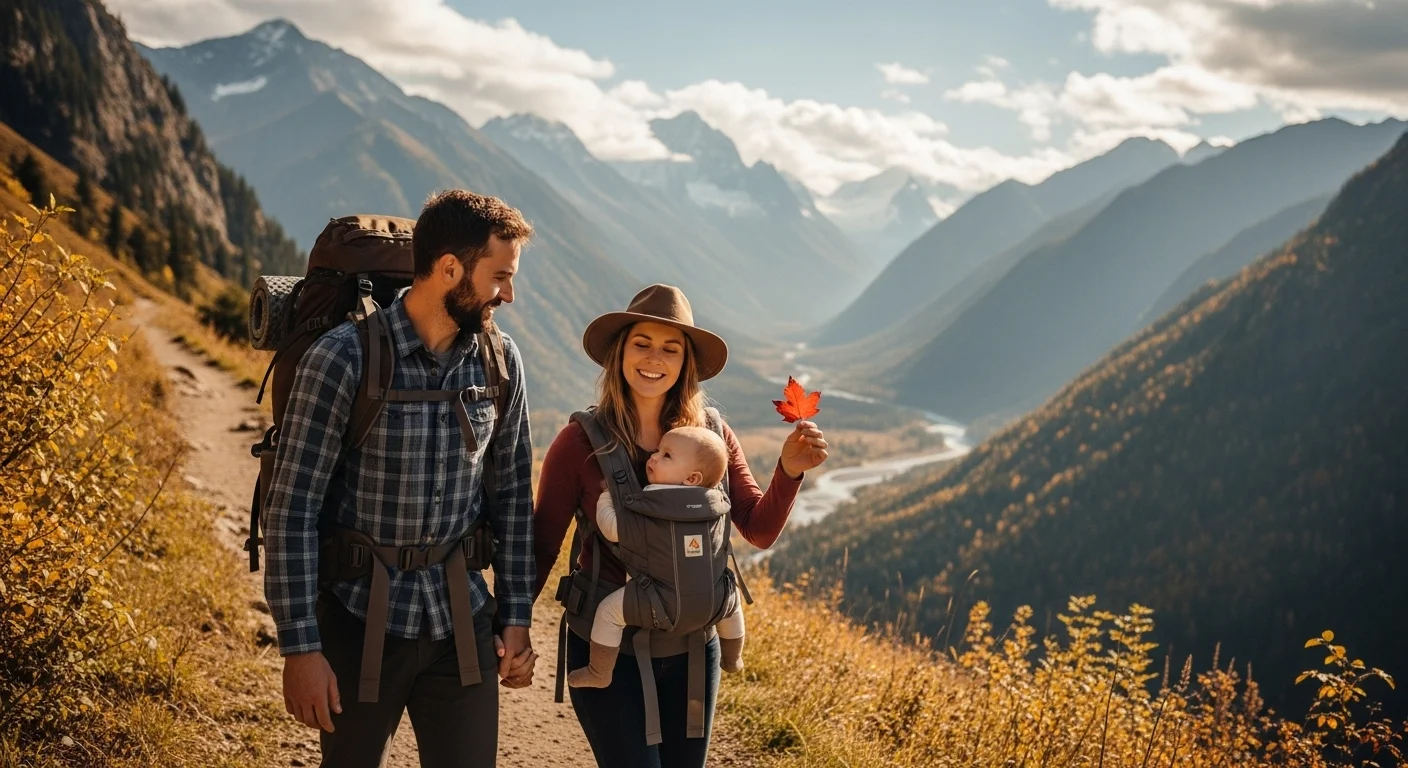
Backpacking with a newborn might sound daunting, but it opens up a world of adventure and cognitive growth for your little one. Let’s explore how this unique journey can shape their early experiences and brain development.
Understanding Cognitive Growth in Newborns
Cognitive growth in newborns is a fascinating area of development, encompassing how they learn, think, and understand their world. Watching this evolution unfold can be one of the most rewarding experiences for a new parent. I remember being amazed at how quickly my baby was absorbing everything around her, and it made me realize just how important those early months are for their brain development.
What is Cognitive Growth?
Cognitive growth refers to the development of thought processes, including remembering, problem-solving, and decision-making. For newborns, this growth is primarily about sensory experiences and the basic building blocks of learning. I’ve always found it incredible how even the simplest interactions, like a smile or a sound, can contribute to this process. They are like tiny sponges, soaking up everything from their environment. During the first year, their cognitive abilities expand rapidly as they begin to make sense of the world around them.
Key Milestones in Cognitive Development
Newborns hit several key milestones that are indicators of their cognitive growth. For me, it was a joy to witness these changes. Here are some important milestones:
- 0-3 months: At this stage, newborns start recognizing faces and voices. I remember how my baby would calm down when she heard my voice.
- 3-6 months: Babies begin to explore through their senses. They reach for objects and visually track moving things, which is a sign of developing awareness.
- 6-9 months: Understanding cause and effect becomes apparent. They might drop a toy just to see what happens, which I found both amusing and insightful.
- 9-12 months: Babies start to engage in simple problem-solving, like figuring out how to get a toy out of reach. It’s truly remarkable to see their persistence.
These milestones can happen at different paces, but they are essential benchmarks that show how their brains are developing. I often found it helpful to read up on these stages to better understand what my baby was experiencing.
Importance of Early Experiences
The experiences a newborn has in the first year can significantly impact their cognitive growth. This is where our choice to go backpacking came into play. I realized that the sights, sounds, and smells of nature provide a rich tapestry for cognitive stimulation. When we took our baby into the great outdoors, each new environment was a lesson. I noticed how she would react to the rustling of leaves or the chirping of birds, and I could see her brain processing these new stimuli.
During our trips, I made it a point to engage her with different textures and sounds. For instance, I would let her touch the rough bark of a tree or feel the soft grass beneath her hands. These small interactions not only made her giggle but also supported her sensory development. Research shows that early experiences shape brain connections, which is why I believe we should seize every opportunity to expose our little ones to new environments.
Moreover, I learned that early social interactions, like talking to her during hikes or singing lullabies by the campfire, can enhance language development. It felt like we were not just backpacking; we were also nurturing her cognitive growth in real-time. Each adventure became a chance to strengthen those connections and foster her curiosity.
In my opinion, embarking on these journeys with a newborn not only benefits their cognitive development but also creates beautiful family memories. I cherish those moments when we all explored together, and I believe they laid the foundation for her future learning. As we moved forward with our backpacking adventures, I couldn’t help but feel excited about the cognitive milestones we would witness along the way.
Preparing for Backpacking with a Newborn
When I first considered backpacking with my newborn, I quickly realized that preparation was key. It’s not just about packing up your gear; it’s about making sure everything is tailored to meet the needs of both you and your little one. I learned that the right preparation could make or break our outdoor adventures. So, let’s dive into what I found essential for a successful trip.
Choosing the Right Backpacking Gear
Choosing the right gear is crucial when heading out with a newborn. I remember spending hours researching baby carriers and backpacks. I wanted something comfortable for both me and my baby, and I quickly discovered that not all options are created equal. I finally settled on a hiking backpack designed specifically for carrying babies. It had a sturdy frame, ample padding, and a sunshade, which was a game-changer during our hikes.
One thing that stood out to me was the importance of adjustability. Since I’m on the shorter side, I needed a carrier that could be easily adjusted for comfort. We also wanted something lightweight because we had enough to carry without adding extra weight. I found that a well-fitted carrier was essential to keep me from feeling sore during long hikes. It felt like I was carrying my baby’s world on my back, and I wanted to ensure she was safe and snug.
Additionally, I learned to pack wisely. I opted for a backpack that had ample pockets for easy access to essentials like diapers and snacks. Having everything within reach made our outings smoother, allowing us to enjoy the experience rather than scrambling through our gear.
Essential Baby Items for Backpacking
Once I had the carrier sorted, I started thinking about the baby essentials to bring along. I found that packing light while ensuring we had everything we needed was a balancing act. I made a list of must-haves that made our trips enjoyable and stress-free. Here’s what I packed:
- Diapers and Wipes: I never left home without an ample supply of diapers. I also added biodegradable wipes for easy cleanup, which made a difference when we were in nature.
- Changing Pad: A portable changing pad was a lifesaver during our hikes. It provided a clean space to change her diaper, no matter where we were.
- Blankets: I packed a lightweight blanket that served multiple purposes—keeping her warm, a play mat, or even a sunshade.
- Feeding Supplies: Whether it was breastfeeding or bottle-feeding, I ensured we had everything ready, including a cover for privacy when needed.
- First Aid Kit: I never overlooked safety. Having a small first aid kit gave me peace of mind, especially in remote areas.
These essentials not only kept my baby comfortable but also helped me feel prepared for any situation. I found that being organized played a huge role in our enjoyment of the great outdoors.
Read Interesting article: Backpacking with Newborns: Safe Sleep Practices Explained
Health and Safety Precautions
When hiking with a newborn, health and safety are paramount. I took time to research the best practices to ensure our adventures were safe. One of my top priorities was to keep my baby protected from the elements. I packed a good sun hat and made sure she wore lightweight clothing that covered her arms and legs. Sunscreen also became a crucial item; I used a baby-safe formula to shield her delicate skin from harmful UV rays.
Another aspect I focused on was hydration. I learned the importance of staying hydrated, not just for myself but also for my baby. While she was too young for water, I made sure I stayed well-hydrated while nursing. I carried a water bottle that was easy to access, allowing me to sip throughout our hikes.
Monitoring the weather was another essential precaution. I made it a point to check forecasts before heading out and adjusted our plans accordingly. If it looked like rain, I made sure to have a rain cover for the baby carrier. I also kept an eye on temperature changes during the hike to ensure my baby wasn’t too hot or too cold.
By taking these precautions, I felt more confident in our ability to enjoy our adventures without compromising my little one’s safety and well-being. Each trip became not just an exploration of nature, but also an exploration of responsible parenting in the great outdoors.
Backpacking Destinations Suitable for Newborns
Once I decided to hit the trails with my newborn, the next step was figuring out where to go. I quickly learned that not all hiking destinations are created equal, especially when you have a little one in tow. I wanted to find family-friendly trails that would not only be enjoyable for us as parents but also safe and stimulating for our baby. Here’s what I discovered during my planning process.
Family-Friendly Trails
Finding the right trail was essential. I wanted to ensure it was not too strenuous and had plenty of opportunities for breaks. After some research and recommendations from fellow parents, I found a few local gems that were perfect for families. One of my favorites was a gentle loop trail through a wooded area with a beautiful stream running alongside it. The scenery was breathtaking, and I loved how the soft sounds of water flowed in the background, creating a calming atmosphere.
Another trail we enjoyed was an easier path with wide, flat surfaces. I always felt more at ease knowing we could navigate it easily with the baby carrier. I remember thinking how nice it was to stop along the way to let my baby experience the sights and sounds around her. We’d pause to watch squirrels scurry across the path or listen to birds chirping in the trees. Each of these moments felt magical, enriching our experience together.
Accessibility Considerations
Accessibility was a big factor in choosing our backpacking destinations. I learned that some trails are more accommodating than others, and it was crucial to pick spots that offered easy access for families with young children. I appreciated trails that had well-maintained paths, which made it easier to maneuver with the baby carrier. We also looked for places with nearby parking and restrooms. Simple amenities like these made a huge difference in our overall experience.
Additionally, I found it helpful to check online forums and local hiking groups for advice on trail conditions. Some parents shared their experiences on specific trails, and I loved hearing their tips on what worked best for them and their little ones. This community support made our planning feel more connected and less overwhelming.
Nature vs. Urban Environments
As I pondered where to go, I also weighed the benefits of nature versus urban environments. Initially, I was all in for the great outdoors, but I realized that urban parks can be just as enriching. They often have walking paths, gardens, and areas with sensory experiences like fountains and playgrounds. I remember visiting a local park where we could enjoy the beauty of nature without venturing too far from home.
In my case, I discovered that the balance between nature and urban settings could provide varied experiences for my baby. While I loved the serenity of the woods, I also appreciated the vibrant sounds of the city parks, from laughter to the rustling of leaves. Both brought different stimuli that were beneficial for her cognitive development, and I cherished the opportunity to expose her to both environments.
Overall, choosing the right destination was about striking a balance. I wanted to ensure we had a safe, enjoyable experience that provided rich sensory opportunities for my newborn. Each trail we explored became a cherished memory, filled with laughter and discovery, reinforcing our bond as a family while nurturing her cognitive growth along the way.
Milestones in Cognitive Growth During Backpacking
As we embarked on our backpacking adventures, I couldn’t help but notice how these experiences contributed to my baby’s cognitive development. Each hike seemed to bring new milestones, and I felt like I was witnessing her growth firsthand. Here’s what I observed during our journeys.
Sensory Development Through Nature
Nature is a sensory wonderland, and I found that immersing my baby in this environment boosted her sensory development. I remember one hike where the sun filtered through the trees, creating a beautiful play of light and shadow. I could see her eyes widen as she took it all in. The rustling leaves, the smell of pine, and the sounds of the stream all combined to create a rich sensory experience that was unlike anything she encountered at home.
Each new experience seemed to stimulate her brain in different ways. I noticed how she would reach out to touch the grass or feel the cool breeze on her cheeks. These small moments felt significant, as I believed they helped build the neural connections that would support her cognitive growth.
Social Interaction with Family and Nature
Our adventures also provided unique opportunities for social interaction. I made it a point to talk to her throughout our hikes, narrating what we were seeing and experiencing together. I would point out different plants, animals, and sounds, and I could tell she was engaged. I loved watching her respond with coos and smiles, almost as if she was trying to communicate back. These interactions not only reinforced our bond but also laid the groundwork for her social development.
Being outdoors also allowed us to meet other families, which added another layer of social interaction. I remember one day sitting at a picnic table near a trailhead, watching my baby observe other children playing. It was heartwarming to see her curiosity as she watched them interact. I felt like every encounter, whether with nature or other families, was an opportunity for her to learn and grow.
Language Development in Outdoor Settings
Language development was another fascinating aspect of our backpacking trips. I found myself using descriptive language to explain what we were doing, which I learned was beneficial for her learning process. I would say things like, “Look at the big, tall tree!” or “Listen to the birds singing!” This conversational approach seemed to enhance her understanding of words and their meanings.
Each hike became a chance to expand her vocabulary, and I could see her responding to the different tones of my voice. I often sang songs or made up stories related to our adventures, which I believe helped her associate language with fun and exploration. These experiences felt like a unique way to enrich her language skills while enjoying the great outdoors together.
In reflecting on our backpacking experiences, it became clear that each adventure was not just a journey through nature but a journey through developmental milestones for my baby. I felt grateful for the opportunity to witness her cognitive growth in such a nurturing, engaging environment.
Activities to Encourage Cognitive Growth
Interactive Games While Backpacking
One of the things I loved most about backpacking with my newborn was the chance to incorporate simple, interactive games into our adventures. I quickly discovered that play could be both fun and educational, even in nature. For example, as we walked along the trails, I would point out different things we saw—like the vibrant colors of flowers or the shapes of leaves. I turned it into a game by asking her to find items with different colors or textures. These playful interactions not only kept her engaged but also encouraged her to observe and explore her surroundings actively.
Another favorite of ours was a tactile game where I would take her hand and let her feel various surfaces—smooth rocks, rough bark, soft moss—while describing them. I felt like each texture was a lesson in itself, and watching her reactions was incredibly rewarding. It was fascinating to see how she would reach out and respond with curiosity, which I believe reinforced her understanding of the world around her.
Nature Sounds and Their Impact
Being surrounded by nature gave us a unique opportunity to explore the world of sounds. I often found myself stopping to listen to the wonderful symphony of chirping birds, rustling leaves, and flowing water. I would narrate these sounds to my baby, saying things like, “Can you hear the birds singing?” or “What a nice sound the water makes!” This not only helped her develop her auditory skills but also enhanced her ability to focus. I noticed that she would turn her head toward the sounds, showing her growing curiosity and engagement with her environment.
At times, I would try to mimic the sounds of nature, like the gentle rustling of leaves or the soft gurgle of a stream. I found that this playful interaction made our hikes feel like a fun adventure, and it seemed to encourage her to explore the sounds around her more deeply. I believe that these early experiences with nature sounds fostered her auditory discrimination and made her more aware of her surroundings.
Storytelling and Its Benefits
Storytelling was another enriching activity that became a staple during our backpacking trips. I would make up little tales inspired by the sights around us—like a story about a brave squirrel gathering acorns or a butterfly fluttering through the flowers. I noticed how my baby’s eyes would light up as I spoke, as if she was captivated by the narrative. Sharing these stories not only entertained her but also introduced her to new vocabulary and concepts in a way that felt engaging and relatable.
Sometimes, I would even involve her in the storytelling process by asking her questions, like, “What do you think the squirrel found?” This not only sparked her imagination but also encouraged critical thinking and language skills. I believe that these moments of storytelling during our hikes played a significant role in nurturing her cognitive growth, making each adventure feel like a delightful journey of discovery.
Documenting the Journey: Keeping a Backpacking Journal
Why Documenting is Important for Cognitive Growth
Keeping a backpacking journal became one of my favorite practices during our outdoor adventures. I realized that documenting our experiences not only preserved precious memories but also encouraged reflection. By writing down observations, milestones, and even challenges, I felt more connected to our journey. I would jot down things like her reactions to different environments or the new sounds we encountered. This practice not only allowed me to track her growth but also served as a tangible way to celebrate our experiences together.
From my perspective, this act of documenting was also beneficial for her cognitive development. The process of recounting our adventures helped reinforce what she learned and experienced during our trips. It was a way for me to reflect on how each hike contributed to her growth, and I think it instilled a sense of appreciation for nature and adventure that she can carry with her as she grows.
Tips for Capturing Memories with a Newborn
When it came to capturing memories, I found a few strategies that worked well for us. First, I made sure to keep a small notebook and pen handy in my backpack. Jotting down notes during breaks made it easy to remember specific details later. I also took photos during our hikes, focusing on candid moments—like her giggles while feeling the grass or her wide-eyed wonder looking at flowers. These images, combined with my written reflections, created a beautiful record of our adventures.
Another idea that worked well for us was to incorporate her into the documentation process by letting her “help” with the journal. I would let her hold the pen or point to pictures I had taken, encouraging her to express herself in her own way. I loved the idea that even at such a young age, she was part of our storytelling, and I believe these moments of collaboration contributed to her early sense of agency and creativity.
Challenges of Backpacking with a Newborn
Managing Sleep Schedules
One challenge I faced while backpacking with my newborn was managing her sleep schedule. Newborns thrive on routine, and I quickly learned that our hiking plans needed to accommodate her naps. I remember a few times where we were deep into a hike when she would start to show signs of tiredness. I learned to be flexible, finding shady spots to set up a cozy area for her to nap. I would wrap her in a blanket and let the gentle sounds of nature lull her to sleep. These moments taught me the importance of being adaptable, allowing us to enjoy nature while respecting her needs.
Read Interesting article: Essential Safe Sleeping Tips for Traveling Newborns
Dealing with Weather Conditions
Weather conditions also posed challenges during our trips. I realized how important it was to be prepared for sudden changes. I remember one day when the forecast promised sun, but we were met with unexpected rain. Luckily, I had packed rain covers and extra layers, which helped keep us both dry and comfortable. I learned that checking the weather ahead of time and being ready for anything made a big difference in our overall experience. It was a lesson in resilience and preparedness that I hope to carry forward into our future adventures.
Health Concerns While Traveling
Health was always top of mind for me. Being in the great outdoors meant being cautious about bugs, sun exposure, and any potential hazards. I made sure to have insect repellent safe for babies and kept a close eye on her while we hiked. I also learned about the signs of overheating, ensuring she stayed cool and hydrated, even on warm days. Each adventure brought new lessons in outdoor safety, and I felt more confident navigating these challenges with experience.
Expert Tips for Successful Backpacking with a Newborn
Creating a Flexible Itinerary
One of the best pieces of advice I received was to create a flexible itinerary. I learned that having a plan is essential, but being open to changes is even more important. I found that our best experiences often came from spontaneous moments, like stopping to explore an unexpected path or taking a break to enjoy a beautiful view. Embracing a flexible approach helped us make the most of our time together while allowing us to adapt to her needs.
Choosing the Right Time to Travel
Timing our trips was another crucial aspect of our backpacking adventures. I discovered that choosing the right time of day made a big difference in our experience. Mornings were often ideal, as the weather was cooler and the trails less crowded. I also learned to consider her nap schedule when planning our hikes, allowing for peaceful breaks when needed. These adjustments made our outings smoother and more enjoyable for all of us.
Staying Calm and Enjoying the Journey
Finally, I realized the importance of staying calm throughout our adventures. I found that each trip came with its own set of challenges, but instead of worrying, I focused on enjoying the journey. I learned to embrace each moment, from the laughter to the unexpected hurdles. By cultivating a positive mindset, I was better able to appreciate the beauty of our time together and witness the incredible cognitive growth unfolding before my eyes.
Final Thoughts
Backpacking with a newborn has been one of the most rewarding experiences of my life. It’s a blend of adventure, learning, and bonding that I will cherish forever. Each trip not only nurtured my baby’s cognitive development but also strengthened our family bond. I felt grateful to witness her growth as she explored the world around her, and I believe these early experiences will shape her understanding and appreciation of nature for years to come. I encourage every parent to consider the joys of backpacking with their little ones—it’s not just about the destination but the wonderful journey of discovery together.
Read Interesting article: Top 5 Safe Sleeping Practices for Newborns on the Go
Frequently Asked Questions
What is cognitive growth in newborns?
Cognitive growth refers to the development of thought processes in newborns, including remembering, problem-solving, and decision-making. It primarily involves sensory experiences and the basic building blocks of learning.
What are some key milestones in cognitive development for newborns?
Key milestones include recognizing faces and voices (0-3 months), exploring through senses (3-6 months), understanding cause and effect (6-9 months), and engaging in simple problem-solving (9-12 months).
How do early experiences impact a newborn’s cognitive growth?
Early experiences significantly impact cognitive growth as they shape brain connections. Engaging newborns in various sensory interactions, such as exposing them to different textures and sounds in nature, enhances their cognitive development.
What essential baby items should I pack for backpacking with a newborn?
Essential items include diapers and wipes, a portable changing pad, lightweight blankets, feeding supplies, and a first aid kit to ensure comfort and safety during outdoor adventures.
What health and safety precautions should I take when backpacking with a newborn?
Health and safety precautions include protecting the baby from the elements with sun hats and baby-safe sunscreen, staying hydrated, monitoring the weather, and ensuring the baby is comfortable with appropriate clothing.
What types of trails are suitable for backpacking with a newborn?
Suitable trails should be family-friendly, not too strenuous, easily accessible, and well-maintained. Trails with opportunities for breaks and nearby amenities are also recommended.
How can outdoor adventures contribute to a newborn’s cognitive development?
Outdoor adventures stimulate a newborn’s cognitive development through sensory experiences, social interactions, and exposure to language, all of which promote learning and curiosity.
What interactive activities can I do with my newborn while backpacking?
Interactive activities include pointing out different colors and textures, playing tactile games with various surfaces, exploring nature sounds, and storytelling inspired by the surroundings.
What are some challenges of backpacking with a newborn?
Challenges include managing the newborn’s sleep schedule, dealing with unpredictable weather conditions, and addressing health concerns such as insect bites and sun exposure.
What tips can help ensure a successful backpacking trip with a newborn?
Tips for success include creating a flexible itinerary, choosing the right time to travel, and maintaining a calm demeanor to enjoy the journey and adapt to challenges as they arise.