
Backpacking while managing allergies can be a challenge, but it’s not impossible! With the right planning and awareness, you can enjoy the great outdoors without compromising your health. For more insights, check out Navigating Food Allergies While Backpacking on a Budget.
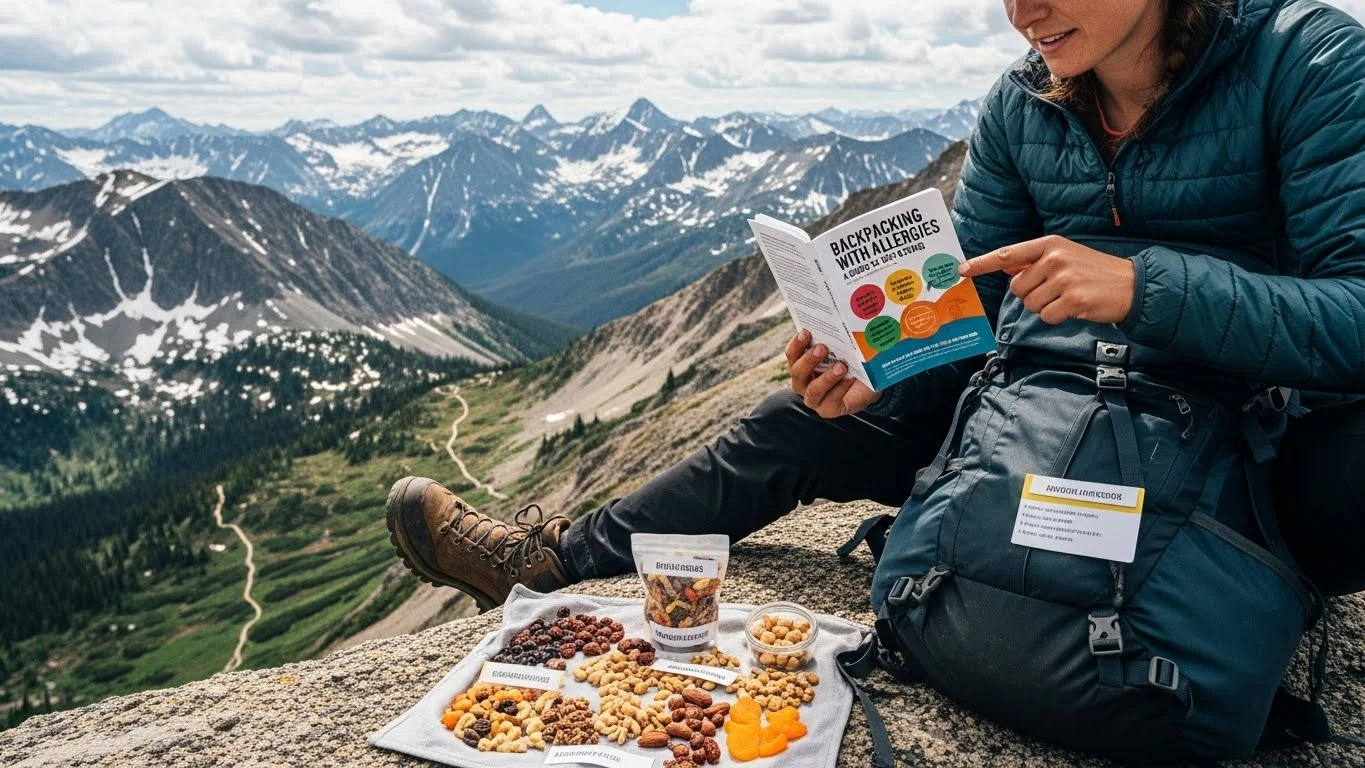
Understanding Food Allergies in Outdoor Settings
When I first started backpacking, I didn’t realize how much my allergies would impact my experience. I remember the excitement of planning my trips, but I quickly learned that food allergies add a layer of complexity to the adventure. Understanding food allergies, especially in outdoor settings, is crucial for anyone who loves to hike and explore nature while keeping safe.
Common Food Allergies Among Backpackers
Allergies can vary widely, but some of the most common ones I’ve encountered among fellow backpackers include allergies to nuts, dairy, gluten, and shellfish. I’ve seen friends struggle with nut allergies that made snacking on the trail tricky because many convenient foods contain nuts or are processed in facilities that handle them. Dairy allergies can also be a challenge, especially when it comes to finding suitable options for meals. I personally have a gluten sensitivity, which means I’ve had to learn to read labels carefully and seek out gluten-free options.
Understanding what common allergens others might have can help in planning shared meals or snacks, too. If you’re backpacking with friends or family, communication about allergies is vital. I remember a time when a friend brought cookies with nuts, and I had to remind everyone to be cautious about sharing. It’s a small thing, but it matters a lot.
How Allergies Can Affect Your Backpacking Experience
Allergies can significantly affect how much we enjoy our time outdoors. For me, the fear of an allergic reaction often looms over my trips. I’ve had experiences where I worried more about what I was eating than the beauty of the trail. It’s not just about the immediate physical reactions; it’s also about the mental load. When I’m out in nature, I want to focus on the hike, the scenery, and the camaraderie, not constantly think about what I can or cannot eat.
Moreover, being in remote areas with limited access to medical help can heighten anxiety for someone with allergies. I remember hiking a trail that was over two hours from the nearest town. The last thing I wanted was to have an allergic reaction far from help. That experience pushed me to be even more diligent about my food choices and packing emergency supplies. Knowing how allergies can affect your experience is essential for preparation and peace of mind.
Planning ahead is key. I’ve found that having a clear understanding of my allergies and how they might impact my food choices can turn a potentially stressful situation into a manageable one. I think it’s so important to educate ourselves about our allergies and be proactive in our planning. The outdoors has so much to offer, and I refuse to let my allergies dictate my experiences.
Planning Your Backpacking Trip with Allergies
Once I learned to embrace my allergies, planning my backpacking trips became much easier. I realized that with each outing, I could learn more and create a system that works for me. Here are some of my best tips for planning a safe trip.
Researching Allergy-Friendly Destinations
Before heading out, I always research the area I plan to visit. Some trails might be more accommodating than others when it comes to food options. I look for places that have nearby towns with grocery stores or restaurants that cater to dietary restrictions. I remember one trip where I discovered an amazing little town that had a specialty store with gluten-free snacks and meals. It made all the difference in my experience. You can also find valuable information in Essential Tips for Backpacking with Food Allergies Abroad.
Additionally, I often check online forums and local resources for any recommendations on allergy-friendly spots. If you’re heading to a national park or a well-known hiking area, their websites often provide useful information about local resources. It’s always good to have a backup plan, just in case.
Choosing the Right Trail and Campsite
Choosing the right trail and campsite is another critical part of planning. I’ve learned that not every trail is created equal, especially when it comes to food preparation and access to resources. Some trails have more established campsites with picnic tables and food storage, while others may require you to create your own cooking space. I prefer trails that have designated camping areas because it makes food prep safer and cleaner.
Additionally, I’ve found that choosing trails closer to towns or areas with more access to food options can provide a sense of security. If I know I can reach a store if absolutely necessary, I feel more at ease. It’s a balance between wanting to immerse myself in nature and ensuring that I have what I need to manage my allergies.
Consulting with Healthcare Professionals
Before embarking on a trip, I always make it a point to consult with my healthcare provider, especially if I plan a more extended trek. They can provide advice tailored to my specific allergens and whether any adjustments are needed in my medications or management strategies. I remember the doctor suggesting that I carry an extra dose of my allergy meds for longer trips, which has since become a habit.
Talking with a professional can also be reassuring. Sometimes, it’s just nice to hear that I’m doing everything right or to get tips on managing my allergies better. It helps me feel empowered and ready for the adventure ahead.
Essential Packing List for Allergy Management
Packing for a backpacking trip can feel overwhelming, but when you have allergies, it becomes even more crucial to be organized. Over the years, I’ve learned that having an essential packing list tailored for allergy management can save me from stress on the trail. Here’s what I recommend including in your backpack to ensure you’re prepared for any situation.
Allergy Medication and Emergency Kits
First and foremost, I never leave for a trip without my allergy medications. Depending on my needs, this includes antihistamines, my inhaler for asthma, and any other prescribed medications. I’ve had moments in the past where I forgot my meds, and it was a wake-up call for me. Now, I keep my medication in a designated pouch that I can easily access.
I also pack an emergency kit specifically for allergic reactions. This kit contains a couple of epinephrine auto-injectors, just in case. I learned the hard way that having a backup dose is vital, especially in remote areas where medical help isn’t around the corner. I keep the auto-injectors in a cool, dry place in my bag and ensure they’re easily reachable. I’ve even made a habit of letting my hiking buddies know where I keep them, so they can help if necessary.
Additionally, I pack a comprehensive first aid kit. It might seem like overkill, but I’ve found that being prepared for minor injuries can help me focus on enjoying the trip rather than worrying about what could go wrong. My kit usually includes band-aids, antiseptic wipes, gauze, and any other items that could come in handy.
Safe Snacks and Meal Options
Snack time is one of my favorite parts of backpacking, but it’s essential to choose allergy-safe options. I’ve spent hours searching for the right snacks that cater to my dietary restrictions. I recommend packing snacks that are not only safe but also energizing. For example, I love trail mix made from seeds, gluten-free pretzels, or dried fruits. I make sure to check that none of these items have been processed in facilities that handle my allergens.
When it comes to meals, I prepare and pack lightweight, non-perishable options that are allergy-friendly. I often bring dehydrated meals that I can rehydrate with hot water. My favorite brands offer gluten-free and dairy-free options that taste great, so I don’t feel like I’m sacrificing flavor. I also love packing instant oatmeal or quinoa, which I can easily spice up with safe toppings like nuts (if I’m with someone who doesn’t have a nut allergy), seeds, or fruits.
Before each trip, I make a list of all the meals I plan to take along and double-check each ingredient to ensure they’re safe for me. This small habit has helped me avoid any surprises while I’m out on the trail.
Cooking Equipment for Allergen-Free Meals
Cooking while backpacking can be a challenge, especially if you have allergies. I’ve found that having the right cooking equipment can make a world of difference. A lightweight camping stove is my go-to, as it allows me to control what goes into my meals. When I’m cooking, I’m careful to bring my own cooking utensils, pots, and pans to avoid cross-contamination with allergens that might linger on shared equipment.
I always bring a cutting board and a knife specifically for my food. I keep a separate set for my meals, making sure that they are clean and free from allergens. It might seem like a little extra work, but it gives me peace of mind knowing I can prepare my meals safely.
Additionally, I love packing reusable containers for my meals. These containers help keep everything organized and prevent any leaks that might mix different foods. I’ve learned that meal prep is key to enjoying my time outdoors, so I take the time to prepare everything before I leave home. I usually label my containers, ensuring I know what each one contains and whether it’s safe for me to eat.
By packing thoughtfully, I feel more empowered to enjoy my backpacking adventures without constantly worrying about my allergies. The preparation might take a bit more time, but knowing that I have everything I need makes all the difference in my overall experience outdoors.
Safe Eating Practices While Backpacking
Reading Labels and Understanding Ingredients
When it comes to backpacking with allergies, one of the most vital skills I’ve developed is the ability to read labels and understand ingredients. I can’t stress enough how crucial this is! Whether I’m shopping for snacks or prepping meals, I always take the time to read the packaging carefully. For me, it’s about ensuring that I know exactly what I’m putting into my body.
I’ve found that many products can be sneaky with their ingredients. For example, something that seems innocent, like a granola bar, can contain hidden allergens or be processed in a facility that also processes nuts or gluten. I remember purchasing what I thought was a safe snack, only to discover later that it contained traces of an allergen I needed to avoid. That was a learning moment for me! Now, I make it a point to become familiar with the common names for allergens and any cross-contamination warnings that can appear on packaging.
Additionally, I keep a list of brands that I trust and that have consistently provided safe options for me. This way, I can quickly grab what I need without spending hours in the grocery store. I also recommend taking a few minutes before each trip to double-check ingredients, even for products you’ve bought before. It’s a small step that can make a big difference in keeping me safe while enjoying the great outdoors.
How to Avoid Cross-Contamination
Cross-contamination is a real concern for anyone with food allergies, especially while backpacking. I’ve learned that it’s not just about what I eat, but how I prepare and handle food that matters too. When I’m out on the trail, I take extra precautions to keep my food separate from any potential allergens.
For example, I always bring separate utensils and cooking gear for my meals. This might seem excessive, but it gives me peace of mind. I remember one trip where I had to share a cooking pot with friends, and I became super diligent about cleaning it thoroughly before using it for my food. It’s essential to wash everything, including cutting boards and knives, to avoid any lingering allergens from previous meals. I even go as far as to have designated containers for my food that are clearly marked, which helps avoid any mix-ups with shared items.
When eating, I also try to set up a designated eating area, away from others who might have different dietary needs. This way, I can enjoy my meal without worrying about crumbs or spills from their food getting on mine. It might feel a bit like I’m creating a little fortress around my food, but it’s worth it to enjoy my time outdoors without anxiety about allergens.
Safe Food Storage Techniques
Food storage is another critical aspect that I’ve honed through experience. When we’re out backpacking, knowing how to store food safely can prevent allergic reactions and keep our meals fresh. I always use airtight containers to store my food, which not only keeps it secure from pests but also reduces the risk of cross-contamination. I love packing my meals in reusable silicone bags, which are lightweight and easy to clean.
Temperature control is also a factor that I consider. For example, I keep perishables in insulated bags with ice packs when possible. While this isn’t always feasible on longer trips, I try to plan meals that can be safely stored without refrigeration. I’ve discovered that dehydrated meals and vacuum-sealed options work incredibly well for this purpose. They’re lightweight, easy to pack, and have a long shelf life, which makes my packing process much simpler.
Additionally, I’m always careful about how I store snacks. I avoid packing items that are easily crushable or that could blend together, like trail mix or granola, unless I know they’re safe. Keeping my snacks in separate compartments helps me easily access what I need without worrying about contamination. It’s all about finding a system that works for me, so I can focus on enjoying my adventure rather than stressing about my allergies.
Meal Planning for Backpackers with Allergies
Creating a Balanced Meal Plan
Meal planning has become one of my favorite parts of preparing for a backpacking trip. I’ve learned that taking the time to create a balanced meal plan helps ensure I get the nutrients I need while still being mindful of my allergies. I typically sit down with a notepad and brainstorm meals that I can safely enjoy on the trail.
For breakfast, I like to include options like oatmeal or quinoa, paired with nuts or seeds if no one else has a nut allergy. Lunch is usually something light, like rice cakes topped with avocado or sunflower seed butter. For dinner, I love dehydrated meals that are not only easy to prepare but also packed with protein and vegetables. I often add extra spices or safe toppings to give it a personal touch. This not only adds flavor but also makes me feel more at home while camping.
I also make sure to include plenty of snacks throughout the day. I’ve found that keeping my energy up while hiking is essential, so I pack a variety of safe options, including fruit leather, energy bars (that I know are safe), and homemade trail mix. Having a well-thought-out meal plan helps me avoid last-minute decisions that could lead to unsafe food choices.
Allergy-Friendly Recipes for the Trail
Over the years, I’ve compiled a collection of allergy-friendly recipes that have become staples for my backpacking adventures. One of my favorites is a quinoa salad that I can prep at home and take with me. I cook quinoa, let it cool, and then mix in chopped vegetables, a splash of olive oil, and seasonings. It’s light, refreshing, and can be eaten cold or warmed up.
Another go-to is my homemade energy bars. I blend oats, seeds, and dried fruits into a mixture, press it into a pan, and let it set. These bars are great for quick energy boosts on the trail. Plus, I can customize them based on what I have on hand or what flavors I’m in the mood for.
For dinner, I’ve discovered a few brands that offer dehydrated meals catering to various dietary needs. I’ve tried several that are gluten-free and dairy-free, and they’ve been lifesavers during long hikes. Pairing these meals with safe seasonings can take them to the next level.
Hydration and Allergy Considerations
Hydration is another essential component of meal planning that I can’t overlook. I always carry a water filter or purification tablets to ensure I have access to safe drinking water. Staying hydrated not only keeps me feeling good while hiking, but it also helps me manage my allergies better.
I’ve learned that some people with allergies can be sensitive to additives in flavored drinks or electrolyte powders. I typically stick to plain water or occasionally add a splash of lemon for a bit of flavor. If I do want to bring along a hydration mix, I double-check the ingredient list to ensure it’s allergen-free.
By planning my meals and snacks carefully, I feel more confident heading into the wilderness. It’s all about knowing what I can safely consume and ensuring that I have enough energy to enjoy every moment of my backpacking journey.
Frequently Asked Questions
What are some common food allergies among backpackers?
Common food allergies among backpackers include allergies to nuts, dairy, gluten, and shellfish. These allergies can complicate meal planning and snacking options on the trail.
How can allergies affect the backpacking experience?
Allergies can significantly impact enjoyment during backpacking trips, as concerns about allergic reactions can overshadow the experience. The mental load and fear of being far from medical help can also add anxiety to the adventure.
What is one important step to take before planning a backpacking trip with allergies?
Before planning a trip, it’s crucial to research allergy-friendly destinations. Look for areas with nearby towns that have grocery stores or restaurants catering to dietary restrictions.
Why is it important to consult with healthcare professionals before a backpacking trip?
Consulting with healthcare professionals can provide tailored advice regarding specific allergens and ensure that any necessary adjustments to medications or management strategies are made for a safe trip.
What should be included in an essential packing list for allergy management?
An essential packing list for allergy management should include allergy medications, emergency kits (like epinephrine auto-injectors), a comprehensive first aid kit, safe snacks, and cooking equipment to avoid cross-contamination.
What are some safe snack options for backpackers with allergies?
Safe snack options for backpackers with allergies may include trail mix made from seeds, gluten-free pretzels, and dried fruits. It’s important to check that these items are not processed in facilities that handle allergens.
How can cross-contamination be avoided while backpacking?
To avoid cross-contamination, bring separate utensils and cooking gear for your meals, wash everything thoroughly before use, and set up a designated eating area away from others with different dietary needs.
What are some tips for meal planning for backpackers with allergies?
When meal planning, create a balanced menu that includes safe breakfast, lunch, and dinner options, and ensure to pack plenty of snacks. This helps avoid last-minute decisions that could lead to unsafe food choices.
How can hydration be managed for those with allergies while backpacking?
Hydration can be managed by carrying a water filter or purification tablets to ensure access to safe drinking water. It’s important to be cautious with flavored drinks or electrolyte powders and to check ingredient lists for allergens.
What is a useful practice for reading labels when shopping for food while backpacking?
A useful practice is to take the time to read labels and understand ingredients, becoming familiar with common names for allergens, and checking for cross-contamination warnings to ensure safe food choices.
Read Interesting article: Backpacking with Kids: Navigating Food Allergies Safely