
Backpacking with allergies can feel overwhelming, but it doesn’t have to limit our adventures. I’ve discovered that with the right planning and tasty recipes, we can enjoy the great outdoors while staying safe and satisfied. For those looking for more information, Backpacking with Allergies: Emergency Tips for Travelers offers some valuable insights.
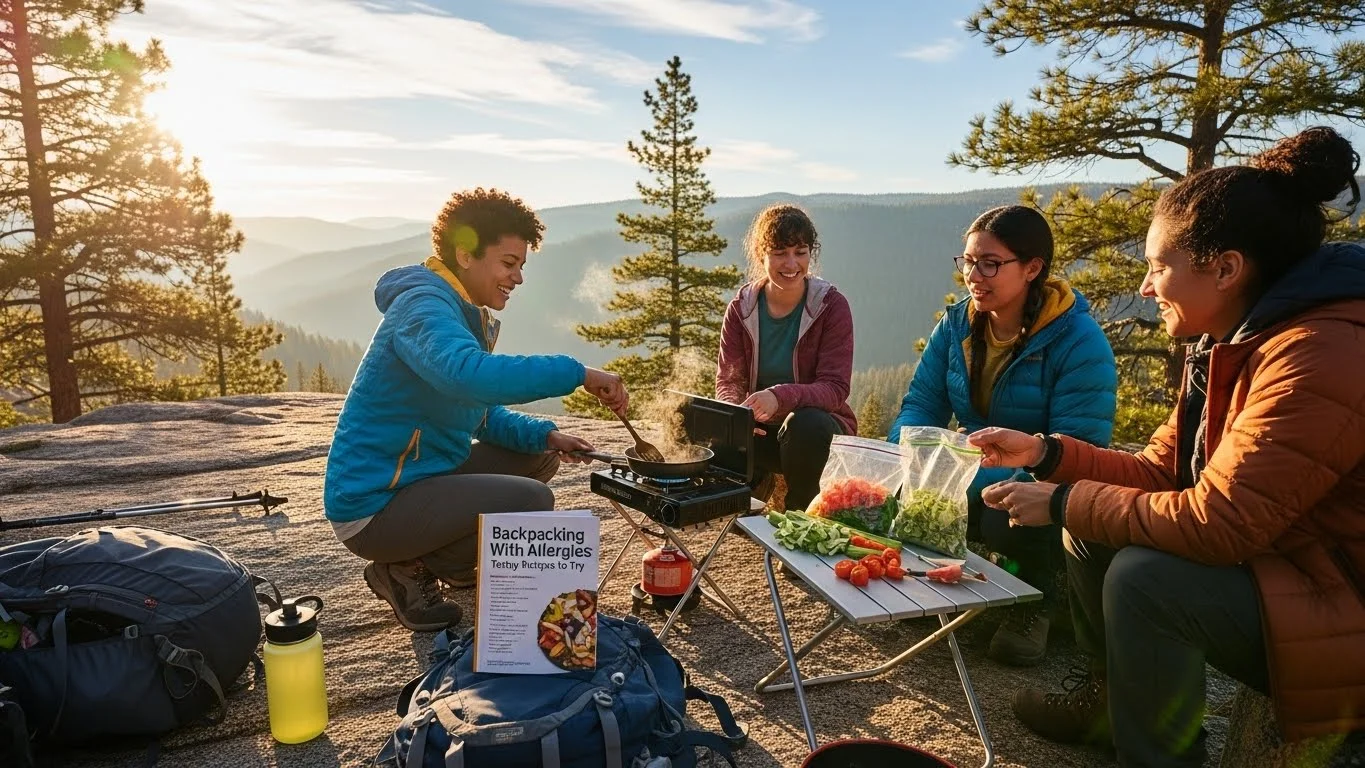
Understanding Allergies While Backpacking
When I first started backpacking, I didn’t realize how my allergies would play a significant role in my experience. Allergies can be tricky to navigate, especially in the wilderness, where options are limited and cross-contamination is a concern. Understanding allergies is crucial for anyone looking to embrace the backpacking lifestyle.
Common Allergies Among Travelers
Many travelers, including myself, face various allergies that can affect our journeys. I’ve met fellow backpackers who contend with food allergies such as gluten, nuts, dairy, and shellfish. In my case, I have a gluten sensitivity, which means I always need to be on the lookout for hidden sources of gluten in foods.
Some common allergies I’ve noticed include:
- Gluten: Often found in breads, pasta, and many processed foods.
- Nuts: A serious allergy for many, affecting everything from snacks to baked goods.
- Dairy: Commonly found in many meals and snacks, making it vital to find alternatives.
- Shellfish: For those allergic, even traces can cause severe reactions.
Being aware of these allergies helps create a safer and more enjoyable experience for everyone on the trail.
Impact of Allergies on Backpacking
Backpacking with allergies can impact how we plan our meals and what we choose to carry. I’ve learned that it’s essential to pack allergy-friendly foods and snacks. Failing to do this not only risks a reaction but can also put a damper on our trip. The last thing I want is to feel sick while trying to enjoy nature!
Another consideration is how allergies can influence where we camp or hike. I remember one trip where I found myself in an area where pollen levels were high, triggering my hay fever. This experience taught me to research the environment I’m heading into, especially for seasonal allergies. For more guidance on safe locations, check out Backpacking with Allergies: Your Guide to Safe Destinations.
Importance of Allergy Awareness in Outdoor Settings
Awareness of allergies in outdoor settings is crucial, not just for ourselves but for others as well. I’ve seen how an unexpected reaction can affect a group’s dynamics, and it’s something we should all be mindful of. I always share my allergies with my backpacking companions, ensuring they know what to avoid during meal prep and snack time.
Additionally, if you’re hiking in a group, it’s helpful to have a plan for what to do in case of an allergic reaction. I always carry an EpiPen with me and make sure that at least one other person in my group knows how to use it. This way, we can enjoy our adventures with peace of mind.
Ultimately, understanding allergies while backpacking is about preparation and communication. I believe that by being proactive and aware, we can create an inclusive outdoor experience for everyone. Backpacking has given me some of my best memories, and I want to ensure those experiences are accessible, even for those of us with allergies.
In my next section, I’ll share essential ingredients for allergy-friendly cooking that have made my meal prep so much easier on the trail. Stay tuned for some practical tips and tasty recipes!
Essential Ingredients for Allergy-Friendly Cooking
When I began planning my backpacking trips with my gluten sensitivity in mind, I quickly realized that choosing the right ingredients is key to enjoying my meals without worry. I’ve experimented with various options, and I want to share some essentials that have made my cooking easier and more enjoyable on the trail.
Gluten-Free Options
Finding gluten-free ingredients has become second nature for me, but I remember when it was a struggle. One of my go-to staples is quinoa. Not only is it gluten-free, but it’s also packed with protein and cooks relatively quickly. I often bring pre-cooked quinoa packets for convenience, ensuring I can whip up a nutritious meal without spending too much time cooking.
Rice is another reliable option, whether it’s brown rice or jasmine rice. I appreciate that it’s versatile and can be paired with various ingredients. I’ve also started using gluten-free pasta, which allows me to enjoy familiar dishes without the gluten. These options make me feel included while I’m out in nature, and I love experimenting with different sauces and veggies to create fulfilling meals.
Nut-Free Alternatives
As someone who has friends with nut allergies, I’ve become more aware of nut-free alternatives. One of my favorites is sunflower seed butter. It’s a fantastic substitute for peanut butter and works well in many recipes, from energy bars to sauces. I remember the first time I made a nut-free trail mix with sunflower seeds, pumpkin seeds, and dried fruits. It was a hit with everyone in my group!
Additionally, when I’m craving a crunchy snack, I often turn to chickpeas. Roasted chickpeas are not only nut-free but also packed with protein and fiber. I love seasoning them with my favorite spices and bringing them along for a satisfying, crunchy snack while hiking.
Dairy-Free Ingredients
Dairy can be a tricky ingredient to navigate, especially in traditional backpacking meals. I’ve found that coconut milk is a wonderful dairy-free substitute. It adds creaminess to soups and curries, making them feel more indulgent. I often pack canned coconut milk for this reason, and it’s surprisingly versatile.
For a quick breakfast option, I enjoy almond milk or oat milk as a base for my smoothies or oatmeal. They’re light to carry and provide a lovely flavor without the dairy. I’ve noticed that using these alternatives has not only helped me avoid discomfort but also encouraged me to try new recipes that I may not have considered before.
Common Substitutes for Allergens
Over the years, I’ve discovered several common substitutes for allergens that can transform recipes into allergy-friendly delights. For instance, if a recipe calls for eggs, I’ve successfully used flaxseed meal mixed with water as a binding agent in various baked goods. It’s a simple 1:3 ratio – one tablespoon of flaxseed meal mixed with three tablespoons of water works wonders!
Another great ingredient I’ve learned about is nutritional yeast. It adds a cheesy flavor without any dairy, making it perfect for pasta dishes and popcorn. I remember the first time I sprinkled it on my trail pasta, and it blew my mind how delicious it was!
Lastly, I’ve found that using different herbs and spices can elevate my meals significantly. Fresh herbs like basil or cilantro can bring life to a dish that might otherwise feel dull. I’ve taken to packing small containers of my favorite spices, so I can add a burst of flavor to my meals no matter where I am.
As I share these essential ingredients, I hope you feel inspired to explore allergy-friendly cooking while backpacking. In my next section, I’ll dive into some backpacking meal prep basics, including gear choices, cooking techniques, and food storage tips that will help make your outdoor cooking experience as enjoyable as the adventure itself.
Backpacking Meal Prep Basics
Meal prep is one of my favorite parts of preparing for a backpacking trip. I’ve learned that a little planning goes a long way in ensuring that I have satisfying and allergy-friendly meals on the trail. I want to share some insights on choosing the right cooking gear, essential cooking techniques, and tips for storing and preserving food. These basics have helped me make the most of my outdoor cooking experience.
Choosing the Right Cooking Gear
Over the years, I’ve experimented with various cooking gear, and I’ve found that simplicity is key. I remember my first backpacking trip where I overpacked cooking tools, and it turned out to be a burden. Now, I focus on lightweight and multifunctional equipment. My essential cooking gear includes:
- Compact Stove: I swear by my portable camping stove. It’s easy to set up and boils water quickly. I typically choose a canister stove for its convenience and efficiency.
- Collapsible Cookware: Collapsible pots and pans save space in my pack. They’re lightweight, and I find them quite durable. They also make cleaning up afterward a breeze.
- Utensils: I carry a spork (a spoon and fork combo) and a small knife, which cover all my utensil needs without taking up much room.
- Reusable Containers: I prefer using reusable containers for my prepped meals. They keep everything organized and are eco-friendly. Plus, they’re great for portion control!
With these essentials, I’m ready to tackle any meal out in the wild. It’s all about finding gear that works for your cooking style while keeping practicality and weight in mind.
Essential Cooking Techniques for Backpackers
Cooking in the great outdoors can be a different experience than in a kitchen at home. I’ve learned a few techniques that work wonders and make meal prep enjoyable:
- One-Pot Meals: I love one-pot meals for their simplicity and ease of cleanup. Tossing all ingredients into a single pot saves time, and I can boil or simmer everything together. It minimizes the hassle of juggling multiple pans.
- Pre-Cooking: Whenever I can, I pre-cook certain ingredients at home, like grains or roasted veggies, and then pack them for my trip. This way, I only need to heat them up on the trail, making meal prep quick and hassle-free.
- Fire Safety: When using a stove or cooking over a fire, I always keep safety in mind. Finding a level surface to cook on and keeping flammable materials away from the flame are essential practices I’ve adopted to ensure a safe cooking experience.
These techniques have helped me create delicious meals without feeling overwhelmed or spending too much time cooking. Plus, they allow me to savor the beautiful surroundings while I cook!
Tips for Storing and Preserving Food
Proper food storage is crucial, especially when considering allergies. I’ve learned the hard way that not every food item can withstand the outdoor elements. Here are my go-to tips for food storage to keep everything fresh and safe:
- Use Airtight Containers: I always pack foods in airtight containers or resealable bags. This helps keep moisture and pests out, which can be a concern when camping.
- Keep It Cool: For meals that require refrigeration, I invest in a lightweight cooler or insulated bag. Even on short trips, a little ice can go a long way to extend the freshness of perishable items.
- Label Everything: I’ve found it beneficial to label my containers with the contents and any allergens. This way, I can easily identify what’s safe to eat at a glance, particularly when sharing food with others.
- Plan for Leftovers: If I know I’ll have leftovers, I plan for how to store them properly. Whether it’s a hearty stew or extra quinoa, keeping everything sealed and cool reduces waste and ensures I have meals ready for the next day.
By following these food storage tips, I can relax and enjoy my adventure without worrying about what’s in my pack. Knowing that I’ve taken the necessary precautions gives me peace of mind.
With meal prep basics under our belts, I’m excited to share some of my favorite tasty allergy-friendly recipes coming up next. These meals have been game-changers for me on the trail, and I think you’ll love them too!
Tasty Allergy-Friendly Recipes
Breakfast Ideas
Gluten-Free Oatmeal
Starting the day with a hearty breakfast is essential for me, especially when I’m out on the trail. One of my favorite recipes is gluten-free oatmeal, which is not only filling but also incredibly easy to make. I usually pack instant gluten-free oats, which cook quickly. I mix them with some almond milk (or oat milk) and add a handful of dried fruits like cranberries or apricots. Sometimes, I sprinkle in some cinnamon for extra flavor. It’s a warm, comforting way to kick off a day of hiking!
Dairy-Free Smoothies
Smoothies are another breakfast option that I love. I bring along a lightweight, portable blender when I can. I blend frozen fruits like bananas and berries with almond or coconut milk. For added nutrition, I sometimes throw in a spoonful of chia seeds or spinach. These smoothies are refreshing and give me the energy I need to tackle whatever the day brings.
Lunch Recipes
Quinoa Salad with Fresh Vegetables
For lunch, I often prepare a quinoa salad packed with fresh vegetables. I cook the quinoa ahead of time and mix it with diced cucumbers, bell peppers, and carrots. A drizzle of olive oil and a squeeze of lemon juice make for a simple dressing. This meal is not only gluten-free but also light and refreshing, perfect for a midday snack while soaking in the beautiful outdoor scenery.
Nut-Free Hummus with Veggies
Another reliable lunch option is nut-free hummus. I make it with chickpeas, tahini (which is sesame-based and safe for my nut-allergic friends), lemon juice, and garlic. I love packing this along with an assortment of fresh veggies like carrots, celery, and bell pepper strips for dipping. It’s a colorful, healthy choice that keeps me fueled for the rest of the day!
Dinner Options
Vegetable Stir-Fry with Rice
When it comes to dinner, a vegetable stir-fry is a go-to meal for me. I typically prepare the veggies at home—think bell peppers, broccoli, and snap peas—and toss them with some gluten-free soy sauce. I pack them in a container and heat them up over my portable stove with some pre-cooked rice. Not only is it quick and easy, but it also feels like a warm hug after a long day of hiking!
Allergen-Free Chili
For colder nights, I love cooking up a batch of allergen-free chili. I prepare a big pot at home using kidney beans, black beans, diced tomatoes, and plenty of spices. I freeze individual portions to bring along. When I’m ready to eat, I just need to heat it over the stove. It’s hearty, filling, and perfect for sharing with friends around the campfire.
Snacks for the Trail
Energy Bites with Seeds
Snacks are a must for any backpacking trip, and energy bites are one of my favorites. I combine oats, sunflower seed butter, honey, and a mix of seeds like pumpkin and chia. I roll them into bite-sized balls and store them in a container. They’re perfect for a quick energy boost on the trail!
Fruit and Veggie Chips
Whenever I want something crunchy, I turn to fruit and veggie chips. I often bring along dehydrated apple chips or kale chips. They’re easy to pack and provide a satisfying crunch without any allergens. Plus, they’re a great way to satisfy those snack cravings while keeping things healthy.
Tips for Eating Out While Backpacking
How to Communicate Allergies to Restaurant Staff
Eating out while backpacking can be tricky, especially when we have allergies. I find it helpful to clearly communicate my allergies to the restaurant staff. I always start by mentioning my primary allergens and ask if they can accommodate my dietary needs. Being polite but firm usually leads to better understanding and options.
Finding Allergy-Friendly Restaurants
Before heading to a new destination, I do a bit of research on local restaurants that cater to allergies. I use apps and websites that filter dining options based on dietary restrictions. This way, I can find places that have gluten-free or allergen-friendly menus, ensuring I can enjoy a meal without worry.
Food Safety Tips While Traveling
When dining out, I pay attention to food safety, especially when it comes to cross-contamination. I always ask how dishes are prepared and whether the staff uses separate utensils for allergen-free meals. I’ve learned that a little extra caution can go a long way in keeping me safe while enjoying new culinary experiences.
Resources for Backpackers with Allergies
Apps for Allergy-Friendly Dining
There are some amazing apps out there that help find allergy-friendly restaurants. I swear by “Find Me Gluten Free” and “AllergyEats.” These tools make it easy to locate dining options that suit my needs, even in unfamiliar places.
Online Communities and Support Groups
Connecting with others who face similar challenges can be invaluable. I’ve joined online forums and social media groups where fellow backpackers share tips, recipes, and personal experiences regarding allergies. It’s comforting to know I’m not alone, and I always leave these groups feeling inspired.
Traveling with Allergy-Friendly Products
Having a stash of allergy-friendly products is crucial for me. I always carry my favorite snacks and staples that I know I can trust. Whether it’s gluten-free granola bars or nut-free trail mix, these items give me peace of mind while traveling and ensure I have safe options on hand.
Final Thoughts
Backpacking with allergies doesn’t have to be daunting. Through planning, awareness, and creativity, we can enjoy our adventures without compromising our health. I’ve found that with the right recipes and techniques, outdoor cooking can be both delicious and safe. I hope my experiences and tips inspire you to embrace the trails, no matter what dietary restrictions you may have. Let’s continue to explore and enjoy the beauty of nature, making memories that last a lifetime! For more information on managing allergies while backpacking, check out Backpacking with Allergies: Testing and Diagnosis Guide.
Frequently Asked Questions
What are some common allergies that backpackers face?
Common allergies among backpackers include gluten, nuts, dairy, and shellfish. Each of these can affect meal choices and overall experience in the wilderness.
How can allergies impact meal planning for backpacking trips?
Allergies can significantly impact meal planning by requiring backpackers to choose allergy-friendly foods and snacks. It’s crucial to avoid cross-contamination and ensure safe meal options are available to prevent allergic reactions.
What precautions should I take regarding allergies while hiking with a group?
When hiking with a group, it’s important to communicate your allergies to your companions. Additionally, carrying an EpiPen and ensuring at least one other person knows how to use it can help prepare for any allergic reactions that may occur.
What are some gluten-free food options for backpacking?
Gluten-free options for backpacking include quinoa, rice (like brown or jasmine), and gluten-free pasta. These ingredients are versatile and can be combined with various sauces and vegetables for fulfilling meals.
What can I use as a nut-free alternative for snacks?
Sunflower seed butter is a great nut-free alternative for snacks, and roasted chickpeas are a satisfying crunchy option. Both can be used in various recipes and provide nutritional benefits.
How can I prepare dairy-free meals while backpacking?
Coconut milk is an excellent dairy-free substitute that adds creaminess to meals. Almond milk or oat milk can also be used for smoothies or oatmeal, making meals flavorful without dairy.
What are some essential cooking gear items for backpacking?
Essential cooking gear for backpacking includes a compact stove, collapsible cookware, a spork and knife, and reusable containers. These items are lightweight and practical for outdoor cooking.
What food storage tips should I follow while backpacking?
For food storage while backpacking, use airtight containers to keep moisture and pests out, keep perishable items cool with a lightweight cooler, label containers for easy identification, and plan for storing leftovers properly.
How can I find allergy-friendly restaurants while traveling?
Researching local restaurants that cater to allergies using apps and websites is effective. Look for establishments that have gluten-free or allergen-friendly menus to ensure safe dining options.
What resources are available for backpackers with allergies?
Resources for backpackers with allergies include apps like “Find Me Gluten Free” and “AllergyEats,” online communities, and support groups where individuals share tips and experiences about managing allergies while traveling.