
Backpacking with allergies can be a daunting challenge. However, with the right preparation and knowledge, your adventures can be both safe and enjoyable.
Understanding Allergies While Traveling
When I first started backpacking, I didn’t realize how much my allergies could impact my experiences. It wasn’t until I found myself sneezing uncontrollably in a beautiful valley that I learned the importance of understanding my allergies while traveling. Allergies can range from seasonal pollen to food intolerances, and knowing what triggers them is crucial for a safe trip. Read Interesting article: Backpacking with Allergies: A Guide to Safe Eating
Common Allergies and Reactions
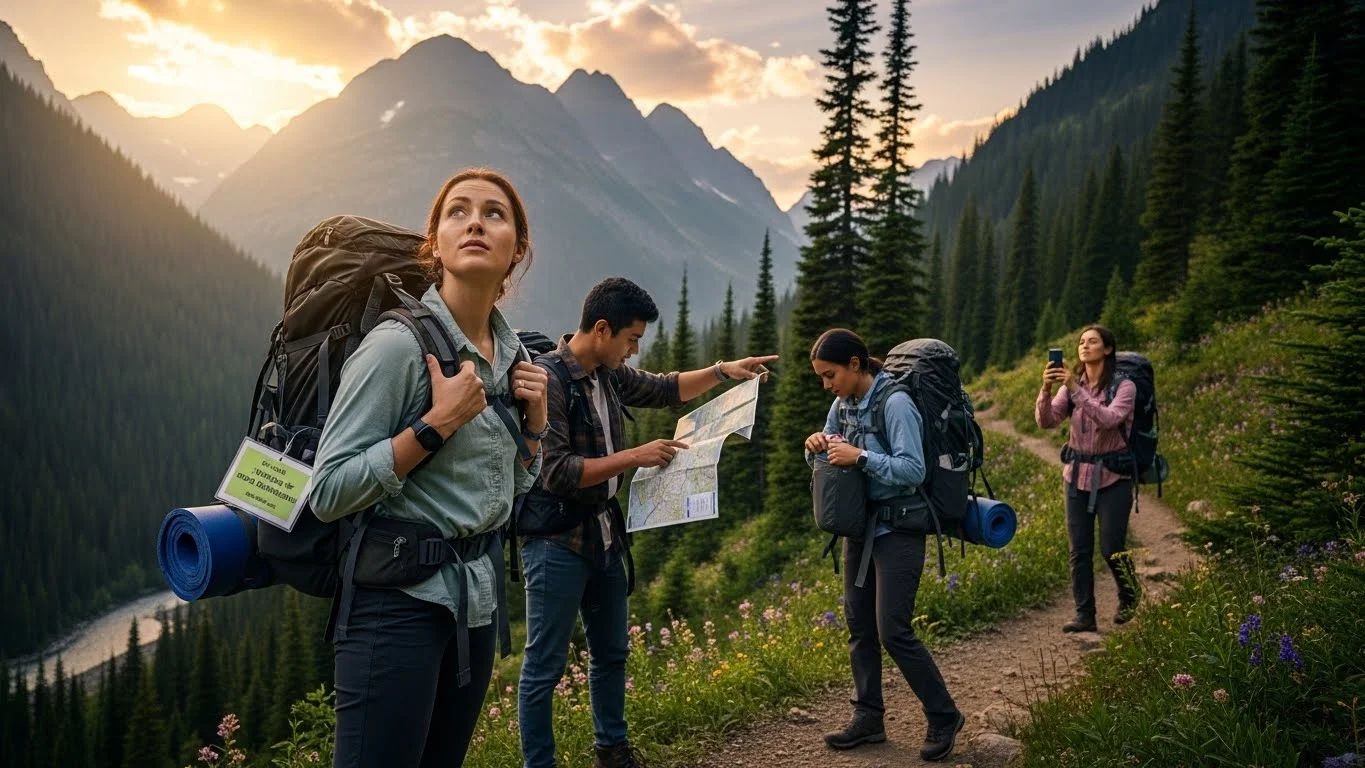
Allergies can manifest in many ways, and being aware of your specific triggers is the first step to avoiding unpleasant reactions. I remember a trip to a mountain area where I was surrounded by wildflowers. Little did I know that I was allergic to pollen, and I faced a tough time breathing. Here are some common allergies I’ve encountered:
- Food Allergies: These can include common allergens like nuts, dairy, gluten, and shellfish. I’ve had to be particularly careful in countries where local cuisine features these ingredients heavily.
- Environmental Allergies: Pollen, dust mites, mold, and pet dander can wreak havoc on sensitive individuals. I often check the pollen forecasts before heading to a new destination.
- Insect Allergies: For some, stings from bees or other insects can lead to serious reactions. I always carry an EpiPen on my travels, just in case.
It’s vital to recognize the symptoms of an allergic reaction, too. These could range from sneezing and itching to more severe reactions like swelling or difficulty breathing. Keeping a journal of my previous experiences helped me identify what to avoid during future travels.
Importance of Allergy Awareness
Awareness about allergies is essential, not just for personal safety but also for enhancing the overall travel experience. I’ve often found that being open about my allergies can lead to helpful conversations with locals or fellow travelers. I recall meeting a fellow backpacker who shared tips on how to find gluten-free options in Italy, which made my experience much more enjoyable.
Allergy awareness also includes understanding how cultural attitudes towards allergies may vary. In some places, food allergens may not be taken seriously, while in others, they are well understood. I think it’s wise to do some research about how local customs and practices address allergies. This knowledge can guide you in making informed decisions about where and what to eat.
Moreover, some countries have stricter regulations regarding food labeling and allergens than others. When I traveled to Canada, I noticed how easy it was to find allergy information on packaged foods. In contrast, I had some difficulties in countries with less stringent regulations. It taught me to be prepared to ask questions and seek clarification when necessary.
As I traveled more, I learned that understanding my allergies not only prevented discomfort but also opened doors to new connections and experiences. I’ve met restaurant owners who were more than willing to accommodate my dietary needs once I explained my situation. This approach has not only saved me from unpleasant reactions but has also led to some of my most memorable meals abroad.
In essence, being informed about allergies while traveling is a game-changer. It allows you to enjoy your trip without constantly worrying about potential triggers. The more we know about our allergies and how they interact with different environments, the better our experiences will be as we explore the world.
Preparing for Your Backpacking Trip
Identifying Allergens in Your Destination
Before I embark on any backpacking adventure, I make it a point to familiarize myself with the allergens specific to my destination. This practice has saved me from countless sneezing fits and uncomfortable situations. For me, the process usually starts online, where I research the local flora, common foods, and even the historical climate patterns of the area. I remember planning a trip to the Mediterranean and discovering that certain flowers were in full bloom during my visit. Knowing this in advance helped me pack the right meds and avoid those areas when possible.
Additionally, I often check travel forums and blogs where fellow travelers share their experiences. I’ve found that hearing from others who have similar allergies can provide valuable insights. Local health websites or government tourism pages can also be a great resource. They often include information on common allergens in the region, which has proven helpful in preparing for my travels. Read Interesting article: Navigating Food Allergies While Backpacking on a Budget
Packing Allergy-Friendly Essentials
Packing for a trip with allergies requires a bit more thought than the average traveler might need. Over the years, I’ve developed a checklist of allergy-friendly essentials that I can’t leave home without. For instance, I always carry antihistamines, an EpiPen (if applicable), and a small first-aid kit stocked with necessary supplies. I remember one trip where my allergy medication ran low, and I had to search for a pharmacy in a foreign country. It was stressful, and I vowed never to let that happen again.
In addition to medications, I also pack my own snacks. For me, this means a stash of gluten-free protein bars, nut-free trail mix, and fresh fruit. Having safe snacks on hand not only reassures me but also saves money and stress when I’m in remote areas. I’ve been in situations where I couldn’t find anything allergy-friendly to eat, so now I always plan ahead. And let’s not forget about my trusty water bottle with a built-in filter; staying hydrated is key, especially when I’m hiking.
Travel Insurance and Allergy Coverage
When I first started my backpacking journeys, I didn’t think much about travel insurance. It wasn’t until a friend of mine had a severe allergic reaction while abroad that I realized how crucial it can be, especially for those of us with allergies. Now, I always make sure to choose a travel insurance policy that covers allergy-related emergencies. This can include hospitalization or emergency procedures, and it gives me peace of mind knowing that I’m protected.
I’ve learned to read the fine print carefully. Some policies don’t cover pre-existing conditions, so I always double-check that my allergies are included. I also recommend calling the insurance company directly to clarify any questions. This might seem like a hassle, but I find that it’s worth it to avoid any surprises when I need help the most. I once had a medical concern while traveling and, thanks to my insurance, I was able to receive the right care without worrying about the cost. It made a huge difference in my overall experience.
Choosing Safe Backpacking Destinations
Top Allergy-Friendly Countries
As I’ve traveled more, I’ve developed a mental list of countries that are particularly friendly for those of us with allergies. For instance, I found that Sweden has a fantastic reputation for food labeling and accommodating dietary restrictions. In my experience, people there are quite understanding and willing to help. I remember dining at a small restaurant and being pleasantly surprised by how knowledgeable the staff were about allergens.
Another destination that has impressed me is Canada. With its strict food labeling laws and a growing awareness of dietary needs, I felt more at ease exploring different provinces. I also appreciate how many restaurants offer allergy-friendly menus, making it easier to choose safely.
On the other hand, my travels to some Southeast Asian countries were more challenging due to language barriers and cultural differences in addressing allergies. While those cultures are rich and vibrant, I learned that I had to be extra vigilant in communicating my needs. This experience taught me the importance of choosing destinations that prioritize food safety and allergen awareness.
Local Regulations and Food Labeling
Understanding local regulations regarding food labeling can make or break a trip for someone with allergies. I’ve noticed that some countries have strict guidelines about what must be disclosed on food packaging, while others are quite lax. For example, in the European Union, there are comprehensive rules about food allergens that must be clearly labeled. I once picked up a snack in Spain that had a detailed ingredients list, which put my mind at ease.
In contrast, I found that some places I visited did not have the same standards. I recall being in a local market in a developing country and being unable to find any clear allergen information, which left me feeling anxious about eating anything. This experience reinforced my belief that researching local regulations beforehand is essential. Knowing what to expect can help us make informed decisions and avoid potential health risks. Read Interesting article: Essential Tips for Backpacking with Food Allergies Abroad
Healthcare Accessibility in Different Regions
Healthcare accessibility is another vital consideration when planning a backpacking trip with allergies. I’ve had varying experiences based on the regions I’ve visited. In urban areas of Western countries, I’ve found that medical facilities are generally accessible and well-equipped to handle allergy emergencies. However, in more remote regions, I sometimes felt concerned about the availability of medical help.
It’s essential to research healthcare facilities in advance. I usually look for nearby hospitals or clinics in the areas I’ll be traveling to. I also try to learn a few phrases in the local language related to allergies; this can be incredibly helpful in case I find myself in a medical situation. Last summer, I faced a minor allergic reaction while hiking, and thanks to my preparations, I was able to communicate my needs effectively to a local doctor. It gave me a sense of relief knowing I could get help when I needed it.
Best Cities for Backpacking with Allergies
Vancouver, Canada
Vancouver has become one of my favorite cities for backpacking, especially as someone with allergies. The air quality here is fantastic, and the city is surrounded by nature, which gives me plenty of options for outdoor activities that are allergy-friendly. I’ve found that local restaurants are quite accommodating, often willing to modify dishes to meet dietary needs. One time, I enjoyed a gluten-free meal at a trendy café after simply asking about their options.
Additionally, the city has a robust health care system, which provides me with peace of mind. If I ever needed assistance, I know I could find help quickly. What really stands out to me is how the local population is educated about allergies. I’ve met several people who were attentive and knowledgeable about various dietary restrictions. This made my interactions much easier and less stressful.
Stockholm, Sweden
Stockholm is another city that impressed me with its allergy-friendly environment. I remember walking through the streets and noticing how clean everything felt. The air quality was refreshing, and I didn’t experience the same sneezing fits I often do in other locations. Sweden, in general, has strong regulations regarding food labeling, which has always made it easier for me to navigate menus and grocery stores.
During my visit, I found many restaurants that offered clear information about allergens in their dishes. I even had a delightful conversation with a waiter who was eager to share which items were suitable for someone with my allergies. This kind of openness made dining out not just safe but also enjoyable, and I left the city with wonderful memories and new favorite dishes.
Melbourne, Australia
Melbourne has a vibrant food scene that caters to various dietary needs, making it another ideal destination for allergy sufferers like me. I remember exploring the city’s food markets and discovering an array of options, from gluten-free baked goods to nut-free snacks. The locals are very conscious of food allergies, and I’ve always felt comfortable asking about ingredients.
Moreover, Melbourne’s café culture is a dream for someone with allergies. Many establishments openly promote their allergy-friendly options, which means I can enjoy a cup of coffee or a meal without second-guessing what’s in it. The healthcare system here is also quite accessible, and I always felt reassured knowing that I could get help if needed.
Amsterdam, Netherlands
Amsterdam has a reputation for being open and friendly, which I found to be true during my visits. The city offers a variety of allergy-friendly eateries and shops. I recall wandering through the streets and stumbling upon a health food store that had a vast selection of allergen-free products. I stocked up on snacks that I knew I could safely enjoy while exploring.
The locals are generally accommodating when it comes to allergies; I’ve had waiters go out of their way to explain menu items in detail. I particularly appreciated that many restaurants provide allergen information upfront. This transparency has made my dining experiences in Amsterdam feel much more relaxed and enjoyable.
Tokyo, Japan
Tokyo may seem daunting at first, especially with the language barrier, but I’ve had some of my best allergy-friendly experiences here. What surprised me was how many restaurants are starting to cater to dietary restrictions. I remember finding a lovely little ramen shop where the owner was enthusiastic about customizing my meal to avoid allergens.
While I did face some challenges with labeling, I found that learning a few key phrases in Japanese helped immensely. The Japanese are known for their hospitality, and I’ve been met with kindness and understanding when I explained my allergies. This willingness to accommodate has made my meals memorable. Plus, the city’s public health system is excellent, giving me added assurance while exploring this vibrant metropolis.
Finding Accommodations that Cater to Allergies
Hostels with Allergy Policies
When searching for accommodations, I always look for hostels that have specific allergy policies. Many hostels nowadays recognize the importance of catering to guests with allergies, and I’ve found that they often provide detailed information about their food options and hygiene practices. I once stayed in a hostel in Barcelona that had a strict no-nut policy in its kitchen, which made me feel secure in preparing my meals.
It’s always a good idea to reach out to the hostel beforehand. I usually send an email or a message through their booking platform to inquire about their allergy policies and whether they can accommodate my needs. This extra step has often led to a more pleasant stay and provided me with the confidence that my allergies will be respected.
Airbnb and Allergy-Friendly Options
Airbnb has also become a go-to for finding allergy-friendly accommodations. Many hosts are willing to share details about their properties and food practices. I once booked a charming apartment in Lisbon, and the host was very open about their cleaning products and provided allergen-free cooking options. This level of transparency made me feel right at home.
When browsing for properties, I look for those that mention allergy-friendly amenities or have positive reviews from guests with similar needs. This way, I can ensure that I’ll have a comfortable stay and won’t have to worry as much about potential triggers.
Communicating Your Needs to Hosts
Whether I’m staying in a hostel or Airbnb, I always make it a priority to communicate my needs to the host. I’ve found that being upfront about my allergies helps set the tone for a positive experience. When I reach out, I share my specific allergies and any concerns I have regarding food preparation and cleanliness. Most hosts appreciate this honesty, and I’ve often received helpful advice on local eateries or grocery stores that cater to my dietary needs.
In my experience, good communication can lead to unexpected perks as well. One time, a host went out of their way to provide me with allergy-friendly snacks upon my arrival, which truly made me feel welcomed. It’s these little gestures that make traveling with allergies so much more manageable and enjoyable.
Frequently Asked Questions
What should I understand about allergies while traveling?
Understanding your allergies is crucial for safe and enjoyable travel. Allergies can range from seasonal pollen to food intolerances, and knowing your specific triggers is essential to avoid unpleasant reactions.
What are some common allergies that backpackers might face?
Common allergies include food allergies (such as nuts, dairy, gluten, and shellfish), environmental allergies (like pollen, dust mites, mold, and pet dander), and insect allergies (such as reactions to bee stings). Recognizing symptoms is also important.
How can I prepare for allergens specific to my travel destination?
Familiarize yourself with allergens in your destination by researching local flora, common foods, and climate patterns. Travel forums, blogs, and local health websites can provide valuable insights into potential allergens.
What essentials should I pack for a trip with allergies?
Pack allergy-friendly essentials such as antihistamines, an EpiPen (if necessary), a first-aid kit, and safe snacks like gluten-free protein bars and nut-free trail mix. Staying hydrated is also important, so consider a water bottle with a built-in filter.
Why is travel insurance important for individuals with allergies?
Travel insurance is critical as it can cover allergy-related emergencies, including hospitalization. It’s important to choose a policy that explicitly includes coverage for your allergies.
What are some allergy-friendly countries to consider for backpacking?
Countries like Sweden and Canada have strong food labeling laws and a growing awareness of dietary needs, making them more accommodating for travelers with allergies.
How do local regulations regarding food labeling impact travelers with allergies?
Local regulations can vary significantly; some countries have strict guidelines for food labeling, while others do not. Understanding these regulations can help you make informed decisions about what to eat.
What should I know about healthcare accessibility in different regions?
Healthcare accessibility can vary greatly. In urban areas of Western countries, medical facilities are generally accessible, while remote regions may have limited options. Researching healthcare facilities in advance is recommended.
How can I find accommodations that cater to allergies?
Look for hostels with specific allergy policies and consider Airbnb options where hosts provide details about their food practices. Communicating your needs to hosts can also lead to better accommodations.
What is the importance of communicating allergy needs to hosts?
Communicating your allergies to hosts helps ensure a positive experience. It allows hosts to accommodate your needs and can lead to helpful recommendations for local eateries or even allergen-free snacks upon arrival.