
Backpacking with kids is an adventure that transforms both young and old. It not only opens the door to new experiences but also boosts your children’s social skills in ways that are truly remarkable. For instance, backpacking with kids: tips for emotional regulation on the road can help families navigate the challenges of travel.
Understanding the Benefits of Backpacking with Kids
Enhancing Social Skills Through Travel
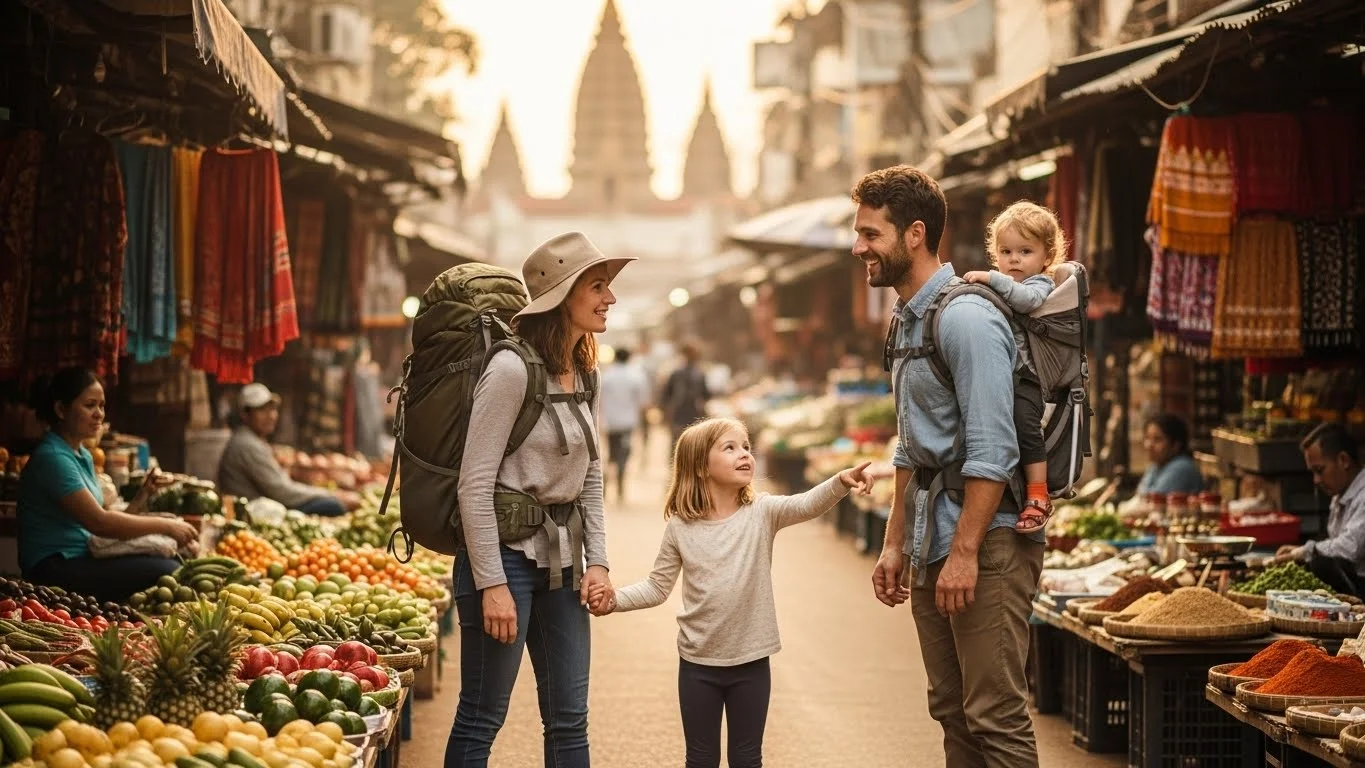
One of the most rewarding aspects of backpacking with kids is watching them interact with people from different cultures. I remember our first trip abroad as a family; my children were shy at first, hesitant to approach anyone. However, as we explored bustling markets and quaint villages, I saw them begin to open up. They started to engage with local children, exchanging smiles and laughter, and it was such a joy to witness. Traveling teaches kids that people are generally friendly, even if they don’t speak the same language. They learn to communicate through gestures, expressions, and shared experiences. This is where social skills blossom.
Traveling abroad has enriched my children’s ability to make friends. They learned to break the ice with strangers, whether it was through sharing a toy, asking questions, or just playing a game. I noticed that they grew more confident in unfamiliar situations. When we came back home, they were more open to making new friends at school, and their conversations flowed more easily. In my opinion, those interactions abroad were pivotal for their social development. Additionally, I found that understanding backpacking with kids: age-appropriate behavior tips can also enhance their experiences.
Building Family Bonds on the Road
Another fantastic benefit of backpacking is the opportunity it gives families to bond. I think every moment spent navigating new cities or tackling challenges together strengthens our family ties. There’s something magical about sharing the excitement of discovering a hidden café or overcoming a minor travel mishap. We often reminisce about our adventurous days, laughing over the time we got lost in a foreign city or the hilarious miscommunication with a local vendor.
During our travels, we made it a point to engage in family activities, like cooking classes or hiking trips. These shared experiences not only created lasting memories but also fostered teamwork and collaboration among us. I believe that these moments helped my children appreciate each other more deeply and understand the importance of support and love during challenging times. By the end of our journey, we were not just a family; we were a team, united by our experiences and adventures.
Encouraging Independence and Responsibility
Backpacking inherently requires a level of independence, especially for kids. I’ve found that letting my children take on small responsibilities during our travels has been a game changer. For instance, I would give them the task of navigating us to our next destination using a map or a travel app. The sense of accomplishment they felt when they successfully led us to a landmark was priceless. It not only built their confidence but also taught them valuable life skills.
We also encouraged them to manage their own belongings, ensuring they packed their own bags (with some guidance, of course). This simple act instilled a sense of responsibility. I remember one trip where my youngest forgot to pack his favorite toy. It was a teaching moment for us, discussing the importance of preparation and looking after one’s belongings. These lessons translated into their daily lives back home, where they began taking more initiative in their chores and schoolwork.
As a parent, I feel it’s vital to strike a balance between oversight and granting independence. Traveling gave us the perfect platform to nurture this balance. It was heartening to see my kids rise to the occasion, proving they could handle new challenges and responsibilities with a sense of pride. And honestly, seeing them thrive in these situations has been one of the most fulfilling parts of our family adventures. To ensure a smooth journey, I recommend checking out backpacking with kids: effective limits for stress-free travel.
Planning Your Backpacking Trip
Choosing Kid-Friendly Destinations
When it comes to planning a backpacking trip with kids, selecting the right destination is crucial. I’ll never forget the time we decided to explore Europe. The mix of culture, history, and family-friendly activities was perfect for our family. I believe that choosing destinations where kids feel comfortable and engaged can make all the difference in having a smooth adventure.
For us, places like Spain and Italy offered vibrant atmospheres, delicious food, and plenty of outdoor activities. The parks, playgrounds, and family-friendly attractions made it easy for my kids to enjoy themselves while also being part of a new culture. We enjoyed activities like visiting local zoos or aquariums, which provided a perfect blend of learning and fun.
Popular Countries for Family Backpacking
There are so many wonderful countries that cater to families, but a few stand out based on our experiences. Thailand is another favorite of mine; the friendliness of the locals and the abundance of kid-friendly attractions make it an ideal spot for families. The beaches are stunning, and the cultural sites are fascinating for curious little minds.
Australia has been on our list for a future trip, too. With its stunning landscapes, unique wildlife, and family-oriented activities, I can already picture my kids’ faces lighting up at the sight of kangaroos and koalas. I find that planning trips to places where kids can be active, explore, and learn often leads to the most memorable family experiences.
Safety Considerations for Kids
As much as we focus on adventure, safety is always a top priority when planning our trips. I remember feeling a bit anxious before our first backpacking journey with the kids, but I learned that doing a little research can go a long way. Look for destinations known for their safety records and make sure to understand local customs and regulations.
Before heading out, I also made sure we had all necessary vaccinations and health precautions in place. Talking to other families about their experiences helped ease my worries, and I made a list of emergency contacts for each location we visited. It’s essential to be prepared, but I also found that staying calm and flexible during our travels eased my kids’ anxiety and allowed them to focus on the excitement of the journey.
Creating an Itinerary That Works for Everyone
Once we choose our destination, creating an itinerary is the next step. I learned that it’s essential to involve my kids in the planning process. We would sit down together and look at maps, photos, and activities available at our destination. Their excitement was contagious, and it made them feel more invested in the trip.
While I wanted to ensure we hit all the must-see attractions, I realized that keeping our itinerary flexible was key. Kids have their own rhythms, and sometimes they need downtime to recharge. I remember one day in Paris when we planned to visit several museums, but my little one was feeling tired and overwhelmed. We decided to slow down and spend the afternoon at a nearby park instead. Watching them play and enjoy a picnic was just as memorable as any museum visit.
Incorporating Educational Experiences
We always aim to include educational experiences into our travels. I feel that learning doesn’t have to stop just because we’re on vacation. Visiting historical sites, museums, and local markets can provide incredible insights into the culture and history of a place. For example, in Rome, we explored the Colosseum and learned about ancient gladiators. My kids were fascinated, and their questions led to wonderful conversations about history.
Sometimes, we even signed up for guided tours designed for families, which kept the kids engaged and entertained. These experiences often sparked their curiosity and made them eager to learn more about what they were seeing. I’ve found that when learning is woven into our adventures, it enhances their understanding and appreciation of the world.
Balancing Activities and Downtime
Finding a balance between activities and downtime was a lesson learned through trial and error. Initially, I packed our schedules too tightly, thinking we needed to see everything. But soon I realized that having downtime was just as important as visiting sites. I remember a day in Barcelona when my kids were starting to feel worn out from the excitement. So, we took a leisurely afternoon at the beach, where they could relax and recharge. That time playing in the sand turned out to be one of their favorite memories from the trip!
I now aim to create itineraries that include a mix of busy sightseeing days and relaxed days. This way, we can keep the energy up and allow for spontaneous adventures. I encourage you to consider your kids’ needs when planning, ensuring they have time to play and rest amidst all the exploration.
Budgeting for a Family Backpacking Adventure
Budgeting is another essential part of planning. I used to feel overwhelmed by the costs of traveling as a family, but I discovered that with some smart planning, we could make it work. I remember sitting down with my partner to create a realistic budget that accounted for everything from accommodation to food and activities.
We decided to prioritize experiences over material things. Instead of splurging on fancy hotels, we often went for hostels or family-friendly guesthouses that offered great value. It turned out to be a fantastic way to meet other travelers and families, adding to the richness of our experience.
Cost-Effective Accommodation Options
I’ve found that there are plenty of budget-friendly accommodation options that cater to families. Booking in advance often secures the best deals. Websites like Airbnb and Booking.com have been lifesavers for us, allowing us to find spacious accommodations at a fraction of the cost of hotels. Having a kitchen to prepare some meals also helped save money and allowed us to try cooking local dishes as a family.
Affordable Transportation Choices
Transportation can eat up a large part of a travel budget, but I learned that there are many affordable options available. We often used public transportation, like buses and trains, which not only saved money but also allowed us to experience the local way of life. I remember taking a scenic train ride through the countryside in Switzerland—it was not only budget-friendly but also breathtakingly beautiful.
Sometimes, we opted for walking or biking in cities, which turned out to be a fun way to explore. I always encourage families to look into options like city passes or family discounts for transportation. Planning ahead has allowed us to maximize our experiences while staying within our budget.
Skills Development Through Interactions Abroad
Meeting New People: Encouraging Friendships
One of the most beautiful aspects of traveling is the friendships that can blossom unexpectedly. I remember a particular day in Thailand when we visited a local market. My children, armed with their broken Thai and endless curiosity, started chatting with two local kids who were selling handmade crafts. I could see the initial hesitation in their eyes, but once they began exchanging smiles and laughter, it was as if the language barrier melted away. It was heartwarming to see them effortlessly bond over a shared love of art and creativity.
Encouraging my kids to connect with other children during our travels has been a priority for me. It’s amazing how kids can use simple gestures, drawings, and games to communicate. From playing soccer in a park in Spain to sharing snacks in a hostel in Italy, these interactions have taught my children that friendship knows no borders. I’ve seen their confidence grow as they learn to approach new friends and engage in play, reinforcing the idea that kindness is universal.
Making Connections with Local Families
Building connections with local families has also enriched our travels. I recall a lovely family we met in a small village in Portugal. They invited us into their home, and we shared a meal together. My kids found delight in trying to speak Portuguese, while the local children showed them traditional games. This experience was not just about tasting local cuisine; it became a cultural exchange. My children learned about different lifestyles, traditions, and values simply by sharing moments with another family. It made our trip feel more authentic and memorable.
I believe that these encounters teach my kids empathy and understanding. They realize that while we may come from different backgrounds, we all share similar joys and challenges. It’s a lesson I hope they carry into their adult lives, reminding them of the beauty that comes from connecting with others.
Engaging with Other Travelers
Our family also cherishes the moments spent with fellow travelers. We often found ourselves in shared accommodations like hostels or guesthouses, where we could meet families from all over the world. One memorable evening, we all gathered in the common area, sharing stories of our travels over a casual dinner. My kids were captivated by tales of adventures from other children—some had trekked through mountains, while others had sailed across seas. It was inspiring to see them bond over their experiences, forming friendships that transcended geography.
These interactions have shown my children that they are part of a larger community of explorers. I’ve noticed they become more open-minded and willing to embrace diversity after these encounters. Sharing travel stories and learning from others has enriched our family experience, deepening our appreciation for the world and its people.
Participating in Cultural Activities
I always strive to immerse my family in the local culture during our travels. This not only enhances our understanding of a place but also provides meaningful experiences for my kids. I remember our trip to Japan, where we participated in a traditional tea ceremony. It was a fascinating dive into the customs and rituals of another culture. My kids were intrigued by the detailed process and even got to try their hand at preparing tea!
These cultural activities serve as a bridge connecting us to the communities we visit. I believe they offer valuable lessons in respect and appreciation for different ways of life. When my children see how others live and celebrate, it broadens their perspective, encouraging them to be more culturally aware and sensitive.
Local Festivals and Events
Attending local festivals has been a highlight of our travels. I remember being in Mexico during Día de los Muertos, or the Day of the Dead. The vibrant colors, music, and decorations were captivating. My kids were fascinated by the stories behind the holiday, and they enthusiastically joined in making sugar skulls and decorating altars. It was a joyous occasion filled with laughter and learning, and I could see the pride in my children as they participated in such a significant cultural celebration.
Experiencing these events enables my kids to engage with a culture in a way that textbooks can’t replicate. They learn about customs, traditions, and histories firsthand, making them more empathetic global citizens. I encourage every family to seek out local festivals; the memories created are often the most cherished ones from our travels.
Workshops and Classes for Kids
We’ve also made it a point to enroll in workshops or classes when we travel. From cooking classes in Italy to art workshops in Greece, these experiences have allowed my kids to explore their creativity while learning new skills. I remember one cooking class where we made pizza from scratch—my children were thrilled to knead the dough and choose their toppings. The pride on their faces after enjoying the meal they created was priceless.
Such activities not only provide a fun break from sightseeing but also allow my kids to connect with local traditions. I’ve noticed they become more engaged when they can actively participate rather than just observe. It’s a wonderful way to instill a love for learning and exploration in them, ensuring our travels are not just about seeing new places, but about experiencing them fully.
Frequently Asked Questions
What are the social benefits of backpacking with kids?
Backpacking with kids enhances their social skills by encouraging interactions with people from different cultures. Children learn to communicate through gestures and shared experiences, helping them make friends and grow more confident in unfamiliar situations.
How does backpacking strengthen family bonds?
Backpacking provides opportunities for families to bond through shared experiences and challenges. Navigating new cities together and engaging in family activities fosters teamwork and collaboration, which strengthens family ties and creates lasting memories.
What responsibilities can children take on while backpacking?
Children can take on small responsibilities such as navigating using a map or travel app and managing their own belongings. These tasks help build their confidence and instill a sense of responsibility, as they learn valuable life skills during their travels.
How can parents choose kid-friendly backpacking destinations?
When choosing destinations, parents should look for places that are family-friendly and offer engaging activities for children. Countries like Spain and Italy, with vibrant atmospheres and outdoor activities, can provide a comfortable and enjoyable experience for kids.
What are some popular countries for family backpacking?
Popular countries for family backpacking include Thailand, known for its friendly locals and kid-friendly attractions, and Australia, which offers stunning landscapes and unique wildlife. Both countries provide opportunities for active exploration and learning.
How can families ensure safety while backpacking with kids?
Safety can be ensured by researching destinations with good safety records, understanding local customs, and preparing necessary vaccinations. Creating a list of emergency contacts and staying calm during travels can also help ease anxiety for both parents and children.
What is the importance of creating a flexible itinerary?
Creating a flexible itinerary allows families to adapt to their children’s needs, ensuring they have time for relaxation and spontaneous adventures. This balance helps maintain energy levels and allows for memorable experiences beyond the planned activities.
How can educational experiences be incorporated into family travels?
Families can incorporate educational experiences by visiting historical sites, museums, and local markets. Engaging in guided tours designed for families can enhance children’s understanding of different cultures and histories during their travels.
What budgeting tips can help families manage travel costs?
Families can manage travel costs by prioritizing experiences over material things and opting for budget-friendly accommodations like hostels or guesthouses. Planning transportation in advance and using public transport can also help keep expenses down.
What types of cultural activities can enhance kids’ travel experiences?
Participating in cultural activities like local festivals, workshops, and cooking classes can enrich children’s travel experiences. These activities allow kids to engage with local traditions, fostering a deeper understanding and appreciation for different cultures.