
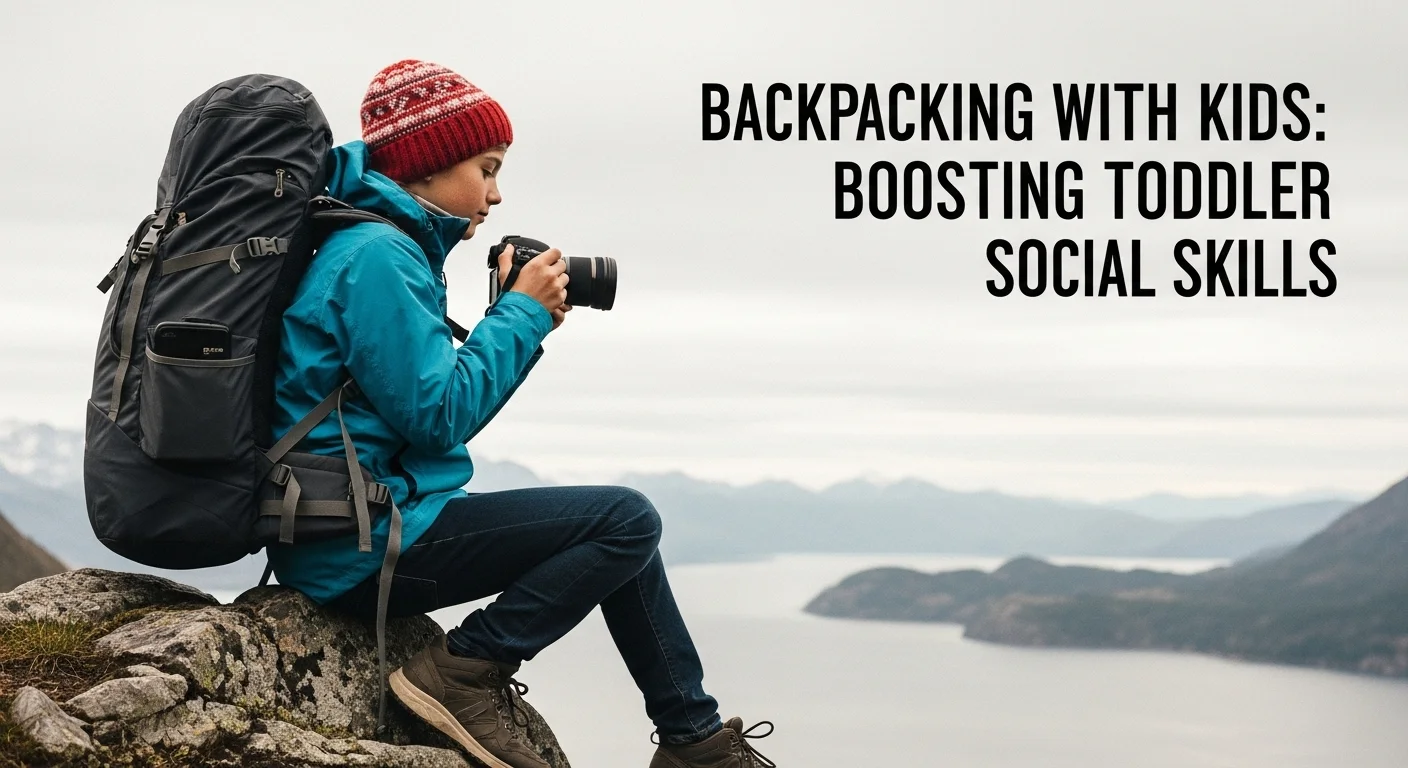
Backpacking with kids is not just an adventure; it’s a chance to nurture their social skills in a fun and engaging way. For toddlers, every hike can be a new opportunity to connect, learn, and grow.
Understanding the Importance of Social Skills for Toddlers
When I first started thinking about social skills for my toddler, I realized how crucial they are for their overall development. Social skills are the tools we use to communicate, interact, and build relationships with others. They encompass a wide range of behaviors, from speaking and listening to sharing and cooperating. I’ve often noticed how these skills can make a significant difference in my child’s ability to navigate the world around them.
What Are Social Skills?
Social skills include everything from basic communication to more complex emotional interactions. They involve verbal and non-verbal communication, understanding social cues, and practicing empathy. I remember watching my toddler try to express their feelings during playdates. Sometimes it was a struggle, but those moments were precious learning opportunities. As parents, we play a vital role in guiding our kids through these early social situations. By modeling good social behaviors ourselves, we help lay the groundwork for their future interactions.
Why Are Social Skills Important for Toddlers?
From my experience, social skills are fundamental for toddlers as they start to form friendships and engage in group activities. These skills help them express their needs, share toys, and cooperate while playing. I’ve seen how my child’s interactions with peers have improved as they learn to communicate more effectively.
Moreover, strong social skills can lead to better emotional health. Children who feel confident in their social abilities tend to exhibit less anxiety and are more willing to try new things. I’ve observed that my toddler is not only happier when they can connect with others but also more resilient in challenging situations. This connection helps them build self-esteem and learn about boundaries and respect for others.
How Backpacking Can Enhance Social Skills
Backpacking offers a unique platform for toddlers to practice and enhance their social skills. When we hit the trails, my child is surrounded by other families, and it naturally creates opportunities for interaction. Whether it’s sharing a snack with a new friend at a rest stop or engaging in a game of tag in the campground, each experience fosters social development.
During our last backpacking trip, I noticed my toddler interacting with other kids who were also on an adventure. They shared stories about their favorite animals and even played together in the dirt. It was heartwarming to see how they navigated these interactions, sometimes negotiating playtime and at other times simply enjoying each other’s company. I believe that these outdoor experiences are more than just physical; they are social lessons wrapped in adventure.
Additionally, the unpredictability of nature can often lead to learning moments that enhance social skills. For instance, if something didn’t go as planned—like a rain shower forcing us to share a shelter—it taught my toddler about adaptability and teamwork. I’ve come to appreciate how every trip is a chance to learn something new, not just for my child but for me as well.
As we backpack together, I often encourage my child to initiate conversations with other kids. I guide them on how to introduce themselves or how to ask someone to join in on a game, which helps build their confidence. I’ve learned that creating these moments is essential for their social growth. Watching my child become more comfortable in these interactions reminds me of the power of shared experiences in building relationships. Read Interesting article: Backpacking with Kids: Effective Conflict Resolution Strategies
In conclusion, backpacking isn’t just a fun activity; it’s an incredible way to help toddlers develop vital social skills in a natural and enjoyable environment. The friendships they form, the lessons they learn, and the confidence they gain on the trail will serve them well as they grow. I look forward to many more adventures with my little one, knowing each trip will contribute to their social development.
Preparation for Backpacking with Kids
Choosing the Right Gear for Toddlers
When I first took my toddler backpacking, I quickly learned that choosing the right gear is essential for a smooth experience. I remember feeling overwhelmed by the options available, but I realized that investing in quality gear makes all the difference. For toddlers, comfort and safety are paramount. I recommend starting with a good pair of hiking shoes that fit well and offer support. We found a pair that my child loved, and it made a noticeable difference in their energy levels on the trail.
Another important item is a lightweight backpack designed for kids. This way, they can carry a few of their personal items like snacks, a water bottle, or their favorite toy. I found that letting my child have their own backpack not only made them feel included, but it also taught them responsibility. We also packed plenty of layers because the weather can change quickly in nature. Having a lightweight rain jacket, warm fleece, and a sun hat ensures that my little one stays comfortable no matter the conditions.
Finally, I can’t stress enough the importance of safety gear. A first aid kit, sunscreen, and insect repellent are must-haves. We’ve had our fair share of scrapes and bug bites, and having these essentials on hand gives me peace of mind. I’ve learned that preparation is key, not just for the journey itself but also for fostering a sense of adventure in my child. Read Interesting article: Essential Tips for Budget Backpacking with Young Kids
Planning a Family-Friendly Itinerary
Planning our backpacking trips has become one of my favorite parts of the adventure. I’ve found that considering my toddler’s interests and abilities makes a world of difference. I often look for trails that are shorter and have plenty of interesting things to see along the way, like streams, wildlife, or unique rock formations. This keeps my little one engaged and excited about the hike.
In my experience, breaking up the hike with stops for snacks or playtime is essential. We’ve turned many breaks into mini-adventures. Sometimes, we’ll stop at a scenic spot for a picnic, allowing my toddler to explore the area while I prepare lunch. These moments not only provide them with energy but also allow them to meet other kids who might be exploring the same area. I remember one trip when we stumbled upon a family of hikers, and my toddler quickly made friends, sharing snacks and stories about our adventures.
Moreover, it’s important to have a flexible itinerary. I’ve learned to keep our plans loose to accommodate my child’s mood and energy levels. If they’re tired or need a break, we simply take a moment to relax and enjoy the surroundings. This approach not only helps reduce stress for me but also allows my toddler to have a more enjoyable experience. I believe that the journey is just as valuable as the destination, and sometimes the best memories come from the unplanned moments along the way.
Safety Considerations While Backpacking
Safety is always at the forefront of my mind when backpacking with my toddler. I’ve realized that keeping my child safe is not just about physical safety but also about fostering a sense of security in new environments. One of the first things I do is establish clear boundaries. I explain to my child what they can and cannot do in the outdoors, like staying close to me and not wandering off. I can still picture the concerned look on my toddler’s face when I first explained the importance of not straying too far. It’s a conversation we revisit often, especially in new places.
Another crucial aspect of safety is teaching them basic outdoor guidelines, like being quiet around wildlife and understanding the importance of not touching unknown plants. I find that these lessons are not only important for safety but also enrich their understanding of nature. My toddler has developed a genuine curiosity about the environment, often asking questions about the plants and animals we encounter.
I also make sure to have a reliable method of communication. A fully charged phone is essential for emergencies, but I also carry a whistle to signal for help if needed. It’s a simple tool, but it empowers my child to feel secure knowing there’s a way to get attention if they feel lost or scared. I’ve learned that taking these precautions not only enhances our safety but also allows us to enjoy the adventure without worry.
Destinations That Foster Social Interaction
National Parks and Outdoor Adventures
When I think about backpacking destinations that truly foster social interaction, national parks immediately come to mind. These places are not only stunningly beautiful but also full of families and fellow adventurers. I remember our first trip to a national park with my toddler. The vibrant trails, the wildlife, and the communal campgrounds created a perfect setting for socializing. We met families from different backgrounds, each with their own stories to share. It was refreshing to see how excited my child was to make new friends while hiking or playing in the dirt.
At national parks, the shared experiences of exploring nature create a unique bond among families. I’ve seen how easy it is for kids to connect, especially during ranger-led activities. These programs often attract a mix of children, encouraging them to work together on learning activities or games that bring out their social skills. For instance, I remember a fun scavenger hunt where kids teamed up to find specific plants or animals. Not only did my toddler enjoy the thrill of the hunt, but they also learned how to communicate and collaborate with others. It’s amazing how nature can serve as a backdrop for these connections.
Family-Friendly Cities with Strong Community Vibes
Another type of destination I highly recommend is family-friendly cities known for their strong sense of community. Cities that prioritize outdoor spaces and activities often have parks, festivals, and events that encourage social interaction. For example, during a visit to a nearby city, we discovered a local park that hosted weekend family picnics. It was such a joy to see my toddler playing with other kids, sharing toys, and participating in group games. I felt proud to see them stepping out of their comfort zone and initiating conversations.
In these cities, I’ve found that local libraries and community centers often offer family programming, like storytelling sessions or art classes. These activities provide structured opportunities for toddlers to meet other kids while engaging in fun and creative projects. I’ve noticed that when kids are involved in a group activity, they naturally learn to share and cooperate. My toddler opened up so much during these sessions, and I appreciated how the community vibe made it easy for them to connect with others.
Cultural Festivals and Events
Cultural festivals are another fantastic way to enhance social skills while backpacking. I remember stumbling upon a vibrant local festival during one of our trips. The atmosphere was buzzing with music, dance, and art displays, and children were everywhere, enjoying themselves. It was one of those moments when I saw my toddler’s eyes light up with excitement. We spent hours exploring different booths, trying out new foods, and watching performances. It was a wonderful opportunity for my child to not only engage with other kids but also learn about different cultures.
During the festival, my toddler and I joined a craft activity where kids were encouraged to create their own art pieces. This allowed my child to interact with others while expressing their creativity. I noticed how the shared experience of creating something together broke down barriers. Kids who had just met moments before were collaborating, learning to negotiate and share supplies. It was heartwarming to witness such natural social interactions unfold.
I learned that being in an environment that celebrates diversity can broaden not only a child’s social skills but also their understanding of the world around them. By participating in cultural events, my toddler gained exposure to different perspectives, which I believe is crucial for their overall development. I’ve come to realize that these interactions significantly contribute to building empathy, a vital social skill as they grow.
Activities to Boost Social Skills While Backpacking
Group Games and Activities
One of the best ways to boost my toddler’s social skills while backpacking has been through group games and activities. I’ve discovered that simple games can make a world of difference. For instance, we often play “Follow the Leader” during our hikes. This game encourages my child to observe and mimic others, which helps them develop communication and social awareness. It’s a fun way for them to learn about taking turns and being a good sport.
Another favorite activity of ours is a treasure hunt. I usually create a list of items for my toddler and their new friends to find along the trail. The excitement on their faces as they search for pine cones, interesting rocks, or specific flowers is priceless. This activity fosters teamwork and collaboration, and I love watching kids cheer each other on as they work together to complete the hunt. It’s a fantastic way to turn a regular hike into an engaging social adventure.
Encouraging Play with Other Children
Encouraging my toddler to play with other children during our trips has been a rewarding experience. I’ve learned to facilitate these interactions by creating opportunities for them to meet other kids. When we camp, I often set up our area near other families. This way, my child can easily engage in spontaneous play. I remember one camping trip where my toddler quickly made friends with a group of kids, and they spent hours playing tag and building a fort together. It warmed my heart to see how quickly they bonded over shared fun, and it reminded me of the power of play in developing social skills.
Learning Through Local Interactions
One aspect of backpacking that I cherish is the opportunity for local interactions. Whether it’s chatting with a park ranger, visiting a local shop, or participating in a community event, these experiences help my toddler learn the art of conversation. I encourage my child to ask questions or express their thoughts during these interactions. It’s amazing to see how these small moments can lead to significant social learning.
For example, during one of our trips to a national park, we stopped by the visitor center. My toddler was curious about the animals they had on display, and I encouraged them to ask the ranger questions. Watching my child engage with an adult about something they were passionate about was a proud moment for me. These interactions not only enhance their communication skills but also instill confidence in approaching new people.
Teaching Empathy and Communication on the Road
Modeling Positive Social Behaviors
One of the most effective ways I’ve found to teach my toddler social skills is by modeling positive behaviors myself. Kids are like little sponges, soaking up everything around them, and I’ve noticed that they often mimic my actions and words. When we’re out on the trail, I make a conscious effort to engage positively with others. Whether it’s greeting fellow hikers or showing appreciation to park staff, I try to demonstrate kindness and respect. I remember one day on a hike when we encountered a family struggling with their gear. I offered them a hand, and my toddler watched intently, absorbing the importance of helping others. This simple act not only taught my child about kindness but also sparked a conversation about empathy and cooperation.
Encouraging Sharing and Cooperation
Sharing and cooperation are essential social skills, and I’ve found that backpacking presents perfect opportunities to practice these. I often encourage my toddler to share snacks or toys with other kids we meet on the trail. I believe that teaching them to share helps foster a sense of community and belonging. I remember a moment when my child had a favorite toy that they willingly shared with another child at the campsite. The joy on their face when they saw how happy it made the other child was priceless. It was a reminder of how important it is to cultivate a generous spirit in our children.
Cooperative games also play a crucial role in developing these skills. During our hikes, we sometimes play games that require teamwork, like building a small fort out of sticks or creating a nature collage together. These activities not only enhance creativity but also reinforce the idea that working together can lead to more fun and satisfying experiences. I’ve seen my toddler learn to listen to others’ ideas and contribute their own, which is a vital part of social interaction.
Discussing Feelings and Experiences
After each trip, I make it a point to have discussions with my toddler about their feelings and experiences. This reflection time helps them articulate what they enjoyed, what they found challenging, and how they interacted with others. I often ask open-ended questions like, “What was your favorite part of the hike?” or “How did it feel to meet new friends?” I’ve noticed that these conversations not only reinforce their experiences but also help them develop emotional intelligence.
By encouraging my toddler to express their feelings, I’m helping them understand their emotions and those of others. We often talk about empathy, discussing how actions can affect feelings. For instance, if we encounter a child who’s upset, I might ask my toddler, “How do you think they feel?” This practice helps cultivate a deeper understanding of others’ emotions and fosters compassion.
Incorporating Learning Opportunities
Educational Stops Along the Way
While backpacking, I love incorporating educational stops that stimulate curiosity. Whether it’s a visitor center with informative displays or a guided nature walk, these opportunities enrich our experiences. I remember one hike where we stopped at a ranger-led program focused on local wildlife. My toddler was fascinated by the different animals and even got to see some up close. These moments not only provide learning but also create a shared experience that enhances social interaction.
Engaging with Local Cultures
Exploring local cultures during our travels has also been an enriching aspect of our backpacking adventures. I enjoy visiting nearby towns or historical sites, where we can learn about the local traditions and customs. This exposure has been valuable for my toddler, as we often engage with locals who share stories or teach us new things. During one trip, we attended a small local festival where my child learned about traditional crafts. Watching them interact with artisans and ask questions was heartwarming and provided a wonderful lesson in respect and appreciation for diversity.
Nature Walks and Environmental Awareness
Nature walks are not just about the physical activity; they also offer opportunities to teach environmental awareness. I often pause to discuss the plants and animals we encounter, explaining their roles in the ecosystem. These conversations spark my toddler’s curiosity about the natural world. I remember one hike where we spotted various birds, and I took the time to explain their importance in the environment. This not only educated my child but also encouraged a sense of responsibility towards nature.
Dealing with Challenges and Setbacks
Managing Social Anxiety in New Environments
Every adventure comes with its share of challenges, and I’ve learned to navigate my toddler’s social anxiety in unfamiliar situations. When we arrive at a new campsite or park, I take a moment to help them acclimate. I gently encourage them to observe the surroundings and take small steps towards engaging with others. I’ve found that talking about their feelings and reassuring them that it’s okay to feel shy makes a difference. I also try to introduce them to other children, making the process less daunting.
Handling Conflicts Between Toddlers
Conflicts are a natural part of social interactions, and I’ve had to step in a few times during our trips. When disagreements arise, I focus on teaching conflict resolution skills. I encourage my toddler to express their feelings and listen to the other child’s perspective. I remember a situation where my toddler felt upset because another child took a toy. I guided them through expressing their feelings and negotiating a solution, which helped them learn valuable lessons about communication and compromise. Read Interesting article: Backpacking with Kids: Effective Conflict Resolution Strategies
Maintaining a Positive Attitude
Lastly, maintaining a positive attitude during our adventures has been crucial. I’ve learned that my demeanor can influence my toddler’s experience. When things don’t go as planned, I try to stay calm and optimistic. This approach not only helps me handle challenges better but also teaches my child resilience. I often remind them that every experience—good or bad—teaches us something valuable. Emphasizing a growth mindset helps my toddler see setbacks as opportunities for growth, which is a lesson that extends beyond our outdoor adventures.
Post-Trip Reflection and Reinforcement
Discussing Experiences and Lessons Learned
After each trip, I love sitting down with my toddler to reflect on our experiences. I find that discussing what we learned and how we interacted with others reinforces those social skills. I ask them what they enjoyed most and if there’s anything they would like to do differently next time. This reflective practice not only cements their learning but also strengthens our bond as we share our thoughts and feelings.
Continuing Social Skill Development at Home
Back at home, I make an effort to continue developing these skills through playdates and group activities. I believe consistency is key, and providing regular opportunities for social interaction helps reinforce what they’ve learned during our trips. We often invite friends over for playdates, where I encourage cooperative games and sharing. Seeing my toddler apply the skills they’ve learned on the road in familiar settings is rewarding.
Sharing Stories with Family and Friends
Lastly, sharing stories about our adventures with family and friends is a delightful way to celebrate our experiences. I encourage my toddler to recount their favorite moments, which not only boosts their confidence but also strengthens their storytelling abilities. It’s heartwarming to see their excitement as they talk about the friends they made or the fun games we played. This practice reinforces the importance of social connection and communication, reminding them that every adventure is worth sharing.
Final Thoughts
Backpacking with my toddler has been more than just an outdoor adventure; it’s been a journey of growth and learning for both of us. I’ve witnessed firsthand how these experiences foster social skills, empathy, and a deeper understanding of our world. Each trip is filled with challenges and triumphs that contribute to my child’s development. I’m grateful for the moments that allow us to connect with nature and others, enriching our lives in ways I never anticipated. As we plan our next adventure, I look forward to the new friendships, lessons, and memories that await us on the trails.
Frequently Asked Questions
What are the benefits of backpacking with toddlers?
Backpacking with toddlers offers a chance to nurture their social skills in a fun and engaging way. It allows children to connect, learn, and grow while enhancing their ability to communicate, interact, and build relationships with others.
Why are social skills important for toddlers?
Social skills are fundamental for toddlers as they form friendships and engage in group activities. These skills help them express their needs, share toys, cooperate while playing, and contribute to better emotional health, self-esteem, and resilience.
How does backpacking enhance social skills in toddlers?
Backpacking provides unique opportunities for toddlers to practice and enhance their social skills through interactions with other families. Experiences like sharing snacks or engaging in games foster social development and teach children about adaptability and teamwork.
What should I consider when choosing gear for toddlers for backpacking?
When choosing gear for toddlers, comfort and safety are paramount. It’s important to invest in quality hiking shoes, a lightweight backpack for personal items, and to pack plenty of layers, including a rain jacket and warm fleece. Safety gear like a first aid kit and sunscreen is also essential.
What type of itinerary is suitable for backpacking with toddlers?
A suitable itinerary for backpacking with toddlers should consider their interests and abilities, featuring shorter trails with engaging elements like streams or wildlife. Incorporating breaks for snacks or playtime is essential, and maintaining a flexible schedule helps accommodate their mood and energy levels.
What safety considerations should I keep in mind while backpacking with toddlers?
Safety considerations include establishing clear boundaries, teaching basic outdoor guidelines, and having reliable communication methods, such as a fully charged phone and a whistle. Ensuring your child understands safety rules helps foster a sense of security in new environments.
What are some recommended destinations for backpacking that foster social interaction?
National parks, family-friendly cities with strong community vibes, and cultural festivals are excellent destinations for backpacking that encourage social interaction. These locations offer opportunities for children to meet others and engage in group activities.
How can I encourage my toddler to play with other children during backpacking trips?
Encouraging play with other children can be facilitated by setting up camp near other families, creating opportunities for spontaneous interactions. Engaging in group games, activities, and allowing kids to share toys can also enhance social bonding.
What activities can boost social skills while backpacking?
Group games and activities, such as “Follow the Leader” and treasure hunts, are effective in boosting social skills. These activities promote teamwork, communication, and cooperation among toddlers while making the experience enjoyable.
How can I continue developing my toddler’s social skills after our backpacking trips?
Continuing to develop social skills at home can be achieved through regular playdates and group activities. Discussing experiences from trips and encouraging storytelling can also reinforce communication and social connections.