
Backpacking with kids can be an incredible adventure, but it often comes with its share of challenges. Understanding how to resolve conflicts effectively can make the experience rewarding for the whole family. Read Interesting article: Backpacking with Kids: Nurturing Emotional Growth
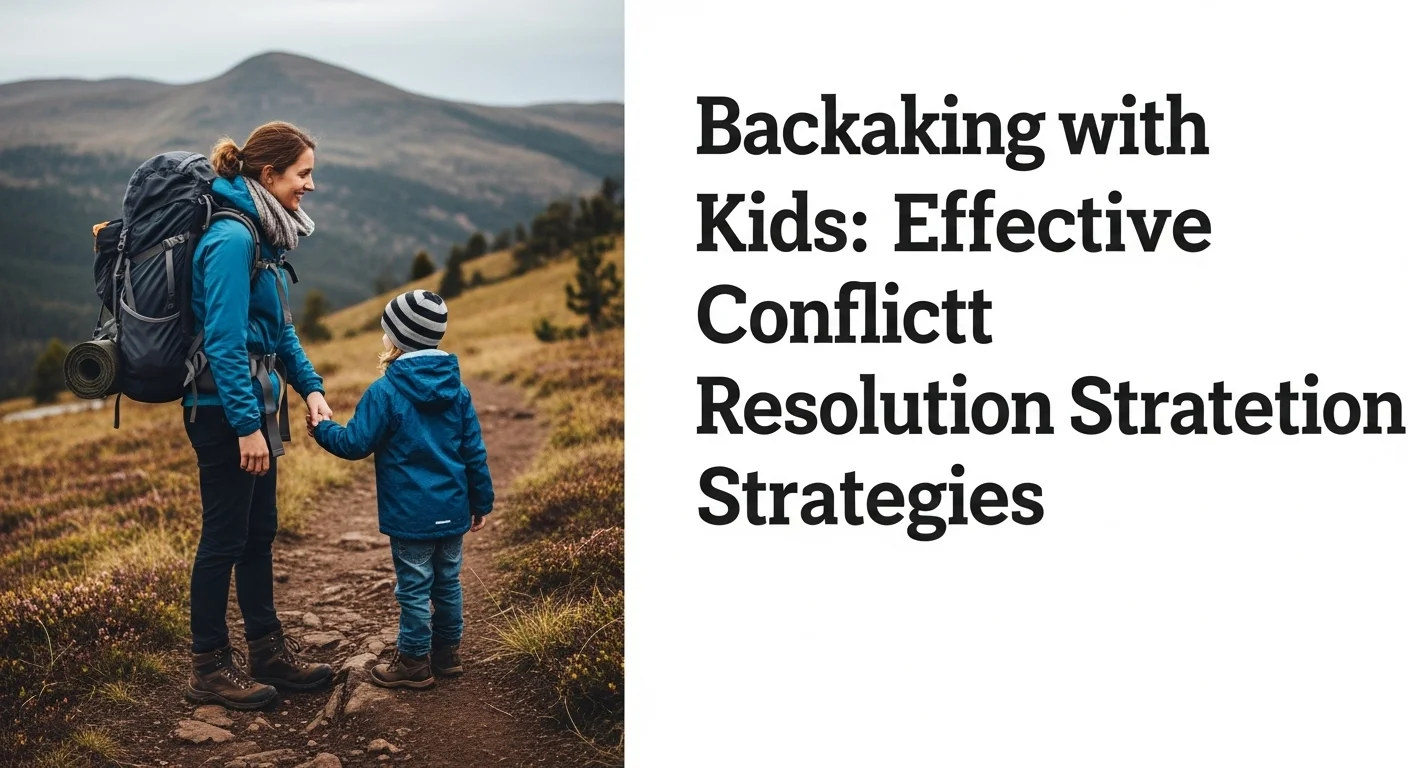
Understanding Family Dynamics in Backpacking
When we set off on our backpacking trips, I quickly learned that family dynamics play a huge role in how we experience the outdoors together. It’s not just about the beautiful trails or the breathtaking views; it’s about how we communicate, connect, and sometimes, clash. Each member of the family brings their own personality to the mix, which can lead to conflicts if not managed well. Indeed, understanding these dynamics can make all the difference in enjoying our time together.
The Importance of Communication
Communication is the backbone of any successful family trip. I remember one particular hike where we barely made it a mile before my kids started bickering. They were tired, hungry, and frustrated, yet we hadn’t set the stage for open communication. I realized that I needed to encourage an environment where everyone felt comfortable sharing their thoughts and feelings. Encouraging kids to express themselves not only helps in resolving immediate conflicts but also builds their confidence to communicate their needs in the future.
Every family is different, and what works for one may not work for another. I found that taking a few moments before each hike to discuss expectations and feelings made a significant impact. For example, we would gather around and chat about what each person was looking forward to and any fears or concerns they might have. This simple act of sharing brought us closer and helped prevent misunderstandings on the trail. Read Interesting article: Backpacking with Toddlers: Nurturing Social Skills Abroad
Recognizing Different Personalities
Another vital aspect of our backpacking trips has been recognizing that each family member has a unique personality. I’ve seen how my kids’ emotions can fluctuate based on their individual traits. My eldest, for instance, is more introverted and takes longer to adapt to new situations. Meanwhile, my younger child is outgoing and thrives on spontaneity. I’ve learned to tailor my approach during adventures based on their personalities. For example, I give my introverted child more time to process and don’t pressure her to engage in activities she’s not comfortable with. Meanwhile, I encourage my younger one to explore new trails and meet other families.
By recognizing these differences, I can help mediate conflicts that arise. When arguments happen, I remind my kids of each other’s strengths and preferences. This way, they understand that their differences can complement each other rather than create friction. It’s all about teaching them the value of empathy and respect toward one another.
The Role of Age in Conflict Resolution
Age plays a significant role in how kids handle conflict. I’ve noticed that my older child is more equipped to handle disagreements than my younger one. To tackle conflicts, I adjust my strategies based on their ages. For instance, with my younger child, I often need to simplify my explanations and be patient when they struggle to articulate their feelings. On the other hand, my older child can engage in more complex discussions about feelings and challenges.
Understanding age-related differences also helps when it comes to conflict resolution. For example, I’ve found that giving my younger child a physical activity like jumping around can help dissipate their frustration. Meanwhile, my older child benefits from sitting down and discussing their emotions openly. Tailoring my responses based on their ages has fostered a better understanding among my kids and enhanced our overall family dynamic.
Common Conflicts While Backpacking with Kids
Even with the best intentions, conflicts are bound to happen when backpacking with kids. I’ve seen firsthand that the great outdoors can sometimes lead to heated disagreements. Whether it’s about the route we’re taking or the snacks packed in the bag, here are some common conflicts we’ve encountered over the years.
Disagreements Over Itinerary Choices
One of the biggest sources of conflict for us has been itinerary choices. I typically have a plan in mind, but my kids often have their own ideas about which trail to take or which campsite to set up at. I remember one trip where we had a heated debate over whether to hike a challenging trail or stick to an easier one. My younger child was adamant about taking the easier path, while my older one wanted to push the limits. The disagreement escalated quickly, which made me realize that we needed to involve everyone in the decision-making process moving forward.
Since then, we’ve adopted a more collaborative approach. Before each trip, we sit down and discuss potential routes, allowing everyone to voice their opinions and preferences. This way, they feel included in the planning process, and it also reduces the chances of disagreements on the trail.
Managing Expectations and Disappointments
Managing expectations is another critical area where conflicts arise. I remember one time we planned a beautiful sunset hike, but due to unforeseen circumstances, we ended up missing it. My kids were disappointed, and their frustration turned into arguments about whose fault it was. It was a learning moment for all of us. I realized that I had to help them understand that sometimes, things don’t go as planned, and that’s okay.
Now, we talk openly about the possibility of changes in plans before our trips. I encourage my kids to embrace the adventure, even if things don’t go perfectly. We remind ourselves that it’s not just about reaching a destination but about enjoying the journey together. This simple shift in mindset has helped us handle disappointments with more grace. Read Interesting article: Backpacking with Toddlers: Foster Empathy Through Experiences
Conflict Over Responsibilities and Roles
Lastly, conflicts often arise over responsibilities and roles during our trips. Who carries what? Who sets up the tent? These questions can become points of contention. I’ve seen my kids argue over who gets to carry the lighter backpack, and it often leads to frustration. To combat this, we’ve established a system where responsibilities rotate, so everyone gets a chance to do different tasks. I also emphasize the importance of teamwork, reminding them that we’re all in this together.
By involving my kids in the planning of responsibilities, they have more ownership and take pride in their contributions. This not only minimizes conflict but also fosters a sense of cooperation and family bonding that enhances our backpacking experiences.
Proactive Conflict Prevention Strategies
Through my experiences backpacking with kids, I’ve found that preventing conflicts before they arise is just as important as knowing how to resolve them. I believe that by setting the right groundwork, we can reduce the chances of disagreements spiraling out of control. Here are some proactive strategies that have worked for us.
Setting Clear Expectations Before the Trip
One of the first things I learned was the importance of setting clear expectations before we even step out the door. I remember a trip where we didn’t discuss the hiking pace beforehand, and my younger child ended up feeling overwhelmed and exhausted halfway through. From that day on, we have made it a point to talk about what each hike will entail—how long it will be, what kind of terrain to expect, and what everyone’s roles will be in terms of pace and rest breaks.
During these discussions, I encourage my kids to express their thoughts and any concerns they might have. This way, they know what to expect and can mentally prepare for the adventure ahead. It also allows them to feel like they are part of the planning process, which I’ve found reduces anxiety and potential conflicts on the trail.
Involving Kids in Planning
I’ve noticed that involving my kids in the planning process has made a remarkable difference in how they approach our trips. When we sit down together to decide on our destination, the trails we’ll take, and even what snacks to pack, they feel a sense of ownership over the trip. I remember a particular instance when my youngest suggested a trail he’d read about in a book. Seeing his excitement as we planned our route was a highlight of that trip for me.
This collaborative effort not only helps in preventing conflicts but also teaches them valuable skills about decision-making and compromise. Sometimes, we have to discuss which trails might be too challenging or if we should pick a different campsite. By allowing my kids to weigh in on these decisions, they are more invested in the journey and are less likely to argue later on.
Establishing Ground Rules
Ground rules are another part of our proactive strategy. Before each trip, we create a list of guidelines together. These rules might include how we communicate with each other on the trail, how to handle disagreements, and what to do if someone feels tired or needs a break. I remember the first time we did this; the kids were so enthusiastic about contributing their ideas. They suggested rules like “no whining” and “take turns picking the music for the hike.” It was a fun way to engage them and set the tone for our adventure.
Having these rules in place provides a framework for our interactions and helps us navigate difficult moments. When tempers flare or frustrations build, I can gently remind everyone of our agreed-upon guidelines. This creates a sense of accountability that fosters a positive atmosphere even when things get tough.
Effective Communication Techniques
Effective communication is crucial for smooth sailing on our backpacking trips. I’ve realized that how we talk to one another can significantly influence our experiences. Here are some techniques I’ve found helpful.
Active Listening Skills
Practicing active listening is something I try to focus on during our hikes. I’ve noticed how often we can get caught up in our own thoughts and feelings, especially when tensions rise. When my kids express their frustrations, I make a conscious effort to listen without interrupting. I nod, maintain eye contact, and repeat back what they’ve said to validate their feelings. For example, I’ll say, “So you’re feeling tired and want to take a break, right?” This simple act has made a significant difference in how we communicate.
By modeling active listening, I encourage my kids to do the same with each other. I’ve seen them start to adopt this practice, which has led to more empathetic interactions on the trail. It’s amazing how much smoother our conversations go when everyone feels heard.
Using ‘I’ Statements to Express Feelings
Another technique I find effective is using ‘I’ statements. Instead of saying things like “You always want to take the lead,” I encourage my kids to express their feelings by saying, “I feel frustrated when I can’t suggest a trail.” This way, they learn to express themselves without placing blame, which can quickly escalate into arguments. I’ve noticed that when we use this approach, it opens up conversations rather than shutting them down.
Encouraging Kids to Voice Their Opinions
Encouraging my kids to voice their opinions has been a game-changer. I try to create a safe space for them to share their thoughts, especially when it comes to decisions during our hikes. I often ask them open-ended questions like, “What do you think we should do next?” or “How do you feel about the pace we’re moving at?” This not only fosters a sense of belonging but also empowers them to take an active role in our adventures.
By fostering an open dialogue, we create an environment where conflicts are less likely to arise. It’s all about building that trust and understanding, which has positively impacted our family dynamic on the trail.
Conflict Resolution Techniques
Even with the best communication techniques, conflicts can still arise during our backpacking adventures. I’ve found that having specific conflict resolution techniques at our disposal can help us navigate these tricky moments. These methods not only address immediate issues but also encourage my kids to learn and grow from their experiences. Here’s what has worked for us.
Time-Outs for Cool Down
When tensions rise, I’ve noticed that taking a moment to step away from the situation can be incredibly beneficial. I remember one hike where my kids were squabbling over who would carry the map. The argument escalated quickly, and I could sense that both were getting more frustrated. That’s when I decided to implement a “cool down” time-out. I suggested we take a short break, sit on a log, and breathe for a moment.
During this time, I encouraged them to focus on their surroundings—the sounds of the birds, the rustling leaves, and the beautiful views. After a few minutes, we reconvened, and I noticed the tension had lessened significantly. This little break allowed them to collect their thoughts and come back to the conversation with a clearer head. It’s like hitting the reset button, and I’ve made it a practice to suggest these time-outs whenever things get heated.
Collaborative Problem Solving
Once we’ve cooled down, I like to engage my kids in collaborative problem-solving. This method encourages them to work together instead of against each other. I recall a situation when they disagreed about the best route to take. Instead of dictating a solution, I asked them to brainstorm ideas together. We sat down on a big rock, pulled out the map, and started discussing the pros and cons of each option.
By guiding them to listen to one another and share their perspectives, they realized that both routes had their advantages. They ended up agreeing on a compromise—a route that included both their favorite features. This experience not only solved the immediate conflict but also taught them how to collaborate and appreciate each other’s point of view. I’ve seen this technique transform arguments into opportunities for teamwork.
Negotiation Skills for Kids
Negotiation is a skill that can be incredibly valuable, especially on the trail. I’ve found that teaching my kids how to negotiate can help them resolve conflicts more effectively. For instance, during another hike, my kids were debating over which snacks to have during our break. Each child was adamant about their favorite, and it quickly turned into a disagreement.
I stepped in and suggested we try a negotiation tactic: each child would present one snack they wanted, and we would take turns deciding which one to include. This method not only allowed them to express their preferences but also encouraged them to think about compromise. They quickly learned that if they wanted a certain snack, they might need to concede on another. Watching them navigate this negotiation process was enlightening; they became more respectful and understanding of each other’s choices.
Through these techniques, I believe my kids are not only learning how to resolve conflicts in the moment but are also developing essential life skills that will serve them well beyond our backpacking adventures. Each resolution becomes a building block for their emotional intelligence, and I’ve noticed how they start applying these skills in other areas of their lives.
Role-Playing Scenarios
One of the most effective methods I’ve found for teaching my kids conflict resolution is through role-playing. This approach allows them to practice handling disagreements in a safe environment. I think role-playing scenarios can help them feel more prepared for real-life situations, and I’ve seen them benefit immensely from this practice.
Practicing Conflict Resolution at Home
Before our trips, we sometimes set aside time to role-play potential scenarios. For example, I create situations that might occur on the trail, like one child wanting to stop for a break while another wants to keep going. We act out both sides of the argument, allowing each child to express their feelings and explore different responses. This practice not only prepares them for actual conflicts but also gives them the chance to see things from each other’s perspectives. It’s a fun way to engage and teach them about empathy without the pressure of a real argument.
Simulating Backpacking Situations
We’ve also set up mini-adventures in our backyard or living room to simulate backpacking scenarios. During these simulations, I introduce unexpected challenges—like rain or a sudden change in plans—to see how they react. I make it a point to allow them to negotiate solutions and work together to figure out how to handle the situation. It’s fascinating to see their creativity and teamwork unfold, and I often hear them referencing these exercises when we are on actual trips.
By incorporating role-playing into our family routine, I feel like we’re building a toolkit for conflict resolution that will benefit my kids both on the trail and in their everyday lives. I’ve seen them approach disagreements with a more open mind, ready to listen and collaborate, which is a beautiful thing to witness.
Frequently Asked Questions
1. What is the primary challenge of backpacking with kids?
The primary challenge of backpacking with kids is managing family dynamics and resolving conflicts effectively to ensure a rewarding experience for the whole family.
2. How does communication affect family trips?
Communication is the backbone of successful family trips. Encouraging an environment where everyone feels comfortable sharing their thoughts and feelings can help resolve conflicts and build confidence in expressing needs.
3. Why is it important to recognize different personalities in the family?
Recognizing different personalities helps tailor approaches during adventures, mediating conflicts by reminding family members of each other’s strengths and preferences, and fostering empathy and respect.
4. How does age influence conflict resolution among kids?
Age plays a significant role in how kids handle conflict. Younger children may require simpler explanations and patience, while older children can engage in more complex discussions about feelings and challenges.
5. What are some common conflicts that arise while backpacking with kids?
Common conflicts include disagreements over itinerary choices, managing expectations and disappointments, and conflicts over responsibilities and roles during the trip.
6. What proactive strategies can help prevent conflicts during trips?
Proactive strategies include setting clear expectations before the trip, involving kids in planning, and establishing ground rules to create a framework for interactions.
7. What communication techniques can enhance interactions on backpacking trips?
Effective communication techniques include practicing active listening skills, using ‘I’ statements to express feelings, and encouraging kids to voice their opinions through open-ended questions.
8. What conflict resolution techniques can be utilized during disagreements?
Conflict resolution techniques include implementing time-outs for cool-downs, engaging in collaborative problem-solving, teaching negotiation skills, and using role-playing scenarios to practice conflict resolution.
9. How can role-playing scenarios benefit kids in handling conflicts?
Role-playing scenarios help kids practice handling disagreements in a safe environment, allowing them to explore different responses and see things from each other’s perspectives, which fosters empathy.
10. What is the importance of involving kids in the planning process for trips?
Involving kids in the planning process gives them a sense of ownership over the trip, reducing anxiety and potential conflicts, while teaching valuable skills about decision-making and compromise.