
Backpacking with kids is an exciting adventure, but it comes with its own set of challenges, especially when it comes to injuries. Understanding first aid can make all the difference in keeping our little explorers safe. To enhance your knowledge, consider reading Master Basic First Aid for Kids: Safety Tips for Parents.
Understanding Common Injuries When Backpacking with Kids
Importance of First Aid Knowledge
As a parent, I’ve always felt a mix of excitement and anxiety when planning a backpacking trip with my kids. The thought of exploring nature together fills me with joy, but I also know that little ones are prone to scrapes, bumps, and other injuries. That’s why having a solid grasp of first aid is crucial. Being prepared can turn a potentially scary situation into something manageable. It empowers us as parents and ensures our kids have a safe, fun experience outdoors.
Types of Common Injuries
Over the years, I’ve seen my kids face a number of injuries during our adventures. I learned that understanding the types of injuries we might encounter can help us react quickly and effectively. Here are some of the most common injuries I’ve come across while backpacking with kids.
Scrapes and Cuts
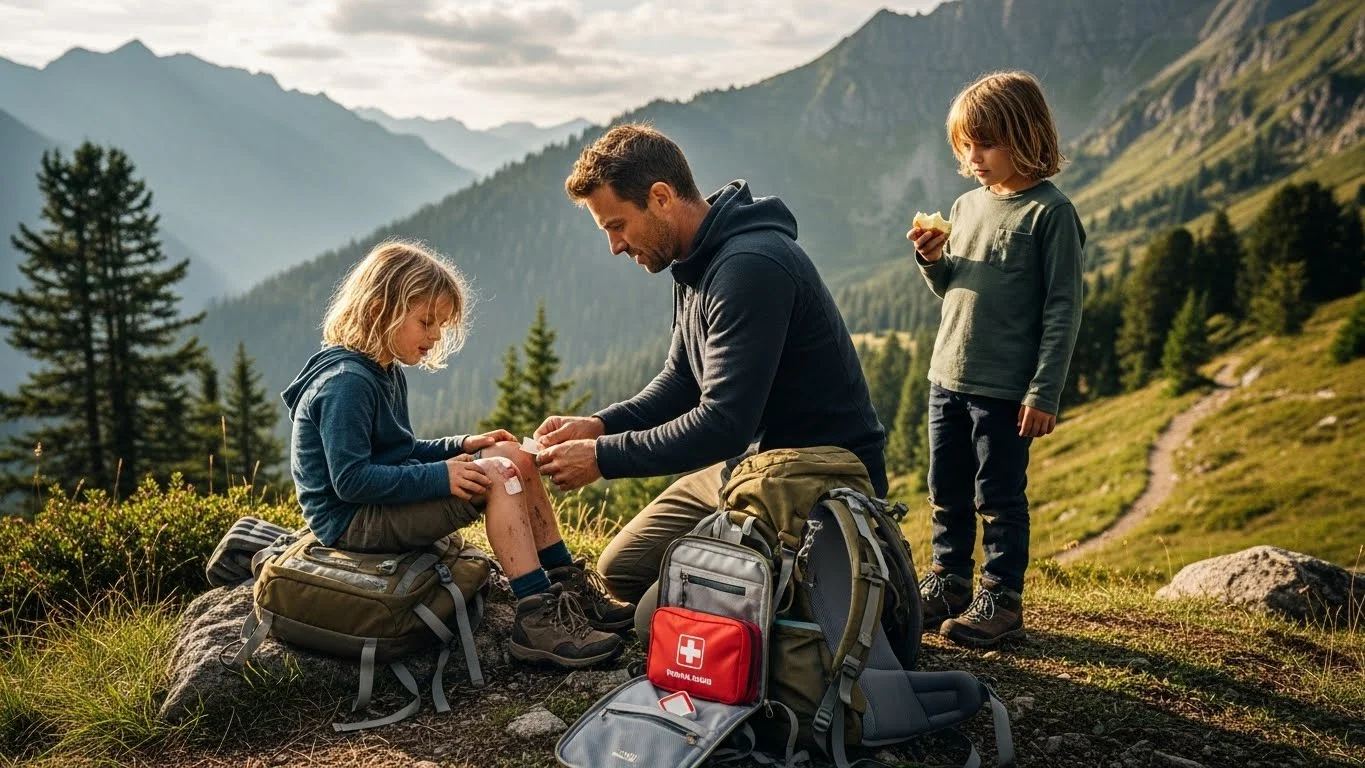
Scrapes and cuts are perhaps the most common injuries we encounter. Kids are naturally curious and often run ahead, which can lead to falls or bumps against rough surfaces like rocks and branches. I remember one trip when my youngest tripped over a root and scraped his knee. It was heart-wrenching to see him hurt, but I was glad I had first aid supplies at the ready. It’s essential to clean the wound with water and apply a sterile bandage. I always carry antiseptic wipes in my kit to help prevent infection.
Insect Bites and Stings
Another injury that often arises are insect bites and stings. Whether it’s a pesky mosquito or an unexpected bee sting, these can cause discomfort and even allergic reactions in some children. I recall a hike where my daughter got stung by a bee. I felt panic at first, but I remembered to remain calm for her sake. I applied a cold pack to reduce swelling and gave her some antihistamine. It’s important to know signs of severe allergic reactions, so having an EpiPen on hand if your child has known allergies can be a lifesaver.
Sunburn
Sunburn is another sneaky injury that can ruin a day outdoors. Kids’ skin is sensitive, and they can easily burn if they’re not properly protected. We’ve learned the hard way to apply sunscreen generously and often, especially on long hikes. I like to use a broad-spectrum sunscreen with at least SPF 30, and I make it a habit to reapply every two hours. Wearing protective clothing and hats can also help shield their skin from harmful UV rays.
Sprains and Strains
With all the running, jumping, and climbing kids love to do, sprains and strains can happen. I experienced this firsthand when my son misstepped while climbing on a rocky trail and twisted his ankle. He was in pain, and I felt helpless for a moment. I quickly assessed his injury, encouraged him to rest, and applied ice to reduce swelling. To prevent these injuries, I remind my kids to watch their footing and take it slow, especially on uneven terrain.
Dehydration
Finally, dehydration is a serious concern, especially in warmer weather or during strenuous hikes. Kids may not always recognize when they’re thirsty, so it’s up to us to keep them hydrated. I’ve learned to carry extra water bottles and offer them drinks regularly. If a child shows signs of dehydration, such as dizziness or a dry mouth, it’s crucial to take immediate action by giving them water and resting in a cool spot. I always have electrolyte packets on hand to mix into water for a quick boost.
Understanding these common injuries has helped me feel more prepared during our backpacking adventures. It’s a comforting feeling to know that I can take care of my kids if something goes wrong. From scrapes to dehydration, being aware of what to expect can help us enjoy our time in nature while also keeping our little explorers safe.
Essential First Aid Supplies for Backpacking
First Aid Kit Basics
When I first started backpacking with my kids, I quickly realized that having a well-stocked first aid kit was essential. It’s not just about having a few Band-Aids; it’s about being prepared for various situations. I made it a point to create a comprehensive first aid kit tailored to our needs. A solid kit should include items like adhesive bandages in various sizes, antiseptic wipes, gauze pads, adhesive tape, and tweezers. I also added a pair of scissors, as they can be handy for cutting tape or clothing in case of an emergency. Having these basic supplies gives me peace of mind, knowing I can address minor injuries or accidents right away.
Specific Items for Kids
Kids have different needs than adults, so I’ve learned to customize our first aid kit to include specific items for my children. For example, I always pack child-safe medications like liquid ibuprofen or acetaminophen, specifically formulated for their age group. I remember a hike where my daughter started complaining of a headache. I was so relieved to have her medication on hand because it quickly helped alleviate her discomfort. Keeping age-appropriate doses organized in a labeled bag within the kit can save a lot of time in a pinch.
Child-Safe Medications
When it comes to child-safe medications, I ensure I have the essentials. In addition to pain relievers, I include antihistamines for allergies, as well as any emergency medications my kids might need. I also pack a few doses of electrolyte solutions to help if they get dehydrated. Knowing I have these medications ready gives me a sense of security, especially on long hikes where we may be far from any facilities.
Bandages and Dressings
Bandages and dressings are another crucial part of our first aid kit. I’ve found that kids can be quite dramatic when they get hurt, even from minor scrapes. To help soothe their worries, I carry fun bandages with cartoon characters or bright designs. These make it a bit easier for my kids to feel better after an injury. I also make sure to have larger dressings for bigger cuts or scrapes, along with hydrocolloid bandages that help cushion and protect the wound.
Emergency Contact Information
One item that I believe is often overlooked in a first aid kit is emergency contact information. I always write down our emergency contacts, including family members and our pediatrician, along with any relevant medical history for each child, such as allergies or chronic conditions. I keep this information in a waterproof pouch inside the first aid kit. In an emergency, having quick access to this information can be a lifesaver for us or anyone who might be helping.
First Aid Procedures for Common Injuries
Treating Scrapes and Cuts
When my kids get scrapes or cuts, I remember to stay calm and reassure them. I usually start by cleaning the wound with clean water to remove any dirt. If it’s a deeper cut, I might apply gentle pressure with a clean cloth to help stop the bleeding. After cleaning, I apply an antiseptic wipe and cover the wound with a bandage. I encourage my kids to keep the area clean and change the bandage at least once a day until the wound heals. I find that keeping a close eye on the healing process helps prevent infections.
Managing Insect Bites and Stings
For insect bites and stings, I always follow a few simple steps. First, I calm my child and have them sit down, as it helps to keep them relaxed. I clean the area with soap and water and then apply a cold pack to reduce swelling. If they show signs of an allergic reaction, such as hives or difficulty breathing, I’m sure to have their EpiPen ready, especially since my daughter has a known sensitivity to bee stings. After administering any necessary medications, I keep a close eye on them for a while to ensure they’re okay.
Addressing Sunburn
If my kids do end up with sunburn, I try to soothe their skin with cool compresses and aloe vera gel. I remind them to drink plenty of water to stay hydrated. It’s heartbreaking to see them in discomfort, but I find that gentle care can help ease their pain. In future outings, I stress the importance of applying sunscreen before heading out and reapplying it every two hours. I also make it a habit to wear sun hats and UV-protective clothing, which helps shield their skin.
Dealing with Sprains and Strains
When it comes to sprains and strains, I remember the RICE method: Rest, Ice, Compression, and Elevation. After assessing the injury, I encourage my child to rest and avoid putting weight on the affected area. I apply ice wrapped in a cloth to help reduce swelling and elevate the limb if possible. I also use a compression bandage, but I’m careful not to wrap it too tightly. It’s important to monitor how they’re feeling and, if the pain persists, I consider seeking medical advice.
Preventing and Treating Dehydration
Preventing dehydration starts with regular water breaks. I’ve learned to make it a fun routine—every time we stop for a snack or to take in the scenery, we also hydrate. If I notice any signs of dehydration, I immediately encourage my child to drink water and rest in the shade. I’ve discovered that keeping electrolyte packets in my pack can help quickly replenish lost fluids and minerals, making it easier for them to bounce back.
Preventative Measures to Reduce Injuries
Teaching Kids About Trail Safety
One of the best things I’ve learned is that teaching my kids about trail safety can drastically reduce the chances of injuries. Before we even hit the trail, I sit down with them to talk about what to expect. We go over simple rules like staying on marked paths, not running ahead, and being aware of their surroundings. I remember one outing when my son spotted a snake on the trail. Instead of panicking, he quickly recalled our safety talk and stepped back, allowing it to slither away safely. It was a proud parenting moment for me! Teaching them to respect nature and its creatures not only keeps them safe but also fosters a sense of responsibility.
Choosing the Right Gear
Choosing the right gear for our backpacking trips has also made a huge difference in our safety. I always make sure my kids wear appropriate footwear, like sturdy hiking boots with good ankle support. I remember when we were on a steep trail, and my daughter slipped a bit. Her boots provided enough grip to keep her steady. I also emphasize wearing comfortable, moisture-wicking clothing that suits the weather. It’s amazing how much a good pair of socks and breathable shirts can improve their hiking experience. Plus, I always check their backpacks to ensure they’re not overloaded, which can lead to accidents.
Staying Hydrated and Nourished
I’ve discovered that keeping our energy levels up is essential for preventing injuries too. When kids are tired or hungry, they’re more prone to accidents. I make it a point to pack nutritious snacks that are easy to eat on the go, like trail mix, granola bars, and fruit. During our hikes, I encourage regular breaks to hydrate and refuel. I find that taking a moment to enjoy a snack and some water helps us all recharge and reduces the likelihood of fatigue-related mishaps. I often say, “A hydrated hiker is a happy hiker!”
Sun Protection Strategies
Sun protection is one area where I’ve learned to be proactive. I always carry a wide-brimmed hat and sunglasses for each of us, and we apply sunscreen before heading out. One time, I forgot to reapply sunscreen on my son during a long hike, and he ended up with a nasty sunburn. It was a tough lesson that I didn’t want to repeat! Now, I set reminders on my phone to reapply every two hours, and we make it a fun ritual. We’ve even turned it into a game, singing songs while putting on sunscreen to ensure everyone gets covered. Teaching my kids about the importance of sun protection early on helps them take responsibility for themselves, too.
Emergency Situations: When to Seek Help
Identifying Serious Injuries
Despite our best efforts to prevent injuries, accidents can and do happen. I’ve learned to distinguish between minor issues and serious injuries. For example, if my child experiences excessive bleeding that doesn’t stop after applying pressure or shows signs of severe pain after a fall, those are clear indicators that we need professional help. I always remind myself to trust my instincts. If something feels off, it’s better to err on the side of caution and seek medical assistance.
How to Communicate in an Emergency
In emergencies, effective communication can be critical. I practice with my kids how to communicate what happened clearly. During our hikes, we often role-play scenarios where one of them gets hurt, and the other needs to explain the situation to an adult. We’ve talked about key details to share, like where we are, what happened, and any symptoms they might be experiencing. This practice has given my kids the confidence to speak up if something goes wrong, which is empowering for them and reassuring for me.
Finding Medical Assistance While Backpacking
In my experience, knowing where to find medical assistance while out in the wilderness is crucial. I always make it a point to check for the nearest medical facilities before we head out. I save the contact information for local hospitals or urgent care centers in my phone, and I’ve also printed a small card with this information to keep in my first aid kit. During one trip, we were hiking in a remote area, and I was grateful I had done my homework when my daughter sprained her ankle. Knowing where to go made a stressful situation much smoother. I also try to familiarize myself with the area we’re hiking in, so I know any landmarks or trailheads that might lead us to help if needed.
Resources for Further Learning
Books on First Aid for Kids
For anyone looking to expand their knowledge on first aid, I’ve found several great books that focus specifically on kids. These resources often break down complex topics into easy-to-understand language and provide age-appropriate examples. One of my favorites is “First Aid for Kids” by Dr. Robert H. Johnson, which offers practical advice and illustrations that I can share with my children. Having these books at home allows us to learn together and refresh our knowledge before our next adventure.
Online Courses and Workshops
I believe that taking an online course can be incredibly beneficial for parents. There are many reputable organizations that offer courses focused on first aid and CPR specifically for families. For instance, the American Red Cross provides a comprehensive online training program. I took this course last year, and it was incredibly informative. It’s a fantastic way to learn at your own pace while feeling more competent in handling emergencies. You might also find it useful to read Backpacking & Mental Health: The Social Media Connection.
Apps for First Aid Guidance
Finally, I can’t recommend having a first aid app on your phone enough. I’ve downloaded the “First Aid” app by the American Red Cross, which provides step-by-step instructions for various emergencies. This has been a lifesaver on our trips. The app even works without a signal, which is a huge plus when we’re deep in the woods. Knowing that I have easy access to guidance gives me a sense of security, and it’s a great tool to involve the kids in learning about safety too. For additional insights, check out Backpacking with Kids: Easing Childhood Anxiety on the Road.
Frequently Asked Questions
What should I include in a first aid kit for backpacking with kids?
A well-stocked first aid kit for backpacking with kids should include adhesive bandages in various sizes, antiseptic wipes, gauze pads, adhesive tape, tweezers, scissors, child-safe medications like liquid ibuprofen or acetaminophen, antihistamines for allergies, electrolyte solutions, and fun bandages to soothe children after minor injuries.
How can I treat scrapes and cuts on my child while backpacking?
To treat scrapes and cuts, start by cleaning the wound with clean water to remove dirt. Apply gentle pressure with a clean cloth if it’s a deeper cut to stop bleeding. Then, use an antiseptic wipe and cover the wound with a bandage, encouraging your child to keep the area clean and change the bandage regularly until it heals.
What steps should I take for insect bites and stings?
For insect bites and stings, calm your child and have them sit down. Clean the area with soap and water, then apply a cold pack to reduce swelling. If there are signs of an allergic reaction, such as hives or difficulty breathing, be prepared to administer an EpiPen if necessary and monitor their condition closely.
How can I prevent dehydration during hikes with kids?
Prevent dehydration by ensuring regular water breaks, making it a fun routine to drink water during snack breaks. Carry extra water bottles and keep electrolyte packets handy to replenish lost fluids and minerals if your child shows signs of dehydration like dizziness or dry mouth.
What protective measures should I take against sunburn while hiking?
To protect against sunburn, apply broad-spectrum sunscreen with at least SPF 30 generously and reapply every two hours. Additionally, wear protective clothing, hats, and sunglasses, and make sunscreen application a fun ritual to encourage participation from the kids.
What should I do if my child shows signs of a serious injury?
If your child experiences excessive bleeding that doesn’t stop with pressure or shows severe pain after a fall, seek professional help immediately. Trust your instincts; if something feels off, it’s better to err on the side of caution.
How can I teach my kids about trail safety?
Teach your kids about trail safety by discussing what to expect before hitting the trail. Go over simple rules like staying on marked paths, not running ahead, and being aware of their surroundings. Role-playing scenarios can help them practice how to respond to potential hazards.
What snacks are good to pack for hiking with kids?
Nutritious snacks that are easy to eat on the go, such as trail mix, granola bars, and fruit, are excellent choices for hiking with kids. Regular breaks to hydrate and refuel help keep energy levels up and reduce the likelihood of accidents.
How can I find medical assistance while backpacking?
Before your trip, check for the nearest medical facilities and save their contact information on your phone. Familiarize yourself with the area and any landmarks that might help lead you to assistance in case of an emergency.
What resources can help me learn more about first aid for kids?
Books like “First Aid for Kids” by Dr. Robert H. Johnson, online courses from reputable organizations like the American Red Cross, and first aid apps can provide valuable information and guidance on first aid for kids.