
Backpacking with kids can be an exhilarating adventure, especially when navigating the challenges of food allergies. Discovering how to keep your little ones safe while enjoying nature is essential for a memorable trip. For some quick and easy ideas, check out Quick and Easy Healthy Snacks for Backpacking with Kids.
Understanding Food Allergies in Children
As a parent, I’ve had my fair share of worries regarding my children’s food allergies. Understanding these allergies is the first step to ensuring our adventures are safe and enjoyable. Food allergies can be complex, especially among kids, whose bodies are still developing and may react in unexpected ways.
Common Food Allergies Among Kids
Through my experiences and conversations with other parents, I’ve learned that some food allergies are more common than others. The most prevalent ones include:
- Peanuts: This is often the most severe allergy, and reactions can be life-threatening.
- Tree Nuts: Similar to peanuts, tree nuts (like walnuts and cashews) can cause significant reactions.
- Milk: Dairy allergies are common in young children, and many outgrow them.
- Eggs: Egg allergies are also prevalent, particularly in toddlers.
- Wheat: Gluten allergies or sensitivities can affect kids in various ways.
- Soy: This allergy can sometimes be tricky, as soy is prevalent in many processed foods.
- Fish and Shellfish: These allergies often develop later in life and can be severe.
Knowing these common allergens can help us prepare better while backpacking, ensuring we have safe food options for our kids.
Signs and Symptoms of Food Allergies
Recognizing the signs of food allergies is crucial. As I’ve learned, reactions can vary widely among children, but some common symptoms include:
- Skin reactions like hives or rashes
- Gastrointestinal issues such as stomach pain, vomiting, or diarrhea
- Respiratory problems including wheezing or difficulty breathing
- Anaphylaxis, a severe reaction that requires immediate medical attention
During our travels, I’ve noticed that the earlier we can identify symptoms, the quicker we can react. I always keep a close eye on my kids, especially after they eat something new.
How Food Allergies Affect Daily Life
Food allergies can significantly impact the daily routines of children and their families. I remember a time when my family and I decided to go out for a meal, and it became a mission to find a restaurant that understood and could accommodate my child’s allergies. This experience highlighted the importance of planning. It’s not just about avoiding allergens; it’s also about ensuring that my kids feel included and happy, even when they have restrictions.
In school, birthday parties, and playdates, managing food allergies can create challenges. I feel it’s essential to have open discussions with teachers and friends’ parents about what my child can and cannot eat. This communication helps ease any anxiety my child might feel, knowing that their friends support them.
Understanding food allergies also promotes awareness in our family. We make it a point to educate ourselves and our kids about reading labels, recognizing safe and unsafe foods, and understanding the importance of their dietary restrictions. This knowledge empowers them and fosters a sense of independence.
As we prepare for our backpacking adventures, I remind myself that while food allergies require extra planning, they shouldn’t limit our experiences in nature. Instead, they encourage us to be more resourceful, creative, and aware of our surroundings.
Planning Your Backpacking Trip
When it comes to planning a backpacking trip with kids who have food allergies, I’ve learned that preparation is key. It’s not just about packing the right gear; it’s also about ensuring that our destination and the experiences we have there are safe and enjoyable for everyone. The excitement of exploring the great outdoors should never be overshadowed by worries about food safety.
Choosing Allergy-Friendly Destinations
One of the first things we do when planning our trips is to choose destinations that are known to be allergy-friendly. Some places are better equipped than others to handle food allergies, and I’ve discovered that it’s crucial to do a bit of research beforehand. I often look for parks or campgrounds that have a reputation for being accommodating. This might mean checking out reviews or asking fellow parents in online communities for their recommendations.
Additionally, I consider the accessibility of grocery stores or farmer’s markets nearby. Having options to purchase fresh, allergy-friendly foods can make a world of difference. I remember a trip where we found a local market that had a fantastic selection of gluten-free and nut-free products. It felt like a small victory, knowing I could prepare meals without worrying about cross-contamination.
Researching Local Cuisine and Allergens
Researching the local cuisine is also essential. I’ve found that understanding what the region is known for can help us avoid potentially tricky situations. For example, if we’re heading to an area famous for seafood, I know to double-check that my child won’t accidentally come across dishes that could trigger an allergic reaction.
Before we embark on our trip, I spend some time looking up local restaurants and their menus online. I often reach out to them directly to inquire about their practices in handling allergens. Most places are more than willing to assist, and it gives me peace of mind to know we can safely enjoy a meal out without the stress of hidden allergens.
Consulting with Pediatricians and Allergists
Another step I take is consulting with my child’s pediatrician or allergist before our trip. I feel that having a medical professional’s insight can help clarify what precautions to take. This could include discussing any recent allergen exposure or getting advice on how to handle potential allergic reactions while we’re away.
I’ve had conversations with my child’s allergist about the best practices for traveling, which include carrying an epinephrine auto-injector and ensuring it’s easily accessible at all times. Additionally, they’ve provided tips on how to communicate effectively with chefs and restaurant staff about my child’s dietary needs, which has proven to be invaluable during our outings.
Packing Essentials for Allergy Management
Once our destination is set and we’ve done our research, it’s time to pack. I can’t stress enough how important it is to have everything organized and ready to go. When allergies are involved, being prepared means packing smart.
Food Allergy Action Plan
Creating a food allergy action plan has been a game-changer for our family. This plan outlines what to do in case of an allergic reaction, including specific steps to take and emergency contacts. I keep a printed version in our first aid kit and have it saved on my phone for quick access. It’s reassuring to know that we’re all on the same page, and my kids feel empowered because they understand the plan, too.
Allergy-Friendly Snacks and Meals
When it comes to snacks and meals, I love to prepare a variety of allergy-friendly options before we hit the trail. I often make homemade granola bars, which are super easy to customize without any allergens. I also pack fruits, veggies, and nut-free trail mix. I remember a particularly fun trip where my kids helped me prepare these snacks; it made them more excited about what we were bringing along.
While packing, I try to focus on non-perishable items that are safe and nutritious. My go-to meals include quinoa salads, rice dishes, and protein-packed bean-based recipes. Having these prepared in advance not only saves time on our trip but also ensures that my kids have safe, enjoyable meals to look forward to. For more ideas, check out Backpacking with Kids: Boost Their Social Skills Abroad.
Emergency Medication and Supplies
Carrying emergency medication is critical. I always ensure that we have enough epinephrine auto-injectors for the duration of the trip, along with antihistamines, just in case. I keep these medications in a labeled pouch that’s easy to spot in our backpack. It’s a comforting feeling knowing that we’re prepared for anything that might happen.
Labeling and Organizing Food
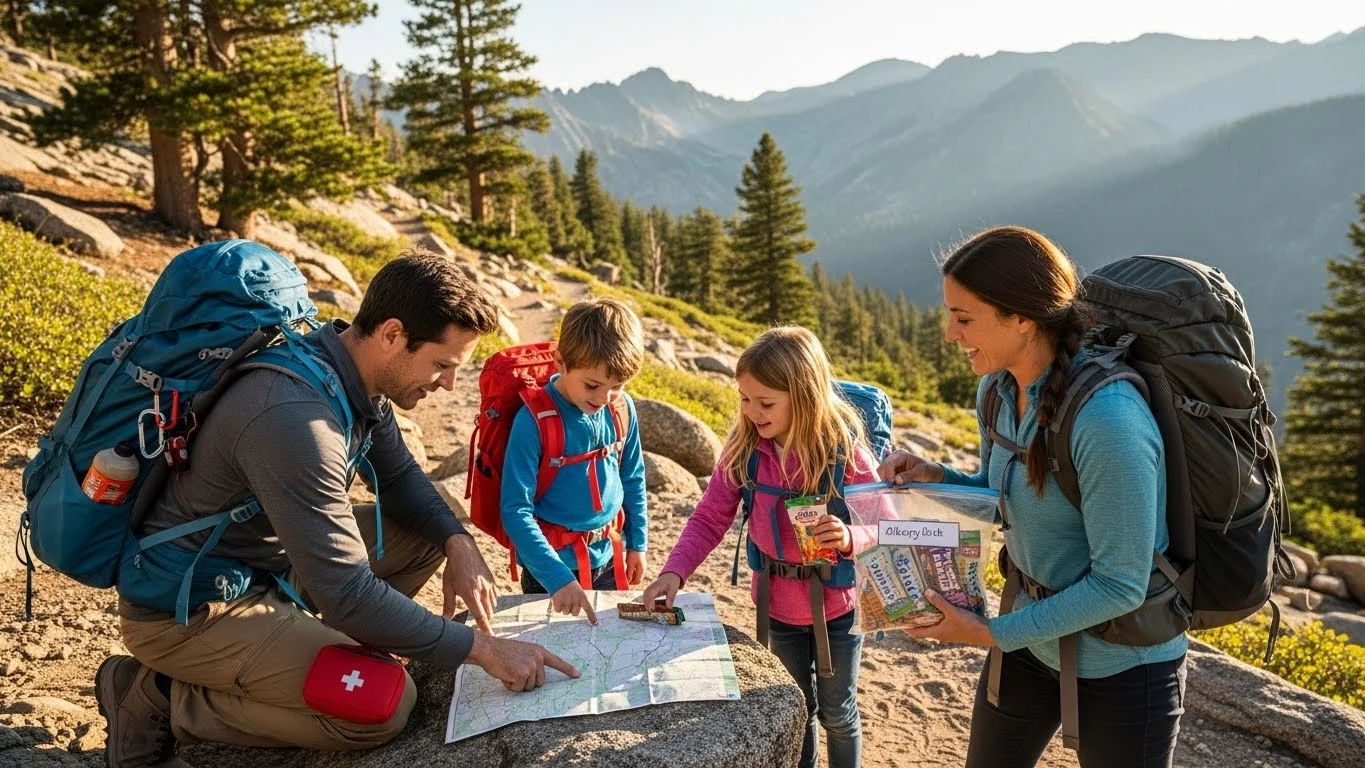
I also make it a habit to label all our food items. This not only keeps us organized but helps my kids learn about their dietary restrictions. I use clear, waterproof labels that specify what each item is and whether it contains any allergens. I remember one camping trip where my kids loved finding and identifying their snacks, which turned into a fun scavenger hunt of sorts. This little trick helps them feel more involved in managing their allergies while also keeping them aware of what they’re eating.
Preparing for Outdoor Cooking
Cooking outdoors while backpacking can be such a rewarding part of the adventure. However, it does come with its unique challenges, especially when we need to manage food allergies. I’ve found that being well-prepared makes all the difference when it comes to enjoying meals in nature.
Safe Cooking Equipment and Utensils
Having the right cooking gear is essential for ensuring that our meals are safe and delicious. I always pack our own cooking equipment, including pots, pans, and utensils. This way, I know exactly what has been used and that no allergens have contaminated our gear. I remember one trip where we shared a communal cooking area, and I was nervous about using the shared pots. Instead, I brought along our lightweight camping stove and utensils, which gave me peace of mind.
When choosing equipment, I prefer materials like stainless steel or silicone, as they are less likely to retain allergens compared to plastic. After some trial and error, I discovered that lightweight, collapsible cookware is fantastic for our family. It saves space and is easy to clean. I also make sure to pack a cutting board and knife specifically for our meals, keeping them separate from any communal cooking gear.
Cross-Contamination Prevention Strategies
Preventing cross-contamination is a top priority for me while cooking outdoors. I’ve learned to set up a clear space for our cooking area that’s separate from any other activities. This might mean laying down a clean picnic blanket or using a specific table for food prep. I always wash my hands thoroughly and have hand sanitizer on hand for quick clean-ups.
In addition, I make it a point to use different cutting boards and utensils for our food. I designate a specific color or label for our allergy-friendly cooking gear, so the kids know what is safe. I remember one camping trip where we set up a little station just for our food preparation, and the kids took turns helping me cook. It turned into a fun learning experience about the importance of keeping our food safe.
Another strategy I use is to pre-pack individual servings of food in separate containers. This way, we avoid the need to dip into shared containers that could have allergens. It saves time and ensures everyone knows exactly what’s safe to eat.
Recipe Ideas for Allergy-Friendly Meals
When it comes to meal planning for our backpacking trip, I focus on simple, nutritious recipes that don’t compromise on flavor. I’ve found that making meals ahead of time is a huge help. One of our favorite go-to meals is a quinoa salad. I cook quinoa before our trip and mix it with chopped veggies, beans, and a homemade dressing. It’s filling and can be served cold, which is perfect for when we’re out hiking.
Another family favorite is stir-fried rice with veggies and chicken. I prepare the rice in advance and pack it in a sealed container. Once we’re at our campsite, I can quickly toss it in our pot with some pre-cooked chicken and whatever vegetables we have on hand. It’s hearty and provides essential protein for our adventures. I also love making wraps using gluten-free tortillas filled with hummus, veggies, and turkey. They’re easy to eat on the go and don’t require utensils.
For snacks, I try to keep it simple yet fun. We often make fruit and veggie cups, packing them in separate containers. I also prepare energy balls made from oats, honey, and sunflower seed butter. These are not only delicious but provide a quick energy boost during our hikes. I always involve my kids in the cooking process, and it’s amazing to see how excited they get about the meals we prepare together.
Staying Safe While Backpacking
When we hit the trails, staying safe is my top priority, especially with food allergies in the mix. It’s not just about enjoying the beauty of nature; it’s also about being smart and proactive in managing my children’s needs. Over the years, I’ve gathered a few strategies that help us have a fun, worry-free experience while backpacking.
Communicating Allergies to Others
I find that one of the most important steps we can take while backpacking is to communicate openly about my kids’ food allergies. Whether it’s fellow campers, park rangers, or friends joining us on the trip, I make it a point to let them know what my kids are allergic to. It’s amazing how supportive people can be once they understand the situation. I remember a time when we were camping with another family, and I let them know about my child’s nut allergy. They were very accommodating and made sure to avoid bringing any snacks that could trigger a reaction.
This open communication fosters a sense of community and makes everyone feel more comfortable. Plus, it’s a great way to build awareness about food allergies. I encourage my kids to speak up as well, so they can advocate for themselves as they grow older.
Finding Allergy-Friendly Restaurants and Cafés
While we love cooking outdoors, there are times when we want to enjoy a meal at a local restaurant. I’ve learned that scouting out allergy-friendly dining options can be a fun part of our trip. Before we leave, I usually do a little research to find restaurants known for their allergy awareness. I check their menus online and often call ahead to ask about their practices regarding cross-contamination.
During our last trip, we stumbled upon a small café that specialized in gluten-free and dairy-free options. The staff was incredibly knowledgeable and even shared their ingredient lists with me, which made dining out a delightful experience rather than a stressful one. It’s these little victories that remind me how much planning can pay off.
Using Technology to Track Allergen-Free Options
In this digital age, I can’t help but utilize technology to our advantage. There are a variety of apps and websites designed to help families manage food allergies. For instance, I often use apps that provide lists of restaurants and stores that cater to specific dietary needs. It’s handy to have this information at our fingertips while on the go.
Additionally, I love keeping a food diary on my phone, where I track my kids’ meals and any reactions they might have. This not only helps us monitor their allergies but can also be a useful reference when discussing any concerns with our allergist. Having this data readily available has made us more organized and informed travelers.
Emergency Preparedness on the Trail
No matter how much we prepare, I know that accidents can happen. That’s why I’ve made emergency preparedness a crucial part of our backpacking routine. Having a solid plan in place gives me peace of mind, allowing us to focus on enjoying our time outdoors.
Recognizing and Responding to Allergic Reactions
I believe that recognizing the signs of an allergic reaction quickly can make all the difference. I’ve spent time teaching my kids about their allergies and what symptoms to look out for. From hives to stomach pain, we’ve talked about how important it is to speak up if they feel something isn’t right. We practice scenarios together, so they feel confident in expressing their concerns.
In the event of a reaction, I always have a plan in place. I remind myself to stay calm and to follow our action plan, which includes administering epinephrine if necessary and calling for medical help. Knowing I’m prepared helps me feel more secure when we’re out in the wilderness.
First Aid Kits for Allergies
Every time we pack, I make sure our first aid kit is stocked with allergy-specific supplies. This includes extra epinephrine auto-injectors, antihistamines, and any other medications we might need. I keep these items organized in a labeled pouch, making them easy to find when the unexpected happens. I also include a list of my children’s allergies and emergency contacts in the kit. It’s these little details that can provide clarity in a stressful situation.
Local Emergency Contacts and Resources
Before heading to a new area, I take some time to research local emergency contacts and resources. Knowing the nearest hospital or clinic and having their phone numbers handy gives me extra assurance. I also try to familiarize myself with the local community’s resources, such as pharmacies that carry allergy medications. Taking these steps ensures that we’re not just enjoying nature but also staying safe while we’re at it.
Engaging Kids While Managing Food Allergies
As we navigate our food allergy journey together, I’ve realized how important it is to engage my kids. It’s not just about managing allergies; it’s about making them feel empowered and involved. I love finding creative ways to include them in the process.
Involving Kids in Meal Planning
When we plan meals for our trips, I always ask for my kids’ input. This not only gets them excited about the food we’ll be eating, but it also teaches them to consider their dietary needs. I often set up a little brainstorming session at home where we can all suggest our favorite meals and snacks. This simple act has turned meal planning into a fun family activity instead of a chore.
Fun and Educational Activities Related to Food Allergies
I’ve also discovered that incorporating fun activities related to food allergies helps my kids learn important lessons. For example, we often do cooking classes together that focus on allergy-friendly recipes. This not only boosts their cooking skills but also gives them a deeper understanding of what they can safely eat. It’s rewarding to see them take pride in preparing their meals.
Teaching Kids About Food Safety
Teaching my kids about food safety is a big part of our journey. We talk about reading labels, understanding cross-contamination, and safe food handling practices. I’ve turned these lessons into games and challenges, making it engaging rather than overwhelming. It’s empowering for my kids to know they have the knowledge to make safe choices, and it fosters independence as they grow older.
Resources and Support for Families
As we navigate the complexities of food allergies, I realize how valuable it is to tap into resources and support. There is a wealth of information out there, and connecting with others who share similar experiences can be incredibly beneficial.
Food Allergy Organizations and Websites
There are numerous organizations dedicated to providing information and support for families dealing with food allergies. I often rely on websites like the Food Allergy Research & Education (FARE) for up-to-date information and resources. They offer a wealth of knowledge on managing allergies and even provide guidance on traveling safely. I encourage any family navigating food allergies to explore these resources; they can be a lifeline.
Support Groups and Online Communities
Connecting with other families who are also managing food allergies can be incredibly reassuring. I’ve found that online communities and local support groups are fantastic avenues for sharing experiences, advice, and encouragement. It’s comforting to know that we’re not alone in this journey and that others understand the challenges we face.
Books and Guides on Food Allergies for Families
I’ve also discovered a range of books and guides focused on food allergies. These resources can provide deeper insight into managing allergies and offer practical tips for families. I often find inspiration in stories shared by other families, and it’s a great way to learn new strategies for our adventures.
Final Thoughts
Backpacking with kids who have food allergies can be a challenge, but it’s also one of the most rewarding experiences I’ve had. The key lies in preparation, communication, and involving my kids in the journey. We’ve learned to embrace our adventures with creativity and awareness, and I’ve seen my children grow more confident in managing their allergies. Each trip we take is a reminder that with the right planning and support, we can enjoy the beauty of nature while keeping our loved ones safe. I hope our experiences can inspire other families to embark on their own adventures, equipped with knowledge and confidence! Don’t forget to check out Backpacking with Kids: Tips for Emotional Regulation on the Road.
Frequently Asked Questions
What are some common food allergies among kids?
The most prevalent food allergies among kids include peanuts, tree nuts, milk, eggs, wheat, soy, and fish and shellfish.
How can I recognize signs of food allergies in children?
Common signs of food allergies in children include skin reactions like hives or rashes, gastrointestinal issues such as stomach pain, vomiting, or diarrhea, respiratory problems including wheezing or difficulty breathing, and anaphylaxis, which is a severe reaction requiring immediate medical attention.
What steps should I take when planning a backpacking trip with kids who have food allergies?
Preparation is key. You should choose allergy-friendly destinations, research local cuisine and allergens, consult with pediatricians or allergists, and pack essential items for allergy management.
What is a food allergy action plan?
A food allergy action plan outlines the steps to take in case of an allergic reaction, including emergency contacts and specific actions to follow. It is important to keep a printed version in your first aid kit and saved on your phone for quick access.
How can I prevent cross-contamination while cooking outdoors?
To prevent cross-contamination, set up a separate cooking area, wash hands thoroughly, use different cutting boards and utensils for allergy-friendly cooking, and pre-pack individual servings of food in separate containers.
What are some allergy-friendly meal ideas for backpacking?
Some allergy-friendly meal ideas include quinoa salads, stir-fried rice with veggies and chicken, and wraps using gluten-free tortillas filled with hummus, veggies, and turkey. For snacks, consider fruit and veggie cups, and energy balls made from oats, honey, and sunflower seed butter.
How can I engage my kids in managing their food allergies?
Involve your kids in meal planning by asking for their input, incorporate fun activities related to food allergies like cooking classes, and teach them about food safety through games and challenges to foster their independence and understanding.
What resources are available for families dealing with food allergies?
Families can benefit from organizations like Food Allergy Research & Education (FARE), online communities, support groups, and various books and guides focused on managing food allergies.
How should I communicate food allergies to others while backpacking?
Communicate openly about your kids’ food allergies to fellow campers, park rangers, or friends joining the trip. This fosters support and awareness, making the environment safer for your children.
What emergency preparedness steps should I take for backpacking trips?
Ensure your first aid kit is stocked with allergy-specific supplies, know local emergency contacts and resources, and teach your children to recognize and respond to allergic reactions.