
Backpacking with kids isn’t just an adventure; it’s a journey that nurtures emotional growth. Together, we can explore how these experiences shape our little ones into confident, resilient, and connected individuals. Read Interesting article: Backpacking with Toddlers: Foster Empathy Through Experiences
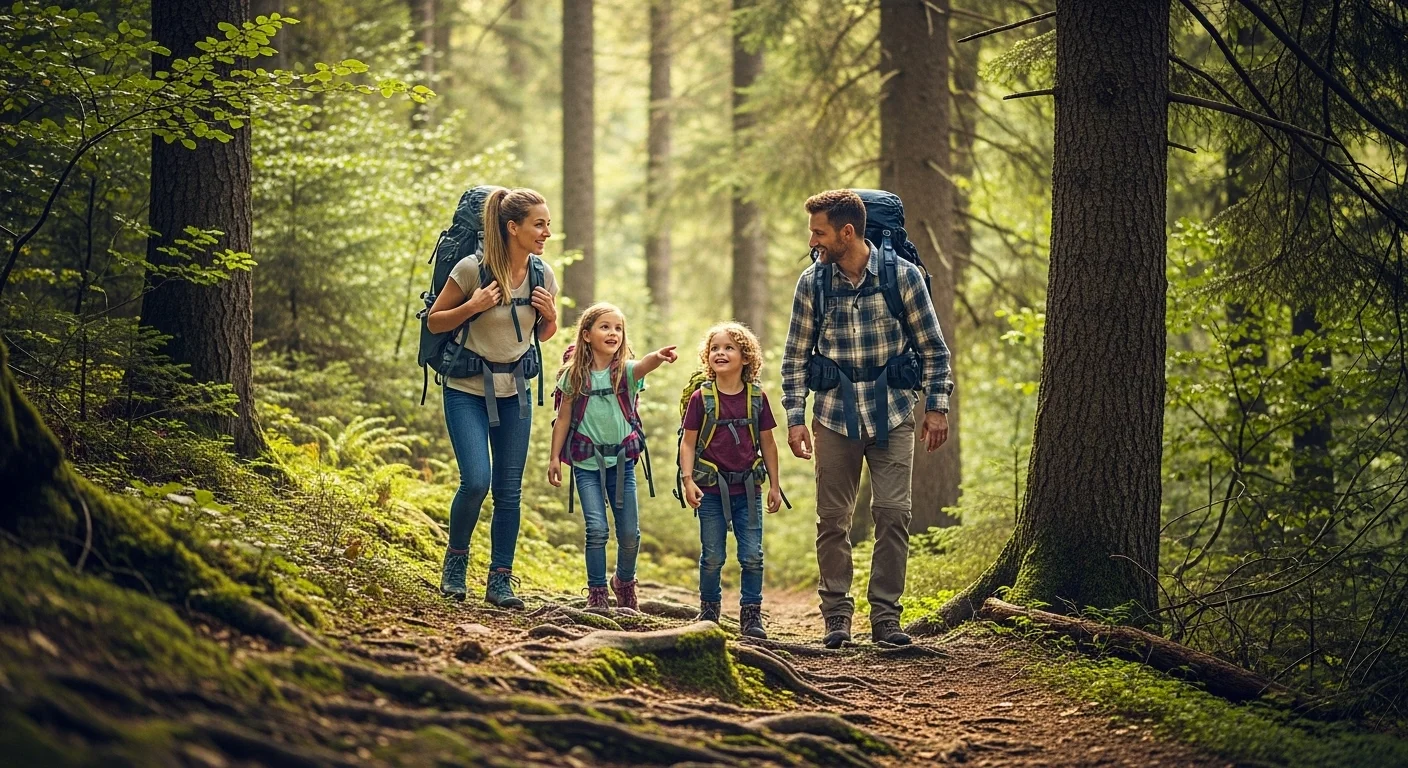
Understanding the Emotional Benefits of Backpacking with Kids
When I first took my kids backpacking, I knew we would have fun, but I was surprised by how much it contributed to their emotional development. Being out in nature brings a sense of freedom that kids rarely experience in their daily lives. I’ve seen my children thrive emotionally in ways I hadn’t anticipated. Here’s what I’ve learned about these benefits.
Fostering Independence and Confidence
One of the biggest gifts backpacking has given my kids is a sense of independence. During our trips, they’ve had opportunities to make decisions—whether it’s choosing the trail, deciding on snacks, or figuring out how to pitch a tent. I remember the first time my daughter took the lead on navigating a trail. She was so proud, and I could see her confidence soar. It was as if she discovered a new part of herself.
By allowing them to take the reins, we nurture their ability to face challenges. My son, for example, initially struggled with carrying his own backpack. But after a few miles and some encouragement, he insisted on taking on more weight. It was remarkable to watch his determination grow. Each step they take builds their self-esteem, reinforcing the idea that they are capable of handling more than they might think.
Enhancing Family Bonds and Communication
Backpacking has also been a powerful tool for enhancing our family bonds. Away from screens and the hustle of daily life, we are forced to communicate more openly. I remember a particularly quiet evening around the campfire when my kids started sharing stories about their day. With the crackling fire as our backdrop, they opened up about their fears and dreams in ways they seldom do at home.
We’ve discovered that sharing these moments together fosters trust and strengthens our relationships. Whether it’s discussing how to navigate their feelings during a challenging hike or celebrating small victories, the conversations we have shape our family dynamics. I’ve learned to listen more, validating their emotions and encouraging them to express themselves. It’s a beautiful cycle of connection that leaves lasting impressions on all of us.
Building Resilience through Challenges
No backpacking trip is without its challenges. From unexpected weather changes to tired legs, we’ve faced our fair share of obstacles. I vividly recall one hike where we underestimated the difficulty of the trail. My kids were exhausted and frustrated, and I felt the urge to turn back. But instead, I encouraged them to push through, emphasizing the rewards waiting at the top. Together, we tackled the situation, and when we finally reached that summit, it was an exhilarating moment of triumph.
This experience taught them to embrace difficulties rather than shy away from them. I’ve seen how overcoming these challenges builds resilience. They now approach setbacks at school or with friends with a more positive mindset, remembering that they have conquered tough situations before. From my experience, backpacking teaches them that persistence pays off, and that lesson is invaluable.
In our case, each adventure is a chance for growth, and I find it fascinating how nature has a way of reflecting life’s lessons. As we navigate tough trails, I see my children learning to face their fears and adapt to change. This emotional growth is something I cherish deeply and strive to replicate with each outing.
Ultimately, the emotional benefits of backpacking with kids go far beyond just being in nature. They learn independence, improve communication skills, and develop resilience—all while creating shared memories that we can look back on fondly. Each trip is a stepping stone in their emotional journey, and I am grateful to witness their growth firsthand.
Choosing the Right Destination for Family Backpacking
When planning a backpacking trip with kids, selecting the right destination is crucial. I can’t stress enough how much the right location can affect the experience. Over the years, I’ve learned that not all trails are created equal, especially when it comes to young ones. Here’s what I consider when choosing a family-friendly backpacking destination.
Kid-Friendly Hiking Trails
One of the first things I look for is kid-friendly hiking trails. These trails should be shorter and less strenuous, perfect for little legs that aren’t used to long hikes. I remember our first family hike on a moderately easy trail—it was just a couple of miles long, but the excitement on my kids’ faces was contagious. We spotted wildflowers, watched butterflies, and even had a picnic halfway through. It was an adventure, yet manageable enough to keep their spirits high.
As I’ve become more experienced, I’ve found that trails with interesting features, like streams or scenic lookout points, can keep kids engaged. I often search for places that have educational signage or nature centers nearby. These little extras can make the hike more enriching. The more engaging the hike is, the more likely my kids will want to join in future adventures! Read Interesting article: Navigating Toddler Emotions: Backpacking Regulation Tips
National Parks and Their Educational Opportunities
National parks are some of my favorite destinations for family backpacking. Not only do they offer breathtaking views, but they also provide incredible educational opportunities. I recall taking the kids to a national park for the first time. We explored the park’s visitor center, where they learned about the local wildlife and geology. It was a perfect blend of fun and education, and it sparked their curiosity about nature.
Many national parks offer ranger-led programs designed specifically for kids. We participated in one where the ranger took us on a short hike, teaching the kids about animal tracks and plant identification along the way. Seeing their eyes light up with each new discovery was priceless. I believe these experiences help children develop a deeper appreciation for nature and understanding of environmental stewardship.
International Destinations for Cultural Exposure
As our kids have grown, I’ve also begun to consider international destinations for backpacking trips. Traveling to different countries has opened up a whole new world of adventure and cultural exposure for us. I remember our family trip to Costa Rica, where we hiked through lush rainforests and learned about the rich biodiversity. The kids were fascinated by the different animals and plants that they had never seen before.
One of my favorite moments was hiking to a waterfall and swimming in its cool waters. Not only did we bond over the experience, but we also learned about the importance of conservation in a foreign country. Engaging with local cultures, understanding their customs, and learning a few words in their language made our trip even more special. These experiences have enriched my children’s perspectives and given them memories that they will cherish for a lifetime.
When looking for international destinations, it’s essential to consider the accessibility and safety for kids. I always make sure to research family-friendly activities and accommodations. Balancing adventure with comfort has made our trips enjoyable for everyone involved, and I’ve noticed how excited my kids get when they know they’re going somewhere new and different.
Choosing the right destination can set the tone for an amazing backpacking experience with kids. Whether it’s a short local trail, a national park brimming with educational opportunities, or an international adventure filled with cultural insights, each trip can help shape our kids into curious and confident individuals. As we venture out into the wild, I can’t help but feel grateful for these moments we create together and the lessons we learn along the way.
Essential Gear for Backpacking with Children
Choosing the right gear for backpacking with kids can make or break the experience. I’ve learned this lesson the hard way. The right equipment doesn’t just enhance our comfort; it also ensures safety and enjoyment on the trail. Over the years, I’ve discovered what works best for my family, and I’m excited to share those insights with you.
Backpacks and Carriers for Different Age Groups
First on the list is picking the right backpacks or carriers for our little adventurers. For younger kids, I recommend a framed child carrier. I remember when my youngest was just three years old, and we took her on her first hike. I found a sturdy carrier that allowed her to sit high up and enjoy the view. Not only did it keep her safe, but it also made her feel like part of the action. Watching her point out birds and trees from her perch was one of the highlights of that trip.
As they grow, kids can graduate to their own backpacks. I’ve seen how exciting it is for my children to carry their gear, even if it’s just a water bottle and a few snacks. When selecting their backpacks, I look for ones that are lightweight, adjustable, and have multiple compartments. This way, they can organize their items and feel a sense of ownership. I believe this small responsibility helps them develop confidence and independence on the trail.
Clothing and Footwear Considerations
The right clothing and footwear are equally important. I’ve made the mistake of not dressing my kids in layers, which led to chilly hikes and cranky little ones. Now, I always ensure they wear moisture-wicking base layers, insulating mid-layers, and waterproof outer layers. This way, they can adjust their clothing according to the weather throughout our adventures.
Footwear is another crucial factor. I’ve found that investing in good-quality hiking boots or shoes for the kids pays off in comfort and support. On one trip, my son wore old sneakers, and by the end of the hike, he was struggling with blisters. After that experience, I made sure to get him sturdy hiking shoes that provided the right support for his growing feet. It’s made a world of difference in their enthusiasm and stamina on the trails.
Safety Equipment and First Aid Kits
No matter how well we plan, accidents can happen, which is why I always pack a comprehensive first aid kit. I remember one hike where my daughter tripped and scraped her knee. Having a well-stocked first aid kit made it easy to clean the wound and get her back on her feet quickly. I include items like band-aids, antiseptic wipes, pain relievers, and any personal medications they might need.
Additionally, I always carry safety gear like a whistle, a flashlight, and a multi-tool. These items can be lifesavers in an emergency. On one trip, I used the multi-tool to fix a broken tent pole, which helped us set up camp just in time for a sudden rainstorm. It’s moments like these that remind me of the importance of being prepared.
When packing for our trips, I also include a map and compass—or a GPS device—so that we can navigate safely. I’ve found that teaching my kids how to read a map is not only a useful skill but also a fun activity that sparks their interest in exploration. As we look at the map together, I can feel their excitement build as they anticipate the adventure ahead.
Planning Your Backpacking Trip
Planning our backpacking trips has become a family affair. I’ve learned that involving my kids in the planning process makes them more invested in the adventure. Here are some elements we focus on to ensure our trips are fun and memorable.
Choosing the Right Time of Year to Travel
Timing is everything when it comes to hiking with kids. I’ve discovered that late spring or early fall is often the best time for our family trips. The weather tends to be mild, and the trails are less crowded. I remember one summer trip where we faced scorching heat, and my kids were miserable. Since then, I’ve made it a point to check the weather and choose seasons that are comfortable and pleasant.
Creating a Flexible Itinerary
While I love to have a plan, I’ve learned that flexibility is key. Kids can have unpredictable energy levels, and it’s essential to adapt our itinerary accordingly. On one hike, we planned a long day, but my son started to lag behind. Instead of pushing him, we decided to make an unexpected stop at a lovely creek. It turned out to be the highlight of the trip! They splashed around, built little dams, and we ended up spending hours there, creating cherished memories.
Budgeting for a Family Adventure
Budgeting for a backpacking trip can seem daunting, but it doesn’t have to be. I’ve found that with a bit of planning, we can enjoy our adventures without breaking the bank. We often look for free or low-cost trails and campgrounds. I also involve my kids in the budgeting process; it teaches them the value of money and helps them appreciate our trips even more. They love to set a small goal for treats or souvenirs, which makes the experience feel like a team effort.
By focusing on the right gear, thorough planning, and involving my kids in the process, we’ve created countless unforgettable memories together on the trails. Each trip has taught us something new, not just about nature, but about each other as well—and I can’t wait for the next adventure to unfold.
Engaging Activities to Promote Emotional Growth
As we venture into the wilderness, I’ve discovered that incorporating engaging activities can further enhance the emotional growth of my kids. These activities not only keep them entertained but also encourage them to connect more deeply with nature and each other. Here are some of my favorite activities that have worked wonders for us.
Nature Scavenger Hunts
One of the most enjoyable activities we’ve embraced during our hikes is the nature scavenger hunt. I remember the first time we tried this; I put together a list of items for the kids to find, like specific leaves, rocks, or animal tracks. Watching their excitement as they searched for each item was a sight to behold! It turned our hike into a treasure hunt, and the sense of accomplishment they felt upon finding everything was palpable.
Not only does this activity keep them engaged, but it also teaches them to observe their surroundings closely. I’ve seen them become more curious and attentive to the little details in nature. It fosters teamwork, too, as they often work together to solve clues or share their findings. This simple activity has transformed our hiking experience into a fun and educational adventure.
Storytelling and Reflection Time
Another activity I cherish is storytelling around the campfire. After a long day of exploring, we gather around the flames, and the kids take turns sharing their favorite moments from the day. I remember one night when my son recounted a funny incident involving a raccoon that stole one of our snacks. The laughter that followed created a warm bond among us, and it was a beautiful way to wind down.
This reflection time not only encourages them to articulate their experiences but also allows them to process their feelings. I’ve found that by sharing stories, they open up about their fears, joys, and even frustrations. It’s in these moments that I see their emotional growth unfold, as they learn to express themselves in a supportive environment.
Teamwork Exercises: Setting Up Camp Together
Setting up camp is another fantastic opportunity for teamwork and bonding. I’ve learned to involve my kids in every step of the process, from pitching the tent to preparing meals. Each task is a chance for them to contribute and gain a sense of responsibility. I remember one camping trip when my daughter insisted on helping with the cooking. She took the lead on making our dinner, and I could see her confidence blossom as she stirred the pot and added spices. It was a proud moment for both of us!
This hands-on involvement not only teaches them practical skills but also reinforces the importance of cooperation. We discuss our tasks, share ideas, and celebrate our successes together. I believe these experiences help foster a sense of belonging and teamwork among us, making the whole adventure more meaningful. Read Interesting article: Backpacking with Toddlers: Emotional Regulation Made Easy
Teaching Kids About Nature and Responsibility
While having fun and engaging in activities is essential, I’ve also realized the importance of teaching my children about nature and their responsibilities as stewards of the environment. This aspect of our backpacking trips has become a cornerstone of our adventures.
Leave No Trace Principles
One of the first things I introduce to my kids is the Leave No Trace principles. I remember explaining to them how important it is to respect nature and leave trails as we found them. We make it a game to see who can spot areas where people have left trash or disrupted the environment. They’ve become passionate about picking up litter, and their commitment to leaving the world better than we found it warms my heart.
This lesson has sparked a sense of responsibility in them, and they often remind each other about it during our hikes. I believe that instilling these values now will carry with them into adulthood, creating a generation that respects and cares for our planet.
Wildlife Observation and Respect
Wildlife observation is another key component of our trips. We’ve spent hours quietly watching birds, squirrels, and other creatures in their natural habitats. I remember a moment when we spotted a family of deer grazing nearby. My kids were mesmerized, whispering among themselves about what they might be doing and how they communicate with each other. It was amazing to see them develop respect for all living beings.
Through these experiences, I’ve noticed them becoming more empathetic and understanding of wildlife. We talk about the importance of observing from a distance and not disturbing their natural behaviors. I believe this respect for wildlife not only enriches their understanding of nature but also fosters compassion for all living beings.
Understanding Ecosystems and Conservation
Lastly, we delve into understanding ecosystems and conservation. I often take the opportunity to explain how different elements in nature work together in harmony. Whether it’s discussing the role of bees in pollination or the significance of clean water in maintaining healthy habitats, I try to make these lessons age-appropriate and engaging.
During our hikes, I encourage my kids to think about how we can protect these ecosystems. For instance, we’ve participated in local conservation projects, planting trees and cleaning up parks. This hands-on involvement has given them a sense of pride and ownership in the environment, reinforcing the idea that they can make a difference.
Addressing Common Concerns and Challenges
Backpacking with kids can come with its challenges, and I’ve faced plenty of them over the years. It’s important to acknowledge these concerns and find ways to manage them effectively to ensure everyone has a good time.
Managing Expectations for Young Children
One of the biggest lessons I’ve learned is to manage expectations when it comes to young children. I remember the early trips when I expected my kids to hike for hours without complaint. It didn’t take long for me to realize that this approach was unrealistic. Now, I focus on shorter hikes with plenty of breaks and fun activities along the way. This shift has made our experiences much more enjoyable, as my kids feel less pressure and more freedom to explore.
Dealing with Fatigue and Meltdowns
Fatigue and meltdowns are also common, especially on longer hikes. I’ve learned to recognize the signs of exhaustion in my kids and respond accordingly. When they start lagging behind or becoming irritable, we take breaks, have snacks, or even change our plans if necessary. I remember one trip when my son was exhausted, and we decided to set up camp early. It turned out to be a great opportunity for him to recharge and enjoy some downtime, which made the next day’s hike much more pleasant.
Safety Tips for Backpacking with Kids
Safety is always a top priority for me. I’ve become diligent about discussing safety rules before every trip, ensuring my kids understand the importance of staying close, not wandering off, and what to do in case of an emergency. I carry a first aid kit and make sure they know how to use it. I also remind them to stay hydrated and to listen to their bodies, recognizing when they need to rest.
Post-Trip Reflection and Emotional Processing
After each trip, I’ve found that taking time for reflection and emotional processing is crucial. It helps us all internalize our experiences and understand the lessons learned.
Encouraging Kids to Share Their Experiences
Encouraging my kids to share their experiences is a beautiful way to foster communication. I often ask them to recount their favorite moments and what they learned during the trip. This practice has become a cherished ritual, and I love hearing their unique perspectives.
Journaling and Creative Expression
Journaling is another excellent tool for emotional processing. I provide my children with small notebooks during our trips so they can jot down their thoughts, draw pictures, or even write poems about their adventures. I’ve seen how this creative expression allows them to articulate their feelings in a meaningful way.
Discussing Lessons Learned and Future Adventures
Finally, discussing the lessons learned from our trips is essential. We talk about what went well, what we could improve, and what they’re excited to explore next. This discussion not only reinforces the emotional growth they experienced but also builds anticipation for our future adventures together. It’s a great way to solidify the lessons learned and keep their enthusiasm alive.
Final Thoughts
Backpacking with kids has become one of the most rewarding experiences of my life. Through our adventures, I’ve witnessed their emotional growth in ways I never imagined possible. From fostering independence to enhancing family bonds, the journey has taught us all invaluable lessons about life, nature, and each other. These shared moments create a tapestry of memories that we will carry with us forever. I can’t wait for our next trip, where new challenges and beautiful discoveries await us. Each hike is not just about reaching a destination; it’s about the connection we build along the way and the growth we experience together.
Frequently Asked Questions
What are some emotional benefits of backpacking with kids?
Backpacking with kids fosters independence, enhances family bonds, and builds resilience. These experiences help children develop confidence, improve communication skills, and create lasting memories.
How does backpacking promote independence in children?
During backpacking trips, children are given opportunities to make decisions, such as choosing trails, snacks, or navigating. This autonomy helps build their self-esteem and instills a sense of capability.
How can backpacking enhance family communication?
Being away from screens and daily life encourages families to communicate openly. Sharing stories around the campfire fosters trust and strengthens relationships, allowing family members to express their feelings and thoughts more freely.
What challenges might families face while backpacking with kids?
Families may encounter challenges such as managing expectations for young children, dealing with fatigue and meltdowns, and ensuring safety on the trail. It’s essential to be prepared and flexible in response to these challenges.
What types of hiking trails are recommended for families with kids?
Kid-friendly hiking trails should be shorter, less strenuous, and contain interesting features like streams or scenic views. These trails keep kids engaged and excited about the hiking experience.
Why are national parks a good choice for family backpacking trips?
National parks offer breathtaking views and educational opportunities, such as ranger-led programs that teach kids about local wildlife. This combination of fun and learning enriches the backpacking experience.
What gear is essential for backpacking with children?
Essential gear includes appropriate backpacks or carriers for different age groups, suitable clothing and footwear, safety equipment, and a first aid kit. These items enhance comfort, safety, and enjoyment while on the trail.
How can families promote teamwork during camping trips?
Involving kids in setting up camp, cooking, and other tasks fosters teamwork and a sense of responsibility. This collaborative effort not only teaches practical skills but also strengthens family bonds.
What activities can enhance emotional growth during backpacking?
Engaging activities such as nature scavenger hunts, storytelling around the campfire, and teamwork exercises help children connect more deeply with nature and each other, promoting emotional growth.
How can families reflect on their backpacking experiences after a trip?
Families can reflect by encouraging kids to share their experiences, journaling about their adventures, and discussing lessons learned. This process helps internalize their experiences and builds excitement for future trips.