
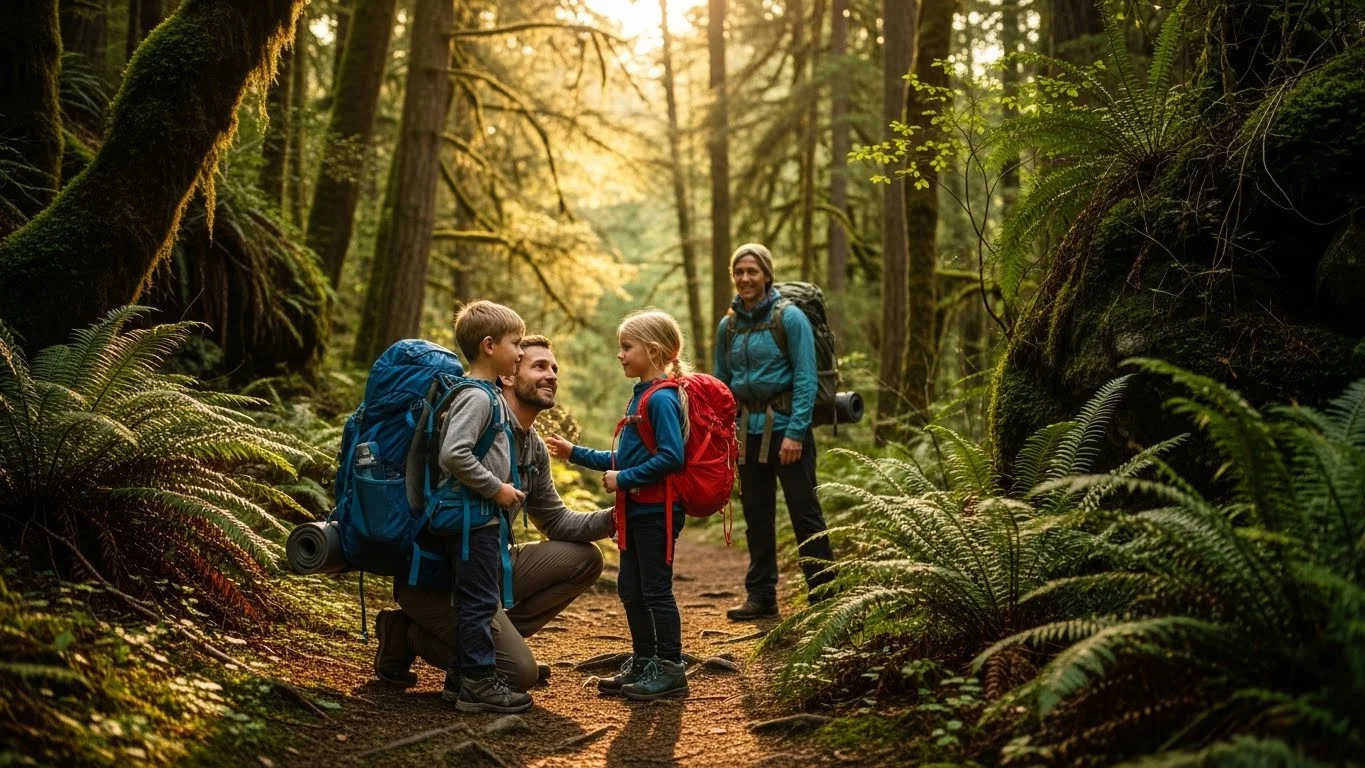
Backpacking with kids can be one of the most rewarding experiences for a family. It’s an adventure that brings us closer together, teaches valuable life lessons, and creates lasting memories. Read Interesting article: Backpacking with Kids: Fun STEM Learning Adventures
Understanding the Concept of Backpacking with Kids
What is Backpacking?
Backpacking, to me, is more than just a way to travel; it’s a lifestyle. It involves hiking and camping in various outdoor settings, often requiring us to carry everything we need on our backs. When I think about backpacking, I picture stunning mountain views, serene lakes, and the thrill of discovering hidden trails. This type of adventure allows us to unplug from our busy lives and immerse ourselves in nature. It’s about exploration, adventure, and learning to rely on ourselves and each other.
Benefits of Backpacking with Children
Backpacking with kids opens up a world of benefits that I’ve seen firsthand. One of the most significant advantages is the bonding experience. There’s something magical about being in nature that brings us closer as a family. I remember on our first backpacking trip, my kids and I worked together to set up camp, cook meals, and tackle challenging trails. That teamwork fostered a sense of unity and strengthened our connections.
Additionally, backpacking provides children with a unique opportunity to learn about their environment. They discover the beauty of nature, learn about ecosystems, and gain respect for wildlife. I’ve watched my kids marvel at the smallest details, like a tiny ant carrying food or the intricate patterns of a leaf. It’s a joy to see them develop a sense of curiosity and appreciation for the world around them.
Moreover, backpacking promotes physical activity and helps kids develop important life skills. Hiking strengthens their legs and builds endurance, while setting up camp teaches them about responsibility and self-sufficiency. I’ve seen my children become more confident and capable after each trip, which is incredibly rewarding as a parent. Read Interesting article: Affordable STEM Adventures: Backpacking with Kids Made Easy
Setting the Right Expectations
One of the most important lessons I’ve learned is the necessity of setting the right expectations for our trips. Before we head out, I like to have an open conversation with my kids about what backpacking entails. Kids often have a romanticized view of outdoor adventures, thanks in part to movies and social media. However, I find that discussing the challenges—like long hikes, potential rain, or unexpected insects—helps them prepare mentally. I often say, “This trip will be fun, but it might also be tough at times.” It’s essential to balance excitement with realism so they understand what to expect.
We also discuss the goals of our trip. Sometimes it’s about hiking a particular trail, while other times it’s simply about spending time together away from screens. When we align our expectations as a family, I notice that everyone is more engaged and willing to tackle any obstacles that arise.
Preparing for the Journey
Choosing the Right Destination
Choosing the right destination is crucial, especially when backpacking with kids. I’ve learned that it’s essential to pick a place that suits their abilities and interests. For our family, national parks have often been our go-to spots. The combination of accessibility, stunning landscapes, and family-friendly trails makes it easy to have a great time. I remember one trip to Yellowstone where we explored geysers and saw bison up close. The kids were awestruck, and I realized that selecting the right destination can make all the difference.
When considering a destination, I take into account factors such as trail difficulty, distance from our campsite, and available amenities. I want to ensure there are safe, manageable hikes that allow for exploration without overwhelming the kids. It’s about finding a balance between adventure and comfort, which helps everyone enjoy the trip to the fullest.
Planning an Itinerary that Works for Kids
Planning our itinerary is another essential step. I’ve found that flexibility is key when backpacking with children. Kids have different energy levels than adults, and sometimes they need more breaks or shorter hiking days. I prefer creating a loose schedule that allows us to explore but remains adaptable to our needs. For instance, if we planned a three-mile hike but my kids seem tired, we can easily change our plans to a shorter route or take a rest day by the lake.
I also like to incorporate activities into our itinerary that engage the kids, such as scavenger hunts or nature bingo. This keeps them excited and invested in the journey. By planning an itinerary that is family-friendly, I’ve noticed that the experience becomes more enjoyable for everyone. Read Interesting article: Budget Backpacking with Kids: Fun Literacy Activities
Essential Gear for Backpacking with Kids
Packing the right gear can make or break our trip. Over the years, I’ve learned that having the essentials can ease potential stressors. Here’s what I consider crucial:
Backpacks and Carriers
Choosing the right backpacks is vital. For my younger kids, I use child carriers that allow them to ride along comfortably. As they grow, I transition them to lightweight backpacks that fit their size and strength. It’s important for them to feel like they have their own gear, which increases their excitement and investment in the adventure.
Clothing and Footwear
We always prioritize sturdy footwear and weather-appropriate clothing. I’ve learned the hard way that wet socks and shoes can ruin a day outdoors. Layering is key; I often dress the kids in moisture-wicking materials and pack extra layers in case the weather changes. I want them to stay comfortable and focused on the adventure, not on being cold or wet.
Safety Gear
Lastly, we never skimp on safety gear. A first aid kit, sunscreen, insect repellent, and a map or GPS are staples in our packs. Safety is something I take seriously, and I want my kids to learn how to enjoy the outdoors responsibly. Teaching them about safety gear fosters a sense of importance and prepares them for future adventures.
Setting Boundaries: The Importance of Guidelines
Why Setting Boundaries is Crucial
Setting boundaries during our backpacking trips has been an eye-opener for me. I used to think that the more freedom I gave my kids, the more they would enjoy the experience. However, I soon realized that having clear guidelines helps everyone feel safer and more focused. When we establish boundaries, it creates a framework that allows us to explore while minimizing risks. I’ve seen my kids thrive when they understand what is expected of them, which enables them to enjoy their surroundings without constant worry or confusion.
For instance, I make it a point to set boundaries about where they can wander. I tell them they can explore within a certain distance from our campsite, but they need to stay within sight. This gives them a sense of autonomy while keeping them safe. It’s all about finding that balance, ensuring they feel empowered but still protected.
Communicating Expectations with Kids
Communication is key when it comes to setting boundaries. Before we even hit the trail, I like to sit down with my kids and discuss our plans. We talk about the hikes we’ll take, the campsites we’ll stay at, and what behavior is expected. I often say, “If we stick together and listen to each other, we can have a great time.” This not only sets the tone for the trip but also makes them feel included in the planning process.
I encourage my kids to ask questions and express any concerns they might have. This dialogue helps them feel heard and valued, which is so important. I remember one trip where my youngest was nervous about sleeping in a tent. By discussing her feelings openly, we could address her concerns and make a plan to help her feel more secure. We talked about bringing a favorite stuffed animal and setting up the tent in a cozy way. By the end of that trip, she was proud of herself for overcoming her fears!
Creating a Balanced Itinerary
Creating a balanced itinerary is another aspect of setting boundaries that I’ve found incredibly helpful. I try to combine fun activities with necessary rest periods. For example, if we have a day planned for a long hike, I’ll make sure to include a few breaks for snacks, exploration, or simply enjoying the view. This keeps everyone energized and engaged.
I also incorporate quiet time or downtime into our schedule. I’ve learned that kids, like adults, need moments to recharge. Whether it’s reading a book by the lake or simply relaxing in the shade, these moments help prevent burnout. I love seeing my kids take time to just be in nature, soaking in the sights and sounds. It’s a reminder that the adventure isn’t just about reaching the destination but enjoying the journey along the way.
Establishing Rules and Routines
Daily Routines for a Smooth Trip
Establishing daily routines has been a game-changer for our backpacking trips. Kids thrive on structure, and having a loose schedule helps us all stay on track. I’ve found that having a morning routine—waking up, eating breakfast together, packing our gear, and discussing the day’s plans—sets a positive tone for the day. It brings a sense of normalcy to our outdoor adventures.
One routine I always follow is a nightly reflection. After dinner, we gather around the campfire or in the tent and share our favorite moments from the day. This not only strengthens our bond but also helps the kids process their experiences. I remember one night, my son shared how proud he felt climbing to the top of a challenging hill. It was a beautiful moment that built his confidence and encouraged his siblings to take on challenges, too.
Setting Safety Boundaries
Safety is always at the forefront of my mind when we’re out in the wild. Along with general boundaries, I establish specific safety rules that help keep everyone safe. For instance, I emphasize the importance of staying on marked trails and watching out for wildlife. I teach my kids what to do if they see a bear or other animals, reinforcing that observing from a distance is always best.
I also ensure they understand the significance of staying with the group. I often say, “We’re a team, and we look out for each other.” This instills a sense of responsibility in them, and I’ve noticed how it encourages them to keep an eye on their siblings. When we’re hiking, I remind them not to rush ahead, but to wait for everyone to catch up. These practices not only enhance safety but also build a sense of camaraderie.
Encouraging Independence Within Limits
Encouraging independence is equally important. I want my kids to develop confidence and resilience during our adventures, so I give them opportunities to make choices. For example, I let them decide which trail to explore or what snack to pack for the day. These choices are small but meaningful; they foster a sense of ownership over the adventure.
Sometimes, I’ll assign them small tasks, like leading the way on a familiar trail or helping set up the tent. I’ve seen how proud they feel when they accomplish these tasks, which boosts their self-esteem. It’s all about creating an environment where they can learn and grow while still feeling secure within the boundaries we’ve set. This balance of freedom and safety has made our backpacking trips even more enriching.
Engaging Kids During the Trip
Fun Activities to Keep Kids Involved
One thing I’ve learned about backpacking with kids is that keeping them engaged is key to a successful trip. Kids have boundless energy and curiosity, so I try to incorporate fun activities that allow them to explore and enjoy their surroundings. For example, I love organizing scavenger hunts where they need to find specific plants, rocks, or animals. It’s amazing to see them run around with excitement, and it helps them connect with nature in a hands-on way. I remember one trip where we created a bingo card with items like a pinecone, a feather, and a specific type of flower. The kids were so focused and thrilled when they found everything on their cards!
Another activity I enjoy adding to our backpacking adventures is storytelling around the campfire. I suggest themes, like “adventurous animals” or “magic in the forest,” and each person takes a turn sharing a short story. It not only keeps the kids entertained but also sparks their imagination. I’ve noticed that it brings out their creativity and helps them bond through shared laughter and storytelling.
Teaching Kids about Nature and the Environment
One of the most rewarding aspects of backpacking is the chance to teach my kids about nature and the environment. I believe it’s essential for them to understand the importance of respecting our planet. During our hikes, I like to point out various plants and animals, sharing interesting facts about them. For instance, I’ll explain how certain trees provide shelter for wildlife or how flowers attract bees for pollination. It’s incredible to watch their eyes light up with curiosity as they learn about the ecosystems around them.
We also practice Leave No Trace principles, which I emphasize throughout our trips. I explain why it’s vital to pack out what we pack in and how to minimize our impact on the environment. I’ve seen my kids take these lessons to heart, and they often remind each other to keep the campsite clean or to stay on marked trails. It fills me with pride to see them develop a sense of responsibility toward nature.
Incorporating Learning Opportunities
Incorporating educational elements into our adventures has been a fantastic way to blend fun with learning. For example, I’ve found that keeping a nature journal is a great way for the kids to document their experiences. They can draw pictures of the wildlife we encounter, write about their favorite moments, or even jot down the weather conditions each day. It’s a creative outlet that allows them to express themselves and reflect on their experiences.
I also love to plan in some stargazing nights. We’ve spent evenings lying on our backs, gazing at the stars, and identifying constellations. I find it fascinating to share stories about the myths behind the stars and how different cultures interpret the night sky. It ignites their curiosity about astronomy, and I’ve seen my kids become more interested in science and the universe beyond our earth.
In addition to these activities, I encourage them to ask questions whenever we come across something new. Whether it’s a strange-looking bug or a unique rock formation, I believe every inquiry is a learning opportunity. I’ve found that fostering an environment where questions are encouraged not only helps them learn but also deepens our connection as a family.
Dealing with Challenges on the Road
Handling Tantrums and Meltdowns
Let’s be honest: backpacking with kids isn’t always smooth sailing. I’ve faced my fair share of tantrums and meltdowns during our adventures. One particular trip stands out in my memory. My youngest, overwhelmed by exhaustion and hunger, had a full-blown meltdown right on the trail. It was one of those moments that tested my patience and problem-solving skills. What I learned is that it’s essential to remain calm and address their needs promptly. I took a moment to sit down with her, offered a snack, and we had a little chat about how she was feeling. It worked wonders! After a short break, she was ready to tackle the rest of the hike with renewed energy.
From my experience, I’ve found that preventing these meltdowns often comes down to being proactive. I always keep snacks and water readily available, and I try to recognize signs of fatigue before they reach a breaking point. Regular breaks for stretching, hydrating, or just enjoying the view can make a big difference in preventing those emotional moments.
Adjusting Plans When Things Don’t Go as Expected
Flexibility is crucial when backpacking with kids. I’ve learned that things don’t always go according to plan, and that’s perfectly okay. On one trip, we had planned a grand hike to a scenic overlook, but the weather turned sour, bringing rain and cold winds. Instead of forcing the hike, we decided to pivot and explore the nearby forest. We ended up discovering a hidden stream and a small waterfall, which turned into one of the highlights of our trip. Being willing to adjust our plans allowed us to make the most of the situation and keep the spirits high.
I often remind myself and my kids that the journey is just as important as the destination. Embracing spontaneity often leads to unexpected adventures that we cherish. It’s a valuable lesson in adaptability, which I believe is important for their growth.
Encouraging Teamwork Among Family Members
Encouraging teamwork is another vital aspect of our backpacking trips. I always emphasize that we’re in this together, and working as a team makes the experience much more enjoyable. Whether it’s setting up the tent, cooking meals, or navigating trails, I involve my kids in decision-making and responsibilities. I remember during one hike, my oldest took the lead in navigating with the map, which made him feel empowered and proud. It was a wonderful moment that strengthened our connection and taught them the value of collaboration.
In situations where challenges arise, I encourage them to support one another. If one sibling is struggling, I remind the others to offer a helping hand or words of encouragement. It’s heartwarming to see how they rally around each other, building a sense of camaraderie that enhances our family bond. By fostering teamwork, we create an environment that not only makes our adventures more enjoyable but also teaches them essential life skills.
Frequently Asked Questions
What is backpacking with kids?
Backpacking with kids is an adventure that involves hiking and camping in outdoor settings, where families carry everything they need on their backs. It fosters exploration, adventure, and reliance on each other while allowing families to immerse themselves in nature.
What are the benefits of backpacking with children?
Backpacking with kids promotes bonding experiences, teaches them about their environment, encourages physical activity, and helps develop important life skills such as responsibility and self-sufficiency.
How can parents set the right expectations for backpacking trips?
Parents should have open conversations with their kids about what backpacking entails, discussing potential challenges and aligning trip goals. This helps kids mentally prepare for the experience, balancing excitement with realism.
What factors should be considered when choosing a backpacking destination for kids?
When choosing a destination, parents should consider trail difficulty, distance from the campsite, and available amenities. Locations like national parks often provide family-friendly trails and stunning landscapes that suit children’s abilities and interests.
How can parents create a kid-friendly itinerary for backpacking?
Planning an itinerary should focus on flexibility to accommodate kids’ energy levels. Parents can create a loose schedule that includes breaks and engaging activities, such as scavenger hunts or nature bingo, to keep kids excited and involved.
What essential gear should families pack for backpacking with kids?
Families should pack suitable backpacks and carriers, sturdy footwear, weather-appropriate clothing, and safety gear such as a first aid kit, sunscreen, and insect repellent. Having the right gear helps ensure a smoother and more enjoyable trip.
Why is it important to set boundaries during backpacking trips?
Setting boundaries is crucial as it helps kids feel safer and focused. Clear guidelines allow for exploration while minimizing risks, enabling children to enjoy their surroundings without constant worry or confusion.
How can parents encourage independence in their kids while backpacking?
Parents can encourage independence by allowing kids to make choices, such as selecting trails or packing snacks. Assigning small tasks, like leading the way or setting up camp, fosters a sense of ownership and boosts their self-esteem.
What strategies can help manage tantrums and meltdowns on the trail?
To manage tantrums, parents should remain calm and address their child’s needs promptly, ensuring snacks and water are readily available. Recognizing signs of fatigue and taking regular breaks can help prevent meltdowns before they occur.
Why is flexibility important when backpacking with kids?
Flexibility is important as plans may not always go as expected. Being willing to adjust plans, such as changing hiking routes due to weather, allows families to make the most of their trip and maintain positive spirits.