
Backpacking with kids can be a thrilling adventure, but it can also bring emotional challenges. Understanding how to help our little ones navigate their feelings on the road makes all the difference in creating lasting memories. For more insights, check out Backpacking with Kids: Age-Appropriate Behavior Tips.
Understanding Emotional Regulation in Children
What is Emotional Regulation?
Emotional regulation is a fancy term that describes how we manage our emotions. For children, this means learning to express their feelings in healthy ways and cope with the ups and downs of everyday life. I remember when my little one first started to identify her emotions; it was like watching a light bulb go off! She began to understand when she felt happy, sad, frustrated, or anxious. This skill is crucial, especially when we’re traveling, as the unpredictability of new environments can lead to overwhelming feelings.
Why is Emotional Regulation Important While Traveling?
Traveling can be a whirlwind of excitement, but it can also bring stress. I’ve noticed that children often struggle with emotional regulation during trips due to changes in routine, unfamiliar surroundings, and the inevitable ups and downs of travel logistics. Being able to manage their emotions helps kids cope with delays, changes in plans, and even the excitement of new experiences. When we traveled to the mountains last summer, I found that having strategies in place to support my child’s emotional needs transformed the experience for both of us. Instead of meltdowns, we enjoyed moments of connection and understanding.
Common Emotional Challenges Kids Face on the Road
Every parent has likely witnessed the emotional rollercoaster that can happen while traveling. I’ve found that some common challenges include:
- Anxiety: New places, unfamiliar faces, and changing routines can make kids feel anxious. I remember my son clinging to me when we first arrived at a bustling airport, overwhelmed by the noise and activity.
- Frustration: Whether it’s a long car ride or waiting for a train, kids can quickly become frustrated. I’ve seen my daughter struggle with waiting, often leading to impatience and tears.
- Excitement: While excitement is positive, too much can be overwhelming. I learned that my kids would get so excited about the destination that they’d forget to manage their energy, leading to meltdowns when they didn’t get what they wanted immediately.
- Fatigue: Traveling can be exhausting. I noticed that when my kids were tired, they were much more prone to emotional outbursts. Understanding the importance of rest was a game changer for us.
Each of these challenges can pop up during our travels, and being aware of them allows us to prepare better. I’ve learned that having a plan in place helps us navigate these emotional hurdles. It’s all about setting our little adventurers up for success!
Preparing for the Trip
Choosing the Right Destination for Kids
Choosing the right destination can significantly impact our children’s emotional state during the trip. I always consider how kid-friendly a place is before we go. For instance, when we decided to visit a national park, I made sure there were trails suitable for my children’s ages and interests. This small detail turned out to be crucial; they were able to enjoy exploring without feeling overwhelmed. It’s all about finding a balance between adventure and comfort.
Packing Essentials for Emotional Comfort
What I pack for our trips can also help with emotional regulation. I’ve learned that bringing familiar items from home can provide comfort. For instance, my daughter always brings her favorite stuffed animal, which she cuddles during travel. I also make sure to pack snacks and activities that keep them engaged and calm. Having a mix of sensory toys, books, or even a tablet loaded with their favorite shows can make a long journey feel shorter and less stressful. Additionally, packing items that set effective limits can make travel more enjoyable; consider reading Backpacking with Kids: Effective Limits for Stress-Free Travel.
Setting Realistic Expectations
Setting realistic expectations is another key piece in the emotional regulation puzzle. I’ve found it helpful to discuss our travel plans with my kids ahead of time. This way, they know what to expect and can voice any concerns. I remember one trip where I told them we’d be hiking for a few hours. They were initially excited, but when the hike turned out to be longer than expected, we had to remind them that we were all in it together. Open communication about what the journey entails helps stave off disappointment and anxiety.
Backpacking with kids opens up a world of adventure, but it also requires an understanding of emotional regulation. By recognizing the emotional challenges our children face and preparing accordingly, we can create a more enjoyable and memorable experience for the whole family. I look forward to sharing more tips and strategies to ensure our travels are smooth sailing ahead!
Creating a Positive Travel Environment
Choosing Family-Friendly Accommodations
When it comes to where we stay during our travels, I’ve learned that choosing family-friendly accommodations makes a world of difference. I remember one trip where we stayed at a hotel that had a kid’s club and activities designed specifically for children. It was such a relief to know that while I was unpacking or relaxing for a moment, my kids were engaged in fun activities. This gave them a chance to socialize with other kids and burn off some energy, which significantly reduced potential emotional meltdowns later on.
Another time, we opted for a cozy cabin instead of a hotel. Having a space where we could cook our meals and enjoy family time together made the trip feel more like home. We could set our own schedule, and I could whip up familiar meals that put my kids at ease. Finding accommodations that offer a little extra space and amenities for families can create a more comfortable and less stressful environment.
Establishing a Routine During Travel
While it’s tempting to throw caution to the wind and go with the flow when we’re traveling, I’ve found that establishing some sort of routine can really help my kids feel more secure. I realized that when we maintain a routine, even loosely, it provides a sense of normalcy in an otherwise unpredictable environment. We often start our mornings with a little family huddle where we discuss the day’s activities over breakfast. I noticed that this little ritual gives my kids something to look forward to and helps them understand what to expect, which can mitigate anxiety.
We also try to keep consistent meal and bedtime schedules as much as possible, even if it means adjusting a bit to fit our travel itinerary. For instance, if we know we’ll be out late one evening, I might plan for a quieter day beforehand to ensure they’re not overtired. It’s all about finding that sweet spot where adventure meets comfort, and I’ve found that helps keep emotions in check.
Incorporating Familiar Items for Comfort
In my experience, bringing along familiar items from home can be a game changer for emotional regulation on the road. I always pack a small bag with my kids’ favorite toys, blankets, or books. There’s something incredibly soothing about having a piece of home with them during our travels. My son has a beloved blanket that he insists on bringing, and I’ve noticed that even just having it nearby can help him feel more secure in new places.
We also take the time to let them pack their own travel comfort items. This gives them a sense of ownership and excitement about our journey. I usually encourage them to pick a few small items, like a toy or a book, that they can hold onto during the trip. The familiarity of these items can provide comfort during stressful moments or when they feel overwhelmed by all the new experiences.
Emotional Regulation Techniques During Travel
Mindfulness Practices for Kids
Mindfulness has become one of my favorite tools for helping my kids manage their emotions while traveling. I remember when I first introduced my daughter to simple mindfulness exercises. We would take a few minutes before bed to practice focusing on our breathing or listening to the sounds around us. It amazed me how quickly she picked it up! I think integrating mindfulness into our travel routine, even in small ways, helps my kids feel grounded amidst all the excitement.
When I notice emotions starting to bubble up during the day, I encourage my kids to pause and take a few deep breaths. This simple practice has become a go-to strategy for us. I often remind them to close their eyes, take a deep breath in through their nose, and then release it slowly through their mouths. It seems to really help them reset and regain control of their feelings.
Breathing Exercises to Calm Nerves
Breathing exercises have become another effective tool in our emotional regulation toolkit. I’ve found that teaching my kids specific breathing techniques can help them manage anxiety, especially during stressful travel moments. One technique we practice is called “5-5-5,” where we breathe in for five seconds, hold for five seconds, and breathe out for five seconds. I remember when we were stuck in a long security line at the airport; we took turns practicing this method. It not only calmed them down but also turned a frustrating situation into a fun little game.
Having these exercises in our back pockets makes it easier for my kids to navigate their emotions during travel. They now recognize when they’re feeling overwhelmed and often remind each other to take a moment to breathe. It’s heartwarming to see them support one another in this way, and it reinforces the importance of emotional regulation.
Using Visual Aids and Emotion Cards
Visual aids have been incredibly helpful for my kids when we travel. I started using emotion cards that depict various feelings like happiness, sadness, anger, and anxiety. When we were on a particularly long drive, I would pull out these cards and ask my kids to point to how they were feeling at that moment. This small exercise opened up a space for conversation and gave them a way to express what they couldn’t put into words.
By using these cards, we’ve established a language around feelings. I’ve noticed that my children have become more adept at identifying their emotions, which helps them communicate better with me during challenging moments. For example, if my daughter is feeling anxious about a new place, she can show me the corresponding card, and we can talk about it together. It’s a simple yet effective tool that has made a significant impact on our travels.
Engaging Activities to Foster Emotional Well-being
Interactive Games for the Road
One of the best ways I’ve found to keep my kids engaged and emotionally balanced during long trips is through interactive games. I remember a road trip where we played “I Spy” and “20 Questions.” Not only did these games keep them entertained, but they also allowed us to bond as a family. I noticed that the simple act of focusing on fun puzzles and challenges together helped distract them from any feelings of anxiety or impatience that might have popped up along the way.
We also love playing travel-themed games where we challenge each other to spot different landmarks or animals. I’ve seen how these games not only provide joy but also encourage them to express excitement and work together as a team. Engaging in games like these can foster a positive atmosphere and keep everyone’s spirits high, even during the most tedious parts of the journey.
Storytelling as a Coping Mechanism
Storytelling has become a cherished part of our travels. I started to encourage my kids to create their own stories during our trips. They would weave tales inspired by our surroundings or even invent characters based on the people we encountered. I found that storytelling serves as an excellent outlet for their emotions. It provides them with a way to express what they see, feel, and experience, turning potentially overwhelming moments into opportunities for creativity.
There was a time when we were stuck in a hotel room during a rainstorm. Instead of letting the kids get frustrated, I suggested we have a “story hour.” Each of us took turns sharing our stories, and by the end, we were all laughing and feeling connected rather than cooped up and bored. I believe that this practice not only fosters imagination but also helps my children process their feelings about the experiences we share on our trips.
Creative Outlets: Drawing and Journaling
Art has always been a wonderful way for my kids to express themselves, especially while we travel. I make sure to pack a small sketchbook and some colored pencils for them. I’ve found that encouraging them to draw what they see helps them focus on the beauty around them while also processing their emotions. For instance, after visiting a vibrant market, my daughter would often draw the colorful stalls, and doing this seemed to help solidify her memories and feelings about the experience.
Journaling is another effective way to foster emotional well-being. I encourage my kids to jot down their thoughts or feelings about our daily adventures. This practice not only helps them articulate their emotions but also allows them to reflect on what they enjoyed the most. I’ve noticed that when we sit together at the end of the day and share our journal entries, it can lead to some heartwarming discussions and insights. This time of reflection has become a cherished ritual, allowing us to process the day together.
Handling Meltdowns and Emotional Outbursts
Recognizing Triggers for Emotional Outbursts
Understanding the triggers for my kids’ emotional outbursts has been a significant step in managing our travel experiences. I’ve taken the time to observe when their emotions start to spiral, and I noticed patterns that often lead to meltdowns. For example, I found that hunger, fatigue, or overstimulation were common culprits. Once I recognized these triggers, I could take proactive steps to address them before they escalated into a full-blown crisis.
During our last trip, we noticed that my younger child would become easily overwhelmed in crowded places. So, we made a point to plan our outings during quieter times or find less crowded areas to explore. I started to remind myself that anticipating their needs can make all the difference in keeping the peace during our travels.
Strategies for De-escalation
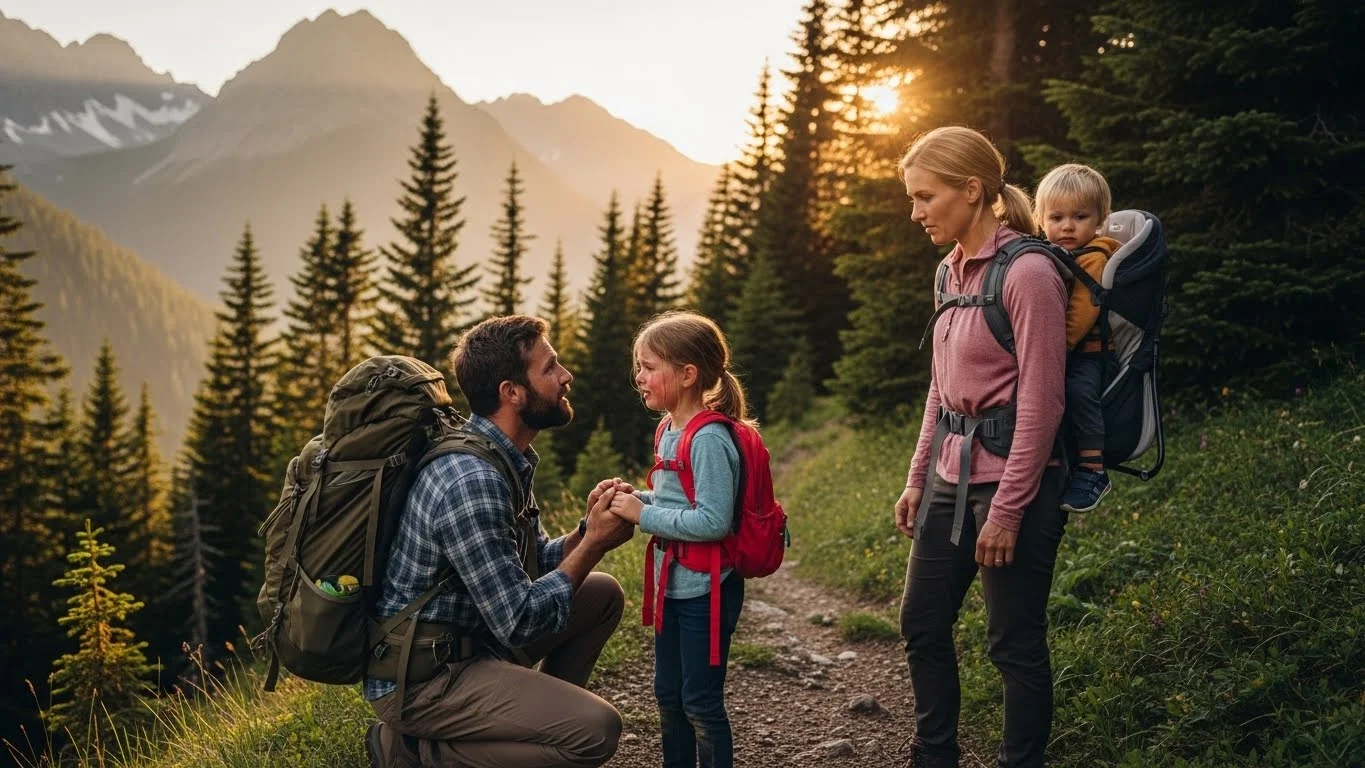
When a meltdown does occur, it’s essential to have strategies in place for de-escalation. I’ve learned that staying calm during these moments is crucial. I remember one instance when my son had a complete meltdown in the middle of a busy attraction. Instead of reacting with frustration, I took a deep breath and knelt down to his level. I spoke softly and reassured him that it was okay to feel upset. We took a moment to breathe together, and I could see his body start to relax.
Sometimes, stepping away from the situation can help too. Whether it’s finding a quiet corner or stepping outside for some fresh air, changing the environment can provide them with the space they need to regain control. I’ve realized that having a few calming phrases or activities in mind for these moments can really help us navigate through the storm together.
When to Take a Break: Finding Safe Spaces
Taking breaks is an essential part of our travel routine, especially when things get overwhelming. I’ve found that knowing when to step back and find a safe space can prevent a lot of emotional turmoil. Whether it’s finding a quiet park bench or retreating to our accommodation for some downtime, having a plan for breaks has been invaluable.
Once, during a bustling city tour, we could see my kids becoming increasingly agitated. We decided to take a break in a nearby park. We sat on the grass, enjoyed some snacks, and took a moment to relax. It was remarkable how quickly the mood shifted. They were able to recharge and return to our adventure with renewed energy and enthusiasm. Listening to their emotional needs has taught me that it’s perfectly okay to take a step back when needed. It’s all about pacing ourselves and ensuring we’re all enjoying the journey.
Frequently Asked Questions
What is emotional regulation in children?
Emotional regulation is the process of managing emotions, which involves learning to express feelings in healthy ways and cope with everyday ups and downs. This skill is crucial for children, especially while traveling, as new environments can lead to overwhelming feelings.
Why is emotional regulation important while traveling?
Emotional regulation helps children cope with the stress and unpredictability of travel, including changes in routine and unfamiliar surroundings. It allows them to manage delays and changes in plans, enhancing their overall travel experience.
What are some common emotional challenges kids face while traveling?
Common challenges include anxiety from new places, frustration during long waits, overwhelming excitement, and fatigue from travel. Awareness of these challenges can help parents prepare better and support their children emotionally during trips.
How can parents choose the right destination for kids?
Parents should consider how kid-friendly a destination is, ensuring there are suitable activities and environments that match their children’s ages and interests. This balance between adventure and comfort is crucial for a positive experience.
What should parents pack for emotional comfort during travel?
Parents can pack familiar items from home, such as favorite toys, stuffed animals, snacks, and engaging activities. These items can provide comfort and help keep kids calm during long journeys.
How can setting realistic expectations help children during travel?
Discussing travel plans with children ahead of time helps them understand what to expect and voice any concerns. This open communication can reduce disappointment and anxiety during the trip.
What mindfulness practices can help kids manage their emotions while traveling?
Mindfulness practices, such as focusing on breathing and listening to sounds, can help kids feel grounded. Simple exercises like taking deep breaths together during stressful moments can effectively reset their emotions.
How can visual aids and emotion cards assist children during travel?
Using emotion cards allows children to identify and express their feelings. This tool opens up conversations about emotions and helps them communicate better during challenging moments.
What interactive activities can foster emotional well-being during long trips?
Engaging activities like interactive games, storytelling, and creative outlets such as drawing and journaling can keep kids entertained and emotionally balanced during travel, allowing them to express their experiences and feelings.
When should parents take breaks during travel, and why is it important?
Parents should take breaks when kids show signs of overwhelm or agitation. Finding a quiet space can prevent emotional turmoil, allowing children to recharge and enjoy their journey more fully.
Read Interesting article: Backpacking with Kids: Using Positive Reinforcement Techniques