
Backpacking with kids can be an exciting adventure, but it also comes with its own set of challenges. With the right preparation, you can ensure that your family’s outdoor experience is safe, fun, and memorable. Understanding essential first aid is also crucial; you can read more about it in our article on Backpacking with Kids: First Aid for Common Injuries.
Understanding the Basics of Backpacking with Kids
What is Backpacking?
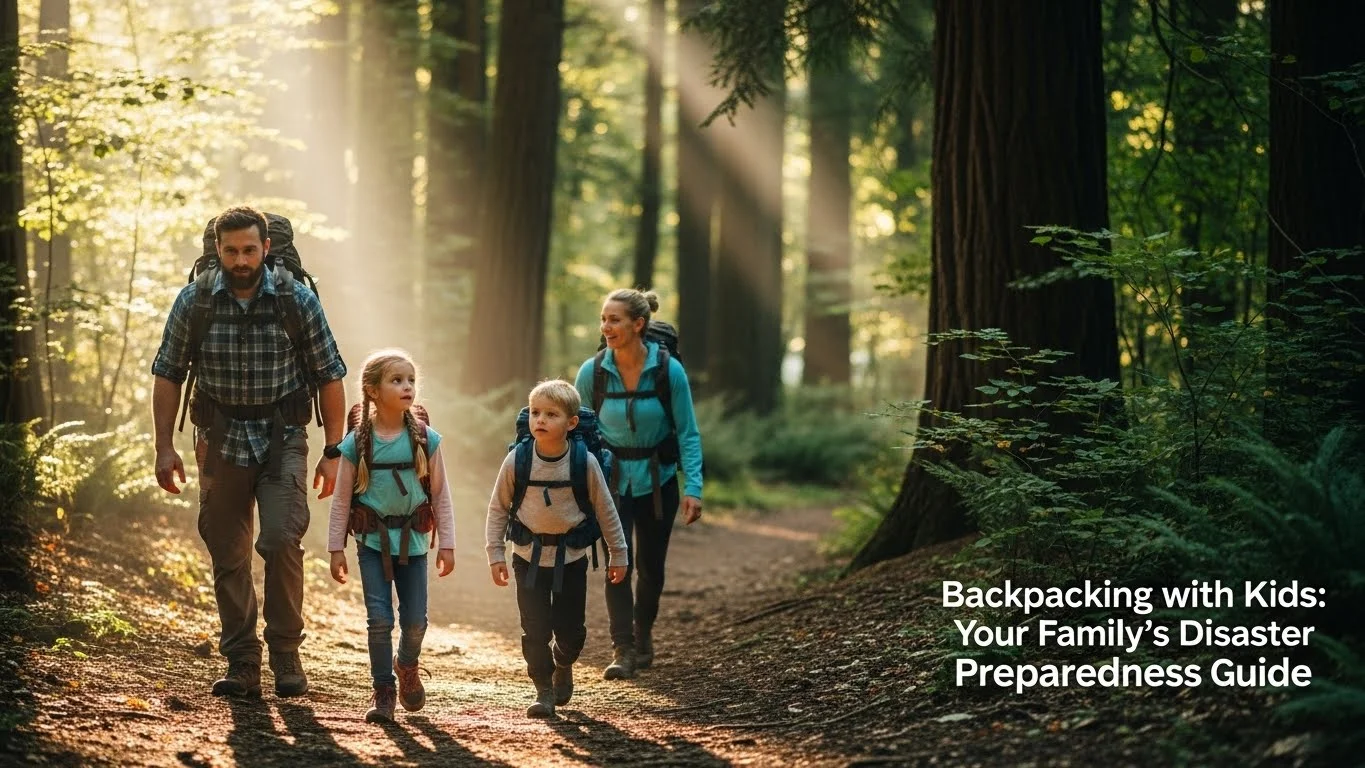
Backpacking, in its simplest form, is a combination of hiking and camping. It involves carrying all your gear on your back while you trek through nature, often for multiple days. I remember the first time I took my kids backpacking; it felt both exhilarating and a bit daunting. We packed up everything we needed—from tents and sleeping bags to food and water—and set off on our adventure. It’s not just about the destination; it’s about the journey and the memories we create along the way.
Benefits of Backpacking for Families
Backpacking with kids goes beyond just getting fresh air; it offers numerous benefits for families. For one, it helps to strengthen family bonds. I’ve seen how sharing the experience of navigating trails, setting up camp, and cooking meals together can bring us closer. It also teaches kids essential life skills. They learn about responsibility, teamwork, and even problem-solving when things don’t go as planned.
Additionally, being outdoors can have significant health benefits. It encourages physical activity, which is crucial in a time when many kids spend hours in front of screens. I’ve noticed that my children are more engaged and animated when they’re immersed in nature. The sights, sounds, and smells are all stimulating, making every hike a learning experience.
Age-Appropriate Backpacking Activities
When it comes to backpacking with kids, their age will greatly influence the activities you choose. For younger children, short, easy hikes with plenty of breaks work wonders. Things like scavenger hunts, where they can look for specific rocks or leaves, help keep them engaged. I often packed a small bag with items like a magnifying glass or a journal for them to document their findings.
For older kids, the options expand significantly. They can handle longer hikes and might enjoy challenges like navigating with a map or cooking over a campfire. I remember my son took pride in helping to set up our tent and cook dinner one night. It gave him a sense of achievement and independence that was truly rewarding to witness. You can also check out our ideas on Easy Meal Planning Ideas for Backpacking with Kids to make cooking more enjoyable.
As a family, we also enjoyed planning our routes together. We’d sit down with a map and choose the trails we wanted to explore, considering the difficulty level and the sights along the way. This not only made them feel included in the planning process but also taught them how to assess and understand trail maps.
It’s essential to tailor the activities to your kids’ interests and capabilities. Whether it’s bird watching, fishing, or simply playing games at the campsite, keeping it fun ensures that they’ll want to join you on future trips.
As we embark on these adventures, I’ve learned to maintain a flexible attitude. Sometimes our plans don’t go as expected, and that’s okay. I believe the key is embracing the unexpected moments and making them part of our story. A rain shower can turn into a fun experience, with laughter echoing as we huddle under a tarp, sharing snacks and storytelling.
In summary, understanding the fundamentals of backpacking with kids is crucial for a successful adventure. It’s about creating a safe, enjoyable environment where everyone can learn and grow. By choosing age-appropriate activities and embracing the journey, we can make our outdoor experiences meaningful for our families. Remember, the goal is not just to reach the destination but to enjoy every step of the way.
Essential Gear for Backpacking with Kids
Choosing the Right Backpack
When it comes to backpacking with kids, selecting the right backpack is crucial. I’ve learned that comfort and fit make all the difference in how enjoyable the hike will be. For younger kids, a smaller daypack is often sufficient. I remember the joy on my daughter’s face when she picked out her own colorful pack—it was lightweight and had plenty of pockets for snacks and little treasures she found along the trail.
For older kids, I recommend a backpack that can accommodate their growing needs. Look for features like adjustable straps, a padded hip belt for weight distribution, and pockets for easy access to water bottles. My son loved having a side pocket for his water bottle; it made staying hydrated during our hikes so much easier. I believe involving your kids in choosing their backpacks can make them more excited about the adventure ahead.
Kid-Friendly Sleeping Gear
Getting a good night’s sleep is essential, especially when we’re out in the wilderness. I found that choosing kid-friendly sleeping gear can enhance the overall experience. A lightweight sleeping bag that’s appropriate for the season is a must. I remember when we first transitioned my youngest from a crib to a sleeping bag; she was thrilled to have her own space in the tent, and it made her feel more grown-up.
Consider a sleeping pad for added comfort; it’s amazing how much difference a little cushioning can make on hard ground. I once forgot to pack pads for my kids, and we ended up with cranky campers the next morning. For colder nights, a sleeping bag liner can provide extra warmth without adding bulk. I also like to pack a familiar blanket or stuffed animal to help them feel secure and cozy in their sleeping setup.
Clothing and Footwear Considerations
Choosing the right clothing and footwear can make or break our adventures. I always dress my kids in layers, which allows them to adapt to changing weather. A moisture-wicking base layer, insulating mid-layer, and waterproof outer layer have worked well for us. I’ve noticed that the more comfortable they feel in their clothes, the more they enjoy the hike.
When it comes to footwear, it’s important to select shoes that fit well and provide good support. I prefer hiking boots or trail shoes that are lightweight yet sturdy. I remember when my son wore his old sneakers on a hike; by the end, he was complaining about blisters. Since then, I always make sure they try on their hiking shoes before the trip to ensure they’re comfortable and ready to go. I also pack extra socks because there’s nothing worse than wet feet on a hike!
First Aid Kits for Families
Having a well-stocked first aid kit is something I can’t stress enough. When we first started backpacking, I thought a few band-aids and antiseptic wipes would do the trick. But after a few scrapes and bug bites, I learned it’s better to be prepared. I now carry a comprehensive family first aid kit that includes items like gauze, adhesive tape, anti-itch cream, and pain relief medication.
Involving the kids in the process of understanding the first aid kit has also been a valuable experience. I’ve shown them what’s inside and explained how to use some of the items. This not only empowers them but also helps alleviate fears about minor injuries while we’re out in the wild. I always remind my kids that it’s essential to communicate any discomfort or pain to us so we can address it right away. It’s all about ensuring our family stays safe and happy while creating those unforgettable memories.
Disaster Preparedness Planning
Creating a Family Emergency Plan
Having a solid emergency plan is something I’ve come to realize is crucial when backpacking with kids. I remember the first time I put together a plan; it felt a bit daunting, but it became a comforting tool for our adventures. We sat down together as a family and talked about what we would do in different situations—like getting lost, severe weather, or an injury. It was an eye-opener for the kids, and they felt empowered knowing we had a strategy in place.
To create our plan, we discussed specific scenarios and designated roles for each family member. I emphasized that everyone should know how to stay calm and communicate clearly. For example, I taught them to stay put if they got separated rather than wandering further away. We also made sure that each child had a whistle and a small flashlight in their backpack, which they thought was pretty cool. Having these tools made them feel like they were part of the solution, rather than just bystanders.
Understanding Local Hazards and Risks
Before heading out on a backpacking trip, I always do a bit of research about the area we’ll be exploring. Understanding local hazards and risks is key to keeping everyone safe. I remember one trip where we were headed to a beautiful national park. I looked up information and found out that certain areas were prone to sudden weather changes. Knowing this helped us pack accordingly, with extra layers and rain gear just in case.
I also educate my kids about the specific risks we might encounter. For instance, in areas with bear activity, I explain how we can safely store our food and what to do if we spot one. I find that when they understand the potential dangers, they are more vigilant and can help keep each other safe. It transforms the experience from being just a hike into a fun learning opportunity.
Emergency Communication Strategies
One of the most important aspects of disaster preparedness is having a reliable communication strategy. When I first started backpacking with my kids, we relied solely on our voices, which was fine in most scenarios. However, I quickly learned that it’s crucial to have a backup. We invested in a couple of two-way radios that work well in the backcountry. I let my kids practice using them during our hikes, and it turned into a fun game!
We also established a system for signaling if someone needs help or has a question. A simple signal we use is raising a hand or a specific noise, which alerts the others to pay attention. I think this helps them feel safer, knowing that they can reach out if they need to without shouting.
Finding Safe Locations and Evacuation Routes
As part of our disaster preparedness, I always plan for evacuation routes. Knowing the safest paths to get back to civilization gives me peace of mind. I remember a time when we were hiking and came across some unexpected terrain that made our planned route tricky. Because I had reviewed alternative paths beforehand, we could navigate back safely without panicking.
I involve my kids in this process, too. We look over maps together and discuss various trails and potential exit points. I teach them how to read signs and identify landmarks so they can help navigate if needed. It’s like an adventure scavenger hunt, and they love being part of the decision-making process. I believe this not only prepares them for emergencies but also instills a sense of confidence and independence.
Packing Essentials for Safety and Comfort
Food and Water Supply Guidelines
Packing the right food and water is essential for a successful backpacking trip, especially with kids. I’ve learned the hard way that not all snacks are created equal. High-energy foods like nuts, trail mix, and granola bars are my go-to choices. They’re lightweight, compact, and keep everyone fueled. I also include some fun treats like freeze-dried fruits or chocolate, which I’ve found can boost morale on long hikes.
When it comes to water, I always carry a purification system. I remember on one trip, we ran out of water unexpectedly. We had to rely on a nearby stream and use our filter, which was a valuable lesson in staying hydrated and being prepared. I make sure to show my kids how to use it, so they feel included and gain confidence in their ability to handle unforeseen situations.
How to Pack a Kid-Friendly First Aid Kit
Creating a kid-friendly first aid kit is something I take seriously. I remember when my kids got their first taste of hiking scrapes and bruises; it was important for them to have a kit that they felt comfortable using. I packed a small, colorful bag with kid-friendly items such as fun band-aids, antiseptic wipes, and stickers to reward them for being brave during a scrape.
I also included simple instructions for using the items inside. This not only empowers them to take charge of their minor injuries but also makes them feel more confident when they’re out in the wild. It’s a great opportunity to teach them about safety and self-care, which can be useful beyond our outdoor adventures.
Navigation Tools and Their Importance
Having the right navigation tools is another essential element of our backpacking gear. I always bring a physical map and compass, even if we have a GPS with us. Teaching my kids how to read a map has been one of the most rewarding experiences. I remember the first time they successfully navigated us to a scenic viewpoint; their pride was palpable!
We practice using both tools together, discussing how to orient ourselves and recognize landmarks. I believe that being familiar with these skills not only enhances our trips but also teaches them valuable lessons about navigation and situational awareness. Plus, it adds an element of adventure as we explore and discover new paths together.
Safety Tips While Backpacking with Kids
Setting Ground Rules for Kids
One of the best ways to keep our backpacking trips safe and enjoyable is by establishing clear ground rules for the kids. When we first started our adventures, I realized that having a set of guidelines helped everyone understand the expectations and feel secure. For example, we have a rule about staying within sight of each other. It’s simple, but it gives me peace of mind knowing that my kids are close by and can call for help if needed.
Another rule we follow is to never run ahead on the trail. I’ve noticed that when kids dash ahead, they can easily lose their bearings or miss important signs of potential danger. Instead, we practice walking together at a steady pace, which not only keeps us connected but also allows us to enjoy the scenery together. I feel that these small yet effective rules empower my kids to take responsibility while still having fun in nature.
Educating Kids on Wildlife Safety
Understanding how to interact safely with wildlife is crucial when backpacking. I always take the time to educate my kids about the animals we might encounter on the trail. For instance, we talk about bears, snakes, and other creatures that call the wilderness home. I remember one trip where we spotted bear tracks nearby. Instead of panicking, we used that moment to discuss what to do if we ever encountered a bear, such as making noise and backing away slowly.
We also discuss the importance of not feeding wildlife. I explain that animals can become dependent on human food and that it’s harmful to their health. My kids have taken this knowledge to heart, and I’ve seen them alert each other when they spot animals, reminding each other to keep their distance and respect the wildlife. It’s empowering for them to know they can contribute to the safety of our family by being mindful of their surroundings.
First Aid Procedures Everyone Should Know
First aid knowledge is essential when we venture into the wilderness. I’ve found that it’s beneficial to teach my kids basic first aid procedures so they feel equipped to handle minor injuries. We practice how to clean a scrape or apply a band-aid, and I make sure they understand the importance of coming to me for serious issues.
During our trips, I often run little “first aid drills” where we role-play how to respond to common hiking injuries. It’s both educational and fun, and it helps reinforce their knowledge. I believe that by preparing them for these situations, I’m not only keeping them safe but also instilling confidence that they can handle emergencies if they arise.
Managing Risks: Weather and Terrain Awareness
Being aware of the weather and terrain is another significant aspect of safety while backpacking. I always check the forecast before heading out and teach my kids to do the same. On one trip, we underestimated the drop in temperatures at night and were unprepared for the chill. Since then, I’ve made it a point to discuss the importance of dressing in layers and bringing adequate gear for unexpected weather changes.
We also talk about the trails we’ll be hiking. I explain how to identify potentially dangerous areas, such as steep drops or slippery rocks. During our hikes, I encourage my kids to communicate about what they see and feel on the trail. This way, they become more aware of their surroundings and learn to make better decisions as we navigate different terrains.
Engaging Kids in Disaster Preparedness
Fun Activities to Teach Safety Skills
Making disaster preparedness fun is one of the best ways to engage my kids. I’ve found that incorporating games into our learning can make a huge difference. For example, we play “survival bingo,” where we fill out a card with safety tips and skills. As we learn each one, we mark it off, and it turns into a friendly competition to see who can complete their card first.
We also enjoy scavenger hunts that focus on finding items related to survival, like identifying edible plants or locating important safety gear. These activities not only teach valuable lessons but also make the process enjoyable and memorable for the whole family.
Role-Playing Emergency Scenarios
Role-playing emergency scenarios has become one of our favorite family activities. It’s amazing how much fun we can have while learning essential skills! We set up different situations, like getting lost or encountering wildlife, and then take turns acting out the best responses. I remember one time when we pretended to get separated while hiking; the kids had to use their communication strategies to find me. They were so engaged and excited to show off what they learned.
This not only helps them remember the information but also builds their confidence in handling real-life situations. I’ve noticed how it encourages teamwork, as they must work together to figure out solutions in these pretend scenarios.
Incorporating Educational Resources
There are so many resources available to help kids learn about safety and preparedness. I often look for age-appropriate books or videos that teach outdoor skills and emergency preparedness. I remember picking up a few fun activity books that included puzzles and quizzes on wilderness skills. They were a hit with my kids and sparked our discussions about safety.
We also explore online platforms that offer interactive learning experiences. It’s incredible to see how engaged they become when they can learn through technology. Incorporating these resources into our routine not only enhances their knowledge but also makes the learning process enjoyable. You can also check out our article on Backpacking with Kids: Easing Childhood Anxiety on the Road for more helpful tips.
Resources for Family Backpacking and Preparedness
Recommended Books and Guides
Finding reliable resources has made planning our trips much easier. I love picking up books that cater specifically to families who want to explore the outdoors together. Some of my favorites include guides on kid-friendly trails and camping tips. I find that these resources offer practical advice while also inspiring us to discover new adventures.
Online Resources and Apps
In our tech-savvy world, online resources and apps have become invaluable for our trips. I’ve found several great websites that provide information on trail conditions, weather forecasts, and safety tips. There are even apps that help with navigation and identifying plants or animals we may encounter. Having these tools at our fingertips helps ease my mind while we’re out in nature.
Local Organizations and Support Groups
Connecting with local outdoor organizations can also enhance our family backpacking experience. I’ve joined a few groups that organize family hikes and workshops on camping skills. These gatherings provide opportunities for my kids to meet other young adventurers and learn from experienced backpackers. It’s been a fantastic way for us to build community while fostering a love for the outdoors.
Frequently Asked Questions
What to do in case of an emergency while backpacking?
In any emergency, the first step is to remain calm. Assess the situation and prioritize safety. Use your first aid kit if someone is injured, and communicate clearly with your group about what happened. If necessary, use your mapping skills to navigate back to safety or signal for help.
How to keep kids engaged during long hikes?
Keeping kids engaged means incorporating fun activities into the hike. Use games like scavenger hunts, storytelling, or nature observations. I’ve found that allowing them to take turns leading the way also boosts their interest and excitement.
What are the best family-friendly backpacking destinations?
Family-friendly backpacking destinations often include parks with easy trails and campsites close to amenities. Look for places with scenic views, wildlife, and fun learning opportunities. I’ve discovered that national and state parks typically offer a variety of options suitable for families.
How to maintain a balance between fun and safety?
It’s essential to prioritize safety while still allowing for fun experiences. I’ve found that setting clear rules, educating kids about safety, and planning engaging activities can help achieve this balance. It’s all about creating an environment where everyone feels secure and excited to explore.
Final Thoughts
Backpacking with kids is a journey filled with joy, laughter, and invaluable lessons. From the thrill of exploring new trails to the challenges of learning survival skills, every moment creates lasting memories. By preparing adequately and fostering a sense of adventure, we can ensure that our family experiences are both safe and enjoyable. I believe that by instilling a love for nature in our children, we’re not just creating outdoor enthusiasts; we’re nurturing responsible, aware individuals who will cherish these experiences for a lifetime. So, pack your bags, embrace the adventure, and let the great outdoors become your family’s playground.
Frequently Asked Questions
What is backpacking with kids?
Backpacking with kids is a combination of hiking and camping, where families carry all their gear on their backs while trekking through nature, often for multiple days. It’s about creating memorable experiences together.
What are the benefits of backpacking for families?
Backpacking strengthens family bonds, teaches kids essential life skills such as responsibility and teamwork, and encourages physical activity. Being outdoors stimulates children’s engagement and learning.
What age-appropriate activities can I do while backpacking with kids?
Younger children can enjoy short, easy hikes with breaks and activities like scavenger hunts. Older kids can handle longer hikes and challenges such as navigation and cooking over a campfire. Tailoring activities to their interests is key.
What essential gear should I consider when backpacking with kids?
Essential gear includes the right backpack for comfort and fit, kid-friendly sleeping gear, appropriate clothing and footwear, and a well-stocked first aid kit. Each item plays a critical role in ensuring safety and comfort during the trip.
How can I prepare for emergencies while backpacking?
Creating a family emergency plan is crucial. Discuss different scenarios, designate roles, and ensure everyone knows how to stay calm and communicate clearly. Equip each child with tools like a whistle and flashlight for safety.
What food and water supply guidelines should I follow?
Pack high-energy foods like nuts, trail mix, and granola bars for sustenance, and ensure you have a purification system for water. Teaching kids how to use the system is essential for their confidence and preparedness.
What are some safety tips for backpacking with kids?
Establish clear ground rules, educate kids on wildlife safety, and teach basic first aid procedures. Being aware of weather and terrain is also important for keeping everyone safe during the adventure.
How can I engage kids in disaster preparedness?
Make disaster preparedness fun by incorporating games, role-playing emergency scenarios, and using educational resources. This approach helps kids learn while enjoying the process, making it memorable and impactful.
What local resources can help with family backpacking?
Local outdoor organizations, family-friendly hiking groups, and reliable books and apps can enhance your backpacking experience. They provide valuable information, community support, and opportunities to meet other families.
How can I keep kids engaged during long hikes?
Incorporate fun activities such as games, storytelling, or nature observations. Allowing kids to take turns leading the way can also boost their interest and excitement during long hikes.