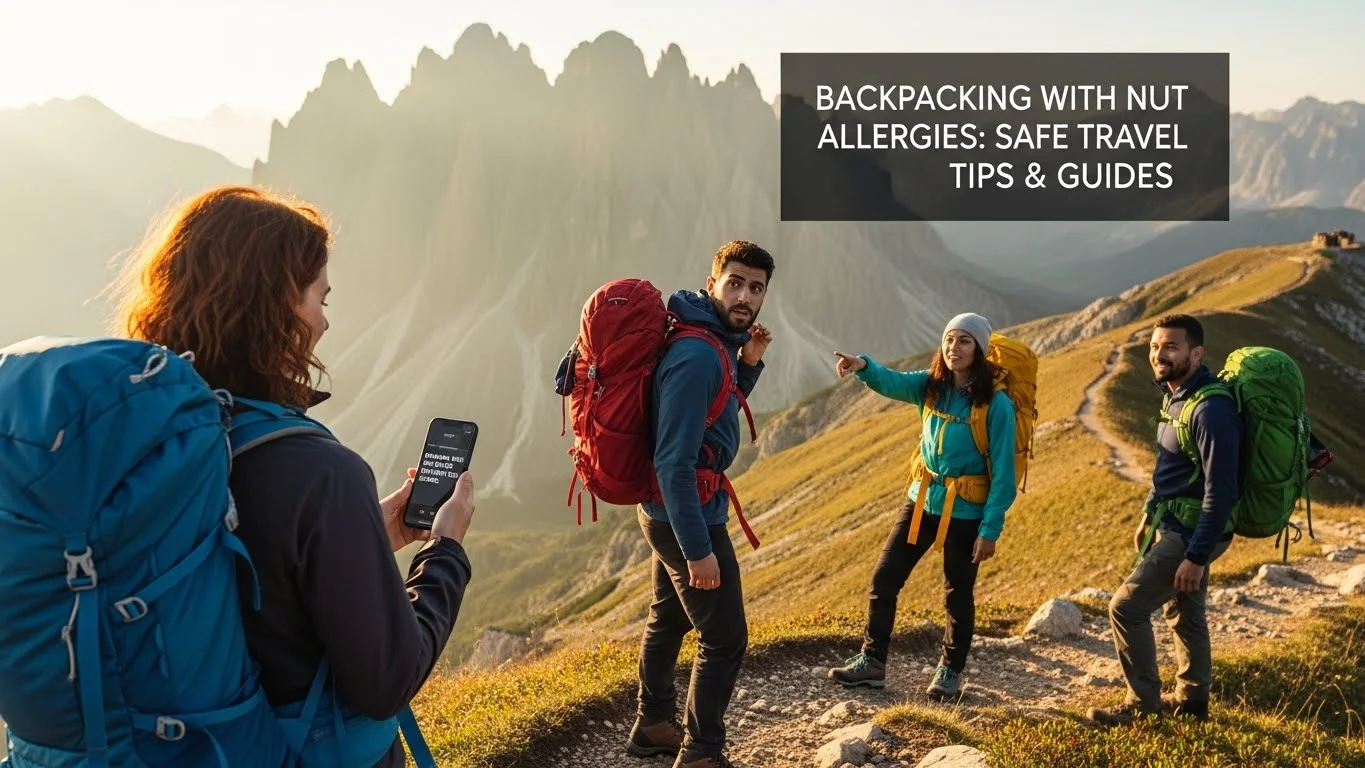
Traveling with nut allergies can feel daunting, but it doesn’t have to keep you from exploring the world. With careful planning and awareness, you can have a safe and enjoyable backpacking experience. Additionally, if you’re traveling with kids, consider reading about Traveling with Picky Eaters: Affordable Meal Solutions for tips on managing their dietary needs.
Backpacking with Nut Allergies: Safe Travel Tips & Guides
Understanding Nut Allergies
As someone who has navigated the challenges of backpacking with nut allergies, I know firsthand how important it is to understand the nuances of these allergies. Nut allergies can range from mild to severe, and it’s crucial to be informed about the types of allergies, their symptoms, and how they are diagnosed.
Types of Nut Allergies
Nut allergies can be broken down into two main categories: tree nut allergies and peanut allergies. Tree nuts include almonds, walnuts, cashews, and hazelnuts, among others. Peanuts, while technically legumes, are often grouped with tree nuts due to similar allergic responses. In my experience, I’ve seen that tree nut allergies tend to be more common, but peanuts can cause severe reactions as well.
Some people may be allergic to only one type of nut, while others can react to multiple. This is why I always recommend getting specific allergy tests done to clarify what you should avoid. Knowing whether you’re allergic to just peanuts or a whole range of tree nuts can make a significant difference when seeking safe food options while traveling.
Common Symptoms and Reactions
Recognizing the symptoms of a nut allergy is essential for everyone, not just those with the allergy. Common reactions can include hives, swelling, stomach cramps, and even anaphylaxis, which is life-threatening. I remember one time when I experienced a mild reaction after mistakenly eating a snack that contained nuts. It was a wake-up call for me to always read labels and ask questions.
Understanding the symptoms can help you react quickly if someone else has a reaction. If you’re traveling with friends or family, share this knowledge with them so they can assist you in emergency situations. This has not only helped me but also made my travel companions more aware and prepared.
Diagnosing Nut Allergies
Getting a proper diagnosis can be a game-changer. I went to an allergist who conducted skin prick tests and blood tests to determine my sensitivities. This process can feel overwhelming, but knowing exactly what I was allergic to gave me peace of mind while traveling. If you suspect you have a nut allergy or have had reactions in the past, I encourage you to consult a healthcare professional. This step is vital to ensure that you’re not only safe but also equipped with the right information for your travels.
Pre-Travel Preparations
Now that we have a better understanding of nut allergies, let’s dive into pre-travel preparations. This phase is critical for ensuring that you can enjoy your journey without worrying too much about potential allergic reactions.
Consulting with a Healthcare Professional
Before I embark on any trip, I make it a point to consult with my healthcare provider. They can provide personalized advice based on my specific allergies and health history. I remember one trip where my doctor recommended carrying an extra EpiPen and made sure I understood how to use it. This advice turned out to be invaluable and gave me confidence as I traveled.
Creating an Allergy Action Plan
Creating an allergy action plan is something I highly recommend. This plan should outline what to do in case of an allergic reaction, including the steps to take if you accidentally consume nuts. I keep a copy on my phone and a printed version in my travel documents. This way, if I’m in a foreign country and need help, I can easily communicate what I need.
Travel Insurance Considerations
Travel insurance is another aspect I never overlook. I’ve learned from experience that not all policies cover allergies, so I take the time to read the fine print. Having insurance that includes coverage for allergic reactions offers me peace of mind. If anything were to go wrong, knowing I have a safety net helps me focus on enjoying my trip.
Essential Allergy Supplies to Pack
Packing the right supplies is crucial. I always bring my EpiPen, antihistamines, and allergy-friendly snacks. I’ve learned the hard way that you can’t always rely on finding safe food options while traveling, especially in remote areas. Having these items on hand makes me feel secure, knowing I can handle any situation that arises.
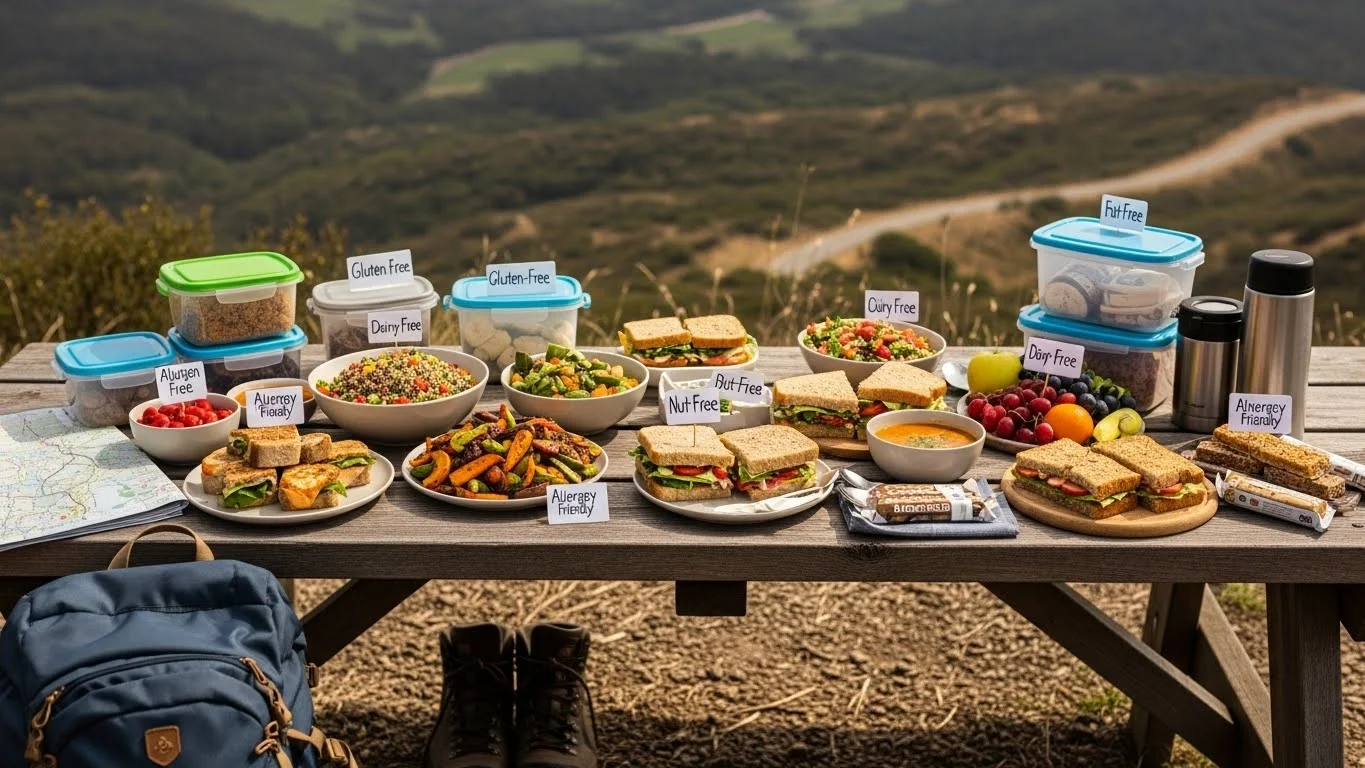
In my backpack, I also include allergy-friendly meal bars and a small cooler for perishable items. It’s amazing how resourceful you can be when you’re aware of your needs. I often scout out local grocery stores upon arrival to stock up on safe foods. This way, I’m not left scrambling for something to eat while on the go.
By focusing on understanding nut allergies and preparing ahead of time, we can set ourselves up for a successful backpacking adventure. There’s so much world to explore, and with the right planning, we can enjoy it without fear. For those looking for snack ideas, check out Top Allergy-Friendly Snacks for Your Kids’ Adventures.
Choosing Your Destination
When it comes to traveling with nut allergies, the destination you choose can significantly impact your experience. I’ve found that some countries are more accommodating and aware of food allergies than others, which can make a world of difference in how safe and enjoyable your trip is.
Countries with Nut Allergy Awareness
Some destinations stand out for their awareness and management of food allergies. For instance, I’ve noticed that countries like the United States, Canada, the UK, and Australia often have robust systems in place to handle food allergies. Restaurants are generally more educated about cross-contamination and labeling. I remember dining in a few establishments in these countries where the staff was incredibly knowledgeable and willing to accommodate my needs.
On the other hand, I’ve traveled to countries where nut allergies are not as well understood. In some places, it was challenging to find staff who could confidently explain the ingredients in their dishes. This made me realize the importance of researching not just the culture but also the general awareness of food allergies in the places I want to visit.
Researching Local Cuisine and Ingredients
Before I travel, I take the time to research the local cuisine. This helps me identify common ingredients that may pose a risk. For instance, I’ve learned that many Asian and Mediterranean cuisines use nuts extensively in their traditional dishes. Understanding what to expect allows me to plan better and find alternatives. I often jot down a few local dishes that are less likely to contain nuts, which helps me feel more at ease when I arrive at my destination.
Additionally, I recommend using resources like food blogs or allergy-specific travel sites that provide insights about safe eating in different regions. I’ve stumbled upon some fantastic blogs that detail how to navigate food allergies in various countries, and these have been invaluable for my travels. If you’re looking for budget-friendly options, consider reading Easy Nutritious Snacks for Kids That Won’t Break the Bank.
Understanding Food Labeling Laws
Food labeling laws vary widely from country to country, which means it’s crucial to familiarize yourself with the regulations of your destination. I’ve found that in places like the European Union, there are strict guidelines that require allergens to be clearly labeled, which is a great comfort. However, other countries may not have similar requirements, making it imperative to ask about ingredients when dining out.
Before heading out, I usually download apps that help translate food packaging and menus. This has helped me decipher labels in languages I’m not fluent in, ensuring I avoid any surprises. It’s amazing what a little preparation can do to enhance your travel experience while keeping your health in check.
Booking Accommodations
Once I have my destination set, the next step is booking accommodations. This is an area where I prioritize finding places that can cater to my nut allergies.
Finding Allergy-Friendly Hotels
Choosing the right hotel can make a significant difference in how comfortable I feel during my stay. I often look for hotels that explicitly mention their ability to accommodate food allergies. It’s reassuring to know that the staff is trained to handle such requests. I remember one trip where I stayed at a hotel that took my allergies seriously; they even provided a list of safe snacks and meals available on-site.
Sometimes, I’ll reach out directly to hotels before booking. A quick email asking about their food handling practices has often led to positive responses and made me feel more at ease. I also check for reviews that mention food safety and allergy awareness to ensure I’m making an informed choice.
Communicating Your Needs to Lodging Providers
Once I’ve booked my stay, I always make sure to communicate my allergies to the lodging providers. I usually send a follow-up message or make a phone call to clarify my dietary restrictions. I’ve found that being upfront about my needs helps eliminate any confusion and sets the stage for a more accommodating experience. Most staff members are willing to assist, and many even go the extra mile to ensure I have safe meal options.
Checking Reviews for Allergy Experiences
Reviews are another valuable resource when selecting accommodations. I often search for traveler experiences related to allergies. I look for comments about how well the hotel staff handled allergy requests or if previous guests felt comfortable eating on-site. This insider information has saved me from booking places that might not be allergy-friendly.
When I find a hotel that ticks all the boxes, I feel a sense of relief. Knowing that I can return to a safe space after a day of exploring allows me to enjoy my travels without constantly worrying about my allergies.
Safe Eating While Backpacking
When it comes to backpacking with nut allergies, safe eating is one of the most crucial aspects of the journey. I’ve learned that being proactive about my food choices not only keeps me safe but also enhances my overall travel experience.
Understanding Cross-Contamination
One of the biggest challenges I’ve faced is the risk of cross-contamination. This is when allergenic foods come into contact with safe foods, which can happen in kitchens, restaurants, or even grocery stores. I remember dining at a restaurant where the staff assured me that my meal was nut-free, but they also admitted that they use the same frying oil for everything. This experience made me realize how essential it is to ask about cross-contamination practices, especially in places where nuts are a common ingredient.
To minimize the risk, I always make it a point to ask detailed questions about food preparation. I’ve found that most people are happy to help clarify their processes if I explain my allergies. Taking that extra moment to ensure that my meal is truly safe can save me from a potentially dangerous situation, and it has become a routine part of my dining experience.
Identifying Safe Restaurants and Eateries
Finding safe places to eat can be daunting, but I’ve developed a few strategies that work for me. Before I travel, I research restaurants that cater specifically to food allergies. Websites like AllergyEats or even local food blogs can be a treasure trove of information. I often check reviews to see if previous diners with allergies had positive experiences.
Once I arrive at my destination, I also use apps that help me locate allergy-friendly eateries nearby. I remember a trip to Thailand where I found a fantastic restaurant that was incredibly accommodating. The staff even understood my requests in English, which made the experience much smoother. I always keep my phone handy for quick searches, allowing me to adapt on the go.
Using Allergy Translation Cards
When traveling to countries where the language barrier can make communicating my allergy difficult, I’ve found that carrying allergy translation cards is incredibly helpful. These cards clearly state my allergies in the local language, allowing restaurant staff to understand my dietary restrictions without confusion. I can’t tell you how many times these cards have saved me from awkward situations at restaurants.
I usually create my own cards or use online services that offer professionally translated options. They often include a brief explanation of what nuts are and the severity of my allergy. Having these on hand gives me a sense of security that I can effectively communicate my needs, even if I’m not fluent in the language.
Cooking Your Own Meals: Tips and Equipment
One of my favorite parts of backpacking is cooking my own meals. It gives me complete control over what I’m eating and ensures that I can avoid any allergens. I usually carry a small portable stove, some basic cookware, and utensils. For me, cooking while traveling is not just about safety; it’s also a fun way to engage with the local culture.
When I settle into a new place, I often visit local markets to find fresh ingredients. I’ve had some delightful experiences discovering new fruits and vegetables, and I always make sure to read labels on any packaged items. In my experience, local markets tend to have fewer processed foods, which significantly reduces the risk of hidden allergens.
Meal prepping is also a habit I’ve adopted. I prepare simple, nut-free dishes that I can easily heat up or enjoy cold. For instance, pasta salads, rice dishes, or stir-fries can be made in advance and stored in containers. This not only saves time during my travels but also ensures I have safe and satisfying meals ready to go. Plus, there’s something incredibly rewarding about enjoying a meal I’ve prepared myself after a long day of exploration.
By focusing on safe eating practices while backpacking, I can enjoy my adventures without the constant worry of encountering allergens. With a little preparation and awareness, we can savor every moment of our travels while keeping our health in check.
Navigating Public Transportation and Travel
Getting around in a new country can be an adventure in itself, but when you have nut allergies, public transportation can add another layer of complexity. I’ve learned that being prepared and knowledgeable can help me navigate these situations smoothly.
Communicating with Transportation Staff
When using public transportation, I always make sure to communicate my allergies clearly. Whether it’s a bus driver, train attendant, or airline staff, I find that being upfront about my nut allergies helps avoid any confusion. I remember a time when I was flying to a new destination, and I informed the airline staff about my allergy during check-in. They were incredibly accommodating, reminding the flight attendants to avoid serving any nut products during the flight. This proactive communication made the journey much less stressful for me.
In some cases, I carry a small card that states my allergies in both English and the local language. This card has been a lifesaver when language barriers arise, allowing me to effectively communicate my needs without any misunderstandings.
Bringing Snacks: Safe Options for Travel
Packing snacks is a must for any travel, especially when you have food allergies. I always bring a stash of allergy-friendly snacks to avoid any potential risks during long bus rides or flights. My go-to snacks include rice cakes, fruit, and nut-free protein bars. I’ve learned the hard way that airport or train station food can be limited and often unsafe.
One time, I was waiting for a train and decided to grab a quick snack from a vending machine. To my dismay, almost everything contained nuts. Having my own safe snacks made that travel day much more enjoyable and stress-free. I encourage everyone with allergies to plan ahead and pack your favorite safe treats!
Emergency Procedures During Travel
Despite all the planning, emergencies can still happen, so having a plan for them is crucial. I always familiarize myself with the emergency procedures on public transport, whether it’s knowing where the first aid kits are located or how to alert staff in case of an allergic reaction. I remember being on a crowded subway once and feeling a bit uneasy. I took a moment to locate the nearest exit and the information desk, just in case I needed assistance. It’s all about being aware of your surroundings and having a plan.
Emergency Preparedness
Being prepared for emergencies is an essential part of traveling with nut allergies. I’ve learned that having a solid plan can make all the difference in ensuring my safety while exploring new places.
Carrying an EpiPen and Other Medication
One of the most important things I do is carry my EpiPen and any other medications I might need. I keep my EpiPen in an easily accessible place, like my backpack’s outer pocket. I’ve invested in a sturdy case to protect it from damage while I’m on the go. I also carry antihistamines for mild reactions. One time, I accidentally ingested something with nuts and felt the first signs of a reaction. Having my EpiPen on hand gave me the confidence to act quickly, and thankfully, I was able to manage the situation without major issues.
Identifying Local Medical Facilities
Before traveling, I always research local medical facilities in the area I’ll be visiting. This step is vital in case of an emergency. I usually jot down the addresses of nearby hospitals and clinics and even save them on my phone. I remember feeling relieved when I did this during a trip to Spain; I found a pharmacy right around the corner from my hotel, which eased my mind significantly.
Emergency Contacts and Communication Plans
Having a list of emergency contacts is another essential part of my travel preparations. I compile a list of important phone numbers, including my doctor, local emergency services, and family members. I also ensure that a trusted travel companion knows my allergies and can help in case of an emergency. During one trip, I shared my emergency plan with my travel buddy, and it felt comforting knowing we were both on the same page.
Community and Support Resources
One of the greatest resources I’ve discovered while traveling with nut allergies is the sense of community. Connecting with others who share similar experiences can provide valuable insights and support.
Finding Allergy Support Groups
Before visiting a new country, I often look for local allergy support groups. Joining these groups can help you gain insight into the local food scene and learn about safe eating options from those who live there. I once joined an online group for travelers with food allergies, and the tips shared by fellow members were incredibly helpful for my recent trip to Italy.
Utilizing Online Forums and Social Media
Online forums and social media platforms can also be great places to connect with others. I’ve found Facebook groups dedicated to allergy awareness that focus on travel. Members often share their experiences, recommendations, and tips for navigating food allergies in various destinations. Engaging with these communities not only helps me prepare for my trips but also enriches my travel experience.
Connecting with Local Communities of Allergy Sufferers
When I arrive at a new destination, I try to connect with local communities of allergy sufferers. Many cities have meetups or events where you can meet others facing similar challenges. I remember attending an allergy awareness event in a city I was visiting, and it was a fantastic opportunity to learn about local resources and connect with others who understand the challenges of living with allergies.
Tips for Enjoying Your Trip
Traveling with nut allergies doesn’t have to be a stressful experience. With the right mindset and preparation, we can fully enjoy our adventures, savor new experiences, and create beautiful memories.
Staying Informed About Local Allergens
Staying informed about local allergens can make all the difference. I always take the time to learn about common ingredients used in the region I’m visiting. This has helped me avoid many close calls. For instance, I learned that many Middle Eastern dishes often include nuts, so I was extra cautious when dining out there.
Practicing Mindfulness and Stress Management
Traveling can sometimes be overwhelming, so I make it a point to practice mindfulness. I’ve found that taking a few moments each day to breathe and focus can help alleviate anxiety about my allergies. Whether it’s through meditation or simply enjoying the scenery, being present allows me to appreciate each moment without letting worries overshadow my experience.
Documenting Your Experiences and Sharing Tips
I also enjoy documenting my travels, especially the unique ways I navigated my nut allergies. Whether it’s through a travel journal or social media posts, sharing my experiences can help others in similar situations. I’ve received messages from people thanking me for sharing my tips, which reinforces the importance of community and support in our journeys.
Final Thoughts
Backpacking with nut allergies can be a fulfilling and adventurous experience, as long as we approach it with caution and preparation. By understanding our allergies, planning ahead, and remaining proactive, we can embrace the excitement of travel without compromising our safety. I believe that the world is full of beautiful places waiting to be explored, and with the right tools and mindset, we can create lasting memories while staying healthy. Let’s continue to share our stories, support one another, and inspire others to embark on their own journeys.
Frequently Asked Questions
What are the main types of nut allergies?
Nut allergies can be broken down into two main categories: tree nut allergies and peanut allergies. Tree nuts include almonds, walnuts, cashews, and hazelnuts, while peanuts, although technically legumes, are often grouped with tree nuts due to similar allergic responses.
What are common symptoms of nut allergies?
Common symptoms of nut allergies can include hives, swelling, stomach cramps, and even anaphylaxis, which is life-threatening. Recognizing these symptoms is important for both individuals with the allergy and those around them.
How can one diagnose nut allergies?
Diagnosing nut allergies typically involves consulting with a healthcare professional who may conduct skin prick tests and blood tests to determine sensitivities. This process can help clarify what specific nuts should be avoided.
What should I include in my allergy action plan?
An allergy action plan should outline what to do in case of an allergic reaction, including steps to take if nuts are accidentally consumed. Keeping a copy of this plan on your phone and in travel documents can be very helpful.
Why is travel insurance important for those with nut allergies?
Travel insurance is important because not all policies cover allergies. Having insurance that includes coverage for allergic reactions provides peace of mind, allowing travelers to focus on enjoying their trip.
What supplies should I pack for traveling with nut allergies?
Essential supplies to pack include an EpiPen, antihistamines, and allergy-friendly snacks. It’s also a good idea to bring allergy-friendly meal bars and a small cooler for perishable items.
How can I ensure safe dining while traveling?
To ensure safe dining, research restaurants that accommodate food allergies before traveling. Once at your destination, using apps to locate allergy-friendly eateries and asking detailed questions about food preparation can help minimize risks.
What are allergy translation cards, and how can they help?
Allergy translation cards clearly state your allergies in the local language, helping restaurant staff understand your dietary restrictions without confusion. They can be very beneficial when traveling in areas where language barriers exist.
What should I do in case of a medical emergency while traveling?
Familiarize yourself with local medical facilities and have a list of emergency contacts ready. Carrying an EpiPen and knowing how to access local medical services can be crucial in case of an allergic reaction.
How can connecting with others help when traveling with nut allergies?
Connecting with local allergy support groups or online communities can provide valuable insights into safe eating options and local resources. Engaging with others who understand similar challenges can enhance your travel experience.
For travel enthusiasts with allergies, finding delicious meals on a budget can be a challenge. Let’s explore how to navigate this culinary landscape without breaking the bank, ensuring our adventures are flavorful and safe. Read Interesting article: Easy Allergy-Friendly Recipes for Travel on a Budget
Budget-Friendly Allergy Recipes for Travel Enthusiasts
Understanding Allergies and Their Impact on Travel
Traveling opens up a world of new experiences, but for those of us with allergies, it can also come with a unique set of challenges. I can’t count how many times I’ve been excited to try local cuisine only to feel a wave of anxiety about hidden ingredients. I remember one trip where I had to pass on a local dish because I wasn’t sure about the ingredients. It’s essential to understand allergies and their impact on our travel plans, which helps us prepare better for our adventures.
Common Food Allergies Among Travelers
From my experience, some of the most common food allergies that travelers face include gluten, nuts, dairy, and shellfish. Each of these allergies can dramatically affect meal options. For instance, gluten allergies can make it tricky to find suitable bread or pasta while traveling. If you’re like me, you might have a nut allergy that makes snacking on road trips a bit stressful. Dairy and shellfish allergies are also prevalent, and they often lead to missed opportunities to enjoy local delicacies. Understanding these allergies allows us to plan ahead and find alternatives, ensuring we can still enjoy our trips.
How Allergies Affect Travel Plans
Allergies can impact travel plans in several ways. For one, they can limit the types of foods we can eat, which can be disappointing when exploring new cultures. I often find myself researching menus online before visiting a restaurant, just to be sure I can find something safe. Then there’s the issue of packing snacks. I’ve had to turn to allergy-friendly bars and homemade treats to avoid potential exposure while traveling. Planning meals around allergies often requires extra effort, but it’s worth it to ensure a worry-free trip.
Budget-Friendly Cooking for Allergies
When it comes to cooking for allergies on a budget, I’ve learned that it’s all about being smart with ingredients and tools. Cooking at home or in a rental can save money while allowing me to control what goes into my meals. Plus, it’s a fun way to experiment with flavors and recipes that cater to my dietary needs. Read Interesting article: Backpacking With Allergies: Tasty Recipes to Try
Cost-Effective Ingredients for Allergy-Friendly Meals
Finding budget-friendly ingredients doesn’t have to be a daunting task. I love shopping at local farmers’ markets, where I can often find fresh produce at lower prices. For those with gluten allergies, quinoa and rice are excellent staples that are both nutritious and affordable. I’ve used them in various dishes, and they can easily be flavored with herbs and spices to enhance their taste. For nut allergies, seeds like pumpkin or sunflower can add crunch without the worry. I always keep a well-stocked pantry with basics like beans, lentils, and oats, which can serve as the foundation for countless meals.
Essential Kitchen Tools for Cooking on a Budget
When cooking while traveling, having the right tools can make a big difference. I always pack a sharp knife, a cutting board, and a good non-stick skillet. These essentials can help me whip up a variety of dishes without needing a fully equipped kitchen. A storage container is also crucial for meal prep. I’ve found that having a few containers can help keep leftovers and snacks organized, making it easier to grab something healthy on the go. Investing in a good blender can also be handy, especially for making smoothies or sauces. While it feels like I’m packing a lot, I remind myself that these tools will make cooking a breeze and save money in the long run.
Breakfast Recipes for Allergy-Sensitive Travelers
Breakfast is my favorite meal of the day, and I believe it’s essential to start off our adventures with something nourishing. Here are a few of my go-to breakfast recipes that cater to various allergies.
Gluten-Free Pancakes
I’ve tried many pancake recipes, but my go-to is a simple gluten-free pancake mix. I use a blend of almond flour and coconut flour, which gives a lovely texture. Combine with a banana and some almond milk, and you have a delicious breakfast. It’s quick, easy, and perfect for a busy morning before heading out to explore.
Nut-Free Overnight Oats
Overnight oats have become a staple in my travel routine. I mix rolled oats with coconut milk, chia seeds, and any fruits I have on hand. This keeps well in the fridge and can be packed in jars for on-the-go breakfasts. I love how versatile this dish is; I can switch up the fruits or add spices like cinnamon to keep things fresh.
Dairy-Free Smoothie Bowls
Smoothie bowls are another favorite of mine. I blend my favorite fruits with coconut yogurt and a splash of almond milk, then top it off with seeds and fresh fruit. It’s a refreshing breakfast that’s also filling and perfect for hot days. Plus, it allows me to get a good serving of fruits and veggies early in the day.
Lunch Ideas That Cater to Allergies
When it comes to lunch, I find that having a few go-to recipes can really make a difference, especially when traveling. I want meals that are not only allergy-friendly but also easy to prepare and satisfying. Here are some of my favorite lunch ideas that cater to various allergies, ensuring we can enjoy our midday meals without stress.
Quinoa Salad with Seasonal Vegetables
Quinoa salad has become my lunchtime hero. It’s incredibly versatile and perfect for using up whatever fresh veggies I can find at the market. I typically cook a batch of quinoa at the beginning of the week and then mix it with whatever seasonal vegetables are available. Think diced cucumbers, cherry tomatoes, bell peppers, and a handful of spinach. I love to dress it with a simple olive oil and lemon juice combination, which adds a refreshing zing. This dish is not only gluten-free but also packed with protein, making it a filling option. Plus, it keeps well in the fridge, so I can prepare it ahead of time and enjoy it throughout the week.
Allergy-Friendly Wraps
Wraps are another fantastic idea for lunch, especially when I’m on the go. I usually opt for gluten-free tortillas or lettuce wraps, depending on my mood. For the filling, I like to use hummus or avocado as a base, topped with sliced turkey or grilled chicken, and then I pile on the veggies—think shredded carrots, cucumbers, and sprouts. It’s a fun way to get creative and mix flavors while ensuring everything stays allergy-friendly. I sometimes pack them separately to avoid soggy wraps, making them easy to assemble just before I eat.
Chickpea and Avocado Salad
This salad is one of my favorites because it’s not only easy to make but also incredibly delicious and nutritious. I mash up ripe avocados and mix them with canned chickpeas, diced red onion, and a squeeze of lime juice. A sprinkle of salt and pepper, and I’m ready to go! This salad is filling enough to keep me satisfied through the afternoon and is naturally gluten-free and vegan. It’s great on its own or served with gluten-free crackers. I’ve even used it as a sandwich filling on gluten-free bread when I want something a bit heartier.
Budget Dinner Recipes for Allergy-Friendly Eating
As the day winds down, I love having dinner recipes that are both satisfying and easy on the wallet. Cooking at home allows us to create meals that cater to our allergies while also being budget-conscious. Here are some dinner ideas that I often turn to. Read Interesting article: Delicious Allergy-Friendly Meals for Your Next Adventure
One-Pot Vegan Chili
This one-pot vegan chili has become a staple in my kitchen. I start with a base of onions, garlic, and bell peppers sautéed in a pot. Then, I add canned tomatoes, kidney beans, black beans, corn, and a mix of spices like cumin and chili powder. The best part? It simmers all in one pot, making cleanup a breeze. This dish is not only hearty and filling but also perfect for leftovers. I often make a big batch and freeze portions for later, which comes in handy for busy days.
Stuffed Bell Peppers (Gluten-Free and Nut-Free)
Stuffed bell peppers are another fantastic option. I hollow out the peppers and fill them with a mixture of cooked rice, black beans, corn, and diced tomatoes. Seasoning them with taco seasoning gives them a great kick. I pop them in the oven for about 30 minutes, and I’m rewarded with a colorful and nutritious meal. They’re naturally gluten-free and nut-free, making them a perfect choice for those of us with dietary restrictions.
Allergy-Friendly Stir-Fry
Stir-fries are my go-to for a quick and easy dinner. I love using whatever vegetables are in season, along with tofu or chicken. I sauté everything in a bit of sesame oil and add gluten-free soy sauce for flavor. The beauty of a stir-fry is how adaptable it is. I can throw in whatever I have on hand, and it all comes together beautifully. Served over rice or quinoa, it’s a complete meal that’s both satisfying and allergy-friendly.
Snacks and Desserts for On-the-Go Travelers
When I’m traveling, having snacks on hand is crucial. I’ve found that being prepared with allergy-friendly snacks can keep my energy up and my cravings satisfied. Here are some of my favorite options.
Homemade Energy Balls
Energy balls are perfect for a quick snack. I make a batch using rolled oats, sunflower seed butter, honey, and a mix of seeds or dried fruits. It’s as simple as mixing everything in a bowl, rolling them into balls, and refrigerating them. These little bites are not only filling but also provide a great energy boost when I need it most. Plus, they’re nut-free and versatile, so I can swap in different ingredients based on what I have.
Fruit and Nut Bars (Customizable for Allergies)
Making my own fruit and nut bars has been a game changer. I blend dates, oats, and whatever seeds or dried fruits I have, then press the mixture into a baking dish and refrigerate until firm. These bars are great for on-the-go snacking and can be tailored to fit any allergy. I love experimenting with different flavor combinations, and they’re way cheaper than store-bought options!
Dairy-Free Chocolate Chip Cookies
Sometimes, I crave something sweet, and these dairy-free chocolate chip cookies hit the spot. I use coconut oil instead of butter, and they come out chewy and delicious. I love baking a batch before traveling, as they make for a perfect treat during the journey. Sharing them with friends and family is always fun, too, as they can’t believe there’s no dairy!
Meal Prep Tips for Allergy-Friendly Travel
Meal prepping has become a lifesaver for me when I’m on the move. It not only saves time but also ensures that I have safe meals readily available, which is crucial for someone with allergies like myself. I’ve learned a few strategies that really help streamline the process while keeping everything delicious and budget-friendly.
How to Plan and Pack Allergy-Friendly Meals
When planning my meals for travel, I start by thinking about the duration of my trip and what I can realistically prepare in advance. I often jot down a list of meals that are easy to make, transport, and eat on the go. My typical go-tos include things like quinoa salads, wraps, and energy balls, which I can prepare in bulk. I find that dedicating a few hours to meal prep before my trip allows me to feel more organized and less stressed about food options when I’m away from home.
One technique I’ve found helpful is batch cooking. For instance, I’ll make a large pot of vegan chili or a hefty tray of stuffed bell peppers, then portion them out into individual containers. This makes it easy to grab a meal whenever I need one. I always keep in mind my allergies while choosing ingredients, making sure to read labels carefully when I’m shopping. I believe that having a detailed packing list for my meals can make a significant difference, so I include things like snacks, breakfast items, and lunch options to ensure I don’t forget anything.
When it comes to packing, I use insulated bags to keep my meals fresh, especially if I’m traveling a long distance. I also make sure to bring reusable utensils and containers, which are not only eco-friendly but also handy for portion control. Preparing meals this way allows me to know exactly what I’m eating and ensures that my dietary restrictions are respected, which is a huge relief when I’m exploring new places.
Storing and Reheating Tips for Travel
Storage and reheating are crucial steps in maintaining the quality of my allergy-friendly meals while I’m traveling. I often bring along a few glass containers with tight-fitting lids for leftovers or prepped meals. They’re durable and can be used in the microwave or oven (if the accommodation allows it), which is fantastic for reheating. I’ve found that packing everything in these containers helps keep my meals organized and minimizes the risk of cross-contamination.
If I’m staying in a rental with a kitchen, I try to take advantage of it by using the fridge for my prepped meals. I usually label everything with what it is and the date I prepared it, which helps me keep track of what needs to be eaten first. In situations where I don’t have access to a kitchen, I lean heavily on meals that can be eaten cold, like salads or wraps, which hold up well without needing to be heated.
For anything that needs reheating, I always check for microwave or stovetop options at my accommodations. In some cases, I’ve brought a small portable microwave with me, which has been a game-changer for enjoying hot meals without the hassle. I’m careful to follow safety practices, especially when it comes to storing everything at the right temperatures to avoid spoilage. Keeping my meals safe and tasty is my top priority, and these tips have made all the difference in making my travels enjoyable.
Traveling with Allergies: Safety Tips
Traveling with allergies can feel daunting, but I’ve picked up some safety tips that have made my journeys much smoother. It’s all about being proactive and prepared, so I can enjoy my trips without constantly worrying about what I can eat.
Communicating Dietary Restrictions When Traveling
One of the most important lessons I have learned is to be clear and assertive about my dietary restrictions. Whenever I book a flight or accommodation, I make sure to inform them of my allergies upfront. This has helped me avoid many stressful situations, especially on flights where meals are provided. I always carry a card that lists my allergies in the local language of the destination I’m visiting. This way, I can show it to restaurant staff or anyone preparing my food, which significantly reduces the risk of miscommunication.
When dining out, I don’t hesitate to ask questions about ingredients and preparation methods. I’ve learned that being polite yet firm about my needs can lead to better experiences. Most people are quite accommodating, especially if I explain my allergies clearly. I also find it helpful to visit restaurants that specialize in allergy-friendly cuisine, as they tend to be more knowledgeable about cross-contamination and food preparation.
Researching Allergy-Friendly Restaurants
Before I travel, I always dedicate some time to research allergy-friendly restaurants in the area. I use apps and websites that provide information on eateries that cater to specific dietary needs. This helps me identify places where I can dine safely and enjoy a worry-free meal. I’ve discovered some amazing spots this way, and it’s also a fun part of the adventure—trying out local flavors while ensuring I stay within my dietary boundaries.
Additionally, I often check if the restaurants have reviews that mention how well they handle allergies. Hearing from others who have had positive experiences reassures me that I’m making the right choice. I also keep a list of safe food items or brands to look for while I’m shopping in new places, just in case I need to whip something up myself. This bit of preparation truly enhances my travel experience, allowing me to focus on making memories instead of worrying about what I can and can’t eat.
Frequently Asked Questions
What common food allergies should travelers be aware of?
Some of the most common food allergies that travelers face include gluten, nuts, dairy, and shellfish. Each of these allergies can significantly affect meal options while traveling.
How can allergies impact travel plans?
Allergies can limit the types of foods travelers can eat, lead to extra research on restaurant menus, and necessitate packing allergy-friendly snacks. Planning meals around allergies often requires extra effort to ensure a worry-free trip.
What are some budget-friendly cooking tips for travelers with allergies?
Cooking at home or in a rental can save money while allowing control over ingredients. Utilizing local farmers’ markets for fresh produce and keeping a well-stocked pantry with staples like beans, lentils, and oats can also help.
What kitchen tools are essential for cooking while traveling?
Essential kitchen tools for traveling include a sharp knife, a cutting board, a good non-stick skillet, and storage containers for meal prep. A blender can also be handy for making smoothies or sauces.
Can you share some breakfast recipes that are allergy-friendly?
Some allergy-friendly breakfast ideas include gluten-free pancakes made with almond and coconut flour, nut-free overnight oats with coconut milk and chia seeds, and dairy-free smoothie bowls topped with fruits and seeds.
What are some easy lunch ideas for travelers with allergies?
Lunch ideas for allergy-sensitive travelers include quinoa salad with seasonal vegetables, allergy-friendly wraps using gluten-free tortillas, and chickpea and avocado salad which is naturally gluten-free and vegan.
What are some budget-friendly dinner recipes for allergy-friendly eating?
Budget dinner recipes include one-pot vegan chili, stuffed bell peppers made with rice and beans, and allergy-friendly stir-fry using seasonal vegetables and proteins like tofu or chicken.
What snacks are recommended for on-the-go travelers with allergies?
Recommended snacks for on-the-go travelers include homemade energy balls made with oats and sunflower seed butter, customizable fruit and nut bars, and dairy-free chocolate chip cookies made with coconut oil.
How can travelers prepare and pack allergy-friendly meals?
Travelers can prepare allergy-friendly meals by batch cooking, using insulated bags for freshness, and ensuring they have reusable utensils and containers for portion control. Planning meals in advance can also help reduce stress.
What safety tips should travelers with allergies follow?
Travelers with allergies should communicate their dietary restrictions clearly, carry a card listing their allergies in the local language, research allergy-friendly restaurants, and ask questions about ingredients and preparation methods when dining out.
Traveling can be an exhilarating experience, but for those of us with environmental allergies, it can also be a challenge. Understanding what triggers our allergies and how to manage them on the road is essential for a smooth journey. Read Interesting article: Traveling with Environmental Allergies: Essential Tips
Environmental Allergies on the Road: What You Need to Know
Understanding Environmental Allergies
What are Environmental Allergies?
Environmental allergies are reactions our bodies have to substances in the environment. They occur when our immune system mistakenly identifies these normally harmless substances as threats. This can lead to various symptoms, ranging from mild discomfort to severe reactions. I remember when I first realized I had an allergy; I was on a camping trip, and after a night outdoors, I awoke with itchy eyes and a runny nose. It wasn’t until later that I learned about the different types of environmental allergens and how they could impact my outdoor experiences.
Common Environmental Allergens
There are several common environmental allergens that many people encounter. I’ve found that being aware of these can help me better prepare for trips and avoid unnecessary discomfort.
Pollen
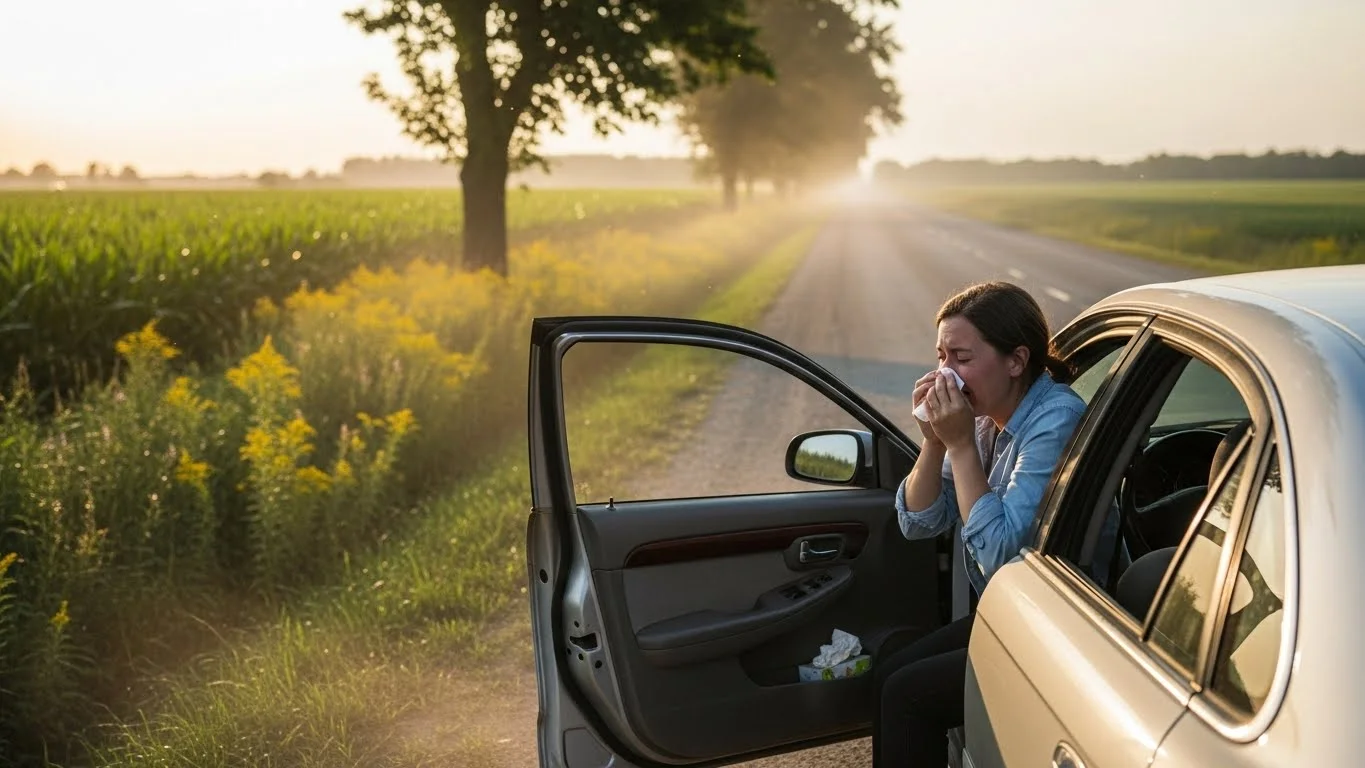
Pollen is perhaps one of the most recognized environmental allergens, especially in spring and fall. Trees, grasses, and weeds all release pollen into the air, which can trigger allergic reactions. I’ve noticed that during peak pollen seasons, I need to be extra cautious when planning outdoor activities. Checking local pollen counts has become a regular part of my pre-travel checklist.
Mold
Mold spores can thrive in damp, humid environments. If you’re traveling to areas with high humidity or near water bodies, mold can be a significant allergen. I once had a miserable experience in a cabin by the lake where the air was thick with mold spores. Now, I always check reviews for mold issues before booking accommodations.
Dust Mites
Dust mites are tiny creatures that live in household dust, and they can be a major problem, especially in hotels and older accommodations. I learned the hard way that even a seemingly clean room can harbor dust mites. I recommend bringing along allergen-proof covers for pillows and mattresses if you’re staying in unfamiliar places.
Animal Dander
For animal lovers like me, it can be tough to manage allergies to animal dander. Whether it’s a pet-friendly hotel or a friend’s house, dander from cats and dogs can trigger reactions. I’ve had to politely decline staying at friends’ homes when I knew their pets would be around. Instead, we now plan our visits when they can keep their pets away!
Air Pollution
Air pollution can be a hidden allergen. Cities with high pollution levels can exacerbate allergy symptoms, making it essential to be aware of air quality when traveling. I often check air quality indexes before and during my trips. On days when the air quality is poor, I try to limit outdoor activities and focus on indoor attractions instead.
Symptoms of Environmental Allergies
Common Symptoms to Watch For
Recognizing allergy symptoms is crucial for managing them effectively. I’ve experienced everything from sneezing and nasal congestion to itchy eyes and fatigue. Sometimes, it can be overwhelming, especially when you’re trying to enjoy a trip. Being proactive about understanding these symptoms can help us respond quickly and minimize their impact.
How Symptoms Can Vary by Allergen
Interestingly, the symptoms can vary significantly depending on the allergen. For example, pollen exposure often leads to sneezing and nasal congestion, while mold might cause more respiratory issues. I’ve learned to pay attention to how my body reacts to different environments and allergens. This awareness has helped me avoid triggers during my travels.
Preparing for Travel with Allergies
Consulting Your Doctor Before Traveling
Before setting out on a trip, I always consult my doctor, especially if I know I’ll be in a new environment. They can provide personalized advice and recommend medications based on my specific allergies. This step has been invaluable in ensuring I’m prepared for any potential allergic reactions.
Creating an Allergy Action Plan
Having an allergy action plan is something I highly recommend for anyone with environmental allergies. This plan includes information on my allergies, symptoms, and the steps to take if I have a reaction. It’s like having a safety net while traveling. I keep a digital copy on my phone and a printed version in my travel documents.
Essential Allergy Medications to Pack
Packing my allergy medications is a must-do before any trip. I make sure to include antihistamines, nasal sprays, and any prescribed medications. I’ve learned the hard way that running out of these essential items can turn a fun vacation into a miserable experience. Having them on hand allows me to manage my allergies effectively, no matter where I am.
Traveling by Car
Managing Allergies During Road Trips
Road trips can be a fantastic way to explore new places, but they can also present unique challenges for those of us with environmental allergies. I’ve taken my fair share of road trips, and I’ve learned that managing my allergies while on the road is just as important as planning the trip itself. Here are some strategies that have worked for me. Read Interesting article: Navigating Allergies While Traveling: Top Strategies Revealed
Keeping the Car Clean
One of the first things I do before hitting the road is to clean the car’s interior thoroughly. Dust and allergens can accumulate quickly in vehicles, especially if you travel with pets or have a habit of leaving windows down. I vacuum the seats and floors and wipe down surfaces with a damp cloth. It’s surprising how much of a difference it makes! I also keep a small trash bag handy to avoid clutter, which can trap more dust. A clean car gives me peace of mind and helps reduce my allergy symptoms during the journey.
Using Air Purifiers
Investing in a portable air purifier has been a game-changer for my road trips. I plug it into the car’s power outlet, and it helps filter out dust, pollen, and other allergens while we drive. I’ve noticed that having the purifier running makes the air feel fresher and reduces my sneezing fits significantly. It’s a small addition to our travel gear, but it’s made a big impact on my comfort level.
Choosing the Right Route
When planning our road trips, I often consider the routes we take. I try to avoid high-pollen areas during peak seasons and steer clear of heavily polluted cities. I’ve found that using navigation apps can help me choose less congested routes with better air quality. It might take a bit of extra time to map out the journey, but it’s worth it to keep my allergies in check.
Traveling by Air
Airplane Allergen Exposure
Flying can be a whole new ballgame when it comes to allergies. The confined space of an airplane can make it challenging to avoid allergens. I’ve had my share of experiences where I’ve been seated next to someone with a strong perfume or cologne, which triggered my allergies. I always try to be strategic about my seating choice and board as early as possible to avoid crowds.
Pre-Flight Preparations
Before flying, I make sure to check the airline’s policies on allergens. Some airlines allow you to request a scent-free environment or notify the crew about my allergies. I also pack my allergy medications in my carry-on bag, ensuring they are easily accessible. I’ve learned that keeping my medication within reach can be a lifesaver in case I start feeling symptoms during the flight.
In-Flight Allergy Management
Once I’m on the plane, I take a few additional steps to manage my allergies. I usually bring along a face mask, especially during flu season or if I know I’m sitting near potential allergens. It helps filter out some irritants in the air. I also stay hydrated throughout the flight, as dry cabin air can exacerbate my symptoms. I sip water regularly and sometimes use saline nasal spray to keep my nasal passages moist.
Accommodations and Allergies
Choosing Allergy-Friendly Hotels
Finding the right place to stay is crucial for a successful trip, especially if you have allergies. I always look for hotels that advertise themselves as allergy-friendly. Many places now offer rooms that have been specifically designed to reduce allergens, such as hypoallergenic bedding and air purification systems. I’ve found that investing a little extra time in researching accommodations can lead to a much more comfortable stay.
Communicating Your Needs
When booking a hotel, I make it a point to communicate my allergies to the staff. I let them know about any specific concerns, whether it’s mold, dust mites, or cleaning products. Most hotel staff are understanding and willing to accommodate my requests. I remember a trip where I explained my allergies, and they upgraded us to a room that had been deep-cleaned and aired out. It felt like a win-win!
Allergy-Free Room Options
Some hotels even offer allergy-free room options. These rooms typically have special cleaning protocols and may include features like hardwood floors instead of carpets, which can trap allergens. I always read reviews and do a little research to find these options. They give me a sense of relief knowing that I’m minimizing my exposure to allergens while traveling.
Outdoor Activities and Environmental Allergies
Identifying High-Pollen Areas
Outdoor activities can be a double-edged sword for allergy sufferers. On one hand, I love being outside, but on the other hand, I need to be careful about where I go. Before I venture into nature, I check pollen forecasts for the area. I’ve learned that some parks and hiking trails can have high pollen counts, especially during certain times of the year. Planning ahead helps me choose the best spots for enjoying the great outdoors.
Best Practices for Outdoor Activities
I’ve developed some best practices for enjoying outdoor activities while managing my allergies. For example, I prefer early morning or late afternoon outings when pollen counts are generally lower. I also make sure to shower and change clothes after outdoor activities to remove any pollen that may have clung to me. These small habits make a big difference in my overall comfort and enjoyment during trips.
Timing Your Activities
Timing is everything when it comes to managing allergies outdoors. I’ve learned that planning activities during times when pollen levels are lower can enhance my experience. Midday is usually the worst time for pollen, so I aim for morning hikes or evening walks when I know pollen is less of an issue.
Wearing Protective Gear
Investing in protective gear, like sunglasses and wide-brimmed hats, has been a game-changer for me. These items help shield my eyes from pollen and provide a barrier against allergens while I’m outdoors. I also carry a bandana or scarf to cover my nose and mouth when I anticipate being in high-pollen areas. It may look a bit quirky, but it definitely helps reduce my symptoms!
Food Allergies While Traveling
Identifying Potential Food Allergens
Traveling with food allergies adds another layer of complexity to our adventures. I always take it upon myself to do some homework before heading to a new destination. This involves researching local cuisines and common allergens in the region. For example, I learned that some cultures use nuts and seafood more frequently in their dishes. Knowing this helps me navigate menus more confidently. I also find it helpful to use allergy apps that provide information about specific foods and their ingredients when I’m on the go. This way, I can be prepared and minimize the chances of encountering something that could trigger a reaction.
Communicating with Restaurant Staff
One of the most important steps in managing food allergies while traveling is effective communication with restaurant staff. I’ve had experiences where I had to explain my allergies in detail to ensure my meal is safe. I usually start by mentioning my allergies clearly and asking about their protocols for handling such requests. In some cases, I even write down my allergies, which helps the staff understand better. I remember a time in Italy when I had to explain that I couldn’t have gluten in my pasta. The waiter was incredibly accommodating and even brought the chef out to discuss alternatives with me. It made me feel much more secure about dining out.
Post-Travel Allergy Management
Recognizing Symptoms After Travel
Once I return home from a trip, I’ve learned to be vigilant about any lingering allergy symptoms. Sometimes, exposure to allergens in unfamiliar environments can trigger reactions that don’t show up until I’m back in the comfort of my own space. I monitor myself for symptoms like sneezing, headaches, or skin irritations. It’s a good idea to keep a journal of my experiences and any reactions I might have had during the trip. This helps me identify patterns and understand which places or activities might have been problematic for my allergies.
When to Seek Medical Attention
Knowing when to seek medical attention is crucial, especially after traveling. I’ve been in situations where I brushed off mild symptoms, only to have them escalate. If I experience severe reactions such as difficulty breathing, swelling, or persistent hives, I don’t hesitate to seek help. In my experience, it’s better to err on the side of caution. After a trip that left me with unexpected symptoms, I learned to always have my doctor’s contact information handy, just in case I needed to consult them about my allergy management after traveling. It gives me peace of mind knowing that I can get the help I need.
Resources for Allergy Sufferers on the Road
Mobile Apps for Allergy Management
In today’s digital age, there are many resources available for allergy sufferers, especially when traveling. I’ve found several mobile apps incredibly helpful for managing my allergies while on the go. Apps like “Ipiit” allow me to scan barcodes and find out if a food product contains allergens. This has saved me from potential mishaps in grocery stores and restaurants. I also use “My Allergies” to keep track of my triggers and symptoms, which helps me stay organized and informed while exploring new places.
Websites for Allergy Information
Several websites provide valuable information about allergies, including local allergen forecasts and travel tips. For instance, I often visit the Asthma and Allergy Foundation of America’s website, which offers resources tailored to travelers with allergies. They have sections dedicated to food allergies, environmental triggers, and how to stay safe while traveling. I recommend bookmarking these sites before embarking on a trip, as they can be invaluable when I need quick information.
Local Allergy Support Groups
Connecting with local allergy support groups during my travels has been another enriching experience. These groups often offer advice, share experiences, and provide recommendations about allergy-friendly places in the area. Before visiting a new city, I search for local support groups on social media or forums. I remember reaching out to a group in Portland that provided me with a list of restaurants that cater to food allergies. It’s comforting to know that there are communities out there willing to help fellow allergy sufferers navigate their travels.
Frequently Asked Questions
What are environmental allergies?
Environmental allergies are reactions our bodies have to substances in the environment, where the immune system mistakenly identifies these normally harmless substances as threats, leading to various symptoms ranging from mild discomfort to severe reactions.
What are some common environmental allergens?
Common environmental allergens include pollen, mold, dust mites, animal dander, and air pollution. Being aware of these allergens can help in preparing for trips and avoiding discomfort.
How can I prepare for travel with allergies?
Before traveling, it’s important to consult your doctor for personalized advice, create an allergy action plan, and pack essential allergy medications such as antihistamines and nasal sprays.
What steps can I take to manage allergies during road trips?
To manage allergies during road trips, keep the car clean, invest in a portable air purifier, and choose routes that avoid high-pollen areas and heavily polluted cities.
How can I manage allergies when flying?
To manage allergies while flying, check the airline’s policies on allergens, pack allergy medications in your carry-on, consider wearing a face mask, and stay hydrated during the flight.
What should I look for when choosing accommodations for allergy management?
When choosing accommodations, look for allergy-friendly hotels that offer hypoallergenic bedding and air purification systems, and communicate your specific allergies to the hotel staff.
How can I enjoy outdoor activities with environmental allergies?
To enjoy outdoor activities with allergies, check pollen forecasts, plan activities during times when pollen levels are lower, shower and change clothes after being outdoors, and wear protective gear like sunglasses and hats.
What should I do if I experience allergy symptoms after traveling?
After traveling, monitor yourself for any lingering allergy symptoms and keep a journal of your experiences. If severe reactions occur, such as difficulty breathing or persistent hives, seek medical attention promptly.
How can mobile apps help with allergy management while traveling?
Mobile apps can assist with allergy management by providing information on food allergens, tracking triggers and symptoms, and offering local allergen forecasts, which can be invaluable during travels.
Are there resources available for allergy sufferers on the road?
Yes, there are several resources available for allergy sufferers, including mobile apps for tracking allergens, websites that provide allergy information and forecasts, and local allergy support groups that offer advice and recommendations.
Traveling with a nut allergy can feel daunting, but it doesn’t have to be. Join me on a journey to explore budget-friendly destinations where nut allergy safety meets adventure! Read Interesting article: Top Budget Travel Destinations for Active Toddlers
Nut allergies are more common than you might think. They can cause serious reactions, ranging from mild hives to life-threatening anaphylaxis. For me, discovering my nut allergy was life-changing. It meant redefining how I approached food, especially when traveling. A nut allergy typically involves an immune response to substances found in nuts, like peanuts and tree nuts. This means that even small traces of nuts can trigger a reaction. Understanding this was crucial for my travels, and I realized how important it is to be well-informed.
Impact of Nut Allergies on Travel
Traveling with a nut allergy can be challenging. I’ve experienced anxiety about food while exploring new places. The fear of cross-contamination or accidentally consuming a nut product can be overwhelming. I learned that many countries and cultures have different food norms. In some places, nuts are a common ingredient, while in others, they might be less prevalent. This discrepancy can significantly impact our travel plans, as I found myself needing to research destinations that prioritize allergy awareness. Read Interesting article: Top 10 Budget Travel Destinations for Toddler-Friendly Fun
Importance of Allergy-Friendly Travel Destinations
When planning trips, finding allergy-friendly destinations became a priority for me. It’s not just about enjoying new foods; it’s about ensuring my safety and peace of mind. Countries that are aware of nut allergies not only provide safe dining options but also promote a culture of understanding and accommodation. I realized these destinations allow travelers like myself to explore freely without the constant worry of allergic reactions. Finding a place that prioritizes allergy safety can make all the difference, turning a potentially stressful experience into a delightful adventure.
Key Considerations for Budget Travelers with Nut Allergies
Researching Allergy-Friendly Restaurants
Before I travel, I spend a good amount of time researching restaurants that cater to my dietary restrictions. Online forums, app reviews, and websites dedicated to allergy-friendly dining have become my best friends. I often check websites like Allergy Eats and TripAdvisor, where I can filter restaurants based on their allergy accommodations. I remember my trip to Toronto, where I found a lovely café that was not only nut-free but also had delicious gluten-free options. The staff was knowledgeable about allergies, making me feel safe to enjoy my meal.
Packing Safe Snack Options
One thing I never compromise on is packing my own snacks. I always carry a stash of safe snacks like fruit, granola bars, or homemade treats. This way, I’m prepared for long travel days or times when I can’t find a suitable place to eat. During my last trip to the UK, I packed nut-free trail mix and protein bars. Having these snacks on hand eased my anxiety about finding food while on the go, and I could focus on enjoying my vacation. Plus, it saved me money and ensured I stayed nourished.
Communicating Allergies While Traveling
Communication is key when it comes to nut allergies. I’ve learned to be upfront about my allergy, whether I’m at a restaurant or staying with friends. I always carry a card that lists my allergies in the local language, which I found incredibly helpful during my adventures in Japan. The language barrier can be intimidating, but having that card made it easier for me to communicate my needs. When dining out, I make sure to ask questions and clarify how my food is prepared. This proactive approach helps me feel more secure about my meals.
Top Budget-Friendly Destinations for Nut Allergy Sufferers
1. Canada
Allergy-Friendly Cities: Toronto and Vancouver
Canada is a fantastic destination for budget travelers with nut allergies. Cities like Toronto and Vancouver are known for their diverse food scenes and allergy awareness. I remember dining at a food market in Toronto, where many vendors offered clear labeling and were willing to customize dishes. Everyone I interacted with was friendly and accommodating, which added to the charm of my trip.
Local Cuisine and Safe Dining Options
Canadian cuisine is varied, with many restaurants committed to providing allergy-friendly options. I loved trying poutine without nuts, and the fresh seafood in Vancouver was a delight! Their commitment to food safety extended to understanding my allergies, making it a stress-free experience for me.
2. United Kingdom
London’s Allergy-Friendly Restaurants
The UK, particularly London, is another great place for nut allergy sufferers. The city has made significant strides in allergy awareness. Some restaurants even have specific allergy menus. I was thrilled to find a restaurant that offered a full allergen guide, allowing me to choose with confidence.
Exploring Allergy Awareness in the UK
Many places in the UK are aware of food allergies, and I found that staff were generally well-trained to handle such concerns. My experience in London was seamless, from street food markets to fine dining. Knowing I could enjoy the local cuisine without constant worry was liberating.
3. Australia
Melbourne and Sydney: Safe Travel Tips
Australia’s major cities, like Melbourne and Sydney, embrace food safety, making them ideal for travelers with nut allergies. As I explored Melbourne’s coffee culture, I discovered many cafes that took allergies seriously, offering nut-free options and clear ingredient lists.
Popular Allergy-Friendly Foods
In Australia, I found that local cuisine is not heavily reliant on nuts, which was a relief. I enjoyed fresh seafood, vibrant salads, and plenty of vegetarian options without worrying about nuts sneaking into my meals. It made my dining experience enjoyable and stress-free.
4. Japan
Understanding Japanese Cuisine and Allergies
Traveling to Japan opened my eyes to a whole new world of flavors while navigating my nut allergy. Japanese cuisine tends to use fewer nuts, but cross-contamination can be a concern. Luckily, many restaurants are willing to accommodate allergies, especially if you communicate your needs.
Safe Eating in Tokyo and Kyoto
In bustling Tokyo, I found that many establishments offered allergy-friendly options, but it was essential to be clear about my restrictions. I learned to enjoy sushi, soba noodles, and other dishes while ensuring they were prepared without nuts. The culinary adventure was thrilling and safe!
5. New Zealand
Allergy Awareness Across the Islands
New Zealand is another destination I found welcoming for those with nut allergies. The country prides itself on its fresh produce and seafood, which are often simple and nut-free. I felt comfortable exploring both the North and South Islands, knowing I could find safe meals.
Must-Visit Allergy-Friendly Eateries
During my travels, I discovered several eateries that offered clear allergen menus. The staff at these places were always eager to accommodate my needs, which made dining enjoyable and stress-free. I relished the opportunity to try local dishes without fear. Read Interesting article: Memory Development: Best Budget Travel Destinations for Kids
Cost-Saving Tips for Traveling on a Budget
Finding Affordable Accommodation
When it comes to traveling on a budget, finding a place to stay that doesn’t break the bank is essential. I’ve learned that options like hostels, budget hotels, or even Airbnb can be both wallet-friendly and comfortable. When booking my accommodations, I always look for places that offer kitchen facilities. This way, I can prepare my own meals, ensuring they are nut-free and safe for me. I remember staying in a cozy Airbnb in Barcelona with a fully equipped kitchen. I enjoyed whipping up breakfast each morning with local produce, which not only saved money but also let me control what I was eating. Plus, cooking at home allows me to experiment with local ingredients, making my culinary adventures even more exciting.
Using Public Transportation
Traveling around a new city can be daunting, especially when you’re already managing a nut allergy. However, I found that using public transportation is a fantastic way to save money while also getting a sense of the local culture. In cities like London and Tokyo, the public transit systems are efficient and easy to navigate. I remember hopping on the Tube in London, which not only saved me money but also offered a glimpse into the everyday life of locals. Plus, using public transport means you can spend your funds on experiences rather than on expensive taxi rides. I recommend downloading local transit apps to help plan your routes and keep track of schedules, making your travel experience smoother.
Budget-Friendly Activities and Attractions
One of the best parts about traveling is exploring new places, and there are countless budget-friendly activities out there! I love seeking out free or low-cost attractions, which often allow me to experience the culture without spending a fortune. For example, many cities have free walking tours that provide insight into the local history. In Amsterdam, I participated in a free walking tour that took me through the city’s canals and historical sites without costing a dime. Local parks and markets can also be wonderful places to explore. I remember wandering through a farmer’s market in Melbourne, where I not only found fresh fruits and vegetables but also enjoyed the vibrant atmosphere. Always keep an eye out for free events, like festivals or concerts, which can add to your travel experience without adding to your budget.
Resources for Nut Allergy Travelers
Allergy-Friendly Travel Apps
Over the years, I’ve discovered several travel apps that have made managing my nut allergy much easier. Apps like “Ipiit” help you find allergy-friendly restaurants in various cities. I found it particularly useful during my trip to New York City when I was overwhelmed by the number of dining options. The app allowed me to filter by dietary restrictions, ensuring I only saw places that met my needs. Another great app is “AllergyEats,” which provides restaurant reviews specifically focused on allergy accommodations. I love the sense of community it fosters, as you can read experiences from fellow travelers like myself who share the same concerns.
Support Groups and Online Communities
Connecting with others who share similar experiences can be incredibly reassuring. I’ve found several online communities and support groups dedicated to nut allergy travelers. Websites like “Peanut Allergy” and forums on Facebook are great places to ask questions, share tips, and even discover travel companions. I once reached out to a group when I was planning a trip to Europe, and I received amazing recommendations for safe dining options and helpful packing lists. It’s comforting to know that there are people out there who understand what you’re going through and are willing to share their insights.
Allergy Information Websites and Blogs
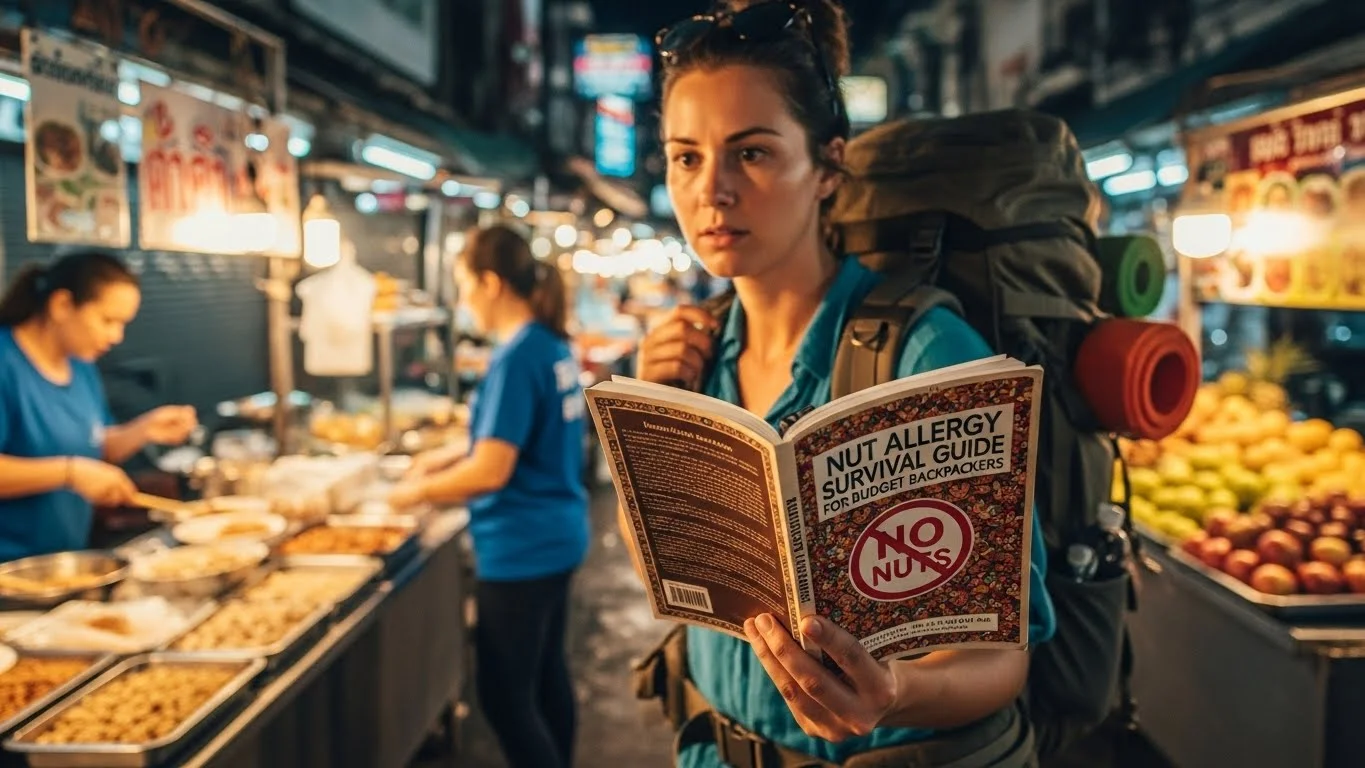
As someone who loves to research before embarking on a trip, I often turn to allergy information websites and blogs for the latest tips and advice. Websites like “Food Allergy Research & Education” (FARE) provide invaluable resources, including travel safety tips and latest food labeling laws in various countries. I also enjoy reading personal blogs from other travelers who have nut allergies. Their stories often inspire me and give me a peek into how they navigated their trips successfully. One blog I came across detailed a trip to Thailand where the author shared their experiences with food vendors and how to communicate allergy needs effectively. It not only provided practical advice but also made me excited about my own upcoming travels.
Personal Experiences and Testimonials
Travel Stories from Nut Allergy Travelers
Hearing firsthand accounts from fellow nut allergy travelers has been a game-changer for me. One story that stuck with me was from a friend who traveled to Italy. They shared how they used a translation card to communicate their allergies in restaurants, which allowed them to enjoy delicious pasta without fear. Their experience reassured me about traveling in a country known for its rich culinary tradition. It highlighted the importance of preparation and proactive communication in ensuring a safe and enjoyable dining experience.
Lessons Learned and Tips for Future Trips
Every trip I take teaches me something new about managing my nut allergy. One lesson I’ve learned is to always trust my instincts when it comes to food. If something feels off or if a restaurant seems unsure about their food preparation, I won’t hesitate to walk away. I also prioritize building relationships with restaurant staff—getting to know them can make a big difference in how my allergies are managed. I remember a small café in Paris where the chef took the time to chat with me about my allergies and even suggested modifications to the menu. It turned out to be one of my favorite dining experiences! With each journey, I continue to refine my approach, making travel with a nut allergy not just manageable but truly enjoyable.
Understanding Nut Allergies and Travel
What Are Nut Allergies?
Nut allergies are a response from our immune system to proteins found in nuts, which can lead to reactions from mild discomfort to severe health risks. For me, this meant constantly being mindful of not just what I ate but where my food came from. It’s more than just avoiding nuts; it’s about understanding cross-contamination and hidden ingredients that may lead to an allergic reaction. I remember the first time I had an allergic reaction while traveling. It was a wake-up call that made me realize the importance of being vigilant. I learned that I had to carry my epinephrine auto-injector everywhere, especially when I was exploring new cuisines.
Impact of Nut Allergies on Travel
Traveling with a nut allergy can sometimes feel like you’re navigating a minefield. From choosing a restaurant to ordering a meal, I often feel a constant urge to double-check everything. I’ve had moments where I hesitated to try local delicacies out of fear. During my travels in Europe, I noticed that some cultures were more accommodating than others. In Italy, for instance, I found that many places were quite knowledgeable about food allergies, while in other locations, I had to advocate more strongly for myself. This experience taught me that the level of awareness about nut allergies can vary widely, influencing not just where I eat but how I approach my adventures.
Importance of Allergy-Friendly Travel Destinations
Finding allergy-friendly destinations has become a key part of my travel planning. I look for places where the locals understand and accommodate allergies, making my experiences less stressful and more enjoyable. I remember visiting Barcelona and discovering that many restaurants had clear allergen labels on their menus. This simple gesture made it easier for me to choose dishes without second-guessing. I realized that being in an environment where my safety is prioritized allows me to immerse myself fully in the culture, focusing on exploration rather than constant worry about food.
Key Considerations for Budget Travelers with Nut Allergies
Researching Allergy-Friendly Restaurants
Researching restaurants before I arrive has become a ritual for me. I dive deep into online reviews, forums, and apps dedicated to dining with allergies. For instance, I once used “Find Me Gluten Free” to locate a restaurant in Chicago that specialized in gluten and nut-free meals. The excitement of seeing so many positive reviews from fellow allergy sufferers made me feel confident about my choice. I recommend looking for local Facebook groups or community pages where travelers share their experiences about dining safely. These insights can be invaluable, as they often highlight hidden gems that are often overlooked.
Packing Safe Snack Options
Packing my own snacks has become a non-negotiable part of my travel routine. I can’t tell you how many times my snacks saved the day! During a long layover in an airport, I found myself reaching for my stash of nut-free trail mix and energy bars. It was comforting to know I had something safe to eat while waiting to find a suitable meal. I usually focus on easy-to-carry options like dried fruits, rice cakes, or energy bars I make at home. These snacks not only keep me energized but also give me peace of mind when options are limited.
Communicating Allergies While Traveling
Effective communication about my nut allergy is crucial. I carry translation cards in different languages listing my allergies, which has proven to be a lifesaver in various countries. I recall dining at a small restaurant in Greece, where I handed the server my card. The look of understanding on their face reassured me that they took my concerns seriously. I also make it a habit to ask detailed questions about how food is prepared. This proactive approach helps me build rapport with restaurant staff and ensures they take my allergies into account.
Top Budget-Friendly Destinations for Nut Allergy Sufferers
1. Canada
Allergy-Friendly Cities: Toronto and Vancouver
Canada stands out as a haven for travelers with nut allergies. In Toronto, I found that many restaurants pride themselves on clear labeling and accommodating dietary restrictions. I remember one particular restaurant where the chef personally came out to discuss options with me. It was such a relief to feel that level of care and attention. Vancouver also offers a vibrant food scene with plenty of nut-free options paired with breathtaking views of the ocean and mountains.
Local Cuisine and Safe Dining Options
Exploring Canadian cuisine was exciting. From hearty dishes to fresh seafood, I was pleased to find many options that aligned with my dietary needs. I had a wonderful experience at a local diner that specialized in using fresh, seasonal ingredients, ensuring that their dishes were not only delicious but also safe. My favorite was a beautifully prepared salmon dish that came with a vibrant salad, all nut-free!
2. United Kingdom
London’s Allergy-Friendly Restaurants
The UK is another fantastic destination for those of us with nut allergies. In London, I found a plethora of restaurants that were not only allergy aware but also offered creative menus. I vividly recall enjoying a delightful afternoon tea where the staff was incredibly accommodating. They even provided a separate menu for allergy-friendly treats, which felt like a real treat!
Exploring Allergy Awareness in the UK
What struck me the most about my culinary journey in the UK was the level of training that staff received about allergies. I felt understood and cared for wherever I went. Whether it was a casual pub or a fine dining establishment, I found staff eager to help with allergy concerns, which made me feel comfortable trying traditional dishes without fear.
3. Australia
Melbourne and Sydney: Safe Travel Tips
Australia, particularly its vibrant cities like Melbourne and Sydney, has a reputation for being allergy-conscious. I loved exploring the coffee culture in Melbourne, where many cafes openly offer nut-free alternatives. It was a relief to find that I could enjoy a delicious cup of coffee without the worry of cross-contamination. I even discovered a café that specialized in vegan, nut-free pastries, which was a delightful surprise!
Popular Allergy-Friendly Foods
While exploring Australia’s diverse food scene, I found that many local dishes are naturally nut-free. I indulged in fresh seafood, hearty meats, and flavorful vegetarian options. The abundance of fresh produce made it easy for me to enjoy healthy meals without compromising my safety.
Frequently Asked Questions
“`html
What are nut allergies?
Nut allergies are an immune response to proteins found in nuts, which can lead to reactions ranging from mild discomfort to severe health risks, including anaphylaxis.
How do nut allergies impact travel?
Traveling with a nut allergy can be challenging due to the anxiety about food safety, fear of cross-contamination, and the need to navigate different food norms across cultures.
Why is it important to choose allergy-friendly travel destinations?
Choosing allergy-friendly destinations ensures safety and peace of mind, allowing travelers to enjoy local cuisines without the constant worry of allergic reactions.
What should budget travelers with nut allergies consider when dining out?
Budget travelers should research allergy-friendly restaurants, pack safe snacks, and communicate their allergies clearly to ensure safe dining experiences.
What are some recommended budget-friendly destinations for travelers with nut allergies?
Recommended destinations include Canada (Toronto and Vancouver), the United Kingdom (London), Australia (Melbourne and Sydney), Japan, and New Zealand, all of which offer allergy-aware dining options.
How can I research allergy-friendly restaurants before traveling?
Research can be done through online forums, app reviews, and websites like Allergy Eats and TripAdvisor, which allow filtering restaurants based on allergy accommodations.
What types of snacks should I pack for travel?
Safe snack options include fruit, granola bars, nut-free trail mix, and homemade treats to ensure nourishment and peace of mind during travel.
How can I effectively communicate my nut allergy while traveling?
Carrying a card that lists allergies in the local language and asking detailed questions about food preparation can help communicate one’s needs effectively.
What are some cost-saving tips for traveling on a budget with a nut allergy?
Finding affordable accommodations with kitchen facilities, using public transportation, and seeking out free or low-cost attractions can help travelers save money while exploring.
What resources are available for travelers with nut allergies?
Resources include allergy-friendly travel apps like Ipiit and AllergyEats, support groups, online communities, and allergy information websites that provide tips and advice for safe dining.
“`
Traveling with a nut allergy can feel daunting, especially for budget backpackers. Fear not! With the right knowledge and preparation, you can enjoy your adventures without breaking the bank or risking your health. To start, consider checking out budget travel: nut allergy-friendly destinations for helpful insights.
Nut Allergy Survival Guide for Budget Backpackers
Understanding Nut Allergies
What is a Nut Allergy?
Having a nut allergy means your immune system mistakenly identifies proteins found in nuts as harmful. When exposed, it can trigger an allergic reaction, which varies in severity from mild hives to life-threatening anaphylaxis. I remember the first time I realized I had a nut allergy: one bite of a cookie led to an itchy rash and a frantic trip to the pharmacy. Understanding this allergy is crucial for anyone, especially when you’re traveling.
Common Types of Nut Allergies
Nut allergies are classified into two main categories: tree nuts and peanuts. Tree nuts include almonds, walnuts, hazelnuts, cashews, and more. Peanuts, on the other hand, are legumes but are often grouped with nuts due to similar allergic reactions. I’ve met many fellow travelers who are allergic to one or both types, and it’s essential to know which nuts you need to avoid. Some people, like my friend Sarah, are only allergic to tree nuts but can eat peanuts, while others have a broader range of allergies.
Symptoms of Nut Allergies
The symptoms of nut allergies can manifest quickly, sometimes within minutes of exposure. I’ve experienced everything from mild gastrointestinal discomfort to swelling around my lips. Common symptoms include:
Itching or tingling in the mouth
Hives or rash
Swelling of the lips, tongue, or face
Difficulty breathing or wheezing
Stomach cramps, nausea, or vomiting
Anaphylaxis, which requires immediate medical attention
Knowing these symptoms can be vital while traveling, especially if you’re in an unfamiliar environment. I always keep an eye out for signs, not just for myself but for friends I travel with, just in case they have any allergies too.
Diagnosing Nut Allergies
Diagnosing a nut allergy typically involves a combination of medical history, skin tests, and blood tests. If you suspect you have a nut allergy, I highly recommend visiting an allergist. Early diagnosis can save you from serious health issues down the line. I had a skin prick test, and while it was uncomfortable, it provided me with clarity. That clarity allowed me to plan my travels without the constant worry of what I might accidentally eat.
Preparing for Your Trip
Researching Destinations: Safe vs. Risky Areas
Before I head to a new place, I like to research it thoroughly. I look for destinations known for being nut-friendly or those with a culture that understands food allergies. Places like Japan and Thailand have great food labeling practices, while others may not be as informed. Websites, forums, and travel blogs can provide insights into which areas are safer for travelers with nut allergies. I once found a fantastic community of travelers where we shared our experiences, and it made planning my trip so much easier. For more tips, check out backpacking with nut allergies: safe travel tips & guides.
Choosing Nut-Free Accommodation
When booking accommodations, I always make sure to ask about their policies regarding food allergies. Some hostels and hotels are more accommodating than others. I’ve sent emails ahead of time to inquire about their ability to provide nut-free meals or to ensure that shared kitchen areas are properly cleaned. I remember staying at a hostel in Europe that was super understanding and even offered to prepare my meals separately, which made my stay much more enjoyable.
Budget-Friendly Travel Insurance Options
Travel insurance is a must for anyone with a nut allergy. Medical emergencies can happen at any time, even when we’re being extra cautious. I always look for budget-friendly travel insurance that covers food allergies specifically. Some policies will reimburse you for medical expenses related to allergic reactions, which can save you a lot of stress and money. I learned this the hard way after a trip where I didn’t have coverage. Never again!
Packing Essentials for Nut Allergy Safety
Nut-Free Snacks and Meal Prep Ideas
Packing the right snacks can make a world of difference when traveling with a nut allergy. I’ve learned that having my own food on hand not only keeps me safe but also saves money. I usually bake a batch of nut-free energy bars before my trip. They’re easy to carry and provide a great energy boost when I’m exploring a new city. I often use ingredients like oats, seeds, dried fruits, and honey. These bars have become a staple in my travel bag.
Other snack ideas include fruit, popcorn, and rice cakes. When I’m at a grocery store, I also look for nut-free granola or protein bars. I always read the labels to ensure they haven’t been processed in a facility that handles nuts. It’s a bit of work, but knowing I have safe snacks keeps my mind at ease and my stomach happy.
Emergency Allergy Medication and First Aid Kit
Bringing my emergency allergy medication is non-negotiable. I never leave home without my epinephrine auto-injector. I keep it in an easily accessible spot in my backpack. During my last trip, I even made a small first aid kit that included my auto-injector, antihistamines, and some basic supplies like band-aids and antiseptic wipes. It made me feel more secure knowing I had everything I needed in case of an emergency.
In addition, I always carry a letter from my doctor that explains my allergy and the medications I take. It has proven helpful when I needed to explain my situation to medical personnel in a foreign country. I once had to show it to a doctor while traveling, and it definitely made communication smoother.
Identifying Safe Utensils and Containers
When it comes to utensils and containers, I’ve discovered that choosing the right ones can help minimize cross-contamination risks. I like to pack my own set of utensils made from stainless steel or bamboo. These are easy to clean and can be used at restaurants or when enjoying my own meals. I also bring a reusable container for leftovers, which is especially handy for storing food when I dine out.
Additionally, I always travel with a silicone or glass food storage bag. They’re perfect for snacks, and I feel better knowing they are free from any nut residue. I remember a time when I used a shared container, and I ended up getting a reaction because it hadn’t been cleaned properly. That taught me to be more cautious, and now I avoid any shared utensils or containers whenever possible.
Navigating Food Options While Traveling
Reading Food Labels: What to Look For
Reading food labels is an essential skill for anyone with a nut allergy. I’ve become quite adept at it over the years, and it’s something I do religiously when traveling. In many countries, food labeling laws vary widely. I remember being surprised at how detailed labels were in Europe compared to some places in Asia. I always look for phrases like “may contain traces of nuts” or “processed in a facility that handles nuts.” If I see those warnings, I put the item back on the shelf.
When I’m in a new country, I often take the time to familiarize myself with local brands and their labeling practices. Sometimes, I even take pictures of labels on foods I can’t eat, so I can show them to locals if I’m unsure about a specific item. It’s a small effort that pays off big time in keeping me safe.
Communicating Your Allergy: Key Phrases in Different Languages
One of the biggest challenges I face while traveling is effectively communicating my nut allergy. I always learn a few key phrases in the local language, which has been a game changer for me. Phrases like “I am allergic to nuts” or “Does this contain nuts?” have helped me gain confidence when ordering food. In Italy, for instance, I practiced asking “Questo contiene noci?” which means “Does this contain nuts?”
Some of my friends have used translation apps to help them communicate their allergies more effectively. While I prefer to memorize a few phrases, I’ve seen how handy it can be to have a tool like that at my disposal. I also carry a card in my wallet that outlines my allergies in multiple languages, which I can show to restaurant staff if needed.
Safe Eating Out: Tips for Choosing Restaurants
When I’m exploring a new city, choosing the right restaurant can make or break my experience. I often look for places that have clear allergy policies or ones that advertise themselves as allergy-friendly. I remember walking into a small eatery in Thailand that proudly displayed “nut-free” signs, and I felt instantly at ease.
Before sitting down, I usually check online reviews to see what other allergy sufferers have said about the place. It’s reassuring to hear about others’ positive experiences, and it helps me feel more confident about dining there. I’ve also started using apps that filter restaurants by dietary restrictions, which has made my life so much easier. If you’re also interested in gluten-free options, consider reading about backpacking on a gluten-free diet: your ultimate guide.
Finding Nut-Free Grocery Stores and Markets
Finding safe grocery stores while traveling can feel like a treasure hunt. I often do some research online before I arrive at my destination or ask locals for recommendations. Farmers’ markets can also be a great option. I enjoy exploring local produce and sometimes even chat with vendors about their products, ensuring there are no nuts involved. On one trip to Spain, I stumbled upon a farmer’s market where the sellers were incredibly accommodating and assured me their products were nut-free.
Whenever I can, I try to stock up on safe ingredients for quick meals. Having access to fresh fruits, vegetables, and grains allows me to prepare my food when dining options are limited. It’s a fun and healthy way to experience the local culture, too!
Staying Safe on the Road
Emergency Protocols: What to Do in Case of an Allergic Reaction
When traveling, it’s crucial to have a clear plan in case of an allergic reaction. I always review my emergency protocols before I leave for a trip. If I accidentally ingest something I’m allergic to, I know the first step is to stay calm. Panic doesn’t help anyone! I carry my epinephrine auto-injector and antihistamines at all times, and I make sure that I know how to use them.
In the event of a severe reaction, I’ve learned to use the auto-injector immediately and then seek medical help. I try to memorize the nearest hospital or clinic locations before arriving at my destination, so I’m not scrambling to find one in an emergency. I also recommend having a personal allergy action plan written down in your wallet or backpack, detailing your allergy, medications, and emergency contacts. I once had to show this to a doctor in a foreign country, and it was incredibly helpful in ensuring I received the proper care.
Traveling with a Buddy: The Importance of Having Support
Traveling with a buddy can be a game changer when managing a nut allergy. I’ve found that having someone with me who understands my allergies makes a huge difference. They can help remind me to check labels or ask about ingredients when we’re at a restaurant. During a trip to Italy, my friend Emily was super supportive. She would always keep an eye out for nut-related items on the menu and was great about asking questions on my behalf.
It’s also comforting to know that someone is there to assist me if a reaction occurs. I remember one time when I had a slight reaction after eating something I thought was safe. Having Emily there helped me stay calm and focused on what to do next. So, if you can, travel with someone who understands your situation, as it can lighten the load and provide a safety net when exploring new places.
Staying Informed: Local Allergy Resources and Contacts
Before I travel, I always look up local resources that can help me manage my nut allergy. This includes finding out if there are allergy-friendly restaurants or support groups in the area. I’ve used online platforms to research and connect with local communities that understand food allergies. You can often find local groups on social media or forums that share tips and experiences. I remember connecting with a Facebook group before a trip to France, and it turned out to be incredibly useful. The members shared their favorite allergy-friendly spots and even offered to meet up to share a meal.
Additionally, I’ve found it helpful to have contact information for local allergists or hospitals saved on my phone in case I need to seek medical assistance. Just knowing that these resources are available gives me peace of mind while I’m traveling. I also recommend downloading any relevant allergy apps that provide local emergency contacts and resources. Having everything at my fingertips makes me feel more secure and prepared for any situation.
Community and Support for Nut Allergy Sufferers
Online Forums and Resources for Travelers
One of the best things I’ve discovered is the wealth of information available in online forums dedicated to travelers with nut allergies. Engaging with others who understand what I’m going through has been invaluable. I frequent websites where fellow travelers share their experiences, tips, and even specific restaurant recommendations. These forums often have sections where you can ask questions and get advice tailored to your destination.
I remember asking for advice on traveling to Southeast Asia and received an overwhelming amount of support from people who had been there before. Their insights about safe street food options and restaurants that cater to allergies helped me immensely. Being part of an online community not only provides practical advice but also offers emotional support, reminding me that I’m not alone in this journey.
Connecting with Local Allergy Support Groups
Whenever I arrive in a new city, I make it a point to look for local allergy support groups. Many cities have organizations that focus on food allergies, and they can provide resources and support for travelers. I once attended a meeting of a local allergy group in San Francisco, where I met many people who shared their stories and coping strategies. It was encouraging to hear others talk about their experiences, and I picked up some great tips on navigating the local food scene.
Often, these groups host events or workshops that can be quite beneficial. They may even have local contacts who can guide you to safe places to eat or shop. Plus, it’s a nice way to make friends who understand the challenges of living with a nut allergy. I believe that building connections with local communities not only enhances my travel experience but also helps me feel more secure in my choices.
Budgeting for Nut Allergy Needs
Cost-Effective Nut-Free Food Options
Finding safe and affordable food options while traveling can be a challenge, but it’s entirely possible with some planning. I often seek out local markets or grocery stores where I can find fresh produce and staple ingredients. I remember being in a small village in Italy and discovering a local market that sold fresh fruits, vegetables, and grains at reasonable prices. I stocked up on items I knew were safe, and it allowed me to prepare some meals myself, which saved money.
I also like to look for local restaurants that offer budget-friendly options while ensuring they are allergy-aware. Often, smaller eateries may be more accommodating than larger chains. It’s worth asking about their practices, and many times I’ve found that they are more than willing to tailor a meal to meet my needs. By being resourceful and exploring local food options, I’ve managed to stick to my budget while staying safe.
Affordable Allergy-Friendly Restaurants
Eating out doesn’t have to break the bank, even with a nut allergy. I’ve discovered that many cities have affordable allergy-friendly restaurants. I often search for cafes or eateries that specialize in allergy-free meals or that are known for their transparency in food preparation. I remember visiting a small café in Amsterdam that had a dedicated menu for allergy sufferers. Not only were the prices reasonable, but the staff was knowledgeable and understanding, making my dining experience enjoyable.
Additionally, I like to leverage travel apps that list allergy-friendly places. These apps often filter by dietary restrictions and provide user reviews, which helps me find budget-friendly options. Being proactive in researching restaurants ahead of time has saved me countless headaches and has allowed me to enjoy local cuisines without worrying too much.
Saving on Emergency Supplies and Medications
Managing a nut allergy while traveling can incur extra costs, especially when it comes to emergency medications. I’ve learned a few tricks to save money in this area. First, I always check if my health insurance covers my medications abroad. Some plans may provide partial reimbursements for emergency supplies, which can be a relief.
Another thing I do is to buy my medications in bulk before heading out, especially if I have a reliable pharmacy at home that offers discounts. I also look into local pharmacies in the area I’m visiting to see if they have competitive prices for allergy medications. On one trip, I found that a local pharmacy in Canada offered my antihistamines at a much lower price than I had paid back home. By being strategic and doing a little research, I’ve managed to save money on necessary supplies.
Travel Tips for Budget Backpackers with Nut Allergies
Booking Nut Allergy-Friendly Hostels
When it comes to accommodations, I always prioritize hostels that understand the needs of those with food allergies. I’ve had great experiences in hostels that cater to dietary restrictions, offering nut-free meals or kitchen facilities where I can safely prepare my food. Before booking, I recommend checking online reviews to see if previous guests have shared their experiences regarding food safety.
One time, I stayed at a hostel in Thailand that not only provided nut-free options but also had a communal kitchen where all the utensils were clearly labeled. This made it easy for me to prepare my meals without worrying about cross-contamination. Booking places that prioritize allergy awareness has made my travels more enjoyable and stress-free.
Using Apps to Find Allergy-Safe Food
In today’s digital age, leveraging technology can simplify the travel experience for those of us with nut allergies. I frequently use apps designed to help find allergy-friendly restaurants and food options. These apps often have filters for specific dietary needs, allowing me to search specifically for nut-free places. I remember using one during a trip to Australia, and it helped me locate a delightful café that served delicious nut-free meals.
Additionally, some apps provide user-generated reviews, making it easier to gauge how accommodating a restaurant might be. I’ve also seen communities forming around these apps, where travelers share their experiences and suggestions. They often become a lifeline when exploring new cities, giving me the confidence to try out local eateries without the constant worry of an allergic reaction.
Making the Most of Local Ingredients
When traveling, I like to immerse myself in the local food culture, and working with local ingredients can be a great way to do this safely. I enjoy visiting farmers’ markets to find fresh fruits and vegetables that I can incorporate into my meals. Shopping local not only supports the community but also allows me to connect with vendors who are often more than willing to discuss their products and confirm that they’re nut-free.
Cooking with local ingredients can also be an adventure. I once took a cooking class in Mexico where the chef was very accommodating of my allergy. We used fresh, local produce to create traditional dishes, and it was not only a safe experience but also one of my favorite travel memories. Learning how to prepare meals with what’s readily available in the area has enriched my travels and kept my food safe.
Frequently Asked Questions
What is a nut allergy?
A nut allergy occurs when the immune system mistakenly identifies proteins found in nuts as harmful, potentially triggering reactions that can range from mild hives to severe anaphylaxis.
What are the common types of nut allergies?
Nut allergies are categorized into two main types: tree nuts (such as almonds, walnuts, hazelnuts, and cashews) and peanuts, which, although legumes, are often grouped with nuts due to similar allergic reactions.
What are the common symptoms of nut allergies?
Common symptoms of nut allergies include itching or tingling in the mouth, hives or rash, swelling of the lips, tongue, or face, difficulty breathing, stomach cramps, nausea, vomiting, and severe reactions like anaphylaxis.
How can I prepare for a trip if I have a nut allergy?
To prepare for a trip, research destinations for their nut allergy awareness, choose accommodations that can accommodate food allergies, and ensure to pack nut-free snacks, emergency medication, and a first aid kit.
What should I do in case of an allergic reaction while traveling?
If experiencing an allergic reaction, stay calm, use your epinephrine auto-injector if necessary, and seek medical help immediately. It’s helpful to know the nearest hospital or clinic beforehand and to have an allergy action plan documented.
How can I communicate my nut allergy in different countries?
Learning key phrases in the local language, such as “I am allergic to nuts,” can help you communicate effectively. Additionally, carrying a card outlining your allergies in multiple languages can be beneficial when dining out.
What strategies can I use to find safe food options while traveling?
To find safe food options, read food labels carefully, look for allergy-friendly restaurants, ask locals for recommendations, and utilize apps that filter restaurants by dietary restrictions.
How can I save money while managing a nut allergy while traveling?
To save money, seek out local markets for fresh produce, choose budget-friendly allergy-aware restaurants, and consider buying emergency medications in bulk or checking local pharmacies for competitive prices.
What are some packing essentials for someone with a nut allergy?
Essentials include your emergency allergy medication (like an epinephrine auto-injector), a first aid kit with antihistamines, your own utensils and containers to avoid cross-contamination, and nut-free snacks for safe eating on the go.
Why is it important to travel with a buddy if you have a nut allergy?
Traveling with a buddy can provide support in managing your allergy, such as helping to check food labels and asking questions at restaurants, and can also offer assistance in case of an allergic reaction.
Uninvolved parenting, also known as neglectful parenting, is a style characterized by a significant lack of responsiveness and engagement with a child's emotional and developmental needs [1]. This...
5Permissive and authoritative parenting represent two distinct styles that significantly impact child development [1]. Permissive parenting is characterized by high warmth and low boundaries, while...