
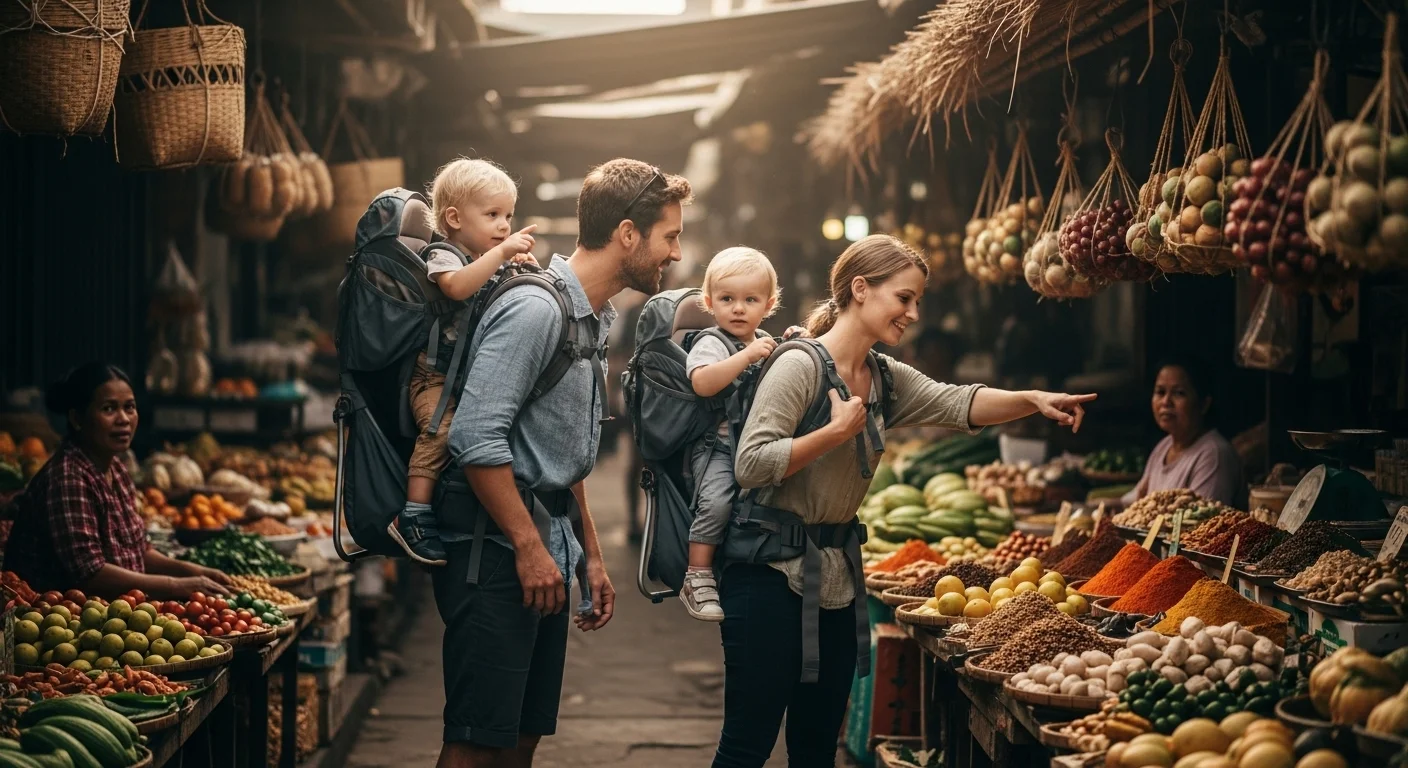
Backpacking with toddlers is an adventure unlike any other. Not only does it create lasting memories, but it also opens doors to language development in incredible ways.
Understanding the Importance of Language Skills for Toddlers
As a parent, I’ve come to realize that language skills are a crucial part of our toddlers’ growth. These skills are not just about learning words; they’re about connecting with the world around them. When we expose our little ones to different languages and cultures, we enrich their lives and provide them with tools they’ll use forever.
What are Language Skills?
Language skills refer to the ability to communicate effectively using spoken, written, and non-verbal forms. For toddlers, this means picking up words, understanding their meanings, and using them to express thoughts and emotions. I remember my own son, at just two years old, starting to mimic words he heard from other children and adults. It was fascinating to witness how he absorbed phrases and even picked up on the rhythm of different languages. As they grow, these skills evolve into more complex abilities, like storytelling and conversation. This foundational stage sets the tone for future learning and social interactions.
Benefits of Language Development in Early Childhood
The benefits of developing language skills in early childhood are immense. I’ve found that toddlers with strong language abilities not only communicate better, but they also tend to perform better academically as they enter school. Here are a few key benefits I’ve noticed:
- Enhanced Communication: When my daughter learned to express her needs and feelings, it reduced her frustration and tantrums. Effective communication leads to better emotional regulation.
- Cognitive Growth: Language skills are closely linked to cognitive development. Engaging in conversations helps toddlers think critically and understand complex ideas.
- Social Skills: Language is a social tool. As my kids interacted with others, I noticed how they developed empathy and understanding through conversations.
- Confidence: Mastering language boosts a child’s confidence. My children became more willing to engage with others, whether it was at the park or during our travels.
As we planned our backpacking trips, I kept these benefits in mind. I understood that immersing my toddlers in different languages could boost their language skills significantly. Traveling abroad isn’t just about sightseeing; it’s about creating authentic experiences that foster growth.
Preparing for Your Backpacking Adventure
Preparing to backpack with toddlers requires a bit of planning, but it’s absolutely worth it. I remember feeling a mix of excitement and anxiety before our first trip. Here’s how we made it work.
Choosing a Family-Friendly Destination
Choosing the right destination is crucial. I found that places with a rich cultural heritage and a welcoming attitude towards families made our trips enjoyable. Europe was an easy choice for us; cities like Barcelona and Paris are not only beautiful but also very accessible for families. I always recommend researching kid-friendly activities and local attractions to ensure that the destination is engaging for toddlers.
Essential Gear for Backpacking with Toddlers
When it comes to gear, I learned that packing light is key. I invested in a comfortable carrier for hikes and a sturdy stroller for city exploration. Snacks, a first-aid kit, and a few beloved toys were essential for keeping the kids happy during travel. One of my favorite items was a compact travel pillow; it worked wonders during long flights or train rides. Keeping our toddlers comfortable made all the difference in our experiences abroad. For more information on necessary items, check out Essential Baby Safety Gear for Backpacking Adventures.
Health and Safety Considerations
Health and safety were always at the forefront of my mind. I made sure to check travel advisories and healthcare options in the destinations we chose. Packing a small medical kit with basics like band-aids and children’s medication gave me peace of mind. I also took the time to familiarize myself with local emergency numbers and healthcare facilities. Knowing that I had a plan in case of illness or injury made me feel more secure while traveling.
Backpacking with toddlers can be an exhilarating experience filled with growth and learning. By preparing thoughtfully and thinking about the importance of language skills, I set the stage for enriching adventures that would benefit my children both now and in the future. As we traveled from one place to another, I couldn’t help but notice how each new word and interaction opened up a world of possibilities for my little ones.
Backpacking Destinations That Enhance Language Skills
Immersive Language Experiences in Europe
When I think about backpacking in Europe, the first thing that comes to mind is the incredible opportunities for language immersion. Each country has its own unique language and culture, providing a rich tapestry for my toddlers to learn from. For instance, during our time in Spain, I was amazed at how quickly my children picked up simple Spanish phrases like “gracias” and “por favor.” We visited local markets where the vendor would greet us with a cheerful “¡Hola!” and my kids would eagerly return the greeting. It was a heartwarming moment that made me realize how even the simplest interactions can spark a child’s interest in language.
One of my favorite experiences was in Paris, where we visited a quaint little café. While waiting for our pastries, I encouraged my daughter to try ordering in French. Her tiny voice chimed out “un croissant, s’il vous plaît!” I could see the delight in her eyes when the waiter responded positively. This not only boosted her confidence but further motivated her to learn more. I’ve found that Europe is not just about sightseeing; it’s about creating an environment where children can play with language while enjoying the sights.
Exploring Cultures in Asia
Asia, with its diverse languages and cultures, offers another fantastic opportunity for language development. During a trip to Japan, I was struck by how my children engaged with the language and culture. We visited a local festival where we encountered traditional music, dance, and food. I decided to teach my kids a few basic Japanese words, like “arigatou” (thank you) and “konnichiwa” (hello). I noticed that using these phrases made the locals light up with joy. It was a beautiful reminder of how language can bridge cultural gaps.
We also enjoyed a visit to a children’s museum in Tokyo where interactive exhibits were often bilingual. My kids loved playing with the different activities, which were designed to encourage language use. I believe that this hands-on approach to learning made the language lessons stick with them, turning them into little adventurers eager to explore more. Traveling in Asia taught me that immersing toddlers in different languages can happen through fun experiences, turning every moment into a learning opportunity.
Engaging with Local Communities in South America
South America was another eye-opening chapter in our backpacking journey. The vibrant cultures and languages offered us numerous chances to engage with locals. In Argentina, I remember sitting in a plaza, watching street performers while my kids danced along. We met a friendly local family who invited us to join them for a traditional meal. As we shared stories and laughter, my children picked up simple phrases in Spanish, like “¡Vamos a jugar!” (Let’s play!).
What stood out to me was how welcoming local communities were to my children. They were eager to teach them new words and customs, creating an enriching experience that transcended language barriers. I’ve learned that engaging with locals can turn a simple trip into a language-rich adventure. By incorporating these cultural interactions, my children not only learned new words but also embraced the joy of learning through real-life experiences.
As we traveled from Europe to Asia and South America, each destination offered unique chances to enhance my toddlers’ language skills. These immersive experiences were not just about hearing new words; they were about understanding the heart and soul of different cultures. I realized that every trip was an opportunity to cultivate curiosity and open our children’s minds to the beauty of language.
Activities to Boost Language Skills While Traveling
Interactive Learning through Play
One of the most effective ways I found to boost my toddlers’ language skills while traveling was through interactive play. Toddlers learn best when they are engaged and having fun. During our trips, I made it a point to incorporate games that involved language. For example, we played simple word games, like I Spy, using the local language. This not only kept my children entertained but also encouraged them to pay attention to their surroundings.
In parks or playgrounds, I noticed that my kids would often interact with local children. I encouraged them to join in on games, using the local language whenever possible. Whether it was a game of tag or a simple ball toss, these playful interactions helped them pick up new words and phrases organically. I realized that play is a universal language, and it opened up opportunities for my toddlers to communicate and connect with others, regardless of any language barriers.
Storytelling and Reading in Different Languages
Storytelling became a cherished activity during our travels. I made a habit of reading bedtime stories in the local language whenever we could. I would pick up children’s books from local bookstores or libraries, often filled with colorful illustrations that captivated my kids’ imaginations. I remember reading a beautiful Spanish fairy tale under the stars in Barcelona. My daughter was utterly enchanted, and even though her understanding was limited, she grasped the essence of the story through the pictures and my animated storytelling.
In addition to reading, I found that sharing our own stories from the trip helped reinforce the language skills we were learning. After a day filled with adventures, I encouraged my kids to tell me about their favorite moments in the local language. It was rewarding to see them express themselves and weave together their own narratives, even if they mixed languages a bit. This practice not only helped with their vocabulary but also boosted their confidence in using the language creatively.
Utilizing Apps and Resources for Language Learning
In our tech-savvy world, I discovered that there are fantastic apps designed for toddlers to learn languages through games and activities. Before each trip, I researched and downloaded a few language learning apps that catered to young children. These apps often featured fun songs, interactive quizzes, and engaging visuals that captivated my kids’ attention. One app I particularly loved was one that taught basic vocabulary through animated characters and catchy tunes. My children would often ask to play it during downtime, whether we were waiting for a train or relaxing in our hotel room.
Another valuable resource we discovered was local language classes or workshops for children. During our travels, we stumbled upon a few places that offered short, immersive language sessions for toddlers. I vividly remember a colorful language class in Tokyo where my children learned simple phrases through songs and dances. It was a lively atmosphere, and the energy was contagious! I could see how these hands-on experiences not only made learning fun but also helped solidify what they had learned in a memorable way.
Incorporating these activities into our travel routine transformed each trip into an exciting language-learning adventure. By engaging my toddlers in interactive play, storytelling, and utilizing technology, I found that they not only developed language skills but also fostered a love for learning that I hope will stay with them for a lifetime.
Strategies for Encouraging Language Development
Simple Phrases to Teach Toddlers
One of the easiest and most effective strategies I found for encouraging language development while backpacking was teaching my toddlers simple phrases. Before each trip, I would focus on a handful of essential words and phrases that they could use in everyday situations. For example, I taught them how to say “hello,” “thank you,” and “goodbye” in the local language. These basic words became a bridge for them to connect with the locals.
During our travels, I encouraged them to practice these phrases as often as possible. I remember standing at a market in Thailand, where my son shyly greeted a vendor with a cheerful “sawadee krub.” The vendor’s face lit up with a smile, and in that moment, I saw my son’s confidence grow. It was a small victory, but I realized that these little interactions made a big difference in how they perceived language learning.
Encouraging Communication with Locals
As we traveled, I made it a point to encourage my children to communicate with locals. Whether it was ordering food at a restaurant or asking for directions, I prompted them to try using the local language. I felt it was essential for them to understand that making mistakes is part of the learning process. I watched as they navigated interactions with enthusiasm, and I couldn’t help but feel proud of their willingness to step out of their comfort zones.
There were moments when they hesitated, but I reminded them that every attempt was a step forward. I recall an afternoon in Mexico City, where my daughter bravely asked a shopkeeper for a snack in Spanish. Her excitement when the shopkeeper responded positively was infectious! This taught her that their efforts to communicate were not just appreciated but celebrated.
Using Visual Aids and Sign Language
Using visual aids was another strategy that proved helpful in reinforcing language skills. I packed a small set of picture cards that represented common objects and actions. Whenever we encountered something new, I pulled out the cards to help my toddlers understand the vocabulary associated with what they were experiencing. I found that these visual representations bridged the gap between words and their meanings, making it easier for my children to remember and use new terms.
Additionally, incorporating sign language into our travels was a fun way to enhance their vocabulary. Teaching them basic signs alongside words helped them communicate even when they were unsure of pronunciation. For example, I taught them the sign for “more” at restaurants, which allowed them to express their hunger without feeling frustrated. This combination of verbal and non-verbal communication enriched their learning experience and made it all the more enjoyable.
Through these strategies, I witnessed remarkable growth in my toddlers’ language skills during our travels. It was fulfilling to see them embrace the beauty of language while forming connections with the world around them. As we moved from one adventure to the next, I felt like I was nurturing not just their language abilities, but their curiosity and love for exploring new cultures as well.
Documenting the Journey: Keeping a Travel Journal
How to Create a Travel Journal for Kids
One of the most rewarding activities I found was creating a travel journal for my kids. It became a cherished keepsake that allowed them to reflect on their experiences. We started by picking out a fun notebook that featured their favorite characters. I encouraged them to decorate the cover with stickers from our travels. This personalization made them excited to fill it with memories.
I guided them on how to document our adventures by writing down the names of places we visited and drawing pictures of what they saw. At the end of each day, we would sit together and talk about our experiences. I prompted them with questions like, “What was your favorite part of today?” or “Can you draw the food we tried?” This not only helped with language development but also deepened our connection as a family. They learned to express their thoughts and feelings about our travels, which I believe is a crucial part of language learning.
Incorporating Language Learning Activities into the Journal
To further enhance the language aspect, I incorporated language learning activities into their journals. I had them write down new words they learned in the local language, along with their meanings and illustrations. This active engagement reinforced their understanding and made the new vocabulary stick. For example, after visiting a local market, my daughter wrote down “fruits” in Spanish and drew pictures of the different fruits we bought.
We also included simple phrases they could use during our travels. I made it a point to write down phrases they practiced, like “¿Dónde está…?” (Where is…?) or “Me gustaría…” (I would like…). By revisiting these phrases in their journals, they could reflect on their communication efforts and see how far they had come. I noticed that this practice not only built their confidence but also sparked their curiosity to learn even more.
Making the Most of Cultural Interactions
Participating in Local Festivals and Events
One of the highlights of our travels was participating in local festivals and events. These experiences were not just entertaining; they were rich with language opportunities. I remember arriving in a small town in Italy during their annual harvest festival. The vibrant colors, lively music, and delicious food surrounded us, instantly captivating my children’s attention.
As we joined in the festivities, I encouraged them to interact with festival-goers. My son confidently asked a local vendor about the homemade treats in his best Italian, and I could see the joy this brought him. Such moments reinforced the idea that language is a living, breathing thing, best learned through real-life experiences. We danced, laughed, and celebrated together with the locals, creating memories that would last a lifetime.
Visiting Museums and Language Centers
Our travels also took us to various museums and language centers that offered engaging exhibits tailored for children. I remember visiting a children’s museum in Amsterdam, where interactive displays allowed my kids to explore Dutch culture while learning new words. They played games that required them to use local language skills, making learning feel like play rather than a chore.
In addition, we found language centers that offered short classes or workshops for young children. During a week-long trip to France, we attended a delightful language workshop that introduced my kids to basic French through songs and storytelling. They danced along, sung their hearts out, and couldn’t stop giggling at their own attempts to pronounce new words. It was a powerful reminder that language learning can be an enjoyable and memorable experience, especially when paired with fun activities.
Post-Trip Language Skill Reinforcement
Continuing Language Learning at Home
Once we returned home, I was determined to keep the language skills my toddlers had developed alive. We set aside time each week to revisit the new words and phrases they learned during our travels. I made it a point to incorporate language into our daily routine, whether through reading bilingual books or watching children’s shows in the languages we explored. This continuity helped solidify what they had learned and kept their interest piqued.
We also made use of the travel journal, flipping through its pages to remind ourselves of our adventures. I would prompt them to share their favorite memories, helping them practice their language skills while reminiscing about the fun we had. This connection between our travels and their language development proved beneficial, as they could see the real-world application of what they had learned.
Sharing Travel Experiences with Friends and Family
Lastly, I realized that sharing our travel experiences with friends and family was a great way to reinforce their language skills. We would invite friends over and have a “travel night,” where my kids could present what they learned. They would share stories, show their journals, and even teach their friends simple phrases from different languages.
These interactions not only boosted their confidence but also encouraged them to express themselves more effectively. I believe that when children have the opportunity to teach others, it deepens their understanding and solidifies their learning. It was heartwarming to watch their enthusiasm as they shared their newfound knowledge, and it made our travels feel even more meaningful.
Final Thoughts
Backpacking with toddlers has been a journey filled with exploration, learning, and unforgettable moments. Each destination opened doors to new languages and cultures, enriching my children’s lives in ways I never imagined. As we navigated through different countries, I realized that language is more than just words; it’s a way to connect, understand, and share experiences. I feel incredibly grateful for the opportunity to instill a love for language in my children, and I hope that the skills they’ve developed will stay with them throughout their lives. So whether you’re planning a big adventure or a simple day out, remember that every experience is a chance to learn and grow together. Let’s embrace the journey!
Frequently Asked Questions
What are language skills and why are they important for toddlers?
Language skills refer to the ability to communicate effectively using spoken, written, and non-verbal forms. For toddlers, this includes picking up words, understanding their meanings, and using them to express thoughts and emotions. These skills are important as they help toddlers connect with the world around them, enhancing their communication, cognitive growth, social skills, and confidence.
How can backpacking enhance toddlers’ language skills?
Backpacking exposes toddlers to different languages and cultures, providing immersive experiences that foster language development. Engaging with local communities, participating in festivals, and interacting with native speakers enrich their vocabulary and understanding of language in real-life contexts.
What are some benefits of language development in early childhood?
Developing language skills in early childhood leads to enhanced communication, cognitive growth, improved social skills, and increased confidence. Toddlers with strong language abilities tend to communicate better and perform better academically as they enter school.
What essential gear should I pack for backpacking with toddlers?
When backpacking with toddlers, it is essential to pack light and include a comfortable carrier for hikes, a sturdy stroller for city exploration, snacks, a first-aid kit, and a few beloved toys. A compact travel pillow is also recommended for comfort during long journeys. For more tips, check out Budget Backpacking with Baby: Must-Have Gear.
How can I encourage my toddlers to learn phrases in different languages while traveling?
One effective way to encourage toddlers to learn phrases is to teach them simple words and phrases before the trip, such as “hello,” “thank you,” and “goodbye” in the local language. Encouraging them to practice these phrases during interactions with locals can boost their confidence and language skills.
What activities can boost language skills while traveling?
Activities that can boost language skills while traveling include interactive play games, storytelling in the local language, and utilizing language learning apps designed for toddlers. Encouraging interactions with local children and using visual aids can also enhance their learning experience.
How can creating a travel journal benefit toddlers’ language development?
Creating a travel journal allows toddlers to document their experiences, reflect on their adventures, and express their thoughts and feelings about their travels. Incorporating language learning activities, such as writing down new words and practicing phrases, reinforces their understanding and confidence in using the language.
What role do cultural interactions play in language learning during travels?
Cultural interactions, such as participating in local festivals and visiting museums, provide rich language learning opportunities. Engaging with locals and experiencing cultural events help toddlers learn new words and phrases in a meaningful context, making learning enjoyable and memorable.
How can I continue language learning at home after traveling?
To continue language learning at home, set aside time each week to revisit new words and phrases learned during travels. Incorporate language into daily routines through reading bilingual books and using the travel journal to remind children of their experiences and reinforce their learning.
How can sharing travel experiences with others help reinforce language skills?
Sharing travel experiences with friends and family through presentations or discussions helps reinforce language skills. When children teach others what they’ve learned, it deepens their understanding and boosts their confidence in using the language.