
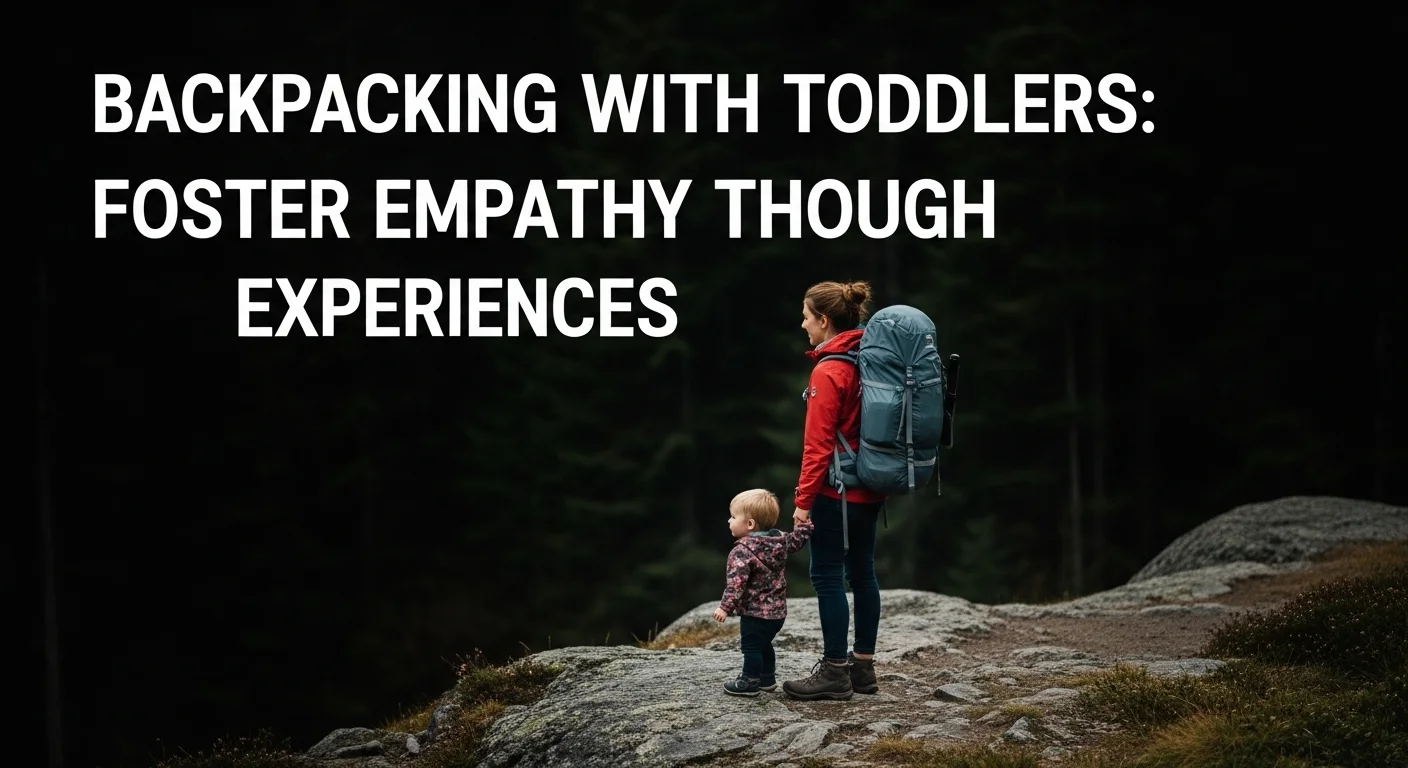
Backpacking with toddlers is a unique adventure that opens the door to learning and bonding. Together, we can turn a simple hike into a journey of empathy and understanding, enriching our little ones’ experiences in the great outdoors. For those looking to enhance their toddler’s emotional journey, consider exploring Backpacking with Toddlers: Emotional Regulation Made Easy.
Understanding the Concept of Backpacking with Toddlers
What is Backpacking?
Backpacking, at its core, involves traveling with a backpack, typically in nature, where you carry all your essentials. It’s not just about the destination; it’s about the journey itself. I remember my first backpacking trip—it was exhilarating! The beauty of nature, the thrill of discovery, and the weight on my back made me feel alive. When we think about backpacking with toddlers, it transforms into something even more special and meaningful. It’s an opportunity to share those experiences with the next generation, teaching them about the world around them while creating lasting memories.
Why Backpack with Toddlers?
Backpacking with toddlers might sound daunting, but I believe it’s one of the best ways to foster empathy and connection. Being immersed in nature allows us to slow down and appreciate the beauty of our environment. My toddler often points out things I might overlook, like a tiny bug or a colorful leaf, reminding me to marvel at the little things. These moments are precious, revealing a child’s natural curiosity and wonder. Moreover, outdoor experiences can help build resilience, patience, and adaptability in our little ones—all traits that foster empathy. I’ve seen my child learn to appreciate the feelings of others, especially when we encounter fellow hikers or wildlife. It’s a great way to connect with them on a deeper level. For further insights on emotional development, check out Backpacking with Toddlers: Recognizing and Managing Emotions.
Preparing for Your Backpacking Adventure
Essential Gear for Backpacking with Toddlers
Preparation is key when you’re planning to backpack with toddlers. I’ve learned that having the right gear can make all the difference. Start with a sturdy backpack that can accommodate not just your essentials but also some of your toddler’s needs. I found a quality child carrier backpack that distributes weight evenly, making it easier to hike longer distances. Don’t forget to pack snacks, water, and a few small toys or books to keep them entertained during breaks. I always carry some first aid supplies, a map, and a portable charger for my phone. It gives me peace of mind knowing I’m prepared for any situation.
Choosing the Right Backpack
Choosing the right backpack is crucial. I spent hours researching different types before finally deciding on one. I recommend looking for a backpack designed specifically for parents, which has ample storage space and comfortable straps. A child carrier backpack should also have safety features, like a secure harness, to keep your little one safe while you hike. I remember the first time I used mine; it felt like a game changer! It was comfortable for me and cozy for my toddler, making our hiking journey much more enjoyable.
Clothing and Footwear Considerations
When it comes to clothing and footwear, I’ve found that layering is the way to go. Weather can change quickly in the outdoors, and toddlers can be particular about their comfort. I always dress my child in moisture-wicking clothes and pack an extra layer, just in case. Footwear is equally important; sturdy, comfortable shoes can prevent blisters and make hiking more enjoyable. I remember buying my toddler their first pair of hiking boots, and it was such a joy to see them excited about their “big kid” shoes. We also ensure they have a good pair of socks, which can make all the difference on a long trek.
Planning Your Itinerary
Choosing Family-Friendly Destinations
Choosing the right destination is crucial. I’ve learned that family-friendly trails with shorter distances and gentle terrain are the best options when hiking with toddlers. Parks and nature reserves often have trails that are manageable for little legs. I enjoy planning a hike that includes interesting landmarks or stops where we can take breaks and explore. For us, the journey is just as important as reaching the destination. Incorporating picnic spots along the way can be a nice treat, giving my toddler something to look forward to.
Setting Realistic Expectations and Pace
Setting realistic expectations is essential. I try to remind myself that hiking with toddlers isn’t about speed; it’s about the experience. I’ve found that it’s important to take breaks often, allowing my child to explore and play. I’ve learned to embrace the unpredictability of our hikes. There are times we’ve spent an entire afternoon at one spot, watching ants or collecting rocks. Those are the moments that matter most. By being flexible, we both enjoy the experience without added stress.
Incorporating Empathy-Enhancing Activities
Engaging toddlers in empathy-enhancing activities while backpacking can make the experience richer. I’ve discovered that asking open-ended questions about what they see or feel helps them connect with nature and the world around them. For example, I might ask, “How do you think the trees feel on a windy day?” These conversations can lead to deeper understanding and appreciation for nature. Additionally, I encourage them to help with small tasks, like picking up litter or caring for the environment, reinforcing the importance of compassion and responsibility. To further boost social skills during your trips, consider reading Backpacking with Toddlers: Boosting Social Skills on the Road.
Safety Considerations While Backpacking
First Aid Essentials for Toddlers
When I first started backpacking with my toddler, I quickly realized that safety is paramount. Packing a first aid kit specifically for our outdoor adventures has become a non-negotiable for me. I usually include items like adhesive bandages, antiseptic wipes, and children’s pain reliever, which can be a lifesaver if we encounter any bumps or scrapes along the way. I remember the first time my child tripped on a rock and scraped their knee; having that first aid kit on hand made the situation so much easier to handle. It’s also good to have some allergy medication, just in case we come across something that sparks a reaction. It’s amazing how a little preparation can provide peace of mind and help us focus on enjoying our time outdoors.
Navigating Outdoor Safety Guidelines
I’ve learned that understanding outdoor safety guidelines is crucial for keeping our family safe while backpacking. Before we head out, I make it a point to educate myself about the area we’ll be exploring. This includes knowing about local wildlife, potential hazards, and weather conditions. I always check the weather forecast, as things can change quickly, especially in mountainous regions. I remember one trip where we encountered sudden rain; thankfully, I had packed extra ponchos! Also, teaching my toddler about safety—like staying on marked trails and not wandering off—has been a valuable lesson. It’s all about creating a safe environment while allowing them to explore their surroundings.
Emergency Contacts and Communication
Another important aspect of safety is having a plan for emergencies. I always carry a fully charged phone, and I also let someone know our itinerary before we leave. Being in the great outdoors can sometimes mean limited cell service, so I’ve found it beneficial to have a physical map as a backup. I also talk to my child about what to do if we get separated, like staying put and calling for me. Teaching them to recognize landmarks, like a big tree or a unique rock, can help them stay oriented. I remember discussing this with my little one, and it made them feel empowered to understand their surroundings better.
Engaging Toddlers During the Journey
Interactive Games and Activities
To keep my toddler engaged during our hikes, I love incorporating interactive games and activities. I’ve found that simple games like “I Spy” can be both fun and educational. It helps them focus on their surroundings and appreciate the beauty of nature. Sometimes, we play a counting game where we count the different colors of leaves or types of flowers we see along the trail. It encourages my child to observe little details that they might otherwise miss. These activities turn our hikes into delightful learning experiences, and I cherish those moments of shared laughter and discovery.
Storytelling and Imagination Exercises
I also enjoy using storytelling as a way to engage my child during our hikes. I create fun narratives around our surroundings, turning ordinary trees into magical giants or rocks into hidden treasure. This sparks their imagination and makes the journey feel like an adventure. I remember one hike where we pretended to be explorers on a quest to find a lost treasure hidden deep in the woods. My toddler was completely captivated and ran ahead with excitement, looking for clues. It’s incredible how storytelling can transform a simple walk into an epic adventure!
Encouraging Exploration and Curiosity
Encouraging exploration is another fantastic way to keep our little ones engaged. I often let my child lead the way, allowing them to choose paths or investigate interesting sounds they hear. I’ve noticed that when I give them the freedom to explore, they become more curious and adventurous. Sometimes, I’ll pause and ask them what they see or how certain plants grow, sparking their natural curiosity. I remember one hike where they found a small frog by a stream, and it turned into a fascinating mini-lesson about nature. It’s moments like these that not only make our hikes memorable but also instill a love for the outdoors in my child.
Fostering Empathy Through Shared Experiences
Understanding Different Cultures and Environments
Backpacking with toddlers also presents a unique opportunity to teach them about different cultures and environments. Whenever we visit a new area, I try to share stories about the local community and their connection to the land. For instance, if we’re hiking in a national park, I might talk about the Indigenous people who lived there and their traditions. This helps my child understand and appreciate the diversity of our world. I remember discussing the significance of certain plants or animals to the local culture during one of our hikes, and it opened up a beautiful conversation about respect and understanding.
Teaching Compassion and Kindness in Nature
Incorporating lessons about compassion and kindness while in nature is something I value deeply. I always encourage my child to be gentle with wildlife and to respect the environment. We often pick up litter we find along the trail together, discussing why it’s important to keep nature clean for future generations. I’ve seen my child develop a sense of responsibility and care for the environment through these small acts. It makes me feel proud to witness their growth in empathy and kindness toward the world around them.
Encouraging Teamwork and Responsibility
Finally, I emphasize teamwork during our backpacking adventures. I often assign my toddler small responsibilities, like carrying their own water bottle or helping to pack snacks. This not only lightens my load but also instills a sense of responsibility in them. I remember one hike when my child insisted on carrying the map. They were so proud of being my “navigator,” and it reinforced the idea that we are a team working together. It’s rewarding to see them take ownership of their role in our adventures.
Post-Trip Reflection and Learning
Discussing Experiences and Emotions
After each backpacking trip, I find that reflecting on our experiences can be incredibly beneficial for both me and my toddler. I like to sit down with them and talk about what we enjoyed the most, what surprised us, and even what we found challenging. This open dialogue allows my child to express their feelings, whether it’s excitement about seeing a deer or frustration from getting tired. I remember one hike where my toddler was fascinated by a waterfall, and they kept talking about how “big” and “loud” it was. Discussing these emotions not only reinforces their experiences but also helps them understand their feelings and articulate them better.
Creating a Memory Book or Journal
One creative way to document our adventures is by making a memory book or journal together. I usually gather photos, drawings, or even pressed leaves from the trails we explored. My toddler loves to help with this process, and it’s a fun activity we can do at home after our trips. We write captions for the pictures and add little notes about what we learned on each hike. This way, we can revisit those memories anytime and reflect on the fun we had together. I’ve seen how this practice encourages my child to appreciate our experiences and fosters a sense of ownership over their memories.
Continuing Empathy Development at Home
The lessons learned while backpacking don’t have to end when we return home. I’ve found that we can integrate the values of empathy and connection into our daily lives. We often talk about nature, kindness, and respect for others during our everyday activities. For instance, when we encounter someone who may need help, I remind my child of the importance of lending a hand, just as we do in nature by picking up litter or being mindful of wildlife. I believe this consistency at home reinforces the empathy we’ve nurtured in the outdoors, helping my toddler grow into a compassionate individual.
Resources for Backpacking with Toddlers
Books and Guides on Traveling with Kids
Finding the right resources can be a game changer when backpacking with toddlers. I’ve discovered various books and guides specifically focused on traveling with kids. One of my favorites is “The Ultimate Guide to Backpacking with Toddlers” which offers practical tips and inspirational stories from other parents. These books not only enhance my knowledge but also provide new ideas for activities and destinations. I’ve even read stories that sparked conversations with my child about our own adventures, making it a delightful way to bond over our shared experiences.
Online Communities and Support Groups
Joining online communities and support groups has been another fantastic resource for me. Platforms like Facebook have groups dedicated to outdoor parenting, where parents share their tips, experiences, and even their favorite trails. I’ve made connections with other families who are passionate about the outdoors, and we exchange advice and encouragement. It’s comforting to know I’m not alone in this journey, and I’ve gained invaluable insights that have helped shape our adventures. Plus, seeing photos from others inspires me to explore new places I might not have considered before!
Recommended Gear and Product Reviews
Lastly, researching gear and reading product reviews have been instrumental in ensuring we have the best equipment for our trips. There are numerous websites and blogs dedicated to reviewing outdoor gear for families. I often take notes on what other parents recommend, especially for child carriers, clothing, and safety equipment. I remember discovering a highly rated child carrier that made our hikes so much more comfortable. It’s so reassuring to know I’m investing in quality products that will enhance our outdoor experiences and keep my toddler safe and happy.
Frequently Asked Questions
What is backpacking with toddlers?
Backpacking with toddlers involves traveling with a backpack, typically in nature, where you carry all essentials while sharing experiences with your little ones. It transforms into a meaningful opportunity to teach them about the world and create lasting memories.
Why should I consider backpacking with toddlers?
Backpacking with toddlers fosters empathy and connection, allowing both parents and children to appreciate nature together. It helps children develop resilience, patience, and adaptability while nurturing their natural curiosity and wonder.
What essential gear should I pack for backpacking with toddlers?
Essential gear includes a sturdy backpack accommodating both your and your toddler’s needs, snacks, water, small toys or books, first aid supplies, a map, and a portable charger. A quality child carrier backpack is also recommended for comfortable hiking.
How can I choose the right backpack for backpacking with toddlers?
Look for a backpack specifically designed for parents with ample storage space and comfortable straps. A child carrier backpack should have safety features, like a secure harness, to keep your toddler safe while hiking.
What clothing and footwear considerations should I keep in mind?
Layering is key for clothing, as weather can change quickly. Dress your toddler in moisture-wicking clothes and pack an extra layer. Sturdy, comfortable shoes are essential to prevent blisters and ensure an enjoyable hiking experience.
How can I plan a toddler-friendly hiking itinerary?
Choose family-friendly trails with shorter distances and gentle terrain, incorporating interesting landmarks or picnic spots along the way. Setting realistic expectations and pace is important, as hiking with toddlers is about the experience, not speed.
What safety considerations should I take into account while backpacking?
Pack a first aid kit tailored for toddlers, understand outdoor safety guidelines, and have a plan for emergencies, including carrying a fully charged phone and a physical map as a backup. Teach your toddler about safety, like staying on marked trails.
How can I keep my toddler engaged during the hike?
Incorporate interactive games like “I Spy,” storytelling, and encourage exploration by letting them lead the way. These activities foster curiosity and transform hikes into delightful learning experiences.
How can backpacking help develop empathy in toddlers?
Backpacking provides opportunities to teach about different cultures and environments, as well as lessons in compassion and teamwork. Engaging in small responsibilities during hikes reinforces a sense of responsibility and connection to nature.
What resources are available for backpacking with toddlers?
Resources include books and guides focused on traveling with kids, online communities and support groups for outdoor parenting, and research on recommended gear and product reviews to ensure you have the best equipment for your adventures.