
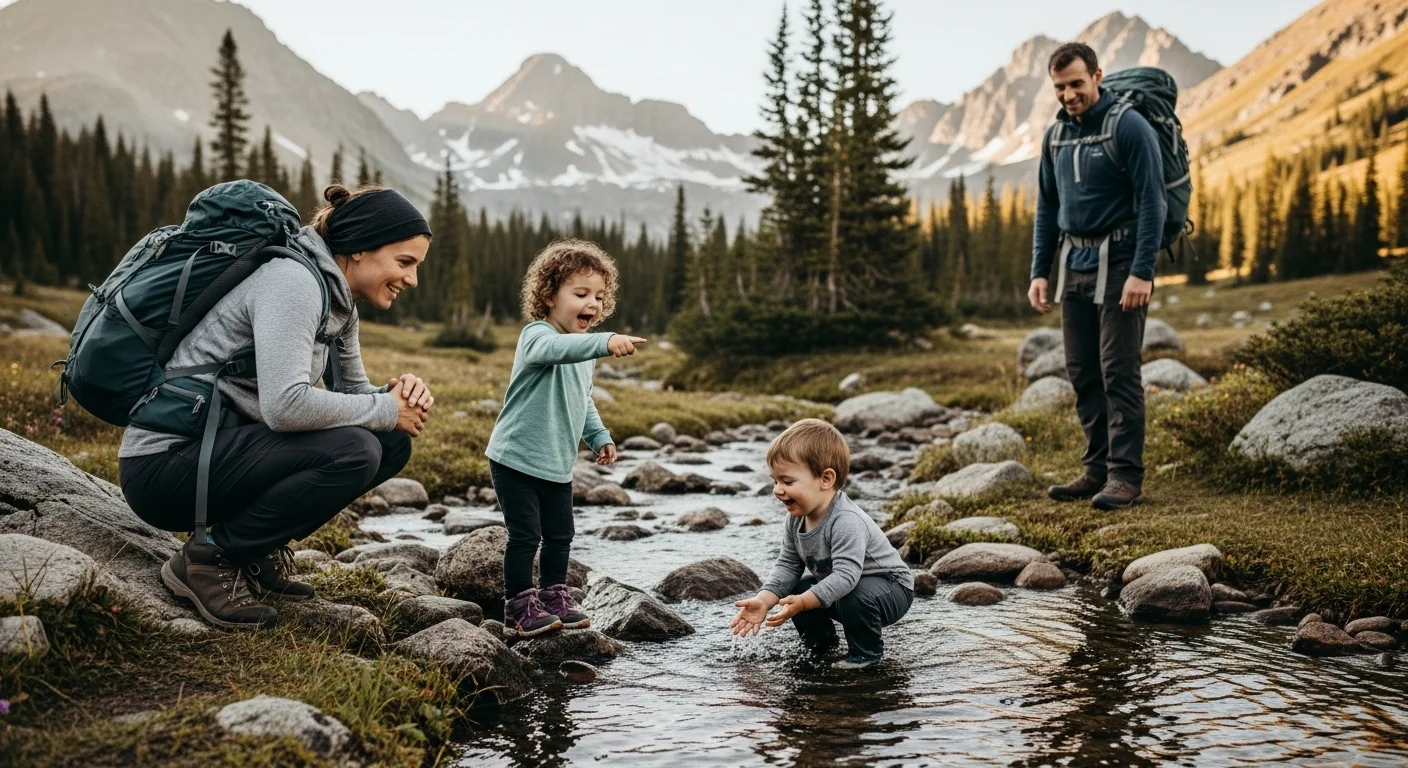
Backpacking with toddlers can be a thrilling adventure! Not only do we get to explore the great outdoors, but we also have the perfect opportunity to enhance our little ones’ language skills through play. For more insights on how these adventures can benefit our children socially, check out Backpacking with Toddlers: Nurturing Social Skills Abroad.
Understanding Language Development in Toddlers
Language development in toddlers is a fascinating journey that unfolds in stages. As parents, we often wonder how we can best support our children during this critical time. Understanding the nature of language acquisition can help us create enriching environments, especially during our outdoor adventures together.
Stages of Language Acquisition
From my experience, toddlers typically go through several stages of language development. It all begins with cooing and babbling, which usually starts around six months. I remember my child’s first sounds, the way they would babble excitedly as we explored a park together. By around 12 months, many toddlers say their first words. This was a significant moment for us, as my child shouted “tree” while pointing at a beautiful oak during a hike. Next comes the 18 to 24-month stage, where vocabulary really starts to blossom. Our little ones begin combining words, creating simple sentences like “more juice” or “big truck.” This is an exciting time, and I found it so rewarding to see how the outdoor experiences enriched their vocabulary.
By the age of two, toddlers can typically use 50 words or more and begin to speak in two- or three-word phrases. I noticed that on our backpacking trips, the sights and sounds around us sparked even more interest in language. For example, spotting animals or plants led to questions and observations that encouraged my child to express themselves. As they grow, the complexity of their speech increases, and it becomes essential to engage with them actively to nurture that development.
Importance of Play in Language Learning
Play is a crucial element in language learning, and I believe it’s one of the most effective ways to support our toddlers. During our backpacking trips, I’ve found that play isn’t just about fun; it’s about exploration and discovery. When we are outside, nature itself becomes a wonderful teacher. I often encourage my child to describe what they see, feel, and hear. This playful interaction fosters not only vocabulary but also critical thinking and creativity.
Activities like pretending to be animals or playing games that involve naming objects can significantly enhance language skills. For instance, we would often pretend to be on a safari, calling out the names of the animals we imagined seeing. This playful context helps toddlers link words with their meanings in a fun and memorable way. I’ve seen firsthand how engaging in these playful activities can lead to significant language growth, as they feel more comfortable expressing themselves.
The beauty of backpacking is the array of sensory experiences it offers. The rustle of leaves, the chirping of birds, and the feel of the wind on our faces provide perfect opportunities for rich conversations. I remember one memorable day when my child pointed out a colorful butterfly. This simple moment led to an elaborate discussion about colors, shapes, and even the life cycle of butterflies. By turning everyday moments into playful conversations, we create a nurturing environment for language development.
Another aspect I’ve noticed is the role of social interaction. When we hike with friends or family, the dialogue between toddlers can be incredibly beneficial. Watching my child interact with others, share stories, and even disagree has opened up a world of vocabulary and expression. These interactions help them learn new words and phrases in a natural setting, reinforcing their understanding through context. For further insight into how these experiences can foster empathy, check out Backpacking with Toddlers: Foster Empathy Through Experiences.
Incorporating diverse play activities into our outings has always been a priority for me. I believe it’s essential to create a variety of experiences that cater to different interests. Whether it’s gathering rocks for a mini science project, creating a nature collage, or simply engaging in imaginative play while we walk, I’ve found these activities make our trips memorable and educational.
In summary, understanding the stages of language acquisition and the importance of play in learning can transform the way we approach backpacking with our toddlers. By fostering a playful environment filled with rich language experiences, we not only enhance their vocabulary but also nurture their curiosity and imagination. I look forward to sharing more tips on planning backpacking trips that promote language development in our little adventurers!
Planning Your Backpacking Trip with Toddlers
Choosing Family-Friendly Destinations
When it comes to planning our backpacking trips, choosing the right destination is key, especially with toddlers in tow. I’ve learned that family-friendly locations can make all the difference. We often seek out trails that are not only scenic but also manageable for little feet. For example, I remember a trip to a local state park where the trail was just the right length for my toddler to explore without getting too tired or frustrated.
We’ve found that shorter loops work well, as they allow us to enjoy the scenery without the pressure of a long trek. Parks with nature centers or interactive exhibits are also fantastic because they offer additional opportunities for play and learning. This way, even if my child gets a little restless, there’s something engaging nearby to capture their attention.
Another factor I consider is accessibility to restrooms and picnic areas. I can’t tell you how many times we’ve been grateful for a well-placed restroom or a shady spot to take a break. We’ve also enjoyed destinations that feature child-friendly amenities like playgrounds or visitor centers. These stops not only allow for physical activity but also give us a chance to rest and chat about what we’ve seen, reinforcing language skills along the way.
Essential Packing List for Toddlers
Packing for a backpacking trip with toddlers can feel overwhelming, but I’ve found that having a solid checklist can ease the stress. It’s important to pack wisely so that we have everything we need without being weighed down. Here’s what I usually pack:
- Backpack: A comfortable, lightweight backpack is a must. I love one with multiple compartments to keep everything organized.
- Snacks: I always bring plenty of healthy snacks. Nuts, dried fruit, and granola bars are favorites. Snacks are great for keeping energy levels up and can spark conversations about colors, shapes, and tastes.
- Water: Hydration is crucial, especially for little ones. I carry a water bottle for myself and a sippy cup for my child.
- First Aid Kit: Accidents can happen, so I always carry a small first aid kit with band-aids, antiseptic wipes, and any necessary medications.
- Extra Clothes: Toddlers are prone to spills and mud, so I pack an extra set of clothes. This way, we can keep the fun going without worrying about getting dirty.
- Sun Protection: Sunscreen, hats, and sunglasses are essential. I’ve learned the hard way that even a short hike can lead to sunburn.
- Comfort Item: Bringing along a favorite blanket or stuffed animal can provide comfort and encourage imaginative play during breaks.
These essentials help make our trips enjoyable and stress-free, allowing us to focus on the adventure and the language learning that comes with it.
Safety Considerations When Backpacking
Safety is always a top priority when backpacking with toddlers. I’ve realized that being prepared can help prevent accidents and keep everyone happy. Here are some key considerations:
- Stay Close: I always keep my child within arm’s reach, especially near steep drops or water. It’s so easy for little ones to wander off, so I try to engage them in conversation while we hike to keep them close.
- Know the Trail: Before heading out, I familiarize myself with the trail’s difficulty level, length, and any potential hazards. Being aware of our surroundings helps me make informed decisions about pacing and breaks.
- Teach Basic Safety Rules: I like to talk to my child about trail safety, such as not running ahead and staying on marked paths. These conversations are not only practical but also provide a chance to practice language skills.
- Plan for Emergencies: Having a plan in case of an emergency is crucial. I always carry a fully charged phone and know the location of the nearest help or trailhead.
- Leave No Trace: Teaching my child about respecting nature is important. We talk about the importance of leaving no trace, which reinforces language skills as we learn together what it means to care for our environment.
Keeping safety at the forefront allows us to enjoy our adventures without unnecessary worry. It also opens up opportunities for conversations about responsibility and caring for our surroundings, enriching our language experience even further. For tips on how to help toddlers regulate their emotions during these experiences, see Backpacking with Toddlers: Emotional Regulation Made Easy.
Engaging Activities to Enhance Language Skills
Interactive Storytelling While Hiking
One of my favorite ways to engage my toddler during our hikes is through interactive storytelling. I’ve found that weaving stories into our hiking adventures not only captivates my child’s attention but also sparks their imagination. For example, while walking through a dense forest, I might start a story about a brave little squirrel looking for acorns. As we hike, I pause to ask questions like, “What do you think the squirrel will find next?” or “How do you think he feels when he sees a big tree?” This invites my child to participate actively in the storytelling process.
I’ve noticed how they are eager to contribute their ideas, and this interaction helps to enhance their vocabulary and comprehension skills. I often encourage them to add their characters or twists to the story. This not only makes the hike more enjoyable but also transforms it into an enriching language-learning experience. The beauty of this activity is that it can be tailored to any environment, and each hike can inspire a different narrative.
Nature Scavenger Hunts to Build Vocabulary
Another engaging activity I love to incorporate during our backpacking trips is a nature scavenger hunt. Before we head out, I create a simple list of things for my toddler to find, such as a pine cone, a yellow flower, or a smooth rock. As we explore, my child takes great delight in checking off each item they discover. This simple activity not only keeps them focused but also significantly enhances their vocabulary.
While on our scavenger hunt, I make it a point to discuss each item. For instance, when they find a pine cone, I might say, “Look at this pine cone! It comes from a pine tree. Can you say ‘pine cone’?” By encouraging them to repeat the words and describe the objects they find, I help solidify their understanding and expression of new vocabulary. This hands-on approach makes learning feel natural and connected to the world around us.
Singing Songs and Rhymes on the Trail
Singing songs and nursery rhymes is another wonderful way to promote language development while we’re out on the trail. I’ve always loved songs that involve actions, as they invite my toddler to participate physically as well. Songs like “The Wheels on the Bus” or “If You’re Happy and You Know It” become particularly fun when we’re hiking. I can see the joy in my child’s face as they mimic the actions, and it also helps them connect words with movements.
Not only does this cater to their love of rhythm and music, but it also enhances memory retention. I often notice that after singing a particular song several times, my child starts to spontaneously sing parts of it on their own, reinforcing their language skills in a delightful way. Plus, it creates a joyful atmosphere, turning our hikes into memorable experiences filled with laughter and fun.
Using Props and Toys for Role Play
Props and toys can be magical in transforming our hiking adventures into imaginative play. I’ve found that bringing along a few lightweight toys, like animal figurines or a small backpack for their stuffed animals, can lead to wonderful role-playing scenarios. During our hikes, I encourage my child to pretend they are on an adventure with their toy friends. They might say, “Look, Mommy! My bear is climbing the mountain!”
This type of role play promotes expressive language as they narrate their toy’s adventures. I love to join in, asking questions or adding to the imaginary scenario, which helps deepen their engagement. We might even create a little story where the toys encounter other animals or face challenges along the trail. Through this imaginative play, I’ve seen my toddler gain confidence in their speaking abilities and express themselves with enthusiasm.
Incorporating these engaging activities during our backpacking trips has transformed the way my toddler interacts with nature and language. Each hike becomes an opportunity for fun, learning, and exploration, which I cherish deeply. I’m excited to share more ideas on how we can continue nurturing language development, even when we’re back home.
Incorporating Language Learning into Daily Routines
Using Everyday Experiences as Learning Opportunities
One thing I’ve discovered is that everyday experiences can serve as fantastic opportunities for language learning. Whether we are grocery shopping, cooking, or simply taking a walk around the neighborhood, I try to make the most of these moments. For instance, when we go grocery shopping, I turn it into a mini-adventure where we can talk about colors, shapes, and even numbers. I often say things like, “Can you find something red?” or “How many apples are in the bag?” This approach not only makes the tasks more enjoyable but also engages my toddler in meaningful conversations.
During cooking, I involve my child in the process by asking them to help measure ingredients or stir the mixture. As we go along, I name the items we use and describe the steps. This hands-on experience helps them connect words with actions, reinforcing their understanding. I remember a day when we made a fruit salad together; my toddler was so excited to name each fruit, and I could see their confidence grow as they expressed themselves.
Encouraging Conversations During Meals and Breaks
Meal times have always been a special opportunity for us to connect and share stories. I make it a point to turn off screens and focus on each other. During our meals, I encourage my child to talk about their day or share what they enjoyed most on our latest adventure. I feel this helps them articulate their thoughts and feelings while expanding their vocabulary.
Sometimes, I’ll pose open-ended questions like, “What was your favorite part of our hike yesterday?” or “If you could be any animal, which one would you be?” These conversations spark their imagination and allow for deeper discussions. I’ve found that these moments are not just about nurturing language but also about building our relationship and creating lasting memories.
Simple Games to Play While Traveling
Traveling can sometimes lead to boredom for toddlers, so I love to incorporate simple games that keep them engaged. One of our favorites is the “I Spy” game, where we take turns spotting things in our surroundings. This game not only holds their attention but also encourages them to use descriptive language. They might say, “I spy with my little eye, something that is green,” prompting me to guess what they see. I can’t tell you how many laughs we’ve shared over the silly things we spot together!
Another great game is singing variations of “The Name Game,” where we take turns using the names of family members or friends and adding fun descriptors. For instance, “Silly Mommy” or “Funny Daddy.” This encourages creativity while also reinforcing their understanding of language in a playful context. I’ve noticed that these games provide not just entertainment but also valuable language practice, all while strengthening our bond.
Resources for Language Development on the Go
Recommended Books and Audiobooks for Toddlers
I believe that books are a treasure trove when it comes to language development. We always pack a few of our favorite stories in our backpack for our trips. I love reading aloud to my toddler during breaks, letting them see the illustrations, and encouraging them to point out objects or characters they recognize. Audiobooks are another fantastic resource, especially for longer drives. We’ve listened to delightful tales together, and I often pause to discuss the story or ask my child to predict what happens next. These interactions keep their minds engaged and enhance their listening skills.
Language Learning Apps for Young Children
In this digital age, I find that language learning apps can be helpful tools for reinforcing what we learn outdoors. There are many kid-friendly apps designed to enhance vocabulary and language skills through fun games and interactive activities. I like to use these apps during downtime or when we’re waiting for something. It makes learning feel like play, and my child enjoys the interactive nature of these tools. I always check to ensure the content is age-appropriate and educational to maximize our experience.
Creative Craft Ideas for Language Engagement
Crafting is another wonderful way to promote language development while allowing creativity to flourish. I’ve found that simple activities like creating a nature collage using leaves, flowers, and other items we collect during our hikes can spark fantastic conversations. As we glue down each piece, I ask questions about what they see or feel, helping them describe their thoughts. I also encourage them to tell a story about their artwork. This not only reinforces vocabulary but also nurtures their storytelling abilities.
Tips for Parents: Making the Most of the Experience
Balancing Fun and Learning
As parents, I think it’s essential to remember that the goal is to have fun while learning. Sometimes, I find myself overly focused on teaching moments, but I’ve realized that laughter and joy are just as crucial. I aim to strike a balance between structured learning and spontaneous play. This approach ensures that my child remains engaged and excited about exploring language without feeling pressured.
Managing Expectations and Keeping a Flexible Schedule
One of the best pieces of advice I can share is to manage expectations. Toddlers are unpredictable, and things don’t always go as planned. I’ve learned to embrace flexibility, whether it’s allowing extra time for exploration or taking breaks when needed. This mindset helps create a more relaxed atmosphere, where my child feels free to express themselves and enjoy the experience.
Tips for Encouraging Participation from Toddlers
Encouraging participation can be challenging at times, but I’ve found that making activities feel special and exciting goes a long way. I often give my toddler choices, like picking which game to play or what snack to enjoy on the trail. This involvement helps them feel empowered and more inclined to engage. I also use positive reinforcement and celebrate their efforts, no matter how small, to build their confidence and motivation.
Traveling with Multilingual Children
Benefits of Exposing Toddlers to Multiple Languages
For families like ours who are multilingual, I can’t emphasize enough the benefits of exposing toddlers to different languages. I’ve noticed that my child picks up new words and phrases quite naturally during our travels. Being surrounded by diverse languages enriches their overall language development and enhances cognitive skills. It’s a beautiful way to share culture and create a deeper connection with the world.
Strategies for Supporting Language Development in Multiple Languages
When it comes to supporting language development in multiple languages, I’ve found that consistency is key. We try to designate specific times or activities for each language. For example, we might speak one language during meals and switch to another during playtime. This structured approach helps my child differentiate between languages while building their vocabulary in both. I also incorporate bilingual books and music to expose them to different sounds and rhythms, making it a fun learning experience.
Post-Trip Activities to Reinforce Learning
Creating a Travel Journal with Your Toddler
One of my favorite post-trip activities is creating a travel journal with my toddler. We gather photos, ticket stubs, and any memorabilia from our adventures. I love to sit down with them and recount our experiences, writing down their words as they express their thoughts. This activity reinforces their memories while enhancing their narrative skills. It also serves as a beautiful keepsake we can revisit together, prompting further conversations about our experiences.
Discussing Experiences to Enhance Retention
After returning from our trips, I make it a point to discuss what we did as a family. I might ask open-ended questions to encourage my toddler to share their favorite memories. This not only reinforces their language skills but also helps them process their experiences. I’ve noticed that these discussions deepen their understanding and make our adventures even more memorable.
Continuing Language Enrichment at Home
Finally, I believe in continuing the language enrichment at home. We read books, do crafts, and engage in everyday conversations to keep the momentum going. I’ve found that integrating learning into our daily routine helps my toddler retain what they’ve learned on our adventures. Whether we’re cooking together or playing games, I always look for ways to weave language learning into our lives. It keeps the excitement alive and nurtures their growth.
Final Thoughts
Backpacking with toddlers is not just about exploring the outdoors; it’s a rich opportunity to cultivate language development through engaging activities and meaningful interactions. By incorporating fun and educational elements into our adventures, I’ve found that we can enhance our little ones’ vocabulary while creating unforgettable memories. As we continue to explore the world together, I look forward to sharing more insights and experiences that support language learning in our children. Let’s embrace these moments of discovery and growth, making every adventure a stepping stone in their language journey!
Frequently Asked Questions
What are the stages of language acquisition in toddlers?
Toddlers typically go through several stages of language development, starting with cooing and babbling around six months, saying their first words by 12 months, and expanding their vocabulary significantly between 18 to 24 months. By the age of two, they can usually use 50 words or more and begin to form two- or three-word phrases.
How can outdoor adventures enhance toddler language skills?
Outdoor adventures provide rich sensory experiences and opportunities for interaction, such as spotting animals or plants, which can spark questions and observations, encouraging toddlers to express themselves and expand their vocabulary.
Why is play important in language learning for toddlers?
Play is crucial in language learning as it promotes exploration and discovery. Engaging in playful activities allows toddlers to link words with their meanings in a fun and memorable way, fostering vocabulary growth and critical thinking.
What are some recommended activities to enhance language skills while backpacking?
Activities such as interactive storytelling, nature scavenger hunts, singing songs and rhymes, and using props for role play can significantly enhance language skills while making the outdoor experience enjoyable and engaging.
What should I consider when planning a backpacking trip with toddlers?
When planning a trip, choose family-friendly destinations that are scenic and manageable for little feet, consider accessibility to restrooms and picnic areas, and opt for shorter loops to avoid fatigue.
What essential items should I pack for a backpacking trip with toddlers?
Essentials include a comfortable backpack, healthy snacks, water, a first aid kit, extra clothes, sun protection, and a comfort item like a favorite blanket or stuffed animal to provide comfort during breaks.
How can I ensure safety while backpacking with toddlers?
Safety considerations include keeping your child within arm’s reach, familiarizing yourself with the trail, teaching basic safety rules, planning for emergencies, and teaching them about respecting nature and leaving no trace.
What role does social interaction play in language development during hikes?
Social interactions during hikes, such as engaging with friends and family, can enhance toddlers’ vocabulary and expression as they learn new words and phrases in a natural setting through dialogue and shared experiences.
How can everyday experiences be used to support language learning?
Everyday experiences, such as grocery shopping or cooking, can be leveraged for language learning by turning them into engaging conversations, asking questions about colors, shapes, and actions, which helps reinforce vocabulary and comprehension.
What are effective strategies for supporting multilingual language development in toddlers?
Consistency is key; designate specific times for each language, use bilingual books and music, and create a structured approach that helps toddlers differentiate between languages while building vocabulary in both.