
Backpacking with toddlers can be a thrilling adventure filled with unexpected moments. Navigating their emotional ups and downs can transform a trip into a memorable experience for both parents and little ones. Read Interesting article: Top Tips for Backpacking with Toddlers: Milestone Guide
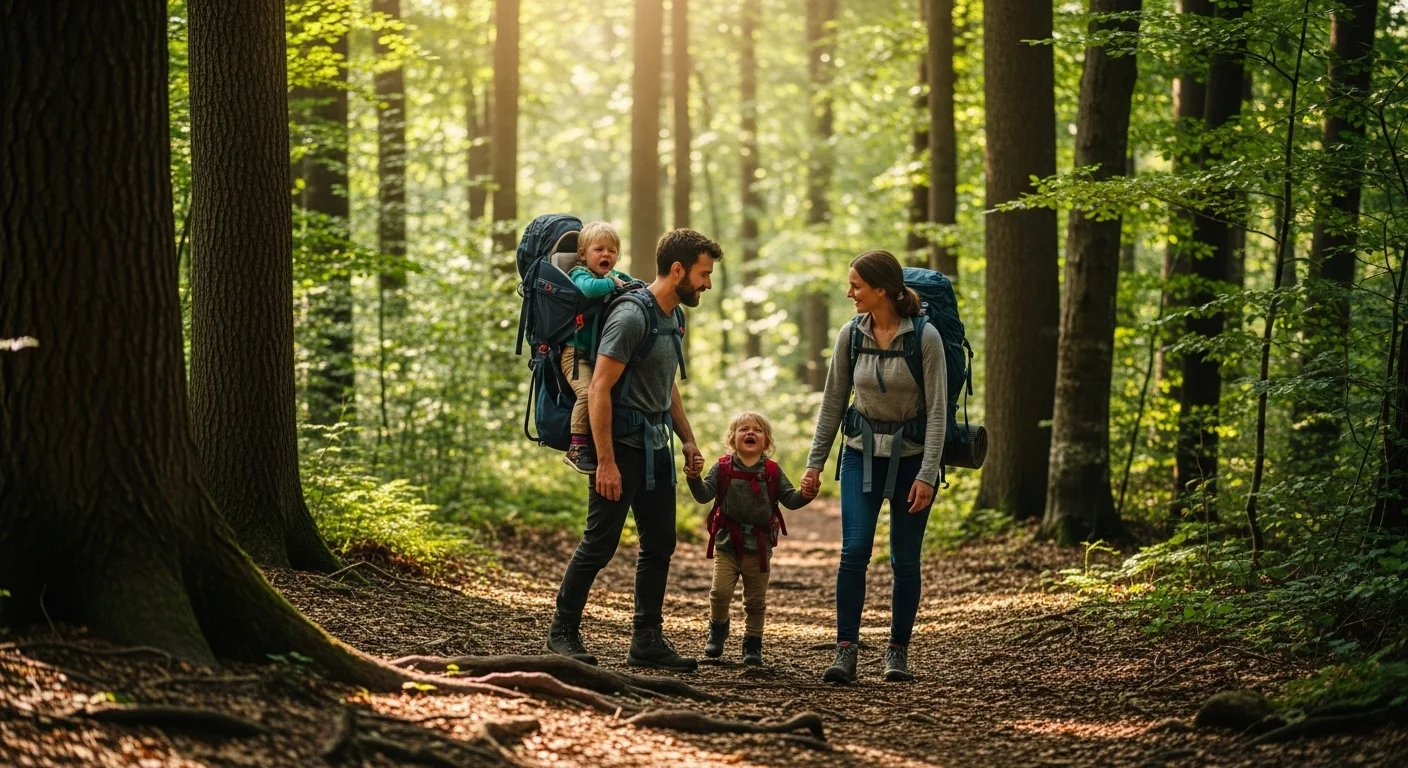
Understanding the Emotional Landscape of Toddlers
When I first decided to take my toddler on a backpacking trip, I quickly realized that their emotional landscape is as varied and unpredictable as the trails we aimed to explore. Toddlers are in a unique developmental stage where their emotions can shift dramatically, often within mere minutes. Understanding this emotional landscape is crucial for parents looking to make the most of their outdoor adventures.
The Developmental Stages of Toddlers
At this age, children are not only learning to walk and talk but are also grappling with their feelings. I remember my son was around two years old when we first hit the trails. He was curious and eager to explore, yet his emotional reactions were intense and sometimes overwhelming. This is partly due to their developmental stages. Children at this age are moving from the toddler phase into early childhood, which means they are beginning to assert their independence while still relying heavily on us for guidance and reassurance.
During our hikes, I noticed that my son would go from giggling and pointing at butterflies to having a meltdown because he wanted to carry his own backpack—something too heavy for him. These mood swings are normal; toddlers are learning to navigate their feelings and often lack the words to express what they are experiencing. Understanding these developmental stages helped me to anticipate some of the emotional challenges we faced.
Common Emotional Triggers in Toddlers
While backpacking, I discovered several triggers that could easily set off a wave of emotions. For instance, hunger can flip a happy toddler into a cranky one in seconds! I learned to pack plenty of snacks. Additionally, fatigue played a significant role. I remember one day when we were hiking a little longer than planned, and my son’s energy quickly dipped. This taught me the importance of short, manageable hikes that fit our pace.
Another common trigger is frustration. Toddlers want to explore everything, but they can quickly get frustrated if they can’t do something themselves. I found that allowing my son to take the lead occasionally—within safe limits—helped him feel empowered and reduced instances of frustration. We would take turns leading the way, which made him feel like he was part of the adventure.
Recognizing Signs of Overwhelm
Recognizing when my toddler was becoming overwhelmed was another crucial lesson. I learned to watch for signs like whining, clinging, or sudden bursts of energy followed by tiredness. I remember one particular hike when my son started to cry after we reached a beautiful viewpoint. It took me a moment to realize that he was both excited and overwhelmed by the vastness of the mountains. I knelt down to his level, offered comforting words, and let him sit for a moment while we took in the scenery together. This simple act helped him regain his composure.
In our case, I found that a little bit of extra attention and understanding went a long way. If I noticed his enthusiasm waning, I would suggest a short break, allowing him to recharge. It’s amazing how just a few moments of stillness can help reset their emotional state. I believe that being proactive about their emotional needs allows for a more enjoyable experience overall.
As we continued our backpacking journey, I learned that every trip is a new lesson in understanding and managing emotions. The combination of patience, preparation, and awareness of my toddler’s emotional landscape paved the way for many joyful moments in nature. I’ve come to cherish these learning experiences, knowing that each outing together not only builds our bond but also teaches both of us valuable life skills.
In the next sections, I’ll dive deeper into how to prepare for a backpacking trip with toddlers, focusing on choosing the right destination and essential gear. Getting these foundations right not only sets the stage for a smoother adventure but also helps in navigating those emotional ups and downs we talked about. With the right planning, we can create memories that last a lifetime. Read Interesting article: Essential Milestones: Budget Backpacking with Toddlers
Preparing for a Backpacking Trip with Toddlers
Choosing the Right Destination
When it comes to backpacking with toddlers, I quickly learned that choosing the right destination is half the battle won. I remember our first outing; we aimed for a picturesque mountain trail, complete with stunning views. However, I didn’t account for the challenging terrain or the length of the hike. It quickly turned from an adventure into a test of patience for both of us. I’ve found that picking a destination that is toddler-friendly makes all the difference.
Easy trails with gentle inclines and ample opportunities for exploration allowed my son to engage with the environment. I recommend looking for parks or trails that offer shorter loops and plenty of spots for breaks. Places with built-in attractions, like waterfalls, lakes, or picnic areas, can also help keep little ones excited and engaged. I remember discovering a lovely trail that had a creek running alongside it. My son loved splashing in the shallow water, which made the entire hike worth it for him!
Essential Gear for Backpacking with Toddlers
When it comes to gear, I learned that less is often more, but there are a few essentials I wouldn’t leave home without. First on my list is a good child carrier or backpack. I remember the first time I used a carrier designed for hiking. It was a game-changer! My son nestled in comfortably, allowing me to navigate the trails hands-free. Choosing a model with good ventilation and plenty of storage is crucial, especially for long hikes. I also recommend trying them out before the trip to ensure a good fit for both you and your toddler.
In addition to a carrier, I found that packing a lightweight blanket or mat is super helpful for breaks. It provides a cozy spot for my son to sit down, have a snack, or simply enjoy the surroundings. Also, don’t forget about sun protection. A wide-brimmed hat and sunscreen are must-haves, as toddlers can quickly get sunburned. I learned this the hard way on our first hike!
Packing Tips for Comfort and Convenience
Packing efficiently is a skill I honed over time. I quickly learned that keeping my toddler comfortable and entertained makes all the difference. I remember one particular hike where I over-packed snacks but under-packed entertainment options. It was a long stretch of trail with no exciting views, and my son got bored very quickly. Now, I always include a few small toys or books that he can engage with during breaks.
Snacks are another critical part of our packing routine. I usually opt for a mix of healthy options like dried fruits, nuts, and granola bars, as well as a treat here and there to keep spirits high. I found that little surprises, like a favorite snack, can be a great motivator during tough moments on the trail. Hydration is also key, so I always carry a lightweight water bottle for my son, making sure he stays refreshed and energized.
One packing tip I swear by is using packing cubes or bags. They help keep items organized, making it easier to find what I need without rummaging through the whole pack. I remember the chaos of my first trip, trying to locate a snack while my son was getting restless. Now, everything has its place, allowing us to enjoy our time together without the stress of disorganization.
Managing Emotional Ups and Downs During the Journey
Setting Realistic Expectations
As we prepared for our next backpacking trip, I realized that setting realistic expectations was essential. I learned early on that our pace would not match that of seasoned hikers. I began to embrace the fact that our hikes might take longer, but that meant more opportunities to explore and engage with nature. Instead of focusing solely on reaching the destination, I started to appreciate the journey itself. This shift in mindset made our outings much more enjoyable.
For me, it helps to have a loose plan for the day. I try to outline what we hope to achieve, but I always remind myself that flexibility is key. Some days, my son was eager to hike, while others, he needed more breaks. Being adaptable allowed us to embrace spontaneous play, like climbing over logs or exploring new paths, and those moments often turned out to be the highlights of our adventures.
Creating a Flexible Itinerary
In line with setting realistic expectations, creating a flexible itinerary became a priority for me. I remember one hike where we planned to follow a specific route but ended up veering off to explore a side trail. It turned out to be an unexpected treasure, filled with wildflowers and butterflies. Allowing room for spontaneity made our experiences richer and more memorable.
To keep the mood light, I often incorporate fun breaks into our itinerary. I learned that stopping for a nature scavenger hunt or a small picnic can break up the monotony of hiking. It gives my son something to look forward to and helps him stay engaged. I’d recommend bringing along a small list of things to find, like a pinecone or a specific flower, to make it even more exciting!
Engaging Activities to Keep Toddlers Occupied
Keeping my toddler engaged on the trail has been a journey of creativity. I’ve found that involving him in the experience makes all the difference. Singing songs, playing games like “I Spy,” or even telling stories about the trail can keep his mind occupied. During one hike, I turned storytelling into an interactive experience, allowing him to add his ideas about what we might encounter ahead. It was amazing to see his imagination come alive as we walked!
Sometimes, I bring along a small bin of nature-themed exploration tools—like a magnifying glass or a small journal. This way, he can collect leaves or stones and draw them later. These little activities not only keep him occupied but also cultivate his curiosity about the world around him.
Recognizing and Responding to Emotional Needs
Throughout our hikes, I’ve learned to be attuned to my toddler’s emotional needs. I try to be proactive—if I sense frustration building, I address it before it escalates. I remember a moment when he was struggling to climb over a fallen log. Instead of waiting for the tears to come, I stepped in, offering a helping hand and encouraging words. Being present and responsive helps to keep our adventures joyful.
Sometimes, it’s about creating a safe space for him to express his feelings. I encourage him to share what he’s feeling, whether it’s excitement, frustration, or exhaustion. By validating his feelings, I’ve seen him become more comfortable expressing himself, which has made navigating those emotional ups and downs much easier.
Through these experiences, I’ve discovered that backpacking with toddlers is about more than just the physical journey. It’s an emotional adventure—a chance to connect, learn, and grow together. As we gear up for our next trip, I look forward to the memories we’ll create and the lessons we’ll learn along the way. Read Interesting article: Playful Adventures: Backpacking with Toddlers on a Budget
Emotional Support Strategies for Parents
Practicing Patience and Mindfulness
As we continued our outdoor adventures, I quickly realized that practicing patience and mindfulness was essential not just for my toddler’s well-being, but for my own sanity too. There were moments when I felt the pressure of the hike weighing down on me, especially when my son was struggling with a steep incline or feeling overwhelmed. It was during these times that I learned to take a deep breath and embrace the situation for what it was—a part of our journey.
I found that stopping to appreciate the beauty around us helped in these moments. Taking time to notice the sounds of nature, the rustling of leaves, or the vibrant colors of flowers shifted my focus away from the challenges and back to the joy of being outdoors together. When I became more present in those moments, I noticed my son mimicked my calmness. This shared experience allowed us to connect, fostering a sense of peace that made the hike much more enjoyable for both of us.
Effective Communication with Your Toddler
Communicating with toddlers can sometimes feel like a complex puzzle. They have so much to express, but their ability to articulate feelings is still developing. I learned to use simple language and clear concepts to explain what was happening during our hikes. For example, when we encountered a particularly challenging area, I would say something like, “This part is steep, but we can do it together!” Hearing those words reassured him and made him feel like he had a partner in this adventure.
Moreover, I encouraged him to share his feelings by asking open-ended questions. “How do you feel about the trail today?” or “What do you want to do next?” These questions often led to delightful conversations that not only kept him engaged but also gave me insight into his emotional state. I discovered that toddlers are more perceptive than we sometimes give them credit for, and engaging in dialogue opened up a new layer of understanding between us.
Validating Your Toddler’s Feelings
Validation became a cornerstone of our hiking experience. I learned that acknowledging my son’s feelings helped him feel seen and understood. Whether he was excited about spotting a squirrel or frustrated because he couldn’t climb a rock, I made it a point to let him know that his emotions were valid. I would say things like, “I see you’re upset because you want to climb higher, and that’s okay.” This recognition allowed him to feel safe in expressing himself, reducing the likelihood of meltdowns.
In one memorable moment, he was initially thrilled by the idea of hiking but suddenly started crying because he wanted to take a different path. Instead of dismissing his feelings, I knelt beside him, listened, and validated his desire to explore. After a brief conversation, we decided to follow his idea for a little while. It turned out to be an incredible detour that led us to a hidden meadow filled with wildflowers, much to his delight! This experience reinforced the importance of validating feelings while also teaching him the value of compromise.
Dealing with Common Challenges
Handling Meltdowns in Public Places
Every parent knows that meltdowns can strike at the most inconvenient times. I vividly remember a day when we stopped at a scenic overlook with other families around, and my son suddenly decided he was done hiking. He plopped down on the ground and began to cry. I felt a flutter of anxiety, worried about how others would perceive us. But instead of panicking, I took a moment to breathe and focused on my son. I knelt down beside him and offered comfort, reminding him that it was okay to feel overwhelmed.
To diffuse the situation, I gently encouraged him to take a few deep breaths with me. After a moment, I suggested we have a small snack, which seemed to pull him out of his funk. I’ve learned that having a couple of go-to strategies, like offering a favorite snack or a brief distraction, can be incredibly helpful in managing those unexpected meltdowns.
Managing Sleep Disruptions While Traveling
Sleep disruptions are another common challenge when backpacking with toddlers. Our first trip was marked by a few sleepless nights in our tent. I discovered that keeping our bedtime routine as consistent as possible helped. I made sure to set up camp early enough to allow for winding down before bed. This meant setting up the tent, having a light dinner, and reading a story together as the sun set. These familiar rituals provided comfort and helped signal to my toddler that it was time to sleep.
In addition to routines, I learned how crucial it is to create a cozy sleeping environment. Bringing along familiar items, like his favorite blanket or stuffed animal, made a world of difference. On one trip, I forgot the stuffed animal, and let me tell you, it resulted in a long night of tossing and turning. Now, I double-check that we have everything packed to ensure a restful night’s sleep under the stars!
Navigating New Environments and Experiences
Every new environment presents its own set of challenges and opportunities. I recall a hike through a dense forest where my son was both amazed and a bit apprehensive about the unfamiliar sounds and sights. I realized that introducing him to the new environment gradually helped ease his anxiety. We took our time, stopping to look at interesting tree bark, listen to the rustle of leaves, and spot birds in the trees. I would narrate what we saw, which not only distracted him from his worries but also made the experience exciting.
By breaking things down into manageable chunks, I found that he was more willing to explore new surroundings. I also encouraged him to lead the way at times, letting him decide where to go next. This empowerment turned the hike into a fun exploration rather than a daunting task. Through these experiences, I’ve learned that being adaptable and supporting my toddler in facing new challenges can lead to beautiful bonding moments and wonderful adventures.
Frequently Asked Questions
What are some common emotional triggers for toddlers while backpacking?
Common emotional triggers for toddlers while backpacking include hunger, fatigue, and frustration. Hunger can quickly turn a happy toddler cranky, so packing plenty of snacks is essential. Fatigue can arise from longer hikes, so short, manageable hikes are recommended. Frustration can occur when toddlers want to explore but cannot do something themselves; allowing them to take the lead occasionally can help reduce this frustration.
How can parents recognize when their toddler is becoming overwhelmed?
Parents can recognize when their toddler is becoming overwhelmed by watching for signs such as whining, clinging, or sudden bursts of energy followed by tiredness. It’s important to be attentive to these signs and provide comfort and support, such as suggesting a short break to recharge.
What strategies can parents use to prepare for a toddler-friendly backpacking trip?
To prepare for a toddler-friendly backpacking trip, parents should choose easy trails with gentle inclines and ample opportunities for exploration, look for built-in attractions like waterfalls or picnic areas, and pack essential gear like a good child carrier, lightweight blanket, and sun protection.
What types of snacks are recommended for toddlers during hikes?
Recommended snacks for toddlers during hikes include a mix of healthy options like dried fruits, nuts, and granola bars, as well as occasional treats to keep spirits high. Little surprises, like a favorite snack, can also serve as great motivators during tough moments on the trail.
How can parents engage their toddlers during hikes?
Parents can engage their toddlers during hikes by singing songs, playing games like “I Spy,” or telling interactive stories about the trail. Bringing nature-themed exploration tools, such as a magnifying glass or a small journal for collecting leaves or stones, can also keep toddlers occupied and cultivate their curiosity.
What is the importance of validating a toddler’s feelings during hikes?
Validating a toddler’s feelings during hikes is crucial as it helps them feel seen and understood. Acknowledging their emotions, whether excitement or frustration, creates a safe space for them to express themselves, which can reduce the likelihood of meltdowns and make the hiking experience more enjoyable.
How can parents effectively communicate with their toddlers while hiking?
Parents can effectively communicate with their toddlers while hiking by using simple language and clear concepts to explain situations. Asking open-ended questions about their feelings or what they want to do next can lead to engaging conversations and provide insights into the toddler’s emotional state.
What techniques can help manage toddler meltdowns during hikes?
To manage toddler meltdowns during hikes, parents can have go-to strategies like offering a favorite snack or a brief distraction. Taking deep breaths together or providing comfort and reassurance can help diffuse the situation and redirect the toddler’s focus.
What should parents do to ensure their toddler gets a good night’s sleep while camping?
To ensure their toddler gets a good night’s sleep while camping, parents should keep a consistent bedtime routine, set up camp early for winding down, and create a cozy sleeping environment with familiar items like a favorite blanket or stuffed animal.
What is the significance of setting realistic expectations for hiking with toddlers?
Setting realistic expectations for hiking with toddlers is significant as it helps parents embrace a slower pace that allows for exploration and engagement with nature. Flexibility in the itinerary can lead to unexpected adventures and make the overall experience more enjoyable for both parents and toddlers.