
Backpacking with toddlers can be an exhilarating adventure! Understanding their physical development milestones not only enhances our experience but also ensures we support their growth while exploring nature together. For more insights, check out our article on Top Tips for Backpacking with Toddlers: Milestone Guide.
Understanding Toddler Physical Development Milestones
Overview of Physical Development Stages
When I became a parent, I never fully grasped how quickly toddlers develop physically. It’s fascinating to witness them transition from helpless infants to curious, mobile explorers. Generally, physical development in toddlers can be divided into several key stages. From 1 to 2 years old, they start walking, climbing, and even running. I remember the first time my little one took those wobbly steps—it felt monumental! By ages 2 to 3, they refine these skills, becoming more confident and agile. They can jump, throw, and kick a ball, and they love to test their limits. This period is marked by a surge in energy and a desire to engage with their environment. Every little achievement brought a smile to my face, and I noticed how proud my toddler felt with each new skill.
Importance of Milestones in Toddlers
Tracking these milestones is crucial. I’ve learned that they’re not just arbitrary markers but essential indicators of overall health and development. Each milestone achieved can boost a child’s confidence and encourage them to try new things. For example, when my child started climbing, I noticed they became more adventurous in other areas, wanting to explore climbing structures at the park or even tackle more challenging trails during our hikes. In addition, understanding these milestones allows us, as parents, to support our toddlers appropriately. If I notice my child struggling with a certain physical skill, I can create opportunities for practice. This could mean setting up playdates with kids of similar ages or engaging in activities that promote those skills. The joy of watching them grow and develop is one of the most rewarding experiences I’ve ever had. To learn more about communication skills during outdoor adventures, you can read Budget Backpacking with Toddlers: Tips for Communication Skills.
Essential Gear for Backpacking with Toddlers
Choosing the Right Backpack
When we decided to take our first backpacking trip with our toddler, I quickly realized that the right gear is essential for a successful adventure. Choosing a toddler-friendly backpack is one of the most crucial decisions. I found that a good child carrier backpack should be comfortable for both the parent and the child. Look for one with adjustable straps and a sturdy frame. I remember trying on several options before settling on one that felt secure and had enough support for my back. It should also have a sunshade to protect little ones from harsh rays and ample storage for snacks, water, and extra clothes. I recommend taking your toddler with you to the store to test it out—seeing how they fit in the carrier can make a difference in your choice.
Safety Gear and Equipment
Safety is another critical area to focus on while backpacking with toddlers. I learned the importance of having the right safety gear after a few close calls on our early adventures. A well-stocked first aid kit tailored for young children is a must-have. I like to include band-aids, antiseptic wipes, and any necessary medications. Also, consider bringing a whistle, which can be helpful in case you get separated. We also never hike without a map or GPS device; you can’t rely solely on your phone’s battery life! I recall one instance where we lost track of the trail, and having a physical map saved us a lot of headaches.
Clothing Considerations for Toddlers
Clothing for toddlers can be tricky. I remember packing my child’s favorite bright jacket, only to have them refuse to wear it halfway through the hike! It’s essential to dress them in layers to adapt to changing temperatures. Lightweight, moisture-wicking materials are ideal, especially for active toddlers. I also learned the hard way to ensure they wear sturdy shoes with good traction. The last thing I want is for my toddler to trip and fall because of slippery soles. Hats and sunscreen are also non-negotiable, as toddlers can burn easily, even in the shade. I always try to make it a fun experience by letting my child pick their outfit, which helps them feel involved and excited about our adventures.
Backpacking Preparation: What to Consider
Assessing Your Toddler’s Readiness
Before heading out, it’s important to assess whether your toddler is ready for the adventure. I remember asking myself if my child was physically capable of the hike we planned. Look for signs that they can walk for extended periods, listen to instructions, and enjoy outdoor play. Our first family hike was a short one, just a couple of miles, and it was perfect for testing our toddler’s interest and stamina. I felt relieved when my child enjoyed the experience and even asked to go again!
Planning Age-Appropriate Trails
Choosing the right trail is another important aspect of preparation. I learned this after attempting a challenging hike that was way too advanced for my little one. Researching toddler-friendly trails that are relatively flat and well-marked can make a world of difference. We discovered local parks with easy paths that offered beautiful scenery and wildlife, which kept our toddler engaged and excited. It’s also a good idea to familiarize yourself with the trail beforehand, looking for any potential hazards or rest areas. I always keep an eye out for spots where we can take breaks; toddlers need to recharge just as much as we do!
Creating a Packing List for Toddlers
Finally, a packing list is essential for any successful trip. I found that having a checklist helped avoid forgetting crucial items. Besides the usual snacks and water, I included a few toys or games to keep my toddler entertained during breaks. I also pack a lightweight blanket for them to sit on during rest stops and an extra layer in case it gets chilly. It’s amazing how just a few well-chosen items can enhance the overall experience for both of us.
Milestones to Observe While Backpacking
Gross Motor Skills Development
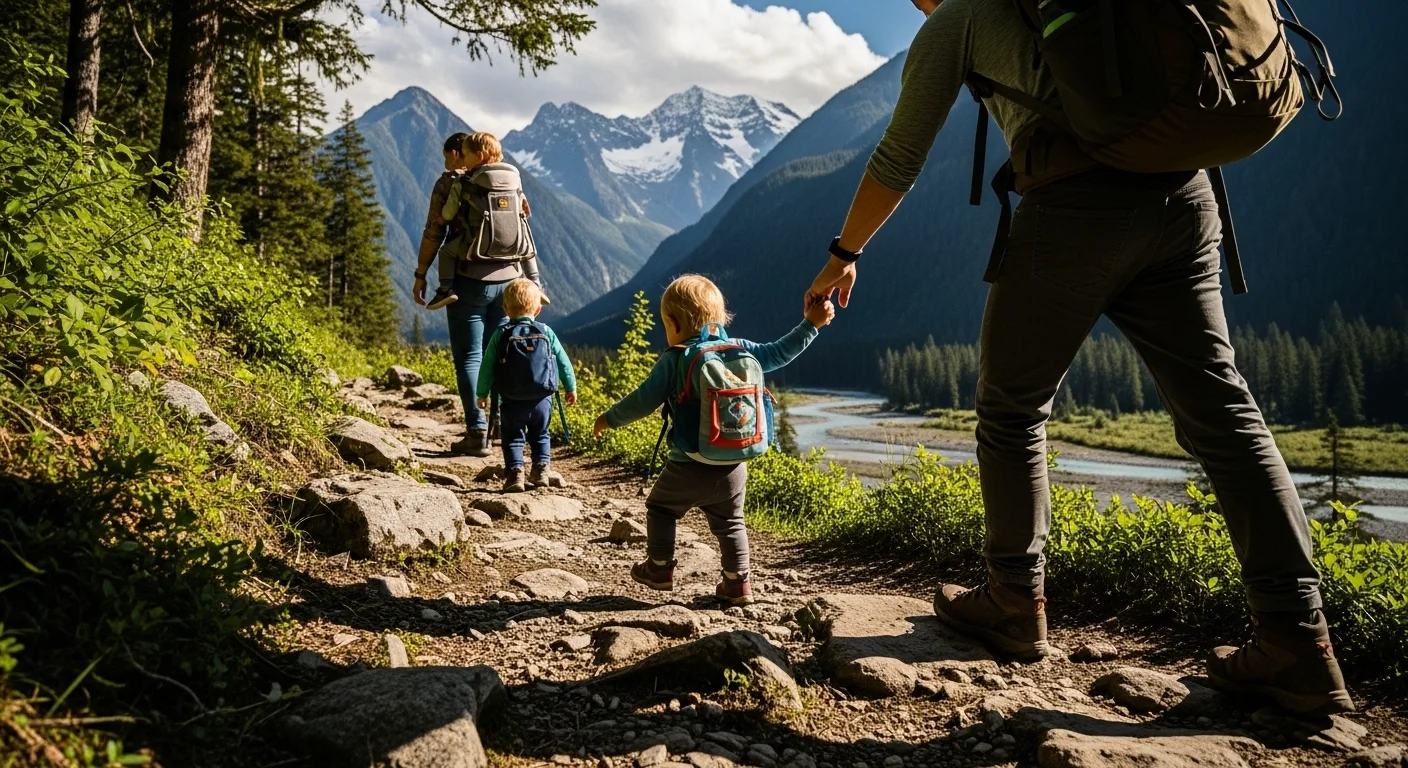
As I embarked on our backpacking adventures, I quickly realized how much these treks contributed to my toddler’s gross motor skills development. Watching them navigate uneven terrain, climb over rocks, and balance on logs was both thrilling and a little nerve-wracking. I noticed that each little obstacle they tackled helped strengthen their muscles and coordination. For instance, those moments when my child would scramble up a small hill or leap over a puddle were essential for their confidence and physical growth. Each step was a milestone, and I felt a sense of pride as they became more adept at moving their bodies in new ways. I’ve found that simply allowing them to explore their limits in a safe environment fosters their natural ability to develop these skills.
Fine Motor Skills and Their Importance
Fine motor skills are just as important, and I’ve noticed that hiking offers countless opportunities to enhance them. Picking up small stones, adjusting their backpack straps, or even trying to open snack packages—these activities have helped my toddler develop better hand-eye coordination and dexterity. I remember a day when we took a break at a beautiful lookout point, and my child excitedly picked up various leaves and twigs to create a little nature collage. This simple activity not only kept them engaged but also encouraged their creativity while honing those fine motor skills. Incorporating little tasks like these during our hikes has made our experiences even more enriching.
Social and Emotional Development During Outdoor Activities
Backpacking isn’t just about physical development; it’s also a fantastic way for toddlers to grow socially and emotionally. I’ve found that our family hikes foster a sense of teamwork and bonding. Whether we’re working together to climb a hill or helping each other find the right path, these moments are invaluable. I remember a time when my child helped me spot a trail marker, and their sense of accomplishment was palpable. It was a small victory, but it boosted their confidence and reinforced the idea that they play an important role in our adventures. Sharing these experiences helps cultivate empathy, communication, and emotional resilience, which is so vital at this stage of development. For insights on managing emotional ups and downs, consider reading Backpacking with Toddlers: Mastering Emotional Ups and Downs.
Safety Precautions for Backpacking with Toddlers
Preventing Injuries and Accidents
As thrilling as backpacking can be, safety is paramount, especially when it involves our toddlers. I learned early on that prevention is key to avoiding injuries and accidents. I always keep a close eye on my child, especially around steep edges or rocky areas. I’ve found that holding their hand during tricky sections not only keeps them safe but also provides a sense of security. Additionally, I make sure to talk to them about potential hazards like poison ivy or slippery stones, so they start to recognize and avoid dangerous situations. Setting ground rules, like staying close and listening to instructions, has been a game-changer in ensuring our hikes are as safe as they are fun.
Monitoring Your Toddler’s Physical Condition
Monitoring how my toddler is feeling during our hikes is just as important. I’ve learned to pay attention to their energy levels and make adjustments as needed. If I notice they seem tired or cranky, we take a break, have a snack, or even cut the hike short. I remember one particularly hot day when my little one started getting fussy, and it turned out they were thirsty and overheated. Once we took a break to hydrate and cool off, they perked right back up! It’s crucial to remember that toddlers can tire more quickly than we might expect, so being proactive about their physical condition keeps the experience enjoyable for everyone.
Emergency Preparedness and First Aid
No one wants to think about emergencies, but being prepared can make all the difference in a challenging situation. I always carry a well-stocked first aid kit, but I also make sure to know basic first aid for common toddler injuries, such as cuts or scrapes. I’ve found it helpful to have a small booklet or guide on hand for quick reference. Additionally, discussing what to do in case of separation or an emergency has been beneficial. I remember practicing what to do if we got lost, which helped alleviate any fears my child had. These conversations not only prepare us for the unexpected but also empower my toddler to feel safe and knowledgeable during our adventures.
Engaging Activities to Support Development
Interactive Games During Hikes
One of the best parts of backpacking with toddlers is finding ways to turn our hikes into engaging adventures. I love incorporating games that keep my little one active and excited. Simple games like “I Spy” or nature scavenger hunts have become staples on our trips. Creating a list of items to find—like specific leaves, rocks, or animals—encourages them to observe their surroundings closely. I remember one hike where we turned it into a mini treasure hunt, and it was amazing to see how focused my child became. These activities not only make the hike enjoyable but also promote cognitive skills and awareness of nature.
Encouraging Exploration and Curiosity
Encouraging my toddler’s natural curiosity is vital. I often let them lead the way, allowing them to explore at their own pace. This approach has led to some unexpected discoveries! Whether it’s spotting a unique flower or watching ants march along a trail, these moments foster a love for nature and learning. I love when they ask questions about what they see; it opens up opportunities for me to share knowledge about the environment. I believe that nurturing this curiosity helps lay the foundation for a lifelong appreciation of the outdoors.
Incorporating Learning Opportunities
Backpacking is full of chances to incorporate learning in fun ways. I’ve found that talking about the different plants and animals we encounter can turn our hikes into mini-science lessons. I often carry a small guidebook to help identify local flora and fauna, which adds an educational twist to our adventures. For instance, when we spotted a beautiful bird, we would pause to look it up and learn about its habitat. These moments of learning make our time together even more meaningful and help my toddler connect what they see in nature to the world around them.
Real-Life Experiences: Tips from Parents
Success Stories and Challenges
As I’ve shared my experiences with backpacking alongside my toddler, I’ve come to appreciate the value of hearing from other parents. I remember chatting with a mom during one of our hikes, and she shared a story about her first backpacking trip with her two-year-old. She was nervous at first, unsure if her little one would enjoy the experience. But to her surprise, her child loved exploring the trails, pointing out flowers and bugs along the way. This made me realize that every child is different; while some may take to the outdoors like a fish to water, others might need more encouragement. We all have our challenges, and it’s comforting to hear that we’re not alone in navigating the ups and downs of outdoor adventures with toddlers.
Another parent I spoke with faced a unique challenge: her toddler was afraid of heights. This fear made hiking on elevated trails tough. Instead of giving up, they decided to focus on lower, flat trails where they could still enjoy nature without the pressure of steep climbs. Over time, as her child gained confidence, they gradually introduced higher trails. Hearing these stories reinforced the idea that we should adapt our experiences to meet our toddlers’ needs, ensuring they feel safe and excited about our adventures.
Advice from Experienced Backpackers
Along the way, I’ve picked up some invaluable tips from seasoned backpackers who have traveled with their little ones. One piece of advice that stands out is to keep the hikes short and sweet, especially when starting. I’ve learned that toddlers can get overwhelmed easily, so starting with shorter trails allows them to build stamina gradually. One parent recommended planning fun stops along the way—like a picnic or a chance to play in a stream. I used this tip on our last hike, and it was a game-changer! My child was so much happier and engaged when they knew we had fun activities planned.
Another tip that really resonated with me was the importance of involving our toddlers in the preparation process. A dad I met suggested letting children help with packing their own gear. By allowing my toddler to choose a few favorite snacks and toys, they felt more invested in the journey. It transformed my child’s attitude from one of reluctance to excitement about carrying their own little backpack. I’ll definitely keep this in mind for our future adventures!
Many experienced parents also emphasized the need for flexibility. I remember one parent saying, “It’s not about the destination; it’s about the journey.” This hit home for me, especially after a few hikes didn’t go as planned. Sometimes, the weather changes, or my toddler gets tired, and we have to adjust our plans. Embracing a flexible mindset helped me enjoy the experience more rather than stressing over a specific goal. The little moments—like my child discovering a new bug or laughing at my silly dance moves to keep them entertained—are what make our trips memorable.
Resources for Further Learning
Books on Toddler Development
As I dove deeper into the world of toddler development, I found several books that offered insights into their growth stages and how outdoor activities can benefit them. One book that I found particularly enlightening is “The Whole-Brain Child” by Daniel J. Siegel and Tina Payne Bryson. It’s filled with practical ideas for nurturing a child’s brain development, which can be incredibly useful when considering how to engage them outdoors. I also enjoyed “Last Child in the Woods” by Richard Louv, which discusses the importance of nature in a child’s life, making it a great read for parents who want to understand the profound connection between outdoor time and development.
Online Forums and Communities
Connecting with other parents has been invaluable, especially through online forums. I joined a few Facebook groups dedicated to family hiking and outdoor activities. These communities have become a treasure trove of advice, personal experiences, and tips tailored specifically for backpacking with toddlers. Sharing our stories and learning from others has made me feel more confident and connected. I often find inspiration from parents sharing their favorite toddler-friendly trails or safety tips they’ve discovered through trial and error.
Additionally, websites like ParentMap and REI’s blog offer excellent resources and articles about outdoor activities for families. They often feature expert advice on planning trips and suggest age-appropriate activities that can enhance our adventures. These online platforms are fantastic for finding new ideas and connecting with others who share a passion for the outdoors.
Professional Guidance and Recommendations
When it comes to ensuring our toddlers get the most out of their outdoor experiences, seeking professional guidance can be beneficial. I remember attending a local workshop led by a child development specialist who focused on outdoor play and its impact on growth. They provided research-backed information on how nature fosters creativity and problem-solving skills in children.
I also found that local outdoor organizations often offer family-friendly programs or guided hikes. These experiences can enhance our understanding of the environment while providing structured activities that are perfect for toddlers. Seeking out these opportunities has helped me feel more prepared for our outings and ensures we’re making the most of our outdoor adventures.
Frequently Asked Questions
What are the key physical development milestones for toddlers?
Toddler physical development milestones generally include starting to walk, climb, and run between the ages of 1 to 2 years old. By ages 2 to 3, they refine these skills, becoming more confident and agile, able to jump, throw, and kick a ball.
Why is tracking physical development milestones important for toddlers?
Tracking milestones is crucial as they are indicators of overall health and development. Achieving these milestones boosts a child’s confidence and encourages them to try new things, while also allowing parents to support their toddlers appropriately.
What should I look for when choosing a backpack for toddlers?
A toddler-friendly backpack should be comfortable for both the parent and child, with adjustable straps and a sturdy frame. It should also have a sunshade for protection and ample storage for snacks, water, and extra clothes. Testing it with your toddler can help ensure a good fit.
What safety gear is essential when backpacking with toddlers?
Essential safety gear includes a well-stocked first aid kit tailored for young children, a whistle for emergencies, and a physical map or GPS device. It’s important to monitor your child’s safety around potential hazards during hikes.
How should I dress my toddler for backpacking?
Dress toddlers in layers to adapt to changing temperatures, using lightweight, moisture-wicking materials. Ensure they wear sturdy shoes with good traction, and always include hats and sunscreen to protect against sunburn.
How can I assess if my toddler is ready for a backpacking trip?
Assess your toddler’s readiness by checking if they can walk for extended periods, listen to instructions, and enjoy outdoor play. Starting with short, easy hikes can help gauge their interest and stamina.
What types of trails are best for toddlers?
Choosing flat, well-marked trails that are toddler-friendly is important. Researching local parks with easy paths and beautiful scenery can keep toddlers engaged and excited during hikes.
What are some engaging activities to support toddler development while hiking?
Incorporate interactive games like “I Spy” or nature scavenger hunts, allowing toddlers to explore and observe their surroundings. Engaging them with questions and identifying plants and animals can also turn hikes into learning experiences.
How can I ensure safety while backpacking with toddlers?
To ensure safety, keep a close eye on your child, especially around steep edges. Setting ground rules about staying close and listening to instructions can help prevent accidents. Monitoring their energy levels and taking breaks as needed is also crucial.
What resources can help me learn more about toddler development and outdoor activities?
Books like “The Whole-Brain Child” by Daniel J. Siegel and “Last Child in the Woods” by Richard Louv provide insights into toddler development. Online forums and communities, as well as local workshops and family-friendly programs, also offer valuable information and support.