
Backpacking with toddlers can be an exhilarating adventure, but it also presents unique emotional challenges. Understanding and managing their feelings can make the journey smoother for everyone involved. For additional insights, check out Backpacking with Toddlers: Boosting Social Skills on the Road.
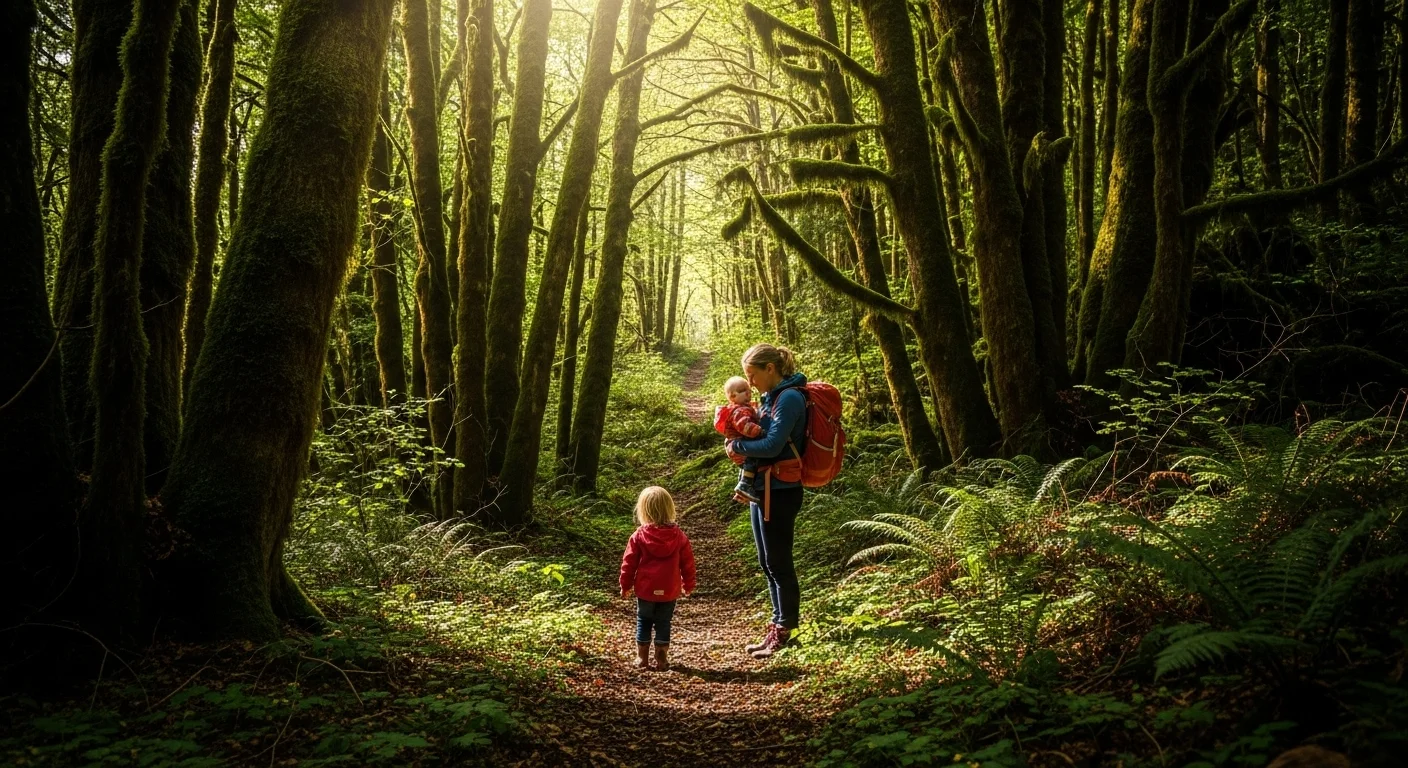
Understanding the Emotional Landscape of Toddlers
When I first started backpacking with my little ones, I quickly realized that their emotional landscape is as vast and unpredictable as the trails we explored. Those tiny humans are filled with big feelings that can change in an instant. Understanding these emotions is key to creating a positive experience for everyone involved.
The Developmental Stages of Toddler Emotions
Toddlers are in a fascinating phase of emotional development. At this age, typically between one and three years, they experience a whirlwind of feelings but often lack the vocabulary to express them. I remember watching my daughter go from giggles to tears in a matter of seconds, and I felt like I was catching a wave of emotions that I didn’t quite understand. This is completely normal; toddlers are learning how to navigate their feelings, and each stage brings new challenges.
In my experience, toddlers mainly oscillate between primary emotions like happiness, sadness, fear, and frustration. As they grow, they start to recognize these emotions within themselves and others. This learning process can be overwhelming, especially when faced with new experiences—like backpacking in the great outdoors. Understanding where they are in this developmental journey can help us, as parents, respond more effectively to their needs.
Common Emotional Responses in Toddlers
During our backpacking trips, I’ve seen some common emotional responses that seem to pop up in my toddlers. For example, excitement often turns into anxiety when they encounter unfamiliar sights or sounds. I’ve noticed that my toddlers would go from running ahead, full of curiosity, to clinging to my leg when a loud noise startled them. This anxiety is a natural reaction, and recognizing it is the first step in managing it.
Frustration is another frequent emotion we encounter. Whether it’s struggling to keep up with the hike or dealing with a sudden change in plans, toddlers can easily become upset. I learned to approach these moments with patience, acknowledging their feelings rather than dismissing them. I found that validating their emotions helped ease their frustration, creating an environment where they felt safe to express themselves.
The Role of Attachment in Emotional Security
Attachment plays a significant role in how toddlers manage their emotions. A secure attachment can provide them with the emotional foundation they need to explore new environments confidently. As I’ve taken my kids on various trips, I noticed that when they felt secure in our relationship, they were more willing to take risks and explore their surroundings. This sense of safety allowed them to embrace the adventure rather than retreat into fear.
I think one of the best ways to foster this attachment is through consistent routines and nurturing interactions. During our backpacking trips, I made it a point to prioritize quality time, whether it was sitting together for a snack or playing games along the trail. These moments not only strengthened our bond but also helped my toddlers feel grounded amidst the excitement of our adventures.
In my experience, understanding the emotional landscape of toddlers while backpacking requires patience, empathy, and a willingness to adapt. By recognizing their developmental stages, common emotional responses, and the importance of attachment, we can better navigate the emotional ups and downs that come with traveling with little ones. This awareness makes the journey not only more enjoyable for them but also for us as parents. The beauty of backpacking with toddlers lies in these shared experiences, and embracing their emotions allows us to create lasting memories together.
Preparing for a Backpacking Trip with Toddlers
Choosing the Right Destination
Picking the right destination is crucial when it comes to backpacking with toddlers. I remember when we first attempted a family hike, we mistakenly chose a challenging trail that was too long for my little ones. It was a learning experience, to say the least! My advice is to look for locations that offer shorter, manageable trails with plenty of opportunities for breaks and exploration. Finding a place with diverse surroundings—like meadows, streams, or even small hills—can keep their interest alive while allowing them to expend some of that boundless energy.
In my experience, parks with amenities like restrooms and picnic areas can also be a lifesaver. Knowing I could take a break if needed relieved some of my stress, which in turn helped my kids feel more relaxed. I often consider places that have engaging features, like a small lake or a lookout point, where we can stop for snacks and enjoy the view. Choosing the right destination makes the trip enjoyable for everyone, and it allows us to create meaningful moments without overwhelming our toddlers. For more tips on how to prepare, see Backpacking with Toddlers: Boosting Cognitive Skills on a Budget.
Essential Packing Tips for Toddlers
Packing for a toddler is an adventure in itself! I’ve learned that keeping things simple is the key to success. I usually start by bringing a comfortable backpack for the kids. They love having their own gear, and it gives them a sense of responsibility. I fill it with a few essential items: a water bottle, some snacks, a light jacket, and a favorite toy. Snacks are a big deal for us—I often pack fruit, granola bars, and some trail mix. These little pick-me-ups have saved us during those moments when energy levels dip.
It’s also important to think about their comfort. A good pair of sturdy shoes can make all the difference on the trail. I remember when my son wore shoes that were slightly too big; it resulted in blisters and tears, which put a damper on our adventure. I recommend testing their gear ahead of time to ensure everything fits well. And don’t forget about sun protection! Sunscreen and hats are must-haves, especially during the warmer months.
Understanding Your Toddler’s Needs While Traveling
As we prepare for our trips, I find it essential to keep a close eye on my toddlers’ needs. Their moods can swing like a pendulum, and understanding when they need a break is crucial. I’ve learned to tune into their cues—whether it’s a fidget, a whine, or simply a quiet moment. I often gauge their energy levels and adjust our plans accordingly. Sometimes, that means taking a longer break to enjoy a snack or letting them just stretch their legs and explore a little. It’s amazing how a simple pause can recharge them and reset their emotional state.
Another aspect I’ve noticed is the importance of routine. Keeping a familiar rhythm with meal times and naps, even while on the trail, can help reduce anxiety. I try to stick with our usual schedule as much as possible. For example, if we usually have lunch around noon, I aim to do the same during our outings. This consistency gives my toddlers a sense of security in the midst of new experiences.
Ultimately, understanding their needs not only helps with their emotional well-being but also enhances our overall experience. By preparing thoughtfully and staying attuned to what they require, we can transform our backpacking trips into joyful adventures filled with exploration and bonding.
Recognizing Emotional Cues in Toddlers
Signs of Overstimulation
During our hikes, I’ve learned to recognize when my toddlers are becoming overstimulated. It often starts with them being overly giggly or hyperactive, and then it quickly shifts to fussiness or irritability. I remember one particular hike where the sounds of nature—birds chirping, leaves rustling, and the babbling brook—were a bit too much for my son. He went from excited to overwhelmed, and I had to step in quickly to help him find calm again. I’ve found that watching for these signs is vital for preventing emotional meltdowns.
When I notice these cues, I usually suggest a quiet moment, perhaps sitting down on a rock or finding a shaded area to relax. Sometimes, even putting on a soft song or reading a book can help them settle down. It’s all about creating a peaceful space where they can regain their composure.
Identifying Signs of Fatigue
Fatigue is another emotional cue that can trigger a tidal wave of feelings in toddlers. I’ve had moments when my kids were clearly tired but were pushing through, determined to keep up with the hike. Their little faces would start to turn from excitement to exhaustion, and that’s when I knew it was time for a break. I’ve learned to watch for droopy eyelids, slower movements, or a sudden lack of enthusiasm for walking. Ignoring these signs can lead to tantrums or meltdowns, so I try to take action before we reach that point.
Finding a cozy spot to sit and enjoy a snack works wonders. Sometimes, I even carry a lightweight blanket to spread out for a mini picnic. These breaks not only give them a chance to recharge but also provide an opportunity for us to bond over a shared treat. It’s amazing how a little food and rest can turn a potentially difficult moment into a cherished memory.
Understanding Anxiety in New Environments
New environments can be thrilling yet intimidating for toddlers. I’ve seen my children’s excitement quickly fade into anxiety when faced with unfamiliar situations, whether it’s a new trail or a group of strangers. Understanding this anxiety is crucial for me as a parent. I remember one hike where we encountered a group of campers near a fire. My daughter, who usually loves the outdoors, became visibly anxious and clung to my leg. In that moment, I realized the importance of being attuned to their feelings.
To help manage this anxiety, I often talk about what they might expect to see or hear ahead of time. I also encourage them to express their feelings and reassure them that it’s okay to be scared. I’ve found that validating their emotions has helped them feel more secure. Sometimes, it’s as simple as a gentle squeeze of their hand or a few calming words to ease their worries. By being present and supportive, we can make these new experiences feel less daunting and more enjoyable for them.
Strategies for Managing Emotions on the Road
Establishing a Routine During Travel
One of the most effective strategies I’ve discovered for managing my toddlers’ emotions while backpacking is establishing a routine. Kids thrive on predictability, and I’ve noticed that having a loose schedule helps them feel more secure. Before we hit the trails, I often sit down and map out a general timeline for the day. I include meal times, play breaks, and any planned activities. This gives my toddlers a sense of what to expect, which can alleviate anxiety and help them transition smoothly from one activity to another.
For example, when we set off in the morning, I try to stick to a consistent order: breakfast, a short hike, snack time, and then more hiking. I usually give them a heads-up about what’s coming next, like saying, “After we finish this trail, we can have a snack by the stream!” This way, they know what’s in store and can look forward to the next fun moment rather than getting caught up in the momentary discomfort of hiking.
In my experience, the more we adhere to this routine, the more my kids understand that while adventures can be unpredictable, some things remain constant. This predictability helps ease their emotional responses during times of uncertainty, making our hiking experiences more enjoyable for all of us.
Utilizing Comfort Items
I’ve found that having certain comfort items can be a game-changer for my toddlers when we’re on the road. These little treasures can help anchor them emotionally, especially in unfamiliar situations. For my son, it’s his beloved stuffed animal, while my daughter insists on bringing her favorite blanket. I remember one hike where we encountered a sudden rainstorm. Instead of becoming panicked, my daughter wrapped her blanket around her and instantly felt safer and more at ease. It was as if that simple act transformed her entire emotional state.
Comfort items can serve as a source of familiarity and security in the great outdoors. I recommend letting your toddlers pick out their own comfort items before the trip. This way, they feel empowered and connected to whatever they choose to bring along. Plus, it gives them something to hold onto during those moments when they may feel overwhelmed or anxious. Knowing they have their special item can help them navigate the emotional rollercoaster of backpacking with greater ease.
Incorporating Breaks and Downtime
As much as I love our adventurous hikes, I’ve learned that incorporating breaks and downtime is essential for keeping my toddlers’ emotions in check. I remember our first long hike; I was so focused on the destination that I overlooked how tired my kids were getting. We ended up with cranky little hikers who were more interested in crying than exploring the beautiful surroundings. Now, I’ve made it a point to plan for frequent breaks, even if it means stopping to sit on a rock or finding a shady tree to relax under.
During these breaks, I encourage my kids to stretch their legs, have a snack, or simply sit back and enjoy the scenery. I’ve found that these moments not only help recharge their energy but also allow them to process their feelings. Sometimes, we even play a short game or take a few minutes to collect interesting rocks or leaves along the trail. Incorporating downtime helps prevent overstimulation and keeps the mood light and fun.
In my experience, when my toddlers have the chance to pause and regroup, they are more likely to enjoy the hike and engage with the environment around them. A well-timed break can turn a potentially overwhelming experience into an opportunity for connection and exploration.
Activities to Engage Toddlers While Backpacking
Interactive Games to Keep Them Entertained
Keeping my toddlers entertained on the trail is crucial for managing their emotions. I’ve found that introducing interactive games can turn a hike into a fun adventure rather than just a walk in the woods. One of our favorite games is the “Nature Scavenger Hunt.” Before we head out, I prepare a simple list of items for them to look for—like a pine cone, a feather, or a yellow flower. This not only keeps them engaged but also encourages them to observe their surroundings more closely.
Another game we love is “I Spy.” It’s amazing how this classic game can spark their imaginations and keep their minds occupied. I often hear them giggling and pointing out things they see around them. The excitement of finding something new or guessing correctly can shift their focus away from fatigue or frustration, making the journey feel more like a treasure hunt.
From my experience, these playful activities not only boost their spirits but also help them develop a deeper appreciation for nature. Plus, engaging in games together strengthens our bond and creates lasting memories that we cherish long after the hike is over. For more ideas on engaging activities, check out Backpacking with Toddlers: Boosting Language Skills Abroad.
Nature-Based Activities for Emotional Regulation
Incorporating nature-based activities can work wonders for emotional regulation during our hikes. I love introducing sensory experiences for my toddlers, like encouraging them to close their eyes and listen to the sounds around them or feel the textures of tree bark and leaves. These activities help ground them in the moment and promote mindfulness, which can be incredibly calming.
When we encounter a stream or a small pond, I often suggest we take a few minutes to skip stones or splash our hands in the water. This simple interaction with nature not only brings joy but also helps them express their emotions through play. I’ve noticed that these moments can be particularly restorative—allowing them to release pent-up energy and refocus their minds on the beauty around them.
Storytelling and Imaginative Play
Storytelling is another fantastic way to engage my toddlers while backpacking. I love to weave tales based on the places we visit, bringing the scenery to life with fun characters and adventures. For instance, I might tell a story about a brave little squirrel who sets out on an epic journey to find the biggest acorn. I encourage my kids to contribute to the story, prompting them to share their ideas about what happens next. This not only sparks their creativity but also keeps their minds active during longer stretches of the hike.
Imaginative play can also help them cope with any anxiety or fear they may feel in new environments. I’ve seen how pretending to be explorers, adventurers, or even animals can lift their spirits and redirect their focus. These storytelling moments help them navigate their emotional landscapes while fostering a sense of adventure that makes our backpacking trips even more memorable.
Frequently Asked Questions
What are some common emotional responses in toddlers while backpacking?
Common emotional responses include excitement turning into anxiety when faced with unfamiliar sights or sounds, and frustration when struggling to keep up with the hike or facing sudden changes in plans. Recognizing these emotions helps parents respond effectively.
How can attachment impact a toddler’s emotional security during backpacking trips?
A secure attachment provides toddlers with the emotional foundation needed to explore new environments confidently. When toddlers feel secure in their relationship with their parents, they are more willing to take risks and embrace new experiences.
What should parents consider when choosing a backpacking destination with toddlers?
Parents should choose locations with shorter, manageable trails that offer opportunities for breaks and exploration. Parks with amenities like restrooms and picnic areas can also help make the trip more enjoyable for everyone.
What essential items should be packed for toddlers during a backpacking trip?
Essential items include a comfortable backpack, a water bottle, snacks, a light jacket, and a favorite toy. Snacks like fruit, granola bars, and trail mix are particularly important for maintaining energy levels.
How can parents recognize signs of overstimulation in their toddlers?
Signs of overstimulation may include overly giggly or hyperactive behavior that quickly shifts to fussiness or irritability. Parents should watch for these cues to prevent emotional meltdowns.
What strategies can help manage a toddler’s emotions while traveling?
Establishing a routine, utilizing comfort items, and incorporating breaks and downtime are effective strategies. These approaches help toddlers feel secure and allow them to recharge during the journey.
What activities can engage toddlers while backpacking?
Interactive games like “Nature Scavenger Hunt” and “I Spy” can keep toddlers entertained. Additionally, incorporating nature-based activities and storytelling can help manage their emotions and enhance their experience.
How can parents help their toddlers deal with anxiety in new environments?
Parents can help manage anxiety by talking about what to expect in new situations, encouraging toddlers to express their feelings, and validating those emotions. Physical reassurance, like a gentle squeeze of their hand, can also be comforting.
What is the importance of routine for toddlers during backpacking trips?
Having a routine provides predictability, which helps toddlers feel secure during new experiences. This can alleviate anxiety and facilitate smoother transitions between activities throughout the trip.
How can incorporating breaks benefit toddlers during hikes?
Incorporating breaks allows toddlers to recharge, process their feelings, and prevents overstimulation. These pauses can turn potentially overwhelming experiences into opportunities for bonding and exploration.