
Backpacking is one of the greatest joys of life, but for those of us with allergies, it can feel like a daunting adventure. The good news is we can enjoy the great outdoors while keeping our allergies in check with the right strategies. For example, top tips to prevent allergies while backpacking on a budget can be incredibly helpful.
Understanding Allergies in Outdoor Environments
As someone who loves to hike and explore new trails, I’ve had my fair share of allergy experiences. Whether it’s sneezing at the first sign of pollen or dealing with itchy rashes from plants, understanding the allergens that lurk in nature is the first step toward enjoying a carefree backpacking experience. Knowing what we might encounter can make a huge difference in how we prepare for our trips.
Common Allergens in Nature
During my many excursions, I’ve found that different environments come with their own set of allergens. Pollen is often the first culprit that comes to mind. Trees, grasses, and flowers release pollen into the air, particularly in spring and summer. I remember one hike in the spring when I was surrounded by blossoming trees. I hadn’t anticipated how bad my allergies would flare up, and those beautiful blooms turned into my worst enemy. Dust, mold spores, and even certain insects can also trigger allergic reactions when we’re out in nature. It’s essential to be aware of these potential triggers in the area you plan to explore.
How Allergies Affect Backpacking Experiences
Experiencing allergies while backpacking can put a serious damper on the adventure. I vividly recall a trip where I was so focused on enjoying the trail that I ignored the itchiness in my eyes and the stuffiness in my nose. Soon enough, it was hard for me to enjoy the sounds of nature or take in the breathtaking views. Allergies can lead to fatigue, headaches, and sleepless nights, which can turn a fun trip into a miserable one. I’ve seen this happen to friends too, which is why it’s crucial to address allergy management before heading out.
Pre-Trip Preparations for Allergy Management
To prepare for my own backpacking trips, I’ve learned that a little planning goes a long way in managing allergies. The more informed we are, the better equipped we are to tackle whatever nature throws our way.
Consulting with an Allergist
Before my last big trek, I decided to consult with an allergist. This turned out to be one of the best decisions I made. They helped me understand my specific allergies and suggested treatments tailored for me. I learned about different medications that could help alleviate my symptoms while I was on the trail. If you haven’t already, I highly recommend making an appointment with an allergist to get personalized advice before your next adventure. You may also want to read about essential allergy prevention strategies for budget travelers.
Identifying Personal Allergens
As I worked with my allergist, I took the time to identify my personal allergens. For me, pollen was the biggest offender, but I also discovered I had a sensitivity to certain molds. By knowing this, I could choose my trails and destinations more wisely. I found it useful to keep a list of specific plants or conditions to avoid, which has saved me from several uncomfortable situations. If you’re unsure about what might trigger your allergies, consider keeping a diary of your symptoms during previous outdoor activities. This can help pinpoint patterns and allergies that might not be immediately obvious.
Creating an Allergy Action Plan
Having an action plan is essential. I created my own that includes what to do if I start experiencing symptoms while out in nature. This plan outlines the medications I need to carry, how to use them, and who to contact if things get serious. A clear plan gives me peace of mind and allows me to focus on enjoying the experience instead of worrying about my allergies. I also shared this plan with my hiking buddies, so they know how to help if I need assistance. It’s all about being prepared and ensuring that everyone in my group knows what to do.
By taking these steps to understand and manage my allergies, I’ve found that my backpacking experiences have become much more enjoyable. With the right knowledge and preparation, we can all embrace the beauty of the outdoors without the fear of allergies holding us back. In the next sections, I’ll share essential gear and preventative measures that will help us continue to enjoy our adventures while keeping our allergies at bay.
Essential Gear for Allergies While Backpacking
When I first started backpacking, I didn’t think much about the gear I was using in relation to my allergies. Over time, I learned that the right equipment can significantly improve my experience on the trail. Having allergy-friendly gear can not only help prevent allergic reactions but also make the journey more enjoyable.
Allergy-Friendly Backpacking Equipment
One of the first changes I made was to invest in allergy-friendly backpacking equipment. I swapped out my old gear for items that are less likely to harbor allergens. For instance, I chose a backpack made from materials that can be easily cleaned and are resistant to dust and mold. I’ve noticed that a backpack with a waterproof cover also helps when I’m out in wet conditions, as it prevents moisture from accumulating, which can trigger mold growth. Additionally, I think it’s important to choose sleeping bags and tents that are made from hypoallergenic materials. This way, I can avoid unwanted irritants while I sleep.
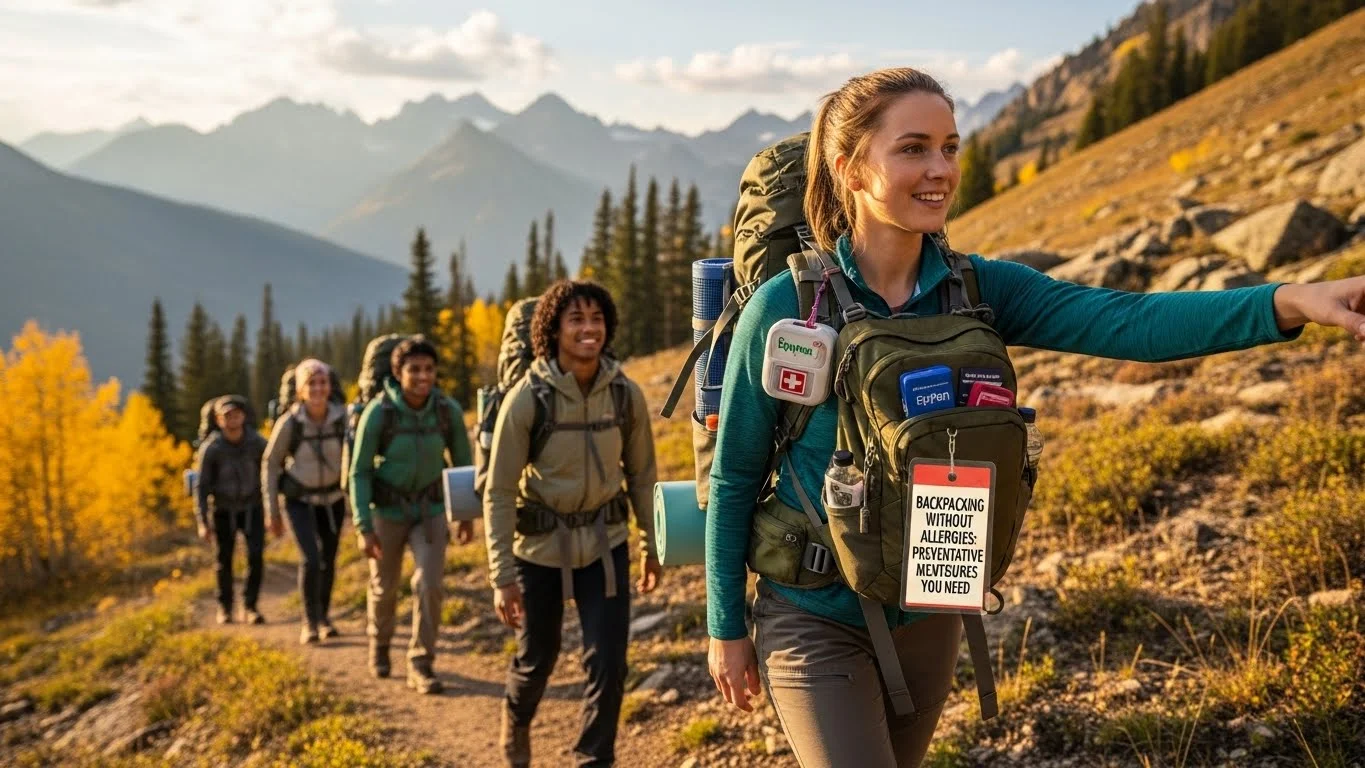
Another essential item is a good first aid kit, tailored to my allergy needs. I added antihistamines, nasal sprays, and even a spare EpiPen, just in case. I also recommend including items to treat skin irritations, like hydrocortisone cream, which has saved me from itchy rashes after contact with certain plants. Reading up on essential first aid tips for backpacking adventures can also be beneficial.
Best Masks and Respirators for Outdoor Allergens
I can’t stress enough how beneficial wearing masks or respirators has been for me during my hikes. When pollen counts are high, I wear a lightweight mask that filters out allergens. I remember one hike where the pollen was unbearable; I was glad I had my mask on. It allowed me to enjoy the beautiful scenery without the constant sneezing and itching. I’ve tried different types, and I found that a mask with a good filtration rating is essential. I also look for options that are breathable and comfortable, especially on warmer days. When I can breathe easier, I can enjoy my adventures to the fullest.
Portable Air Purifiers for Campsites
Another game changer for me has been using a portable air purifier at my campsite. I never thought I would need one while camping, but it has made a remarkable difference. It helps to filter out pollen and other allergens while I sleep or relax at the campsite. When I set up my tent, I place the purifier inside to circulate cleaner air. I remember during one trip, after a long day of hiking, I turned on the air purifier and felt instant relief as it helped clear the air of allergens. I’ve found that using a purifier not only helps with allergies but also creates a more comfortable atmosphere while camping.
Choosing the Right Backpacking Destination
Once I had the right gear, I realized that choosing the right destination is equally crucial for managing allergies. The location can significantly affect the allergens I might encounter, and I’ve learned the hard way that not all trails are created equal.
Researching Allergen Levels in Various Regions
Before heading out, I spend some time researching allergen levels in the regions I plan to visit. Websites and apps that track pollen counts can be incredibly helpful. I remember one trip where I decided to hike in a region known for high pollen levels without checking first. It turned into a sneezing marathon! Now, I make sure to check online resources for pollen forecasts and environmental conditions. This way, I can plan my outings during times of lower allergen levels.
Seasonal Considerations for Allergy Sufferers
Seasonality also plays a significant role in my destination choices. Each season brings different allergens, and I’ve learned to adjust my plans accordingly. Spring is beautiful for blooming flowers, but it’s also peak pollen season. I’ve found that late summer or early fall can be a better time for me to explore without as many pollen-related issues. I also keep an eye on the local flora and fauna for any potential triggers. If I know that a certain area has plants that I’m sensitive to, I’ll steer clear.
Best Locations for Minimal Allergen Exposure
Through my experiences, I’ve discovered certain locations that are generally better for those of us with allergies. For example, coastal areas often have lower pollen counts, thanks to the ocean breeze. I’ve had some of my best trips near the coast, where I could enjoy the beauty of nature without constant sneezing. Forested areas with less underbrush can also be a good option since they tend to have fewer allergenic plants. I make it a point to keep a list of my favorite allergy-friendly spots, which has helped me plan future backpacking trips with ease.
By focusing on the right gear and carefully selecting my destinations, I’ve been able to enjoy backpacking despite my allergies. It takes some effort, but the rewards are well worth it. In the next sections, we’ll discuss preventative measures to take while backpacking, ensuring that we remain comfortable and allergy-free throughout our adventures.
Preventative Measures During Backpacking
Once we’re on the trail, being proactive about managing our allergies is key. I’ve found that taking specific preventative measures can make a world of difference in how I feel during my adventures. It’s not just about the planning; it’s about what we do daily while we’re out there.
Daily Medication and Allergy Management
One of the best habits I’ve developed is taking my allergy medication regularly while backpacking. I’ve learned the hard way that waiting until symptoms appear is a mistake. On a recent trip, I forgot to take my antihistamine one morning, and by lunchtime, I was regretting it. Since then, I’ve set a reminder on my phone to take my medication each morning before we hit the trail. I also keep my medications easily accessible in my backpack, so I can take them right when I need them.
Depending on my planned activities, I might carry a combination of over-the-counter antihistamines, decongestants, and nasal steroids. I’ve found that having a well-rounded approach to my allergy management allows me to adapt to whatever nature throws my way. For example, if pollen levels are high, I double down on my antihistamines. The peace of mind that comes from knowing I’m taking steps to prevent symptoms is invaluable.
Food Allergies: Safe Snacking and Meal Prep
Food allergies can also be a major concern when backpacking. I remember a trip where I didn’t completely check the labels on my snack bars, and I had a pretty scary reaction. Since then, I’ve made it a point to prepare my own meals and snacks before heading out. This way, I know exactly what I’m eating.
I usually opt for simple, whole foods that I know are safe for me. Nuts, seeds, dried fruit, and homemade granola bars have become staples in my backpack. I also carry a list of ingredients for any pre-packaged foods, just in case. It’s a small effort that gives me a lot of confidence while I’m out in the wild. Plus, preparing my meals allows me to get creative with flavors while sticking to what I know works for my body.
Staying Hydrated and Healthy
Staying hydrated is something I can’t stress enough. When I’m backpacking, I try to drink plenty of water throughout the day. I’ve noticed that dehydration can sometimes worsen allergy symptoms. Carrying a good water filtration system has not only made it easier to hydrate but also has kept me energized on the trails. I usually fill up my water bladder at the start of the day and keep sipping as I hike.
Additionally, eating well can help me manage my allergies. I focus on nutrient-rich foods that support my immune system. I’ve learned that incorporating fruits and vegetables, especially those high in antioxidants, can help my body cope better with allergens. I always make it a point to include fresh produce in my meals whenever possible. Not only does this keep me feeling good, but it also adds variety to my outdoor dining experience.
Camping and Sleeping Arrangements for Allergy Relief
Finding ways to manage allergies doesn’t stop when the sun goes down. I’ve come to realize that my sleeping arrangements can significantly affect how I feel the next day. Making thoughtful choices about where and how I camp has been a game-changer for me.
Choosing Allergy-Friendly Campsites
When selecting a campsite, I pay close attention to the surrounding environment. I prefer spots that are away from flowering plants and tall grasses, which can release pollen at night. I also look for sites that are well-ventilated but not too exposed. This balance helps reduce my exposure to allergens while still allowing for a comfortable sleeping experience. I remember one camping trip where I set up my tent too close to a patch of wildflowers. I woke up sneezing and itchy, and it was a lesson learned! Now, I always scout the area before setting up camp.
Using Hypoallergenic Sleeping Gear
Investing in hypoallergenic sleeping gear has been one of my best decisions for camping. My sleeping bag is made from materials that resist dust mites and mold, and I’ve switched to a hypoallergenic pillow. These changes have made a noticeable difference in my comfort level at night. I also keep my sleeping area clean by shaking out my sleeping bag and keeping the tent tidy. It’s amazing how a little effort in maintaining cleanliness can lead to a better night’s sleep!
Setting Up Your Tent to Minimize Allergens
Finally, I pay attention to how I set up my tent. I always make sure to keep the entrance zipped up when I’m not using it to prevent pollen and dust from blowing inside. If there are any nearby trees or plants that might release allergens, I try to position my tent away from them. I’ve even started keeping a small, portable air purifier in my tent, which helps to clean the air while I sleep. This simple addition has made my nights much more restful and comfortable.
By taking these preventative measures during my backpacking trips, I’ve found that I can enjoy the journey without being constantly distracted by allergy symptoms. It’s all about being proactive and prepared, which allows me to fully immerse myself in the beauty of nature. Next, I’ll share how to be prepared for emergencies related to allergies, ensuring that we can handle any situation that might arise while we’re out on the trail.
Frequently Asked Questions
What are some common allergens I may encounter while backpacking?
Common allergens in nature include pollen from trees, grasses, and flowers, as well as dust, mold spores, and certain insects.
How can allergies affect my backpacking experience?
Allergies can lead to symptoms such as sneezing, itchy rashes, fatigue, headaches, and sleepless nights, making it difficult to enjoy the outdoor experience.
What should I do before my backpacking trip to manage allergies?
Consulting with an allergist can help you understand your specific allergies and receive tailored treatment suggestions. Identifying your personal allergens and creating an allergy action plan are also important steps.
What type of gear is recommended for managing allergies while backpacking?
Allergy-friendly backpacking equipment includes backpacks made from easily cleaned materials, hypoallergenic sleeping bags and tents, and a well-stocked first aid kit with allergy medications.
How can I prepare for high pollen levels when hiking?
Research allergen levels in the regions you plan to visit using websites and apps that track pollen counts, and consider planning your outings during times of lower allergen levels.
What types of masks or respirators are best for outdoor allergens?
A lightweight mask with a good filtration rating that is also breathable and comfortable is recommended for filtering out allergens like pollen during hikes.
How can I ensure my food is safe if I have food allergies while backpacking?
Prepare your own meals and snacks before heading out, opting for whole foods that you know are safe, and carry a list of ingredients for any pre-packaged foods.
What preventative measures can I take to manage allergies during a backpacking trip?
Taking allergy medication regularly, staying hydrated, eating nutrient-rich foods, and being mindful of your campsite and sleeping arrangements can help manage allergies effectively.
How can I choose a good campsite to reduce allergen exposure?
Select campsites that are away from flowering plants and tall grasses, ensuring they are well-ventilated but not too exposed to allergens.
What can I do to improve my sleeping environment while camping?
Use hypoallergenic sleeping gear, keep your sleeping area clean, and set up your tent to minimize allergens by zipping it up when not in use and positioning it away from allergenic plants.