
Finding the right balance in meals for kids can feel overwhelming. But with a bit of knowledge and some practical tips, we can create perfect portion control that supports their growth and health. Read Interesting article: Master Portion Control: A Guide for Kids’ Meals
Understanding Balanced Meals for Kids
What is a Balanced Meal?
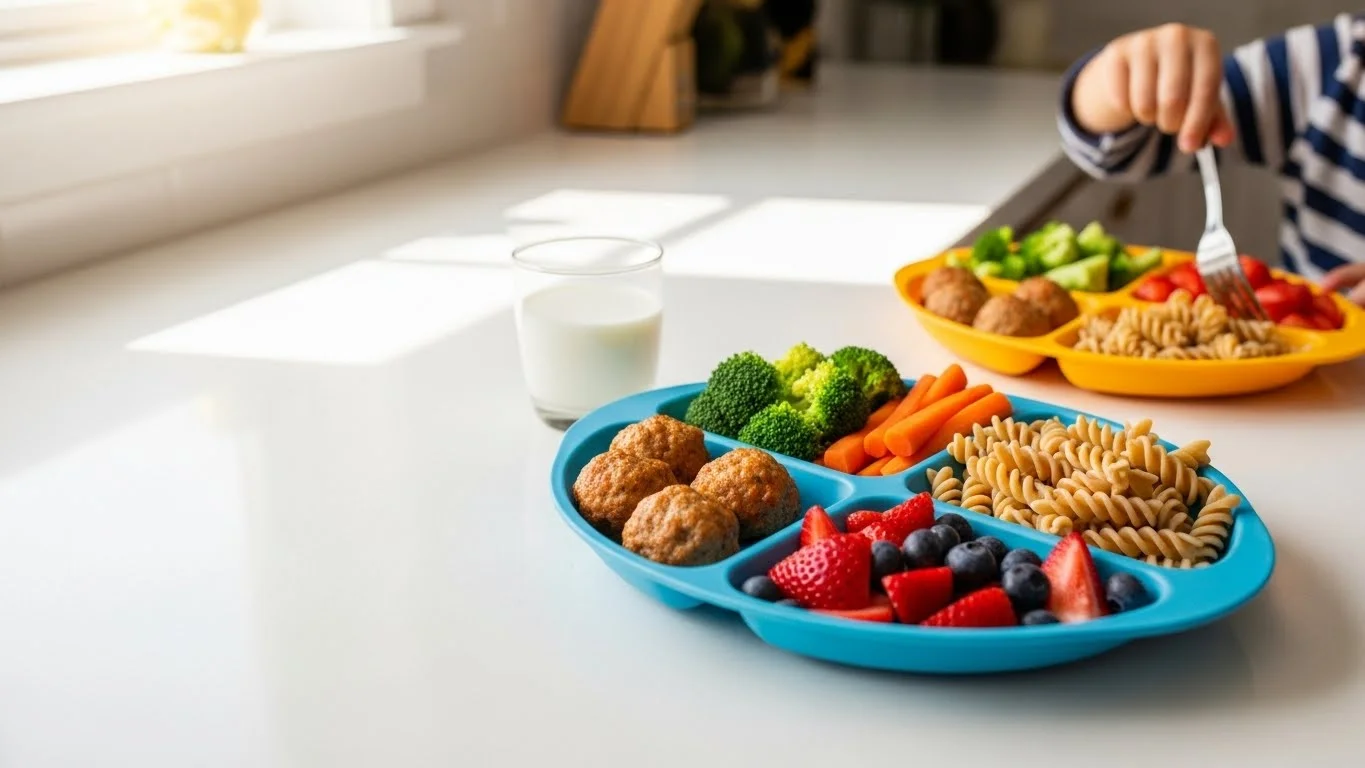
When I first started to learn about nutrition for kids, I realized that a balanced meal isn’t just about what kids eat, but how it all comes together. A balanced meal typically includes a variety of food groups: proteins, whole grains, fruits, vegetables, and dairy. Each of these components plays a vital role in providing the nutrients kids need. For instance, proteins are essential for growth, while fruits and vegetables offer important vitamins and minerals.
As I began to explore this topic more, I found that the combination of these food groups helps ensure that children are not only getting enough calories but also the right kind of calories. When I think about my own meals, I try to visualize a colorful plate filled with different foods. It’s a simple way to remember that variety is key!
Why Portion Control is Important for Children
I often hear parents express concerns about their kids’ eating habits. Portion control is a crucial aspect of teaching children about nutrition. In my experience, when kids are given oversized portions, they tend to overeat, which can lead to unhealthy weight gain. On the flip side, under-portioning can leave them hungry and unsatisfied, making them more likely to snack on unhealthy foods later.
Teaching kids about portion sizes helps them recognize their hunger and fullness cues. I remember a time when I noticed my child leaving food on the plate. Instead of forcing them to finish, I began to serve smaller portions. This not only reduced waste but also helped them learn to listen to their body. Implementing portion control from a young age lays the foundation for healthy eating habits as they grow older. Read Interesting article: Fun Ways to Involve Kids in Healthy Meal Prep
Key Nutrients for Growing Kids
Understanding the key nutrients necessary for our children has been an enlightening journey. I learned that kids need a balanced intake of carbohydrates, proteins, fats, vitamins, and minerals. Carbohydrates provide energy, which is crucial for their active lifestyles. Whole grains, like brown rice or whole wheat bread, are fantastic sources that I often incorporate into meals.
Proteins, such as chicken, fish, beans, and nuts, are vital for growth. I always ensure that my kids get a good source of protein in their meals. Healthy fats from sources like avocados and olive oil are also essential for brain development. I often find myself adding a slice of avocado to their sandwiches or salads.
Don’t forget about vitamins and minerals! Fruits and vegetables are packed with these nutrients, so I make it a point to include a rainbow of colors on their plates. I believe that involving kids in the meal preparation process helps them understand the importance of these nutrients. They learn not just to eat healthy, but to appreciate the flavors and textures of a variety of foods.
Components of a Balanced Meal
Fruits and Vegetables
I’ve found that incorporating a variety of fruits and vegetables into my kids’ meals is both fun and beneficial. Not only do they provide essential vitamins, but they also add color and flavor to the plate. Whether it’s a vibrant salad or a fruit smoothie, there are countless ways to sneak in these important food groups. I often involve my kids in picking out fruits and veggies at the grocery store. This not only makes them excited to eat what they helped choose but also encourages them to try new things.
Proteins
Proteins are a crucial part of our meals. I often rotate between different sources of protein to keep things interesting. Some days we have grilled chicken, while other days, we enjoy lentil soup. I’ve noticed that introducing a variety of proteins helps my kids develop their tastes and understand that healthy eating can be diverse and enjoyable.
Whole Grains
Whole grains have become a staple in our household. I swapped out white rice for quinoa and white bread for whole grain options. The difference in taste and nutrition has been remarkable. I feel good knowing that my kids are getting the fiber they need for digestion. Plus, whole grains keep them fuller for longer, which limits unnecessary snacking.
Dairy Products
Dairy products play a significant role in our meals. They provide calcium and vitamin D for strong bones. I often opt for low-fat options, like yogurt or milk. I love making smoothies with yogurt, which my kids enjoy, and it’s an easy way to sneak in some fruits too. I’ve found that offering different dairy products keeps the meals varied and interesting.
Healthy Fats
Incorporating healthy fats into meals has been a game-changer for us. I try to use olive oil for cooking and dressings instead of butter. Nuts and seeds are also great snacks. I remember when I first introduced my kids to hummus made with tahini – they loved it! It’s amazing how healthy fats not only enhance flavors but also contribute to overall health.
Perfect Portion Sizes for Kids
Age-Appropriate Portions
When I first started thinking about portion sizes for my kids, I felt a bit lost. How do you know what’s right for them? Over time, I learned that age plays a significant role in determining portion sizes. Young children generally need smaller portions than older kids, and understanding this has been a game-changer for our meals.
For example, I found that toddlers usually need about a quarter of an adult portion size. As they grow into preschoolers, that can increase to about a third. By the time they hit school age, they might be ready for half of what adults eat. Keeping this in mind has helped me avoid giving them too much food, which can sometimes lead to a battle over leftovers. I also noticed that these age-appropriate portions help them feel more in control of their eating habits, making mealtimes more pleasant for everyone!
Visual Guides for Portion Sizes
Visual cues have been incredibly helpful for me when figuring out portion sizes. I remember when I first learned about using common objects as guides. For instance, a serving of protein, like chicken or fish, should be about the size of a deck of cards. For grains, like rice or pasta, a serving is roughly the size of a fist. And a serving of fruit is about the size of a baseball.
These simple visuals have made it easier for me to gauge how much to serve without constantly measuring. I often share this with my kids, too, so they can start recognizing these sizes themselves. It’s been a good way to engage them in the conversation about healthy eating and helps them better understand their own hunger cues.
Using the Plate Method
One strategy that I found particularly effective is the plate method. This method encourages us to fill our plates with the right proportions of different food groups. I usually divide the plate into sections: half for fruits and vegetables, a quarter for proteins, and a quarter for whole grains. This visual layout has made it easier for me to create balanced meals without overthinking it.
What I love about this method is that it not only helps in portion control but also promotes a colorful plate. I often involve my kids in this process, letting them choose what fruits and vegetables to fill their half of the plate. It’s become a fun family activity, and they seem more excited to eat what they’ve chosen themselves! We’ve even taken it a step further by experimenting with different cuisines, allowing us to explore new flavors while sticking to a balanced approach.
Meal Planning Strategies
Creating Balanced Meal Plans
Meal planning has been a lifesaver for me. I used to get stressed out every evening, wondering what to make for dinner. But once I started planning meals in advance, everything changed. I typically sit down on Sundays and brainstorm a week’s worth of meals. This approach not only saves time during the week but also ensures that I’m incorporating balanced meals into our family’s routine.
To create these plans, I focus on including a variety of proteins, whole grains, and a rainbow of fruits and vegetables. I try to think about what my kids enjoy eating while also introducing new foods. Sometimes I’ll choose a theme for the week, like “Taco Tuesday” or “Meatless Monday,” which helps keep things fresh and exciting. I remember the first time I created a themed week—my kids loved it and started looking forward to dinner!
Incorporating Variety in Meals
Variety has become a key ingredient in our meal planning. I discovered that when I offer the same meals repeatedly, my kids can get bored and less enthusiastic about eating. So, I always try to mix things up by experimenting with different spices, cooking methods, or even cuisines. One week we might have Italian, and the next, we could explore Asian flavors. This not only keeps me engaged in cooking but also expands my kids’ palates.
Involving my kids in this variety-focused approach has been rewarding as well. They often suggest meals or ingredients, and I encourage them to pick a new fruit or vegetable to try each week. I believe this sense of ownership boosts their willingness to eat what’s on their plates!
Making Meals Fun and Engaging
Finally, I’ve learned that making meals fun is crucial for getting kids excited about healthy eating. I often create a “build-your-own” meal night where everyone can assemble their plates. It could be tacos, pizzas, or even salads. This interactive approach fosters creativity and encourages my kids to try new combinations.
To add to the fun, I sometimes include themed nights, like a picnic dinner or a dessert night where we only use fruits and yogurt. I’ve noticed my kids are more willing to eat their meals when they feel involved and entertained. It’s a win-win situation that keeps our meals lively and enjoyable!
Healthy Snack Options
Nutritious Snacks to Complement Meals
Finding healthy snacks for my kids has been a rewarding adventure. I’ve realized that snacks can play a significant role in maintaining their energy levels and overall nutrition between meals. Instead of reaching for chips or sugary treats, I’ve started to focus on nutrient-rich options that keep them satisfied and nourished.
Some of my favorite go-to snacks include fresh fruits, like apple slices paired with almond butter or a handful of berries. I love how simple it is to prepare! I often keep a bowl of fresh fruit on the counter, making it easy for my kids to grab something healthy when they feel hungry. Another snack that has become a hit in our house is yogurt topped with granola and a sprinkle of cinnamon. It’s not only delicious but also provides a good source of protein and probiotics.
Veggies and hummus have also made their way onto our snack list. I remember the first time my kids tried carrot sticks with hummus; their faces lit up with curiosity! Now, we have a variety of veggies ready to dip, from bell peppers to cucumbers. I find that when I set up a colorful platter, they are more inclined to munch on what’s available.
Nutritious snacks don’t have to be time-consuming either. I often prepare snack bags for the week filled with mixed nuts, dried fruits, or whole-grain crackers. This way, when we’re rushed in the morning or heading out for a family outing, we have healthy options ready to go. It’s a simple strategy that has really reduced the temptation to grab unhealthy snacks on the fly! Read Interesting article: Budget-Friendly Nutritious Snacks to Keep Kids Energized
Portion Control for Snacks
When it comes to snacks, portion control is just as important as it is for meals. I’ve learned to pay attention to how much I serve my kids as they often don’t need large portions between meals. One trick that works for us is using smaller plates or bowls for snacks. This visual cue helps them feel satisfied without overindulging.
I also try to encourage mindful eating during snack time. I’ve noticed that when my kids sit down and focus on their snacks instead of munching mindlessly, they appreciate the flavors more and tend to eat less. We often chat about their day or discuss what they’re eating while enjoying our snacks together. This not only makes snack time more engaging but also reinforces the idea of listening to their bodies when they’re full.
Another important lesson I’ve learned is to offer a balance of snacks throughout the day. For example, if they had a hearty breakfast, I might offer a lighter snack in the afternoon. I aim for variety, so they don’t feel bored with the options. Sometimes I’ll let them pick a favorite snack while I introduce something new, allowing us to explore flavors together while being mindful of portions.
Common Mistakes in Portion Control
Over Serving vs. Under Serving
As I navigated the world of portion control, I discovered that one of the biggest challenges is finding the right balance between over-serving and under-serving. I remember a time when I thought that my kids needed to eat more at every meal, which often led to frustration and food waste. After observing their eating patterns, I realized that not every meal required the same portion sizes.
On the other hand, I’ve also found that under-serving can lead to hunger pangs and cranky attitudes. My kids would often ask for more food shortly after meals, which made me rethink my approach. Now, I focus on serving appropriate portions initially, and if they’re still hungry, I encourage them to ask for seconds. This approach has fostered a better understanding of their hunger signals and has made mealtime more pleasant overall.
Ignoring Hunger Cues
Another mistake I’ve made in the past is ignoring my kids’ hunger cues. There have been moments when I’ve insisted they finish their plates, thinking it would instill good habits. However, I soon learned that this can backfire. I started to pay closer attention to their behaviors at mealtime. It became clear that when I respected their signals, they were less likely to overeat and more likely to enjoy their meals.
Now, I encourage my kids to listen to their bodies. If they say they’re full, I trust them. I also explain to them that it’s okay to leave food on their plates if they’ve had enough. This approach has helped them build a healthier relationship with food and empowered them to make choices about their eating habits.
Emotional Eating in Children
One of the more challenging aspects of parenting is tackling emotional eating. I’ve noticed that my kids sometimes turn to snacks when they’re feeling bored, anxious, or upset. I remember a particular instance when one of my kids reached for cookies after a long day at school. It made me realize that I needed to help them find healthier outlets for their emotions.
To address this, I’ve started to encourage other activities that can help them cope with their feelings, like drawing, playing outside, or even just talking about what’s bothering them. I try to foster an environment where they feel safe expressing their emotions without turning to food as a comfort. It’s a work in progress, but I believe that by helping them identify their feelings, we can reduce the reliance on food for comfort.
Frequently Asked Questions
What constitutes a balanced meal for kids?
A balanced meal for kids typically includes a variety of food groups: proteins, whole grains, fruits, vegetables, and dairy. These components provide essential nutrients for growth and health.
Why is portion control important for children?
Portion control is crucial for teaching children about nutrition. Oversized portions can lead to overeating and unhealthy weight gain, while under-portioning can leave them hungry and unsatisfied, prompting unhealthy snacking.
What key nutrients do growing kids need?
Growing kids need a balanced intake of carbohydrates, proteins, fats, vitamins, and minerals. Carbohydrates provide energy, proteins are vital for growth, and healthy fats support brain development.
How can I incorporate fruits and vegetables into my kids’ meals?
Incorporating a variety of fruits and vegetables can be fun and beneficial. Engaging kids in picking out fruits and veggies at the grocery store can make them more excited to eat what they help choose.
What is the recommended portion size for toddlers?
Toddlers generally need about a quarter of an adult portion size. As they grow into preschoolers, that can increase to about a third, and by school age, they might be ready for half of what adults eat.
What is the plate method for portion control?
The plate method involves dividing the plate into sections: half for fruits and vegetables, a quarter for proteins, and a quarter for whole grains. This visual layout helps create balanced meals without overthinking it.
How can meal planning help with creating balanced meals?
Meal planning helps save time and ensures balanced meals are incorporated into the family’s routine. Planning in advance allows for variety and can include themes to keep meals exciting.
What are some nutritious snack options for kids?
Nutritious snack options include fresh fruits, yogurt with granola, and veggies with hummus. Preparing healthy snack bags filled with nuts, dried fruits, or whole-grain crackers can also be beneficial.
What common mistakes should be avoided in portion control?
Common mistakes include over-serving or under-serving portions, ignoring hunger cues, and emotional eating. It’s important to serve appropriate portions and encourage kids to listen to their bodies.
How can parents address emotional eating in children?
Parents can tackle emotional eating by encouraging alternative activities like drawing or talking about feelings instead of turning to food for comfort. Fostering an environment where kids feel safe expressing emotions is essential.