
As a new parent, sleep can feel like a distant memory. The joy of welcoming a little one is often shadowed by sleepless nights. But don’t worry; I’ve been there, and I’m here to share some practical tips to help you beat sleep deprivation! Read Interesting article: Survive Sleep Deprivation: Essential Tips for New Parents
Understanding Sleep Deprivation in New Parents
What is Sleep Deprivation?
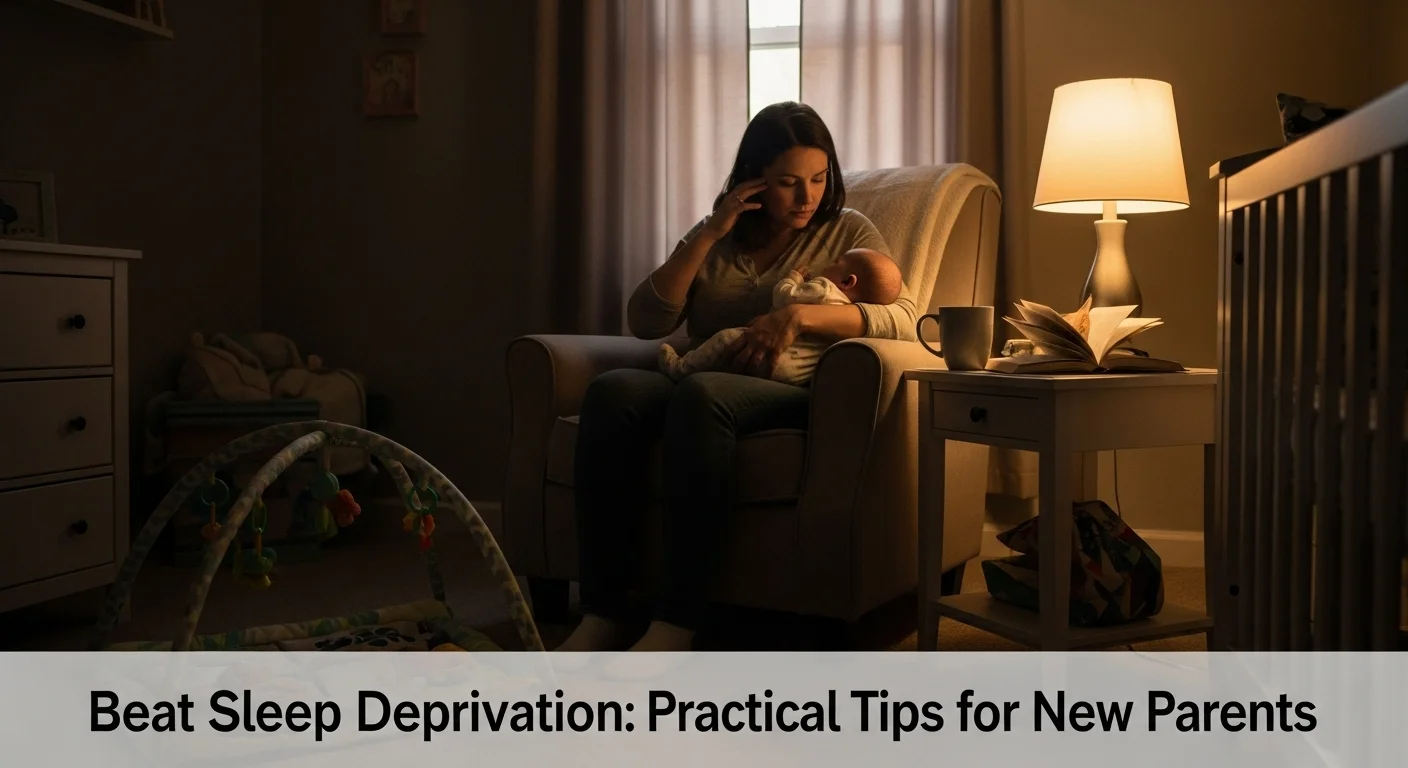
Sleep deprivation occurs when you don’t get enough sleep to function properly. For new parents, this can become a common struggle. I remember those early days when I would look at the clock, and it felt like time was slipping away. The constant wake-ups for feedings, diaper changes, and soothing cries left me feeling like a walking zombie. It’s no wonder that many of us feel the effects of sleep deprivation acutely during this time.
Common Causes of Sleep Deprivation in New Parents
There are many reasons why new parents experience sleep deprivation. First and foremost, newborns have unpredictable sleep patterns. They often sleep in short bursts, which means we have to adjust our sleep schedules accordingly. I recall the first few weeks with my baby were spent falling asleep only to be jolted awake again within an hour or two.
Another common cause is the anxiety that comes with caring for a new baby. It’s natural to worry about their well-being, and this can make it hard to relax enough to fall asleep. I found myself lying awake, replaying every sound I heard on the baby monitor. Additionally, some parents may also be juggling other responsibilities, such as work or caring for older children, which can further cut into precious sleep hours.
Effects of Sleep Deprivation on Health
The effects of sleep deprivation can be quite serious. From my experience, it’s not just about feeling tired; it’s about how that fatigue can impact every aspect of our lives. Research shows that lack of sleep can lead to mood swings, increased stress levels, and even affect our immune system. I noticed that I was more irritable and less patient with my baby, which only added to my guilt as a parent.
Furthermore, sleep deprivation can impair cognitive functions, making it difficult to concentrate or make decisions. I learned the hard way that I was forgetting little things, like where I placed the baby’s bottle or the timing of their next feeding. This fogginess can be frustrating and overwhelming, leading to a cycle of stress and exhaustion. Prioritizing sleep, even in small amounts, can significantly improve our health and overall well-being. Read Interesting article: Tackling Sleep Deprivation: Strategies for Exhausted Parents
Strategies for Better Sleep as a New Parent
Establishing a Sleep Routine
One of the most effective strategies I found for getting better sleep was to establish a consistent sleep routine. This not only helps your baby learn when it’s time to sleep but can also signal your body that it’s time to wind down. We tried to create a calm bedtime ritual that included activities like a warm bath, soft lullabies, or gentle rocking. Even on those nights when I felt utterly exhausted, I made it a point to stick to this routine; it made a significant difference.
The Importance of Naptime
Naps became my best friend as a new parent. I quickly learned that if my baby was napping, I should take advantage of that time to rest as well. I remember feeling guilty for sleeping when there were dishes to wash or laundry to fold, but I realized that taking short naps helped me recharge. Even a 20-30 minute nap can do wonders for your energy levels and mood. I recommend not feeling guilty about using nap times for your own rest—it’s essential for your health!
Creating a Sleep-Friendly Environment
Creating a conducive sleep environment is crucial for both you and your baby. I found that keeping the room dark, quiet, and cool helped signal that it was time to sleep. Using blackout curtains was a game changer for us; they blocked out the light during the day, allowing me to nap whenever I could. I also invested in comfortable bedding and pillows, which made a world of difference in how easily I could drift off to sleep.
Utilizing White Noise and Soothing Sounds
White noise machines or apps became a staple in our home. The gentle hum created a soothing backdrop that helped both my baby and me sleep better. I discovered that the rhythmic sound mimicked the environment of the womb, which was comforting for my newborn. I also enjoyed listening to calming music or nature sounds during my own sleep time. It’s amazing how little things can help create a peaceful atmosphere that promotes better sleep.
Time Management Tips for New Parents
Prioritizing Tasks and Responsibilities
As a new parent, I quickly learned that time management is crucial. With so much to juggle, it can feel overwhelming. I found it helpful to prioritize tasks based on urgency and importance. I began making a simple list each day. For me, it included essentials like feeding and changing the baby, but I also noted down household chores that could be done later. I remember feeling a rush of relief when I realized that not every task had to be completed immediately. It’s okay to let some things slide—like that pile of laundry—if it means I can focus on my baby and my own well-being.
One trick that worked wonders for us was to break tasks into smaller, manageable chunks. Instead of thinking, “I need to clean the whole house,” I would set a timer for 10 or 15 minutes and tackle just one room or one area. This approach not only made the tasks seem less daunting but also allowed me to feel a sense of accomplishment, even when my time was limited.
Sharing Responsibilities with Your Partner
Co-parenting has been a game-changer for me. I remember the first few weeks with my baby, feeling as if I had to do it all myself. But once I opened up to my partner about how overwhelmed I felt, we started sharing responsibilities more effectively. It’s amazing how much lighter the load can feel when you’re working as a team. We sat down and divided tasks based on our strengths and schedules. I was typically on nighttime feedings, while my partner took on morning diaper changes and some evening chores.
This collaboration not only gave me more time to rest but also helped us bond as a couple. We established a nightly check-in, where we would discuss how we felt and what we needed from each other. I believe that open communication is essential, especially in those early days when everything feels so new and challenging.
Using Baby Care Tools and Technology
Technology has been a lifesaver in managing my time as a new parent. I started using various baby care tools that made life so much easier. For example, I found baby monitors with app connectivity to be incredibly helpful. Being able to check in on my baby from another room gave me peace of mind and allowed me to take care of other tasks, like preparing dinner or sneaking in a quick nap.
Additionally, I discovered several apps designed to help track feeding schedules and diaper changes. This was especially helpful in those early days when everything felt like a blur. I could glance at my phone to see when my baby last ate or slept, which made planning my day much easier. I also found it useful to set reminders for important tasks—like taking medications or even simple self-care activities—so I wouldn’t forget amidst the chaos.
Self-Care Practices to Combat Sleep Deprivation
Nutrition and Hydration for Better Energy Levels
When I was in the thick of new parenthood, I realized how crucial it was to pay attention to my nutrition and hydration. I used to think that grabbing a quick snack or a cup of coffee would be enough to keep my energy levels up. But I soon learned that fueling my body with wholesome foods made a significant difference in how I felt. I began preparing easy, nutritious meals ahead of time—things like smoothie packs or overnight oats that I could quickly grab. It felt like a small victory to have healthy options ready to go, even on the busiest days.
Staying hydrated was another essential aspect of my self-care routine. I kept a water bottle nearby at all times, reminding myself to drink throughout the day. I found that simply taking a moment to hydrate helped clear my mind and recharge my body, making it easier to handle whatever parenting challenges came my way.
Exercise and Its Impact on Sleep Quality
I used to think that exercising would be the last thing on my mind as a new parent, but I discovered that even small amounts of physical activity can significantly improve sleep quality. Whenever I could steal a few moments, I’d go for a short walk with my baby in the stroller. It felt refreshing to get some fresh air, and I found that it helped lift my mood and energy levels. I also tried to incorporate stretching or light workouts during nap times. Even if it was just 10 minutes, I noticed that it made me feel more awake and ready to tackle the next round of parenting duties.
Mindfulness and Relaxation Techniques
Amid the chaos of new parenthood, I found mindfulness and relaxation techniques to be incredibly beneficial. I started with simple breathing exercises whenever I felt overwhelmed. I’d take a moment to close my eyes, inhale deeply, and exhale slowly. This practice helped ground me, even when I was juggling multiple tasks. I also experimented with meditation apps that offered guided sessions, which I found comforting. It felt so nice to take a brief pause for myself, even if it was just for a few minutes.
Additionally, I discovered the power of gratitude journaling. Each evening, I would jot down a few things I was grateful for, no matter how small. This practice shifted my focus away from exhaustion and stress, helping me appreciate the little moments of joy that came with being a new parent. It became a reminder that despite the tiredness, there were beautiful experiences happening every day.
When to Seek Help for Sleep Issues
Signs You May Need Professional Support
As new parents, we often push through the challenges of sleep deprivation, thinking it’s just part of the journey. However, there comes a point when it might be necessary to seek professional help. I remember feeling like I was in a never-ending cycle of exhaustion, and it took me a while to realize that I needed support. Some signs to look out for include persistent feelings of overwhelming fatigue, difficulty functioning during the day, or experiencing mood swings that affect your relationship with your partner and baby. If you notice that your mental and emotional well-being is deteriorating, it’s crucial to reach out for help.
Another red flag is when you find it hard to cope with the demands of parenting, leading to increased irritability or anxiety. If my exhaustion turned into feelings of hopelessness or despair, I knew it was time to talk to someone. Remember, it’s perfectly okay to ask for help; it doesn’t make you a lesser parent. In fact, prioritizing your mental health can help you be a better parent in the long run.
Resources for New Parents Facing Sleep Deprivation
There are various resources available to support new parents struggling with sleep deprivation. I found that local parenting groups were incredibly helpful. Connecting with other parents facing similar challenges not only provided emotional support but also practical tips on managing sleep issues. Online forums and social media groups can also be great places to share experiences and gather advice.
If you feel overwhelmed, consider speaking with a healthcare professional. They can assess your situation and provide tailored recommendations. Many pediatricians offer resources for new parents, including recommendations for sleep training methods that might work for your baby. I found that discussing my concerns with my doctor helped me feel less alone and armed with strategies to improve our sleep situation.
Additionally, there are sleep consultants who specialize in helping families establish healthy sleep habits. While I initially hesitated to seek outside help, I learned that sometimes having an expert’s perspective can make a world of difference. They can guide you through creating a sleep plan suited to your family’s unique needs. Read Interesting article: Mastering Sleep Deprivation: A Guide for New Moms & Dads
Adjusting to Life with a Newborn
Understanding Newborn Sleep Patterns
One of the first lessons I learned as a new parent was that newborns have their own unique sleep patterns, and they can be quite unpredictable. I remember reading that newborns typically sleep around 14 to 17 hours a day, but that sleep is often fragmented into short stretches. It was a bit of a shock for me when I realized that my baby didn’t abide by the same sleep schedule as I did! Understanding that their sleep cycles consist of light and deep sleep, and that they often wake up every couple of hours, helped me adjust my expectations.
It’s also important to know that as babies grow, their sleep patterns will evolve. I found it helpful to track my baby’s sleep and wake times, which gave me a better understanding of their natural rhythms. This way, I could plan my own rest periods more effectively. Even though it was challenging at times, knowing that these patterns were temporary helped me maintain my sanity.
Strategies for Coping with Nighttime Wakefulness
Nighttime wakefulness can feel daunting, but I discovered some strategies that made those late-night hours a bit more manageable. First, I adopted a “sleep when the baby sleeps” mentality, which I mentioned earlier. It was essential to find those moments to rest, no matter how small. I also learned to embrace the quietness of the night. Instead of stressing over the fact that I was awake, I tried to enjoy the peaceful moments with my baby. I would often read a book or listen to calming music while feeding my little one, which helped me feel more relaxed.
Another strategy that worked well for me was sharing the nighttime duties with my partner. We created a system where one of us would handle feedings while the other got to sleep. This not only ensured that we both got some much-needed rest, but it also allowed us to support each other during those tough nights.
Lastly, I found that preparing for nighttime wakefulness during the day made a big difference. I would set out everything I needed for the night—like diapers and bottles—so that when it was time to feed or change the baby, I wouldn’t have to scramble around in the dark. This small preparation helped me feel more organized and less overwhelmed during the sleepy hours.
Tips for Supporting Your Partner’s Sleep
Communication and Understanding Each Other’s Needs
One of the most valuable lessons I learned during my journey as a new parent was the importance of communication with my partner. I remember those late nights when we were both exhausted, and it was easy to feel frustrated with one another. It became clear that we needed to express our feelings and needs openly. We started having regular check-ins where we would share how we were coping with sleep deprivation and what we needed from each other. This transparency helped us avoid misunderstandings and resentment.
For instance, if I was feeling particularly drained, I would let my partner know I needed a longer sleep stretch the next night. They, in turn, would express their own needs. This kind of open dialogue created a supportive environment where we could be there for each other, rather than feeling like we were competing for rest. I genuinely believe that understanding each other’s struggles and being willing to adapt helped strengthen our relationship during a challenging time.
Creating a Supportive Environment Together
Another thing that made a significant difference for us was working together to create a supportive sleep environment. We made a conscious effort to prioritize our sleep quality, which meant being mindful of our surroundings. We agreed to keep distractions like phones and loud noises to a minimum during our rest periods. I found that we both felt more rested when our bedroom was a sanctuary—dark, quiet, and comfortable.
We also took turns taking care of the baby during the night whenever possible. I remember one night when my partner took the late shift with our little one while I got a solid three hours of uninterrupted sleep. This kind of teamwork not only allowed us both to recharge but also fostered a sense of partnership and shared responsibility. It’s a small but significant way to support each other during those sleepless nights.
Final Thoughts
Reflecting on my experience as a new parent, I realize that managing sleep deprivation is as much about caring for ourselves as it is about caring for our baby. It’s a delicate balance that requires patience, understanding, and a willingness to seek help when needed. Prioritizing sleep, even in small amounts, and supporting each other through open communication can make all the difference. Remember, it’s okay to lean on your partner, friends, or family during this time. We’re all in this together, and taking care of ourselves ultimately allows us to be better parents. So, embrace the journey, take one day at a time, and don’t hesitate to ask for help when you need it. Our well-being matters, too.
Frequently Asked Questions
What is sleep deprivation in new parents?
Sleep deprivation occurs when you don’t get enough sleep to function properly, which is a common struggle for new parents due to constant wake-ups for feedings, diaper changes, and soothing cries.
What are common causes of sleep deprivation for new parents?
Common causes include unpredictable sleep patterns of newborns, anxiety about the baby’s well-being, and juggling other responsibilities like work or caring for older children.
What are the effects of sleep deprivation on health?
Sleep deprivation can lead to mood swings, increased stress, impaired cognitive functions, and difficulties in concentration, which can affect parenting abilities and overall well-being.
How can new parents establish a sleep routine?
New parents can establish a consistent sleep routine by creating calm bedtime rituals that signal to both the baby and themselves that it’s time to wind down, such as giving a warm bath or singing lullabies.
Why is naptime important for new parents?
Naptime is crucial as it allows parents to recharge when their baby is napping. Even short naps of 20-30 minutes can significantly improve energy levels and mood.
What should be included in a sleep-friendly environment?
A sleep-friendly environment should be dark, quiet, and cool. Using blackout curtains and comfortable bedding can help create a conducive space for better sleep.
How can technology help new parents manage sleep?
Technology can assist by providing baby monitors with app connectivity and apps for tracking feeding schedules and diaper changes, helping parents organize their time and responsibilities more effectively.
What self-care practices can combat sleep deprivation?
Self-care practices include maintaining proper nutrition and hydration, engaging in light exercise, and practicing mindfulness and relaxation techniques to improve overall energy levels and sleep quality.
When should new parents seek professional help for sleep issues?
Parents should consider seeking professional help if they experience persistent fatigue, difficulty functioning, mood swings that affect relationships, or feelings of hopelessness or despair.
How can partners support each other during sleep deprivation?
Partners can support each other by communicating openly about their needs, creating a supportive sleep environment, and sharing nighttime responsibilities to ensure both get adequate rest.