
Every child develops at their own pace, but understanding behavioral milestones can be a game changer for parents. These milestones serve as important markers in a child’s growth, helping us know what to expect and when to seek help if needed. How to Track Your Child’s Behavioral Milestones Effectively provides insightful strategies for parents.
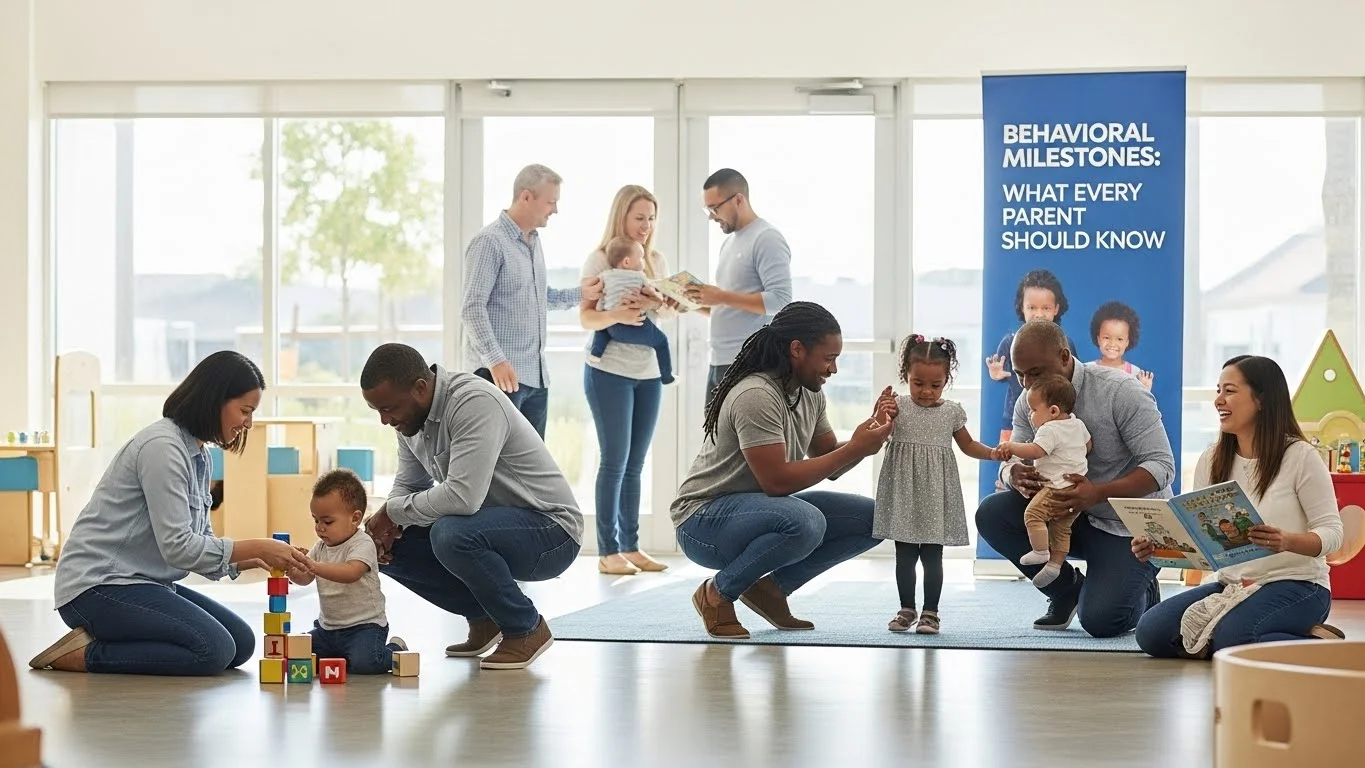
Understanding Behavioral Milestones
Definition of Behavioral Milestones
Behavioral milestones are specific skills or behaviors that children typically achieve at certain ages. They cover a wide range of areas including social, emotional, language, and cognitive development. When I first heard about these milestones, I realized how crucial they are in helping parents gauge their child’s growth. For instance, when my daughter started to mimic sounds and gestures, I felt a sense of pride knowing she was hitting her developmental targets.
Importance of Tracking Development
Tracking behavioral milestones is vital for several reasons. It helps us recognize what’s typical for a child’s age, but more importantly, it allows us to identify any potential delays early on. From my experience, catching these delays early can make a significant difference. For example, when my nephew showed signs of struggle with social interactions, his parents were proactive in seeking support, leading to positive changes in his development. By keeping an eye on milestones, we can better support our children’s journey and ensure they get the help they need when they’re most receptive to it. Understanding Key Behavioral Milestones in Early Childhood can further enhance your knowledge.
Key Developmental Stages
There are several key developmental stages that parents should be aware of. I often think of them as chapters in a book, each crucial for the overall story of a child’s growth. The early years, from birth to about 7 years old, are particularly significant. During these years, children undergo rapid changes in their abilities, behaviors, and ways of interacting with the world. These stages can be divided into infancy (0-12 months), toddlerhood (1-3 years), preschool (3-5 years), and early school age (5-7 years). I remember how different my children were at each of these stages; it was fascinating to observe their unique personalities emerging as they reached new milestones.
Major Behavioral Milestones by Age
Milestones for Infants (0-12 months)
During the infant stage, which encompasses the first year, babies hit several important behavioral milestones. By around 2 months, most infants start to smile socially, which always warmed my heart when I experienced it. Around 6 months, they begin to babble and make a variety of sounds. I remember when my son first laughed—it was pure joy! By the end of their first year, most infants can sit up without support, show interest in their surroundings, and even respond to their names. These milestones are not just adorable; they also indicate that the baby’s brain is developing as it should.
Milestones for Toddlers (1-3 years)
Once they become toddlers, children begin to exhibit more complex behaviors. By the age of 2, they start to use simple words and can follow basic instructions. I found this stage super exciting; it felt like a whole new world opened up as my toddler began to communicate. Around 3 years, many children can engage in parallel play, where they play alongside other kids without necessarily interacting. This was a milestone I cherished watching as my children learned to navigate friendships and share toys. They also start showing more independence, which can be both exhilarating and, let’s be honest, a little challenging for parents.
Milestones for Preschoolers (3-5 years)
As preschoolers, kids become even more social and expressive. They typically start to form sentences and engage in imaginative play. I remember the first time my daughter created a pretend tea party—her creativity was bursting at the seams! By age 4, many children can count, recognize some letters, and articulate their thoughts more clearly. This is also the time when they start to understand the concept of taking turns and following rules during games. Watching my children grasp these ideas was a proud moment for me as a parent.
Milestones for Early School Age (5-7 years)
In the early school age years, children develop critical thinking skills and begin to understand more complex concepts. They can read simple texts, express their feelings more articulately, and engage in cooperative play. I remember how excited my son was when he first read a book on his own—it felt like a major achievement for both of us! Kids also start forming friendships based on mutual interests, which I think is a huge milestone in emotional development. They begin to grasp empathy and can relate to others’ feelings, which is a skill that will serve them throughout their lives.
Common Behavioral Milestones
Social Interaction and Play
As I’ve observed my children grow, I’ve come to appreciate the pivotal role social interaction plays in their development. Social milestones often begin to emerge as early as 6 months when babies start to engage in shared smiles and cooing with others. I remember how my daughter would light up when she saw a familiar face, and it was clear she was recognizing people beyond just family. By the time they reach toddlerhood, children engage in parallel play, which I found fascinating to watch. It’s like they’re learning to communicate and share without even realizing it! They might not play directly with others, but they’re absorbing so much from those interactions. As they transition to preschoolers, they start to engage in cooperative play, sharing toys and taking turns. I felt such pride watching my kids invite friends into their imaginative play, creating whole worlds together.
Emotional Development
Emotional milestones are incredibly important as they shape how children understand and express their feelings. During the toddler years, I noticed my children could express basic emotions like happiness and sadness, but it wasn’t until they reached preschool age that they began to identify more complex feelings like frustration or excitement. For me, the first time my son expressed disappointment when something didn’t go his way was eye-opening. It was a reminder that he was developing his emotional intelligence. As kids grow, their ability to manage emotions improves too, which I think is crucial for building resilience. They learn to cope with frustrations and understand the feelings of others, which I believe forms the foundation for empathy.
Language and Communication Skills
Language development milestones are truly amazing to witness. When my children were infants, I would talk to them endlessly, hoping to instill a love for language early on. By the time they hit their toddler years, I was thrilled when they began using simple words to express their needs. I remember my daughter’s first word was “more” during snack time, and it was a proud moment for me. As they became preschoolers, their vocabulary exploded! They started forming sentences and expressing their thoughts clearly. I found it delightful when my son would recount stories from his day with such enthusiasm. Observing their language skills grow made me realize how vital communication is for building relationships and navigating the world.
Cognitive Development and Problem-Solving
Cognitive milestones are another area that really caught my attention. I’ve seen how children learn to think critically and solve problems from a young age. As infants, they explore their environment and learn through sensory experiences. I vividly recall my son’s fascination with stacking blocks; he would try over and over again until he found the right balance. This exploration continued into toddlerhood, where they might figure out simple puzzles or make connections between objects. By the time they reach preschool age, their cognitive skills expand even further. I remember my daughter delighting in asking “why” about everything! It was a beautiful stage of curiosity where she wanted to understand the world around her. Watching them learn to think independently and tackle challenges fills me with hope for their future.
Signs of Developmental Delays
Identifying Delays in Infants
When it comes to identifying delays in infants, I’ve learned that early intervention is key. If your baby isn’t showing social smiles by 2 months or isn’t babbling by 6 months, it could be a sign of a delay. I remember being concerned when my first child didn’t seem to respond to sounds as quickly as my second. It’s essential to trust your instincts as a parent. Keeping an eye on these signs can help us seek support if needed, ensuring our little ones get the best start possible.
Recognizing Delays in Toddlers
During the toddler years, I realized it’s crucial to watch for social and language skills. If a child isn’t using at least a few words by 18 months or isn’t engaging in any shared play or interactions by age 2, it might be worth discussing with a pediatrician. I remember having conversations with other parents about their concerns, which made me feel less isolated. Sharing experiences helps us understand that we’re not alone in this parenting journey.
Indicators of Issues in Preschoolers and Early School Age
As children enter preschool and early school age, we can look for additional signs of developmental delays. If a child struggles to follow simple instructions, has difficulty making friends, or shows little interest in imaginative play, it could indicate a need for further evaluation. I’ve seen friends’ children show varying levels of these behaviors, and it’s important to remember that every child is different. Listening to our instincts and being proactive can make a real difference in supporting our children’s growth.
How to Support Your Child’s Development
Encouraging Social Skills
Supporting our children’s social skills is something I truly believe can set the stage for their future relationships. One effective way I found to encourage social interaction is through playdates. I remember organizing simple get-togethers with friends who had children the same age. Watching my kids navigate these early friendships was both heartwarming and insightful. I noticed they learned to share, take turns, and even resolve small conflicts on their own. Role-playing games can also be a great tool. By acting out different scenarios, we help them understand various social cues and practice responding to them. I often found myself joining in on their imaginative play, which not only strengthened our bond but also provided them with a safe space to experiment with social interactions.
Promoting Language Development
Language development is such a fascinating journey, and I’ve always made it a priority in our household. Reading together has been one of my favorite ways to promote language skills. I remember the evenings spent snuggled up on the couch, flipping through colorful picture books. It was amazing to see my children’s eyes light up when they recognized a word or repeated phrases after me. Singing songs and nursery rhymes also turned out to be a fun way to boost their vocabulary and rhythm. I found that the more we talked, whether about our day or what we saw outside, the more my kids started to communicate. Encouraging them to express their thoughts and feelings openly helped foster a love for language and a desire to connect with others.
Fostering Emotional Intelligence
Emotional intelligence is something I think is incredibly important for children to develop. I’ve always tried to create an environment where my kids feel safe to express their emotions. When they were upset or frustrated, I made it a point to sit down with them and validate their feelings. I remember one instance when my daughter was upset about losing a toy. Instead of brushing it off, we talked about how losing things can make us feel sad or angry. This not only helped her understand her emotions but also taught her that it’s okay to feel that way. Teaching them empathy through discussions about how others might feel in specific situations has been another key aspect of this journey. I’ve noticed that when they can recognize emotions in themselves and others, they become more compassionate and understanding individuals.
Engaging in Play and Learning Activities
Play is such a natural way for children to learn, and I’ve always embraced that in our family. I remember creating various learning stations at home, where each corner had a different focus. One area was dedicated to arts and crafts, which sparked creativity and fine motor skills. Another was set up for simple science experiments, igniting curiosity about the world around them. I also found that outdoor play is essential. Whether it was a trip to the park or simply playing in the backyard, physical activity helped them develop coordination while fostering social skills through group play. Incorporating learning into everyday activities like cooking or grocery shopping allowed us to bond while counting items or discussing colors and shapes. These moments of play and learning became cherished memories in our family.
Resources for Parents
Books on Child Development
Over the years, I’ve sought out various resources to help me understand child development better. One of my all-time favorite books is “The Whole-Brain Child” by Daniel J. Siegel and Tina Payne Bryson. It offers practical strategies for nurturing a child’s developing mind. I also found “How to Talk So Kids Will Listen & Listen So Kids Will Talk” by Adele Faber and Elaine Mazlish incredibly helpful for improving communication. These books have provided me with the right tools to navigate the challenges of parenting while also celebrating the joys of development. Additionally, I recommend reading Essential Behavioral Milestones for Every Child’s Development for valuable insights.
Websites and Online Tools
In this digital age, there are many fantastic websites that provide valuable information on child development. I often turn to the CDC’s “Learn the Signs. Act Early.” campaign, which offers milestones and resources for tracking development. The Zero to Three website is another gem; it focuses on early childhood development and has a wealth of articles and tips. Online forums and parenting groups can also be a comforting place to share experiences and gather insights from other parents. I’ve found that having a supportive community makes all the difference in this journey.
Professional Support and Services
Sometimes, seeking professional help can be a game changer. I’ve learned that pediatricians can provide valuable guidance on developmental concerns. If you notice any delays or have questions, I recommend reaching out to them early on. Additionally, early intervention services, such as speech therapy or occupational therapy, can offer specialized support tailored to a child’s needs. I remember a friend whose child benefited from speech therapy, and it made a tremendous difference in their communication skills. Knowing that there are professionals out there to help can bring a sense of relief and reassurance to parents.
Frequently Asked Questions (FAQs)
What are the key behavioral milestones for my child’s age?
Understanding the key milestones for your child’s age can help you gauge their development. Each stage has specific milestones, ranging from social interactions, language skills, emotional understanding, and cognitive abilities. Resources like pediatricians or developmental websites can provide a detailed breakdown based on your child’s age.
How can I encourage my child to reach their milestones?
Encouraging your child to reach their milestones involves creating an engaging and supportive environment. Playtime is crucial; it’s through play that children learn and practice new skills. Reading together, engaging in conversations, and providing opportunities for social interaction also play a significant role in their development.
When should I be concerned about my child’s development?
If you notice significant delays in your child’s milestones—like not talking by a certain age or having difficulty making friends—it’s essential to discuss these concerns with a pediatrician. Early intervention can make a world of difference, so trusting your instincts is vital.
What professional help is available for developmental issues?
There are various professional resources available, from pediatricians who can assess development to specialists such as speech or occupational therapists. Early intervention programs also provide comprehensive support for children who may need extra help. Seeking out these resources can empower parents and aid in their child’s development.
Frequently Asked Questions
What are behavioral milestones?
Behavioral milestones are specific skills or behaviors that children typically achieve at certain ages, covering areas such as social, emotional, language, and cognitive development.
Why is tracking behavioral milestones important?
Tracking behavioral milestones helps parents recognize typical developmental patterns, identify potential delays early, and ensure children receive necessary support for their growth.
What are the key developmental stages for children?
The key developmental stages include infancy (0-12 months), toddlerhood (1-3 years), preschool (3-5 years), and early school age (5-7 years), each characterized by significant changes in abilities and behaviors.
What are some major milestones for infants?
Major milestones for infants include smiling socially by 2 months, babbling by 6 months, sitting up without support, showing interest in surroundings, and responding to their names by the end of the first year.
What milestones should I expect from toddlers?
Toddlers typically start using simple words by age 2, can follow basic instructions, engage in parallel play by age 3, and show increasing independence.
How do preschoolers develop socially and emotionally?
Preschoolers begin forming sentences, engaging in imaginative play, understanding turn-taking, and recognizing complex emotions as they grow socially and emotionally.
What signs may indicate developmental delays in infants?
Signs of developmental delays in infants include not showing social smiles by 2 months or not babbling by 6 months, which can warrant a discussion with a pediatrician.
How can I support my child’s language development?
Supporting language development can involve reading together, singing songs, engaging in conversations about daily activities, and encouraging children to express their thoughts and feelings.
What resources are available for parents concerned about child development?
Parents can access various resources such as books on child development, websites like the CDC’s “Learn the Signs. Act Early.” campaign, and professional support from pediatricians and early intervention services.
When should I seek professional help for my child’s development?
It is advisable to seek professional help if you notice significant developmental delays, such as a lack of speech or difficulty in social interactions, as early intervention can significantly benefit your child.