
Bonding with your newborn can be both a joyous and challenging experience, especially when separation anxiety comes into play. Understanding this process is crucial for creating a strong foundation for your child’s emotional health. Read Interesting article: Bonding with Your Newborn: Communication Techniques That Work
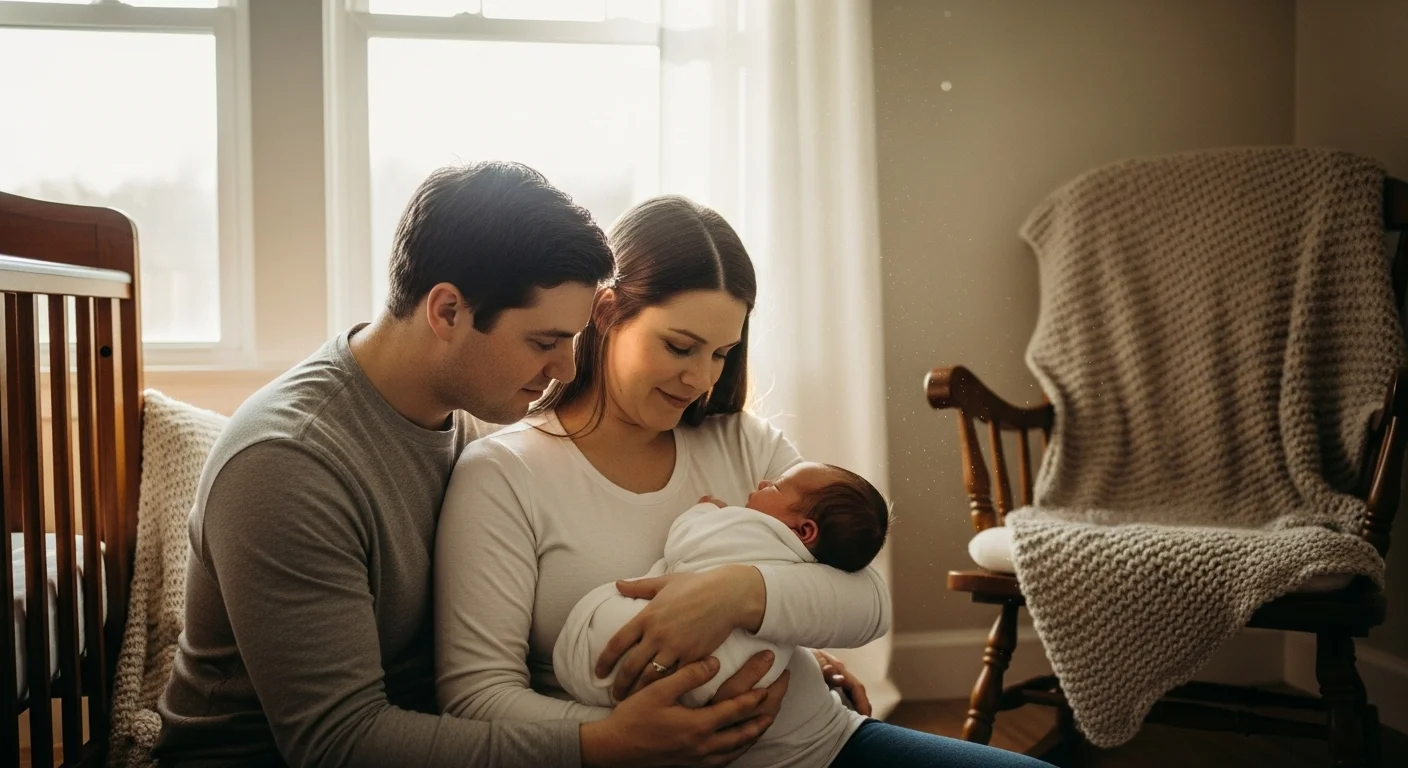
Understanding Bonding with Your Newborn
What is Bonding?
Bonding with your newborn is that beautiful and instinctive connection that develops between you and your baby. It’s more than just a physical relationship; it’s about emotional closeness and security. I remember the first time I held my child. The overwhelming sense of love and responsibility washed over me. This connection is often nurtured through simple actions like cuddling, feeding, or making eye contact. These moments are precious and lay the groundwork for a healthy relationship as your child grows.
Importance of Bonding for Development
Bonding is crucial not just for emotional well-being but also for the overall development of your baby. Research shows that when parents bond with their newborns, it significantly impacts their social and emotional development. I’ve seen how babies who feel secure in their relationships tend to be more confident and better at forming friendships later on. When a baby knows they are loved and safe, they are more likely to explore the world around them, which enhances their cognitive skills and curiosity.
Additionally, bonding promotes a stronger parent-child relationship that can lead to better mental health outcomes. From my experience, I noticed that as I became more attuned to my baby’s needs, I felt more confident in my parenting skills. It’s a cycle; the better the bond, the more secure the baby feels, and the more competent you feel as a parent. I encourage parents to explore Top 10 Fun Physical Bonding Activities for Newborns to strengthen their connection.
Separation Anxiety in Newborns
What is Separation Anxiety?
Separation anxiety is a natural stage in a child’s development when they become distressed at the thought of being apart from their caregivers. It’s something I didn’t fully understand until I experienced it firsthand. My little one would cry every time I stepped out of the room, and it broke my heart. This is a normal phase, but knowing how to navigate it can make a world of difference for both you and your baby.
Signs of Separation Anxiety in Newborns
Recognizing the signs of separation anxiety can be tricky, especially in newborns. Common indicators include excessive crying when you leave the room, clinginess, and even changes in sleep patterns. My baby would fuss more during bedtime, and I learned to associate this with separation anxiety. It’s important to observe these behaviors carefully, as they can help you understand your child’s emotional needs better.
When Does Separation Anxiety Typically Begin?
Separation anxiety often begins around six months of age and can peak between 10 and 18 months. I remember this phase vividly; it felt like my baby was glued to me! While it can be a challenging time, it’s also a sign that your baby is developing a strong bond with you. They’re beginning to understand that you are a separate entity and that your absence means a change in their environment. It can feel overwhelming, but it’s also a testament to the connection you’ve built.
Understanding when separation anxiety typically begins allows you to prepare for it. You can start developing strategies to help both you and your baby cope with these feelings. I found that being aware of this timeline helped me to stay calm and reassure my little one during difficult moments.
Strategies for Bonding with Your Newborn
Skin-to-Skin Contact
One of the most powerful ways to bond with your newborn is through skin-to-skin contact. I still remember the first time I held my baby against my chest, just skin-to-skin. It felt like an instant connection. This practice, often referred to as “kangaroo care,” has numerous benefits. It helps regulate your baby’s body temperature, heart rate, and breathing. For me, it was a calming experience; I could feel my baby relax and snuggle closer. The warmth and closeness foster a sense of security for both of us. I recommend taking time each day for this simple yet profound act. Even just a few minutes can make a difference in strengthening your bond.
Responsive Parenting Techniques
Being responsive to your baby’s cues is another effective strategy for building a strong bond. I learned that when I paid attention to my baby’s cries, coos, and facial expressions, it helped me understand their needs better. For example, if my little one cried, I would quickly pick them up, offer a soothing voice, or feed them. This responsiveness not only reassures them that they are loved but also builds their trust in me. It’s amazing to see how quickly babies can learn that their needs will be met when they signal to us. I believe that cultivating this responsiveness lays a solid emotional foundation for our relationship as they grow. Read Interesting article: Top Emotional Bonding Techniques for Newborns on the Go
Establishing a Routine
Establishing a routine can also enhance bonding. I found that having a consistent daily schedule helped my baby feel more secure. Simple routines like regular feeding times, bath times, and bedtime rituals make the world feel more predictable for them. I remember how soothing it was to develop a nighttime routine: a warm bath, a lullaby, and snuggles before sleep. This structure not only reassured my baby but also created special moments for us to connect. It’s like our little tradition, a time just for us, and I cherish those moments immensely.
Importance of Eye Contact and Communication
Eye contact and communication play a significant role in bonding as well. Just gazing into my baby’s eyes felt like a silent conversation filled with love and understanding. I noticed that when I held their gaze, they would often respond with smiles or coos, which made my heart swell. Talking, singing, or making funny faces not only entertains them but also strengthens our connection. I often found myself narrating my day or reading books to my baby, even when they were just a few months old. This interaction fosters emotional ties and helps them develop language skills. I believe that every moment spent communicating is an investment in our relationship.
How to Alleviate Separation Anxiety
Gradual Separation Techniques
Navigating separation anxiety can be challenging, but gradual separation techniques offer a way to ease your baby into being apart from you. I discovered that starting with short periods of separation helped my little one adjust without feeling overwhelmed. For example, I would leave the room for a few minutes while my partner held them or placed them in a safe space with toys. I would return and reassure them with a warm smile and gentle words. This technique helped my baby realize that I would always come back, building their confidence in facing temporary separations.
Creating a Secure Environment
Creating a secure environment is essential for minimizing separation anxiety. From my experience, making sure the surroundings are comfortable and familiar can help. I decorated my baby’s nursery with soft colors and familiar toys, which seemed to provide a sense of safety. I also kept their favorite blanket or stuffed animal nearby. When I had to step away, I would let them hold onto these comfort items. It helped them feel more secure and connected to me, even when I wasn’t physically there.
Comfort Items for Your Newborn
Comfort items play a crucial role in alleviating separation anxiety. I found that having a special blanket or plush toy can be incredibly soothing for my baby. When I wasn’t around, my little one would often cuddle with their comfort item, which helped them feel connected to me. I remember one time when my baby was particularly upset after I left the room, but once they had their favorite stuffed animal, they calmed down. Encouraging your baby to bond with a comfort item can be a great way to ease their anxiety during times of separation.
Staying Calm and Positive
Finally, staying calm and positive during moments of separation makes a big difference. I realized that when I projected calmness, my baby seemed to respond better. I practiced taking deep breaths and speaking softly when I noticed my little one getting anxious. Even when I felt nervous about leaving them, I would remind myself that my baby could sense my emotions. By staying positive and reassuring them that everything would be okay, I felt more in control. This approach not only helped my baby but also made me feel better about the situation.
Role of Caregivers in Bonding
Involvement of Both Parents
Bonding is not just a one-person job; the involvement of both parents can enhance the experience for everyone involved. I’ve seen how when my partner engages with our baby—whether through playtime, diaper changes, or feeding—our child benefits immensely. It’s heartwarming to watch the relationship blossom between them. This shared responsibility not only strengthens the bond but also allows both parents to feel equally connected. I believe that when both parents actively participate in caring for the baby, it creates a well-rounded emotional foundation for the child.
Impact of Extended Family and Friends
Extended family and friends can also play a pivotal role in bonding. I remember how my parents and close friends would visit after my baby was born, showering them with love and attention. This not only provided support for me but also helped my baby feel secure around different people. Engaging with others, like grandparents or close friends, can expose your child to various relationships, which is vital for their social development. I found that allowing my baby to form connections with our loved ones added to their sense of security and belonging.
Professional Support and Resources
When to Seek Help
As parents, we often find ourselves navigating uncharted waters, especially when it comes to bonding with our newborns and managing separation anxiety. I’ve learned that it’s okay to seek help when things feel overwhelming. If you notice that your baby’s anxiety seems excessive or if your own emotional well-being is suffering, reaching out to a professional can be a vital step. Signs that it may be time to seek help include persistent crying that doesn’t improve with soothing, extreme clinginess that hinders daily activities, or if you find yourself feeling anxious and unsure in your parenting role.
In my experience, talking to my pediatrician about my concerns not only provided reassurance but also opened the door to helpful resources. They can guide you on when to expect certain developmental milestones, including separation anxiety, and help you understand what is considered normal behavior for your baby. If you feel that you’re struggling to bond with your newborn or that your baby’s anxiety is affecting your family life, don’t hesitate to reach out for support. It’s a sign of strength, not weakness.
Available Support Services
There are many resources available that can help support you through the bonding process and alleviate separation anxiety. I found local parenting groups to be incredibly helpful, where I could connect with other parents going through similar experiences. Sharing stories and insights not only provided comfort but also practical tips that I could apply to my own situation. Online forums and social media groups can also be a treasure trove of information and support.
If you prefer a more structured approach, consider looking into parenting classes or workshops offered by hospitals or community centers. These classes can provide valuable information on child development, bonding techniques, and coping strategies for separation anxiety. I attended a couple of workshops that focused on the emotional connection between parents and infants, and it helped me feel more equipped and confident in my parenting journey.
Additionally, if you feel that your baby’s anxiety is impacting their social development, working with a child psychologist or therapist who specializes in infant and toddler development can offer tailored strategies. They can help you implement techniques that promote a secure attachment and address any underlying issues that may contribute to separation anxiety.
Long-term Effects of Bonding and Separation Anxiety
Impact on Child Development
The effects of bonding with your newborn extend far beyond infancy. I’ve come to realize that the foundation we lay during those early months can influence our child’s emotional and social development for years to come. Research shows that strong parent-child bonds lead to better outcomes in terms of emotional regulation, social skills, and even academic performance later in life.
When babies feel secure and loved, they are more likely to develop a healthy self-esteem and resilience. I’ve noticed this in my own child; as they grew more confident in their relationship with me, they became more curious about the world. They started exploring new environments and interacting with peers more freely. I believe that fostering this sense of security during infancy is crucial for setting them up for future successes.
Building Trust and Security
Building trust and security in your relationship with your child is a continuous journey. I’ve learned that every moment spent together, whether through cuddling, playing, or simply being present, reinforces that trust. As my baby grew, I could see how the bond we developed helped them navigate new challenges, like starting preschool or meeting new friends.
They learned that they could explore safely because I was there to support them. This trust not only fosters independence but also teaches them how to build healthy relationships with others. I firmly believe that the love and connection we share during those early months set the stage for a lifetime of emotional health and strong interpersonal connections.
As we continue to nurture our bond, it’s comforting to know that we are not just raising a child—we are laying the groundwork for a well-adjusted and confident individual. Each interaction, no matter how small, contributes to their emotional toolkit as they grow. Through the challenges of separation anxiety and the joys of bonding, I’ve found that our experiences together shape not just their development but also my growth as a parent.
Final Thoughts
Reflecting on my journey as a parent, I realize just how vital the early stages of bonding and understanding separation anxiety are in shaping our children’s lives. It’s not just about nurturing a secure attachment; it’s about preparing our little ones for the world. Every moment spent bonding, whether through laughter or tears, plays a role in building the foundation of their emotional health.
I’ve learned that it’s perfectly normal to have ups and downs in this process. Some days, I felt like a superhero, effortlessly connecting with my baby, while other days were filled with uncertainty and self-doubt. What I’ve come to appreciate is that both the struggles and joys are part of the adventure. The emotional rollercoaster is all part of forming a deep connection, and it’s okay to seek help when it feels overwhelming.
As our babies grow and begin to navigate their own emotions, I’ve found it essential to maintain an open line of communication. I remember the first time my child expressed frustration because I had to leave the room. It was a pivotal moment for both of us. I learned to validate their feelings, showing them that it’s completely okay to feel upset when we’re apart. This simple act of acknowledgment not only made them feel heard but also reinforced their ability to express emotions, a skill that would serve them well in the future.
Creating a support network is another crucial aspect that I recommend to new parents. Surrounding ourselves with understanding friends and family members offers reassurance and practical advice. I found comfort in the shared experiences of my fellow parents, knowing that we were all navigating similar challenges. Whether through informal gatherings or organized parenting groups, connecting with others made me feel less isolated in my journey.
It’s important to remember that every child is unique. What works for one baby might not work for another. I had to adapt and change my strategies based on my child’s reactions. This flexibility allowed us to thrive together as we learned what made our bond stronger. I also found joy in celebrating small milestones—like the first time my baby waved goodbye or showed excitement when I returned after a brief separation. These moments reinforced our bond and built my baby’s confidence, reminding me that our foundation was indeed solid.
Ultimately, I believe that nurturing a secure attachment is not just beneficial for our children; it enriches our lives as parents too. Each day presents new opportunities to connect, learn, and grow together. I cherish the moments spent snuggling on the couch, reading stories, or simply enjoying each other’s company. These experiences shape not just our children’s futures, but also the parents we become.
In the grand tapestry of parenthood, bonding with my newborn and understanding their needs has been one of the most fulfilling experiences of my life. Despite the challenges of separation anxiety, I feel grateful for the lessons it has taught me about love, patience, and resilience. It’s a journey worth taking, filled with countless rewards that last a lifetime.
Frequently Asked Questions
What is bonding with a newborn?
Bonding with your newborn is the instinctive emotional connection that develops between you and your baby. It involves emotional closeness and security, nurtured through actions like cuddling, feeding, and making eye contact.
Why is bonding important for a baby’s development?
Bonding is crucial for emotional well-being and overall development. Strong bonds can significantly impact a baby’s social and emotional development, leading to increased confidence, better friendships, and enhanced cognitive skills.
What is separation anxiety in newborns?
Separation anxiety is a natural developmental stage when a child becomes distressed at the thought of being apart from their caregivers. It is a normal phase, indicating that the baby is developing a strong bond with their caregiver.
What are common signs of separation anxiety in newborns?
Common signs of separation anxiety include excessive crying when you leave the room, clinginess, and changes in sleep patterns. These behaviors indicate the child’s emotional needs during this phase.
When does separation anxiety typically begin?
Separation anxiety often begins around six months of age and can peak between 10 and 18 months. This phase reflects the baby’s growing understanding that caregivers are separate entities.
What are effective strategies for bonding with a newborn?
Effective strategies for bonding include skin-to-skin contact, being responsive to the baby’s cues, establishing a routine, and maintaining eye contact and communication. These practices help strengthen the emotional connection.
How can parents alleviate separation anxiety in their newborns?
Parents can alleviate separation anxiety through gradual separation techniques, creating a secure environment, providing comfort items, and staying calm and positive during moments of separation.
What role do both parents play in bonding with a newborn?
The involvement of both parents enhances the bonding experience. When both parents participate in caring for the baby, it strengthens the bond and allows the child to feel equally connected to both caregivers.
When should parents seek professional help regarding bonding and separation anxiety?
Parents should seek help if their baby’s anxiety seems excessive or if their own emotional well-being is suffering. Signs include persistent crying that does not improve with soothing or extreme clinginess that disrupts daily activities.
What long-term effects can bonding and separation anxiety have on a child’s development?
Strong bonding can lead to better emotional regulation, social skills, and even academic performance later in life. It fosters healthy self-esteem and resilience, which are crucial for navigating future challenges.